REVIEW · KEP
Discover kampot country side full day tour; kep crab market
Book on GetYourGuide →Operated by Country side tours · Bookable on GetYourGuide
Salt fields, pepper heat, and crab lunches. This is a full-day mix of Kampot’s countryside and Kep’s sea-food energy, with stops that feel off the main strip. With an English guide like Vandy (and yes, he’s quick to adjust the pace), you’ll cover temples, farms, and water in one smooth loop.
I especially like two things: the small-group setup (max 4) and the way the day flows between countryside and coastline. You get walking time for salt flats and pepper farms, then you cool off at Kep Beach and finish with the famous crab market and sunset views.
One thing to think about: even though it’s listed around 6 hours, the day can stretch closer to 8–9 hours once you factor in driving time and stops. If you’re sensitive to long road stretches, plan accordingly.
In This Review
- Key points before you go
- Getting From Kampot to Kep: What the Small-Group Tuk-Tuk Day Feels Like
- Salt Fields in the Countryside: Seeing How Salt Actually Gets Made
- The Secret Lake Stop: Quiet Scenery Between Major Sights
- Cave Temple With a 5th-Century Touch: Why It’s More Than a Photo
- Pepper Farms and the Kampot Heat Test: Taste What Makes It Famous
- Kep Beach Swim and the Abandoned Buildings: A Sunset Finish That Feels Local
- Kep Crab Market: How to Enjoy It Without Overthinking
- Timing and Transport Reality: What the “6 Hours” Can Mean in Practice
- What’s Included (and What You’ll Still Need to Plan For)
- Who This Tour Suits Best (And Who Should Rethink It)
- Booking Your Decision: Should You Book This Countryside + Kep Crab Day?
- FAQ
- How long is the tour?
- Where does pickup happen?
- How much is pickup from Kep?
- Is there an extra fee for pickup location distance?
- What’s included in the tour price?
- Can I swim at Kep Beach?
- Is the tour in English?
- Is the group small?
- What should I bring?
Key points before you go
- Salt fields and process views: you’ll see how salt is made, not just a quick photo stop
- Temple cave visit: a cave temple with an old feel, including a 5th-century temple
- Kampot pepper tasting: see the farms and taste peppers that are famous for serious heat
- Kep Beach swim time: a real break by the water plus time to see old abandoned buildings
- Crab market hands-on: wander the seafood scene and sample local options
Getting From Kampot to Kep: What the Small-Group Tuk-Tuk Day Feels Like
This is a tuk-tuk countryside tour built for seeing a lot without renting your own transport. You’ll be in a small group of up to 4 people, which matters here because the route has multiple stops and you’ll want the guide to slow down when something catches your eye.
The tour normally starts in Kampot (you’ll be picked up opposite Epic Art Café, or directly from your Kampot hotel/restaurant if it’s in town). From Kep, pickup is an extra $10 one way, and the tour ends back in Kampot. If your pickup point is more than 3 km from the option point, there’s an added $5 charge.
A practical tip: because it’s a compact vehicle day, you’ll spend time on the road between sights. That’s not a downside if you treat it like a sightseeing circuit. It’s a downside if you want a day with minimal travel.
You can also read our reviews of more tours and experiences in Kep.
Salt Fields in the Countryside: Seeing How Salt Actually Gets Made
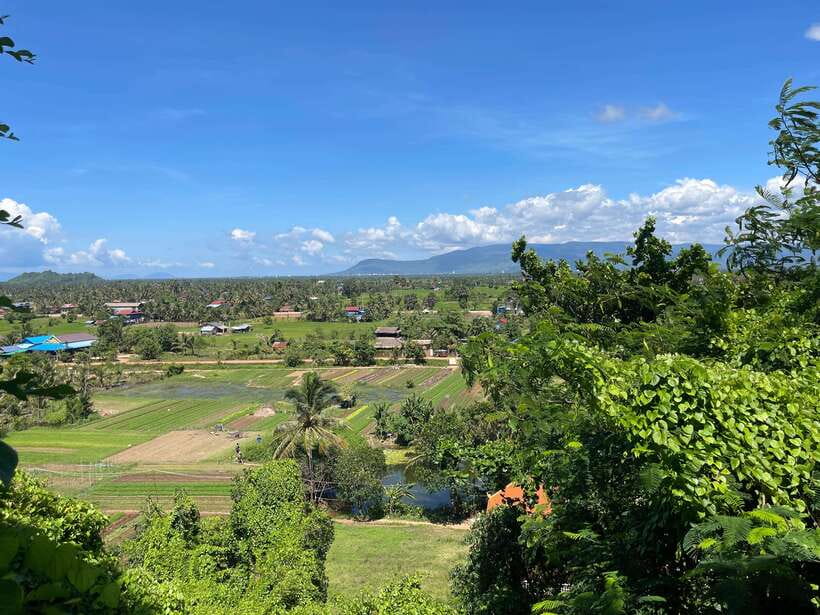
The day kicks off at the salt fields, where you can watch the process of making salt. This is one of those stops that’s simple but oddly satisfying—less about monuments, more about watching work that feeds local life.
Why I think this stop is worth it: it gives you a Cambodia countryside context before you jump into temples and seafood. Salt is tied to the region’s coast and livelihoods, so it makes the later Kep beach and market feel like part of the same story, not separate attractions.
What to expect here:
- Walking on uneven ground is possible, so comfortable shoes really pay off.
- Sun can be intense, so plan for sunscreen + a hat.
- You’ll get enough time to look closely and take photos, but this isn’t a long hike.
The Secret Lake Stop: Quiet Scenery Between Major Sights
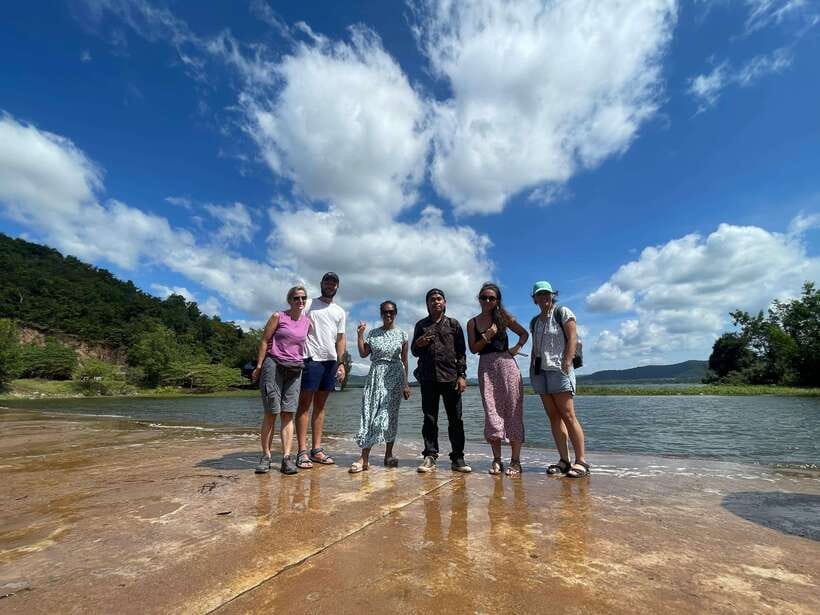
Next comes the secret lake area, described as a hidden, secluded countryside stop. This is where the tour shifts gears: fewer crowds, more stillness, and a chance to reset before you head to cave and temple time.
You’re not just doing a photo stop. The point is to slow down and enjoy the countryside rhythm. If you like travel days that alternate action with quiet, you’ll appreciate this pacing.
Bring the mindset of: short walk, light viewing, then back in motion. There’s no indication this is a full day activity—so don’t expect a long trek. Still, it can be a pleasant pause, especially if your earlier driving felt fast.
Cave Temple With a 5th-Century Touch: Why It’s More Than a Photo
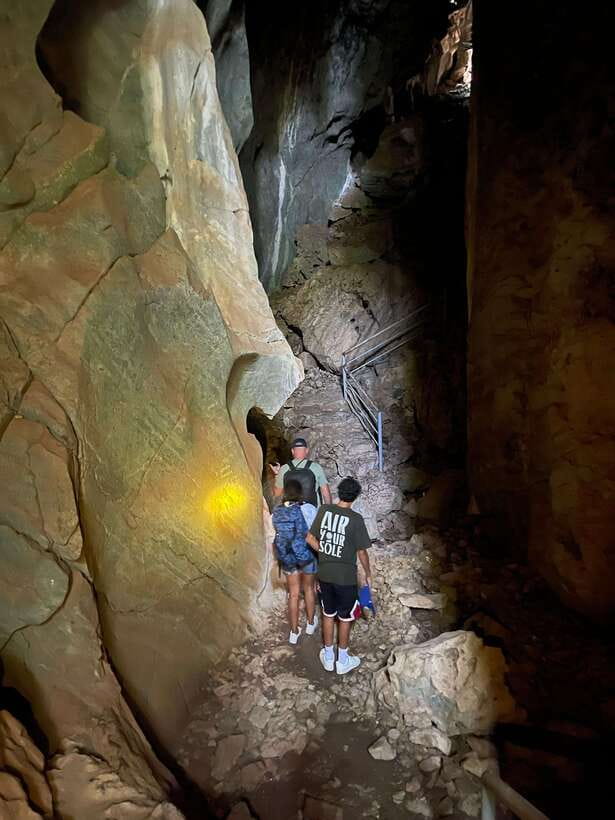
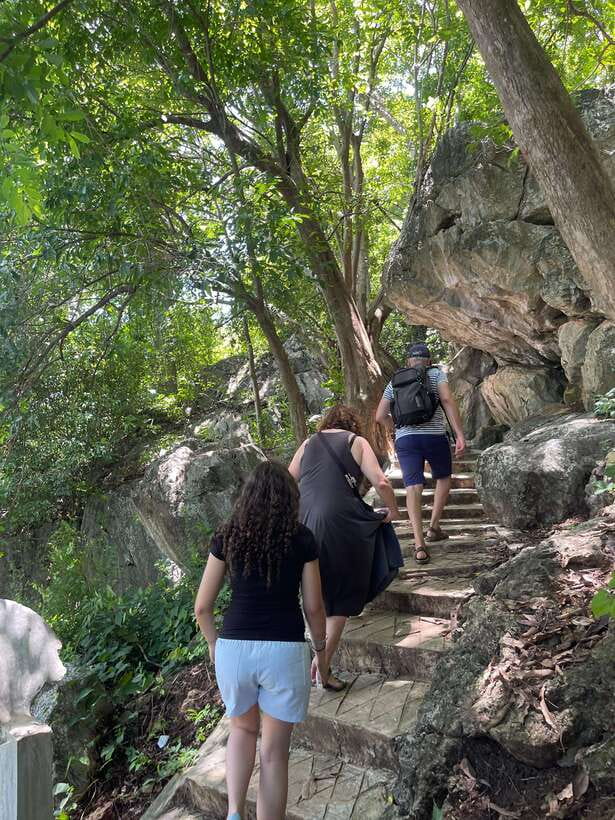
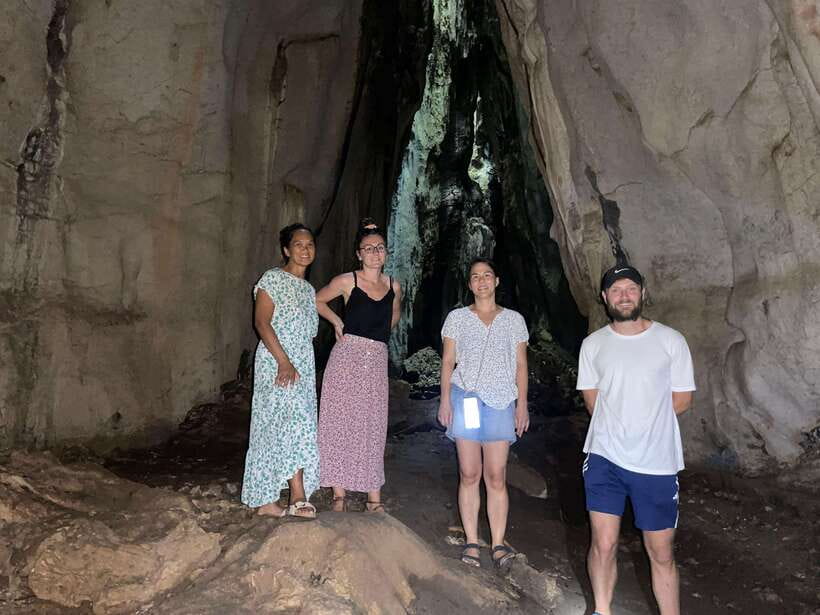
The temple cave is a highlight. You’re going into a cave with a temple inside, and the old temple dates back to the 5th century. That date matters because it changes your experience from scenery to context—you’re not just visiting something unusual; you’re seeing a longstanding spiritual site in a very physical setting.
What makes this stop work on the day:
- It’s memorable in a way that doesn’t rely only on views.
- The cave setting gives you cooler, calmer atmosphere than the open road.
- It breaks the day into sections: agriculture, water, then spirituality.
Practical note: cave spaces often mean uneven ground and more steps than you expect from a “quick stop.” So again, comfortable shoes beat flip-flops.
Pepper Farms and the Kampot Heat Test: Taste What Makes It Famous
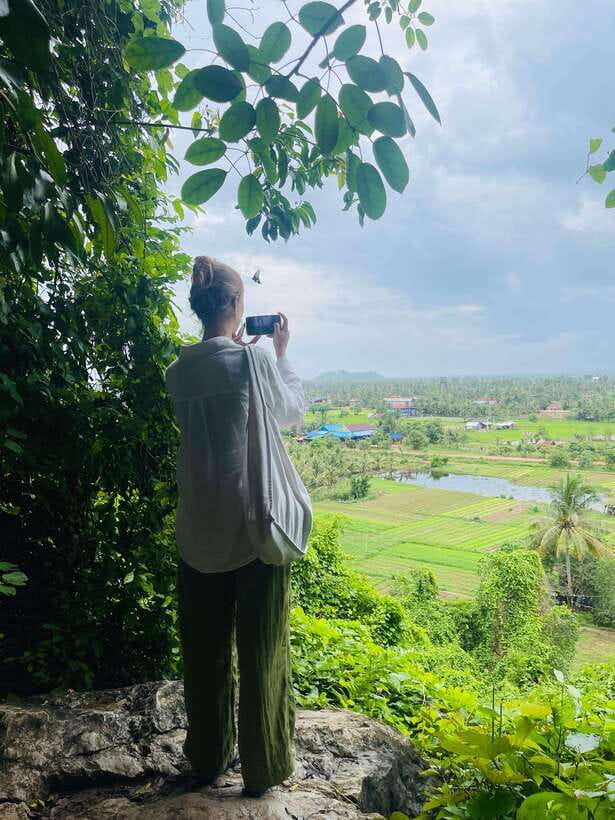
After the cave temple, you’ll head to pepper farms for a guided tour and tasting. Kampot pepper is famous, and the tasting is where it becomes real—you’ll smell it, then you’ll taste it, and yes, you’ll feel it.
Why this stop is good value: it connects the name on souvenir labels to the actual plant and farming approach behind it. Even if you don’t become a pepper purist, you’ll walk away with better instincts for buying pepper back in town.
What to do to get the most out of the tasting:
- Start slow and listen to the guide’s cues on how to taste peppers.
- If you’re not a spicy-food person, tell the guide. You can still participate without turning your day into a hot sauce challenge.
- Consider that your hands and mouth will smell like pepper for a while after.
Kep Beach Swim and the Abandoned Buildings: A Sunset Finish That Feels Local
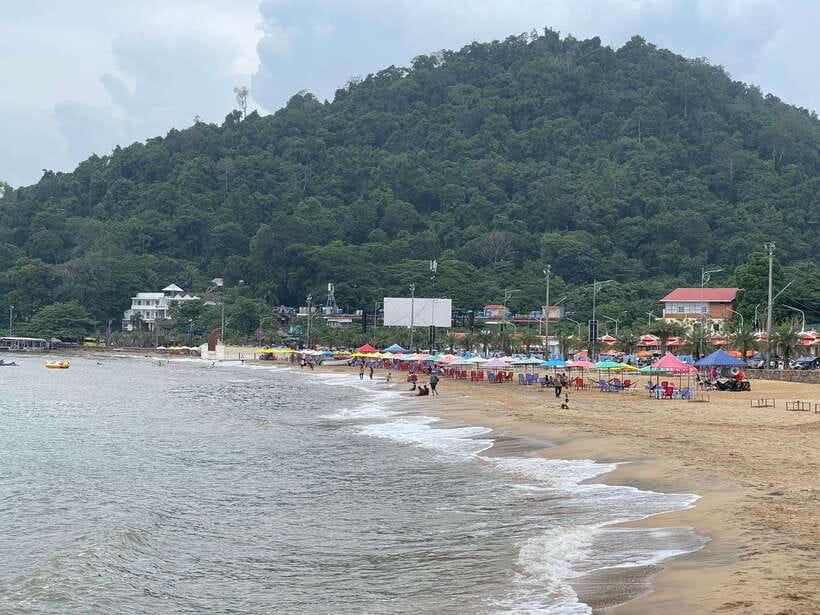
Kep Beach is your relaxation break. You’ll have time to swim and enjoy the beachfront atmosphere. This is also where the tour includes the old abandoned buildings—an unusual contrast to the beach itself.
This combo works because Kep has a certain mood: a coastal town that can feel peaceful, a little haunted in places, and very real. Seeing abandoned buildings in the same day as swimming time gives you a fuller picture than just postcard views.
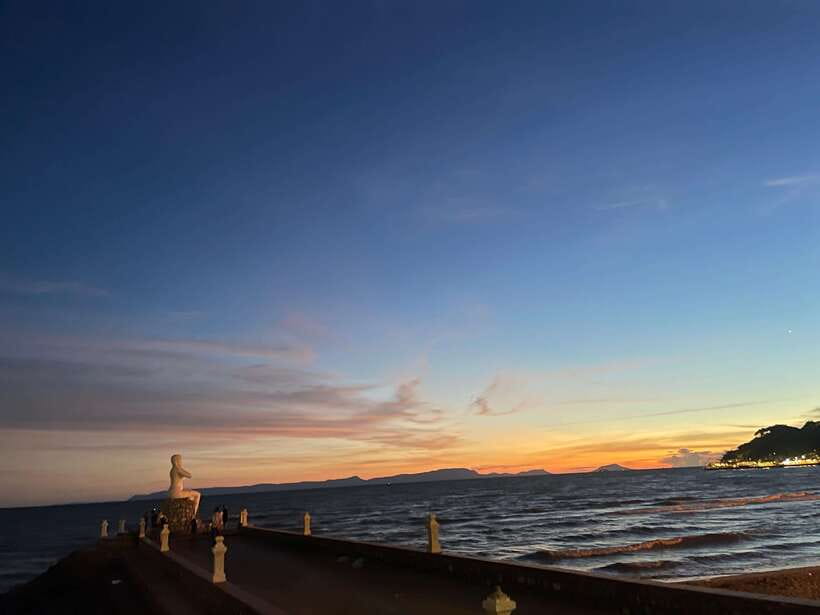
At the end, you’ll visit for sunset at the beach. That’s a perfect closing moment because the day has been quite busy: salt fields, lake, cave temple, pepper farm, then seafood. Sunset brings the pace down and lets you process what you saw.
Two practical notes:
- If you plan to swim, pack swimwear even if you think you might skip it.
- Bring insect repellent. Coastal areas and countryside stops can mean more bugs than you expect.
Kep Crab Market: How to Enjoy It Without Overthinking
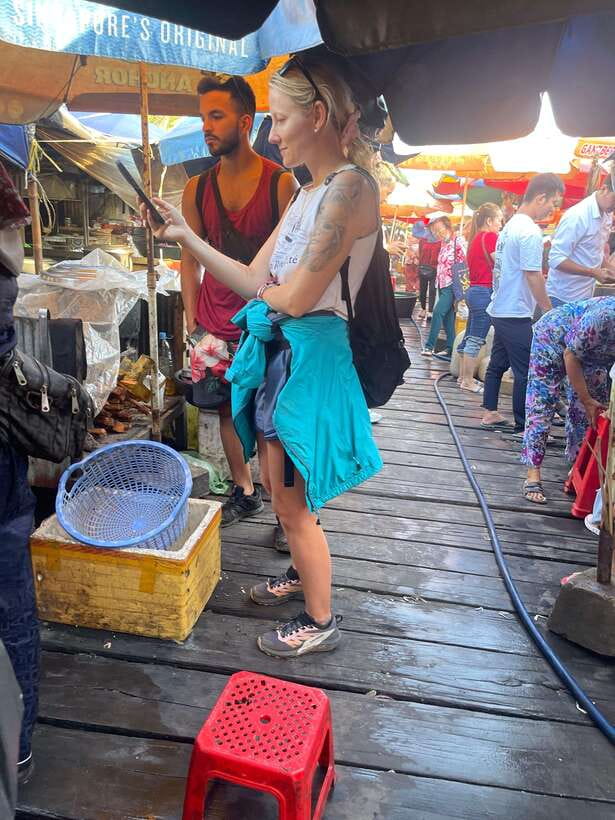
The crab market in Kep is one of the best-known seafood markets in Cambodia, and this tour includes time to explore it and try local seafood. Even if you don’t eat much, it’s worth seeing the activity and the seafood culture up close.
A big plus in how this tour is run: you go in through a separate entrance, meaning you can skip the line at key moments. That matters because markets can be slow if you arrive during peak times.
How to make this market visit work for you:
- Go hungry if you truly want to try crab and other seafood options. If you’re not that hungry, treat it more like a tasting-and-watching stop.
- Have some cash ready. You’ll be around food vendors and snack-style ordering, and not everything always behaves like a restaurant.
Also, don’t forget: this is a market environment. Wear shoes you don’t mind getting a bit dusty or wet.
Timing and Transport Reality: What the “6 Hours” Can Mean in Practice
The activity is listed as 6 hours, but in practice you may be out longer. Plan for roughly 8–9 hours if you want to be safe, especially if you’re counting on being back for dinner plans.
Why this happens:
- Driving time adds up across countryside and coastline.
- Stops like pepper tasting and the cave temple take more time than a simple roadside view.
The upside is that the pacing is adjustable. Guides like Vandy have a track record of being flexible, including shortening the day if you need to get back to town sooner. Still, your best move is to build in buffer time.
What’s Included (and What You’ll Still Need to Plan For)
Included on the tour:
- Guided countryside tour, including salt fields, secret lake, and temple cave
- Pepper farm tour with tasting
- Kep Beach visit with time to relax/swim
- Crab market exploration
- Water soft drinks and coconut
- English live guide
- Small group (max 4)
- Separate entrance to help with waiting times
Not included:
- Shoes (so wear yours)
- Camera/phone (obviously bring your own)
- Alcohol is not allowed
Also pay attention to what they ask you to bring:
- Comfortable shoes
- Hat, sunscreen
- Swimwear
- Insect repellent
- Cash (useful for market spending)
- Camera
- Credit card is listed as something you may want, but market spending often goes better with cash
Who This Tour Suits Best (And Who Should Rethink It)
This is a great fit if you want:
- A one-day circuit that covers countryside + beach + seafood
- A guided experience in English with a small group
- A mix of walking time and scenic time (not just sitting in a vehicle)
It’s less ideal if:
- You want a short, low-travel day. This tour is active and travel-heavy.
- You have mobility limits beyond mild uneven surfaces, even though it’s listed as wheelchair accessible. The cave and countryside walking may still be tough depending on your comfort level.
Not suitable for some groups based on the tour info:
- Pregnant women
- People with high blood pressure
- Babies under 1 year
- People over 95 years
- People over 350 lbs (159 kg)
Booking Your Decision: Should You Book This Countryside + Kep Crab Day?
I’d book it if you have one day to cover Kampot province and you want a taste of Kep beyond the beach—salt fields, pepper farms, a cave temple, then crab market seafood and sunset. The value comes from the variety: you’re not choosing between countryside and coast. You’re getting both.
I’d think twice if your schedule is tight, because the day can run longer than the 6-hour listing. And if you hate spicy flavors, the pepper tasting is still part of the route—tell the guide your limits so you can participate without suffering.
If you go in prepared—with swimwear, sunscreen, insect repellent, and comfortable shoes—you’ll end the day with a real sense of the region: salt work, spice culture, and seaside food.
FAQ
How long is the tour?
It’s listed as 6 hours, but the full day can run longer (around 8–9 hours) depending on timing and stops.
Where does pickup happen?
In Kampot, pickup is normally opposite Epic Art Café, with an option for pickup directly from your hotel or restaurant in Kampot town.
How much is pickup from Kep?
If you start from Kep, pickup costs an extra $10 one way, and the tour ends back in Kampot.
Is there an extra fee for pickup location distance?
Yes. There’s a charge of $5 if your pickup point is more than 3 km from the option point.
What’s included in the tour price?
A guided tour of the countryside, salt fields, secret lake, temple cave, pepper farm tour with tasting, Kep Beach, crab market visit, plus water soft drinks and coconut.
Can I swim at Kep Beach?
Yes. The tour includes time at Kep Beach, and you can swim if you bring swimwear.
Is the tour in English?
Yes, there’s a live English guide.
Is the group small?
Yes. It’s limited to 4 participants.
What should I bring?
Bring comfortable shoes, a hat, swimwear, sunscreen, insect repellent, and a camera. Cash is also recommended.