REVIEW · PHNOM PENH
Private Phnom Penh Tour: Royal Palace & Killing Fields
Book on Viator →Operated by Asia Future Travel · Bookable on Viator
Phnom Penh hits fast, and this tour keeps it organized. You’ll start with royal grounds and temple spaces near the river, then swing toward the darker, essential part of Cambodia’s story at Tuol Sleng. I like that it’s private (just your group), so you’re not stuck watching other people’s pace, and I also like the air-conditioned vehicle plus cold water to make a long day feel manageable. One consideration: the Tuol Sleng segment is emotionally heavy, so you’ll want to pace yourself and be ready for serious museum time.
Two things really make this day work. First, the order of stops means you’re not doing chaotic backtracking across town, and you get a logical flow from palace and temples to monuments and market. Second, the guide experience matters here: you’ll hear context in plain language, and you’ll even pick up how everyday life and farming shape Cambodian attitudes. The only drawback is that you’ll spend a fair amount of time walking inside temple and palace grounds, so comfortable shoes aren’t optional.
In a nutshell, this is a focused day that covers the big landmarks without feeling like a checklist sprint. You get a licensed English-speaking guide, a mobile ticket, and pickup/drop-off from your hotel, which is the kind of convenience that saves energy for actually seeing things. If your Cambodia plan is short, this tour packs a lot into 7 to 8 hours with the right mix of beauty and weight.
In This Review
- Key highlights at a glance
- Royal Palace and Silver Pagoda: the ceremonial “why it matters”
- Tuol Sleng (S-21): facing the past with better context
- Wat Phnom: the city’s origin story, not just a temple visit
- Independence Monument: a quick stop with real meaning
- Wat Ounalom: temple calm near the riverfront
- Central Market: shopping time with good “Cambodia texture”
- Wat Phnom, monuments, and markets: how the timing keeps you from burning out
- Price and value: why $35 can make sense
- Who this tour fits best (and who might want a different plan)
- Should you book this private Phnom Penh tour?
- FAQ
- What locations does this private Phnom Penh tour include?
- How long is the tour?
- Is hotel pickup and drop-off included?
- Are admissions included?
- Is the guide English-speaking?
- Is there an air-conditioned vehicle and refreshments?
- Is this a private tour or shared with other people?
- Is gratuity included in the price?
- How does cancellation work?
Key highlights at a glance
- Private, hotel pickup/drop-off in an air-conditioned car for a low-stress day
- Royal Palace + Silver Pagoda area in one guided block with the right orientation
- Tuol Sleng (S-21) with context so the tragedy makes sense, not just headlines
- Wat Ounalom near the riverfront plus calm temple time
- Central Market shopping time under the big art deco dome
- Monuments and origin story stops at Wat Phnom and Independence Monument
Royal Palace and Silver Pagoda: the ceremonial “why it matters”
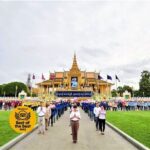
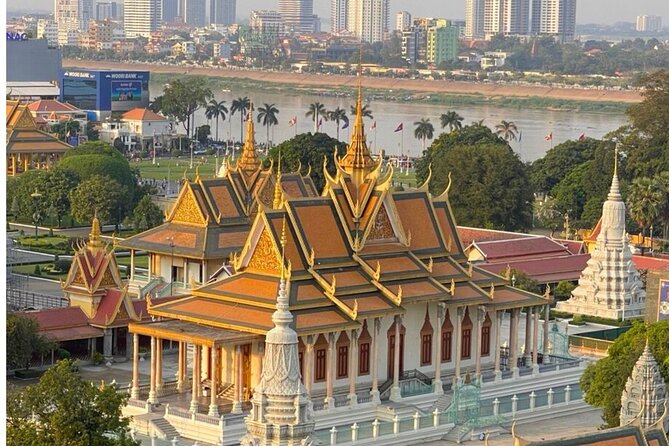
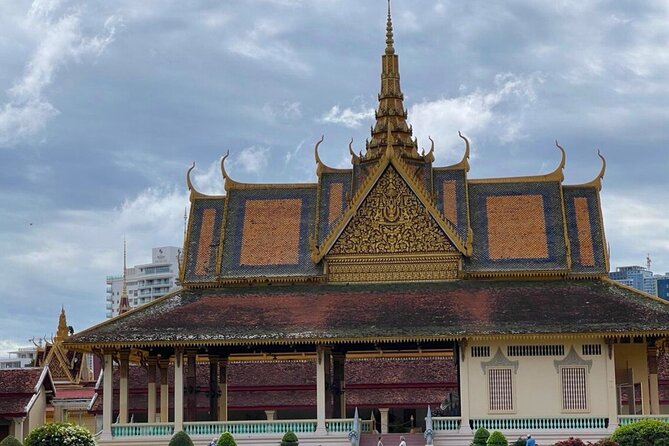
Royal Palace grounds are one of those places where you immediately feel the scale of Cambodia’s monarchy and ceremonial life. Even if you don’t know the details, the visual language is strong: color, geometry, and layers of sacred space. You’ll get about an hour here with entry included, and the guide will help you connect what you’re seeing to how the Royal Palace functions as the King of Cambodia’s official residence.
A key benefit of going with a guide isn’t just pointing at buildings. It’s understanding what the palace complex is for—ritual, authority, and tradition—and how the nearby Silver Pagoda fits into the same spiritual geography. The Silver Pagoda area is especially notable because of the emerald Buddha and the silver-tiled floor, which creates a strange, almost glowing effect when light hits the surfaces.
Practical note: palace and temple sites expect respectful behavior. You’ll want clothing that covers shoulders and knees, and you’ll likely be asked to adjust if you’re too casual. If you like photography, this is also where morning light can help. Plan to move at a steady pace and avoid rushing through doorways and interior halls.
You can also read our reviews of more private tours in Phnom Penh

Tuol Sleng (S-21): facing the past with better context
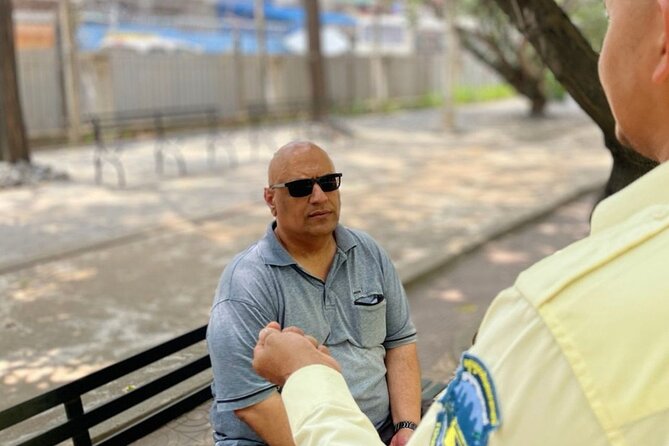
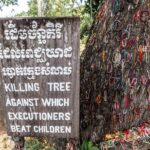
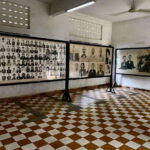
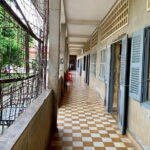
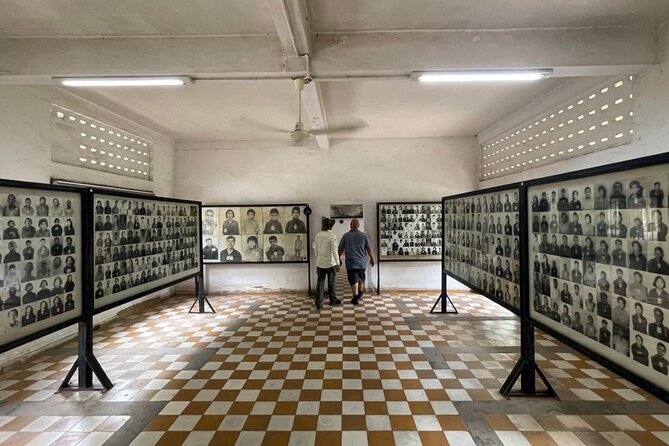
Tuol Sleng Genocide Museum is the part of this tour name you can’t ignore. This is where the Khmer Rouge prison system is explained and presented through evidence, rooms, and stories tied to S-21. Entry is included, and you’ll spend about an hour here—enough time to understand the basics without turning it into a blur.
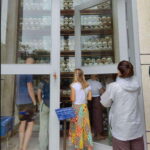
The emotional reality matters. The exhibition structure is designed to show how the system worked: detentions, record-keeping, and the human cost. Your guide’s job is crucial here because history-heavy places can turn into a list of facts if nobody helps you connect them. You’ll get the broader context of how survivors and victims connect to later memorial efforts, including reference to Choeung Ek Killing Fields as the memorial space with a Buddhist stupa filled with skulls of victims.
How you should approach this stop: go in with a slower mindset. Don’t try to “win” the museum by seeing everything quickly. If you feel overwhelmed, take a breath and pause before moving into the next room. If you’re traveling with kids, consider whether they can handle this tone, or ask your guide for the most age-appropriate way to view it.
Wat Phnom: the city’s origin story, not just a temple visit
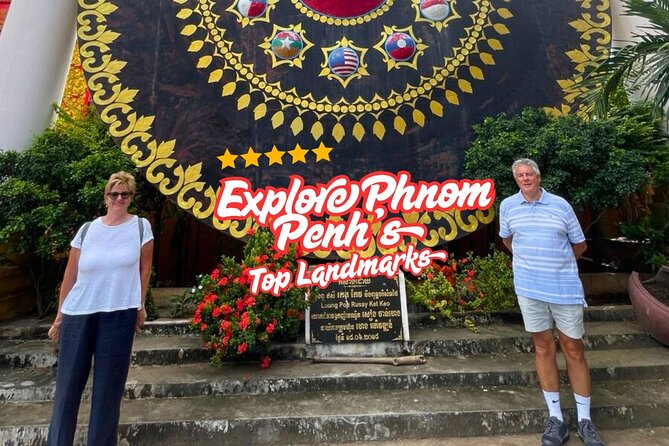
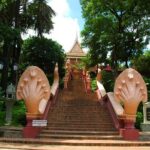
Wat Phnom sits on Phnom Penh’s only hill, and that “higher ground” detail is more than trivia. It makes the temple feel like a landmark and a myth at the same time: you’re literally on the geographic high point of the city. You’ll spend about an hour here with entry included.
The best part is the way the place is framed. Phnom Penh’s name is tied to a legend about Lady Penh discovering Buddha statues, and your guide can translate how that story became part of the city’s identity. That matters because it turns a temple visit into an understanding of how Cambodians tell origin stories—through place, not just books.
Drawback to consider: hilltop sites can mean uneven ground and stairs. If you have mobility limits, take your time and keep one hand ready for railings. This is also a stop where you may want to step back and watch the rhythms—locals come here for spiritual reasons, not just sightseeing.
Independence Monument: a quick stop with real meaning
Independence Monument is shorter on time—about 30 minutes—but it’s a strong visual marker of modern Cambodia. Built in 1958 to celebrate independence from France, it’s one of the city’s most recognizable civic symbols. Nearby, you’ll also see the bronze Statue of King Norodom Sihanouk, which gives the stop extra emotional weight because it links independence to a key figure in Cambodia’s recent history.
This is a good place to pause and reset after the museum. It’s outdoors, easier to photograph, and it gives you something “forward-looking” to process. If you’re the type who likes understanding what a country celebrates, this is worth your attention.
Practical tip: treat it as a photo-and-orientation stop. Don’t expect it to be a full activity with lots of shade. Bring water from the cold bottle supplied, and keep your head protected if it’s a hot day.
Wat Ounalom: temple calm near the riverfront
Wat Ounalom is one of Phnom Penh’s most important Buddhist temples, founded in 1422. It’s also located near the Royal Palace along the riverfront, which helps tie the day together geographically—temples, then civic monuments, then the market and city life.
You’ll get around 45 minutes here with entry included. What I like about this stop is that it’s a spiritual counterweight. After the intensity of Tuol Sleng, Wat Ounalom gives you a chance to slow down and observe temple life at a human pace. Your guide can also explain what makes it important—spiritual center, historical weight, and how it fits into Cambodian religious practice.
What to watch for: temple grounds are living spaces. That means you’ll see worshippers and you should keep your voice low and your movements respectful. If you’re trying to take photos, do it without blocking people. Also, because it’s a temple, the same clothing rules apply as at the palace.


Central Market: shopping time with good “Cambodia texture”
Central Market is where Phnom Penh feels like a city you can touch. Opened in 1937, it’s an art deco landmark with a big dome that dominates the area. You’ll have about 40 minutes here, and admission is free, which makes it a low-cost way to pick up souvenirs without feeling like you’re trapped in a store for hours.
The market is a solid option if you want Cambodian-made goods—handicrafts, jewelry, and everyday items—rather than only tourist trinkets. With a guide, you can also get quick advice on what to look for and how to ask questions in a calmer, less stressful way.
How to shop smart with limited time:
- Focus on a short list: one category you actually want (like jewelry, textiles, or small crafts).
- Don’t try to bargain aggressively for every item. Pick what you love, compare a couple stalls, then decide.
- Keep an eye on bag security and cash organization.
Wat Phnom, monuments, and markets: how the timing keeps you from burning out
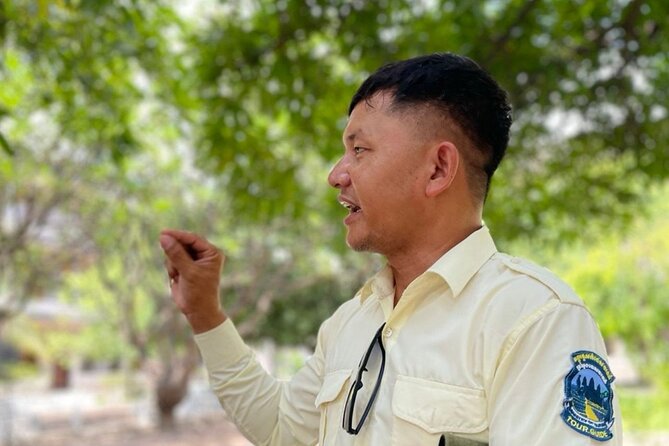
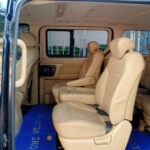
A day like this is long—7 to 8 hours—and Phnom Penh weather can be a factor. This is where the “private, air-conditioned vehicle” piece quietly earns its keep. You’re not fighting traffic in the heat with a group full of strangers, and the cold drinking water helps you stay human instead of wilting.
The stop order also matters. You’re guided through major landmarks without bouncing across town in a chaotic loop. You start with the Royal Palace area and nearby temple context, then you move through the city’s signature sites (Wat Phnom, Independence Monument, Wat Ounalom), and you end with Central Market shopping. That pacing feels practical: you get your heavy museum time when you’re still fresh, then you finish with lighter cultural time.
One more practical consideration: keep your expectations realistic about duration inside each site. The tour gives you set time blocks. If you’re the type who likes reading every sign, you might want to spend extra time only in the places that matter most to you, and let the rest stay “guided and moving.”
Price and value: why $35 can make sense
At about $35 for a 7 to 8 hour private tour, this is positioned as good value—especially because it includes more than a driver. You’re paying for a licensed English-speaking guide, hotel pickup and drop-off in an air-conditioned vehicle, taxes/service charges, and cold drinking water.
Here’s how I think about value on tours like this:
- If you had to piece it together yourself, you’d pay for transport and multiple admissions separately, and you’d lose time figuring out routes and explanations.
- The guide is doing the heavy lifting—turning landmarks into understandable stories, especially at Tuol Sleng.
- “Private” is not just a comfort perk. It’s also a pacing advantage. Your group can ask questions and adjust tempo.
The only way it might not be worth it is if you already have strong museum context and you’re comfortable navigating everything on your own. But for most people visiting Phnom Penh for a limited time, this hits a sweet spot of cost vs. usefulness.
Who this tour fits best (and who might want a different plan)
This tour is a strong fit if you want a structured day that covers Cambodia’s key landmarks in Phnom Penh without wasting time. It also works well if you appreciate guidance at places that need context, like Tuol Sleng and the historic temples.
You’ll likely enjoy it most if:
- You like seeing a mix of palace, temples, monuments, and market life
- You want a single-day plan that reduces decision fatigue
- You prefer private transportation and hotel pickup
It might be less ideal if:
- You can’t handle emotional museum content
- You want lots of free time for independent wandering
- You dislike walking and standing in religious and historical sites
Should you book this private Phnom Penh tour?
If you want the best version of Phnom Penh in one day—Royal Palace and Wat Ounalom for spiritual and ceremonial context, Central Market for real city shopping, and Tuol Sleng for the essential history—this is an easy “yes” for many visitors.
I’d book it if you value a licensed guide, air-conditioned comfort, and a schedule that keeps the day coherent. The big decision point isn’t the itinerary—it’s your readiness for Tuol Sleng. If you can approach it with respect and emotional awareness, this tour is a practical way to do Phnom Penh justice.
If you’re still choosing, do the simple check: does 7 to 8 hours fit your energy level? If yes, this tour is a solid, cost-effective way to see the city’s key places with real explanations, not just photos.
FAQ
What locations does this private Phnom Penh tour include?
It includes stops at the Royal Palace, Tuol Sleng Genocide Museum, Wat Phnom, Independence Monument, Wat Ounalom, and Central Market.
How long is the tour?
The tour duration is about 7 to 8 hours.
Is hotel pickup and drop-off included?
Yes. The tour includes pickup and drop-off from your hotel in a private, air-conditioned vehicle.
Are admissions included?
Admission is included for several major sites such as the Royal Palace, Tuol Sleng Genocide Museum, Wat Phnom, Independence Monument, and Wat Ounalom. Central Market and the initial Phnom Penh stop are listed as free.
Is the guide English-speaking?
Yes. The tour includes a licensed English-speaking guide.
Is there an air-conditioned vehicle and refreshments?
Yes. You’ll travel in an air-conditioned vehicle and receive cold drinking water during the tour.
Is this a private tour or shared with other people?
It’s private. Only your group participates.
Is gratuity included in the price?
No. Tips for the tour guide and driver are not included.
How does cancellation work?
You can cancel for a full refund up to 24 hours before the experience start time. If you cancel less than 24 hours before, the amount paid is not refunded.