REVIEW · SIEM REAP
Siem Reap: Angkor Wat Temples & Phnom Kulen Park 3-Day Tour
Book on GetYourGuide →Operated by Angkor Wat Travel Tour · Bookable on GetYourGuide
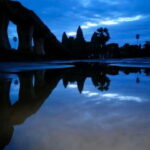
Sunrise at Angkor Wat feels almost unfair. This 3-day private tour is built around early access and the kind of temple details you can’t absorb from a bus window, especially at Banteay Srey. I also like the practical comforts along the way, like mineral water and cold handkerchiefs that help when the sun is relentless. One thing to consider: key tickets (the 3-day Angkor temple pass and Phnom Kulen entry) and meals aren’t included, and the schedule means early wake-ups.
You’ll see Angkor’s big hits (Angkor Thom, Ta Prohm, Angkor Wat sunset) but also the quieter circuit temples that give the temples their proper context. The tour is private for up to 3 people, with hotel pickup in Krong Siem Reap, so you can go at a human pace and actually ask questions.
Between temple days you’ll also get a contrast stop: Phnom Kulen National Park and Kampong Phluk, a floating village on Tonle Sap Lake. That mix is why this tour works—temples first, then water and nature—though expect hot weather and bright light for most of the year while you’re walking.
In This Review
- Key highlights worth getting excited about
- The core idea: temples, timed for real life
- Price and what your $336 actually covers
- Getting around: private pickup, Lexus/Minivan comfort, and smooth pacing
- Day One (7:30 AM): Banteay Srey first, then Phnom Kulen and Kampong Phluk
- Banteay Srey: the “finest carving” temple stop
- Landmine Museum option: add it if you want context
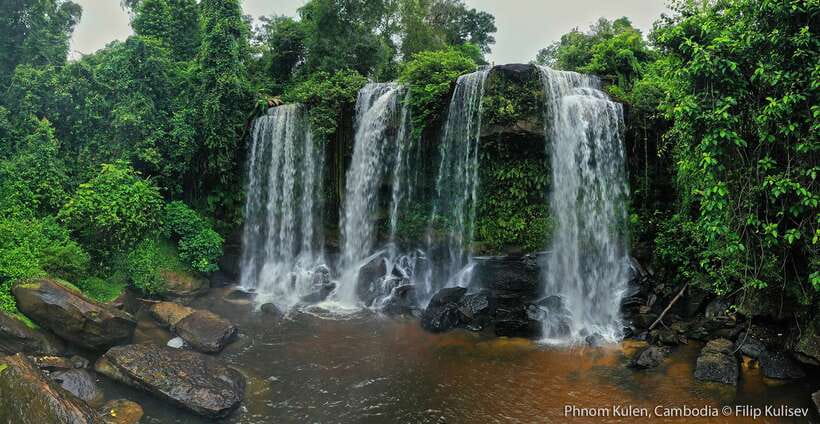
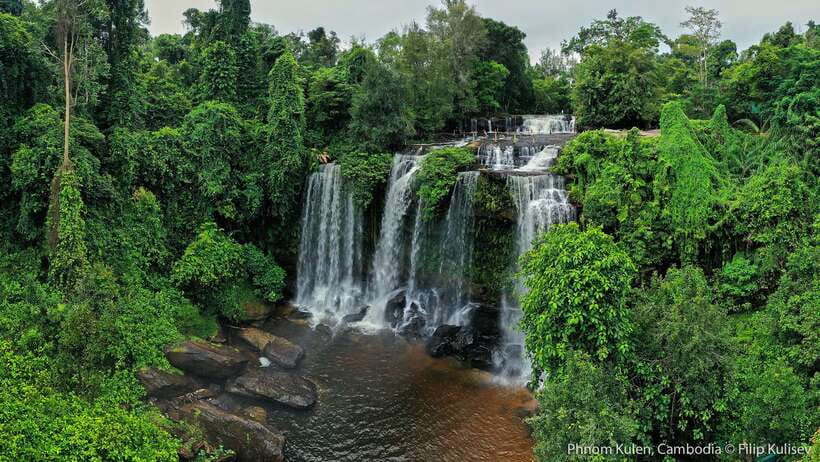
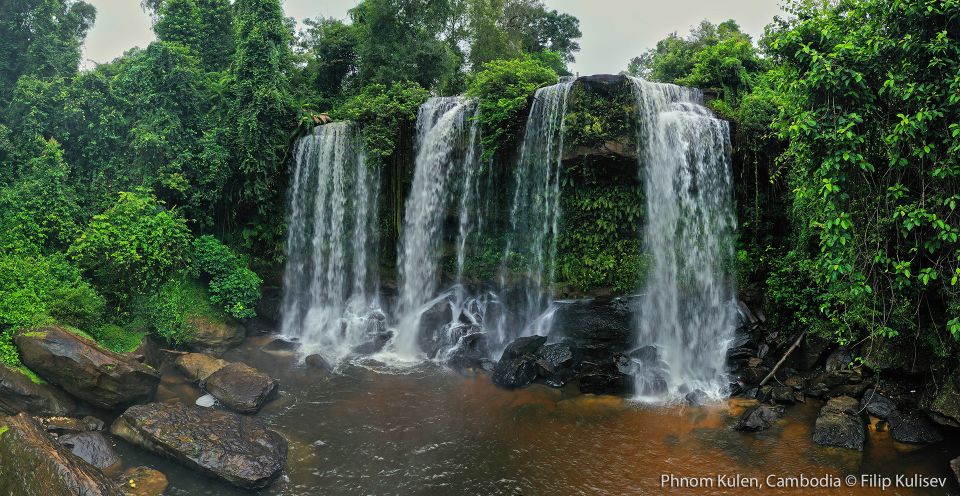
- Phnom Kulen National Park: where Angkor’s story begins
- Kampong Phluk: a floating village on Tonle Sap Lake
- Day Two (8:00 AM): Angkor Thom gates, Bayon vibes, small temples, then Ta Prohm
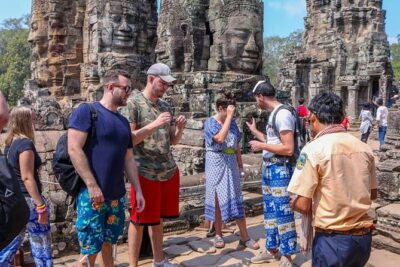
- South Gate of Angkor Thom and the Bayon area
- Small circuit temples: Chau Say Tevoda, Thommanon, Ta Keo
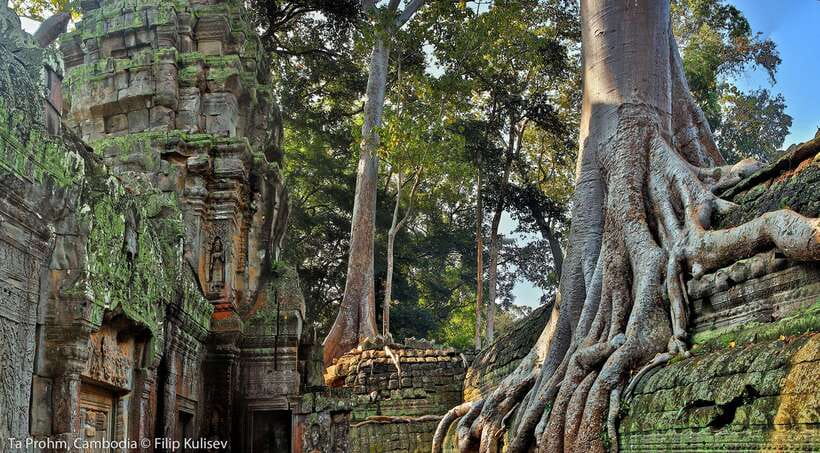
- Ta Prohm: jungle temple energy (Tomb Raider scenes)
- Lunch break, then Banteay Kdei at your own pace
- Phnom Bakheng sunset timing
- Day Three (5:00 AM): sunrise at Angkor Wat, then Pre Rup to Preah Khan
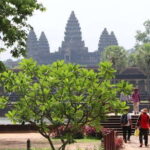
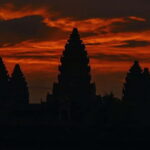
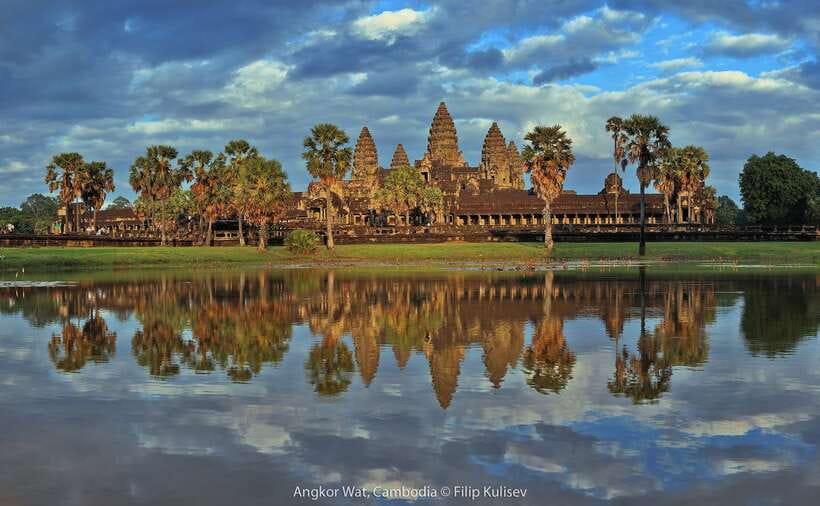
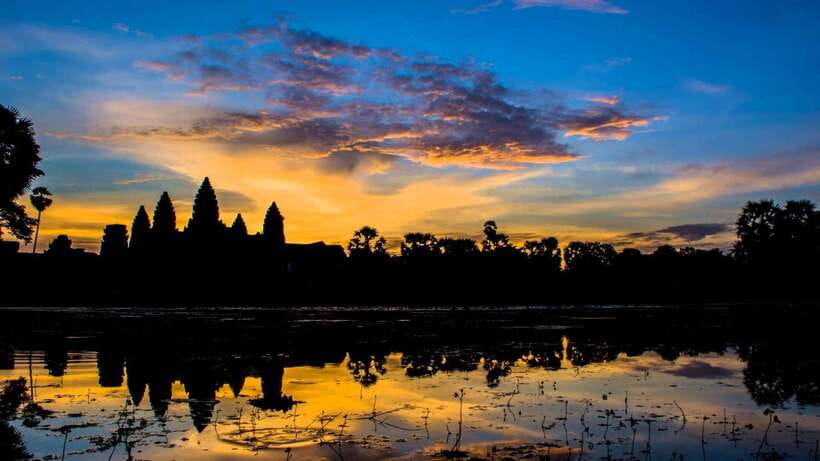
- Angkor Wat at first light
- Additional temples after sunrise
- Photo stops on the return drive
- Phnom Kulen and Kampong Phluk: the healthy break from temple stone
- Your guide: what to look for (and why it shows)
- Practical tips: what to bring, how to dress, and how not to cook
- Who this tour fits best
- Should you book this Siem Reap 3-day Angkor Wat and Phnom Kulen tour?
- FAQ
- What time is pickup on day one?
- What time is pickup on day two?
- What time is pickup for day three sunrise?
- Is hotel pickup included?
- Are the Angkor temple tickets included?
- Is Phnom Kulen park entry included?
- Is the Landmine Museum included?
- What should I wear and bring?
Key highlights worth getting excited about
- Banteay Srey before the crowds for those impossibly fine carvings
- Angkor Wat sunrise at 5:00 AM, with extra quiet time after the main rush
- Ta Prohm + Tomb Raider factor, with jungle drama that feels cinematic
- Phnom Kulen National Park and the area tied to the start of Angkor (King Jayavarman II)
- Kampong Phluk on Tonle Sap Lake, the floating village stop that’s easy to underestimate
- Sunset at Phnom Bakheng after a full day of temple walking
The core idea: temples, timed for real life
I like tours that respect the two big enemies of Angkor sightseeing: crowds and heat. This one tackles both by starting early on day one and then going for sunrise on day three, which helps you see Angkor Wat before the heavy flow builds.
You’re not just ticking off names. The itinerary mixes the monumental centers (Angkor Thom and Angkor Wat) with smaller circuit temples that help you understand how the sites connect. Even the order matters—starting with Banteay Srey, then moving through Thom and its gates, and finishing with a sunrise-focused Angkor Wat day gives you a natural “lessons in stone” arc.
As a private group for up to 3, it also tends to be more flexible than the big-group tours. People have praised drivers and guides for staying smooth on the roads and for adapting the pacing to who’s in the car—helpful if you’re traveling with older family members or a child.
You can also read our reviews of more tours and experiences in Siem Reap
Price and what your $336 actually covers
This tour is priced at $336 per group up to 3 people for 3 days. That pricing structure matters: you’re not paying per person for the vehicle and guide, so it often feels like better value if you’re a small group.
What’s included:
- Car or minivan with driver and gasoline
- Fully-licensed English-speaking tour guide
- Mineral drinking water and cold handkerchiefs
- Umbrellas during the rainy season
What’s not included:
- Phnom Kulen ticket
- The 3-day Angkor temple pass
- Admission to the Landmine Museum (optional, $5)
- Meals and accommodations
- Personal expenses
So yes, tickets and food can add cost. But you’re paying for planning, driving, interpretation, and timing—especially the sunrise run—so you’re not spending your limited vacation time figuring things out. If you already know you’ll buy the temple pass anyway, this format usually makes sense.
Getting around: private pickup, Lexus/Minivan comfort, and smooth pacing
Pickup is included from hotels in Krong Siem Reap, which is a big quality-of-life win. You also travel in either a Mini LEXUS RX300 or a Mercedes Istana minivan (depending on your group size), with the driver and gasoline included.
In real terms, this matters for two reasons. First, Angkor traffic and short-distance hops can be tiring if you’re self-driving with limited parking patience. Second, the tour’s early starts mean you want a ride that’s calm and ready to go—not a last-minute scramble.
From the experience reports I’ve seen for this kind of tour, the driving tends to be handled with care, including stops where needed for comfort and photo moments. Even when the route goes off the usual path, the goal is smooth movement so you can stay focused on what you’re seeing.
Day One (7:30 AM): Banteay Srey first, then Phnom Kulen and Kampong Phluk
Day one starts with a 7:30 AM pickup. The day’s big plan is simple: buy the 3-day temple pass, then go straight to Banteay Srey early enough to beat the crowds.
Banteay Srey: the “finest carving” temple stop
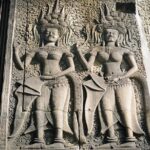
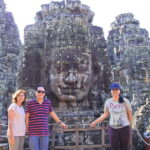
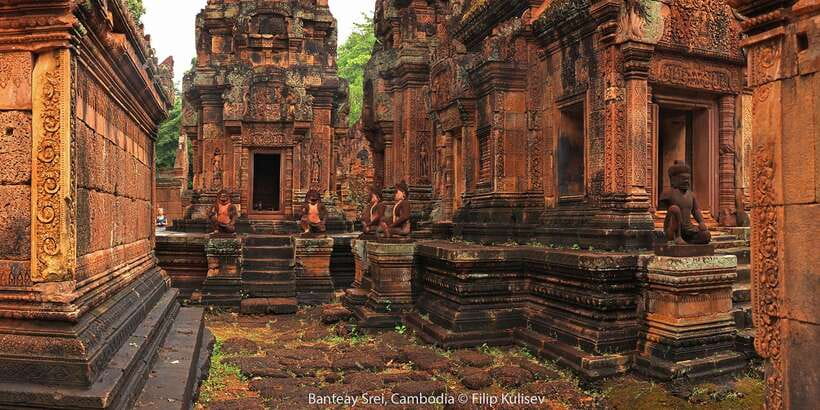
Banteay Srey is often described as the most intricately carved temple at Angkor, and the timing here is the point. Going early means softer light, fewer tour groups, and more time to notice the stonework instead of rushing through it.
It’s not just that it’s pretty. The carvings reward close, slow walking—details around lintels and doorways are the kind that look different depending on where the sun hits. If you like photos, this is one of the stops where you’ll feel glad you didn’t arrive with everyone else.

Landmine Museum option: add it if you want context
After Banteay Srey, you have an option to visit the Landmine Museum. The admission is $5, and it’s not included in the base price.
This can be a meaningful add-on if you want a grounded look at Cambodia beyond the temple mythology. If you’d rather focus on temple architecture and nature, you can continue on to Phnom Kulen without it.
Phnom Kulen National Park: where Angkor’s story begins
Phnom Kulen National Park is the mountain tied to King Jayavarman II and the start of the royal “God of the King” linga cult in 802 AD. That specific connection is what makes Kulen more than a nature detour.
The park stop gives you a break from temple stone and a chance to reset your brain before day two’s heavier concentration of ruins. You’ll still be walking, but the atmosphere shifts—more outdoors, more horizon, and a different pace.
Kampong Phluk: a floating village on Tonle Sap Lake
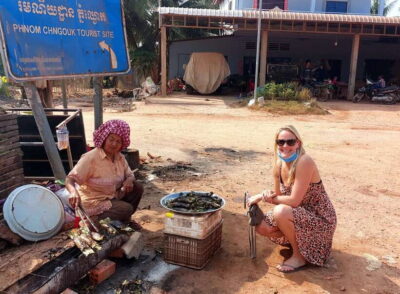
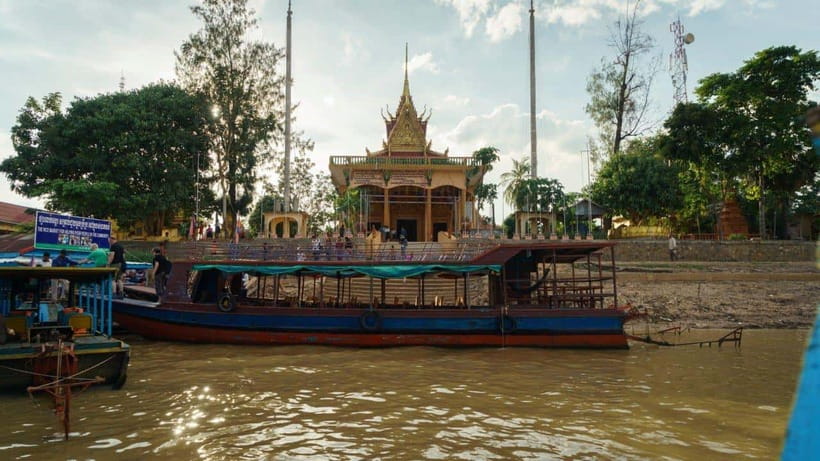
Finish day one with Kampong Phluk, a floating village on Tonle Sap Lake. People often assume a floating village stop will be short and touristy. It doesn’t have to be.
Here, the value is contrast. You go from royal-era stone monuments to a living community tied to the lake. It’s a good reminder that the Tonle Sap ecosystem still shapes daily life, not just history books.
Day Two (8:00 AM): Angkor Thom gates, Bayon vibes, small temples, then Ta Prohm
Day two starts at 8:00 AM after pickup. This is your most classic “Angkor Thom” day.
South Gate of Angkor Thom and the Bayon area
You’ll see the South Gate of Angkor Thom first. Then the route includes Bayon, Baphuon, Phimeanakas, and the Terrace of the Elephants plus the Terrace of the Leper King, followed by North Khleang and South Khleang.
What I like about this grouping is that it gives you scale. Angkor Thom feels like a whole world inside walls: gates, ceremonial terraces, and structures that helped define the political center. It’s not a quick “look and leave” zone—you’ll want time to slow down and spot repeating motifs.
Small circuit temples: Chau Say Tevoda, Thommanon, Ta Keo
After the big monuments, you’ll shift to smaller temples in the “small circuit” like Chau Say Tevoda, Thommanonf, and Ta Keo.
This is where the tour becomes more interesting than a greatest-hits list. Smaller temples often feel less crowded, and you can focus on the architectural logic—how each site fits into the broader complex.
Ta Prohm: jungle temple energy (Tomb Raider scenes)
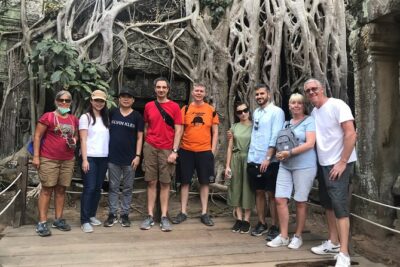
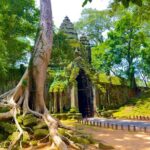
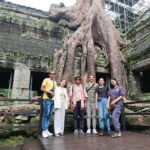
Next comes Ta Prohm, the famous jungle temple where scenes from the movie Tomb Raider were filmed.
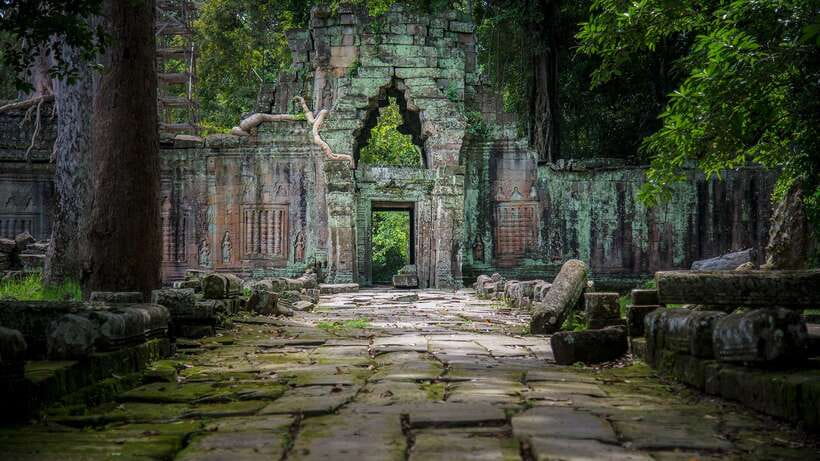
This is the stop where the setting does half the work. The trees and roots create a natural frame around the ruins, and the contrast makes Ta Prohm look dramatic even in plain daylight. It’s a great temple to enjoy with your camera ready, but also a good one to step back from for a few minutes—so you don’t spend the entire visit shooting only close-ups.
Lunch break, then Banteay Kdei at your own pace
After lunch, you visit Banteay Kdei, the Buddhist temple where you can explore at your own leisure.
That “free-feel” time is important. After hours of guided stops, it’s good to wander without feeling like you’re being rushed from one spot to the next.
Phnom Bakheng sunset timing
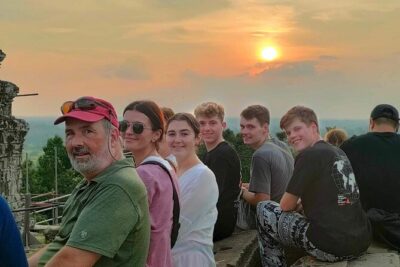
Later, you head to Phnom Bakheng in time for sunset. A sunset here is a classic payoff: you get long shadows and a calmer crowd vibe late in the day.
Day Three (5:00 AM): sunrise at Angkor Wat, then Pre Rup to Preah Khan
Day three is where you earn the early alarm. Pickup is 5:00 AM so you can catch sunrise at Angkor Wat.
Angkor Wat at first light
The big advantage is timing. After the Chinese crowd leaves, you’ll have time to explore the monument at your own leisure. That window matters because Angkor Wat can feel overwhelming when everyone is funneling through the same viewpoints.
This is also where your guide’s role can help the most. The best guides don’t just point. They help you see—where to stand, what carvings to notice, and how the spaces relate. For this tour, English guides are typically very involved, with some groups specifically praising guides like Paul, Noy, Prai(m), or Samuth for sharing lots of details and adapting the pace.
Additional temples after sunrise
After your sunrise time, the tour continues with other temples such as:
- Pre Rup
- Banteay Samre
- East Mebon
- Ta Som
- Neak Pean
- Preah Khan
This temple sequence is a good way to broaden your view. You start with the most famous silhouette, then you move through sites that feel different in layout and mood. It’s also a smart way to avoid temple fatigue. Even if you’re tired, each stop has enough variation to keep you engaged.
Photo stops on the return drive
On the way back to your hotel, you’ll pass through local villages and may have photo stops. That’s an easy win because it adds a little everyday life between the heavy temple blocks.
Phnom Kulen and Kampong Phluk: the healthy break from temple stone
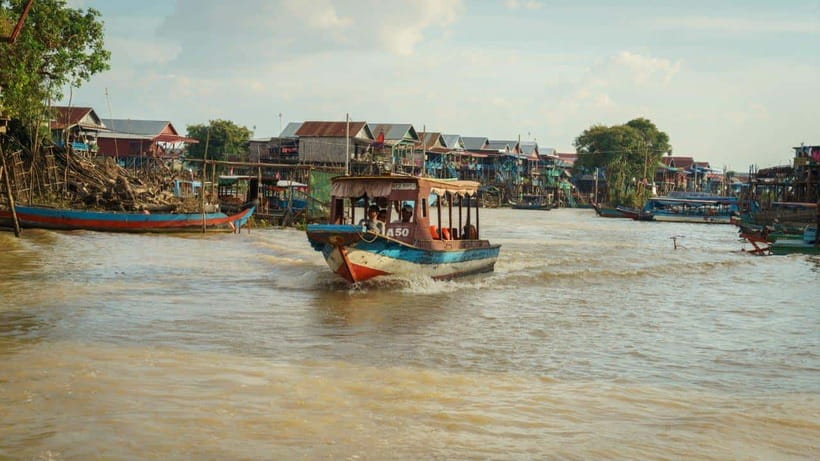
A lot of Angkor tours treat Kulen and Tonle Sap as filler. This one places them as real “day balance” points.
Phnom Kulen is tied directly to the beginnings of Angkor under Jayavarman II, so it’s not random nature. Kampong Phluk offers a different kind of context—living communities shaped by the lake system. If you only saw temples for three days straight, your brain might start blurring carvings together.
Instead, you get a break that also teaches you something: how power and belief shaped the Angkor story, and how geography shapes lives around Tonle Sap.
Your guide: what to look for (and why it shows)
This is a private group tour, with a fully licensed English-speaking guide, and it’s clear from experience reports that the guide can make or break the trip. People have highlighted guides like Paul, Prai(m), Noy, Samuth, and even credited Hear Praim for being a top photographer for photo stops.
So here’s what you can do to get more value once you’re with your guide:
- Ask for one thing to look for at each temple (carving detail, layout idea, or a “why this place was important” answer).
- If you’re not into long lectures, say so early and ask for shorter, targeted explanations.
- If you have mobility limits, tell the guide. The tour style is set up to adjust.
A guide who can point out what you’d otherwise miss turns a temple visit from sightseeing into understanding.
Practical tips: what to bring, how to dress, and how not to cook
You’ll be walking in hot conditions for most of the year, so plan like it’s a day outside, not a museum visit.
Bring:
- Comfortable shoes
- Sunscreen
- Insect repellent
Dress appropriately: shoulders, knees, and chest should be covered for both genders. This isn’t just etiquette. It can also save you from getting hassled at entrances.
Hydration matters. The tour includes mineral drinking water and cold handkerchiefs, but you still need to drink regularly and protect yourself from sun. If you travel in the rainy season, umbrellas are included, which helps.
Who this tour fits best
This tour suits you if:
- You want a private 3-day Angkor experience without the stress of organizing timing and transport.
- You care about early starts that protect your visit from crowd crush.
- You want a mix of Angkor temples plus off-temple scenery at Phnom Kulen and Kampong Phluk.
- You like having a guide who can explain details you might not notice on your own.
It may be less ideal if you hate very early mornings. Day three begins with 5:00 AM pickup, and day one also starts early at 7:30 AM.
Should you book this Siem Reap 3-day Angkor Wat and Phnom Kulen tour?
I think it’s a strong choice if you value time and interpretation over pure freedom. You’re paying for a vehicle, a licensed English guide, and the timing that gets you into sunrise and early-carving conditions.
Book it if:
- You’re traveling as a small group (up to 3) and want private pacing.
- You want both Angkor’s headline monuments and the supporting temples that make sense of the complex.
- You’re curious about the Kulen and Tonle Sap stops, not just chasing ruins.
Skip it only if:
- You’d rather plan your own temple route and buy tickets on your own schedule.
- Early mornings will derail your vacation mood.
If you go in with the right clothes, good shoes, sunscreen, and the expectation that tickets and meals are extra, this tour offers good value for what it delivers: major temples, smart timing, and a real change of scenery between days.
FAQ
What time is pickup on day one?
The suggested pickup time for day one is 7:30 AM, with the driver and English-speaking guide collecting you from your accommodation in Krong Siem Reap.
What time is pickup on day two?
The suggested pickup time for day two is 8:00 AM.
What time is pickup for day three sunrise?
Day three pickup is suggested at 5:00 AM to catch sunrise at Angkor Wat.
Is hotel pickup included?
Yes. Pickup is included from hotels in Krong Siem Reap.
Are the Angkor temple tickets included?
No. The 3-day Temple ticket is not included.
Is Phnom Kulen park entry included?
No. The Phnom Kulen ticket is not included.
Is the Landmine Museum included?
Admission to the Landmine Museum is not included. It’s an optional stop, and the admission is $5.
What should I wear and bring?
Wear clothes that cover shoulders, knees, and chest for both genders. Bring comfortable shoes, sunscreen, and insect repellent. The tour also includes mineral water, cold handkerchiefs, and umbrellas during the rainy season.