REVIEW · KAMPOT PROVINCE
Kampot Countryside include Pepper farm,Kep crab market beach
Book on GetYourGuide →Operated by Rina Kampot · Bookable on GetYourGuide
A quiet day trip in Cambodia can turn into a whole education. This one strings together salt-making, a Funan-era cave temple, and Kep’s crabby seaside with smart time between each stop. I love that it’s organized around real working places, not just viewpoints, and that you get peppercorn testing instead of vague farm photos. One thing to consider: it’s a full 8 hours with real walking and heat, including 203 steps up to the cave entrance.
You’ll likely do this in a small private setup, which makes a big difference in rural Cambodia. With an English-speaking guide, you can ask questions and slow down where you’re curious. Still, it’s not for everyone—if you have mobility issues or health limits, you’ll want to check the restrictions carefully.
In This Review
- Key highlights worth clocking
- Kampot To Kep: Why This Countryside Loop Works
- Price and What You Actually Get for $50 (Up to 2)
- Pickup, Timing, and How the Tuk-Tuk Day Feels
- Salt Factory on the Outskirts of Kampot: How Salt Production Works
- Phnom Chhngok Cave Temple: 203 Steps, Shiva, and Big Views
- Brateak Krola Lake: A Khmer Rouge-Era Lake You Can See
- Pepper Plantation Tour and Peppercorn Testing: From Farm to Your Tongue
- Kep Crab Market and Beach Break: Seafood Testing and a Swim
- What to Bring, What to Skip, and Who Should Pass
- Guide Quality: When Patience Turns Into Better Stories
- Should You Book Kampot Countryside?
- FAQ
- How long is the Kampot Countryside tour?
- Where does pickup happen?
- How much does it cost?
- Is this tour private?
- What’s included in the price?
- Is lunch or seafood included?
- What language is the tour guide?
- What should I bring, and what’s required?
- What’s the cancellation policy?
Key highlights worth clocking
- Salt factory visit focused on how salt is actually produced and why it matters here
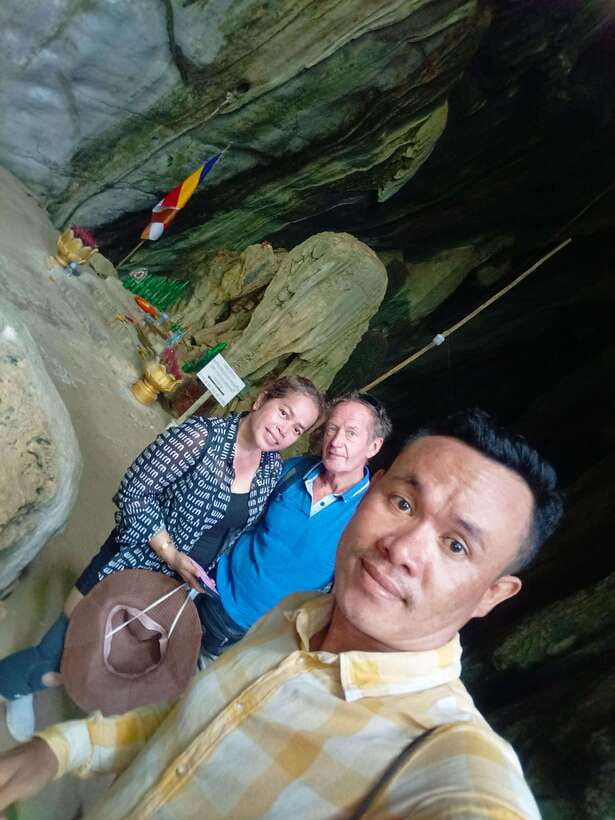
- Phnom Chhngok cave temple views from the entrance, plus a climb up 203 steps
- Brateak Krola Lake history you can see firsthand, including its Khmer Rouge-era origins
- Pepper plantation tour with testing so you taste what you learn
- Kep crab market + beach time for seafood samples and a swim break
- Private group pacing with an English-speaking guide and tuk-tuk transport
Kampot To Kep: Why This Countryside Loop Works
This tour earns its keep by doing a few different kinds of Cambodia in one shot: coastal food culture, inland agriculture, and historic temple space. You don’t just drive past countryside. You stop at places where people work, pray, and eat—then you move on while the day still feels active.
I like that the route is built around how things are made. Salt isn’t just a product; you see the steps. Pepper isn’t just a spice; you get to test peppercorns. And the cave temple isn’t just a photo spot; it comes with a climb and a clear sense of what’s sacred about the place.
You can also read our reviews of more shopping tours in Kampot Province
Price and What You Actually Get for $50 (Up to 2)
At $50 per group up to 2, this is one of the more cost-friendly ways to string together multiple paid stops. You’re not only paying for transport—you’re paying for guided access and activities.
Here’s what’s included that matters:
- Entrance fees
- A guide-led experience through the major stops
- Bottle of water plus a fresh coconut
- Pepper plantation tour and peppercorn testing
What’s not included is equally important:
- Food (you’ll have the chance to test seafood or eat at the crab market, but meals aren’t included)
- Sunscreen and sunglasses (bring your own if you use them)
In plain terms: if you’d otherwise pay for separate half-day trips, transport, and guide time, this price is often fair. The value jumps further if you like hands-on learning—salt steps and pepper tasting are the kind of extras that usually cost more when booked separately.
Pickup, Timing, and How the Tuk-Tuk Day Feels
The day starts with pickup in Krong Kampot. The standard meeting point is Opposite (Epic Art Cafe), but the operator can also pick up and drop off directly from your hotel or restaurant—as long as you’re within 3 km of the meeting area.
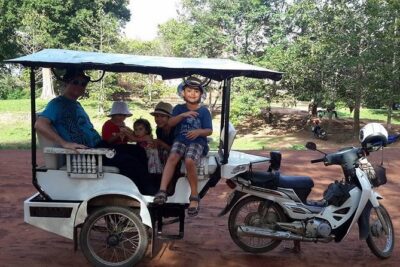
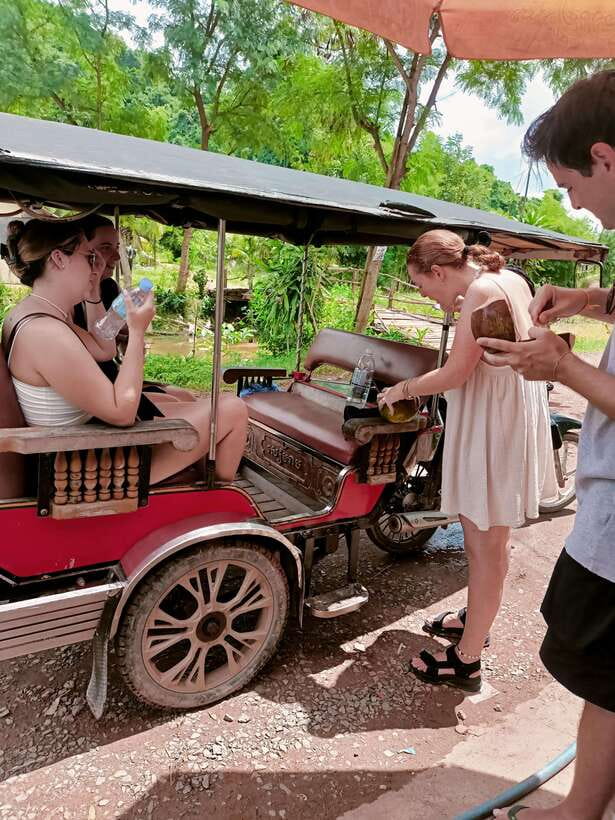
You’ll then spend the day on a tuk-tuk route with several ride segments. The timing adds up to about 8 hours total, with multiple short drives between stops. That matters because rural Cambodia isn’t a one-stop place—you’re mixing sights that are spread out. Tuk-tuk transport keeps the route flexible and avoids the hassle of negotiating on your own.
Practical tip: wear shoes you can walk in for the cave steps and hot surfaces at the temples and markets. This tour can be sunny, and you’ll want to move comfortably when you’re not riding.
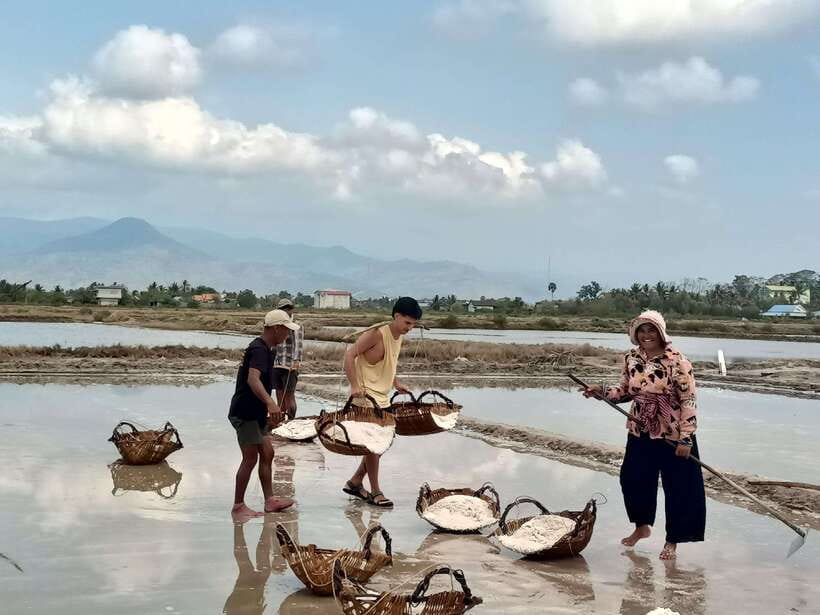
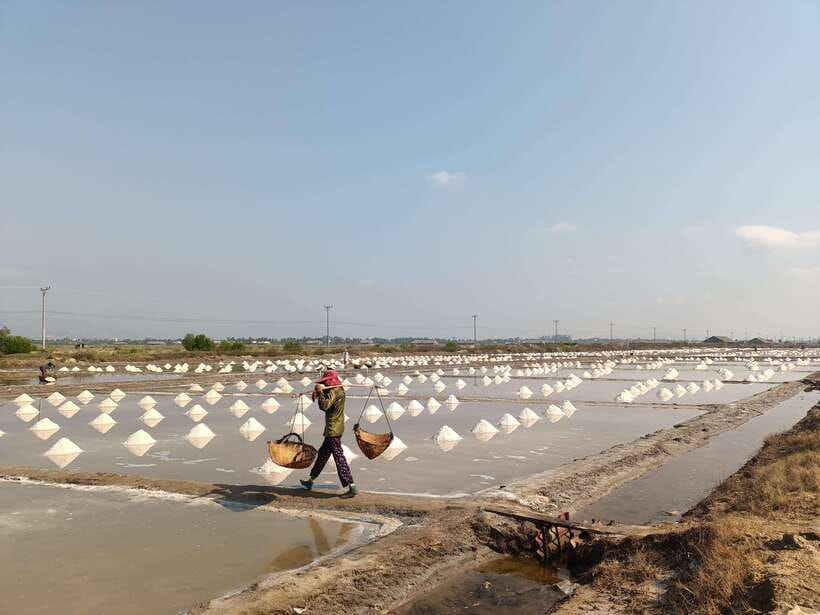
Salt Factory on the Outskirts of Kampot: How Salt Production Works
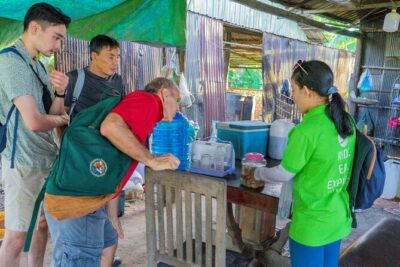
One of the best parts is that you start with a salt-production facility just outside Kampot. This isn’t just a quick look. You get a guided visit that explains the process and the economic role salt plays in the area.
Why this stop is worth your attention:
- It turns a common local product into something you can picture and understand.
- Salt production is seasonal and process-driven, so guided context helps you connect what you see to how it’s made.
- It sets a real-work tone for the rest of the day—agriculture and food follow naturally after.
If you’re the kind of person who likes to understand why a region specializes in certain crops or industries, this is your anchor stop. Expect a “watch and learn” format more than a hands-on workshop—your guide’s explanations are the main value.
Phnom Chhngok Cave Temple: 203 Steps, Shiva, and Big Views
Next comes Phnom Chhngok, a cave temple famous for its climb and its views. You’ll face 203 steps to reach the entrance, then go inside the main chamber where you can see a remarkable brick temple tied to the 7th-century Funan-era, dedicated to Shiva.
Here’s what I think you’ll enjoy most:
- The temple feels like more than a landmark because it’s reached by effort. You don’t just arrive—you earn the entrance.
- The view from the cave entrance gives you a different angle on the landscape around Kampot.
- Seeing an older brick structure in a cave space gives the stop weight. It’s a quiet, spiritual kind of contrast to farms and factories.
Drawback to plan for: the steps are real. Bring water, pace yourself, and don’t push if you feel overheated. If you get winded easily, this may be the most tiring part of the day.
Brateak Krola Lake: A Khmer Rouge-Era Lake You Can See
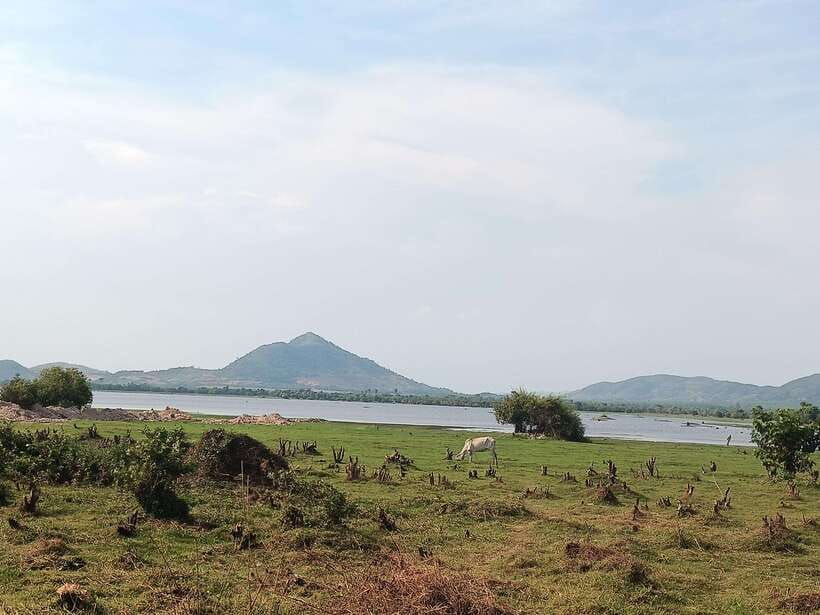
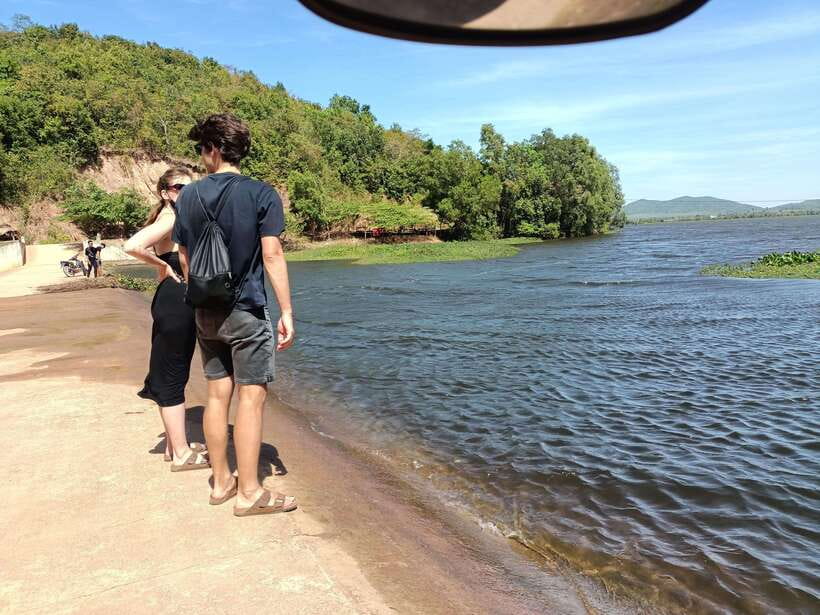
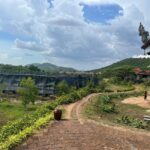
Then you’ll head to Brateak Krola Lake, described as an artificial lake built during the time of the Khmer Rouge, including slave labor. This stop is emotionally heavy, and it’s also one of those places where what you learn matters as much as what you see.
A thoughtful way to approach it:
- Treat it as a context stop. Let the guide’s framing do the work.
- Keep your tone respectful. This isn’t entertainment scenery.
- Use it as a reality check for how landscapes can be shaped by violence, not just nature.
If you’re traveling with a history-minded mindset, you may find this the most “meaningful” visit on the route—just not the lightest.
Pepper Plantation Tour and Peppercorn Testing: From Farm to Your Tongue
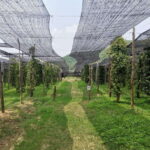
The countryside highlight for many people is the pepper plantation visit. You’ll get a guided tour through how pepper is produced, and then you’ll do peppercorn testing.
What testing adds:
- You stop guessing. You learn what different peppercorn characteristics taste like (based on what the guide shows you).
- It turns the farm visit into a sensory experience, not just a walk through vines.
- It’s easy to remember later, since you can tie flavor to the steps you were shown.
If you love food markets, cooking, or simply understanding local ingredients, this stop is the practical souvenir part of the day. Even if you don’t buy anything, tasting helps you understand why pepper matters in Kampot’s economy and cuisine.
Kep Crab Market and Beach Break: Seafood Testing and a Swim
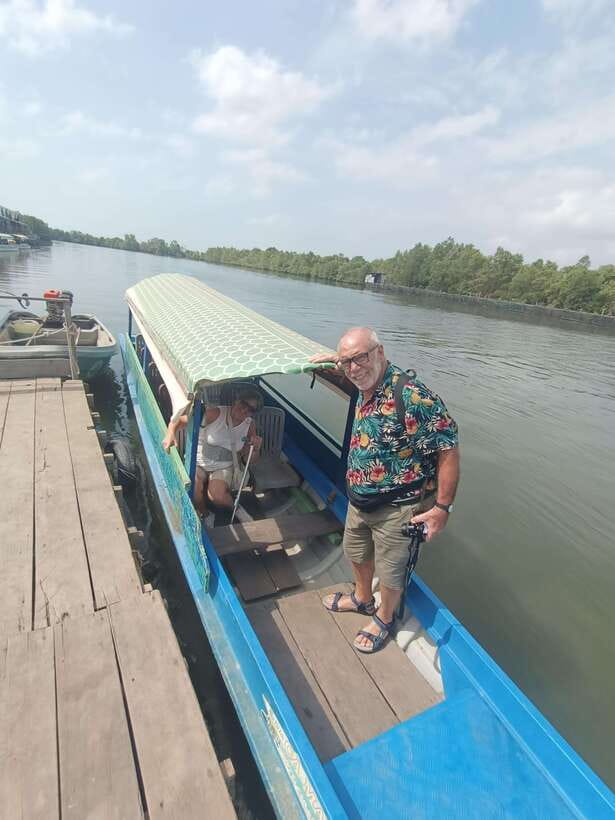
The tour finishes in Kep, known for the crab market and its beach. You’ll have time to test seafood or enjoy lunch at the crab market, then you can swim or relax on the beach before heading back to Kampot.
Why this ending feels so good:
- You get a break from walking and learning mode.
- It’s an easy way to reconnect with the coast after inland sights.
- The beach time helps you avoid that end-of-day fatigue where you’re too tired to enjoy anything.
Two practical notes:
- Food isn’t included, so bring cash (the tour info explicitly asks for it).
- Heat and water conditions vary, so pick shade and plan your swim for when you actually feel comfortable.
Also, if you’re worried about getting bored after temples and farms, don’t be. Kep’s energy plus the seafood focus tends to reset the day nicely.
What to Bring, What to Skip, and Who Should Pass
Bring:
- Cash (for things like food at the crab market)
- Comfortable shoes for the cave climb
- Sun protection if you use it (sunscreen and sunglasses aren’t included)
You also get some basics:
- A bottle of water and a fresh coconut are included, which helps during the busiest parts of the day.
Skip this tour if any of the restrictions apply to you:
- Not suitable for children under 2 years
- Not suitable for pregnant women
- Not suitable for people over 80 years
- Not suitable for people with high blood pressure
- Not suitable for people over 200 lbs (91 kg)
- Not allowed: alcohol and drugs, plus baby strollers/baby carriages
If you’re unsure, this is one of those cases where it’s worth being strict with yourself. The cave steps alone make it more active than it looks from a distance.
Guide Quality: When Patience Turns Into Better Stories
The tour’s success depends heavily on the guide. The information you get—how salt is produced, what you’re seeing in the cave, and how the lake fits into Cambodia’s darker chapters—comes from guided explanation.
In particular, you may encounter guides known for being very patient and clear, even when English isn’t perfect. If you speak basic English and want room to ask questions, this kind of tour usually works well, especially in a private group format where you’re not racing a big schedule of strangers.
Should You Book Kampot Countryside?
Yes, if you want a single day that covers salt, temple views, pepper tasting, and Kep seaside time—and you like guided context more than just collecting photos. It’s also a strong pick if you’re traveling with a partner or friend and want the pacing of a private group without paying for a full private driver for multiple separate bookings.
I’d think twice if you hate climbs, need a fully sedentary day, or have health concerns that make heat and stairs risky. The cave stop is the main physical hurdle, and the lake stop is the emotional one.
If you’re flexible, bring cash, wear good shoes, and let the guide set the pace—this is a smart, high-value way to experience the Kampot–Kep corridor beyond the usual beach-and-market loop.
FAQ
How long is the Kampot Countryside tour?
It’s listed as 8 hours. Starting times vary, so check availability for the options on your travel dates.
Where does pickup happen?
The meeting point is Opposite (Epic Art Cafe) in Krong Kampot. Pickup and drop-off from your hotel or restaurant are also possible if you’re within 3 km of the meeting point.
How much does it cost?
The price is $50 per group up to 2.
Is this tour private?
Yes, it’s a private group.
What’s included in the price?
Included are entrance fees, bottled water, a fresh coconut, a pepper plantation tour with peppercorn testing, and guide tour time.
Is lunch or seafood included?
Food is not included. The crab market stop includes time where you can test seafood or have lunch, but you’ll pay for meals.
What language is the tour guide?
The live tour guide speaks English.
What should I bring, and what’s required?
Bring cash. Sunscreen and sunglasses aren’t included.
What’s the cancellation policy?
You can cancel up to 24 hours in advance for a full refund.