REVIEW · KAMPOT PROVINCE
Kampot Pepper & Kep/Crab Market Tours: Salt, Secret lake
Book on GetYourGuide →Operated by Kampotians · Bookable on GetYourGuide
One day in Kampot can taste like the coast. You get a salt-and-pepper countryside loop, plus photo stops at Secret Lake, and a Kep stop for seafood atmosphere and markets. The day feels hands-on, with real work sites and tastings rather than just quick look-and-go viewpoints.
I especially love the chance to visit an organic Kampot pepper plantation and taste different pepper types in context, guided in English or French. I also like the mix of working rural life—salt workers and village scenes—followed by a calmer nature stop at Brotek Krola.
One consideration: if you’re visiting in the wet season, sea salt production can be limited, so the salt stop may be more about the operation and scenery than big harvest action.
In This Review
- Key highlights worth planning around
- A full day stitched from Kampot countryside to Kep seafood energy
- Getting picked up in Krong Kampot and settling into the schedule
- Natural salt fields: where you learn the seasons matter
- Traditional village views and countryside driving that tells a story
- Brotek Krola Secret Lake: a quiet photo stop with a real local story
- La Plantation organic pepper farm: tasting is the main event
- From pepper to Kep: Crab Market time, beach walking, and old town
- Lunch, BBQ, and local snacks: plan for costs since meals aren’t included
- Transportation and pacing: good for comfort, not for couch potatoes
- What to bring (and what to skip) for a smooth salt-and-pepper day
- Price and value: what $23 buys you in the real world
- Who should book this tour, and who might want a different option
- Should you book Kampot Pepper & Kep/Crab Market Tours: Salt, Secret lake?
- FAQ
- How long is the tour, and what time commitment should I plan for?
- How much does the tour cost?
- Is hotel pickup and drop-off included?
- What language is the live guide, and is the pepper farm tour available in other languages?
- Are meals included?
- Will I definitely see salt production at the salt fields?
- What should I bring for the day?
- Is there a cancellation policy?
Key highlights worth planning around
- Organic Kampot pepper tasting where you can sample multiple pepper types and figure out your favorite
- Secret Lake (Broteak Krola) for a story-led stop with walking and strong photo payoff
- Salt fields + traditional village views that show how people actually make a living
- Kep’s Crab Market quick immersion before you stretch your legs on the beach and in old town
- Guides with real local control of the pace, including options like English explanations and thoughtful restaurant guidance
A full day stitched from Kampot countryside to Kep seafood energy
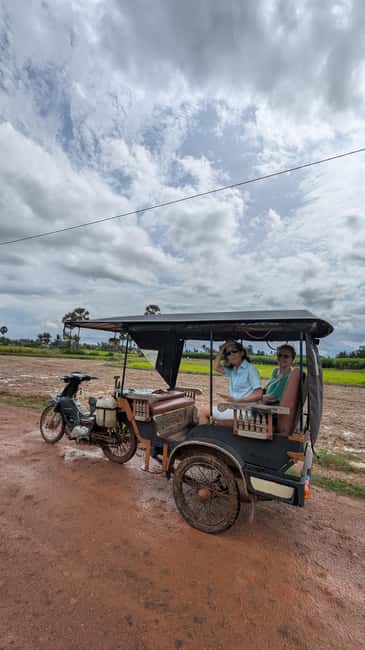
This tour works well because it’s not one long, repetitive countryside drive. It’s a sequence: salt fields and village life in the morning, Secret Lake for a breather and photos, then a pepper farm tasting session that’s genuinely interactive. After that, the day shifts to Kep—more coastal, more seafood-focused, and perfect for a market wander and an easy walk.
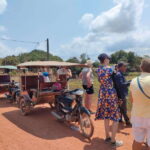
You’ll be in a tuk tuk for parts of the route, with short transfer legs built in. That matters in Cambodia, where distances can feel longer when roads are busy, and you want to keep the day from feeling rushed.
At roughly 8 hours for $23 per person, it’s also one of those tours that makes sense if you want variety without paying for a multi-day itinerary. You’re paying mostly for guided access—entrance fees are included—and the “how people live” side of Kampot.
You can also read our reviews of more shopping tours in Kampot Province
Getting picked up in Krong Kampot and settling into the schedule
The day starts with hotel pickup in Krong Kampot. If you’re within about 3 km of the center, pickup and drop-off are included, and you just need to be ready and waiting about 10 minutes before departure.
If your hotel sits farther out, you can still go, but there may be an extra pickup/drop-off fee. The driver is set to wait no longer than 10 minutes, so it’s worth being prompt—Cambodia time is friendly, but tour schedules are tour schedules.
Expect short drives between stops, often around 15–45 minutes. The pace is built around brief, memorable stops rather than long hikes, which is a big deal if it’s hot and humid and you don’t want to burn your energy early.
Natural salt fields: where you learn the seasons matter
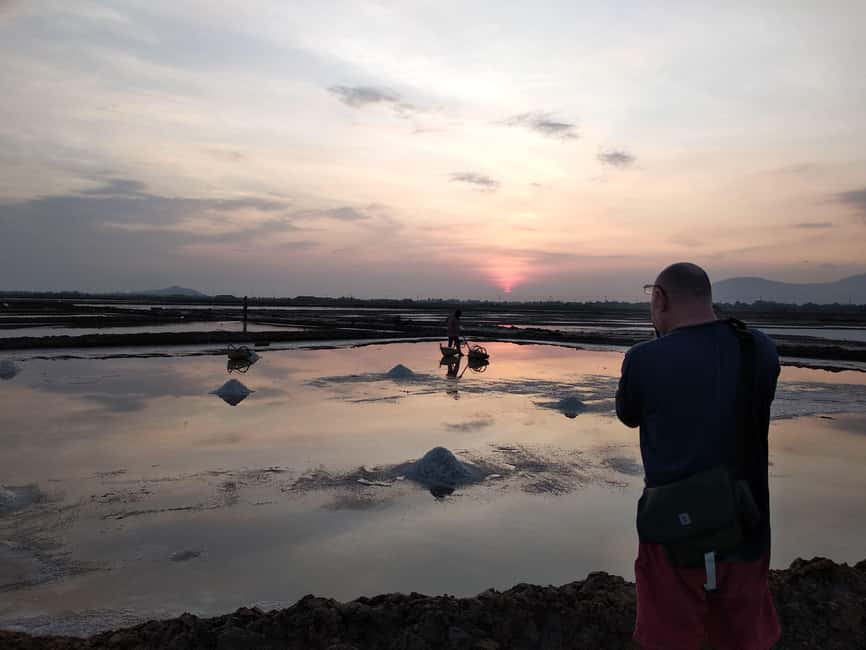
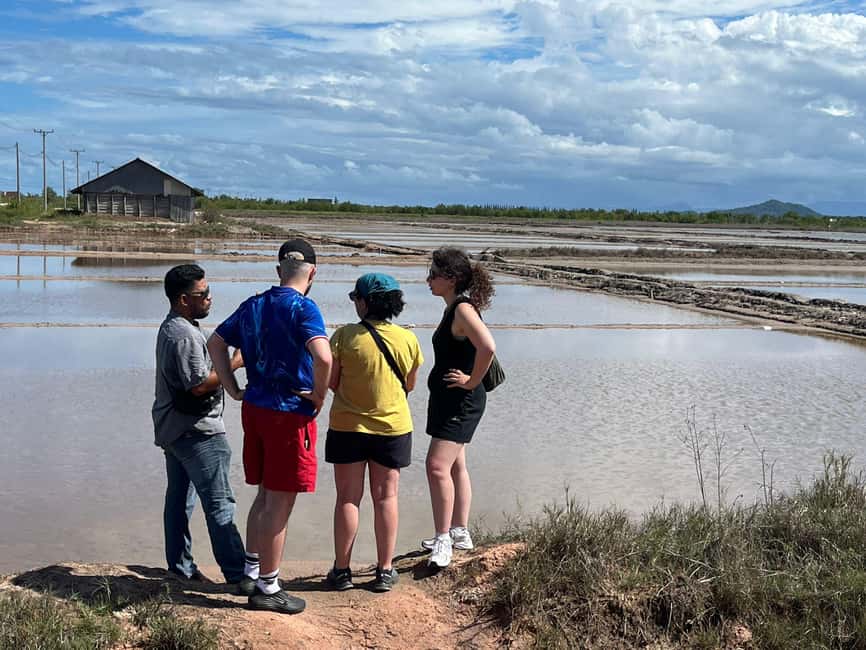
One of the first stops is the natural salt area—around the salt fields scene, with a break and photo time. This is where you get a feel for work tied to nature: salt production can swing with weather patterns.
A key detail you should know: sea salt is not harvested in the wet season. That means you might not see the same “active salt making” look you’d get in a drier stretch. Still, the value here is understanding the process and seeing the infrastructure and labor that support salt workers year-round.
You’ll also get some breathing room to take photos and reset before the day turns greener. If you love agricultural travel—seeing how food and materials come to market—this stop is a strong start because it sets the theme of Kampot province as working countryside, not just scenery.
Traditional village views and countryside driving that tells a story
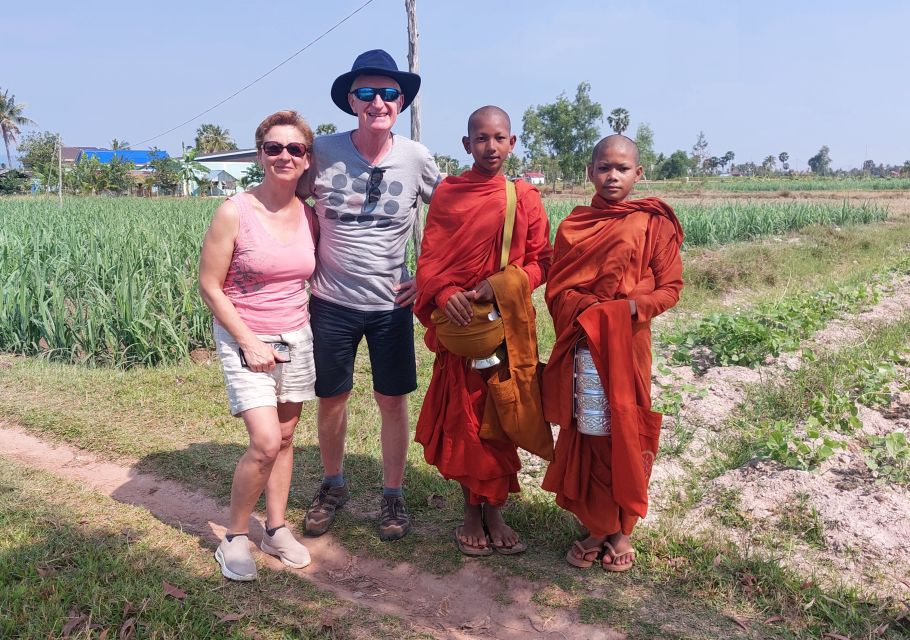
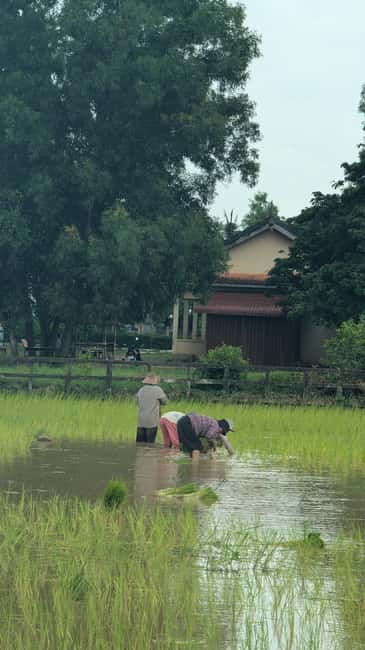
After the salt stop, you move into countryside scenes: traditional village views, rice fields, and vegetable-farm type landscapes. The driving segments here aren’t filler; they help connect the morning work sites to the later pepper plantation experience.
This part of the day is also where the tour framing becomes clearer. You’re not just collecting photos. You’re learning the “how people live” thread—farmer work, farm rhythms, and the everyday countryside flow.
There’s a scenic-drive component and then another short stop window, so you can look around without feeling trapped in a vehicle. If you prefer travel where you can talk to a guide and orient yourself as you go, this setup helps a lot.
Brotek Krola Secret Lake: a quiet photo stop with a real local story
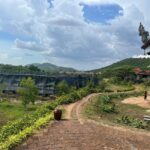
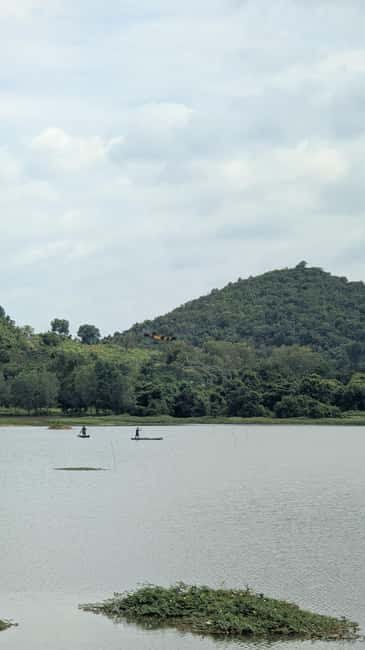
Then comes Brotek Krola, known as Secret Lake—a stop built for story and walking. You’ll get a guided component, plus time to stroll and take photos of the greenery.
The best part of Secret Lake is that it breaks the “work site” pattern. Salt fields and pepper farm learning are both production-focused. Secret Lake is more about atmosphere: a calmer pocket of Kampot where you can slow down, look at water and foliage, and reset your brain for Kep later.
It’s also a nice move timing-wise. You’re halfway through the day by then, and having a scenic, story-led stop helps the afternoon feel like a fresh chapter instead of the continuation of the same theme.
La Plantation organic pepper farm: tasting is the main event
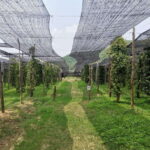
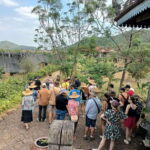
The biggest headliner is the organic Kampot pepper plantation visit. You’ll get a guided tour (a walking tour) and pepper tasting, with explanations available in English or French depending on the guide and group.
This stop is where the tour goes from “interesting places” to “I can taste the place.” You sample different pepper types and learn how each one behaves, then you’re guided toward which type becomes your favorite based on your own taste.
That tasting element is why the farm visit feels worth your time. Pepper isn’t just a souvenir item here—it’s a local product with personality, shaped by farming choices and cultivation methods.
The experience also includes free time and a shopping window. You don’t have to buy, but if you like pepper, this is one of the better moments to do it. Shopping right after tasting helps you choose intelligently instead of guessing at labels.
If you get a guide like Ali or Micki/Micky, you’re likely to find the pepper tour is paced well and explained clearly, with a friendly sense of humor and careful attention. In short: you’re not just watching; you’re tasting and asking questions.
From pepper to Kep: Crab Market time, beach walking, and old town
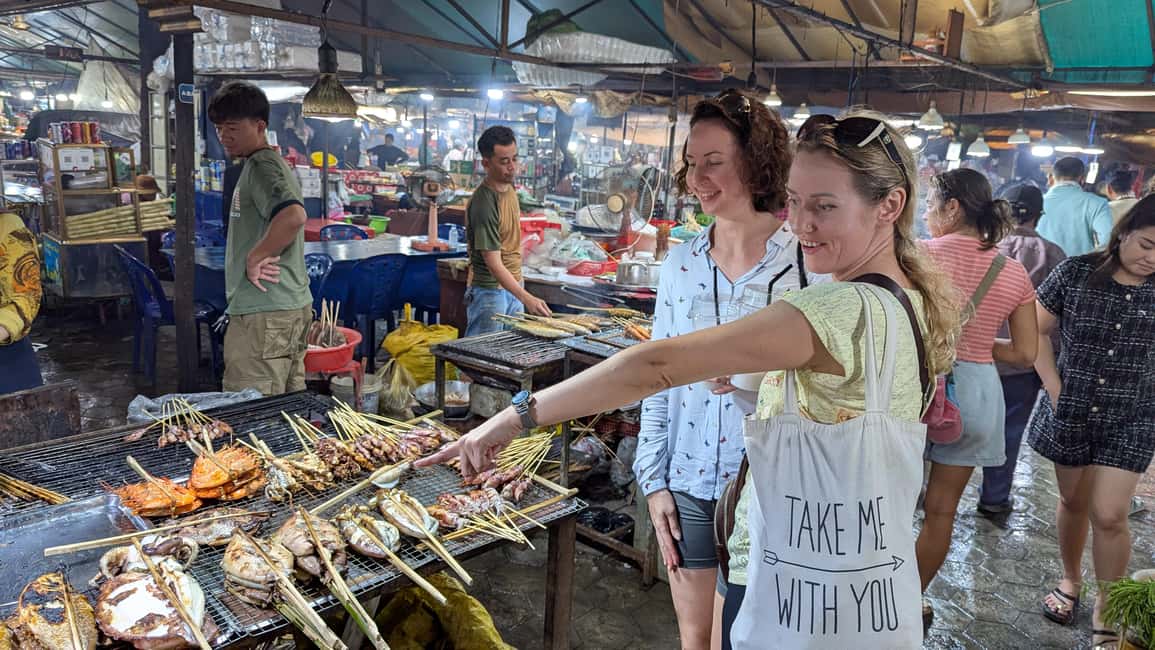
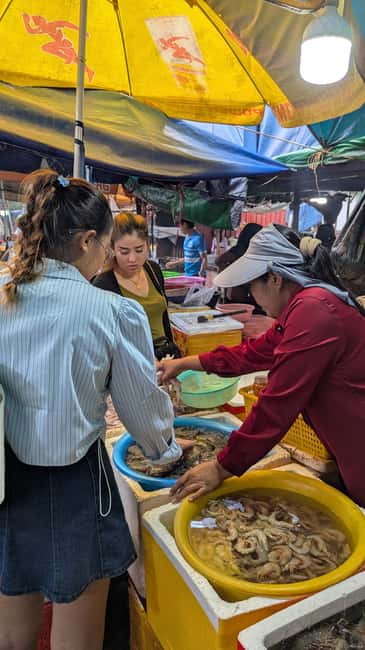
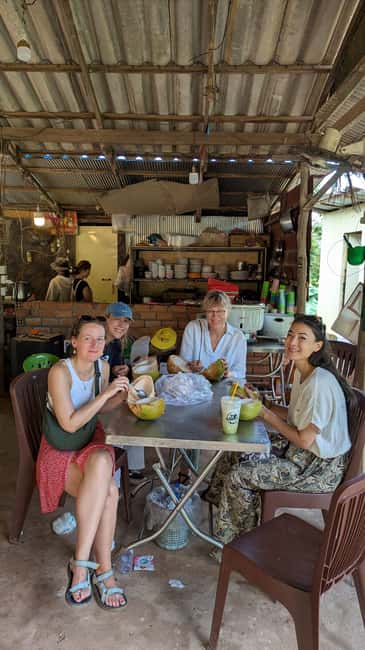
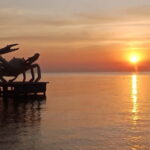
After the countryside morning, the driver brings you to Kep town. The tour drop-off is aimed at quick access to the Crab Market, where you can walk around for a short time before lunch.
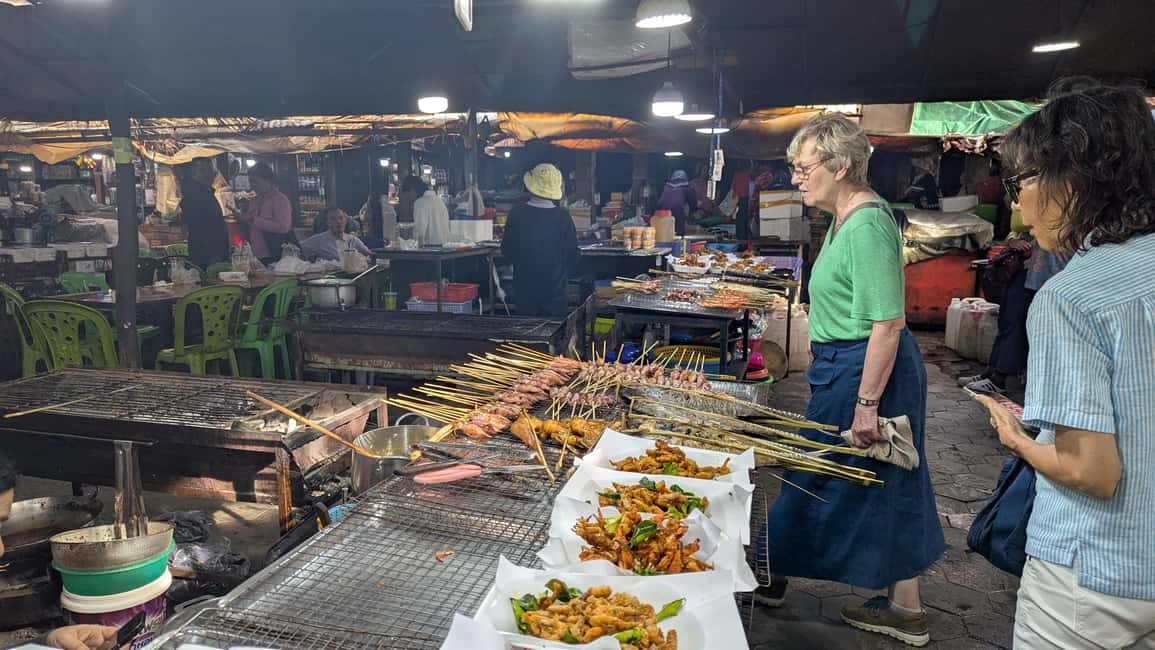
This isn’t a long market crawl, but it’s enough to feel Kep’s coastal rhythm. You’ll see seafood culture up close, and if you’re into food travel, it sets you up for the next meal with context.
Then the day keeps moving: you head toward the beach for a walk, and later you get time in the old town area. That combination matters. Markets give you the flavor-and-energy. The beach and old town help you slow down, take photos, and digest what you just saw.
You also get helpful guidance on where to eat in Kep—some guides have been known for recommending solid restaurant options, including places where Kampot pepper shows up in the meal.
Lunch, BBQ, and local snacks: plan for costs since meals aren’t included
The schedule includes a break at a visitor center, with mention of lunch, BBQ, and local snacks as part of the stop experience. Even so, meals are listed as not included, so treat this as a “food is available here” moment rather than a guarantee that you won’t pay anything extra.
That said, the overall structure still works. You’re guided through a local food moment, with food tasting and a food-market visit included in the flow. It’s a good way to try small bites without spending all day hunting for places yourself.
If you’re watching your budget, it helps to decide in advance whether you want a full lunch or just a tasting-style meal. Either approach fits the tour pace.
Transportation and pacing: good for comfort, not for couch potatoes
The day includes tuk tuk rides and multiple short transfers. This usually means the walking time is manageable, and the stops are spaced out so you can cool down and look around.
That said, you should be ready for uneven ground at farm and market locations. Closed-toe shoes are a smart choice, even if the weather is warm.
Also note the tour has some limits. It’s not listed as suitable for wheelchair users, electric wheelchair users, or people with heart problems. It’s also not suitable for people over 110 kg (243 lbs) and people over 70 years. If any of that applies, you’ll want to choose a different style of tour with fewer physical demands and less heat exposure.
What to bring (and what to skip) for a smooth salt-and-pepper day
For this kind of route, your “small prep” makes the day a lot more comfortable.
Bring:
- Sunglasses
- Biodegradable sunscreen
- Beachwear (you may get near the coast)
- Closed-toe shoes
Not allowed:
- Baby strollers
- Bikes
- Alcohol and drugs
- Electric wheelchairs
A practical tip: pack light water habits. Bottled water is included, but it still helps to drink regularly on hot days. Also bring a layer if you get a sudden breeze at Secret Lake or by the beach.
Price and value: what $23 buys you in the real world
At $23 per person for an 8-hour day, the value comes from three things:
- You get guided access to multiple working and agricultural sites, not just viewpoints
- Pepper tasting is included, which is the most tangible part of the day
- Entrance fees are covered, which adds up across farm and visitor-center stops
If you were to DIY these locations, you’d spend time solving transport and you might lose the guided explanations that connect salt, pepper, and coastal life. This tour handles the logistics so you can focus on the learning and the food moments.
The trade-off is that meals aren’t included, so your total trip cost may be a bit higher if you plan to eat a full lunch at Kep or at the visitor center stop. Still, for Cambodia, this is a straightforward all-in-one day format with strong payoff.
Who should book this tour, and who might want a different option
This fits best if you like food and farming travel. If you want to understand Kampot beyond images—salt work, pepper cultivation, and how Kep’s crab market atmosphere feeds into lunch and coastal life—this day works.
It’s also a good fit for couples and solo travelers who want a structured day with guidance and enough breaks to stay comfortable.
Skip it if you need a very low-walking day, require wheelchair access, or have medical constraints that make heat and movement risky. And if you’re traveling in wet season, go in with realistic expectations for the salt fields—salt harvesting may be reduced.
Should you book Kampot Pepper & Kep/Crab Market Tours: Salt, Secret lake?
If you want one day that connects Kampot’s countryside production with Kep’s seafood culture, I’d book it. The pepper farm tasting is the anchor experience, and Secret Lake is the perfect photo-and-recovery stop between the working sites and the coastal fun.
Just plan for the fact that the salt stop may look different in wet weather, and budget for meals since food costs aren’t included. If those are fine with you, this is a solid value day that feels grounded, not touristy.
FAQ
How long is the tour, and what time commitment should I plan for?
The tour lasts about 8 hours.
How much does the tour cost?
The price is $23 per person.
Is hotel pickup and drop-off included?
Yes, pickup and drop-off are included for hotels within 3 km outside the center of Kampot. If you’re farther out, there’s an additional extra fee.
What language is the live guide, and is the pepper farm tour available in other languages?
The live tour guide is English. The organic pepper plantation tour is available in English or French.
Are meals included?
Meals are listed as not included.
Will I definitely see salt production at the salt fields?
Not necessarily. Sea salt is not available in the wet season, so the salt stop may be more about the site and process than active harvesting.
What should I bring for the day?
Bring sunglasses, biodegradable sunscreen, beachwear, and closed-toe shoes.
Is there a cancellation policy?
Yes. You can cancel up to 24 hours in advance for a full refund.