REVIEW · KAMPOT PROVINCE
Kampot-Phnom Penh include Pepper farm Tour, Salt field, Lake
Book on GetYourGuide →Operated by Rina Kampot · Bookable on GetYourGuide
Salt, pepper, and a secret lake stop.
This Kampot countryside tour stitches together La Plantation’s organic Kampot pepper with a guided salt-production visit, then adds a brief history-rich stop at Brateak Krola (the man-made secret lake) before your drop-off in Phnom Penh. It’s a practical way to change cities while still seeing how things are made—not just looking at pretty scenery.
What I really like is the focus on hands-on food learning: pepper and spice tasting with onsite testing plus real cooking tips you can use later. I also like that you get a guided salt stop early on, then a relaxed farm visit later that includes free time, shopping, and even pepper ice cream.
One consideration: this is a short, active day with several guided walks and no messing around with strollers or bikes. If you’re traveling with small kids or you need a very slow, fully seated pace, you’ll want to skip this one.
In This Review
- Key things you’ll notice on this Kampot–Phnom Penh route
- Pepper farm at La Plantation: organic Kampot pepper, testing, and tastings
- Salt production on the outskirts: what you learn at the factory visit
- Brateak Krola (secret lake): a man-made history stop before Phnom Penh
- How the 6.5-hour day flows: tuk tuks, timing, and what the pace means
- Price and value: $65 for pepper, salt, lake, and a city drop-off
- Who this tour suits best (and who should skip it)
- Practical rules and comfort notes that matter on the ground
- Small group dynamics and your guide: making the information stick
- Should you book this Kampot pepper, salt, and secret lake day trip?
- FAQ
- What is the tour duration?
- Where do I get picked up?
- What will I visit besides La Plantation?
- How much time is spent at La Plantation?
- Is pepper tasting included?
- Is the tour guided in English?
- How large is the group?
- How do I get dropped off in Phnom Penh?
- Who is this tour not suitable for?
- Are there any items that aren’t allowed?
Key things you’ll notice on this Kampot–Phnom Penh route
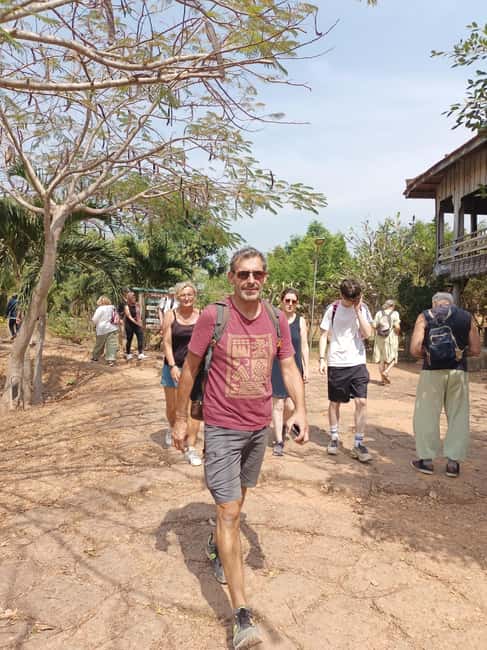
- Organic Kampot pepper at La Plantation, with tasting and pepper testing included
- Salt field factory visit on the outskirts of Kampot, explained step by step
- Brateak Krola (secret lake) stop on the way to Phnom Penh, including its Khmer Rouge history
- Small group size (up to 3) with an English live guide
- Drop-off by private taxi in Phnom Penh after the tour ends
- A day that mixes guided time with free time and photo stops for breathing room
Pepper farm at La Plantation: organic Kampot pepper, testing, and tastings
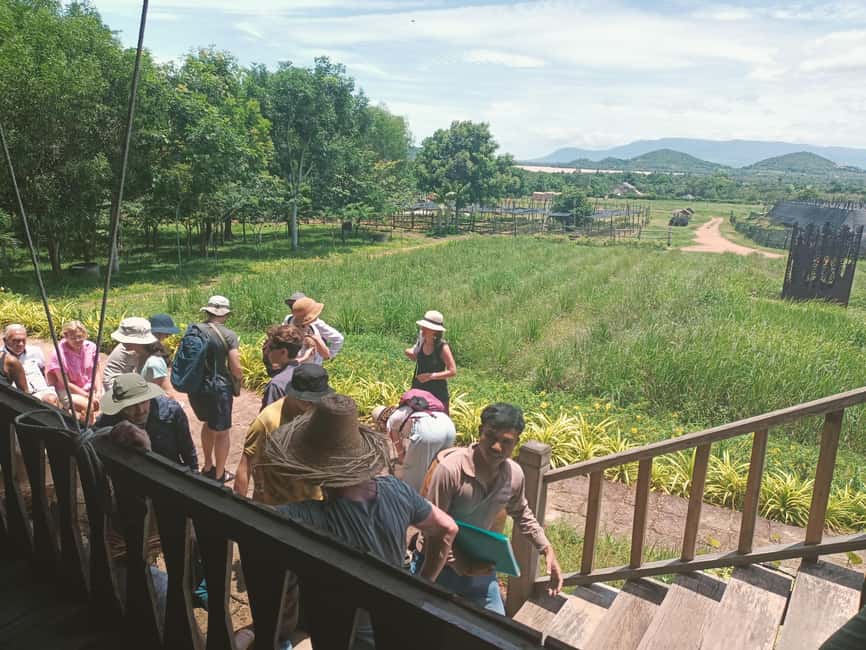
La Plantation is an organic certified Kampot pepper farm, and the experience is built around helping you understand what makes Kampot pepper special. Instead of only walking past vines, you get a real guided explanation of how the farm works and how the pepper and spices are processed.
The heart of the visit is the pepper and spice tasting. You’ll also get tips and recipes aimed at cooking at home, which is where this tour quietly becomes more useful than a typical farm stop. Kampot pepper can be a different beast from what you’re used to, so having guidance on how to use it (not just sample it) makes your souvenirs feel less like clutter.
A standout detail is the idea of pepper testing onsite for free. That means you’re not stuck only with a passive tasting. You’re there to learn and compare, then bring that knowledge with you when you shop. And yes, you may get to enjoy pepper ice cream, which sounds quirky until you realize it’s a fun way to experience how pepper flavors can be worked into desserts.
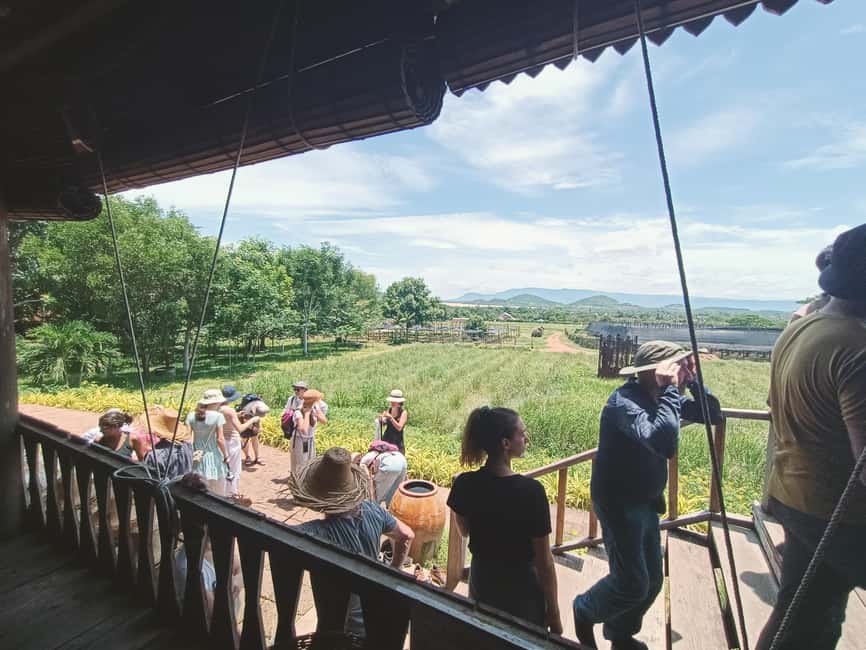
You’ll also have time to wander at your own pace. The farm portion includes break time, photo stops, sightseeing, and a shopping window. I like that balance: guided explanation first, then space to decide what you actually want to take home.
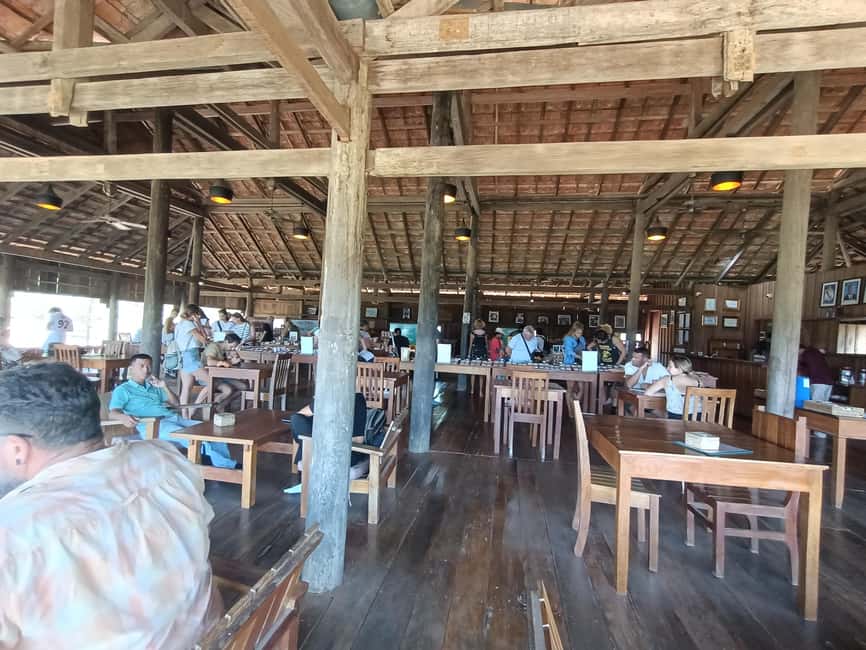
One more practical plus: there’s a café on site with a view, and it’s a good place to reset during the farm stretch. When your day includes both salt and pepper stops, a quiet drink moment helps a lot.
You can also read our reviews of more tours and experiences in Kampot Province
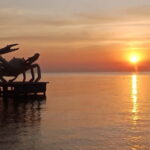
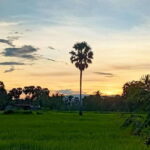
Salt production on the outskirts: what you learn at the factory visit
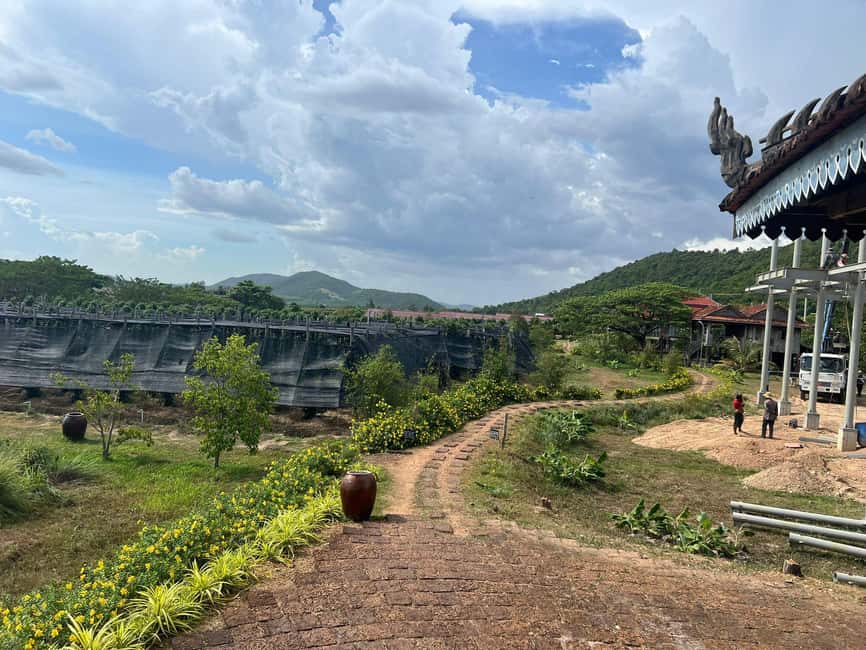
The salt stop is not filler. You visit a large salt-producing facility on the outskirts of Kampot and get a guided tour of the process, along with time for a quick photo stop in the salt fields area.
This portion matters because salt production is one of those local industries that you’d normally never see unless you had a reason to. Here, the guide focuses on economic importance to the area and walks you through the steps of how salt is produced.
The schedule also gives this part a clean structure: short tuk tuk transfers, then a focused visit that’s long enough to understand what’s going on without turning the day into a lecture marathon. In other words, you learn the basics, then you’re back in motion toward the pepper farm.
An added perk is that this salt-fields stop can act like a mini palate cleanser. Pepper tasting later is intense in flavor and aroma. Salt production earlier sets the day up nicely, especially if you like food-related travel where you learn how ingredients come to life.
Brateak Krola (secret lake): a man-made history stop before Phnom Penh
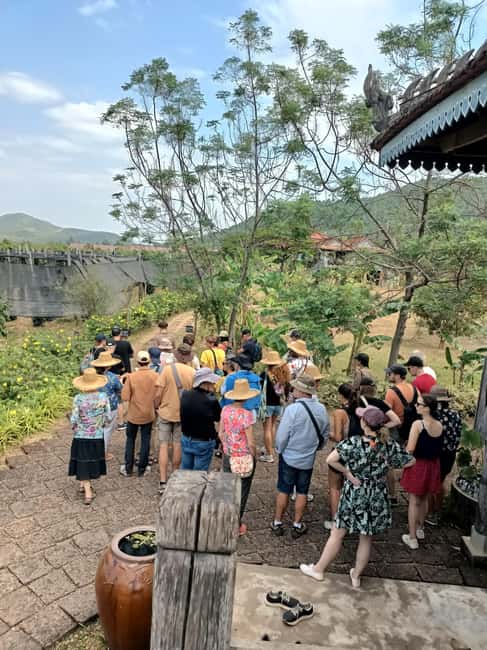
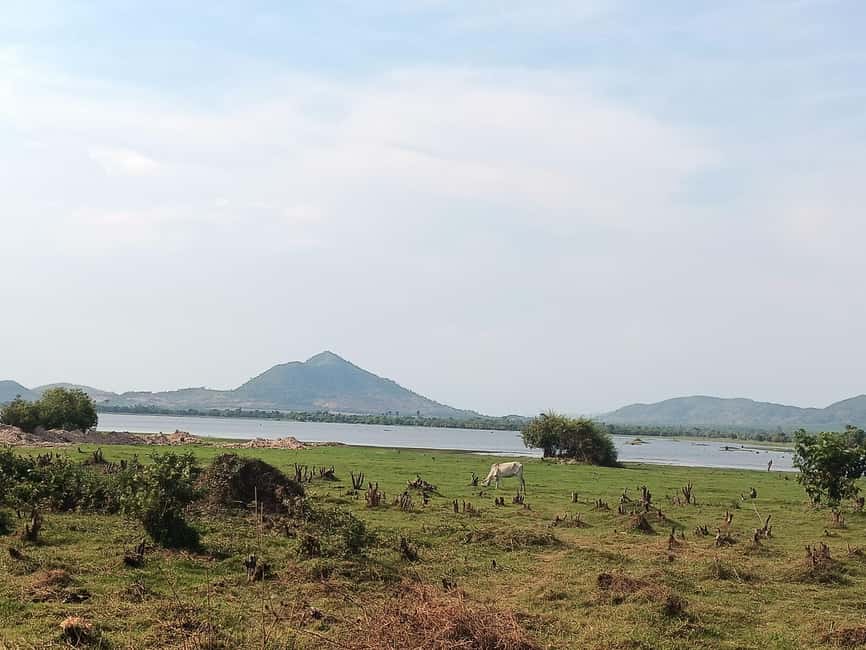
After the farm visit, you head toward Phnom Penh with a short stop at Brateak Krola, a man-made lake often referred to as the secret lake.
This is a 10-minute guided visit with a photo stop, so don’t expect a long nature walk. But you do get the history: it was built by slave labor during the Khmer Rouge era. That’s heavy context, and because the time is short, you’re less likely to get worn down. Still, it’s worth going into it with a respectful mindset—this is not a casual scenic detour.
What I like about including this stop is that it prevents the day from becoming only about “nice tastes and photos.” You also get one meaningful thread of Cambodian history in the route itself, without slowing your transfer too much.
How the 6.5-hour day flows: tuk tuks, timing, and what the pace means
The full tour takes 6.5 hours total, and the schedule includes driving. In practice, it’s a real “day trip that also functions as a transfer,” not a slow sightseeing stroll.
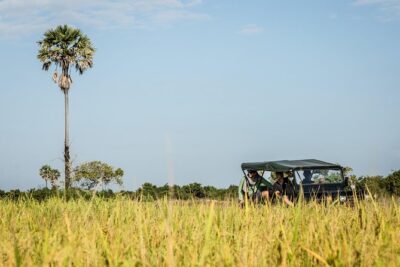
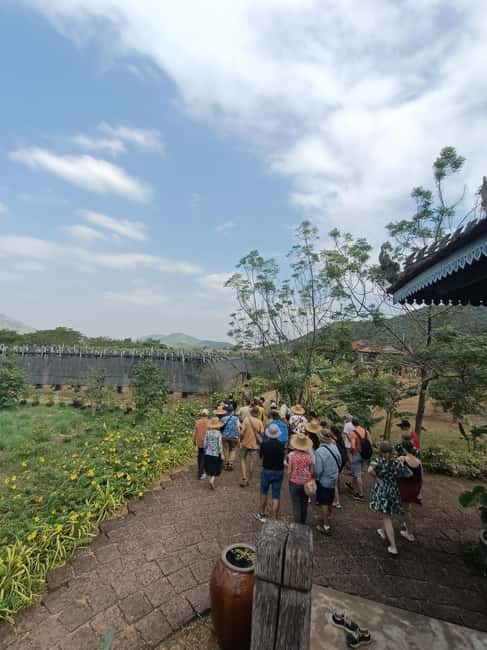
You start in Krong Kampot with pickup in the area, then a short tuk tuk ride to the salt fields. Later you transfer again to the farm. The farm portion is the big chunk of time—about 2.5 hours, which is long enough to do a guided tour, taste pepper and spices, shop, and still have breathing room.
After the farm, there’s the quick Brateak Krola stop, then the tour ends in Phnom Penh with drop-off by private taxi to your point. That last piece is practical: it saves you from figuring out transport immediately after a long day.
Group size stays small. The tour limits participation to up to 3 people, which tends to make the guiding feel more personal and easier to ask questions. You’ll also have an English live guide, so you’re not guessing your way through pepper-growing methods and salt steps.
One more pacing note: this tour includes some walking and time outdoors. It’s manageable for most people, but it’s not built for anyone who wants everything to be fully seated.
Price and value: $65 for pepper, salt, lake, and a city drop-off
At $65 per person, this tour is priced like a full-content countryside experience, not just a quick pepper farm visit. The value comes from three things you’re getting in one loop:
- La Plantation farm experience with organic farming explanations, guided tour time, and tastings (including pepper testing for free).
- Salt factory guided tour plus salt fields photo time.
- A history stop at Brateak Krola, then a private taxi drop-off in Phnom Penh.
If you were to do those as separate activities—pepper farm, salt fields visit, and then figuring out transfer—you’d likely spend more in time, planning, and total transport costs. Here, the tour bundles the driving and coordination so you can focus on the actual experiences.
Also, you get enough time at La Plantation to do something with your knowledge. The tasting and recipe tips make the shopping practical, not random. You’re more likely to buy pepper and spices you can actually use, not just items you brought home because they looked good.
Overall, I see the price as fair for a guided, small-group, food-and-history day that ends with a real convenience: Phnom Penh drop-off.
Who this tour suits best (and who should skip it)
This works best if you like food travel and you want to understand ingredients, not just photograph them. If you’re interested in Kampot pepper, spice tasting, salt production, or learning local history along the route, you’ll probably enjoy the mix.
It’s also a good fit for people who want a structured day without getting trapped in long transit planning. The small group size and English guide make the whole thing easier to follow.
But it’s not for everyone. It’s not suitable for children under 6, pregnant women, and people over 80. The day also has rules that limit certain items (like baby strollers), so if you rely on those, plan to choose a different option.
If you’re looking for a long, leisurely nature day, this won’t be it. The stops are guided and timed, and the lake visit is brief.
Practical rules and comfort notes that matter on the ground
A few rules affect comfort and packing. The tour doesn’t allow alcohol and drugs, and it also lists no fishing, bikes, and no flashlight or firework. You’ll also want to avoid bringing a baby stroller or baby carriage.
So, pack for a guided farm-and-fields day:
- Wear shoes you don’t mind on uneven outdoor ground.
- Bring water and sun protection.
- Expect some outdoor time and guided walking.
If you need a very slow pace, you might find the series of stops—salt fields, farm, then a quick lake visit—feels busy. But the schedule includes free time where you can take a breather.
Small group dynamics and your guide: making the information stick
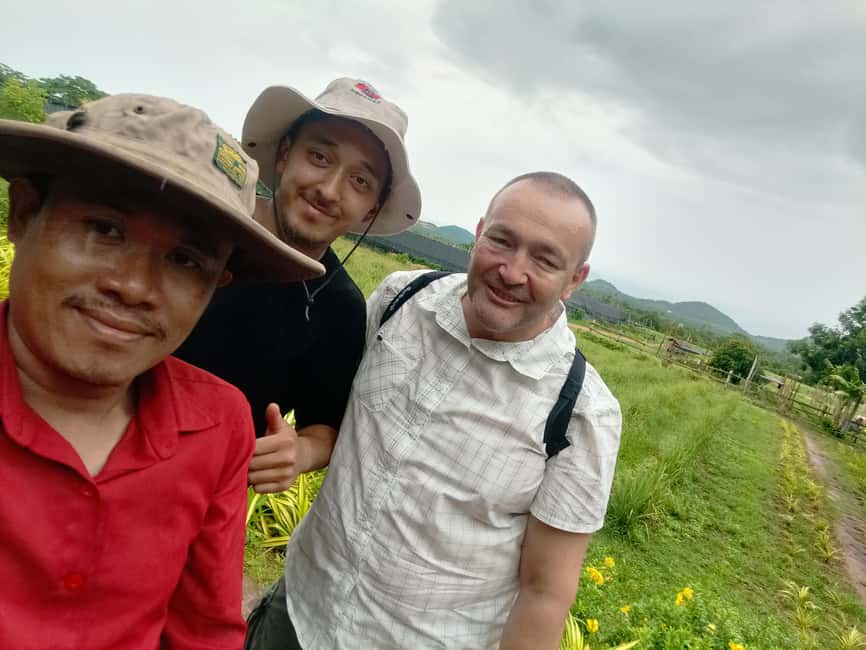
A big part of why this feels worthwhile is the way the guiding is set up. It’s limited to 3 participants, and the experience is guided in English, which makes it easier to ask questions while you’re actually in the pepper plantation or the salt facility.
In particular, the pepper tasting and spice learning tends to land well when your guide can explain and help you understand how the flavors connect to cooking. I also like that the tour includes recipe tips, because that turns the farm visit into something you can use at home.
On the route, your driver and guide also matter for the flow. One example from the experience descriptions: the driver named Phalla is described as friendly and laid-back, and he’ll show you the secret lake stop with its history.
Even if you don’t remember every detail, a guide who keeps things clear and calm helps you leave with a feeling that you actually learned something.
Should you book this Kampot pepper, salt, and secret lake day trip?
Book it if you want a real Kampot countryside day that’s also a smart way to get to Phnom Penh. It’s especially worth it if:
- You care about Kampot pepper beyond buying a bag.
- You like food production stories (salt and spices).
- You’re okay with a guided, scheduled pace and a short history stop.
Skip it if:
- You need a very slow, fully seated tour.
- You’re traveling with a child under 6, if you’re pregnant, or if you’re over 80.
- You don’t want outdoor walking and short guided stops packed into one day.
Bottom line: this is a strong choice for travelers who like learning by taste and process, not just sightseeing. The salt stop, the organic pepper farm, and the Brateak Krola history stop make one coherent route, and the Phnom Penh private taxi drop-off is the kind of convenience you’ll appreciate right after the tour ends.
FAQ
What is the tour duration?
The tour runs for about 6.5 hours.
Where do I get picked up?
Pickup is available in the Krong Kampot area. The meeting point is Opposite Epic Art Cafe, and you can also request pickup directly from your hotel or restaurant if it’s within 5 km of the meeting point.
What will I visit besides La Plantation?
You’ll visit salt fields / a salt-production facility, and you’ll also stop at Brateak Krola, the man-made secret lake, briefly before arriving in Phnom Penh.
How much time is spent at La Plantation?
The La Plantation portion includes guided touring and free time for about 2.5 hours total.
Is pepper tasting included?
Yes. You get pepper and spice tasting, and there is also pepper testing onsite included.
Is the tour guided in English?
Yes, there is a live tour guide in English.
How large is the group?
The group is small, limited to up to 3 participants.
How do I get dropped off in Phnom Penh?
After the tour ends, you’re dropped off in Phnom Penh by private taxi.
Who is this tour not suitable for?
It is not suitable for children under 6, pregnant women, and people over 80.
Are there any items that aren’t allowed?
Yes. The tour lists restrictions including no alcohol and drugs, no fishing, no bikes, no baby strollers, and no flashlight or firework.