REVIEW · KAMPOT PROVINCE
Kampot Pepper Farm Tour: Salt Fields, La Plantation & Cave
Book on GetYourGuide →Operated by Simon Cambodia Trip · Bookable on GetYourGuide
Salt flats and limestone caves in one day. You get Kampot salt field photo stops and then head into Phnom Chhngok Cave to see dramatic limestone and ancient artifacts. I also like that the whole thing feels practical and local, not like a rushed checklist. One catch: if it rains, you may not see the salt the way you expect.
What really makes this tour work is the human touch. Your English-speaking driver guides you along the way, and you can switch to a French-speaking guide at La Plantation if you want the pepper process explained in more detail. You’ll also get a calm nature pause at Brateak Krola Lake, which helps balance the walking and the brighter, salt-flat photo time.
In This Review
- Key Points at a Glance
- Why This Kampot Pepper Farm Tour Feels Worth Your Time
- Salt Fields: Your Photo Stop and the Harvest Reality
- Brateak Krola Lake: A Quiet Reset in Nature
- La Plantation: Organic Kampot Pepper and the Optional French Guide
- Phnom Chhngok Cave: Limestone Formations and Ancient Artifacts
- The Route Between Stops: Tuk-Tuk Time, One Scheduled Break, and Light Hiking
- Price and Value: What You Get for $21
- What to Bring and What to Watch Out For
- Should You Book This Kampot Salt, Pepper, and Cave Tour?
- FAQ
- How long is the Kampot Pepper Farm Tour?
- Where does the tour start and do I get hotel pickup?
- What is included in the price?
- Are meals included?
- Is a French-speaking guide available?
- What should I bring?
- Is the tour refundable if plans change?
- Is the tour suitable for kids or mobility issues?
Key Points at a Glance
- Traditional Kampot salt harvesting with photo-friendly salt field views and a guided walkthrough
- Brateak Krola Lake for a quieter stretch of nature time and lake-side calm
- La Plantation organic pepper farming with optional French interpretation for the pepper process
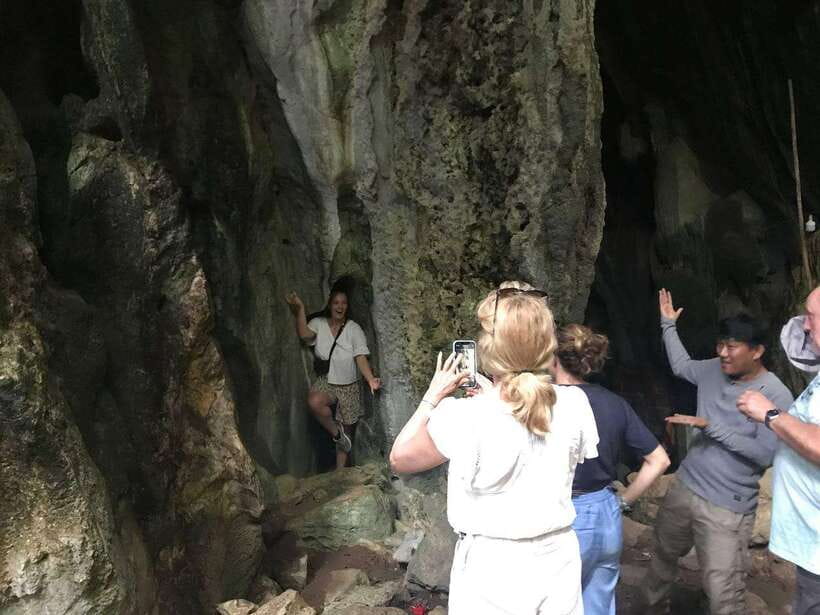
- Phnom Chhngok Cave exploration for limestone formations and ancient artifacts
- A 6-hour schedule built around short drives, guided stops, and some walking/hiking
- Share tuk tuk transport plus hotel pickup within town for a simple, low-friction day
Why This Kampot Pepper Farm Tour Feels Worth Your Time
This is the kind of Kampot day tour that makes sense even if you have only one or two days in the area. You’re not just “seeing Kampot.” You’re seeing how people actually make things here, from salt to pepper, and then you add a cave visit that gives context to the land itself.
The balance is smart. The salt fields are bright and open, good for photos and for understanding the rhythm of harvesting. Then the tour shifts to softer, slower scenery at Brateak Krola Lake. After that, La Plantation brings you into hands-on agriculture—organic farming and the production side of famous Kampot pepper. Finally, Phnom Chhngok Cave adds a completely different kind of curiosity, with limestone formations and artifacts you’ll explore with your guide.
You should come in with comfortable shoes and an expectation of walking. It’s not a sit-and-watch experience.
You can also read our reviews of more tours and experiences in Kampot Province
Salt Fields: Your Photo Stop and the Harvest Reality
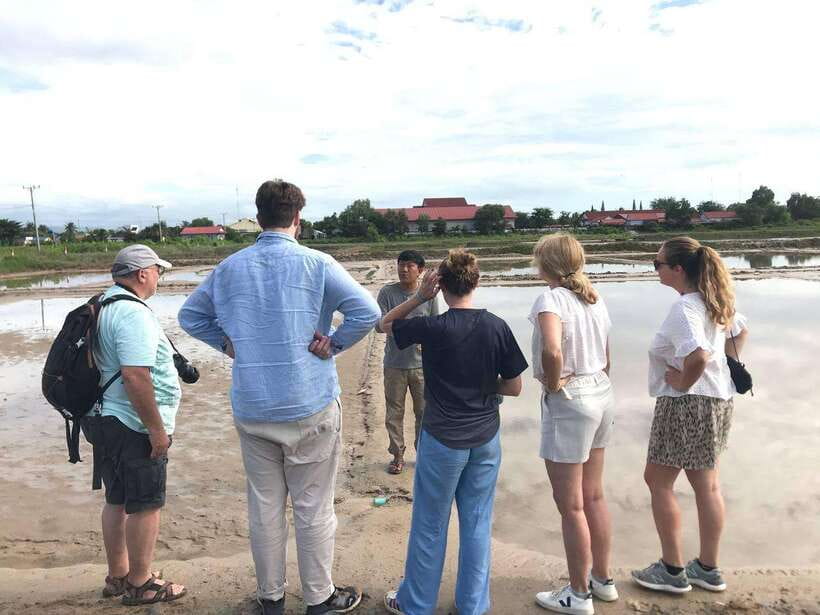
The day starts with pickup in Kampot Province (hotel pickup is included if you’re in town). From there, you’ll head to the salt fields for two main segments—time for photos, guided touring, sightseeing, and short walks. One block is about 30 minutes, then you have another about 20 minutes right after.
Here’s what makes this stop valuable: the salt flats aren’t just pretty. They teach you how harvesting works in a place where nature does a lot of the hard work. You’ll see the white surfaces against the sky and get a look at how the process is timed to local conditions. Your guide explains along the way so your photos aren’t just random snapshots.
Important practical note: during the rainy season, you might not see the salt the same way. If you’re traveling in wetter months and you’re hoping for that classic, strongly white salt pan look, keep expectations flexible. The tour can still be interesting, but the visuals may be muted.
Bring your hat and sunscreen. This area can feel exposed, and you’ll be outside during parts of the walkthrough.
Brateak Krola Lake: A Quiet Reset in Nature
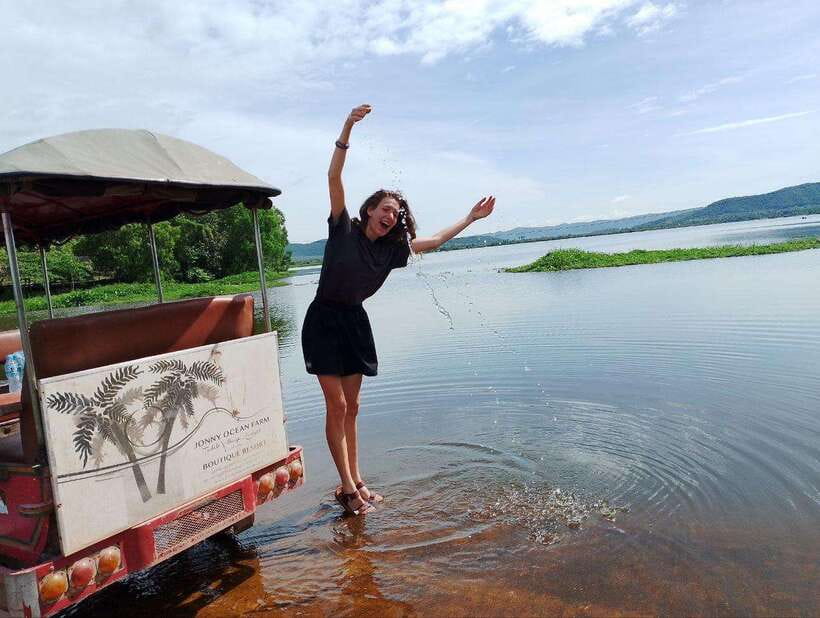
Next comes Brateak Krola Lake, described as a tranquil spot surrounded by lush nature. This stop is where the day slows down. After salt fields and the travel between points, it’s a nice break to sit in the quiet and actually look at what’s around you.
You’ll have time to enjoy the calm setting, and your tuk tuk driver—acting as your English-speaking guide—can share local insights as you move through the area. That matters more than you’d think. When you understand what you’re seeing (even at a basic level), the “scenery stop” becomes part of the story rather than just a pause for photos.
Even if you’re not a big lake person, this stop is a helpful balance. It gives you a sensory change from bright salt flats to softer greenery, and it makes the rest of the day feel less like marching from one point to another.
La Plantation: Organic Kampot Pepper and the Optional French Guide
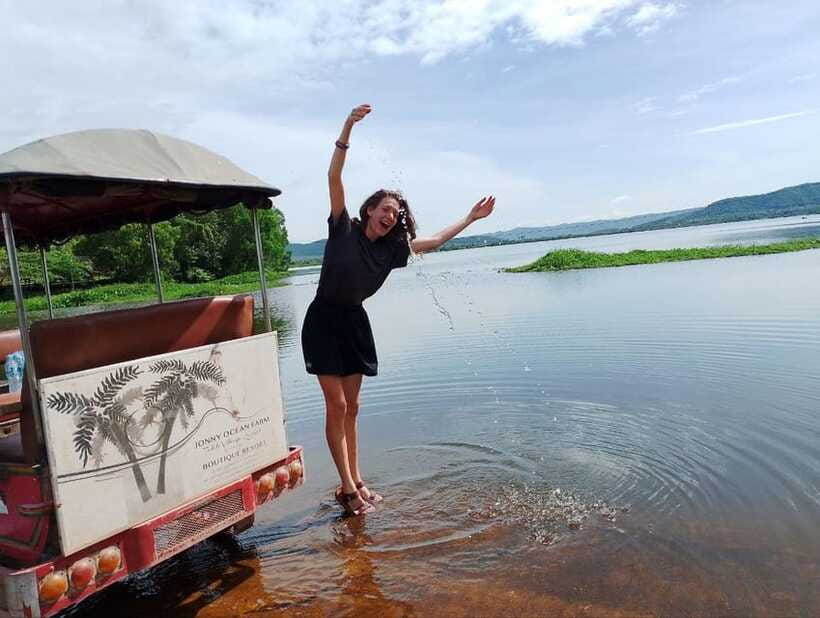
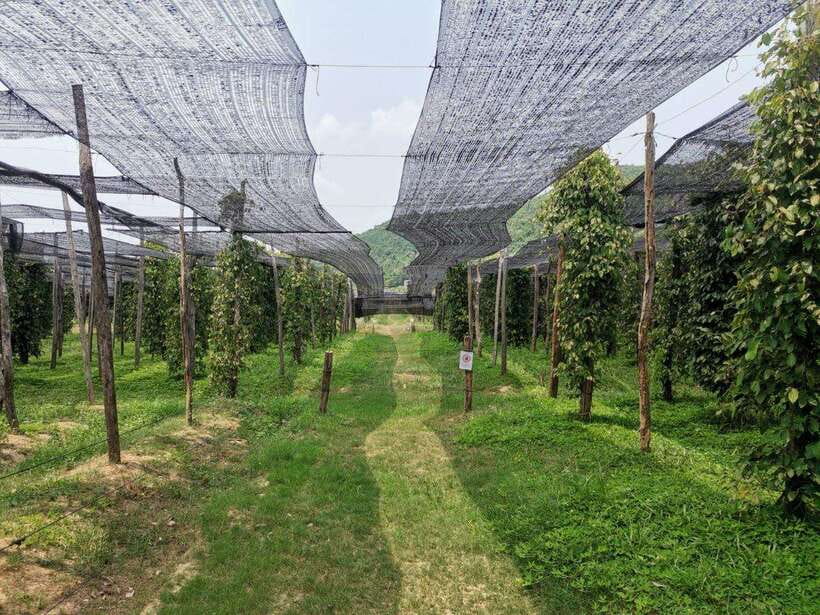
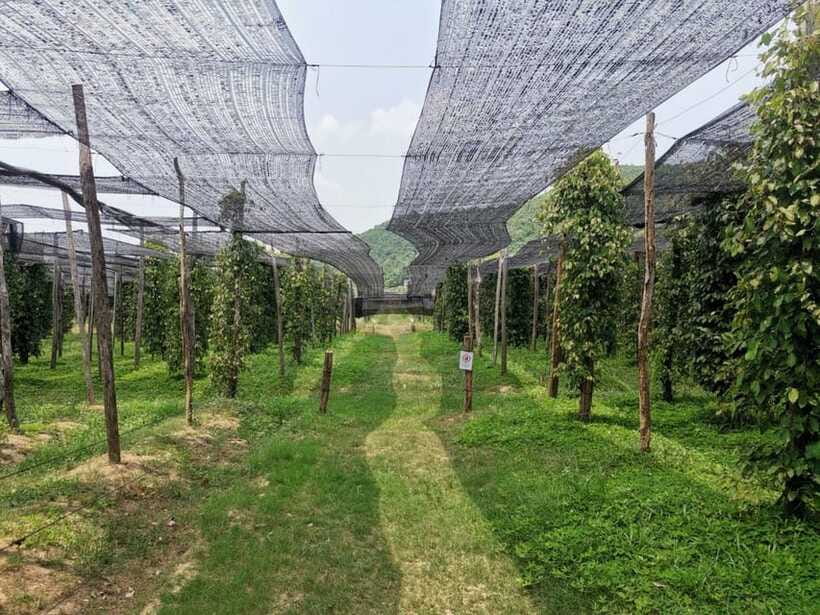
After the lake, you’ll reach La Plantation. This is the agriculture part of the tour, focused on organic farming and the production of Kampot pepper.
Two things make this stop practical for you:
1) You get the process explained, not just the final product.
2) You can switch to a French-speaking tour guide here if you prefer a French explanation of the pepper steps.
If you’re a pepper person—whether you cook with it at home or just love the smell—this is where you start connecting that flavor to real farming work. The tour emphasizes organic farming, so you’ll likely come away with a better idea of what makes Kampot pepper distinct beyond the label.
Also, this is one of the best times to ask questions. Pepper production has a lot of small steps, and your guide is the person who can translate it into something you can remember.
Phnom Chhngok Cave: Limestone Formations and Ancient Artifacts
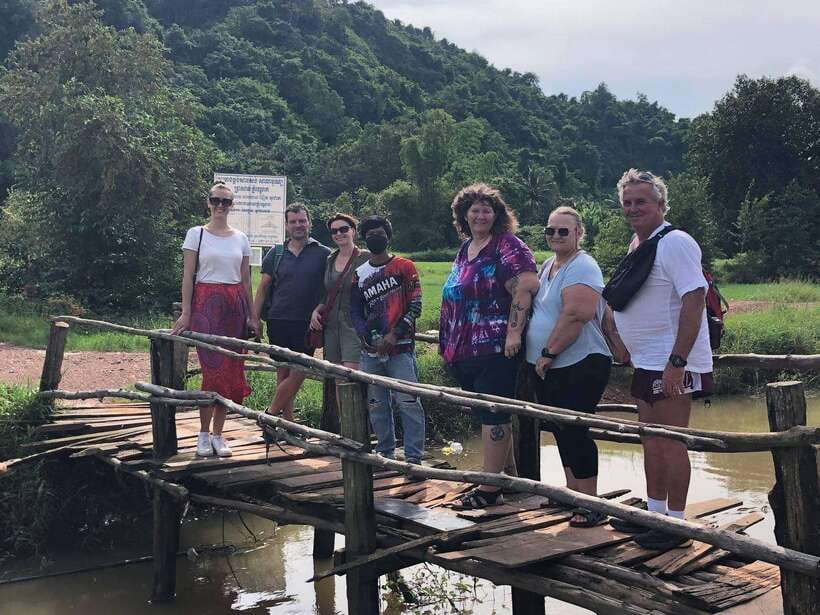
Then it’s on to Phnom Chhngok Cave. This stop is a big contrast from the farmland. Here, you’re dealing with limestone formations and the kind of built-in wonder that comes from exploring a cave that has collected history in its rock.
Your guide walks you through the cave, pointing out impressive limestone formations. The tour also includes time to discover intriguing ancient artifacts you’ll see as you explore. That combination is what keeps the cave from being a quick pass-through.
A few practical tips based on how caves usually feel, plus what this tour includes:
- Wear comfortable shoes. You’ll want traction and support.
- Expect uneven ground and some time walking inside.
- Bring your camera if you’re into photos, but be mindful of hand positions and footing.
This is the stop where you’ll feel the “Kampot isn’t just the coast” side of the story. The cave gives you a physical sense of the region’s geology and the human curiosity that followed.
The Route Between Stops: Tuk-Tuk Time, One Scheduled Break, and Light Hiking
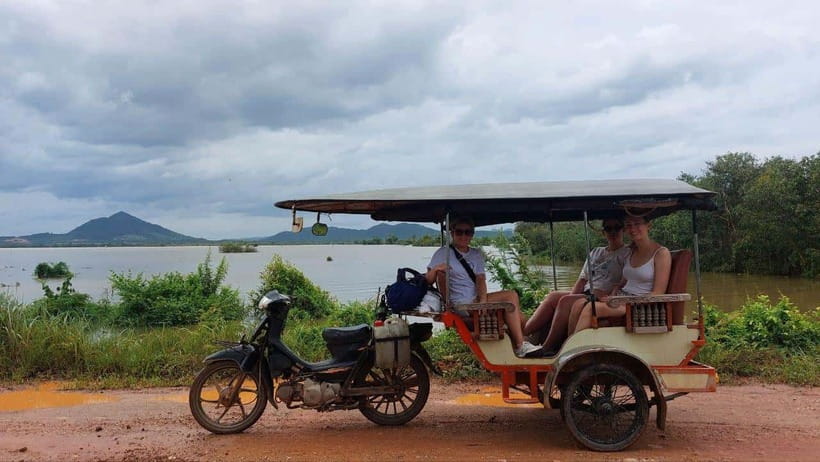
This tour runs about 6 hours and uses share transportation by tuk tuk. It’s a good format here because distances can be easier to manage without long waits, and you still get fresh air between stops.
You’ll also notice a planned break during the day, including a photo stop and sightseeing around 841 Santa Fe Dr. You’ll then continue with more guided touring and hiking time. The exact nature of that hiking isn’t spelled out in detail, but you should plan for short, active walking periods.
Two things I’d plan around:
- You’re mixing outdoor sun time with cave time, so your energy level can swing.
- You’ll be on your feet more than you’d expect from “a farm tour.”
Pack for comfort and you’ll stay happy. It’s also a smart idea to keep your day organized: water in hand, hat on, sunscreen done.
Price and Value: What You Get for $21
At $21 per person for a 6-hour tour, this sits in the “good value” category—mainly because you’re getting multiple distinct experiences without needing to arrange separate transport or tickets.
Here’s what that price covers:
- Entrance fees
- Share tuk tuk transportation
- English-speaking driver as your tour guide
- French-speaking tour guide availability at La Plantation
- Pickup and drop-off at your hotel in town
And here’s what’s not included:
- Meals
- Private tour or private transportation
- An extra pickup/drop-off charge of $5 if your hotel is 3 km from Durian Roundabout
- An optional Add Crab market at Kep for an extra $10 per person
The “meals not included” part matters. You might finish the day hungry if you don’t eat beforehand. I’d suggest grabbing something before you’re picked up or planning a meal soon after you get back, because the tour itself doesn’t provide food.
If you want an easy, guided day that links salt harvesting, organic pepper farming, and a cave visit, $21 can feel fair. If you’re expecting a full day of comfort with no walking and food included, you may find it a bit more “active” than you bargained for.
What to Bring and What to Watch Out For
This tour’s comfort is all about preparation. You’ll be outside for multiple stops, and you’ll also have cave exploration.
Bring:
- Comfortable shoes
- Hat
- Camera
- Sunscreen
- Water
Not allowed: smoking.
Also check fit before booking. It’s not suitable for children under 6 years, and it’s not ideal for people with mobility impairments. If you have any balance issues or concerns about uneven surfaces, the cave and hiking portions may be harder than you want.
Language-wise, you’ll travel with English support, and French is available at La Plantation if you ask for it there.
Should You Book This Kampot Salt, Pepper, and Cave Tour?
You should book if:
- You want a single day that covers salt harvesting, Kampot pepper farming, and a cave visit
- You like guided explanations, especially when you can get French help at La Plantation
- You enjoy photography but also want the story behind what’s in your frame
- You can walk comfortably and you’re okay with a day that’s outdoors plus cave time
Skip it (or at least rethink timing) if:
- You’re traveling in a season when the salt pans may be hard to see clearly
- You need a fully seated, no-walking style of tour
- You’re counting on meals to be included
One more practical nudge: if you care about the pepper explanation quality, ask at La Plantation about the French-speaking guide. It can make the farming process easier to understand, especially if you’re curious about what makes Kampot pepper special.
If you’re in Kampot and you want an authentic countryside day without complicated planning, this one is a strong choice.
FAQ
How long is the Kampot Pepper Farm Tour?
The tour lasts about 6 hours.
Where does the tour start and do I get hotel pickup?
Pickup is included from hotels in town within Kampot Province. If your hotel is 3 km from Durian Roundabout, there is an extra $5 charge.
What is included in the price?
Entrance fees, share transportation by tuk tuk, an English-speaking driver as your tour guide, French-speaking tour guide availability at La Plantation, and hotel pickup/drop-off within town.
Are meals included?
No, meals are not included.
Is a French-speaking guide available?
Yes. A French-speaking tour guide is available at La Plantation.
What should I bring?
Bring comfortable shoes, a hat, a camera, sunscreen, and water.
Is the tour refundable if plans change?
Free cancellation is available up to 24 hours in advance for a full refund.
Is the tour suitable for kids or mobility issues?
It is not suitable for children under 6 years and not suitable for people with mobility impairments.