REVIEW · ANGKOR WAT
2-Days in temples and other areas
Book on Viator →Operated by ASEAN Adventure · Bookable on Viator
Two days is the sweet spot for Angkor. This private plan strings Angkor Wat with Bayon and Ta Phrom on Day 1, then keeps going to key temples and lakeside culture on Day 2, with hotel pickup and drop-off. You also get a guide who can adjust the route to your pace, not just run a checklist.
What I like most is the way Narin (your guide) brings the sites into focus without rushing you. You can also feel the value in the timing and variety: the tour can work in quieter temples beyond the biggest crowds, plus a stop at a landmine museum that adds a real, sobering layer to what you’re seeing.
One thing to consider is that the headline cost is just part of the budget. Temple admission, food, and boat-related costs (for Tonle Sap) are not included, and Angkor Wat sites require covered knees and shoulders, so plan your clothes before you go.
In This Review
- Key things to know before you go
- Two days in Angkor: how this private plan really feels
- Day 1: Angkor Thom, Bayon, Angkor Wat, and Ta Phrom with a lunch break
- Dress code and comfort matter on Day 1
- Day 2: Preah Khan, Neakpohan, Preruk, Banteay Srey, then Tonle Sap
- Preah Khan: a temple tied to Jayavarman VII
- Neakpohan: an island temple linked to Jayatataka baray
- Preruk and Banteay Srey: Hindu worship and royal dedications
- Tonle Sap floating villages: a very different way to end the day
- The guide makes or breaks Angkor (and Narin is a standout)
- Price and what you really get for $261
- What to expect logistically (without the headache)
- Practical tips for temple comfort and better photos
- Should you book this two-day Angkor temples tour?
- FAQ
- How long is the tour?
- Where does the tour start?
- Is this a private tour?
- What is included in the price?
- What is not included?
- Which places are included on Day 1?
- Which places are included on Day 2?
- Do I need to be physically fit?
- Is Angkor Wat admission included?
- What if weather is bad or I need to cancel?
Key things to know before you go
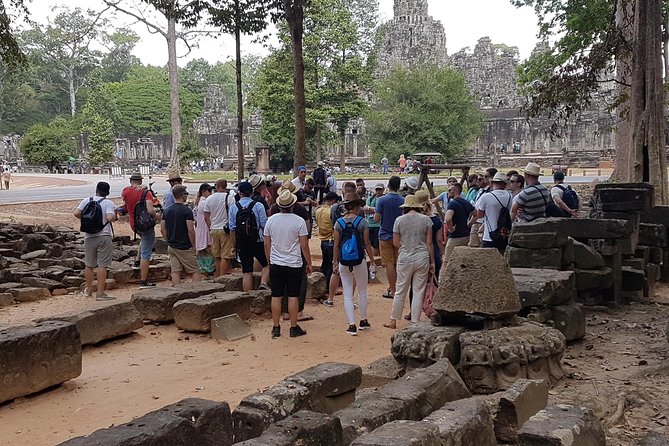
- Private guide + car/van: You move efficiently between temple clusters and you’re not stuck with other people’s tempo.
- Day 1 hits the icons: Angkor Thom, Bayon, Angkor Wat, and Ta Phrom get real time.
- Day 2 adds the “less obvious” temples: Preah Khan, Neakpohan, Preruk, and Banteay Srey broaden the story.
- Tonle Sap floating villages: You’ll reach the lake and see the floating village life (with extra boat costs).
- Narin’s flexibility: He can start earlier to avoid the hottest hours and shape the day around your interests.
- Extra stops can appear: In at least some versions of this route, the landmine museum fits in for context.
Two days in Angkor: how this private plan really feels
If you only have a short window, you’ll want more than a highlight reel. This tour is built for flow: hotel pickup, guided temple time, a lunch stop, and a finish back at your hotel each day. That matters because Angkor is spread out, and you don’t want your vacation turning into a traffic study.
The other big advantage is the private setup. With just your group, you can move slower for photos, stop when something catches your eye, or ask the guide to explain why a certain carving looks the way it does. In my experience, that’s what turns Angkor from scenery into understanding.
You also get a practical package of basics included in the price: a guide, a car/van, and water. That may sound small, but it removes friction. You can focus on the temples instead of juggling logistics like where to store snacks or which van to chase.
You can also read our reviews of more tours and experiences in Angkor Wat
Day 1: Angkor Thom, Bayon, Angkor Wat, and Ta Phrom with a lunch break
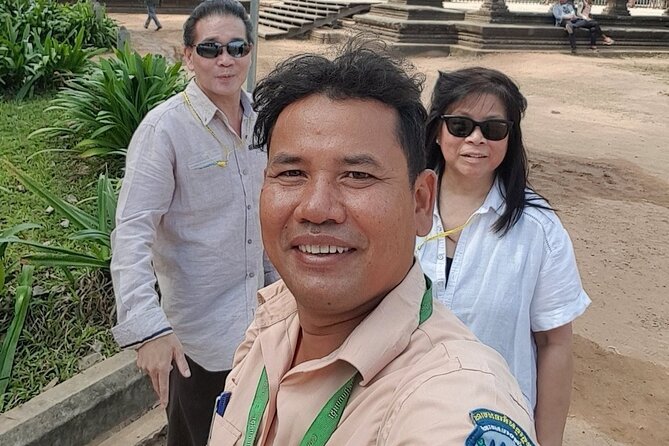
Day 1 is your “greatest hits” day, shaped around the big complexes that anchor a first visit to Angkor. Your guide picks you up from your hotel and starts in Angkor Thom City, a walled ancient city packed with temple structures that feel like stepping into a stone labyrinth.
From there, you’ll connect to the major sights that most people dream about:
- Bayon complex: Known for its iconic faces and the way the temple layout pulls you through layers of courtyards.
- Angkor Wat: The main attraction, with big sightlines and photo angles that shift as you walk the paths.
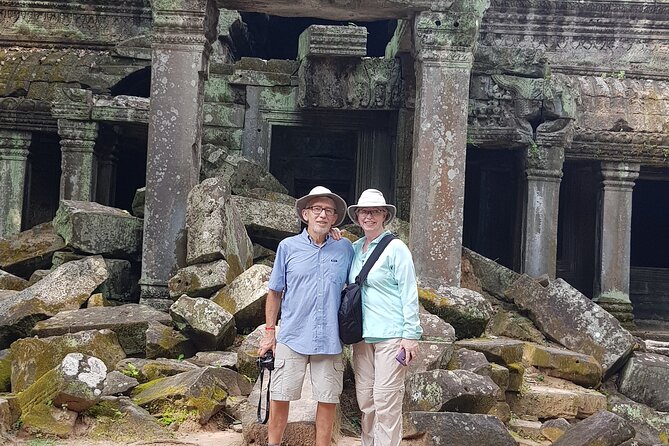
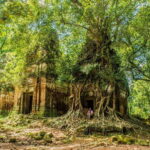
- Ta Phrom: The temple where nature and stone have grown together, so the atmosphere feels different from the more symmetrical monuments.
Here’s why that combo works. Angkor Wat and Bayon are easier to “read” as formal architecture. Ta Phrom is messier and more emotional. Together, they keep the day from feeling repetitive.
You’ll also get a built-in lunch stop at the Angkor Archaeological Park. That’s a good place to pause because you won’t lose temple time hunting for food on your own. One note: lunch is paid by you, so bring cash or plan to pay as you go.
A useful bonus from the way guides run this tour: it may include extra context stops. One example is a landmine museum connected to finding and disarming landmines. That kind of stop slows the pace for a reason, and it gives you a fuller picture of how Cambodia reclaimed the landscape and made tourism possible again.
Dress code and comfort matter on Day 1
Angkor Wat is strict about clothing: covered knees and shoulders are required. One practical fix is simple: if you show up in shorts, don’t assume you’ll be allowed in. Plan for a light layer you can wear all day. Also, temple walking is real walking, so comfortable shoes help more than you’d expect.
And because you’ll be outdoors much of the day, heat management is part of the experience. In this tour style, the guide can start earlier to avoid the hottest hours, which makes a huge difference once the sun climbs.
Day 2: Preah Khan, Neakpohan, Preruk, Banteay Srey, then Tonle Sap
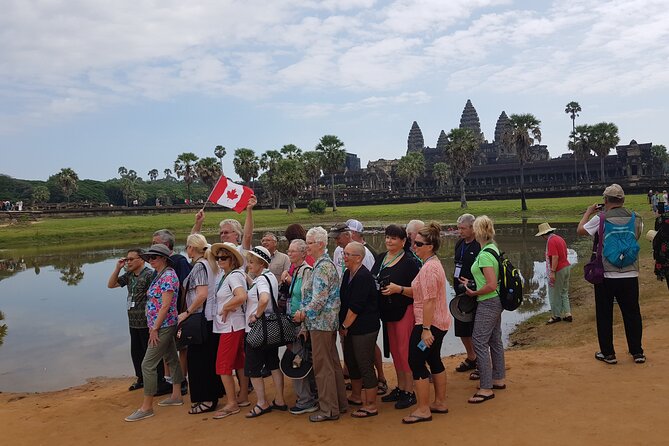
Day 2 is for depth. It’s not just “more of the same.” You’ll shift focus to temples tied to specific kings and periods, then end with a very different setting at Tonle Sap Lake.
Preah Khan: a temple tied to Jayavarman VII
You’ll visit Preah Khan, built for King Jayavarman VII in the 12th century, with dedication details connected to honoring his father. It’s located northeast of Angkor Thom. This is the kind of place where spacing and layout help you understand how a royal program of temples worked, not just a single structure.
The payoff on a second day is perspective. After Day 1’s major complexes, you can see recurring themes: how later additions interact with earlier layouts, and how carvings and sanctuary spaces guide your movement.
Neakpohan: an island temple linked to Jayatataka baray
Next is Neakpohan, described as an island temple in the center of the Jayatataka baray. This kind of setting changes the experience because the temple isn’t just “another monument.” It’s a place shaped by water and distance, and it gives you a break from the dense temple-city feel.
Preruk and Banteay Srey: Hindu worship and royal dedications
You’ll continue to:
- Preruk, a Hindu temple built as the state temple of Khmer king Rajendravarman, dedicated in 961 or early 962.
- Banteay Srey, a 10th-century temple dedicated to Shiva and Parvati.
What I like about adding these sites is that the Angkor story becomes less one-note. You’re not only looking at later Buddhist-era mainstays. You’re also seeing how Hindu worship and royal authority shaped temple building during earlier periods.
Tonle Sap floating villages: a very different way to end the day
After lunch (paid by you), you’ll head to Tonle Sap Lake to see the famous floating villages. This is a strong finale because it pulls you out of stone ruins and into living culture.
One key detail for your budget: the lake visit involves costs paid by the client, and the tour lists boat as not included. So assume there will be an additional boat-related expense when you reach the lake.
Also, the lake experience depends on conditions. The overall experience notes good weather is required, so if skies are rough, plans can shift.
The guide makes or breaks Angkor (and Narin is a standout)
If you’re deciding between a basic temple circuit and a private one, the difference is your guide’s ability to steer you. This tour’s best ingredient is Narin’s style: friendly, helpful, and flexible, with enough context to make the temples feel connected instead of random.
Two things stand out from the way this tour is run:
- Pace control: He adapts to your group’s interests and keeps you from feeling like you’re sprinting.
- Smart timing: He can start earlier than expected to keep you out of the hottest parts of the day.
That matters because in Angkor, the best moments often happen when you’re not fighting crowds or heat. When the timing is right, you can actually enjoy the carvings, the gateways, and the symmetry instead of just enduring it.
Another small but meaningful point: the tour can include restaurant recommendations. Evening plans are also on your radar, with traditional Khmer dancing shows or a Khmer circus suggested for the night after temples. Those add local flavor without needing extra planning.
Price and what you really get for $261
For $261 over roughly two days, you’re paying for a private guide plus transport. What’s included is clear: guide, car/van, and water, along with hotel pickup and drop-off.
What’s not included is also important for value planning:
- Temple tickets
- Food
- Boat for Tonle Sap
So is it a good deal? In my view, yes—especially if you’re traveling with a group and want to avoid renting your own transportation. The price buys you time: less map work, fewer coordination headaches, and a route that hits both the big icons and the less-familiar temple set.
The real value shows up when you compare “doing it yourself” versus using a guide for navigation and interpretation. Angkor is not hard to reach, but it is hard to make meaningful without local context. You end up paying either in money or in time and confusion. Here, you’re paying money to buy clarity.
What to expect logistically (without the headache)
This is a private tour/activity, meaning only your group participates. That usually translates to fewer waiting games and easier adjustments when you’re tired or you want extra time at a specific site.
You should also have moderate physical fitness. Not because it’s extreme climbing, but because temple days involve a lot of walking on uneven ground, plus sun exposure.
The tour uses a paper ticket, and you’ll receive confirmation at booking. Those details matter because you’ll want everything ready before you arrive, especially if you’re also coordinating temple ticket lines.
Weather is a factor. The experience requires good weather, and if it’s canceled due to poor conditions, you’ll be offered a different date or a full refund. That’s worth noting if you’re booking around the tail end of the rainy season.
Practical tips for temple comfort and better photos
Here’s the stuff that saves your day in Siem Reap and Angkor.
Dress for entry, not for style. Covered knees and shoulders are key for Angkor Wat. Pack a light breathable layer you can wear even when it’s warm.
Wear shoes you trust. Temple paths can be dusty and uneven. Comfortable footwear helps you walk longer without your feet turning the whole experience into a chore.
Plan your day around heat. A guide who can start earlier helps you avoid peak sun. If you’re prone to heat fatigue, tell your guide on day one so they can adjust.
Bring small cash for extras. Temple tickets, meals, and boat costs are paid by you. Having money ready means fewer interruptions mid-day.
Keep expectations flexible. On a short, two-day schedule, the best experience comes when you don’t treat every minute like a contract. If your guide adds a context stop like the landmine museum, take it seriously. It changes how you understand the landscape.
Should you book this two-day Angkor temples tour?
Book it if you want:
- A private setup with hotel pickup and drop-off.
- Day 1’s big landmarks plus Day 2’s temples beyond the standard loop.
- A guide who can shape timing to help with heat and pacing, especially with Narin as an option.
Skip it or compare alternatives if:
- You’re trying to squeeze Angkor into a tight budget and you don’t want to pay extra for temple tickets, food, and the boat.
- You prefer self-guided wandering over guided interpretation. Angkor rewards walking slowly, but you’ll get more meaning from a guide here than on a totally independent trip.
For most first-timers—or anyone returning after years—this is a strong structure. You see the classics, you get context, and you end with Tonle Sap’s living culture instead of going straight from temples to nothing.
FAQ
How long is the tour?
It’s a two-day tour, with the schedule designed around visits to multiple temple sites and a lake stop at the end.
Where does the tour start?
The starting location listed is Krong Siem Reap, Cambodia, with pickup offered from your hotel.
Is this a private tour?
Yes. It’s a private tour/activity, so only your group participates.
What is included in the price?
The price includes a guide, car/van, and water. Pickup and hotel drop-off are part of the day plan.
What is not included?
You’ll need to pay separately for temple tickets, food, and boat costs.
Which places are included on Day 1?
Day 1 focuses on major Angkor sites such as Angkor Wat, the Bayon complex, and Ta Phrom, plus temples around Angkor Thom City. Lunch is at the Angkor Archaeological Park.
Which places are included on Day 2?
Day 2 includes Preah Khan, Neakpohan (island temple in the center of Jayatataka baray), Preruk, Banteay Srey, and then Tonle Sap Lake with floating villages.
Do I need to be physically fit?
The tour lists moderate physical fitness as a requirement, since you’ll be walking around temple areas.
Is Angkor Wat admission included?
No. Temple ticket costs are not included in the tour price.
What if weather is bad or I need to cancel?
The experience requires good weather. If it’s canceled due to poor weather, you’ll be offered a different date or a full refund. You can cancel for a full refund if you cancel at least 24 hours in advance.