REVIEW · PHNOM PENH
Make Essential Oil with a Village Herbalist near Phnom Penh
Book on GetYourGuide →Operated by Meet The Province · Bookable on GetYourGuide
One ferry ride can change your whole morning. This hands-on essential oil workshop takes you from Phnom Penh across the Mekong into real village life, then back again with a bottle you made yourself, guided by Sophors and her family.
What I like most is the farm-to-bottle flow: you pick fresh lemongrass and other herbs right in the garden, then you help with chopping, loading the still, and watching the oil form drop by drop. I also love that you bottle and label your own 10ml lemongrass oil, so it’s not just a souvenir—it’s personal.
The main thing to consider is the pace: you’ll do some light walking and it can be hot, plus it’s not suitable for people with mobility impairments or for those over 95.
In This Review
- Key things that make this workshop worth your morning
- Ferry first, village life second: the Phnom Penh to Areyksat shift
- Meeting Sophors: what the countryside walk adds (and what to watch for)
- Picking herbs in the garden: where the story starts for your lemongrass oil
- From chopping to the still: hands-on distillation in plain steps
- Bottling and labeling: leaving with a real product, not just a photo
- Price and value: is $30 worth it?
- Timing, heat, and what to pack for a smooth morning
- Who should book this workshop near Phnom Penh?
- Should you book? My quick decision guide
- FAQ
- How long is the essential oil workshop?
- How much does it cost, and what’s included?
- Do I need to pay for the ferry separately?
- Where do I meet for the tour?
- How do I get from Phnom Penh to Areyksat?
- What language is the tour guide?
- What do I need to bring?
- Is breakfast or lunch included?
- Is the tour suitable for people with mobility issues?
Key things that make this workshop worth your morning
- Quick Mekong reset: a local ferry gets you out of Phnom Penh fast.
- Garden harvest with Sophors’ family: you pick what you’ll distill.
- Real distillation, not a demo: chopping, loading the still, and watching the oil come through.
- Small group (up to 4): you get time to ask questions and move at a human pace.
- A gift-worthy bottle you made: you leave with your own labeled 10ml essential oil.
- Village extras may happen: you might get side crafts or massage time while waiting for the distillation to finish.
Ferry first, village life second: the Phnom Penh to Areyksat shift
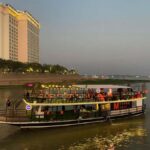
This tour starts with a local ferry crossing, and that matters more than it sounds. Instead of sitting in traffic, you step onto a ferry from Phnom Penh Ferry Station (near NagaWorld Casino) and hop across to Areyksat in just a few minutes. It runs about every 5 minutes, so you’re not stuck waiting around.
On the other side, you’ll be met at the Areyksat Ferry Dock, right across the river, and guided to the workshop location. The walk from dock to home is part of the experience too. You move from city edge into quieter countryside paths where daily life feels close and unforced.
For me, the value here is the contrast. Phnom Penh can feel loud and fast. This gives you a quick switch in scenery, so the rest of the day feels more like a village visit than a standard activity.
You can also read our reviews of more tours and experiences in Phnom Penh.
Meeting Sophors: what the countryside walk adds (and what to watch for)
Right after you arrive at the dock, you’ll head to Sophors’ home and garden. Along the way, expect a guided village walk—simple, but real. You’ll see the way people live nearby, not just the way they want tourists to see it.
This part is also where you set expectations for the rest of the workshop. You learn how hot it can get, how the walking feels, and how the schedule works in a family setting. The host’s English guidance helps you keep up with what you’re seeing and what you’ll do next.
Practical note: wear comfortable shoes. Flip-flops aren’t off-limits, but you’ll appreciate sturdier footing if the paths are dusty. If you’re bringing a camera, this is a good time to use it—early morning light is often kinder and the village feels calmer.
Picking herbs in the garden: where the story starts for your lemongrass oil
The workshop really begins when you step into Sophors’ family garden. You’ll pick fresh lemongrass and other herbs that will go into the distillation. That one detail changes the whole experience. Instead of receiving an already-prepared product, you’re involved at the source.
You’ll chop less at this stage and focus on choosing. You get to see what grows in the area and how ingredients come from the day-to-day rhythm of the farm. You can ask questions during the walk and while you’re gathering herbs, which is exactly when an English guide is useful.
Also, this is where the “scent of Cambodia” idea becomes tangible. Your final oil isn’t abstract. It’s connected to plants you actually held, smelled, and selected.
From chopping to the still: hands-on distillation in plain steps
Back in the garden, the process turns very practical. You’ll help with chopping the herbs and loading them into the still. Then comes the part that feels like watching something alive—oil appearing through the distillation in drops.
This is why the workshop feels different from many cultural classes. You’re not just observing a process. You’re participating in it. Even if you’ve never worked with essential oils before, the steps are straightforward and explained as you go.
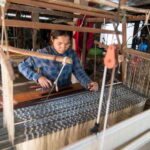
What you’ll notice during distillation is how patient the work is. Distillation takes time, and the family setting means you’ll likely chat, learn more about the plants, and get a feel for how the farm fits into daily life. Some visitors also report optional village side moments while the oil finishes—like massage time or a small craft such as palm-leaf weaving. That’s not something to count on every single day, but it’s part of why the mornings can feel warm and personal.
If you prefer structured, clockwork schedules, this may feel a bit more flexible than you expect. But if you like hands-on learning and conversation, it’s exactly the right pace.
Bottling and labeling: leaving with a real product, not just a photo
When the oil is ready, you bottle and label your own creation. The tour includes a 10ml bottle of lemongrass oil, and that’s a solid size for a real keepsake. It’s small enough to carry easily, but big enough that you can actually use it or gift it without it feeling like a thimble sample.
I like that labeling is part of the process. It turns the bottle into something personal and makes it easier to remember the day later. It also makes it more satisfying than just being handed a finished product at the end.
If you bought essential oils in the past and always wondered what went into them, this is your answer. The distillation setup, the timing, and the drop-by-drop output all give you a new respect for how much work is behind a small bottle of scent.


Price and value: is $30 worth it?
At $30 per person for about 4 hours, you’re paying for three things that don’t come cheap when they’re done hands-on: the garden-to-still ingredient work, the time of a family hosting you, and the product you take home.
Here’s what you get in the price:
- Bottle of water
- Guided village walk
- 10ml bottle of lemongrass oil
- Pick-up and drop-off at the Areyksat Ferry Dock
What’s not included:
- Public ferry cost (0.15 USD per person)
- Breakfast (not included)
- Lunch is not included but can be added
For me, the value is strongest if you want something active and memorable. If you just want a quick photo stop, you’ll finish this tour and wonder what you paid for. But if you like practical experiences—especially ones tied to ingredients—you’re buying an education you can smell.
Also, the small group size helps the value. With a limit of 4 participants, you’re not swallowed by a crowd. You’re more likely to get clear explanations and personal attention during the distillation steps.
Timing, heat, and what to pack for a smooth morning
This workshop lasts 4 hours, and you meet at the Areyksat Ferry Dock at 8:15 AM. The early start is smart in Cambodia. You still get warm weather, but you avoid the harshest afternoon heat.
Plan for light walking and hot conditions. Bring comfortable clothes and comfortable shoes. A hat can help, though it isn’t specifically listed—still, it’s a good common-sense addition for outdoor garden time. You’ll also want to have cash with you, since it’s listed as what to bring.
If you’re thinking about food: breakfast isn’t included. If you’re the type who gets cranky before noon, eat something before you head to the ferry. Lunch can be added, but it’s optional.
One more practical tip: charge your phone and bring a camera, but keep it respectful. The best photos often happen while you’re moving between garden and still, not when you’re standing in the middle of people’s workspace.
Who should book this workshop near Phnom Penh?
This is a great fit if you want a break from city sightseeing and you like doing real tasks. You’ll enjoy it most if you’re curious about how plants become products, and you like learning by doing.
You should also like the family-run feel. You’re not just ticking off a cultural box. You’re walking through countryside, joining herb picking, and helping with distillation. Even if you have no chemistry background, the steps are explained in an approachable way with an English guide.
It’s not for everyone. The tour isn’t suitable for people with mobility impairments, and it’s not for anyone over 95 years. If that affects you or a traveling companion, skip this one.
Solo travelers and couples often do well here because the group stays small and the conversation is part of the process. It’s also an easy way to get a calmer morning that still feels productive.
Should you book? My quick decision guide
Book this workshop if you want:
- A hands-on activity that ends with a real, take-home product
- A quick escape from Phnom Penh via the Mekong ferry
- A village experience built around a family garden and distillation work
Skip it if:
- You hate heat and prefer minimal walking
- You want a purely sightseeing-focused trip rather than working with plants
- You’re mainly chasing big temple stops (this tour is about the herb-to-oil process)
If you’re on the fence, think about what you’ll remember later. A bottle of lemongrass oil made with your own hands usually sticks longer than another quick photo. And that’s exactly the kind of value this morning is designed to deliver.
FAQ
How long is the essential oil workshop?
It runs for 4 hours.
How much does it cost, and what’s included?
The price is $30 per person. It includes bottled water, a guided village walk, a 10ml bottle of lemongrass oil, and pickup and drop-off at Areyksat Ferry Dock.
Do I need to pay for the ferry separately?
Yes. The public ferry cost is 0.15 USD per person, and it is not included.
Where do I meet for the tour?
You meet at the Areyksat Ferry Dock at 8:15 AM. The host will be waiting across the river.
How do I get from Phnom Penh to Areyksat?
Take the local ferry from Phnom Penh Ferry Station (near NagaWorld Casino) to Areyksat. It runs about every 5 minutes and takes only a few minutes.
What language is the tour guide?
The tour is guided in English.
What do I need to bring?
Bring comfortable shoes, a camera, comfortable clothes, and cash.
Is breakfast or lunch included?
Breakfast and lunch are not included. Lunch can be added if you want it.
Is the tour suitable for people with mobility issues?
No. The activity is not suitable for people with mobility impairments.