REVIEW · PHNOM PENH
Killing field and Toul Sleng genocide museum Tour
Book on Viator →Operated by Phnom Penh Tours · Bookable on Viator
Some history hits harder than others. This one pairs two Khmer Rouge sites with guided translation and human context.
You’ll start at Choeung Ek Genocidal Center, then move on to Tuol Sleng (S-21). I like that the tour is built for understanding, not just checking boxes.
I also like the comfort for such a heavy visit: an air-conditioned vehicle, bottled/cool water, and a professional English-speaking guide and driver. When guides share personal connections—like Makara, Chamroeun, or Ohm—it can turn the museum facts into something you can actually grasp.
One thing to consider: admission fees are extra (Choeung Ek is $3, Tuol Sleng is $5), and there can be occasional pickup communication hiccups. So it helps to be ready to wait a little if your meet-up details aren’t perfectly clear.
In This Review
- Key things to know before you go
- A four-hour reality check in Phnom Penh
- What you’re really paying for: $19 value and what costs extra
- Choeung Ek Killing Fields: paying respects where an orchard became execution ground
- Tuol Sleng (S-21) at the former school: the interrogation engine
- Why the guide matters so much here (and why the best ones hit different)
- Getting from A to B without making an already hard day harder
- Emotional pacing: what you can expect at each site
- Who should book this Killing Fields and Tuol Sleng combo?
- Should you book this tour?
- FAQ
- Is admission to Choeung Ek included in the $19 price?
- Is admission to Tuol Sleng included in the $19 price?
- How long is the tour?
- Is hotel pickup included?
- What’s included besides the guide?
- Is there a mobile ticket?
- What group size should I expect?
- Does the guide translate the exhibits?
- Will there be audio guides at the museum?
- What is the weather rule for this tour?
- Is tipping included in the price?
Key things to know before you go
- English-speaking guide with translation: you get help interpreting what you’re seeing
- Choeung Ek + Tuol Sleng in one tour: two perspectives on the Khmer Rouge system
- Air-conditioned transport and cool water: a real comfort buffer for a hard topic
- Admission not included: add $8 total for the two sites
- No audio guides at the museum: your guide is the main information source
- Small group size (max 20): easier questions, less rushing
A four-hour reality check in Phnom Penh
This is not a casual museum hop. You’re walking into two places tied to the Khmer Rouge genocide—one tied to mass executions and burial sites, and one tied to detention and interrogation.
What makes this tour feel especially important is the way it connects facts to lived experience. Your guide doesn’t just point at signs. The plan is to translate exhibits and explain what happened and why it worked the way it did—so you leave with a clearer sense of the regime’s brutal program rather than a blur of names.
And because it’s a single half-day loop, you don’t have to figure out timing or logistics on your own. In a city where you’ll see plenty about the Khmer Rouge, this pairing helps you understand the process as a system: capture, control, torture, and then killing.
You can also read our reviews of more museum experiences in Phnom Penh

What you’re really paying for: $19 value and what costs extra
At $19 per person, the headline deal is the guided experience plus comfort. You’re paying for a licensed English-speaking tour guide and a driver, air-conditioned transport, and cool/bottled water.
Here’s the math that matters for your budget. The site admissions are not included:
- Choeung Ek Genocidal Center: $3 per person
- Tuol Sleng Genocide Museum (Tuol Sleng/S-21): $5 per person
So your baseline total is $27 per person before tips. For many people, that’s still good value because you’re not just buying entry—you’re buying a guided translation-led visit to both sites in about 4 hours and change.
Also, the tour includes a mobile ticket. That’s useful when you’re trying to keep your day simple and not juggling paper in a hot city.
Choeung Ek Killing Fields: paying respects where an orchard became execution ground
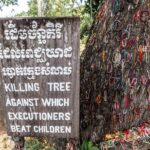
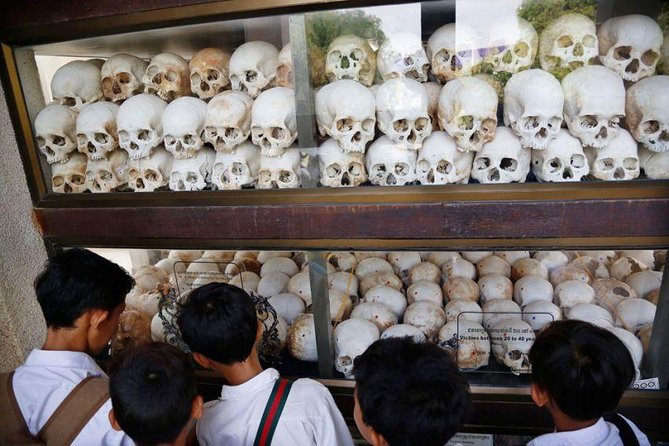
The tour first heads out from Phnom Penh to Choeung Ek Genocidal Center, about 9 miles south. The location itself is part of the horror story: it was once an orchard and also connected to a Chinese cemetery before the Khmer Rouge transformed it.
Your guide sets the stage with the Khmer Rouge era under Pol Pot. The tour description notes executions on a massive scale—around 20,000 victims at Choeung Ek—and it also places this within the wider genocide timeline, where millions were massacred and buried across the regime’s rule.
This stop is where you slow down and truly observe. The highlight isn’t entertainment; it’s remembrance. The tour builds in a moment of paying respects to victims, which matters because these sites aren’t just history—they’re memorials.
Practical note: Choeung Ek admission is extra ($3), and the stop runs about 2 hours. That’s a decent length for absorbing what you’re seeing and hearing context through your guide’s translation, instead of sprinting through.
Tuol Sleng (S-21) at the former school: the interrogation engine
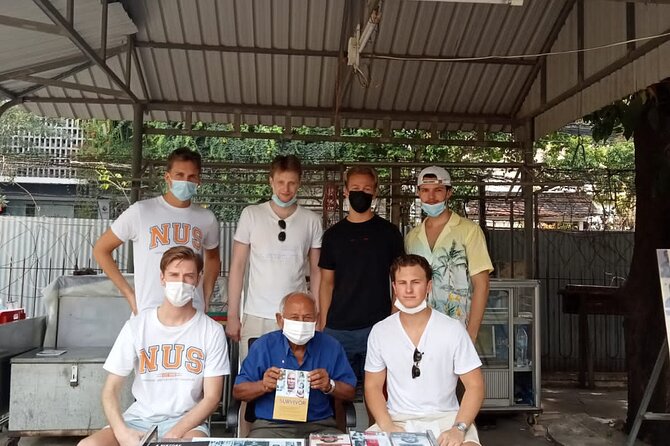
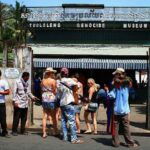
After Choeung Ek, you head back into Phnom Penh to visit Tuol Sleng Genocide Museum, also known as S-21. Even the place name carries meaning in Khmer Rouge-era history: it stands for Hill of the Poisonous Trees.
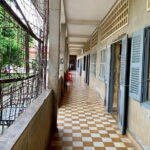
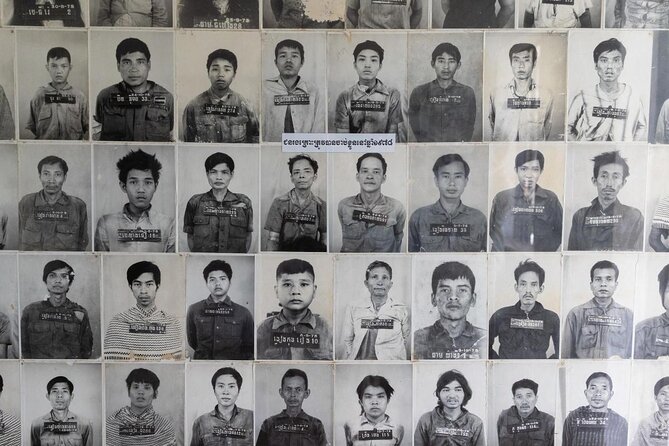
Tuol Sleng is the notorious interrogation center. The tour info describes it as the most infamous of 189 known interrogation centers in Cambodia. The setting is stark: it’s housed in a former high school turned into a high-security prison.
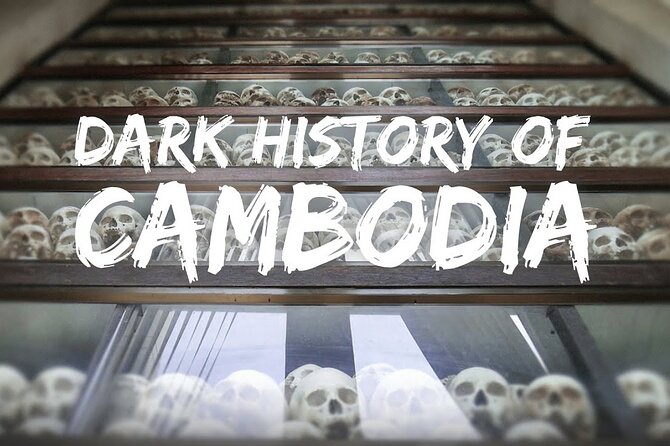
The scale is chilling. The tour description gives a range of roughly 14,000 to 17,000 prisoners detained and tortured there, often in primitive brick cells built from former classroom spaces. When you’re inside, it’s hard not to picture how the system worked day after day.
This stop is also strongly guided. The tour specifically promises translation of displays so you get more out of what you’re reading and seeing. One review detail to keep in mind: you won’t be getting the usual audio guides at the museum—so your guide is the information engine here.
Like the first stop, Tuol Sleng is about 2 hours, and admission is extra ($5).
Why the guide matters so much here (and why the best ones hit different)
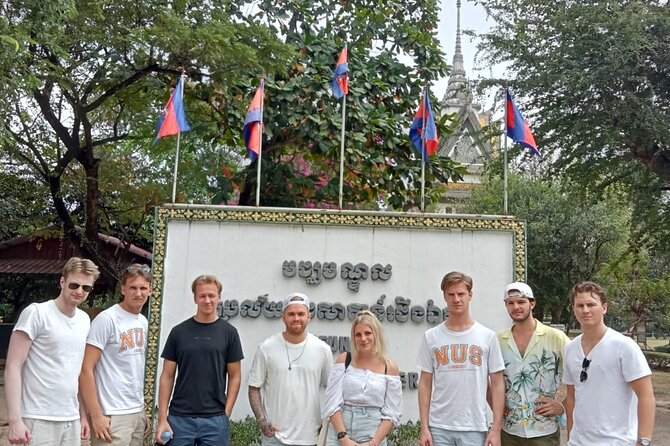
In tours like this, the guide can make the difference between understanding and confusion. Here, the format is designed for clarity: you get an English-speaking guide and translation support so you aren’t stuck guessing at the meaning behind the exhibits.
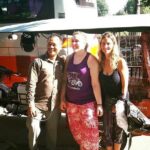
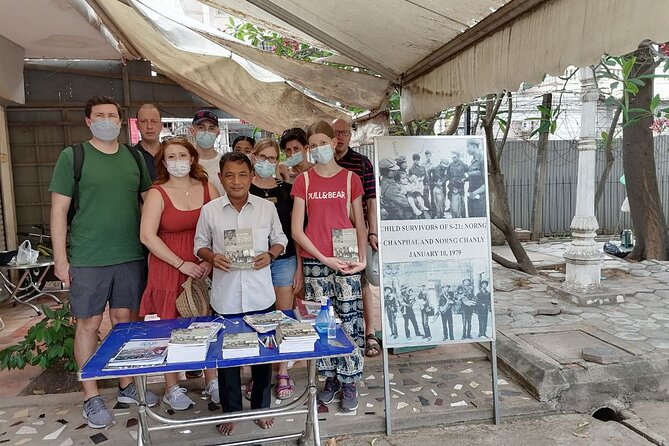
What I really appreciate is how often guides bring personal perspective into the explanation—without turning the visit into a performance. In the guidance you may receive, you can hear first-hand context from Cambodian people who lived through the Khmer Rouge period.
For example, names that came up in strong reviews include:
- Makara, who shared history and helped connect it to Cambodia’s wider past
- Darian, who guided with firsthand fallout context
- Chamroeun, who shared what it was like as a child during the Khmer Rouge years
- Ohm, who also connected the history to his own childhood experiences
- Neang, who explained impacts through family history
- Rouan and Ron, who provided strong historical perspective and personal context
Not every guide will deliver in the exact same way, and one review noted that a guide’s pace was fast. Still, the overall pattern is clear: the best versions of this tour are more than a narration. They help you ask better questions and make sense of why these places look the way they do today.

Getting from A to B without making an already hard day harder
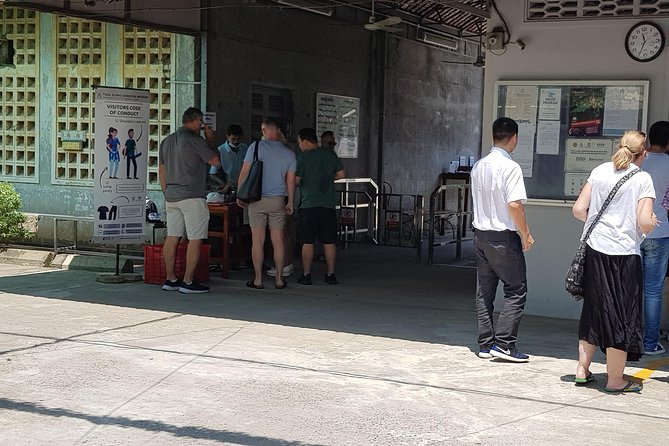
The logistics are pretty straightforward. Pickup is offered, and the tour meets at Amanjaya Pancam Hotel on Dekcho Damdin St. (154). The day ends back at that meeting point.
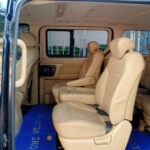
You ride in a clean, hygienic, safe vehicle with air conditioning. That matters here because you’ll likely want your energy for the stops, not spent fighting heat or uncomfortable seating.
The tour runs about 4 hours 15 minutes total. Each site is around 2 hours, which creates a workable pace for reading, absorbing, and listening—without feeling like you’re being marched through.
One real-world consideration: a couple of reviews flagged pickup communication problems at the start (early arrivals or unclear WhatsApp timing). So if you book, I’d treat the pickup instructions as important. Be ready a bit early, and keep an eye on messages so you don’t lose time.
Group size is capped at 20, which usually helps the guide keep things clear and lets questions land without getting lost.
Emotional pacing: what you can expect at each site
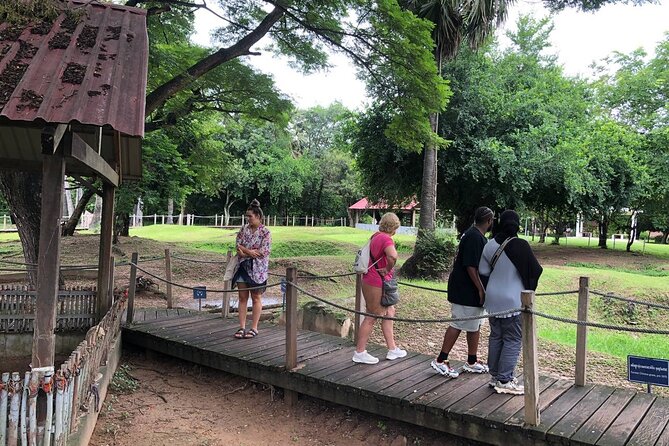
This tour is heavy from the first stop. Choeung Ek is about execution and remembrance. You’ll be surrounded by evidence of mass killing, explained through a guided, translated framework.
Then Tuol Sleng shifts the focus to interrogation and torture. The former school layout gives the story a different kind of weight: the idea that everyday spaces became machinery for abuse.
Because the tour is guided, you should expect questions to come up—about the Khmer Rouge rise, Pol Pot’s rule, and how the regime organized control. The guide is there to translate displays and answer questions, which is a big deal when your brain is already trying to process something extremely difficult.
If you’re the type who needs facts to steady your emotions, this tour style can work well. The structure helps you follow a narrative instead of just walking through isolated shock.
Who should book this Killing Fields and Tuol Sleng combo?
Book this if:
- you want a guided visit that translates what you’re seeing
- you’re a first-timer to Phnom Penh’s Khmer Rouge sites and want the two biggest stops paired together
- you prefer a more structured half-day plan rather than figuring out two separate visits on your own
- you’re okay with confronting subject matter that’s not meant to be comfortable
Skip or think carefully if:
- you’re easily overwhelmed by genocide memorials and descriptions of torture and execution
- you prefer a lighter, entertainment-led itinerary (this is not that kind of experience)
This tour is also a strong fit if you value context. The difference between seeing a site and understanding it is often the guide’s role, and this one is designed around that support.
Should you book this tour?
I think it’s a strong yes for most people visiting Phnom Penh for the first time, as long as you’re emotionally prepared. The value is solid because you’re paying for translation support, professional guiding, and comfortable transport—not just admissions to two sites.
Before you book, do two practical checks:
- Add the admissions to your budget: $3 + $5 on top of the $19 price
- Plan to be flexible with pickup timing and communication, since a few real-world starts have been messy
If you want your day to make sense—Choeung Ek’s execution story followed by Tuol Sleng’s interrogation story—this pairing is one of the most direct ways to understand the Khmer Rouge system in a single half-day.
FAQ
Is admission to Choeung Ek included in the $19 price?
No. Choeung Ek Genocidal Center admission is USD 3.00 per person and is not included.
Is admission to Tuol Sleng included in the $19 price?
No. Tuol Sleng Genocide Museum admission is USD 5.00 per person and is not included.
How long is the tour?
The tour duration is about 4 hours 15 minutes. Each of the two stops is listed at around 2 hours.
Is hotel pickup included?
Pickup is offered. The meeting point is Amanjaya Pancam Hotel, and the tour ends back at that meeting point.
What’s included besides the guide?
The tour includes an air-conditioned vehicle, a professional English-speaking tour guide and driver, and cool/bottled water.
Is there a mobile ticket?
Yes. The tour includes a mobile ticket.
What group size should I expect?
The tour has a maximum of 20 travelers.
Does the guide translate the exhibits?
Yes. The guide translates the displays so you get more out of your visit and can ask questions.
Will there be audio guides at the museum?
Audio guides are not provided. One note from the experience says you will not be getting the usual audio guides at the museum.
What is the weather rule for this tour?
It requires good weather. If canceled due to poor weather, you’ll be offered a different date or a full refund.
Is tipping included in the price?
No. Tipping service and other personal expenses are not included.