REVIEW · PHNOM PENH
The Killing Field and Toul Sleng Genocide Museum (S21) Tour
Book on Viator →Operated by The Killing field and Toul Sleng genocide museum S21 Tour · Bookable on Viator
Pol Pot’s shadow is hard to forget. This is a somber, guided group tour that links Choeung Ek and Tuol Sleng (S-21), with hotel pickup and an English-speaking guide to explain how the Khmer Rouge era worked and why these sites matter.
I especially like the way the tour is structured: you get guided context before you’re dropped into the exhibits, and you still have time to reflect at each place. Also, the logistics feel easy for a tour this heavy—an A/C vehicle, cool water, and a group size that stays manageable (up to 50).
One thing to consider: this is not an upbeat sightseeing day. Expect painful subject matter, and the experience can feel long even though the schedule is around 4 hours—so if you want a more casual tone, bring that preference up with your guide before things get graphic.
In This Review
- Key highlights I think you should care about
- Price and logistics: what you’re paying for (and what costs extra)
- How the half-day tour flows in real life
- Stop 1: Choeung Ek Genocidal Center and the power of context
- Stop 2: Tuol Sleng (S-21) and why the prison story hits differently
- Your guide experience: what to look for (and who you might get)
- Comfort tips for a day that isn’t fun (but is important)
- Who this tour is best for (and who should think twice)
- Should you book this Killing Fields and S-21 tour?
- FAQ
- What does the $19.20 tour price include?
- How much extra are the admission fees?
- How long is the tour?
- Do I get a choice of departure time?
- Is pickup included?
- Is the tour accessible for strollers or wheelchairs?
- Can I cancel for a refund?
Key highlights I think you should care about
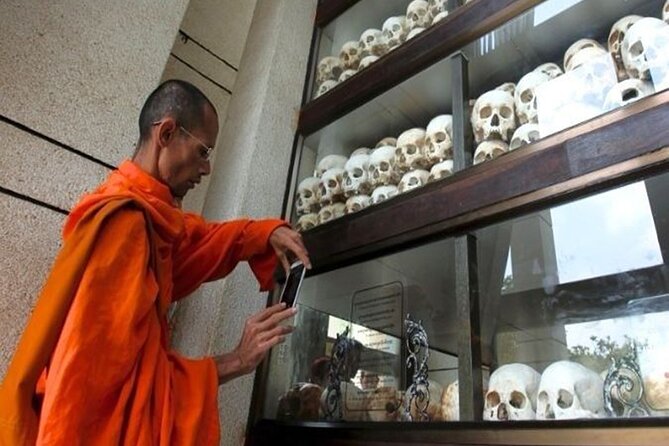
Guided explanations in plain English about Pol Pot and the Khmer Rouge (plus time for your questions)
Two major sites in one tour so you can connect the story rather than bouncing between locations solo
Hotel pickup and A/C transport with cool water to keep things comfortable in Phnom Penh heat
Admission is extra, but the tour price includes the guide and transportation—you just need small cash for tickets
Time on-site is built in (including about 2 hours at each stop) so you are not rushing through everything
Guides vary, and that can change your experience; many are praised for clarity and sensitivity
Price and logistics: what you’re paying for (and what costs extra)
This tour costs $19.20 per person, and it’s a real “you’re buying the guide + transport” deal. That low price matters here because the day is mostly about interpretation, not just entry tickets.
Two separate admissions are not included:
- Choeung Ek Genocidal Center: $3.00 per person
- Tuol Sleng Genocide Museum (S-21): $5.00 per person
So your total cash outlay for tickets is typically $8 more, plus whatever tipping you choose (tipping is mentioned as separate). If you’re budgeting, build in that extra $8 and have some bills ready, especially since entry fees are specifically called out as additional.
You also get:
- Hotel pickup and return transfer back to your hotel area
- An English-speaking tour guide and driver
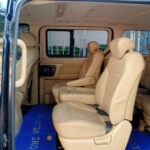
- Air-conditioned transportation
- Cool water
The tour runs about 4 hours, and you can choose a morning or afternoon slot. The pickup starts from a set meeting point at Grand River Sports Bar on the Riverside Path, and the activity ends back at the meeting point, even though you’re also told that return transfers to your hotel are included—so double-check your final instructions for the exact drop-off.
You can also read our reviews of more museum experiences in Phnom Penh

How the half-day tour flows in real life
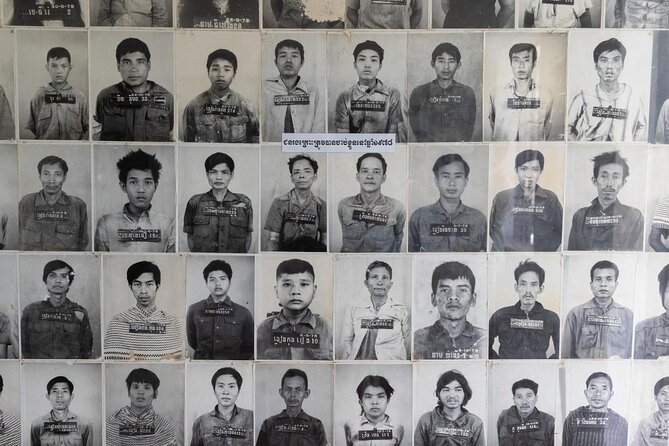
This isn’t a “race from one photo stop to the next” kind of day. It’s a guided group route with two anchor stops and a transfer between them.
You start with pickup and ride with your group in an A/C vehicle. The pacing is designed around two longish on-site blocks:
- Choeung Ek Genocidal Center: about 2 hours
- Tuol Sleng (S-21): about 2 hours
That matters because both places ask you to slow down. You’re looking at evidence, documentation, and the human cost of the Khmer Rouge regime. The guide’s job is to connect details into a timeline you can follow—without making you feel like you’re attending a lecture with no chance to absorb what you’re seeing.
Group size is capped at 50 travelers, which usually keeps it from feeling like a school bus circus. Still, you’re dealing with emotion, crowds, and reading time, so it’s smart to be patient with the pace—especially at S-21 where there’s a lot to process.
Stop 1: Choeung Ek Genocidal Center and the power of context
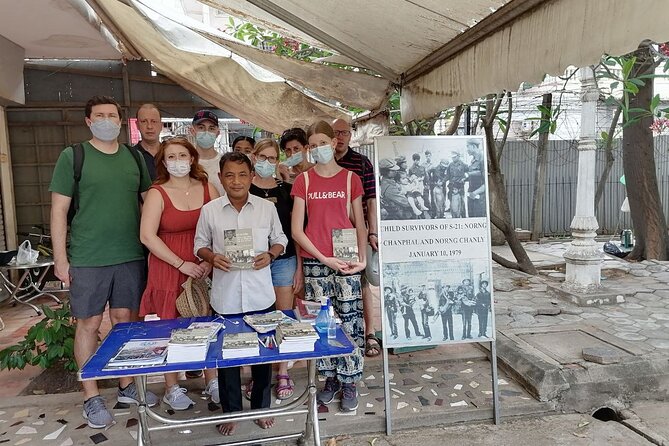
Choeung Ek is where the “aftermath” side of the Khmer Rouge story becomes impossible to ignore. You’ll spend about 2 hours here with a guide and an admission ticket you pay separately.
What makes this stop valuable on a guided tour is the setup. You’re not only walking around. You’re learning what was happening during 1975 to 1979, and why this site represents the scale of what the regime inflicted.
Practically, here’s what you should expect:
- A museum/memorial environment where walking pace matters
- A lot of time spent reading and looking, not just standing and taking photos
- A guide who can translate the political history into something you can understand on the ground
Possible drawback: If you’re someone who needs quiet time, the combination of a guided narrative and other visitors can feel busy. The best way to handle that is to let the guide do the big explanation early, then use your time to step back and take in what’s in front of you at your own pace.
Stop 2: Tuol Sleng (S-21) and why the prison story hits differently
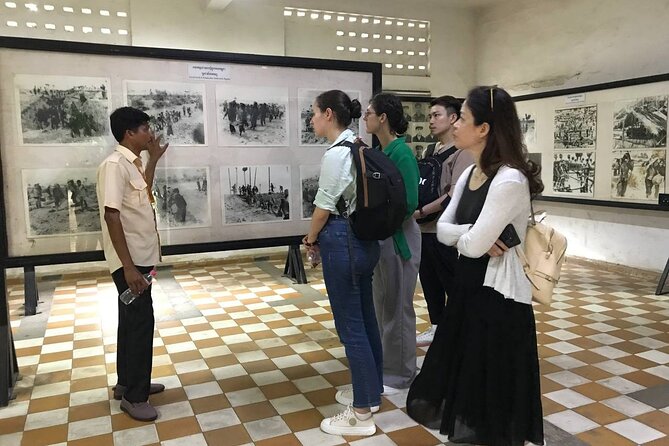
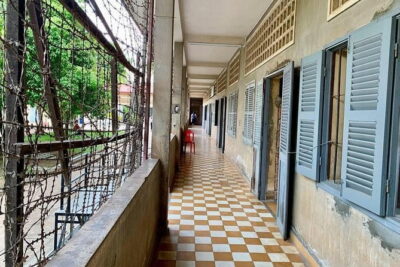
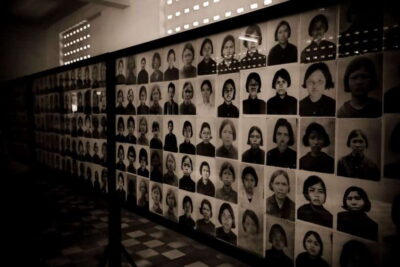
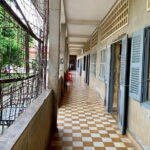
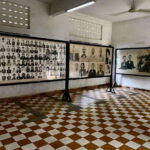
Tuol Sleng, also called S-21, is the other half of the emotional math. This is where the Khmer Rouge machinery becomes intensely specific: detention, forced confessions, and the bureaucratic nature of violence.
You’ll spend about 2 hours at Tuol Sleng with your guide. Admissions are extra, so have that $5 per person ready.
What makes S-21 especially suited to a guided format is that the guide can help you see patterns. The site isn’t just a collection of rooms—it’s evidence of how the regime tried to control information and people. With a guide, you’re more likely to understand:
- what the prison system was for
- how the Khmer Rouge saw enemies
- how the broader history connects back to the documents and spaces you’re walking through
Many guides are praised for balancing explanation with time to reflect. For example, names that show up positively include Visal, Sum Cheath, and Cheath (different groups seem to get different guides). Some guides also share personal connections to the genocide era—one guide called out for this is Mr Baboon, and another is Moon—and that kind of context can make the history feel more human, not just factual.
Possible drawback: This part of the tour can feel rushed if your group moves quickly through areas that you want to read slowly. If you’re the type who reads every label, you may want to slow the group down by staying focused on your own pace when it’s safe and allowed. Also, some people may find the topic emotionally intense and heavy; plan your day accordingly.
Your guide experience: what to look for (and who you might get)
In a tour like this, the guide can make or break the day. The good news is that many guides on this route are repeatedly praised for being organized, clear with English, and careful with timing—so you typically get more than just dates and names.
A few guide names that appear in positive feedback include:
- Visal
- Sum Cheath / Cheath
- Mr Baboon
- Moon
What you’ll want from your guide is:
- a clear explanation of Khmer Rouge rule before you enter the worst spaces
- an ability to answer questions without dragging the group
- a tone that respects the subject matter
If you’re sensitive, keep in mind that at least one negative experience mentions a guide who used aggressive language and went too far into graphic detail. That’s not something you should expect from a well-run tour, but it’s also a reminder: trust your instincts. If the tone goes too graphic for your comfort, speak up—politely and immediately—so your day stays manageable.


Comfort tips for a day that isn’t fun (but is important)
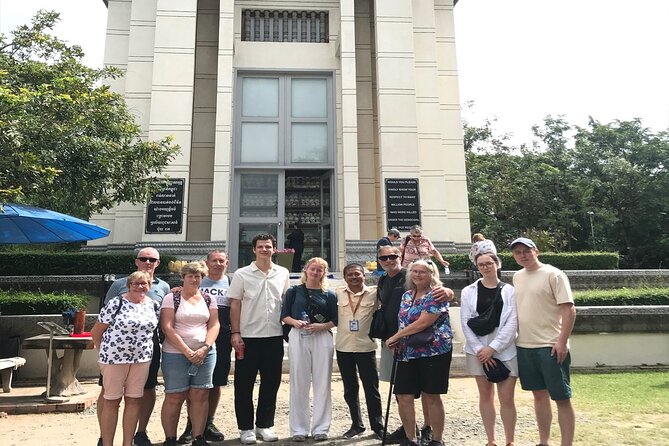
You’re going to sit in a car, walk around, and spend time reading. Phnom Penh can be hot, and even when the topic is heavy, your body still needs to function.
I recommend:
- Bring some cash for the $3 and $5 admission fees
- Wear comfortable shoes. You’ll walk and stand more than you think
- If you’re prone to watery eyes or headaches when emotional content hits, take that seriously and plan a calmer evening after the tour
- If you’re traveling with kids, confirm you’re comfortable with the content level. The tour says most travelers can participate and infant seats are available, but it still isn’t a kids-only story
Also note: the tour mentions that museums are wheelchair and stroller accessible, and service animals are allowed. Near public transportation is listed as well, though most people will be using pickup.
Who this tour is best for (and who should think twice)
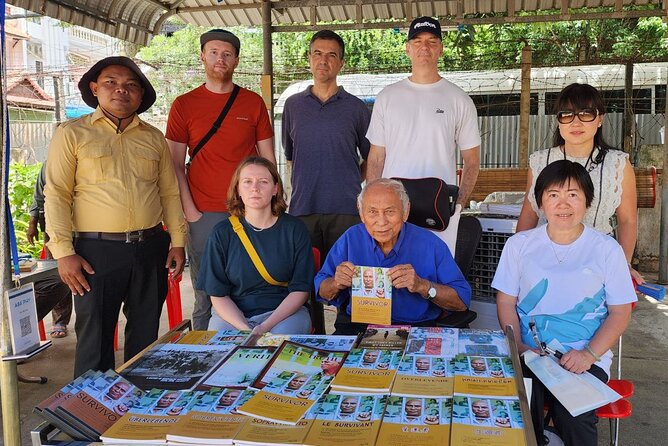
This tour is best for you if:
- you want a clear, guided understanding of Cambodia’s recent history
- you like structured explanations and then time to absorb what you’re seeing
- you want both major sites in one efficient half-day
It’s a tougher fit if:
- you want a “light” cultural day
- you get overwhelmed by intense content
- you’re hoping for a free-form photo walk (this is more walking + reading + listening)
If you’re traveling with family, it can still work, but it needs care. Some groups go with adult children, and that can be meaningful—just be honest about how your family handles hard history.
Should you book this Killing Fields and S-21 tour?
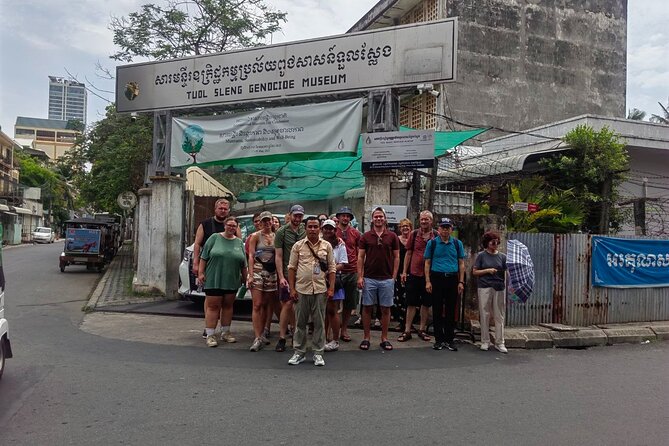
I’d book it if you’re visiting Phnom Penh and you want to understand the Khmer Rouge era without piecing together the story on your own. The combination of Choeung Ek + S-21 within one guided morning or afternoon is the big value. You’re paying for an English guide, A/C transport, and an organized route that helps the history click while you’re there.
Skip this tour only if you know you’re not ready for graphic, emotionally intense historical material. This day isn’t about entertainment. It’s about seeing, learning, and—if you let it—understanding why Cambodia’s memory matters.
If you do book, come with two expectations set:
- you’ll pay extra for tickets
- your evening will likely feel quieter and slower than usual
That’s normal. This is the kind of experience that changes your internal tempo.
FAQ
What does the $19.20 tour price include?
The tour price includes hotel pickup, a professional English-speaking guide and driver, A/C transportation, and cool water. It does not include entry tickets for the two sites.
How much extra are the admission fees?
You’ll pay $3.00 per person for Choeung Ek Genocidal Center and $5.00 per person for Tuol Sleng Genocide Museum (S-21).
How long is the tour?
The tour duration is listed as approximately 4 hours, with about 2 hours at each main stop.
Do I get a choice of departure time?
Yes. You can choose either a morning or afternoon tour.
Is pickup included?
Yes. Hotel pickup is included, and you’re also told that return transfers to your hotel are included. Your final voucher should clarify the exact drop-off point.
Is the tour accessible for strollers or wheelchairs?
The tour indicates that the museums you visit are wheelchair and stroller accessible.
Can I cancel for a refund?
Free cancellation is available up to 24 hours before the experience start time for a full refund. If it’s canceled due to poor weather, you’ll be offered a different date or a full refund.