REVIEW · PHNOM PENH
Phnom Penh: The Killing Fields & Tuol Sleng Genocide Museum
Book on GetYourGuide →Operated by The Killing field and Toul Sleng genocide museum S21 Tour · Bookable on GetYourGuide
Chilling history, told with care. This half-day outing is heavy, but it’s also one of the most direct ways to understand Cambodia’s Khmer Rouge years—especially when a guide sets the scene before you walk through Killing Fields and Tuol Sleng. I like the air-conditioned van with water and a real guided presentation during the ride, and I also like that you’re not rushed at the memorial areas where you can ask questions. The main drawback is simple: it’s emotionally intense, with images and accounts that can feel hard to process, and you’ll pay extra entry fees on top of the $19 rate.
What makes this experience work well in practice is pacing. You start in Phnom Penh (morning or afternoon), travel out together, then spend thoughtful time at each site before heading back. I also appreciate the small details that show up in the way guides lead it—like speaking sensitively, giving context in clear language, and making space for you to pause.
If you’re choosing between doing this with a guide or going on your own, this one tends to feel less like a checklist and more like guided understanding. Just be ready for a “walk slowly” day, and plan your meal timing since food isn’t included.
In This Review
- Key things I’d prioritize before you go
- Price and what you actually get for $19
- Morning vs afternoon: how the half-day timing feels
- Getting picked up in Phnom Penh without losing time
- The air-conditioned van and guide talk that set the tone
- Choeung Ek Killing Fields: how the memorial turns facts into grief
- The mass graves and memorial stupa: what to do with your time
- Tuol Sleng Genocide Museum (S-21): prison rooms that shrink your imagination
- Survivor stories: why meeting them (when available) matters
- Ask questions, but pace yourself
- What to wear and bring for a respectful, comfortable day
- Who this tour suits best
- Should you book this Killing Fields and Tuol Sleng tour?
- FAQ
- Are the entry tickets included in the $19 price?
- How long is the tour, total?
- What’s included in the tour price?
- How are pickup and meeting handled in Phnom Penh?
- What time does the tour start?
- Is food included?
- Do I need to dress a certain way?
- What language is the tour guide?
- Can I cancel for a refund?
- Is there a way to pay later?
Key things I’d prioritize before you go
- A guide talking on the van ride out so the sites make sense fast, not later.
- Time at the memorial stupa and mass graves so respect isn’t just a quick stop.
- Tuol Sleng S-21 with small rooms and cells that help you grasp what prison meant day to day.
- Water and air-conditioning for a hot city-to-site half-day.
- A chance to meet survivors and hear human stories tied to the facts you learn.
Price and what you actually get for $19
The headline price is $19 per person, and that’s for the guided half-day experience with transport. What you need to add is straightforward: entry tickets are $3 for the Killing Fields and $5 for the Genocide Museum, so plan around $27 all-in before you consider snacks or lunch.
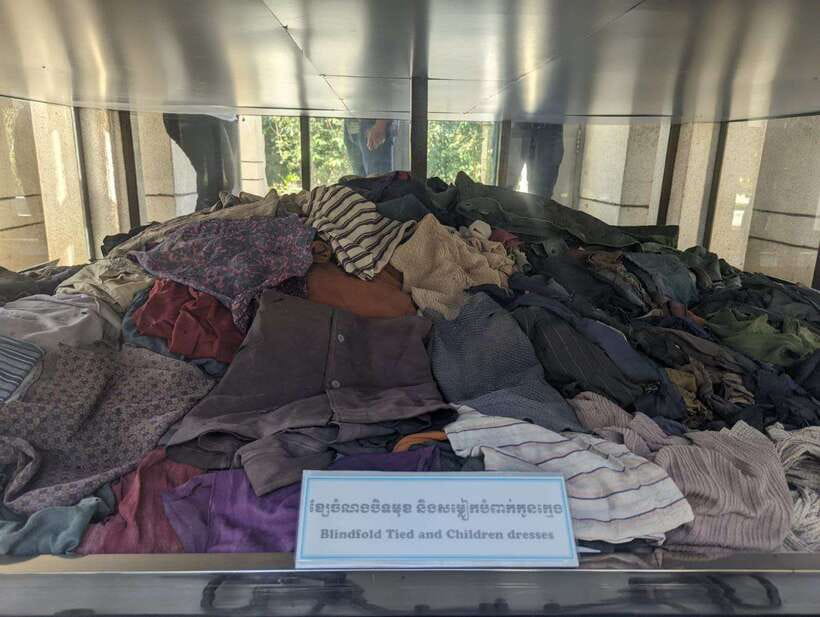
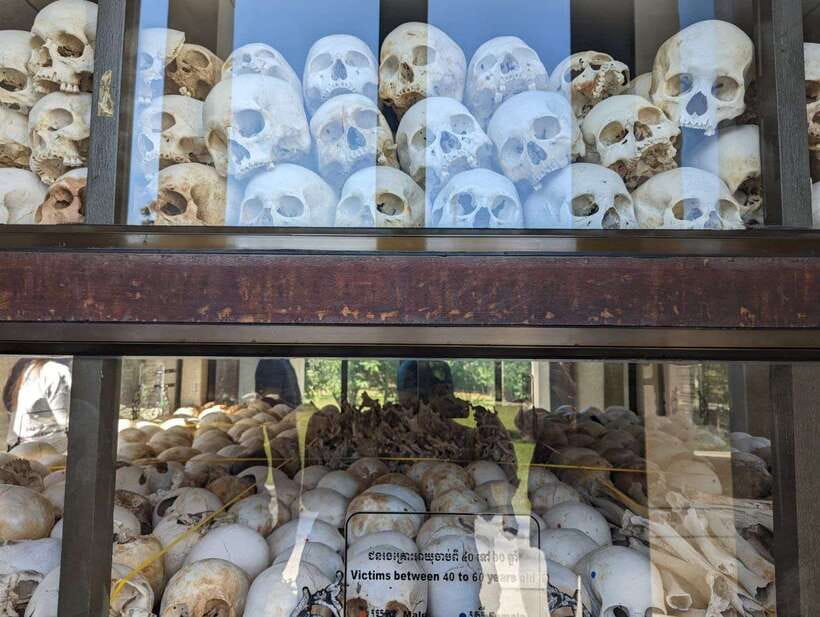
For a tour like this, that add-on matters. You’re paying for two things at once: logistics (pickup, air-conditioned van, guide during transit) and the on-the-ground explanation that helps you interpret what you’re seeing. If you went solo, you might save money on a guide, but you’d also lose the context that makes the bones, clothing remnants, prison cells, and photographs connect into a coherent story.
My take: this is good value if you want understanding rather than just photos and facts. It’s also a fair trade if you’re short on time in Phnom Penh—this is designed as a half-day, not an all-day undertaking.
You can also read our reviews of more museum experiences in Phnom Penh

Morning vs afternoon: how the half-day timing feels
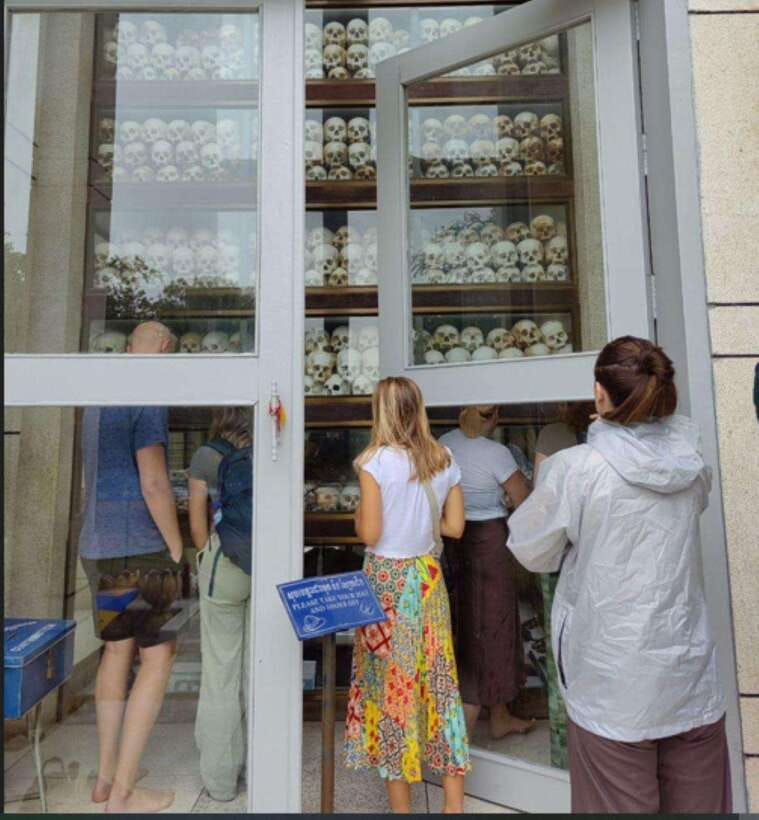
This tour runs as a half-day in Phnom Penh. The meeting window is built around two start times: 7:45am for the morning group and 12:45pm for the afternoon group. You’ll spend your time traveling out, visiting the sites, and then returning to your meeting point.
In the heat, timing isn’t a minor detail. If you go morning, you may get cooler walking early before the day ramps up. Afternoon can still work well, but you’ll want to be mindful that the sites can feel long when your brain is already saturated with the history.
Either way, the tour length is about 4 hours total. That’s long enough to learn what you need, short enough that you’re not stuck in a full-day emotional marathon.
Getting picked up in Phnom Penh without losing time
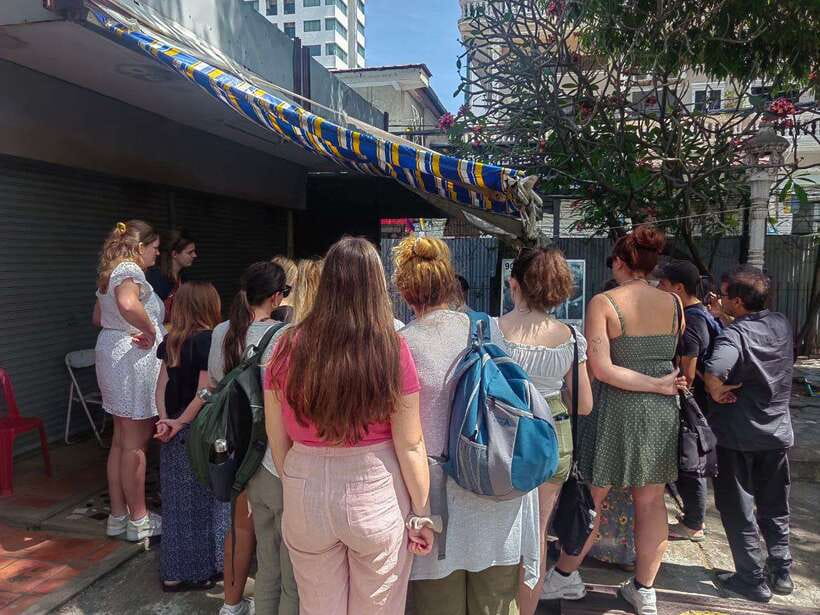
The easiest way this tour works is pickup. You’ll either be collected from your hotel (if it’s in the pickup list) or you’ll meet at a specific point: 178 Corner Sisovat quay, Riverside Path, Phnom Penh 120201.
There’s also a practical tip if your hotel isn’t in the list: you can search for a meeting point named Grand River Sports Bar. And if you’re outside the hotel list, you’ll need to coordinate—this provider asks you to text on WhatsApp with your hotel information so pickup can be confirmed.
Two things I’d treat seriously:
- Be on time at the meeting point. For the non-hotel pickup scenario, “close enough” doesn’t work well.
- Send your WhatsApp message early. It’s part of how they confirm you.
Once you’re in the van, the ride is part of the learning. You don’t just sit quietly; you listen to a guide presentation about Pol Pot and the Khmer Rouge while you travel out to the sites. That setup is what helps the rest of the day feel coherent.
The air-conditioned van and guide talk that set the tone
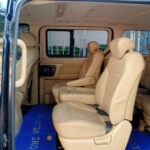
The transport here is a real comfort factor. You’re in an air-conditioned van and water is provided. That matters more than it sounds on a hot day with a heavy itinerary.
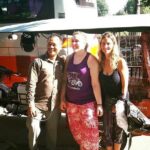
Even better: the guide’s tone isn’t just informative, it’s careful. Guides like Baboon and Sum Cheath (both named in participant accounts) are repeatedly described as sensitive and thoughtful with a subject that can’t be handled casually. Other guide names you may encounter include Visal and Powerful Monday.
What I think is key: the best guides don’t overwhelm you with every detail at once. They build context first, then point your attention at what’s important once you arrive. That’s the difference between “seeing” and actually understanding.
Also, you’ll have moments where you can ask questions. That turns passive listening into active learning, and it helps you follow what you’re seeing rather than guessing.
Choeung Ek Killing Fields: how the memorial turns facts into grief
The Killing Fields stop is at Choeung Ek, and the planned time there is about 1 hour. One hour can sound short until you realize how slowly you tend to move when you’re reading names, looking at remains, and trying to absorb what you’re seeing.
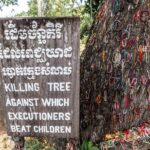
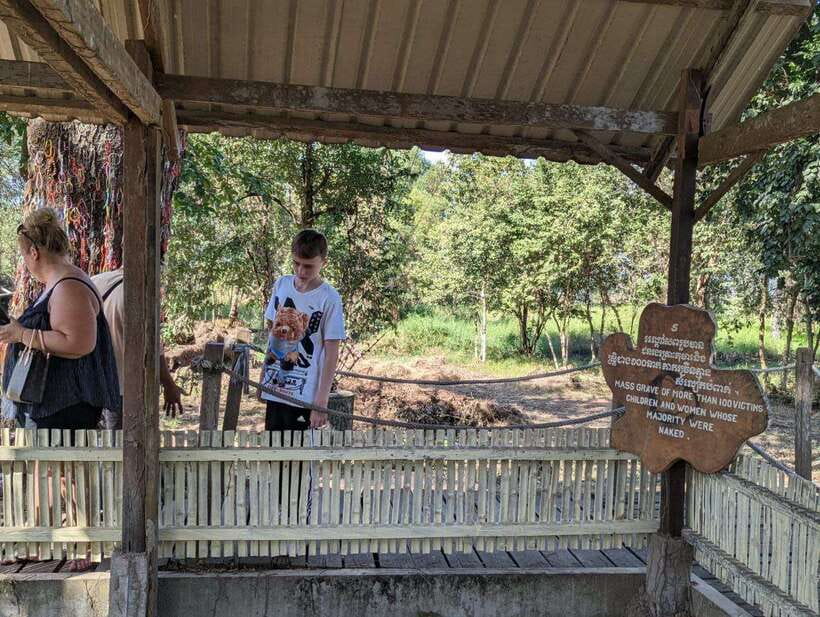
This site can’t be treated like a normal attraction. The experience includes mass graves and the memorial stupa, plus visible remains like bones and clothing remnants left by victims. For many people, the hardest part isn’t only what you see—it’s how quickly your mind connects that reality to the human lives behind it.
A guide’s job here is more than explanation. They help you understand why this place matters and how to approach it respectfully. In practice, you’ll want to slow your pace, avoid rushing for photo angles, and let yourself absorb the space.
Practical respect tip: dress properly before you go. The provider specifically requests covering your shoulders and knees as a basic sign of respect for the victims. You’ll feel better too—less fuss, less fidgeting.



The mass graves and memorial stupa: what to do with your time
At Choeung Ek, you’ll make stops at mass graves and a memorial stupa. This is where the tour’s “you can take your time” promise becomes real. You aren’t expected to sprint through the most difficult parts.
Here’s how I’d use your time if I were planning it for your day:
- Spend a few minutes absorbing the layout before you look closely.
- If something catches your attention—names, objects, the way the memorial is presented—ask your guide for context.
- Don’t try to force yourself to feel a certain way. This site hits people differently. The important thing is to stay present.
The guided explanation matters because it gives you a framework, especially when the visuals are hard to interpret quickly. And because you’re not rushed, you can pause when you need to.
Tuol Sleng Genocide Museum (S-21): prison rooms that shrink your imagination
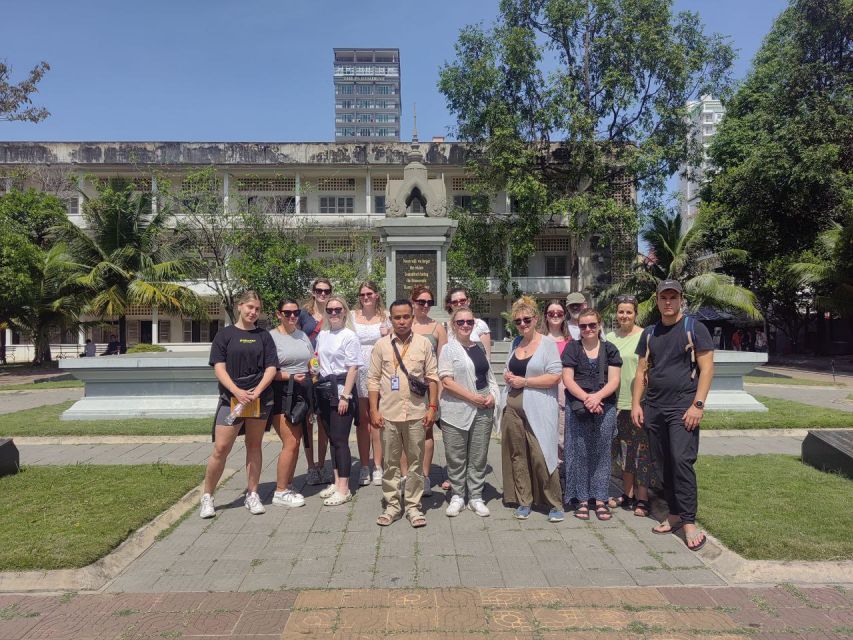
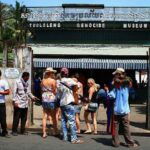
After the Killing Fields, you head back toward Phnom Penh and visit Tuol Sleng Genocide Museum. The museum stop is about 2 hours, which is exactly the right amount of time to avoid feeling like you’re skating over it.
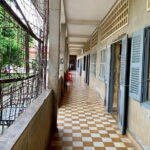
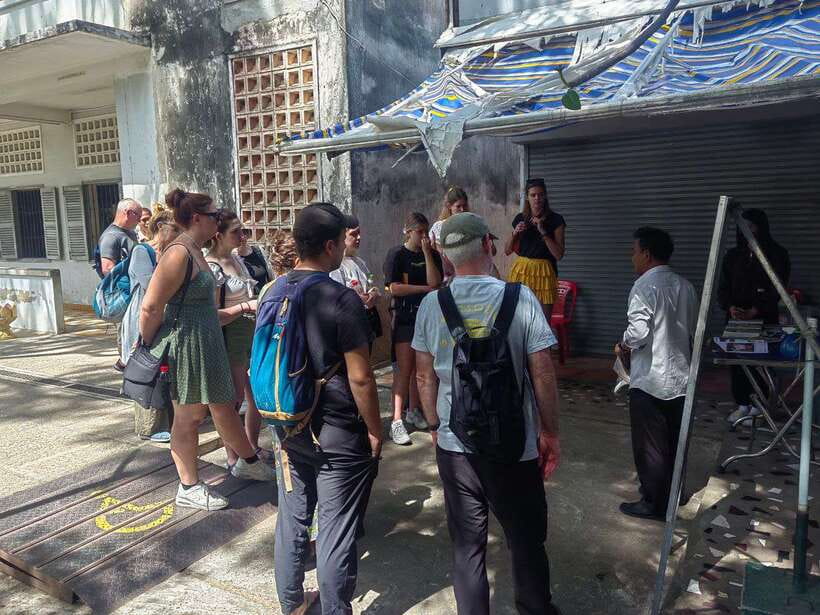
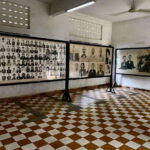
This is one of the sites where the structure of the building helps teach you what happened. You’ll see small rooms and cells used to hold prisoners, along with photos from the time. The museum is built to connect evidence, documentation, and physical space—so it’s not just about a general story.
And yes, it can be intense. In participant accounts, people specifically reference S-21 imagery as emotionally difficult. You should treat it like a careful, guided viewing, not a casual walk through exhibits.
What I like about going with a guide here is that you’re not left alone with a label. You get help connecting the prison layout to what it meant in daily life under the Khmer Rouge regime. When the guide can explain how the regime treated prisoners, the museum shifts from “what happened historically” to “what it felt like structurally.”
Survivor stories: why meeting them (when available) matters
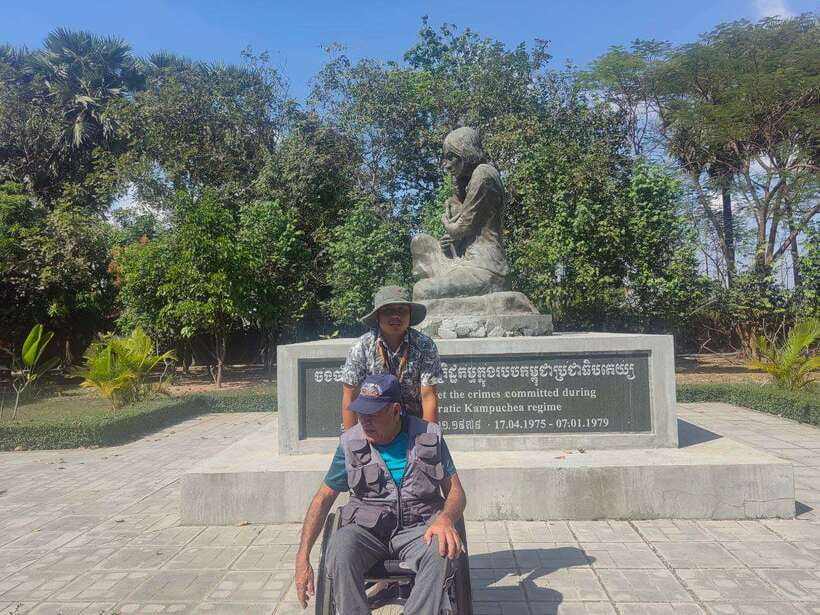
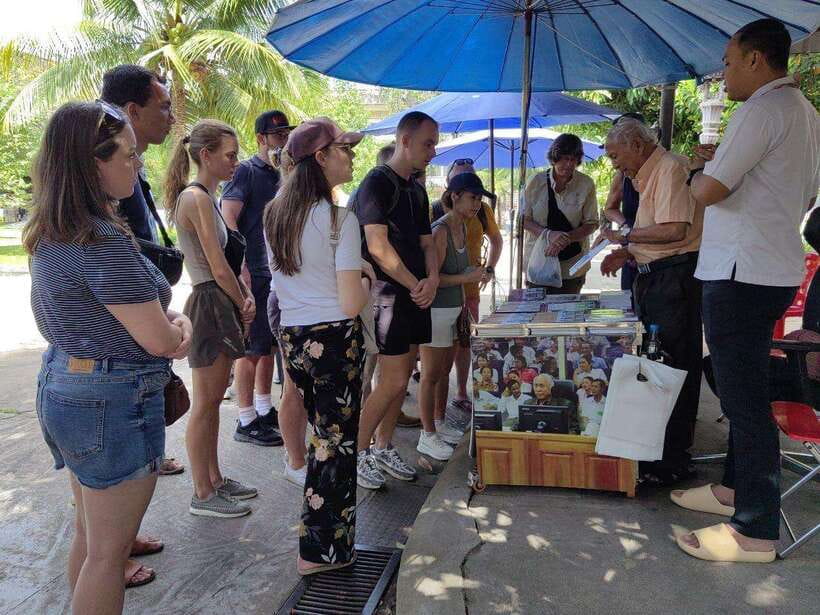
This tour also includes an opportunity to meet survivors. That’s not just emotional, it’s educational. Facts and dates are essential, but survivors anchor those facts in a human timeline: what was lost, what was endured, and how people moved forward after 1975–1979.
When you’re offered the chance to meet survivors, I’d treat it as a moment of listening. Have one or two questions ready, and keep them respectful. If you’re unsure what to ask, just let your guide translate your curiosity into something appropriate.
Guides named in participant accounts often frame these moments with care, emphasizing that Cambodia’s resilience is real, not a slogan. You’ll likely leave understanding that the story isn’t only about horror—it’s also about survival, memory, and recovery.
Ask questions, but pace yourself
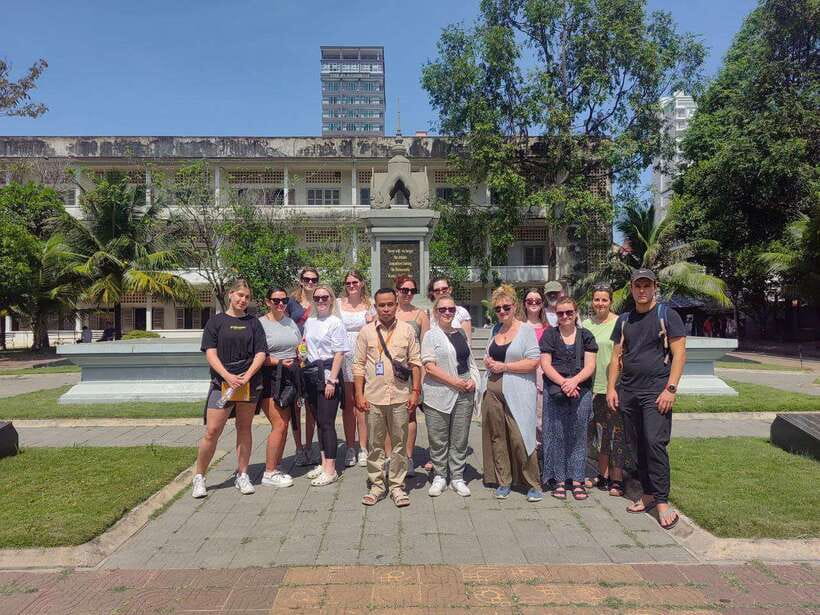
One of the strongest themes in how this tour is described is the way guides handle questions and difficult material. You can ask at any point, and the best part is that guides tend to answer in context rather than tossing out extra trauma.
Still, pacing matters. This is a heavy itinerary. If you’re the type who likes to process in silence after intense moments, you’ll have space to do that. If you’re the type who needs answers to make sense of what you’re seeing, you’ll get that too.
Two practical suggestions:
- Take your cues from your guide’s pace. If they slow down, follow.
- When you feel overwhelmed, focus on what you can control: your posture, your breathing, the next question you can ask calmly.
What to wear and bring for a respectful, comfortable day
Because it’s Cambodia and it’s outdoors before you enter indoor spaces, comfort matters.
Wear:
- Shoulders and knees covered (this is specifically requested).
- Light layers that you can keep on without overheating.
Bring:
- Something small for water breaks. Water is provided, but you might want a bottle you’re comfortable with.
- A little patience. On days like this, you don’t want to rush out of the site because you’re worried about your next stop.
Also, food isn’t included. If you’re doing the morning slot, eat before pickup. For afternoon, have a light lunch plan before the start time. You’ll thank yourself later.
Who this tour suits best
I think this is a strong fit if:
- You want a guide to connect Khmer Rouge history to what you see at the two sites.
- You care about respectful interpretation, not just ticking off attractions.
- You prefer a half-day format that still allows time to reflect.
It might not be ideal if:
- You’re easily distressed by intense imagery and accounts.
- You prefer a purely self-guided museum experience where you control every second.
That said, people who do choose this tour often say the same thing in different words: it’s heartbreaking, but it also feels important. The combination of transport, time to reflect, and guided context makes it more meaningful than doing it piecemeal.
Should you book this Killing Fields and Tuol Sleng tour?
If you’re in Phnom Penh and you want the most direct, guided understanding of Cambodia’s genocide period, I’d book it. The value isn’t just the sites; it’s the guide explanation on the drive out, the time to slow down at Choeung Ek, and the way Tuol Sleng turns prison space into clear historical meaning. Add the entry tickets and you’re still paying a reasonable total for a guided half-day that helps you remember what matters.
My final advice: go with respect, cover up properly, plan your meals around the time window, and give yourself permission to feel what you feel. This isn’t a fun day trip. It’s an important one—and the guide-focused format is what makes it worth your time.
FAQ
Are the entry tickets included in the $19 price?
No. You pay separately for the Killing Fields ticket ($3) and the Genocide Museum ticket ($5).
How long is the tour, total?
The tour duration is about 4 hours.
What’s included in the tour price?
Pickup and drop-off from your meeting point, an air-conditioned van, an English tour guide, and water are included.
How are pickup and meeting handled in Phnom Penh?
If your hotel is on the pickup list, you’ll be picked up from the hotel lobby. If it’s not on the list, you use the meeting point at 178 Corner Sisovat quay, Riverside Path, Phnom Penh 120201.
What time does the tour start?
There are two start times: 7:45am for the morning tour and 12:45pm for the afternoon tour.
Is food included?
No. Food isn’t included, so plan to eat before or after the tour.
Do I need to dress a certain way?
Yes. You should dress properly by covering your shoulders and knees to show respect at the sites.
What language is the tour guide?
The tour is conducted in English.
Can I cancel for a refund?
Yes. Free cancellation is available up to 24 hours in advance for a full refund.
Is there a way to pay later?
Yes. The option is reserve now and pay later, meaning you can book without paying immediately.