REVIEW · PHNOM PENH
Udong Historical Site Tour
Book on Viator →Operated by The Killing Field and S21 Genocide Tour · Bookable on Viator
Udong feels like a different tempo from Phnom Penh. This tour is built around the ride up the Tonle Sap River countryside and a real hilltop visit at Udong, with Udong Mountain viewpoints and a Vipassana Dhurak Buddhist Centre stop that focuses on meditation and a monk blessing. I also like that the day is private (up to 5 people) and kept simple with an air-conditioned vehicle, bottled water, and snacks. The one thing to plan for is the effort: there’s a serious stair climb (and the descent can feel slick if it’s wet).
Start at 8:00 am, and you’ll spend about 1 hour 15 minutes in the van, traffic depending. On the mountain, the payoff is the mix of Buddhist relics, royal stupas, and wide rice-field views from Phnom Oudong, plus the quiet Kandal Temple sitting in the middle of plains. If you’re hoping for an easy stroll with no stairs, this isn’t that kind of outing.
In This Review
- Key highlights at a glance
- From Phnom Penh to Udong: the 8:00 am start and the Tonle Sap ride
- Price and value: $190 per group for up to 5 people
- Stop 1: Vipassana Dhurak Buddhist Centre and the monk blessing
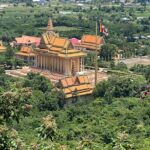
- Stop 2: Udong Mountain, Buddha relics, and the royal stupas
- The 509 steps reality check: pace yourself on the ridge route
- Phnom Oudong summit views, Kandal Temple, and a chance of monkeys
- After the hill: how Silversmiths Village fits into the day
- What makes the best version of this tour feel great
- Should you book Udong Historical Site Tour?
- FAQ
- How long is the Udong Historical Site Tour?
- What time does the tour start?
- Is pickup included?
- Is admission included for the stops?
- What’s included in the tour price?
- Is tipping included?
- Does the tour involve stairs?
- Is this a private tour?
Key highlights at a glance
- Tonle Sap River countryside drive: window seats for the slow, real Cambodian scenery along the way
- Vipassana Dhurak Buddhist Centre: meditation practice plus a monk blessing during a 2-hour stop
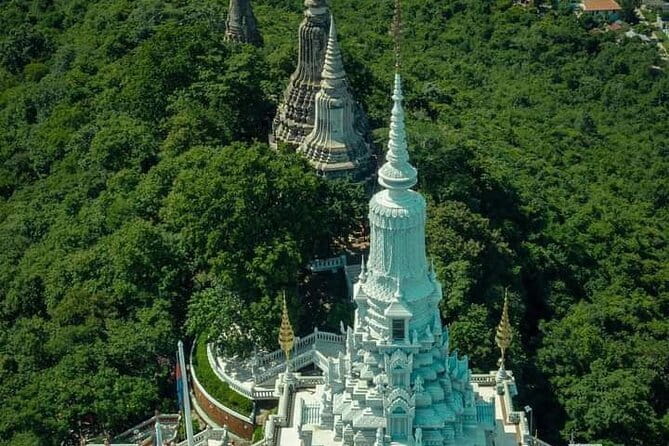
- Udong’s sacred skyline: grand stupa with a Buddha relic and old royal family stupas along the ridgeline
- Phnom Oudong views from the top: rice paddies and countryside stretching out from the summit
- A hill route with a big stair count: the descent uses the 509 steps stairway
- Possible monkey sightings: you might spot them on the way down
From Phnom Penh to Udong: the 8:00 am start and the Tonle Sap ride
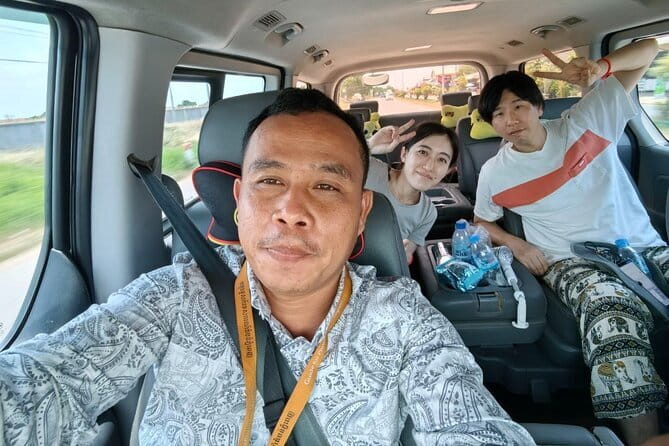
This is a 6-hour outing that starts at 8:00 am in Phnom Penh, with pickup offered. You’re not just going straight to temples; the day begins with travel by air-conditioned vehicle, and the drive takes about 1 hour 15 minutes depending on traffic.
What I like about this part is how it sets expectations. Cambodia’s countryside doesn’t show up in big “attractions,” it shows up in the commute itself—roads, fields, and everyday rural life sliding past your window seats. It’s a gentle way to switch gears before you reach Udong’s hilltop story.
If you’re sensitive to early starts, plan your morning accordingly. The tour is timed for a proper temple visit and that means you’ll feel the schedule whether you’re a morning person or not.
You can also read our reviews of more historical tours in Phnom Penh

Price and value: $190 per group for up to 5 people
The price is $190.00 per group, and your group can be up to 5 people. That’s the key value point: you’re not paying “per person” pricing. It can work out very differently depending on group size—about $38 per person if you fill all 5 seats, or more if it’s just you or a pair.
Here’s what you get that matters for real-world value:
- An English-speaking professional guide
- Air-conditioned vehicle
- Bottled water and snacks
- All fees and taxes
- Admission tickets for both main stops
What’s not included is tipping for the local guide and driver, plus any personal expenses.
So the bargain is not just the ticket cost—it’s that the major costs (transport + admissions + guide time) are bundled. You’re paying for a guided day that would be annoying (and time-wasting) to piece together yourself, especially if your goal is to understand Udong without guessing.
Stop 1: Vipassana Dhurak Buddhist Centre and the monk blessing
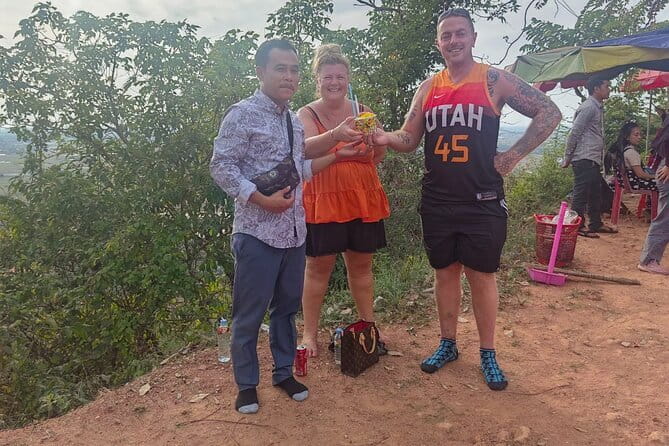
Your first stop is the Vipassana Dhurak Buddhist Centre of the Kingdom of Cambodia, with about 2 hours scheduled. Admission is included. This is where the tour adds something more personal than sightseeing: you learn how to do meditation and you receive a monk blessing.
Even if you’re not a meditation person, this can be a grounding experience in a way regular temple photos can’t match. You’re being guided through a practice, not just walking through a complex. It also helps that it’s early enough in the day that you’re not yet tired from the hill climb.
One practical note: the style of explanation can vary by guide, and you’ll get the best experience if you communicate what you want. If you’re someone who likes context (meaning, why certain rituals and spaces matter), ask your guide early to focus on significance as well as logistics.
Some guides I’ve seen mentioned names like Baboon and Visal Sem, and the good ones tend to make the session feel human—less like a script and more like a shared moment.
Stop 2: Udong Mountain, Buddha relics, and the royal stupas
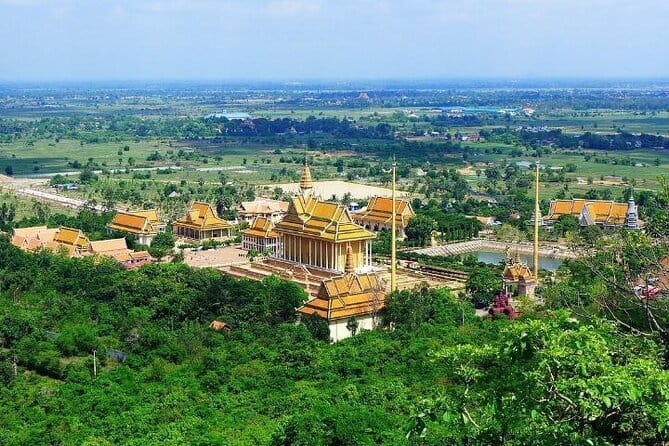
Next comes Udong Mountain, where your visit centers on several sacred areas along the ridgeline. This part is also about 2 hours, and admission is included.
Udong is about 40 km northwest of Phnom Penh and it served as Cambodia’s capital for around 250 years. In 1866, it was abandoned in favor of Phnom Penh, a move suggested by the French colonial masters. That “capital shift” story matters here because it explains why this hill is so layered: it wasn’t just a spiritual site; it held political power too.
On the mountain you’ll see:
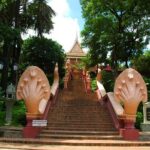
- A grand stupa containing the relic of Buddha
- Ancient royal family stupas along the ridgeline
The value of this stop isn’t only the architecture. It’s the way you can mentally connect the religious sites with the former seat of power. The ridgeline feeling is strong: you’re walking in a place designed to guide people toward reflection, not just toward a snapshot.
If you enjoy history but don’t want a lecture marathon, this is a good balance. You get enough context to make what you’re seeing click, without the day turning into a classroom.
The 509 steps reality check: pace yourself on the ridge route

Udong isn’t a flat outing. The route described is: you climb from the back of the ridge and go down via the 509 steps stairway. You may also face a strenuous climb depending on your fitness level, and one of the most consistent cautions is simply this: plan for effort.
I’d take the stair count seriously even if you’re in decent shape. A day like this is less about speed and more about rhythm—stop when you need to, especially on the way down when your legs are tired.
There’s also a weather factor you should respect. One guide-style experience noted that moss on steps can make the descent feel dangerous, and that a dry season can make a big difference. If you book in wetter conditions, slow down and keep your focus on footing.
Good shoes help. That’s not marketing fluff—it’s the difference between feeling in control and feeling stressed on each step.
You can also read our reviews of more museum experiences in Phnom Penh

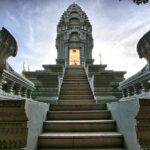
Phnom Oudong summit views, Kandal Temple, and a chance of monkeys
The summit area of Phnom Oudong gives you spectacular views over the surrounding countryside. This is one of the best “stand back and breathe” moments of the day: rice fields, plains, and the sense of space that makes the hill feel worth the climb.
In the middle of those plains sits the Kandal Temple, described as peacefully placed among rice fields. That contrast—big sacred hilltop energy below it, calm temple stillness at a distance—creates a satisfying payoff.
And yes, there’s a chance of wildlife. On the way down, you might encounter monkeys. That doesn’t mean you should panic; it just means keep your personal space, don’t crowd close to them, and remember you’re sharing the area with living things.
If you’re visiting on a quieter day (weekdays tend to be less packed than peak periods), the whole mountain rhythm can feel smoother. You’re less likely to feel rushed, and you can pause for photos and breath breaks without feeling squeezed.
After the hill: how Silversmiths Village fits into the day
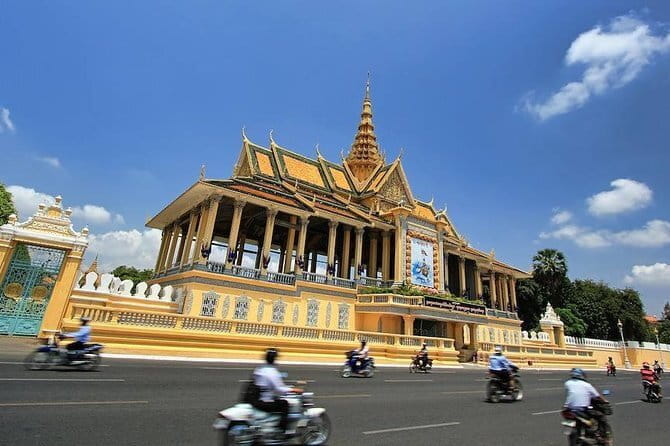
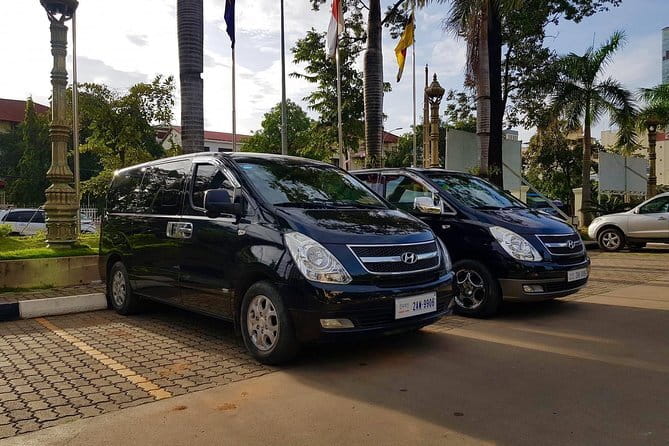
After you come down, the bus or van waits at the bottom of the hill and then heads to Silversmiths Village. Even though this is often a shorter segment compared with the temple time, it’s a nice way to shift from religious sites back into everyday craft life.
This is the point where you can shop if you want, ask questions, and see how local skills connect with tourist demand. If you’re trying to keep the day authentic, don’t rush it—slow browsing usually feels better than quick decisions.
Also, it helps to have snacks and water already handled. Since bottled water and snacks are included, you can spend more energy enjoying the village and less time thinking about your stomach.
What makes the best version of this tour feel great
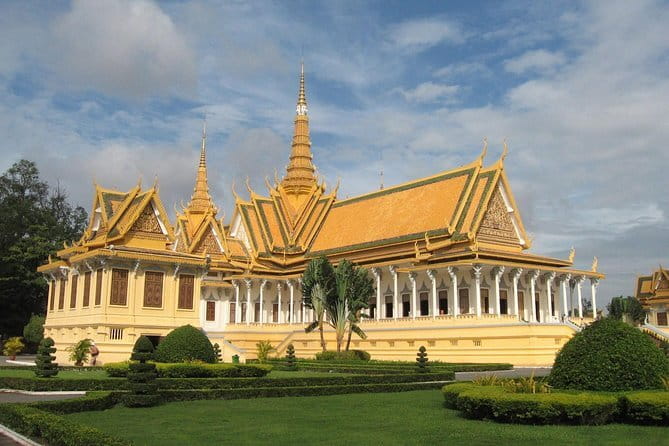
The tour can be good even on a basic day. But it tends to get excellent when the guide actively connects the dots between what you’re seeing and why it matters.
You’ll notice that the most praised experiences include:
- Clear explanations during the Buddhist centre and on the hilltop
- A guide who adapts when someone isn’t feeling well, while still keeping the experience meaningful
- Small touches that make the day feel personal, not just scheduled
Some guides have been described as funny and entertaining, and even as teaching a few local words along the way. In one account, there was also mention of trying local food like grilled frog, which isn’t listed as included in the tour essentials. If food tasting happens during your day, treat it as an optional extra rather than part of the core package.
If you want a day that feels like a story rather than a checklist, start with a simple instruction: tell your guide what you care about most—views, religious meaning, history, photos, or rural life.
Should you book Udong Historical Site Tour?
Book it if you want:
- A guided private day up to 5 people with admissions included
- A serious viewpoint payoff from Phnom Oudong
- A mix of Buddhist practice (meditation and a monk blessing) plus historic temple stops
- A countryside drive that feels like part of the experience, not dead time
Skip (or at least rethink) if:
- You have limited ability to manage stairs, since the route includes a 509-step stairway descent
- You prefer fully flat sites or very light walking
- You want the day to be only leisurely sightseeing with no spiritual-practice component
This is also a good “one day, big change” trip. You’re leaving Phnom Penh for a hilltop that once served as Cambodia’s capital, you’re learning a practice at a Buddhist centre, and you’re returning with that calm, countryside feeling clinging to the edges of the day.
If the weather is poor, the experience can be rescheduled or refunded, so keep that in mind when you plan.
FAQ
How long is the Udong Historical Site Tour?
It runs about 6 hours.
What time does the tour start?
It starts at 8:00 am.
Is pickup included?
Yes, pickup is offered.
Is admission included for the stops?
Yes. Admission tickets are included for the Vipassana Dhurak Buddhist Centre and Udong Mountain.
What’s included in the tour price?
A professional English-speaking guide, air-conditioned vehicle, bottled water, snacks, and all fees and taxes are included.
Is tipping included?
No. Tipping for the local guide and driver is not included.
Does the tour involve stairs?
Yes. The route includes a 509 steps stairway on the way down.
Is this a private tour?
Yes. It’s private, and only your group participates. The group size can be up to 5.