REVIEW · PHNOM PENH
Phnom Penh: Highlights Tour Including S21 and Killing Fields
Book on GetYourGuide →Operated by Phnom Penh Local Tuk-Tuk and Taxi · Bookable on GetYourGuide
Phnom Penh hits you fast, then stays with you. I like how this small-group day tour stacks classic sights (Wat Phnom, Royal Palace area, key monuments) with the hard truths of S21 and the Killing Fields, so you leave understanding the city, not just photographing it. I love that your guide is both driver and teacher, often with personal, clear English explanations (I’ve heard guides like Mr. Sop, Elvis, Sinal, Nick, and Pum bring it to life). I also love the practical pace: bottled cold water, Coke, and a beer after 12:00 PM, plus a midday lunch stop that isn’t the tourist trap routine. One drawback to plan for: the emotionally intense parts require extra tickets and audio guides paid in cash.
The route also follows a logic that helps your photos and your day flow. In the morning, major buildings and entrances face east, which can mean better light for classic Phnom Penh shots. And since the worst of the history comes in the second half of the day, you can pair the heavy sites with a change of pace after.
In This Review
- Key Takeaways Before You Go
- Getting Oriented in Phnom Penh: Wat Phnom to Wat Ounalom
- French Footprints at the National Museum and Royal Precinct
- Morning Light and Big Symbols: Palace Grounds, Botum Park, and Independence
- The Break That Resets Your Brain: Lunch in the Middle of the Day
- Tuol Sleng (S21) and Choeung Ek: Visiting with Audio Guides
- What makes this visit easier
- Why paying in cash matters here
- Diamond Island and the Mekong Change of Pace
- Markets at the End: Russian Market or Central Market
- Price and Logistics: What You Pay Besides the Tour Fee
- The value equation
- A realistic cash budget
- Who Should Book This Tour (and Who Should Skip It)
- Final Verdict: Should You Book This Phnom Penh Highlights Tour?
- FAQ
- What does this tour include?
- Is lunch included in the tour price?
- How much are the site entry fees and audio guides?
- Do I need cash for the tour?
- How long is the tour and what’s the group size?
- What vehicle will you use?
- Where can the tour pick me up and drop me off?
Key Takeaways Before You Go
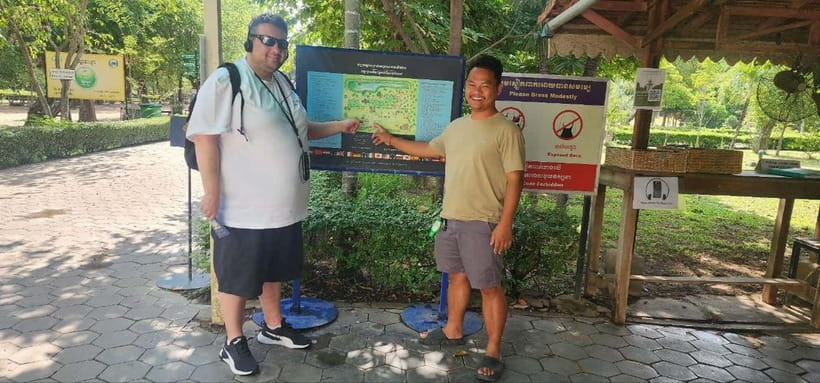
- Small-group pacing (max 7 by air-con van, max 4 by tuk-tuk) keeps things less rushed.
- Photo-friendly morning timing helps you catch the east-facing angles around the Wat Phnom area and royal grounds.
- Audio guides at S21 and the Killing Fields are built into the experience (but you pay the ticket add-ons in cash).
- Lunch at a local restaurant breaks up the day and gives you something more real than a quick snack stop.
- Diamond Island and the Mekong views add a water-and-history change of scenery after the museums.
Getting Oriented in Phnom Penh: Wat Phnom to Wat Ounalom
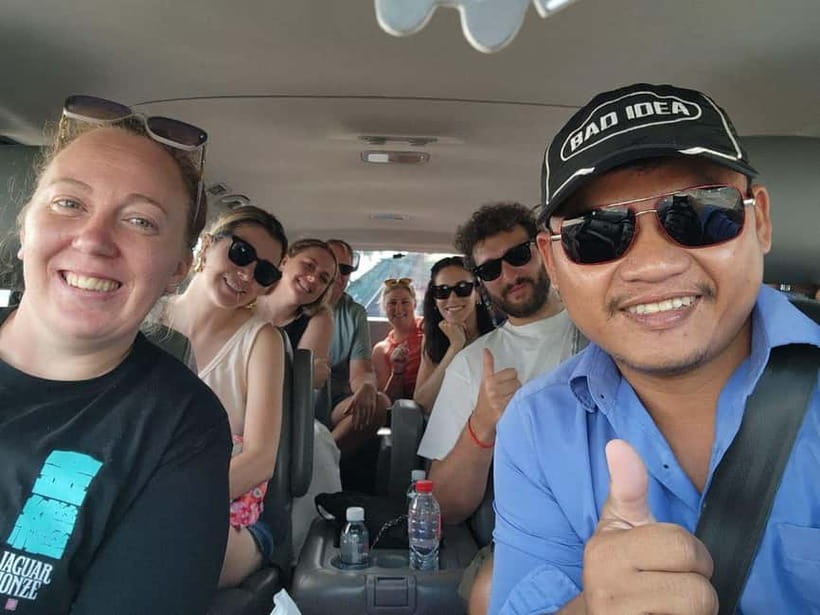
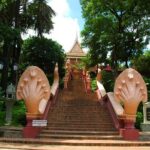
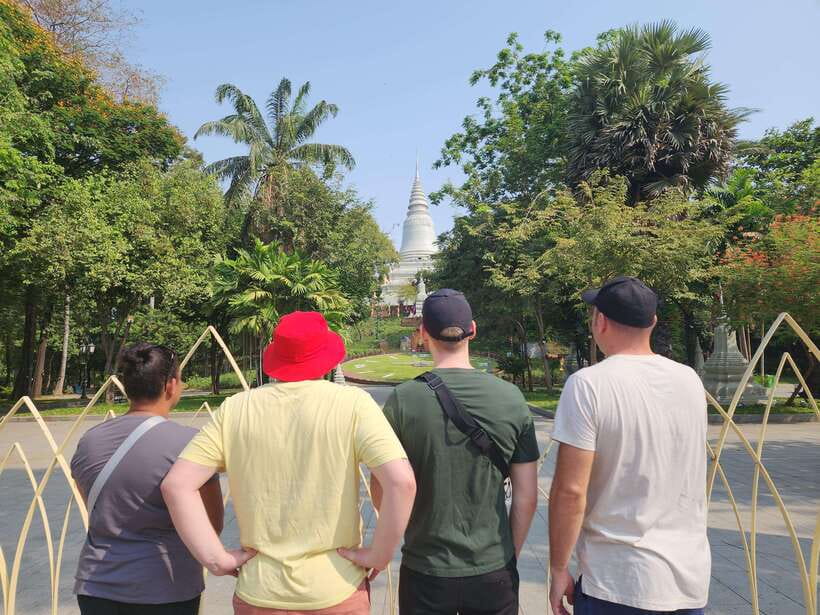
The day starts where most first-time Phnom Penh moments should start: Wat Phnom. You’ll see the Lady Penh Statue first—because the city is named after her—and that small intro gives you a key piece of context before you even step into the main historic temple grounds. It’s a good way to set the tone: Phnom Penh isn’t only tragedy and politics; it also has layers of belief, tradition, and neighborhood life.
From there, you move to Wat Ounalom Monastery, known for its 15th-century roots and importance within Phnom Penh. What I like here is the balance. You’re not just ticking off temples—you’re learning why people care about these places, and how they fit into the city’s story from long before the modern era.
The practical part: your guide handles the flow, and you’ll get short photo moments plus guided time inside. At this pace, you can look, read the signs with context, and not feel like you’re sprinting from one spot to the next.
You can also read our reviews of more tours and experiences in Phnom Penh.
French Footprints at the National Museum and Royal Precinct
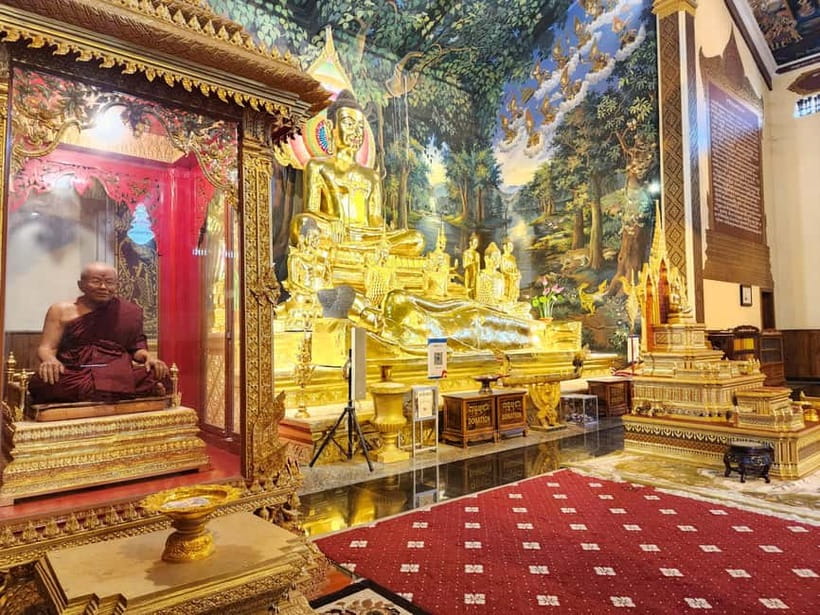
Next comes a change in tone: the National Museum of Cambodia. It’s one of the best places in Phnom Penh to understand the visual side of Cambodian identity, and the building itself matters too—it was built during French colonial times. That contrast is useful. You get to see how French-era architecture sits next to collections and temple art that are unmistakably Cambodian.
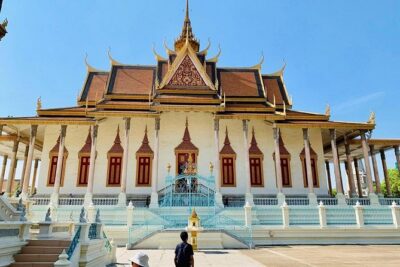
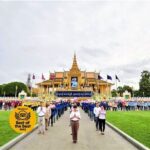
After that, you’ll spend time around the Royal Palace area and nearby royal grounds, including the outside of the Royal Crematorium and the public park in front of it. Even when you’re not entering every building, the exterior views help you grasp how the palace complex shapes the city’s layout and its sense of authority.
One small tip that makes a difference: go with the idea that you’ll be doing both “looking” and “learning” today. This tour is structured so the history isn’t only at S21 and the Killing Fields. You’ll get background that makes the monuments and buildings feel connected, not random.
Morning Light and Big Symbols: Palace Grounds, Botum Park, and Independence
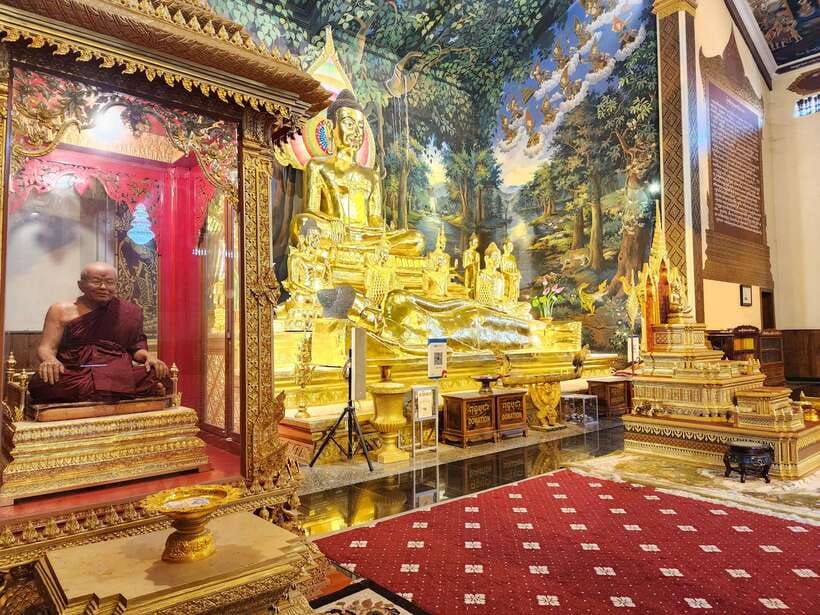
After the museum and palace area, the tour keeps moving through Phnom Penh’s modern-symbol layer. You’ll stop at the Cambodia–Vietnam Friendship Monument, located not far from the Royal Palace in Botum Park. It’s one of those spots that’s easy to photograph but much more meaningful once someone explains why it was built and what it commemorates.
Then you’ll see the King Norodom Sihanouk Statue in a major park strip area, and later the Independence Monument, which represents Cambodia’s independence from French colonization. This sequence works because it’s not just about monuments as objects—it’s about monuments as public memory.
If you care about photos, focus on the morning portion. The tour is planned so you get the better light around the east-facing entrances and buildings. You won’t be chasing the sun all day; you’ll be working with timing.
The Break That Resets Your Brain: Lunch in the Middle of the Day
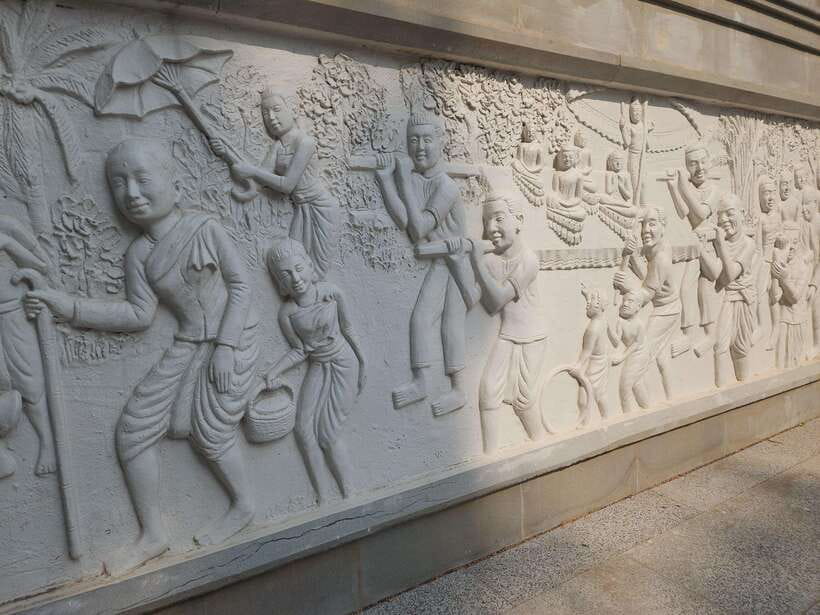
Halfway through, you get a lunch break at a local restaurant. Lunch is not included in the base price, but this stop is set up as a real meal, not a quick coffee-and-sit-down-for-30-seconds move.
This matters because your afternoon becomes heavy. If you only snack, S21 and the Killing Fields can feel even harsher. A proper sit-down lunch gives you fuel, and it also makes the day feel more human before it turns difficult.
From what’s been shared by people who’ve taken this tour, the best lunch stops tend to be simple Cambodian dishes—often noodles and local plates—served in a way that feels like it belongs to Phnom Penh, not a copy-paste menu for tourists. Bring cash for your lunch too, just in case.
Tuol Sleng (S21) and Choeung Ek: Visiting with Audio Guides
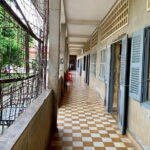
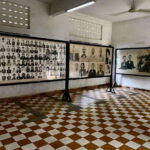
Now we get to the part that many people save as their main reason for booking. Tuol Sleng Genocide Museum (S21) and Choeung Ek (Killing Fields) are both paid sites, and you also pay for the audio guides there.
Plan for the emotional weight. These are places that document human suffering in the most direct way possible. I recommend going in with a steady pace and no pressure to race through. The goal should be understanding, not completing.


What makes this visit easier
This tour has a practical edge: your guide helps you navigate the day so the sites don’t feel like a scramble. At S21, you spend about 1.5 hours inside, and you’re guided through how to use the audio guide while your driver/guide waits. At the Killing Fields, you get another 1.5 hours, also with audio guidance paid separately.
Why paying in cash matters here
You’ll need cash for these entry requirements:
- Wat Phnom: $1
- S21 (entry + audio guide): $10
- Killing Field (entry + audio guide): $6
Bring enough small bills. You’ll be glad you did, especially when a day’s worth of stops adds up.
A small strategy that helps: if the day starts with the museums before the hottest part of the afternoon, you can feel the mental shift sooner. People often find it easier to process S21 and then move through the Killing Fields while you still have the space to focus.
Diamond Island and the Mekong Change of Pace
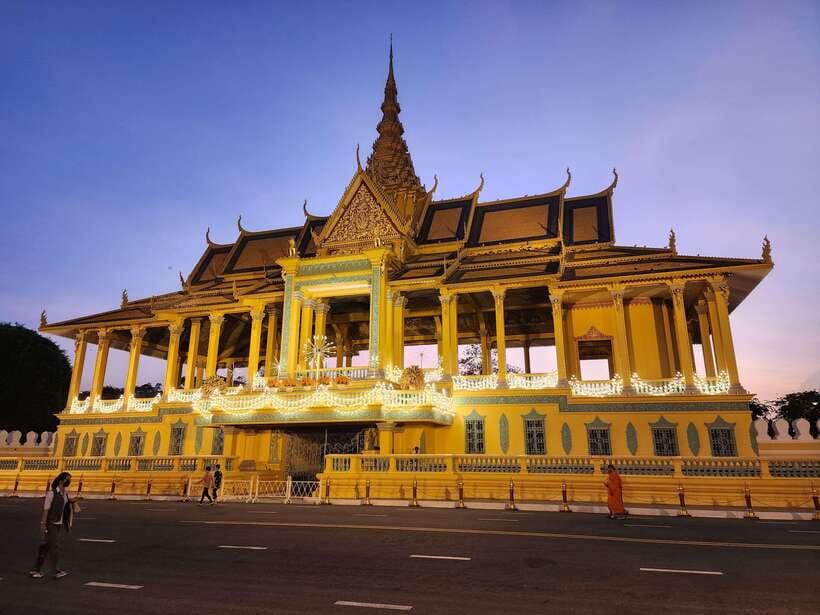
After the museums, the tour shifts gears in a way that feels necessary. You head toward Diamond Island, often called the “Paris to Phnom Penh” area. This part gives you outdoor walking time, water scenery, and a calmer rhythm compared with the museum rooms.
Along the way, your drive can include stops and photo moments around places that frame Phnom Penh as a city of waterways and institutions: you might see the Patriarch of Monks Statue, the Buddhist Institute, and the Cambodian Parliament Building. You may also pass through or near Chinatown, plus views connected to the river system—Mekong Upper and Mekong Lower, Tonle Sap, and Tonle Bassac.
Even if you don’t get out at every point, the combination of bridges, rivers, and city planning is a useful way to understand why Phnom Penh grew where it did.
The tour also includes a short sunset-focused break around Diamond Island, so you’re not only finishing the day with monuments—you’re ending it with atmosphere. That’s the kind of contrast that makes a full-day tour bearable.
Markets at the End: Russian Market or Central Market
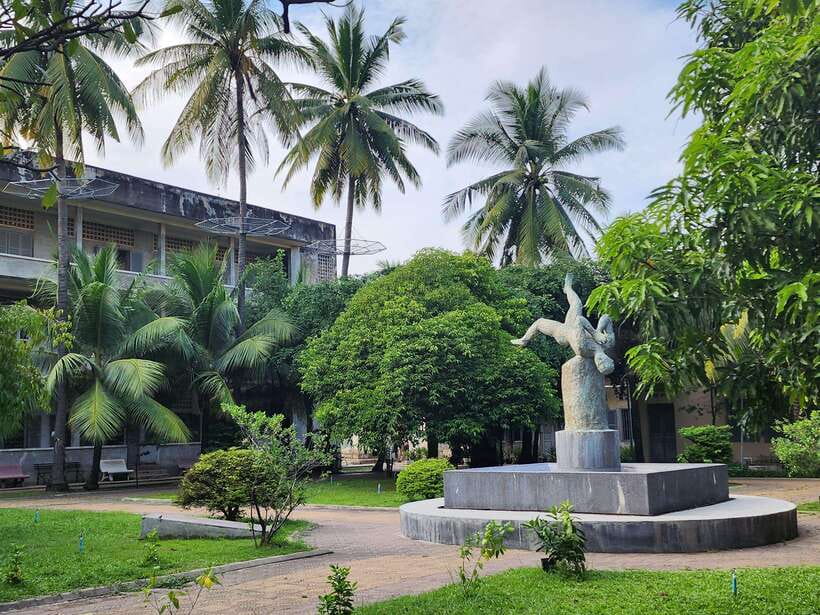
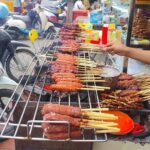
Near the finish, there’s optional market time: Russian Market or Central Market. This is a good add-on because you can browse without needing to force shopping. You’re mostly collecting colors, snacks, and a final slice of daily life.
The key is keeping your expectations realistic. Market time is usually brief here—enough to walk, look, and maybe buy something small. If you want longer browsing, you’ll likely need a separate trip another day.
Price and Logistics: What You Pay Besides the Tour Fee
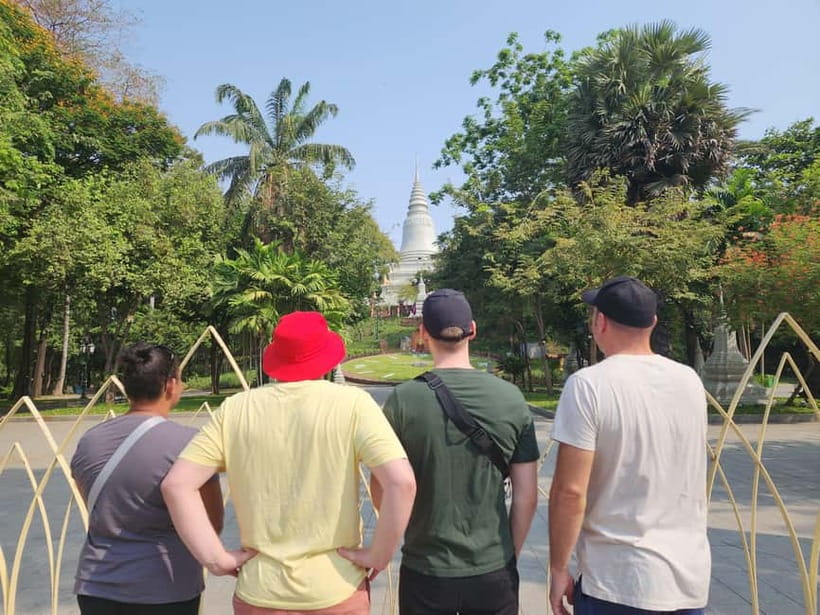
The base price is $30 per group (up to 1) for a 9-hour day, and it’s designed around a small group (max 7 by air-conditioned van, or max 4 by tuk-tuk). Transport includes a vehicle with A/C (van option) or tuk-tuk depending on the selection, plus bottled cold water and Coke, and Cambodia Beer after 12:00 PM.
The value equation
You’re paying for:
- English explanations from a guide who also drives
- a full day route across major landmarks
- built-in breaks (photo stops, lunch, and a Diamond Island moment)
- drinks all day
You’re not paying for:
- entry fees and audio guides at the heavy sites
- lunch
- optional market time (the tour just drops you in the area)
A realistic cash budget
At minimum for museum entry add-ons, expect:
- $1 Wat Phnom
- $10 S21 + audio
- $6 Killing Fields + audio
Total: $17, plus lunch (amount varies by what you order).
For many visitors, that’s the right trade: you get guided context and time management, and you still control how you handle the sites inside museums.
Who Should Book This Tour (and Who Should Skip It)
This tour fits best if you:
- want a first-day Phnom Penh orientation with city landmarks plus history
- prefer a small group and clear English explanations
- like the mix of architecture, monuments, and a real museum day
- want a guide who can switch between serious history and lighter city context
It may not be the best fit if:
- you don’t want the heavy emotional load of S21 and the Killing Fields
- you’re traveling with kids under 10 (not suitable for that age group)
- you’re not comfortable bringing enough cash for site tickets and audio guides
Also note the pickup zones: hotel pickup and drop-off only included in the city centre. If your hotel is outside that area, you’ll need to come to the meeting point. Some specific hotels aren’t included for pickup, so it’s smart to double-check your exact location before you commit.
One more practical point: the tour works best when you’re punctual. The guide sets timing to fit everything in a single day, and the day can feel cramped if you’re late.
Final Verdict: Should You Book This Phnom Penh Highlights Tour?
Yes, with a clear mind about what kind of day it is. Book it if you want your Phnom Penh day to make sense: temples and monuments in the morning, then the honest history of S21 and the Killing Fields, then a calmer end on Diamond Island with river views and sunset air.
If you only want one type of experience—pure temple hopping or only museums—then you might prefer a shorter, more focused option. But if you want the full picture of Phnom Penh in one go, this is a strong choice, especially because you get guided city context plus the audio-guided depth at the sites that matter most.
If you book, do two things: bring cash for the paid sites and audio guides, and mentally pace yourself for the afternoon. You’ll come away understanding the city’s layers, not just collecting stops.
FAQ
What does this tour include?
You’ll visit major Phnom Penh sights including Wat Phnom, Wat Ounalom, the National Museum, stops around the Royal Palace area, Cambodia–Vietnam Friendship Monument, King Norodom Sihanouk Statue, Independence Monument, lunch at a local restaurant, Tuol Sleng Genocide Museum (S21) and Choeung Ek (Killing Fields) with audio guides, plus Diamond Island and an optional stop at either Russian Market or Central Market.
Is lunch included in the tour price?
No. Lunch is a break at a local restaurant during the tour, but it is not included in the base price.
How much are the site entry fees and audio guides?
Cash is required. The tour notes these fees: Wat Phnom ticket is $1, S21 (entry + audio guide) is $10, and the Killing Field (entry + audio guide) is $6.
Do I need cash for the tour?
Yes. The important ticket costs are paid in cash, and the tour explicitly says to bring cash.
How long is the tour and what’s the group size?
The duration is 9 hours. It’s a small-group experience: limited to a maximum of 7 participants by air-conditioned van, or a maximum of 4 participants by tuk-tuk.
What vehicle will you use?
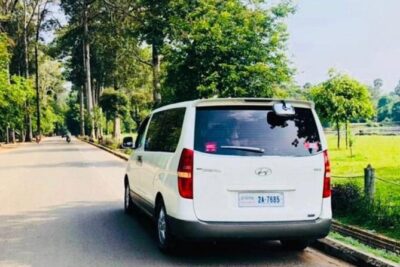
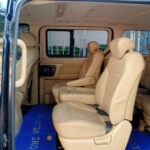
It depends on the option selected: an air-conditioned Starex-van or a tuk-tuk. Bottled water and Coke are provided, and Cambodia Beer is included after 12:00 PM.
Where can the tour pick me up and drop me off?
Hotel pickup and drop-off are included only in the city centre. If your hotel is outside the pickup zone, you’ll need to come to the meeting point.