REVIEW · CAMBODIA
Phnom Penh: Morning Foodie, Market Walking & Street Art Tour
Book on GetYourGuide →Operated by Vespa Backstreet · Bookable on GetYourGuide
Street food and street art in the same morning. That’s the real hook here: you start with local breakfasts and coffee, then shift to Phnom Penh’s street art and how it ties back to Khmer symbols and history.
I love that the route mixes hands-on food time with walkable neighborhoods, not just photo stops. One thing to consider: you’ll be outside for a good chunk of the tour, so plan for warm weather and steady walking.
In This Review
- Key Things I’d Plan Around
- How This 5.5-Hour Route Feels (And Why It’s Good Value)
- Pickup, Tuk Tuk or Vespa, and Settling Into the Neighborhood Rhythm
- Boeng Keng Kang Market Breakfast: Noodles, Pork Rice, and Local Coffee
- Independence Monument Photo Stop: Quick Framing Before the Walking Starts
- Central Market Phnom Penh: Seasonal Bites and Ingredient Spotting
- Sangkat Boeung Kak 1 Arts & Crafts Market: A Handmade Souvenir Moment
- Wat Botum Park Coffee, Tea, Lunch: Banh Chaev and Turmeric Crepes
- Phnom Penh Signature Coffee Blend Finish: The Taste-Bud Landing
- Street Art in Phnom Penh: Khmer Symbolism, History, and Real Interpretation
- Transportation and Timing: Why the Morning Works Better Than a Late Start
- What You’ll Learn About Khmer Food (Without Being Lectured)
- Who This Tour Is Best For
- Price Check: Is $33 Actually Fair Here?
- Should You Book the Morning Foodie, Market Walking & Street Art Tour?
- FAQ
- How long is the tour?
- What does the tour cost?
- Is hotel pickup and drop-off included?
- How do you travel between stops?
- Is an English-speaking guide provided?
- What meals are included?
- Are any snacks or desserts included?
- Do you stop for coffee more than once?
- Do you taste Banh Chaev?
- Is there free cancellation?
Key Things I’d Plan Around
- Morning coffee stops in back-alley style locations with friendly conversation
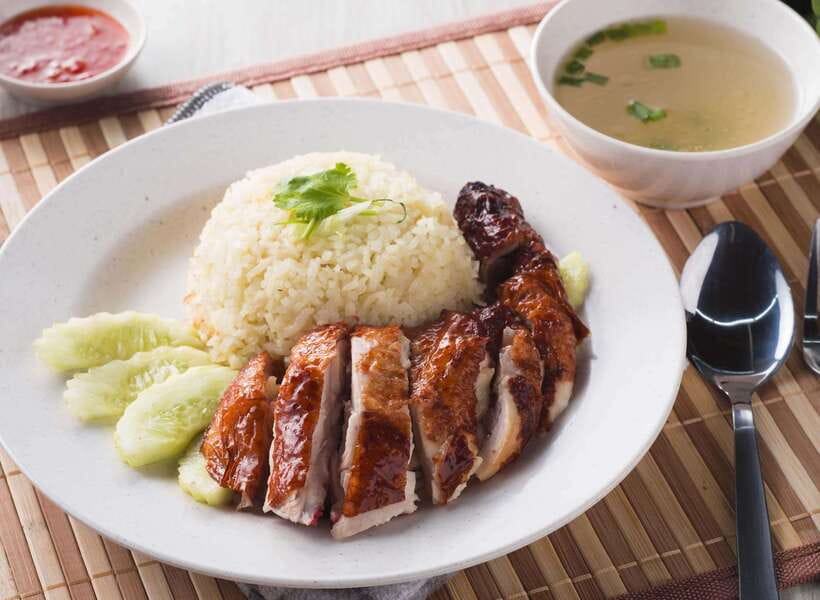
- Boeng Keng Kang Market breakfast with long-running local favorites like noodle soup and pork rice
- Street art with context, explained through Khmer symbolism and history (and it helps to have a great guide)
- Market tasting with samples of what’s in season, plus desserts and water included
- Banh Chaev lunch: crepes made with rice milk and turmeric, followed by signature Phnom Penh coffee
How This 5.5-Hour Route Feels (And Why It’s Good Value)
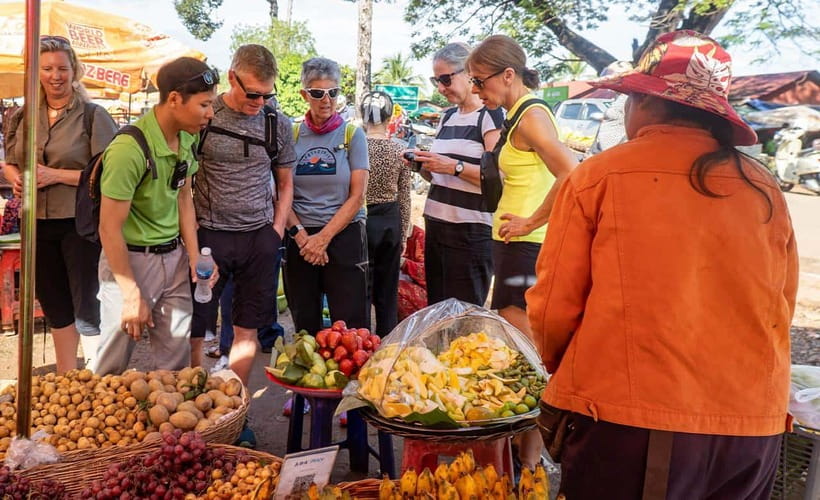
This is a 5.5-hour morning built like a proper stroll: pickup, breakfast, market time, street art, then coffee and lunch. You’re not just “seeing” Phnom Penh; you’re moving through it the way locals do—by foot in markets and in nearby neighborhoods, with short rides between key spots.
At $33 per person, the value comes from what’s bundled in: hotel pickup and drop-off, transportation by tuk tuk or vespa, an English-speaking guide, two breakfasts, coffee and soft drinks, market dessert testing, plus bottled water. If you try to do all that solo, the guide + transport alone usually costs more than the ticket.
The other reason it’s worth it: you get a story thread that connects food, everyday shopping, and street art. A great guide can make street art feel less random and more like cultural commentary.
You can also read our reviews of more tours and experiences in Cambodia.
Pickup, Tuk Tuk or Vespa, and Settling Into the Neighborhood Rhythm
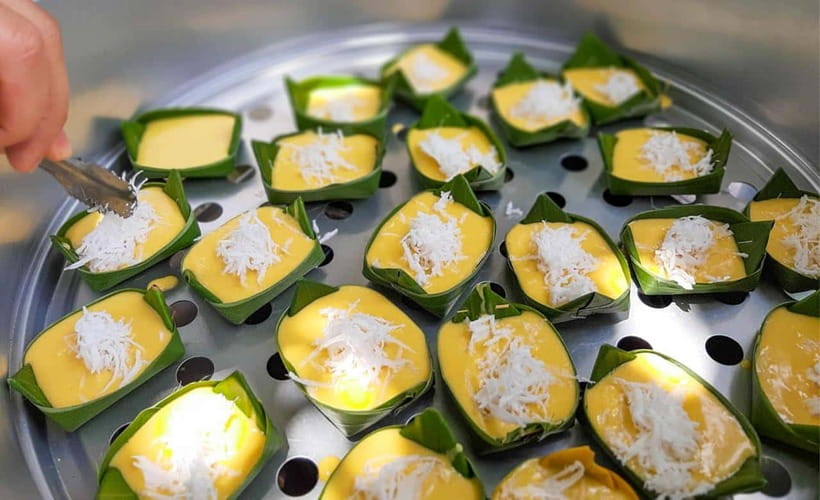
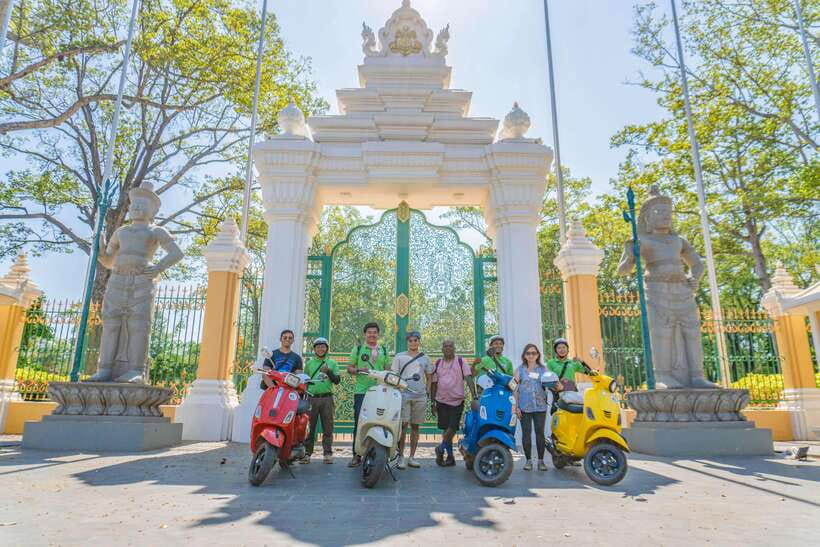
You start with hotel pickup in Phnom Penh and then you head to the guide’s favorite local neighborhoods. Transportation is by tuk tuk or vespa, which matters because it keeps the morning from turning into one long, hot trek across town.
Once you’re dropped into the market areas, the pace changes. You’ll be walking through open-air sections, looking at produce and ingredients, and chatting as you go. I like that the tour doesn’t treat food as a checklist. Instead, you’re meant to slow down enough to notice herbs, fruits, and vegetables on display.
Wear comfortable shoes. Markets can have uneven ground, and you’ll want your feet to be happy before the street art portion.
Boeng Keng Kang Market Breakfast: Noodles, Pork Rice, and Local Coffee
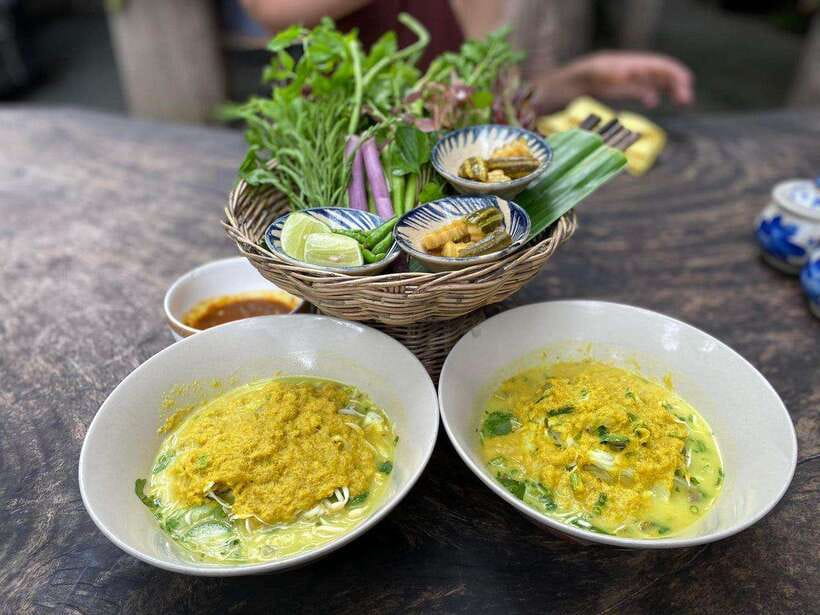
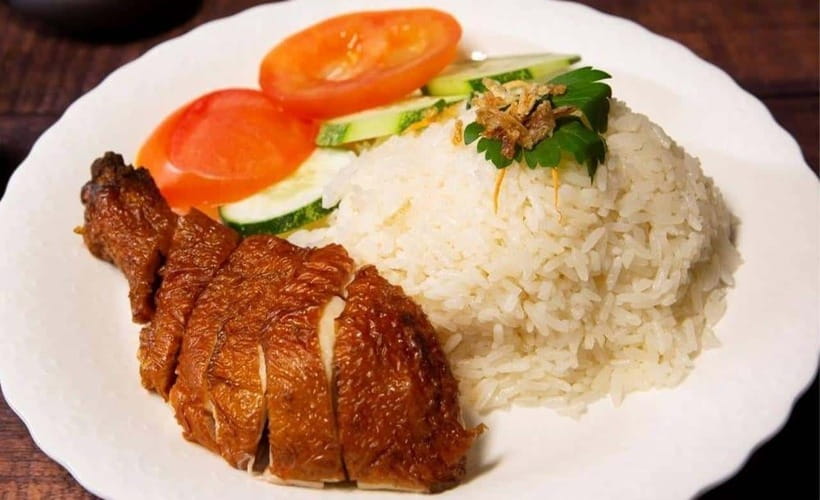
The morning begins at Boeng Keng Kang Market, where breakfast has been serving locals for years. You’ll get two breakfast items included, with options like a savory bowl of noodle soup or pork rice. Alongside that, you’ll sip a cup of local coffee.
This stop is where the tour earns its “foodie” name, because you’re not just eating. You’re learning what locals order and why it fits the day. Markets like this work on routine, so breakfast here feels less like tourism and more like watching daily life.
A standout detail from the experience: you also get to enjoy local coffee in back-alley style spots and have time for free talking. That’s a small thing, but it’s often what turns a tour from informative into genuinely fun.
Independence Monument Photo Stop: Quick Framing Before the Walking Starts
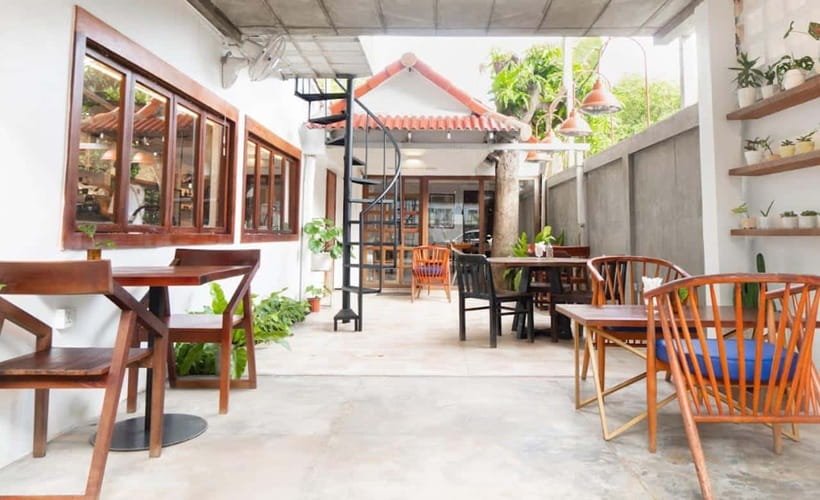
After breakfast, you’ll head to Independence Monument for a photo stop (about 30 minutes). This isn’t a long history lecture. It’s more of a visual reset point so you can frame where you are before moving back into markets and street scenes.
For many people, this is the part that feels optional. But it helps you connect the dots later, especially when your guide ties street art to Khmer symbolism and history. Even a short stop gives your brain a landmark to hold onto.
If you like taking photos, bring your phone battery habits. You’ll likely be on the move right after this.
Central Market Phnom Penh: Seasonal Bites and Ingredient Spotting
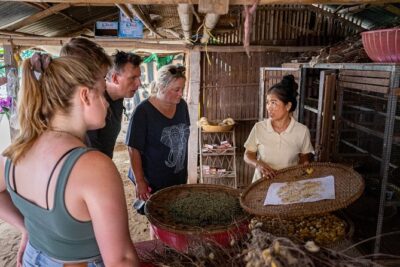
Next comes Central Market Phnom Penh, with about 1 hour for food market time. This is where the tour shifts into sampling mode: you’ll try what’s in season, and you’ll get dessert testing as part of the included food.
What I like here is the guide-led focus on ingredients. You’re shown herbs, fruits, and vegetables as they appear in daily shopping. You also get to observe how locals barter and negotiate prices. That part can be awkward if you try it on your own, but with a guide you can watch without feeling like you’re in the middle of a deal.
A practical benefit: sampling in a market setting is easier on your expectations. You learn what’s common, what’s seasonal, and what flavors show up again and again in Khmer cooking.


Sangkat Boeung Kak 1 Arts & Crafts Market: A Handmade Souvenir Moment
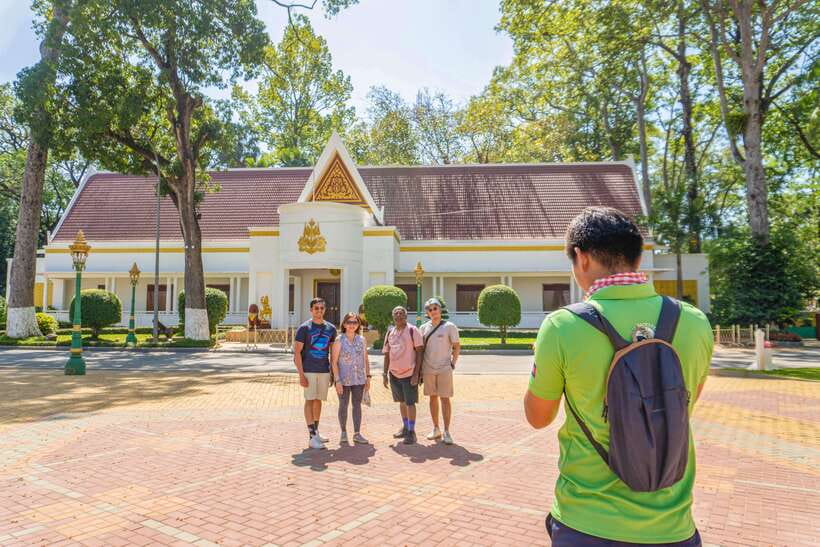
Then you’ll head to Sangkat Boeung Kak 1, where the stop is about 30 minutes. This is an arts and crafts market visit, so you’re looking at handmade items rather than just food.
This time window is short on purpose. It keeps the morning from dragging while still giving you a chance to pick up something that feels connected to the neighborhood. If you’re the type who likes one small “proof I was here” purchase, this is a good place to do it without turning the day into shopping.
The trade-off: if you want to spend serious time browsing, you might find 30 minutes tight. Still, it’s enough to spot quality items and decide.
Wat Botum Park Coffee, Tea, Lunch: Banh Chaev and Turmeric Crepes
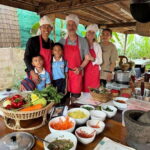
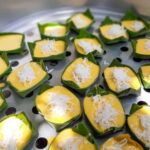
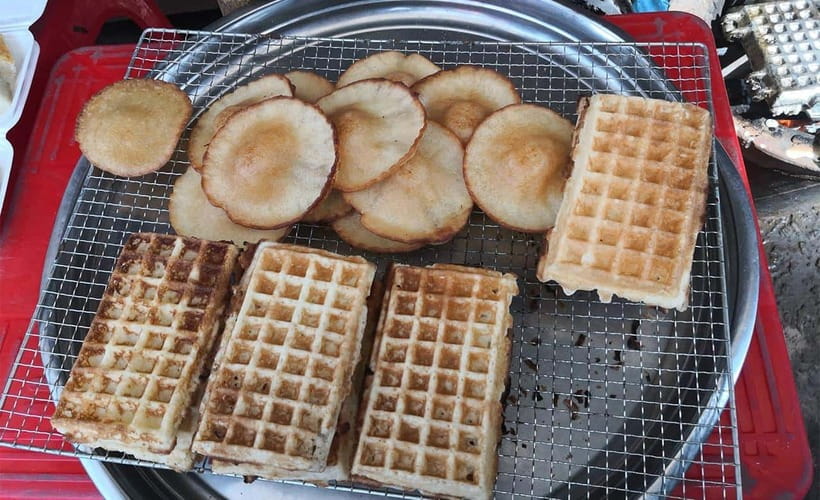
The most satisfying food stop comes at Wat Botum Park, where you’ll have coffee, tea, and lunch for about 1.5 hours. Here’s where you’ll taste Banh Chaev—the Khmer crepes—made with a blend of rice milk and turmeric.
This matters because turmeric isn’t just a color. In Khmer cooking, it can shape the flavor profile in a way that feels both familiar and distinct if you’ve only eaten generic “Asian crepes” elsewhere. The rice milk base also changes the texture and taste compared to standard wheat-crepe expectations.
In the provided experience details, this lunch stop is positioned as the point where the tour “teaches” as much as it serves. You’re learning cooking techniques and typical flavors, not just ordering and moving on.
One more extra the guide may add, based on a past experience: pepper tasting. That means you can get a quick lesson in how peppers differ, which is useful if you want to understand why Khmer dishes taste the way they do.
Phnom Penh Signature Coffee Blend Finish: The Taste-Bud Landing
The tour wraps up with more coffee, described as Phnom Penh’s signature coffee blend. If you like finishing with something warm and aromatic, this ending makes the morning feel complete instead of ending after lunch with no payoff.
You also get coffee time that’s less “grab and go.” It’s an intentional last stop, which gives you a moment to reflect on what you learned: how daily ingredients show up in food, and how culture shows up in street art.
If you’re sensitive to caffeine, plan accordingly. You’ll have had coffee earlier at breakfast and again later, so consider pacing your sips.
Street Art in Phnom Penh: Khmer Symbolism, History, and Real Interpretation
After the market sections, the tour turns into street art walking—and this is the part that can either feel random or feel meaningful, depending on your guide. The tour description frames it as an emerging community of artists crafting urban art with Khmer symbolism and history.
The guide makes the difference. In past runs, guides like Kim have explained how street art connects to Cambodian history, turning walls into a kind of storytelling. Another guide, Lyna, was praised for patience, strong English, and clear history context. When that happens, the art stops being just colorful paint and starts acting like visual culture notes.
Here’s what you should watch for on the walk:
- Symbols and motifs that feel tied to national identity
- Imagery that references history rather than only modern life
- How artists use public space as commentary
If you’re the type who usually skips street art, this format might be the reason you don’t next time. You’re given a lens that helps you read what you’re seeing.
Transportation and Timing: Why the Morning Works Better Than a Late Start
This tour is built for the morning, and that’s not accidental. Breakfast and markets are better when you’re close to the day’s rhythm. You also get to do street art while the morning is still fresh, before the heat makes everything feel slower.
Transportation between stops by tuk tuk or vespa also helps you keep a comfortable pace. It means you’re spending your energy where it counts: standing at stalls, tasting food, looking at details on walls, and asking questions.
The total time—5.5 hours—is also ideal for combining with other plans later. It’s long enough to feel like a full experience, but short enough that you’re not locked into a whole day.
What You’ll Learn About Khmer Food (Without Being Lectured)
The food portion isn’t just about eating. You get a framework for flavors and technique:
- You taste items and samples connected to what’s in season
- You learn about typical flavors and how they show up in Khmer cooking
- You connect ingredient displays in markets to what you later eat at lunch
I like how this avoids the “food trivia” trap. Instead, it teaches you to notice. You end up better at ordering later because you recognize patterns, like how spices and textures fit together.
If you’re worried about dietary restrictions: the tour data doesn’t list options. So it’s smart to message the provider ahead of time if you have allergies or strict preferences. At minimum, be prepared to ask what’s in what you’re offered.
Who This Tour Is Best For
This is a great match if you:
- Want both food and culture, not one or the other
- Like guided walking but still want time to look around
- Enjoy learning from a guide who can connect art to history
It’s especially good for first-timers to Phnom Penh who don’t want to guess where to eat or which markets feel worth your time.
If you hate crowds or prefer totally self-paced travel, this might feel structured. The stops come in a clear order, and you’ll move with the group.
Price Check: Is $33 Actually Fair Here?
For $33, you’re getting a lot of the “hard-to-do” parts covered:
- Hotel pickup and drop-off
- Transportation by tuk tuk or vespa
- An English-speaking guide
- Two breakfasts included
- Coffee and soft drink
- Market dessert testing and bottled water
- Lunch with Banh Chaev at Wat Botum Park
That’s a solid deal for a 5.5-hour tour, especially because you’d otherwise pay for guide time plus transport plus multiple meals.
The only real question is fit: if you’re excited about street art and Khmer food, the value feels obvious. If you’re only in it for one of those, you may not feel the same pull.
Should You Book the Morning Foodie, Market Walking & Street Art Tour?
I think you should book it if you want a morning in Phnom Penh that feels practical, local, and story-driven. You get market breakfast, ingredient spotting, sampling, a real Khmer lunch with Banh Chaev, and street art interpretation that ties back to Khmer symbolism and history.
If you’re heat-sensitive, bring what you need and plan to move at a comfortable pace. Also, if you don’t eat much or you have strict dietary needs, check first so you don’t end up with surprises.
Bottom line: this tour is a smart way to get more than one side of Phnom Penh in a single half-day, with food and street art working together instead of competing for attention.
FAQ
How long is the tour?
The tour lasts 5.5 hours.
What does the tour cost?
It costs $33 per person.
Is hotel pickup and drop-off included?
Yes, hotel pickup and drop-off are included.
How do you travel between stops?
The tour uses transportation by tuk tuk or vespa.
Is an English-speaking guide provided?
Yes, the guide is English speaking.
What meals are included?
You get 2 breakfasts included, plus coffee, soft drink, and lunch at Wat Botum Park.
Are any snacks or desserts included?
Yes, there is local dessert testing in the market included.
Do you stop for coffee more than once?
Yes. You’ll have local coffee at the morning breakfast and there is also a coffee/tea lunch stop, plus a signature coffee blend at the end.
Do you taste Banh Chaev?
Yes. You visit a place where they make Banh Chaev, described as crepes made with rice milk and turmeric.
Is there free cancellation?
Yes. You can cancel up to 24 hours in advance for a full refund.