REVIEW · CAMBODIA
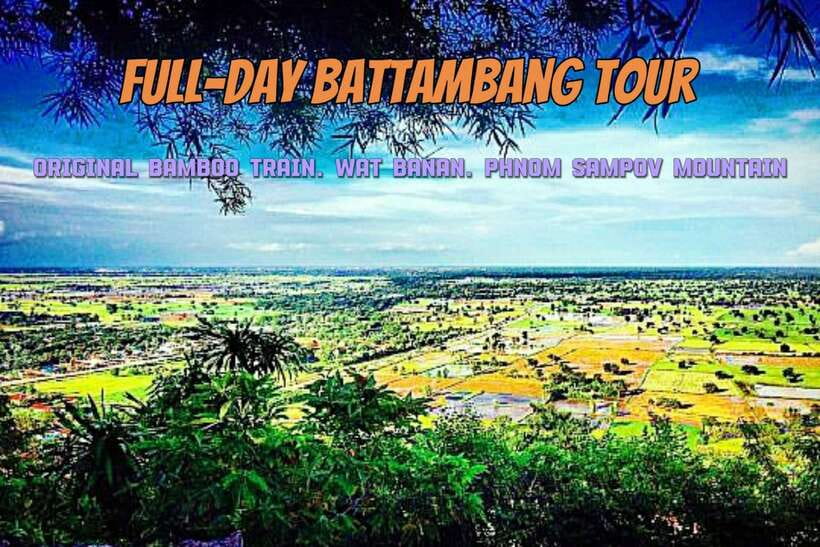
Full-day: Original bamboo train, Wat Banan, Phnom Sampov
Book on GetYourGuide →Operated by David Local Family Battambang Trip · Bookable on GetYourGuide
One day in Battambang feels like two eras. You start with provincial sights and river temples, then jump on the Original Bamboo Train to roll through countryside at a pace you can actually watch.
I really like the way the tour mixes people, place, and history. You get hands-on cultural stops, including chances to taste local snacks and learn about Buddhist traditions from the inside of village life.
One thing to plan for: it is not all-in pricing. The bamboo train ride has an extra $5 per person fee, and the Wat Banan portion includes a serious stair climb.
In This Review
- Key highlights worth planning around
- Battambang’s bamboo train: why this ride matters
- Start in Krong Battambang: tuk-tuk, provincial sights, and local context
- The river temples and hanging bridge: better photos than you expect
- Culture stops: villages, snacks, and bamboo sticky rice
- Bamboo Train Ou Srauo Laou: what the ride feels like (and the extra fee)
- Wat Banan climb: Phnom Sampov’s stairs, bats, and the temple viewpoint
- Killing Cave and Bat Cave sunset: history first, then a calmer ending
- Price and value: what you get for $15, plus the day-of extras
- Who should book this tour (and who should think twice)
- Should you book this Battambang bamboo train, Wat Banan, and Phnom Sampov tour?
- FAQ
- How long is the tour?
- Where does pickup happen?
- What does the $15 price include?
- What extra fees should I expect?
- Is the bamboo train ride included or do I pay separately?
- Are meals included?
- What are the included cave-related experiences?
- What should I bring?
- Is the tour suitable for wheelchair users or people with mobility impairments?
- Is there an alcohol-related stop?
Key highlights worth planning around
- Original Bamboo Train ride through farmland and local areas, with a driver-guide who talks while you go
- Hanging bridge + river crossing for easy photo stops and a calmer view of daily life by water
- Wat Banan on Phnom Sampov with an extended walk up ancient steps and views from the top
- Fruit bats at sunset plus cave time later in the day (bring your camera and expect cool shade)
- Killing Cave history at Sampov Mountain where respectful pacing matters
- Small, private-group feel with flexible stops guided by people like David Panha and Kim
Battambang’s bamboo train: why this ride matters
The Bamboo Train in Battambang is famous for a reason, but the real appeal is how it feels. You are not sitting in a bus seat staring out a window. You are moving right through the scenery, with enough time to notice how people live beside the tracks.
This tour includes time at the bamboo train area (and a full ride experience). The ride itself is about giving you that slow, wobbly momentum that makes Battambang feel like a working town, not a theme park.
Just know the setup: the base tour price does not cover the bamboo train ride fee. You pay the $5 per person bamboo train charge on the day, so budget for it up front. If you want the countryside portion to be the main event, that extra cost is the one line item you should expect.
You can also read our reviews of more tours and experiences in Cambodia
Start in Krong Battambang: tuk-tuk, provincial sights, and local context
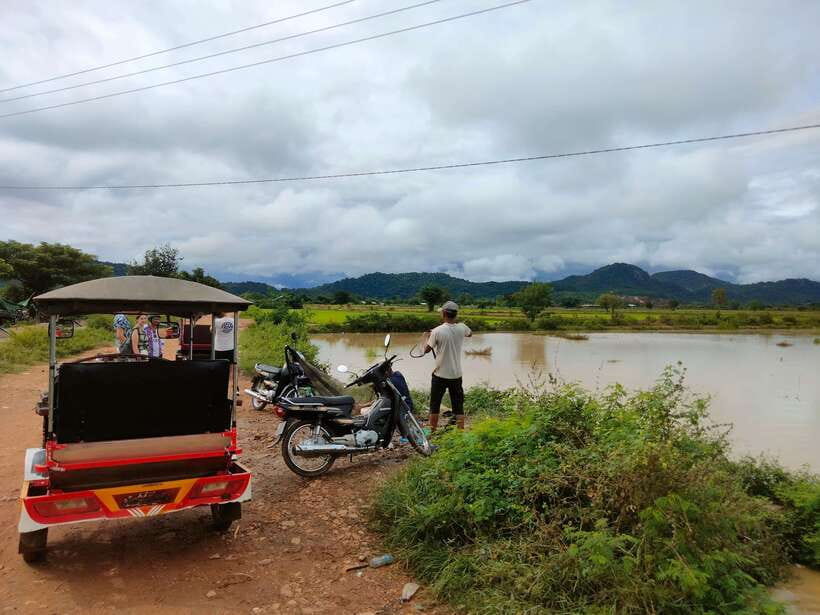
Your day begins with hotel pickup in Krong Battambang, followed by a tuk-tuk transfer. That matters because the stops are spread out, and tuk-tuks keep the day moving without the hassle of taxis and schedules.
Early on, you’ll see a provincial hall and a shrine stop (with local names tied to the area). These aren’t just quick photo points. They help you get your bearings in Battambang’s mix of Khmer religious life and the colonial-era feel that still shows up in the architecture.
Then you move toward a more “on the ground” cultural rhythm. A madrasah stop gives you a chance to see the education side of the community, not just temples and monuments. If you like understanding how daily life works, this part keeps the tour from becoming one long sequence of look-and-go stops.
The river temples and hanging bridge: better photos than you expect
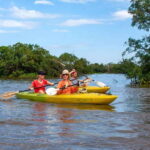
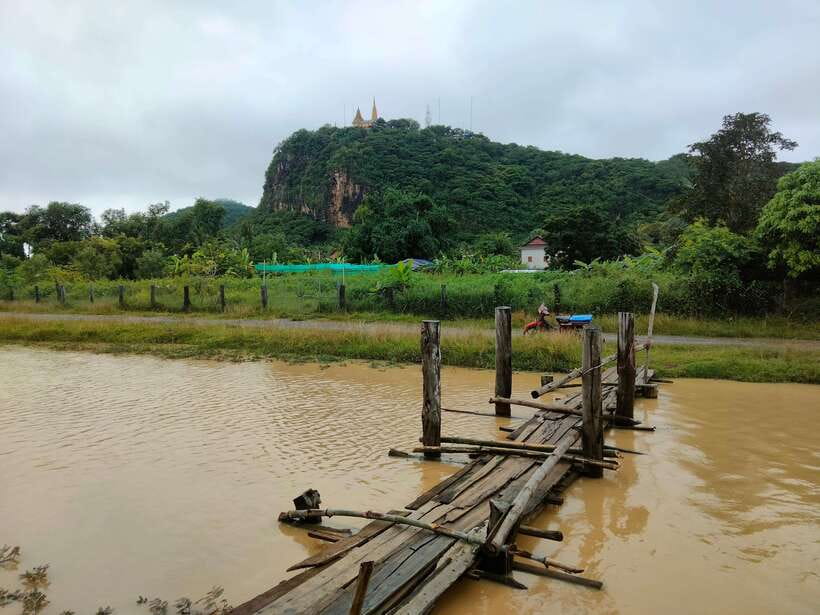
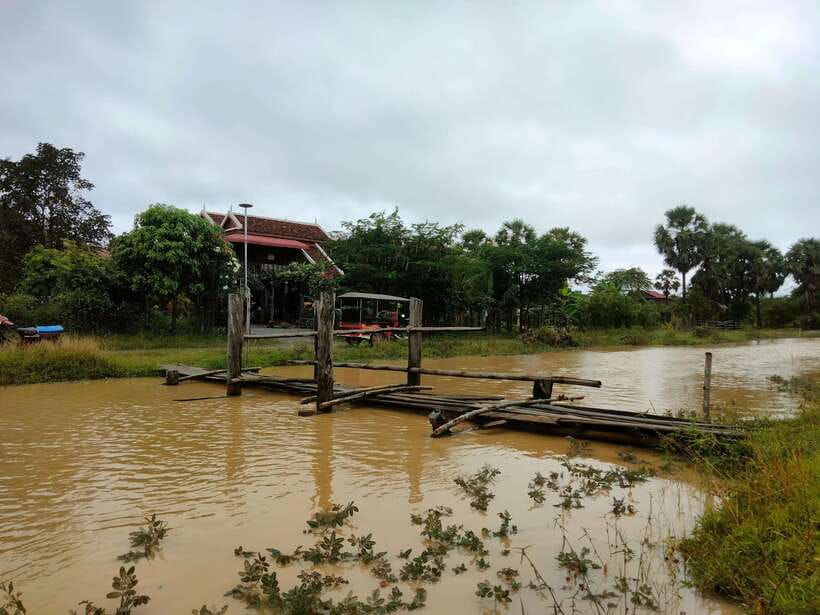
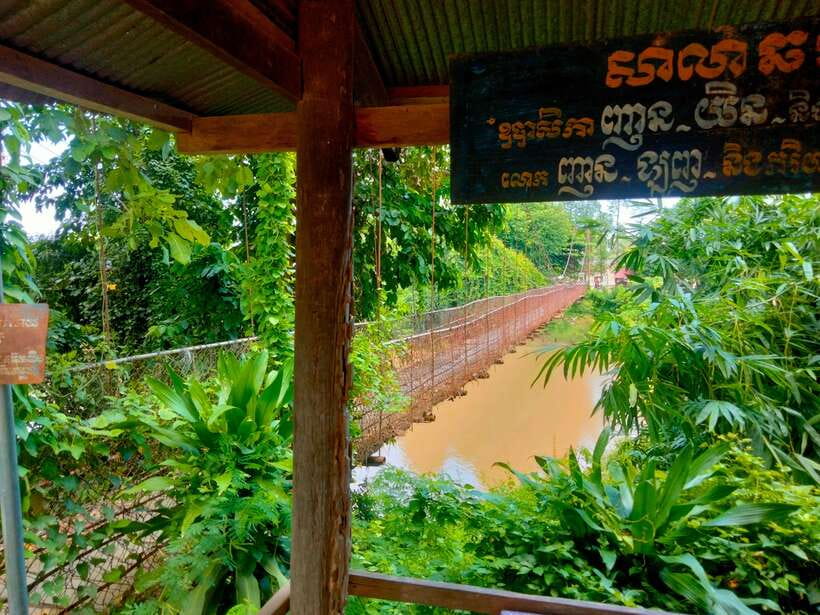
One of the most photogenic stretches is the hanging bridge area by the river. It takes you out of the city center and into a more open, airy setting where you can actually see how the Sangke river works in the day-to-day economy.
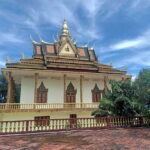
You’ll also have time tied to Buddhist sites and nearby cultural learning. The tour includes the Tadam Bong Kro Aung statue (with context on its history) and a pagoda visit where you’ll learn about Buddhism through the people who keep it part of their routines, not just their tourist visits.
This is also the part of the day where your guide’s pacing makes a difference. If you want photos, you need a little patience. If you want calm, you need a few minutes off the main path. A good local guide, like the ones noted in recent experiences with David Panha or Kim, knows when to slow down so you can breathe and shoot.
Culture stops: villages, snacks, and bamboo sticky rice

Not every Battambang tour takes you into village-scale details, but this one builds in cultural time. You’ll have a chance to walk around Cham and Javanese ethnicity villages, focusing on how religion and daily life connect.
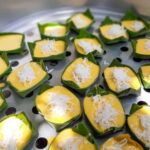
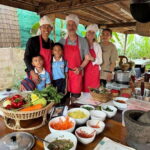
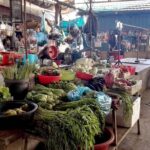
You’ll also get food moments, including tasting local snacks. One of the most memorable cultural details here is bamboo sticky rice. You may see locals baking it (and you’ll learn why it matters). Even if you think you already know what sticky rice tastes like, bamboo changes the flavor profile and the process makes the whole meal feel more like a story than a snack.
If you’re the type who gets restless when a day turns into “another temple,” these village and food stops are the counterweight. They give you something to talk about later beyond what you saw.
Bamboo Train Ou Srauo Laou: what the ride feels like (and the extra fee)
This is the centerpiece: you arrive at the bamboo train area (listed as Ou Srauo Laou), then enjoy about an hour on the train experience, with additional time on site as part of the day’s flow.
How to think about it:
- It’s transportation, not a thrill ride.
- It’s about movement through farmland and villages, not speed.
- The views come in waves because you’re low to the ground and close to the environment.
Since the bamboo train fee is not included, you should plan for it as the main add-on. The tour includes the rest—pickup, tuk-tuk transportation, guide time, and key entrances—so the bamboo train charge stays the only big surprise cost.
One more practical note: bring cash. Even if your main price is set, you will be moving through places where small payments for access, services, or tips can pop up depending on the day.
Wat Banan climb: Phnom Sampov’s stairs, bats, and the temple viewpoint
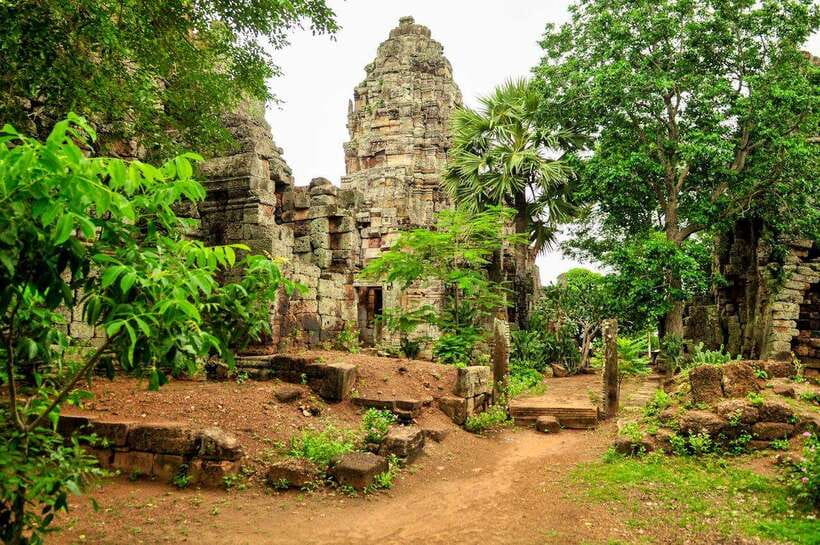
After lunch breaks or midday wandering, you head toward Wat Banan on Phnom Sampov. This is where the day gets more physical and more atmospheric.
Wat Banan requires climbing up ancient stairs. That means comfortable shoes are not a suggestion—they’re the difference between a good memory and a sore-leg lesson. You also want a hat and sunscreen. The climb is longer than it looks from ground level.
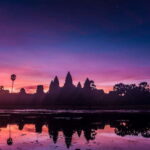
Once you reach the temple area, you’re in a different mood: quieter, more elevated, and often cooler under the canopy. It is one of those stops where you can linger, take photos, and feel the effort you put into getting there.
Along the way, the tour may include local baking sights (again, bamboo sticky rice fits here) and fruit bat sightings. Fruit bats hanging from trees can be striking if you’ve never seen them up close. If you have limited time for wildlife, this is one of the more reliable chances.
Important sensitivity note: this part of Phnom Sampov is not just scenic. It sits in a region tied to Cambodia’s darker twentieth-century history, so you’ll get both the spiritual and the painful in the same mountain area.
Killing Cave and Bat Cave sunset: history first, then a calmer ending
Your next stop on Phnom Sampov is the Killing Cave. This is not a light attraction. The tour includes seeing victims’ skulls and learning more about the Khmer Rouge.
I strongly recommend going slow here. Read what you can, ask your guide to explain in a respectful way, and don’t rush it for photos. You’re walking through a site where the goal is remembrance and understanding, not entertainment. If you arrive feeling hungry or tired, pause, take water, and reset your mind before you go in.
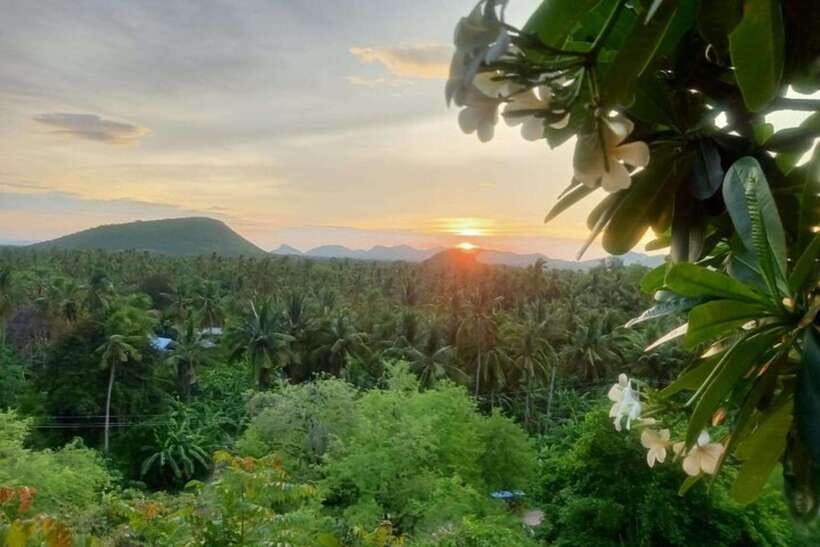
After that heavier segment, the day shifts toward a sunset stop at the Bat Cave, where you can watch bats as the light changes and enjoy a cold beer. One caution: the tour rules list alcohol as not allowed, even though the highlights mention a beer at sunset. I would treat beer as optional and confirm what is actually happening on your day, rather than assuming it is guaranteed.
The bat cave itself is where the tour turns cinematic. As the sun drops, you get that transition from history rooms to living nature. It is a powerful contrast, and it helps the day feel complete without pretending one part is easier than the other.
Price and value: what you get for $15, plus the day-of extras
On paper, the price is attractive: $15 per person for a full-day program lasting about 10 hours, with hotel pickup/drop-off, tuk-tuk transport, an English live guide, unlimited mineral water and a cold towel, snacks, and entrance fees for Bat Cave and Killing Cave.
But here’s how I’d map the real cost in your head:
- Included: guide time, transportation, water/towel, snacks, entrance for Bat Cave and Killing Cave
- Not included: meals, personal expenses
- Not included: bamboo train fee (listed as $5 per person)
And in real-world budgeting, you should also expect small additions connected to temple access or conductors. Some guides have collected modest temple entry amounts on Wat Banan or similar sites, and the bamboo train experience may involve extra small payments depending on how the local operators run that day.
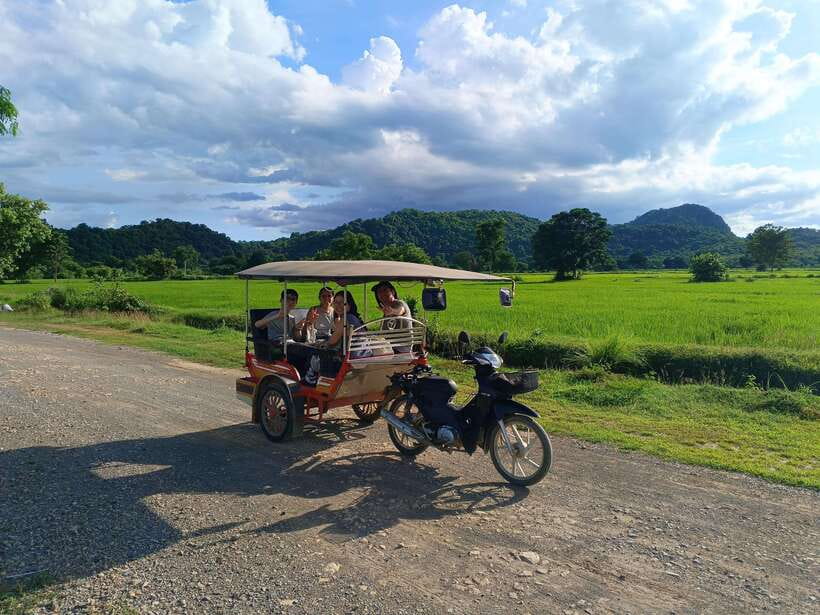
If you want value, this tour scores because it’s private (so you avoid the big-group squeeze), it includes transportation across multiple scattered points, and it provides guide context that helps you understand what you’re seeing instead of just walking past it.
Who should book this tour (and who should think twice)
This is a strong match if you:
- want a Battambang bamboo train experience without dealing with confusing logistics
- like mixing city sights with countryside and village culture
- can handle stairs, uneven ground, and a full-day walking schedule
You should think twice if you:
- have mobility limitations or need wheelchair access. The Wat Banan climb involves many steps, and caves/mountain paths can be uneven
- are pregnant. The tour is listed as not suitable, likely because of walking, terrain, and cave access
- dislike history tied to Khmer Rouge memorial sites. You will visit Killing Cave
Also, it helps to be comfortable with a day that is equal parts active and reflective. You’ll go from snacks and bridges to a memorial site. That change is meaningful, but it takes emotional readiness.
Should you book this Battambang bamboo train, Wat Banan, and Phnom Sampov tour?
If your priority is a real Battambang day—bamboo train ride, a climb to Wat Banan, and bat cave sunset—then yes, book it. The best value comes from the private, guide-led format: you get context while you move, and you’re not stuck in a rushed conveyor belt.
I’d book especially if you like the combination of:
- local culture and food moments (Cham and Javanese villages, bamboo sticky rice)
- photo-friendly stops (hanging bridge and river views)
- one unforgettable nature moment (fruit bats) paired with serious learning (Killing Cave)
Just plan for the one big add-on (the $5 bamboo train fee) and be ready for stairs. If you do that, you’ll finish the day with a mix of awe, understanding, and very Battambang memories.
FAQ
How long is the tour?
The tour duration is 10 hours.
Where does pickup happen?
Pickup is included in Krong Battambang. You provide your pickup location such as a restaurant, hotel, or guesthouse.
What does the $15 price include?
It includes hotel pickup and drop-off, unlimited mineral water and a cold towel, transportation by tuk-tuk, an English live guide, snacks (local food), and entrance fees for Bat cave and Killing cave.
What extra fees should I expect?
The bamboo train ride fee is not included and costs $5 per person. Meals and personal expenses are also not included.
Is the bamboo train ride included or do I pay separately?
The tour includes time at the bamboo train, but the bamboo train fee is listed as $5 per person and is not included in the base price.
Are meals included?
No, meals are not included.
What are the included cave-related experiences?
Entrance fees for the Bat cave and the Killing cave are included.
What should I bring?
Bring comfortable shoes, a hat, a camera, sunscreen, and cash.
Is the tour suitable for wheelchair users or people with mobility impairments?
No. The tour is not suitable for people with mobility impairments, wheelchair users, or pregnant women.
Is there an alcohol-related stop?
The highlights mention enjoying a cold beer at the bat cave sunset stop, but the activity rules list alcohol as not allowed. If alcohol matters to you, confirm what will be possible on your specific day.