REVIEW · PHNOM PENH
Phnom Penh: Phnom Oudong & Koh Chen Village – Lunch include
Book on GetYourGuide →Operated by Siem Reaper Travel · Bookable on GetYourGuide
Hilltop stupas and artisan silversmiths in one day. This Phnom Penh to Phnom Oudong & Koh Chen Village tour mixes mountain views, Cambodia’s Buddhist sites, and real craft work in local workshops.
I love how the route combines big historical landmarks (royal tombs and war memorials) with smaller human-scale moments, like watching artisans work in their own clay-and-silver spaces. I also like that you’re not stuck in a bus bubble: the day includes a genuine hill climb plus time to look around villages and craft areas. One drawback to note: it runs rain or shine and includes outdoor walking on uneven steps, so the pace may feel tough if you’re sensitive to heat or footing.
In This Review
- Key Points to Know Before You Go
- 8:00 AM Pickup and the Ride Out to Oudong
- Phnom Oudong: Royal Tombs and Memorials You Can Actually See
- The Hilltop Stupa Walk: Views, Steps, and When to Pace Yourself
- Koh Chen Village: Clay and Silver Craft in Real Workshops
- Buddhist Temples: Learning the Teachings Through the Setting
- Local Lunch and the $65 Value (What You Get vs Don’t)
- Shared Tuk-Tuk vs Air-Conditioned Vehicle: Comfort Realities
- How the Guide Changes the Whole Day
- Who Should Go (and Who Should Skip Oudong + Koh Chen)
- Should You Book This Tour or DIY?
- FAQ
- What time does the tour start?
- How long is the tour?
- How much does it cost?
- What’s included in the tour?
- Is lunch included?
- What transportation will we use?
- Will the tour run in bad weather?
- What should I bring?
- Is this tour suitable for everyone?
- What is the cancellation policy?
Key Points to Know Before You Go
- Phnom Oudong royal tombs: an area tied to royal monuments and memorials connected to Cambodia’s former capital
- A hilltop hike: you’ll climb up for the views and visit a stupa area at the top
- Koh Chen Village workshops: clay and silver craft made in artisan homes that double as work spaces
- Buddhist temples: you’ll see multiple temple points and learn how Buddhism shows up in daily life and monument design
- Lunch is local and included: you get a proper meal, with at least one report of vegan-friendly catering
8:00 AM Pickup and the Ride Out to Oudong

The day starts early, with a pickup at 8:00 AM from your hotel area in Phnom Penh. After that, you’re on the road toward Kandal Province—the landscape starts to shift away from city streets and into countryside rhythms. If you want a smooth start, this is a big plus: you don’t have to figure out transport first thing in the morning.
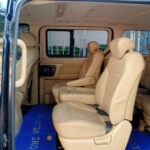
Transport depends on group size. When you’re traveling with fewer people, you’ll likely go by shared tuk tuk (1 to 3 people). With a larger group (4 or more), you ride in an air-conditioned vehicle. I like that this makes the day feel practical rather than one-size-fits-all.
You also get cold water and local snacks, which matters on a day that mixes sitting in the vehicle with walking outside. Pack a camera plan, not just a camera: take photos when the light is better and when you’re positioned safely for the climb. And if you get motion-sick easily, bring your usual fix—nothing in the tour details suggests special accommodations.
You can also read our reviews of more tours and experiences in Phnom Penh

Phnom Oudong: Royal Tombs and Memorials You Can Actually See
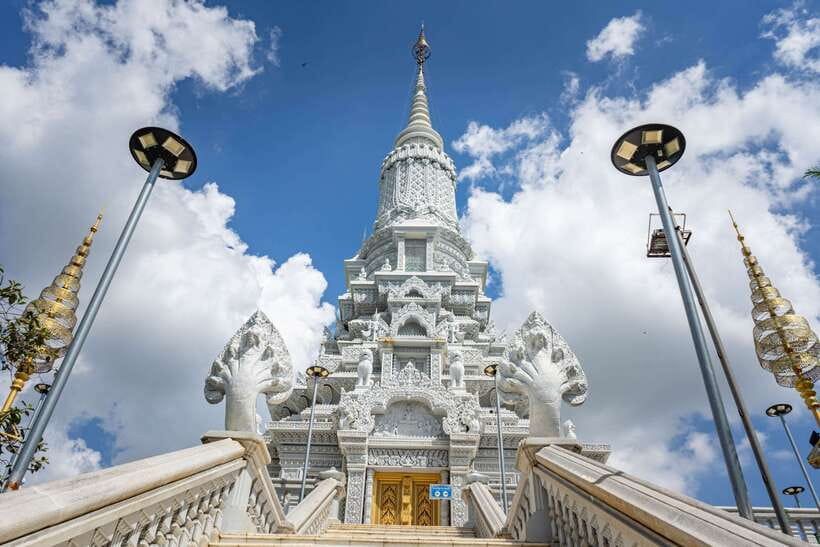
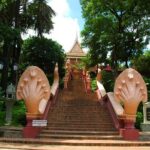
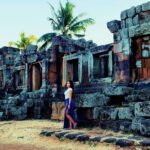
Phnom Oudong is where the tour turns from scenic travel into something more meaningful. You’ll visit the royal monuments and war memorials connected to Cambodia’s former capital. Phnom Oudong’s royal tomb area is described as being over 200 years old, and that age shows in the scale and solemn feel of the monuments.
What I like about this part is that it’s not just photos at random points. The guide’s role matters here. You’ll get stories tied to the landmarks—why they’re there, what they commemorate, and how the site connects to Cambodia’s past. Even if you know a little already, the context helps you read the place instead of just passing through it.
One practical note: sites like this can involve outdoor walking and looking up a lot. Bring sunglasses and protect your skin early; by the time you feel the sun, it’s already doing its job.
The Hilltop Stupa Walk: Views, Steps, and When to Pace Yourself
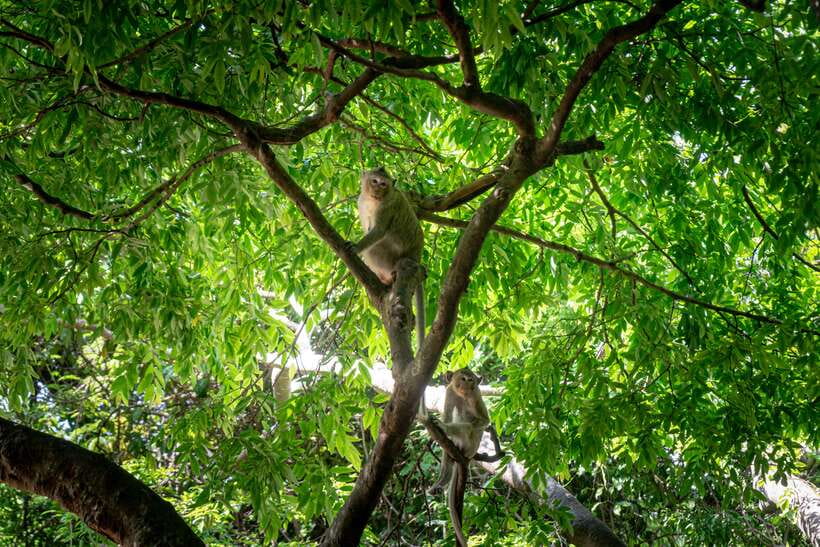
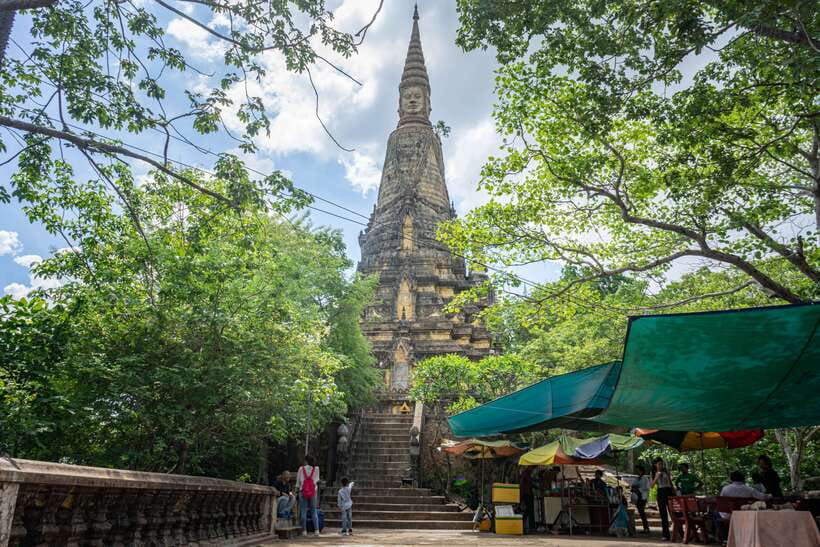
The tour’s most physical moment is the hiking up the hill toward the top viewpoint. The highlight here is straightforward: the stunning view from the mountain top plus the chance to visit the stupa area at Oudong.
This is also where you’ll feel the day’s weather reality. The tour takes place rain or shine, so plan for slippery surfaces if it’s wet and extra heat if it’s dry. If you’re unsure of your balance, take the climb slowly and keep your eyes on your feet more than your phone screen.
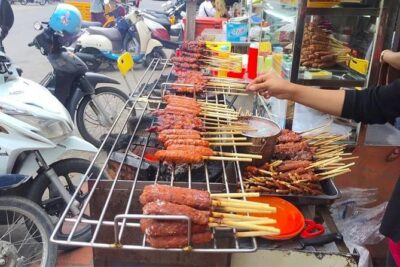
At the base of the hill, you may have a chance to see a market area before you move upward. That’s worth a quick look because it shows what people do day-to-day around the tourist path—snacks, small stalls, and the kind of everyday commerce that doesn’t feel overly staged.
When you reach the upper area, slow down again. The best photos often come when you’re not rushing. Take a minute to look at the view, then circle back for photos with the light behind you. And if you feel worn out, remember: the descent is part of the effort too.
Koh Chen Village: Clay and Silver Craft in Real Workshops
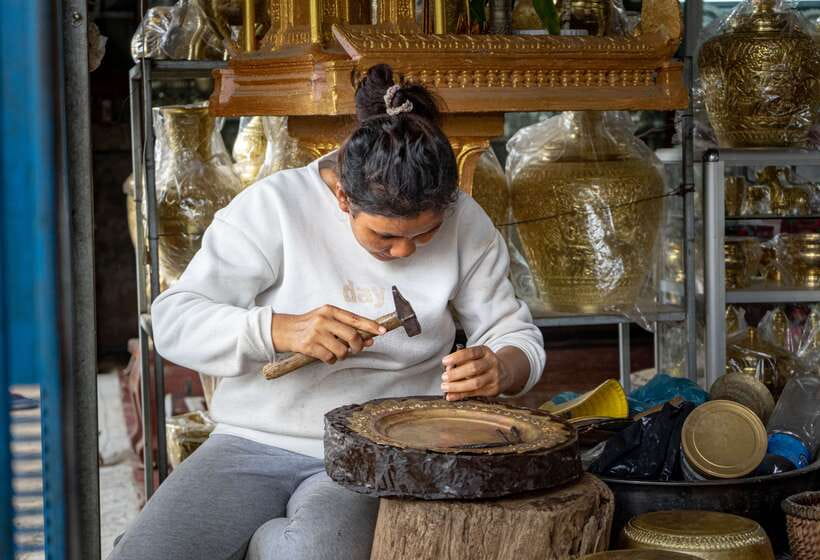
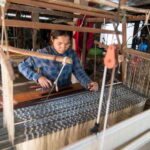
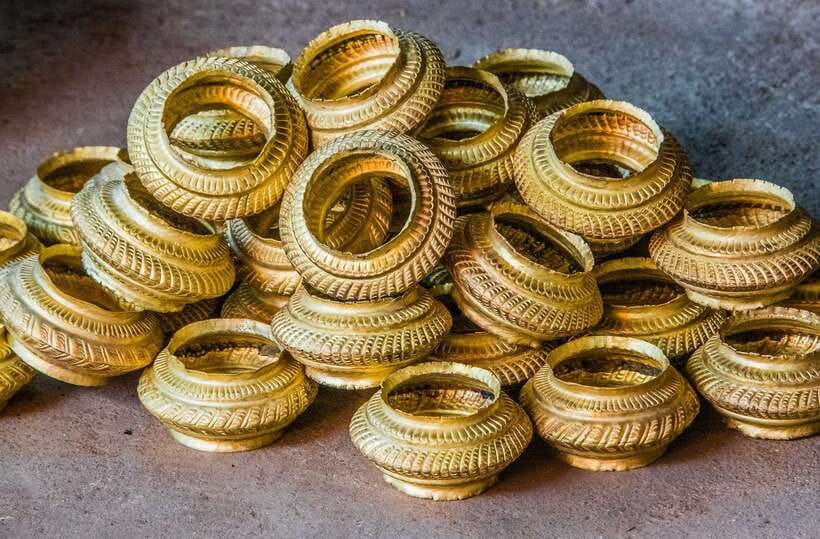
After Oudong, the day shifts to something hands-on: Koh Chen Village, known for clay and silver craft. Here’s the thing that makes this stop valuable: you’re not just watching a performance or looking at display items. You’ll step into artisan spaces, where craft work happens right where people live.
You’ll visit the homes/workshops of local artisans, which helps you understand the process as a workflow, not a magic trick. The craft focus is clay plus metalwork (including silver craftsmanship). You’ll see the idea of starting from raw materials and working toward fine details—step-by-step, by hand.
In the best moments, the experience feels calm and unforced. At least one guide experience described quick, non-pushy time at the silver crafting stop, where the focus was on the work itself rather than sales. Still, you should be ready for the fact that craft areas can connect to shops or product presentation. If you want to buy, great. If you don’t, just set your expectations and enjoy the viewing.
A helpful strategy: ask questions about the process and timeline of making objects. Even if the guide keeps moving, a good question can help you get more meaning from what you see.
Buddhist Temples: Learning the Teachings Through the Setting
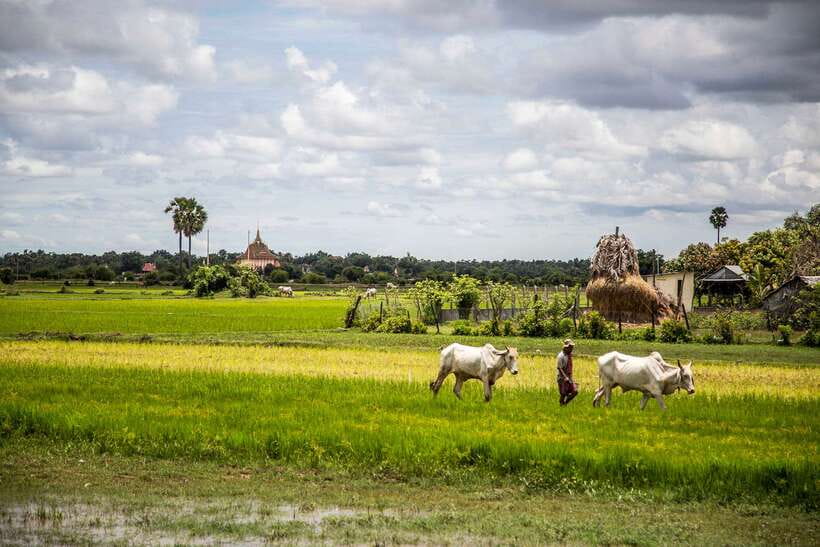
The tour doesn’t only cover royal history. You’ll also visit Buddhist temples around the Oudong area. This is one of those parts where the setting does half the teaching. Temples in Cambodia aren’t just buildings; they’re places where religious design, daily practice, and cultural values show up in stone, color, and layout.
Because you’ll be with a professional English-speaking guide, you should get explanations that connect the monuments to how Buddhism is practiced and understood in Cambodia. Guides like Sokmon and Kim Leng have been noted for answering questions and sharing lots of context on this kind of route, which can make the temple time far more useful than simply standing in front of structures.
I suggest you treat temple stops like short lessons, not photo breaks. Look for details the guide points out, and ask one follow-up question before you move on. It keeps the experience from feeling rushed and helps you connect what you see to what you’re learning.



Local Lunch and the $65 Value (What You Get vs Don’t)
Your ticket price is $65 per person, and it includes a local lunch, cold water and local snacks, hotel pickup/drop-off, a professional English-speaking guide, and transportation. It also says personal expenses aren’t included, which is normal.
So is it good value? For me, the value comes from saving you from three headaches at once:
1) transport planning between Phnom Penh, Oudong, and Koh Chen
2) interpretation at the temple and royal monument sites
3) making sure the day’s rhythm works with the hill climb
Lunch is a key piece because it reduces the risk of spending time searching for food mid-day. And there’s at least one reported case where lunch was catered for vegan needs for one person in a group. That suggests dietary adjustments may be possible, but the tour info doesn’t promise anything. If you have dietary restrictions, I’d confirm in advance rather than hoping.
For what’s not included, think of it as your flexibility zone: souvenirs, extra drinks beyond what’s provided, and any personal items you decide to add on the day.
Shared Tuk-Tuk vs Air-Conditioned Vehicle: Comfort Realities
Most of the time, you’re either traveling or standing outside. The comfort of the ride matters most early on and during longer transfers.
If you get the shared tuk tuk, know that it can feel different from a car—more open-air, more vibration, and sometimes more curiosity from people watching the route. One report said the tuk tuk was more comfortable than expected, which is reassuring if you’re worried you’ll feel cramped or overheated.
If you’re in a group of 4+, you’re likely in an air-conditioned vehicle, which can be a lifesaver on a hot day. Even with AC, remember you’ll still walk in the sun, climb steps, and stand around monuments. So don’t treat the ride comfort as your main weather strategy.
Either way, bring sunglasses and sunscreen. Your future self will thank you during the hill climb and temple stops, when you’re not able to hide in a cool vehicle.
How the Guide Changes the Whole Day
This tour is the kind where the guide can make it feel like a lesson or like a checklist. The good signs here are consistent: professional English-speaking guidance, plus guide stories that connect landmarks to meaning.
Name checks from guide feedback include Sokmon and Kim Leng, both of which suggest different styles but the same core value—answering questions and keeping an eye on the group. On a day with outdoor walking, that attention matters. You want someone who helps you pace the climb, points out what to look for, and keeps you from feeling lost on the way between stops.
When you meet your guide, ask something simple right away, like what you should pay attention to on the Oudong hill walk. Then when you’re standing at the stupa area or looking at temple structures, you’ll know what the guide is trying to get you to notice.
Who Should Go (and Who Should Skip Oudong + Koh Chen)
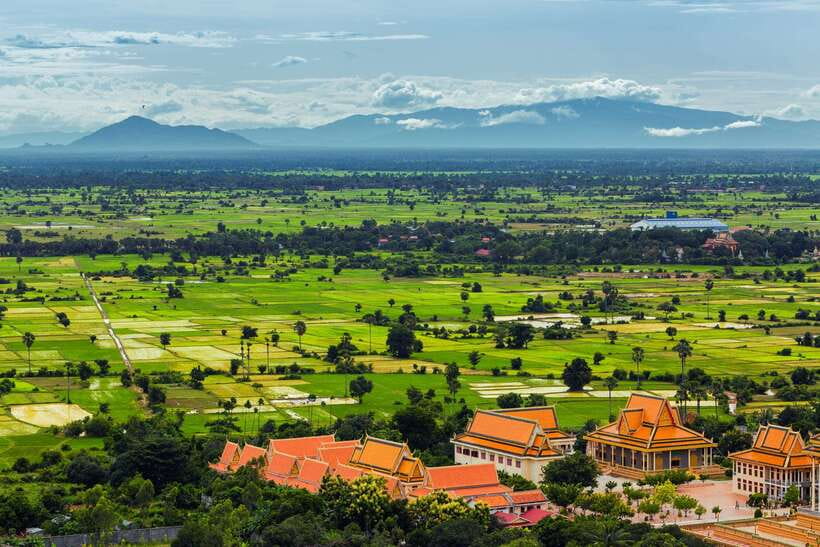
This experience is a strong fit if you want a full day that mixes history, walking, crafts, and temples without needing to plan transport. It’s also a good match if you like seeing how people live and work—especially at Koh Chen Village, where artisan homes double as workshops.
It’s also a match for people who can handle a hill climb. The tour includes hiking up for views, plus walking at religious sites. If you don’t handle stairs and uneven surfaces well, consider whether the climb will be manageable for you.
The tour is listed as not suitable for pregnant women. That’s important—avoid guessing about fitness levels and follow the tour’s guidance.
Should You Book This Tour or DIY?
If you want the easiest day with the best chance of getting meaning from the sites, booking makes sense. You’re paying for hotel pickup/drop-off, a guide, and smooth routing between Phnom Oudong and Koh Chen. For many people, that’s worth it—especially because the hilltop walk is the kind of thing you don’t want to handle solo in unfamiliar conditions.
DIY can work if you prefer independence and you already know exactly what you want to photograph and where you want to go. A car ride to Oudong plus a separate trip toward Koh Chen could be done on your own. But you’ll still need to solve the interpretation piece: you’ll either read up ahead or accept that some context will be missing.
Here’s my practical call: book if you want a guided, structured day with royal tombs, stupa views, crafts, temples, and lunch all tied together. If you dislike shopping stops or you’re very time-sensitive about having the full day on schedule, ask the operator what the day’s flow looks like before you pay—then you can match the day to your expectations.
FAQ
What time does the tour start?
The tour includes hotel pickup at 8:00 AM.
How long is the tour?
The duration is listed as 10 hours.
How much does it cost?
The price is $65 per person.
What’s included in the tour?
Included are hotel pickup & drop-off, a professional English-speaking guide, transportation (shared tuk tuk or air-conditioned vehicle), cold water & local snacks, and local lunch.
Is lunch included?
Yes, local lunch is included.
What transportation will we use?
For 1 to 3 people, transportation is listed as a shared tuk tuk. For 4 or more people, you’ll use an air-conditioned vehicle.
Will the tour run in bad weather?
Yes. The tour takes place rain or shine.
What should I bring?
The tour recommends bringing a camera, sunscreen, and sunglasses.
Is this tour suitable for everyone?
It is listed as not suitable for pregnant women.
What is the cancellation policy?
You can cancel up to 24 hours in advance for a full refund.