REVIEW · PHNOM PENH
Small Group: One Day Phnom Penh to Kampot, Kep include lunch
Book on GetYourGuide →Operated by Global Travel & Tours Asia · Bookable on GetYourGuide
One long day, two seaside towns. This Phnom Penh to Kampot and Kep-sur-Mer tour strings together colonial streets, salt fields, pepper farms, and Kep’s crab coast with an English-speaking driver-guide.
I especially like how the day hits the essentials without turning into a speed-run. The small group (max 9) helps you move smoothly, and the seafood lunch in Kep is the kind of meal that makes the long drive feel worth it. One drawback: it’s an early start and a full 11-hour loop, so you’ll want to be ready for a packed schedule and decent weather.
In This Review
- Key Points Before You Go
- Morning Pickup and the Phnom Penh to Kampot Road Trip
- Kampot Town Walk: Markets, Chinese Port Life, and French-Era Streets
- Salt Fields Stop: The Quiet Work Behind Kampot’s Economy
- Kampot Pepper Farm: Where the Flavor Comes From
- Lunch in Kep: Swimmer Crab and Kampot Pepper by the Coast
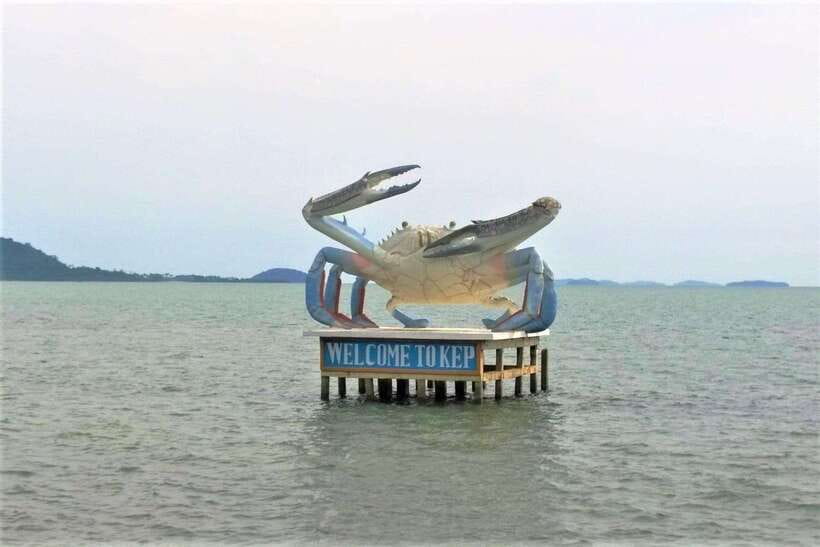
- Kep-sur-Mer and the Crab Market: Coastal Calm After Lunch
- Kompong Trach and Wat Kirisan Caves: Phnom Sor’s Hidden Chambers
- Head Back to Phnom Penh: Arrive Around 7:00–7:30pm
- Price and Value: What $158 Buys You in Real Life
- Who This Tour Fits Best
- Should You Book This Phnom Penh to Kampot and Kep Tour?
- FAQ
- What time does pickup happen in Phnom Penh?
- How long is the Phnom Penh to Kampot and Kep tour?
- Is lunch included?
- What group size is this tour?
- Do you have an English-speaking guide?
- What happens if the weather is bad?
- Is it refundable if I cancel?
Key Points Before You Go
- Max 9 people means you actually get time to ask questions and take photos without jostling.
- Salt fields + Kampot pepper give you real context for the flavors Kampot is famous for.
- Seafood lunch in Kep centers on swimmer crab and Kampot pepper, plus beachside downtime.
- Kampong Trach caves at Wat Kirisan add a striking change of pace from markets and coastline.
- Good weather matters because the tour is designed around outdoor stops.
Morning Pickup and the Phnom Penh to Kampot Road Trip
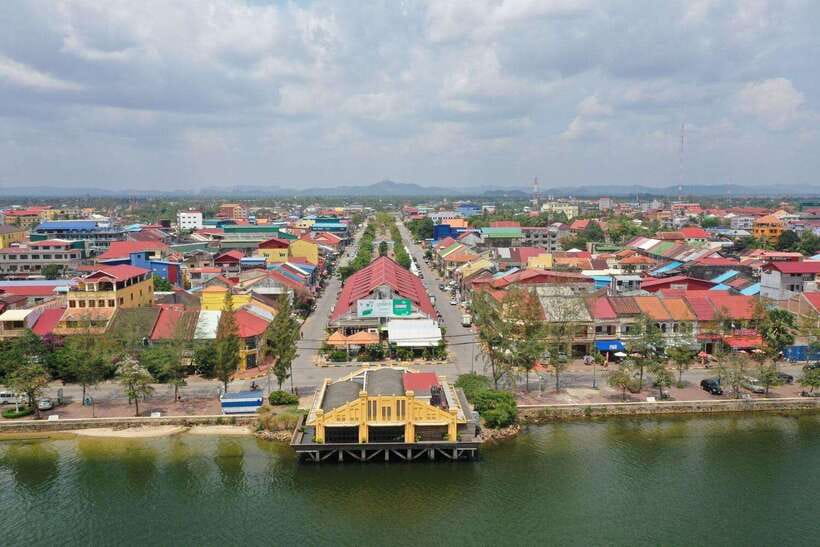
The day kicks off with a hotel pickup in Phnom Penh downtown around 7:00–7:30am. You’ll be in a modern, air-conditioned vehicle, and the drive is staged so you’re not stuck rushing between stops like you might be on your own.
This is also one of those trips where the guide matters. In practice, you’ll have an English-speaking driver as your guide, and on the road you get more than just directions—you get explanations that help the scenery make sense. One nice detail from past participants: guides have been attentive about timing comfort breaks, including checking in for simple needs before the first big stop.
The first stretch runs from about 8:00–10:30am, moving from Phnom Penh toward southern Cambodia. It’s long enough to feel like a proper day excursion, but the schedule gives you stops that break up the travel instead of letting the day blur into one long bus ride.
You can also read our reviews of more tours and experiences in Phnom Penh


Kampot Town Walk: Markets, Chinese Port Life, and French-Era Streets
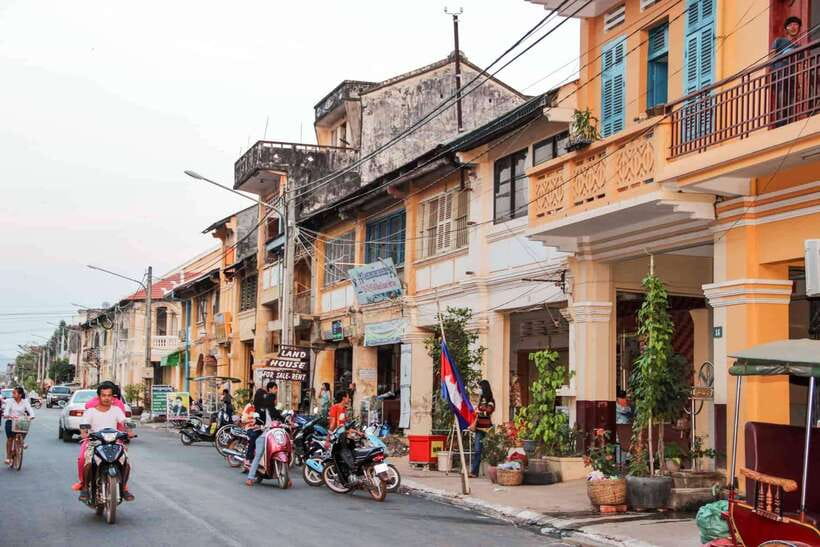
Kampot is where the tour starts turning from travel time into sightseeing. You’ll get a guided walk (about 45 minutes) with a focus on the town’s mix of eras and communities.
A highlight is the market time—colorful, active, and full of bargaining energy. It’s a good place to pick up small snacks or just watch everyday life. The tour also leans into Kampot’s story as a trading hub, once home to many Chinese merchants, with their families still represented in town today.
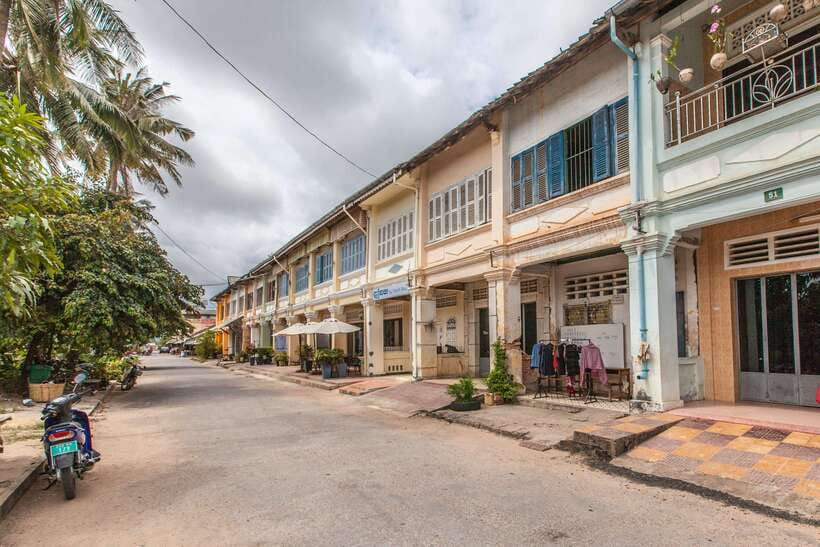
You’ll also see the French colonial and post-colonial side of Kampot through its shop houses and architecture from the early 1900s. This matters because it changes how you read the town: you’re not just passing streets; you’re seeing why certain buildings and neighborhoods look the way they do, and how the area became an old-world style retreat.
If you like towns with texture—markets, local shops, and architecture you can actually point at—this is a strong start.
Salt Fields Stop: The Quiet Work Behind Kampot’s Economy
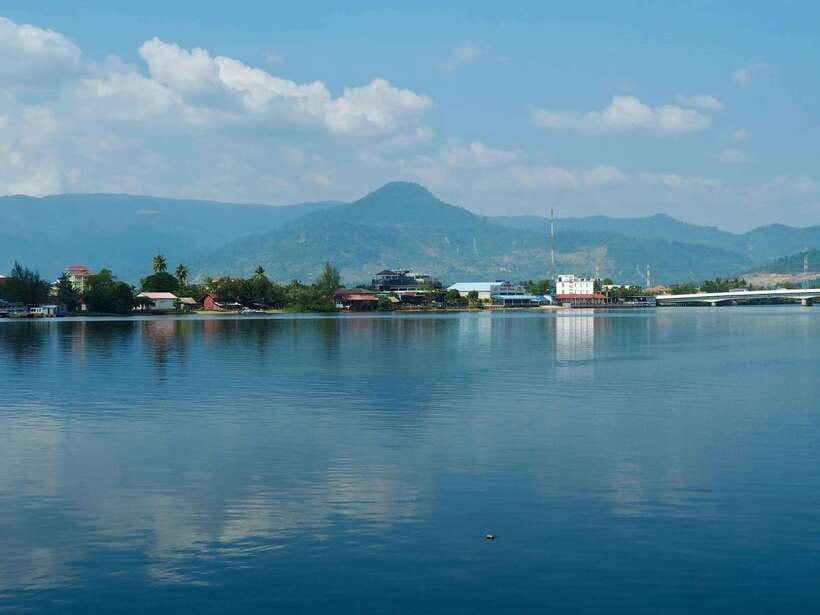
After the town walk, you head to the salt fields area for roughly 10:30–11:30am. This stop is short, but it’s one of those that adds a grounded layer to your day.
Salt fields aren’t the flashy kind of attraction. They’re practical, and that’s the point. You’re getting a glimpse of local production—the kind of labor that keeps the region connected to the national supply chain. The tour frames it clearly: salt produced here ships throughout Cambodia, which helps you understand why this quiet place matters.
What I like about including this type of stop on a day trip is that it keeps your brain from getting stuck in only one mode—temple, seafood, coastline, repeat. The salt fields are a reset. You’ll see calm scenery and take photos, but you’ll also come away with a better sense of what people do there when tourists aren’t around.
Kampot Pepper Farm: Where the Flavor Comes From
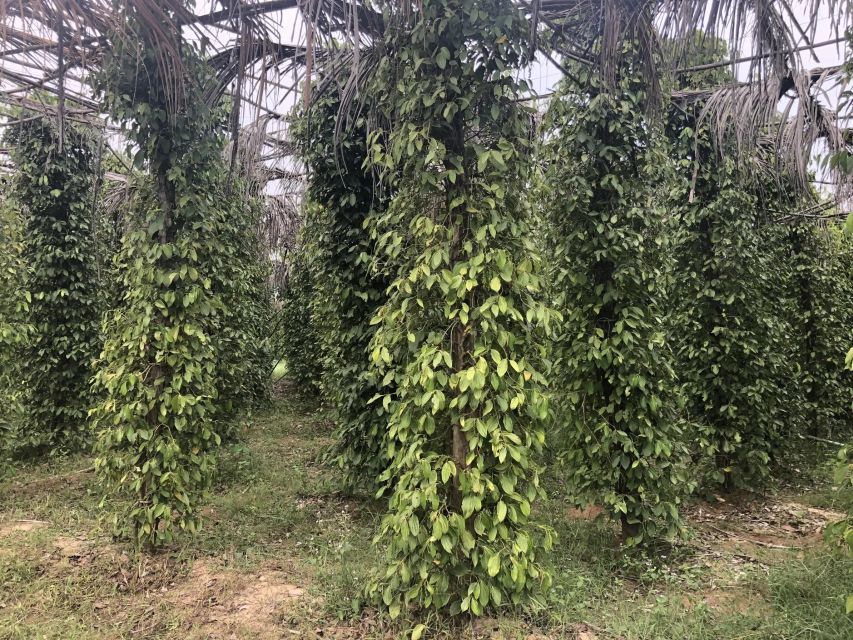
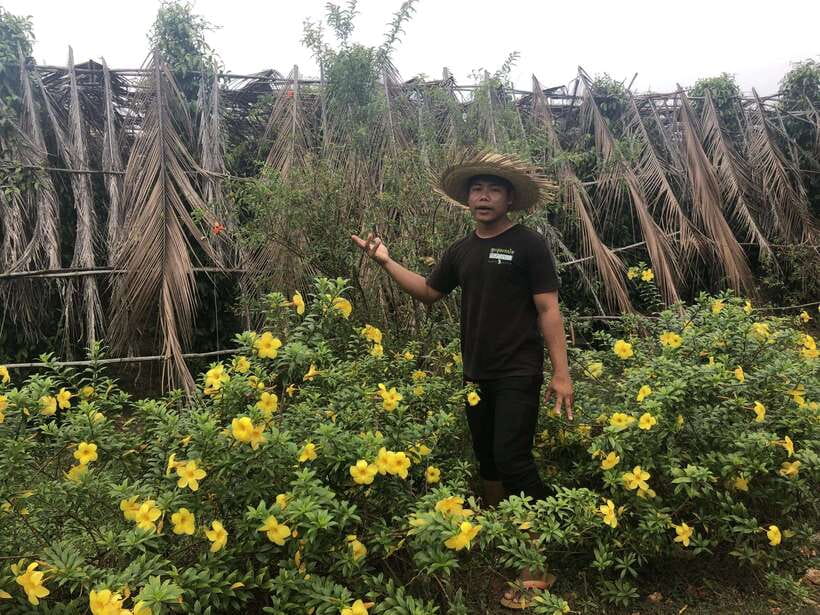
From the salt fields you move into the Plantation Kampot pepper farm segment, about 11:30–12:30pm. Pepper in Kampot isn’t just a souvenir pitch—this stop explains the product at the source level.
You’ll walk through a working pepper-growing environment and learn how the farm connects to what ends up on your plate later. It’s the kind of stop that makes the lunch taste more specific because you’ve seen where the ingredient comes from.
This is also a good time to ask questions. With an English-speaking driver-guide, you can usually get straightforward answers about how pepper is grown and why Kampot pepper has a particular reputation. Don’t expect a super long farm lecture—this is a day trip—but you’ll come away with at least the basic “how it works” picture.
Lunch in Kep: Swimmer Crab and Kampot Pepper by the Coast
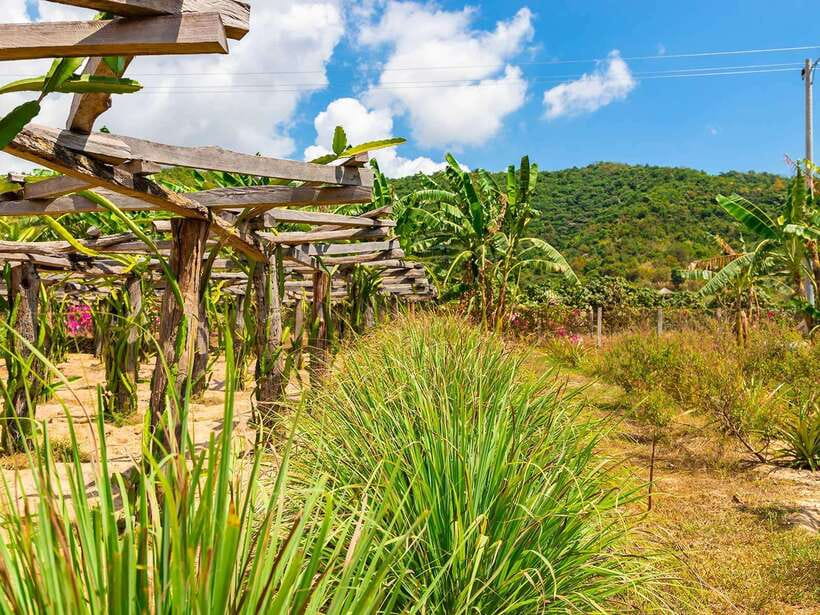
By 12:30pm, you’ll reach Kep and head into lunch time. The lunch break runs until about 2:00pm, and it’s served at a beachside restaurant known for swimmer crab with Kampot pepper.
This is the heart of the Kep experience. Kep is famous throughout Cambodia for its coastline and fresh seafood, and the tour uses lunch to deliver that idea in a concrete, filling way. You’re not just eating because it’s included—you’re eating something the region is known for, right in the setting that makes Kep a holiday destination.
You should plan for a slower pace here. Even though it’s still part of an 11-hour day, lunch gives your body a chance to reset before the afternoon sightseeing. Also, if you like markets and casual wandering, Kep gives you the right kind of atmosphere to stroll after eating.
One small but meaningful bonus: some guides make the day feel extra personal with practical help like photo guidance and pacing you based on what your group needs.
You can also read our reviews of more tours and experiences in Phnom Penh


Kep-sur-Mer and the Crab Market: Coastal Calm After Lunch
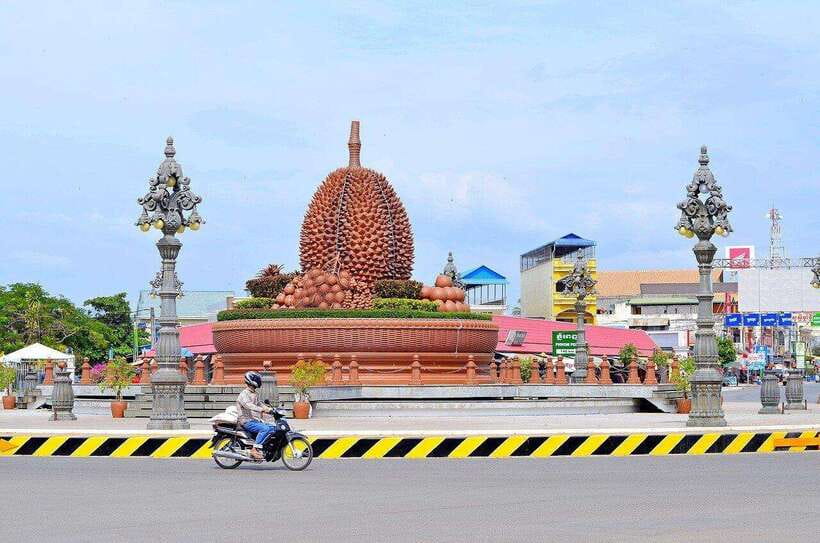
After lunch, you’ll have time to relax and explore. The tour includes a crab market visit and free time in Kep, roughly 2:00–4:00pm.
This is where Kep shines if you like quiet coastal villages rather than big-city bustle. Kep is often described as a quiet fishing village, and that’s exactly the vibe you’re aiming for: sea air, simple streets, and lots of seafood around you even when you’re not staring at a menu.
You’ll also get the benefit of context. Earlier in the day, you’ve already been in Kampot looking at its colonial layers and local industry. Now the day shifts to the coast—the place where people come to slow down, eat well, and enjoy the shoreline.
If you’re the kind of person who likes taking photos but doesn’t want to spend half the day asking strangers for help, pay attention to how the guide handles timing. In at least some cases, guides have helped with photo angles and added small comforts during the longer day.
Kompong Trach and Wat Kirisan Caves: Phnom Sor’s Hidden Chambers
Then it’s on to Kompong Trach for the cave segment. This is scheduled for the afternoon, starting after your Kep free time and continuing until around 7:00pm when you begin returning.
The main stop is Wat Kirisan, a cave temple built into the base of Phnom Sor. You’ll move through a small cave to reach a hidden chamber open to the elements, with sheer walls and foliage. The tour also notes multiple shrines inside, plus the Cave of a Thousand Rice fields, where locals say the limestone looks like terraces.
This section is more than a quick photo stop. It changes the day’s rhythm—suddenly you’re in a cool, natural setting with dripping rock and carved or arranged sacred corners. It’s a strong “contrast moment” after markets, salt fields, and seafood.
Also, the tour frames this region as part of a larger karst cave area—big limestone cavities shaped over time. That means you’ll leave with the feeling that you saw something beyond the typical temple checklist. You’re seeing a place where nature is the main feature, and the religious site is built into it.
Head Back to Phnom Penh: Arrive Around 7:00–7:30pm
The final stretch is the return drive, roughly 4:00–7:00pm (with arrival around 7:00–7:30pm). By now, the schedule has done its job—you’ve seen coastal Kep, pepper and salt production, and cave scenery in one long loop.
This is a “get ready to wind down” part of the day. If you tend to feel travel-tired quickly, plan your evening in Phnom Penh with something easy. You’ll be back late enough that you probably won’t want an ambitious dinner plan requiring heavy walking.
On the practical side, the tour includes bottled water during sightseeing and transfers, which helps you stay comfortable without constantly hunting for drinks.
Price and Value: What $158 Buys You in Real Life
At $158 per person for an 11-hour small-group day trip (with lunch included), you’re paying for three big things: transport, guiding, and the “time compression” that comes from doing Kampot and Kep together.
Here’s where the value really shows:
- Air-conditioned transport makes the long day manageable.
- You get an English-speaking driver-guide plus entrance fees covered.
- Lunch is included, and it’s a standout regional meal centered on swimmer crab and Kampot pepper.
- The small group limit (up to 9 people) reduces friction. In real travel terms, that means fewer delays and smoother transitions.
If you tried to do Kampot and Kep on your own, you’d spend time figuring out transport and timing, and you’d still likely struggle to pack in salt fields, a pepper farm, Kep downtime, and the Wat Kirisan cave stop in one day. This tour is designed for people who want the essentials without committing to an overnight stay.
So the price isn’t just about the seats. It’s about buying back your time—and getting a guide to connect the dots between all those different settings.
Who This Tour Fits Best
This is a strong match if you want a first taste of the Kampot and Kep region from Phnom Penh. You’ll see markets, colonial architecture influences, salt and pepper production, a famous seafood lunch, coastal village atmosphere, and cave temple scenery in one day.
It’s also a good option if you prefer structure. The tour’s pacing is planned with clear blocks of time, which is helpful when you’re not staying locally.
Two practical considerations:
- The day is long, so it’s not the best pick if you dislike travel time.
- It’s not suitable for wheelchair users and not suitable for pregnant women (as stated for this experience).
If you want a slow, beach-first holiday where you linger for hours at a time, you might eventually prefer splitting your stay. But for a one-day window, this tour does exactly what you want: it hits the highlights.
Should You Book This Phnom Penh to Kampot and Kep Tour?
I’d book it if your situation looks like this: you’re short on time, you want to cover both Kampot and Kep, and you like day trips where the plan actually gets you to the good stops.
Book this tour especially if you care about value in the practical sense—included lunch, entrance fees, and a guide who keeps things moving without rushing you. Based on how guides handle the day in practice (including thoughtful pacing and helpful photo support from guides like Mr Ann and Thorn), it also sounds like the experience leans toward attentive service, not just logistics.
Skip it if you’re hoping to spend the entire day on the beach with no driving. This is a “see a lot” itinerary, and the road is part of the package.
FAQ
What time does pickup happen in Phnom Penh?
Pickup is from your hotel in Phnom Penh Downtown around 7:30am, with pickup time stated as 7:00am–7:30am.
How long is the Phnom Penh to Kampot and Kep tour?
The duration is 11 hours.
Is lunch included?
Yes. The tour includes a seafood lunch at a preferred local restaurant in Kep, known for swimmer crab with Kampot pepper.
What group size is this tour?
It’s a small group with a maximum of 9 participants.
Do you have an English-speaking guide?
Yes. The experience includes a live English-speaking driver as your guide.
What happens if the weather is bad?
This experience requires good weather. If it’s canceled due to poor weather, you’ll be offered a different date or a full refund.
Is it refundable if I cancel?
You can cancel up to 24 hours in advance for a full refund.