REVIEW · PHNOM PENH
Prasith and Reap Temples Private Day Trip from Phnom Penh
Book on Viator →Operated by Green Cultural Travel · Bookable on Viator
Angkor-style temples, minus the crowds. This private day trip takes you from Phnom Penh to three Buddhist sites with very different vibes, from a hilltop monastery viewpoint to a newer temple built in the Angkor Wat style. I like how the pacing stays calm and human, with a private guide setting the speed. I also like the mix of old and new: Phnom Reap Temple feels modern, but the symbolism and pilgrimage feel very much alive.
One thing to consider: the day runs about 8 hours, and the hilltop stop at Phnom Prasith Temple involves some walking on uneven terrain. If you’re not comfortable with steps or short climbs, you’ll want to plan your pace with your guide before you start.
In This Review
- Key points to know before you go
- Phnom Penh’s temple day that feels quieter than Siem Reap
- The drive to Phnom Prasith Temple: tuk tuk fun and real countryside time
- Phnom Prasith Temple: the hilltop view plus monks going about their day
- Lunch at a traditional Khmer restaurant with a view
- Putmondul Buddhist centre: offerings, monks and nuns, and a reclining Buddha
- Phnom Reap Temple: the new Angkor Wat feeling from 1998
- Your guide makes or breaks the day
- Price and value: what $117.44 per person really buys
- What to bring and how to make temple visits easy
- Should you book the Prasith and Reap Temples private day trip?
- My quick take
- FAQ
- How long is the Prasith and Reap Temples private day trip from Phnom Penh?
- Does the tour include hotel pickup in Phnom Penh?
- What food and drinks are included?
- Is this a group tour or a private tour?
- What transport options do I have during the day?
- Which sites will we visit during the day?
- Are donations included in the tour price?
- What is the cancellation policy?
- Is there any physical fitness requirement?
- Do children get a special rate?
Key points to know before you go
- Private guide, private transport: you avoid waiting on other people and keep the day flexible.
- Phnom Prasith Temple viewpoint: big scenic views and a working monk community up on the hill.
- Putmondul Buddhist centre: you’ll see monks and nuns, plus locals making offerings for good luck.
- Phnom Reap Temple (Prasat Vihear Suor): finished in 1998, designed in the Angkor Wat style and sometimes called the new Angkor Wat.
- Tuk tuk option: the ride adds fun, especially through local market streets.
Phnom Penh’s temple day that feels quieter than Siem Reap
If your Cambodia plans center on Angkor Wat, Phnom Penh can feel like a pit stop. But I like thinking of the city as a cultural starting point, not just a transit lounge. This day trip leans into that idea: instead of chasing the famous north-temple crowds, you go to sites where local life and devotion are the main event.
The first payoff is simple. You’re picked up from your hotel, then you head out with your guide and driver without the hassle of forming a group or trading time with strangers. That matters because temple visits go faster when you’re not waiting around, and your questions don’t get cut off because everyone’s rushing to the same photo.
The second payoff is the contrast between stops. You’ll start with a hilltop ancient-feeling temple experience, move to a Buddhist centre where people come for blessings, and then end at Phnom Reap, a newer temple that channels Angkor Wat’s architectural language. It’s the same spiritual world, but the scenes keep changing.
You can also read our reviews of more private tours in Phnom Penh

The drive to Phnom Prasith Temple: tuk tuk fun and real countryside time
After hotel pickup, you’ll travel about 90 minutes toward Phnom Prasith Temple. The tour gives you a choice of transport: either a tuk tuk or a car, depending on what you prefer that day. If you like the “we’re actually moving through local streets” feeling, the tuk tuk choice is the one people remember most, especially because part of the fun can be the ride through busy market areas.
On the way, you’ll also get a local snack for morning tea. It’s not a big meal, but it helps you avoid that hungry, headachy temple mindset. You’re also getting one of the best kinds of travel time here: not sitting in a chair trying to force entertainment, but watching daily life change as you leave the city behind.
What I’d watch for: the Cambodian sun can feel strong even on a day that starts early. Keep water handy and plan for some time outdoors at the first main stop.
Phnom Prasith Temple: the hilltop view plus monks going about their day
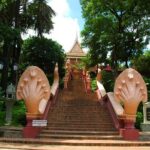
Phnom Prasith Temple sits high on one of the eastern summits of twin hills, and the views are the main reason people stop there. Your guide will point out what you’re looking at, but you’ll also feel it yourself: you’re looking out over the surrounding countryside, with wide open space and a sense of distance that makes the temple feel like more than just a photo stop.
The temple is home to a community of monks who go through daily routines. That’s important. This isn’t just about looking at buildings; it’s about seeing Buddhism in action in a place where people still live the rhythms of the day. You’ll spend time exploring the ancient structure, then come back down from the hill base.
A practical note for comfort: plan for some uneven ground and steps. The tour says moderate physical fitness is best suited for this experience. If you know you move slowly on inclines, tell your guide at pickup so they can pace the walk and choose where you pause.
Lunch at a traditional Khmer restaurant with a view
Once you’ve come back down, it’s time for lunch at a traditional Khmer restaurant in a shady location. The nice part here is not just the food included in the tour price, but the setting. You’ll get another look at the rural countryside beyond the city walls while you eat.
Having lunch included matters more than it sounds. Temple days can turn into a scramble: “Where’s food?” “Are we late?” “Is there anything nearby?” Here, you’re taken care of, including coffee and/or tea. That keeps the afternoon calmer, and it gives your body a break from the heat before the next site.
Putmondul Buddhist centre: offerings, monks and nuns, and a reclining Buddha
After lunch, the day continues with a short drive to Putmondul, a Buddhist centre where local life shows up in full view. This is one of the most meaningful stops on the itinerary because you’re not just sightseeing—you’re watching why people come.
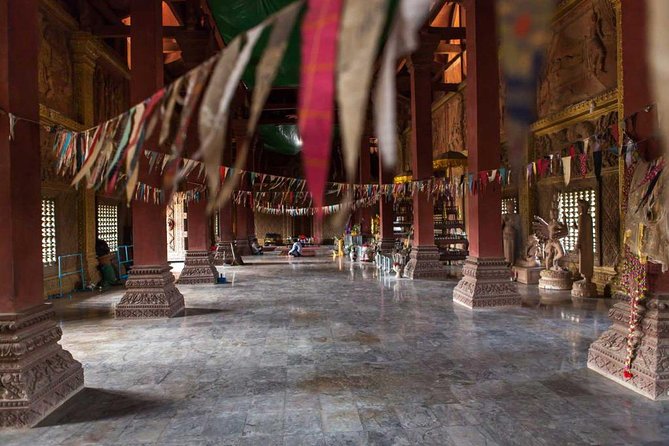
At Putmondul, you’ll see monks and nuns and many locals making offerings as part of seeking good luck and blessings. You’ll also see a magnificent reclining Buddha, and there are fine paintings that depict the history of Buddhism.
What I like about this part of the trip is how it turns your visit into a kind of quiet observation. Even if you don’t understand every detail of what’s being offered, you get the human logic: people arrive, show respect, make requests, and move on with their day carrying hope. It’s simple, but it’s powerful.
You can also read our reviews of more tours and experiences in Phnom Penh

Phnom Reap Temple: the new Angkor Wat feeling from 1998
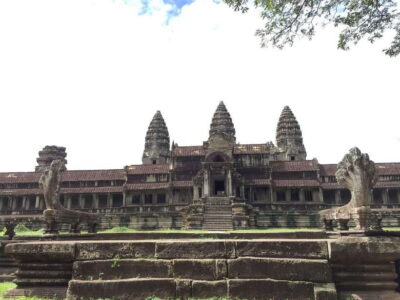
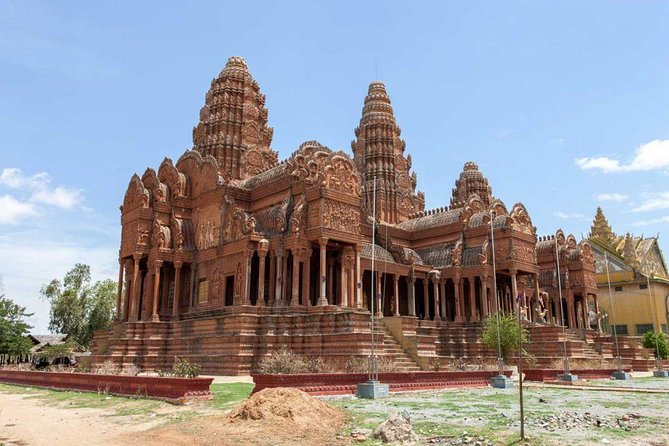
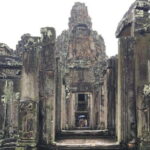
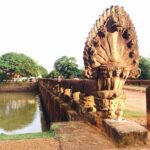
Then comes the headline temple for many people: Phnom Reap Temple, also known as Prasat Vihear Suor. This structure is relatively new, completed in 1998, yet it’s built using an Angkor Wat architectural style. You’ll also hear it referred to as the new Angkor Wat, and that label makes sense once you’re standing in front of it.
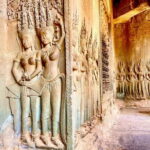
Inside and around the temple, you’ll see beautiful sculptures of ancient kings and Buddha figures. What makes this stop feel special isn’t only the design. It’s the people. You’ll notice locals who have made the journey specifically to seek the blessing of Buddhist monks, hoping for good fortune.
This is the point where the day’s theme clicks. Earlier, you were on a hill with a resident monastic community. At Putmondul, you watched devotion aimed at blessings. At Phnom Reap, you see that same pilgrimage energy channeled into a temple with Angkor-like symbolism—except you’re experiencing it without the big tourist crush that so often swallows temple visits.
Your guide makes or breaks the day
You don’t just buy a route—you buy a guide’s ability to explain what you’re seeing without turning the day into a lecture. The guides on this tour seem to nail that balance.
I’m glad you’ll likely get a guide with excellent English and a gentle style. One guide named Li stood out for being knowledgeable but not pushy with information. Another guide named Seung was praised for being on time and very knowledgeable, with excellent English.
That combination matters because temples are full of tiny details—sculptures, layout choices, and everyday rituals. A good guide helps you notice them at a comfortable pace, not only for facts, but for context. And if you’re the kind of person who likes asking why something matters, a private guide gives you room to do that.
Price and value: what $117.44 per person really buys
At $117.44 per person for a roughly 8-hour private tour, you’re not paying for just entry to one temple. You’re paying for the full day: hotel pickup, private transport (tuk tuk or car) with a driver, a private guide, and meals plus drinks.
Here’s how that translates into value for you:
- Convenience: you don’t have to arrange separate transport across three different stops.
- Time: you’re not wasting half the day figuring out logistics.
- Support: you get a guide to connect what you see at Phnom Prasith, Putmondul, and Phnom Reap.
- Food included: lunch plus coffee and/or tea, plus bottled water.
The one thing to plan for is donations. Donations aren’t included, so if you want to give or participate in offerings, you’ll need your own small cash plan.
If you’re deciding between a cheaper group option and this private setup, I’d think about your travel style. If you like moving at a pace that fits you and want someone to answer questions on the spot, the extra cost can feel justified quickly.
What to bring and how to make temple visits easy
This tour includes bottled water and lunch, but you still want to come ready for a full day in the sun and on temple grounds.
A few practical ideas:
- Wear comfortable shoes with grip for uneven surfaces and temple steps.
- Bring sun protection (hat, sunscreen). Even with stops and shade, you’ll be outside.
- Keep clothing modest and respectful for temple areas.
- If you plan to make a donation, bring some cash. Donations aren’t part of the tour package.
Also, consider your pace. This is a moderate-activity day because of the hilltop element. You don’t need to be an athlete, but you should be comfortable walking steadily and taking breaks when you need them.
Should you book the Prasith and Reap Temples private day trip?
I’d book this tour if you want a calmer, more local-feeling temple day than the big Angkor circuit. It’s a strong choice when you care about seeing how Buddhism looks in daily life, not only in carved stone.
You should also book it if you like the idea of a mixed story: old-and-new temple vibes, hilltop views at Phnom Prasith, blessing rituals at Putmondul, and then the Angkor Wat style carried into a newer building at Phnom Reap.
Skip it or rethink if you strongly dislike walking on inclines or you’re short on time. The day is long enough that energy matters, and the hilltop stop is the main physical challenge.
My quick take
This tour is best for travelers who want more meaning per hour. You get a private guide, real devotion scenes, and temples that don’t feel swallowed by crowds. If that sounds like your kind of day, you’ll likely leave with photos, sure—but also with a clearer sense of why locals keep coming back to these places.
FAQ
How long is the Prasith and Reap Temples private day trip from Phnom Penh?
The trip runs for approximately 8 hours.
Does the tour include hotel pickup in Phnom Penh?
Yes, hotel pickup is included.
What food and drinks are included?
Lunch is included, along with bottled water and coffee and/or tea.
Is this a group tour or a private tour?
This is a private tour/activity, so only your group participates.
What transport options do I have during the day?
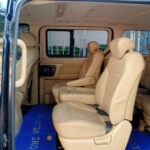
You can choose between a tuk tuk or a car for the journeys.
Which sites will we visit during the day?
You’ll visit Phnom Prasith Temple, Putmondul Buddhist centre, and Phnom Reap Temple (Prasat Vihear Suor).
Are donations included in the tour price?
Donations are not included.
What is the cancellation policy?
You can cancel for a full refund up to 24 hours in advance of the experience’s start time.
Is there any physical fitness requirement?
The tour suggests a moderate physical fitness level.
Do children get a special rate?
Yes, there is a child rate when sharing with 1 or more paying adults, and children must be accompanied by an adult.