REVIEW · SIEM REAP
Beng Melea, Rolous Group & Kompong Phluk Floating Village
Book on GetYourGuide →Operated by Angkor Visitor Tour · Bookable on GetYourGuide
Beng Melea feels like a temple you found by accident. A private day linking jungle ruins to Tonle Sap floating life makes it far more interesting than a typical temple shuffle. I love the way the day mixes big ancient stone with real rural Cambodia—especially the Kompong Phluk boat ride. I also love having time to actually look closely, not just rush for photos. One thing to plan for: it’s a long walking day with uneven ground and sun.
The standout for me is the balance: unrestored temple atmosphere in the morning, early Khmer temple architecture at Roluos, then a slow boat on the Tonle Sap landscape at golden hour. You’ll feel the contrast fast. The only drawback is that this tour needs a fair amount of walking, and it’s not suitable for wheelchair users or people with epilepsy.
In This Review
- Key points to know before you go
- A 9-hour circuit from Siem Reap: temples, stilt life, and Tonle Sap sunset
- Beng Melea: the unrestored jungle temple that makes you slow down
- Roluos Group temples near Siem Reap: early Khmer permanent structures
- Tonle Sap and Kompong Phluk: stilt houses, floating hospital, and sunset views
- Guide power: why Praim’s explanations and photo help matter
- What’s included (and what you’ll need to plan for)
- Who this tour fits best—and when it’s not the right call
- Should you book this tour?
- FAQ
- How much does the tour cost?
- How long is the tour?
- What time is pickup, and where do you meet?
- What are the main places you visit?
- Is the Tonle Sap boat ride included, and how long is it?
- Are entrance fees and meals included?
- What’s included in the tour price?
- What should I bring for the day?
- Is this tour suitable for wheelchair users or people with epilepsy?
- Can I cancel for a refund?
Key points to know before you go
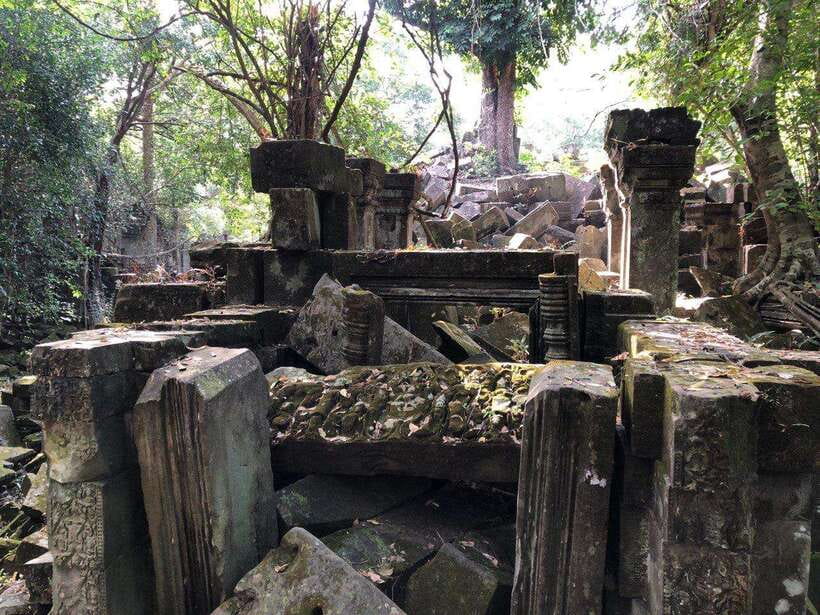
- Beng Melea’s unrestored jungle ruins give you that tree-growing-from-stone photo look
- Roluos Group temples let you see some of the earliest permanent Khmer structures near Siem Reap
- A 1.5-hour private Tonle Sap boat cruise through fishing areas to reach Kompong Phluk
- Kompong Phluk practical local sights like stilt homes, fisher-boats, a floating hospital, and a Buddhist temple
- Sunset on Tonle Sap adds a calm end to an active day
- Praim-style guiding shines for questions, history, and even keeping kids engaged
A 9-hour circuit from Siem Reap: temples, stilt life, and Tonle Sap sunset
This is a full-day private group experience that runs about 9 hours, starting with pickup at 8:30am from your hotel area in Krong Siem Reap. You’re not bouncing between a dozen stops. Instead, you get three meaningful worlds: Beng Melea’s jungle temple, the early Khmer stonework at Roluos, then Tonle Sap by boat.
Price is $125 per group up to 4. In plain terms, it’s good value if you’re traveling as a small group, because the vehicle, English-speaking guide, and transport are all included. Even if you’re a solo traveler, a small group arrangement can make the day feel less like a luxury add-on and more like a smart splurge.
You’ll also get simple comforts that matter on a long day: old drinking water and a wet and cold towel. That little reset helps after walking and heat, especially when you’re going to spend the afternoon on the lake.
One more practical note: entrance fees, meals, and anything personal are not included. So you’ll want a plan for where you’ll eat on the go and set aside money for temple tickets.
You can also read our reviews of more tours and experiences in Siem Reap.
Beng Melea: the unrestored jungle temple that makes you slow down
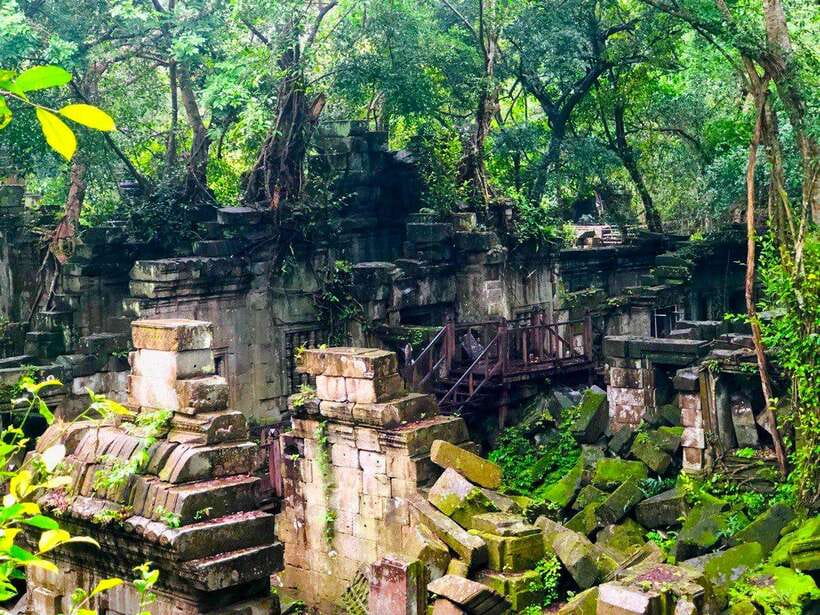
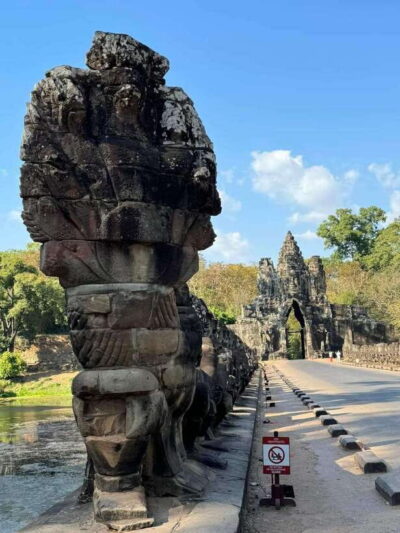
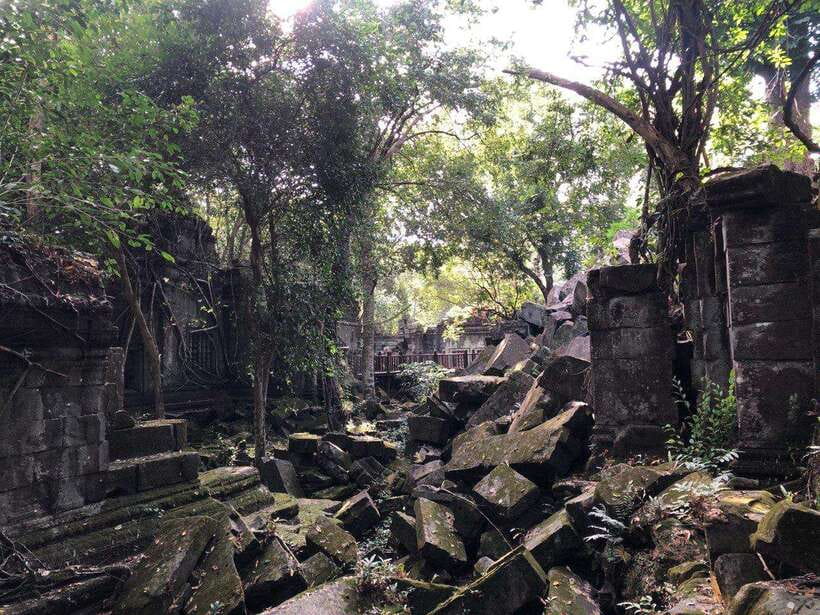
Beng Melea is about 65km from Siem Reap, with roughly an hour drive through rural villages before you even start walking. Then the place changes your pace. This isn’t an ultra-restored, perfectly cleared temple site. It’s unrestored and covered with jungle growth, with trees pushing through broken towers and galleries. The effect is exactly what makes it memorable: it feels less curated and more found in place.
Historically, Beng Melea was built in the middle of the 12th century, during the reign of King Suryavarman II, and dedicated to Hinduism. You don’t just see stone—you get to imagine what it meant when it was active, then what happens when centuries pass and nature takes over.
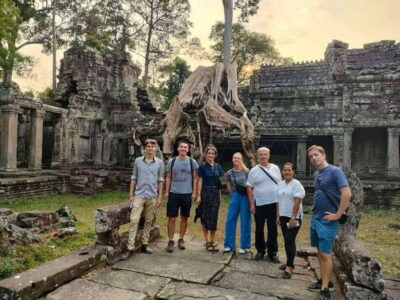
What I love most here is that Beng Melea naturally rewards careful looking. The broken structures give you layers—shadow lines, climbs of vines, and those classic scenes of trees rising from stone. If you’re into photos, this is one of those spots where you don’t need gimmicks. A patient stop and a good viewpoint go a long way.
Practical downside: the ground can be uneven and it’s easy to overheat. You’ll want comfortable shoes, long pants, and something for insects. A sun hat and sunscreen are also worth it because you’ll spend time outdoors.
Also, bring yourself a mindset shift. This temple isn’t about ticking off carvings. It’s about feeling the atmosphere—walking among ruins where you can’t rely on clean restoration to guide your eye.
Roluos Group temples near Siem Reap: early Khmer permanent structures
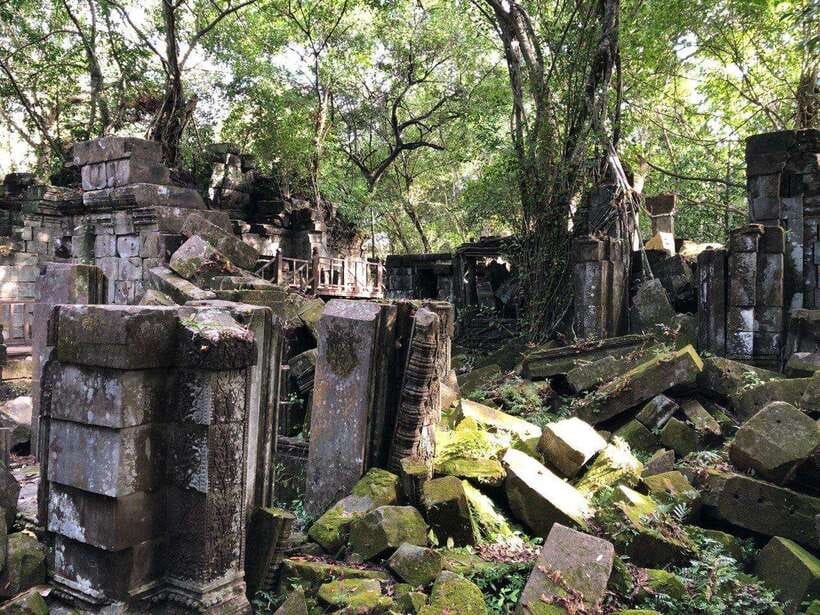
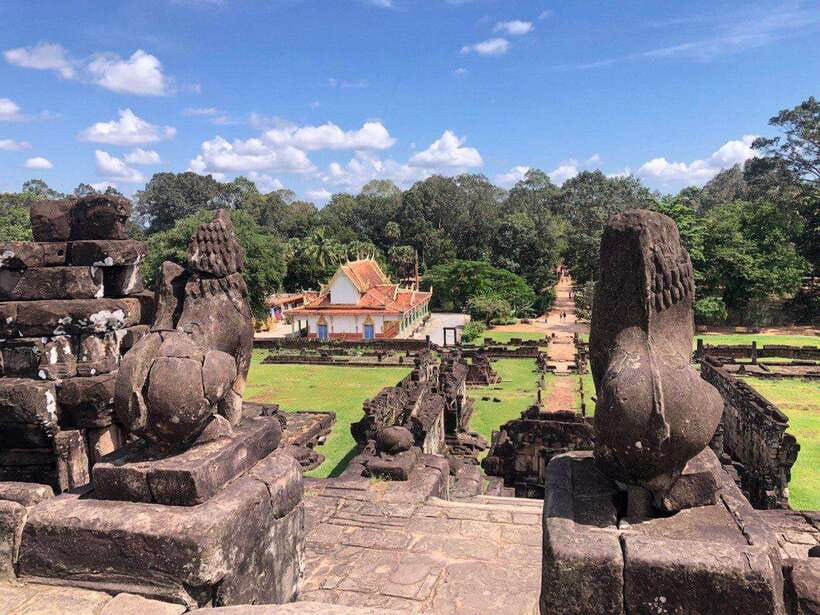
After Beng Melea, you head to Roluos, about 13km east of Siem Reap. This is the part of the day where the stone starts telling a more formal story. The Roluos Group includes some of the earliest permanent structures built by the Khmer, marking the beginning of the classical period of Khmer civilization.
You’ll visit major temples within the group, including Bakong, Preah Ko, and Lo Lei. These names matter because they point you to the shift from earlier building efforts toward a more lasting, classical Khmer temple style. Even without being a temple nerd, you can see the difference in structure and layout once you’re standing there with a guide who can point out what you’re looking at.
What makes Roluos valuable on this particular day is timing. You’ve already been in a jungle ruin at Beng Melea. Now you get contrast—more defined temple forms, more readable stone geometry, and a clearer sense of what early Khmer builders were aiming for.
There’s also a comfort bonus. This is a shorter hop from Siem Reap than the Beng Melea drive, so you’re not mentally drained before the sightseeing. And because the tour includes a separate entrance concept, you should spend less time dealing with ticket lines than you would on a busy standard arrival.
The only real consideration here: still expect walking. Temple visits in Cambodia aren’t flat museum floors. Wear shoes that handle dirt paths and uneven steps, and you’ll enjoy it more.
Tonle Sap and Kompong Phluk: stilt houses, floating hospital, and sunset views
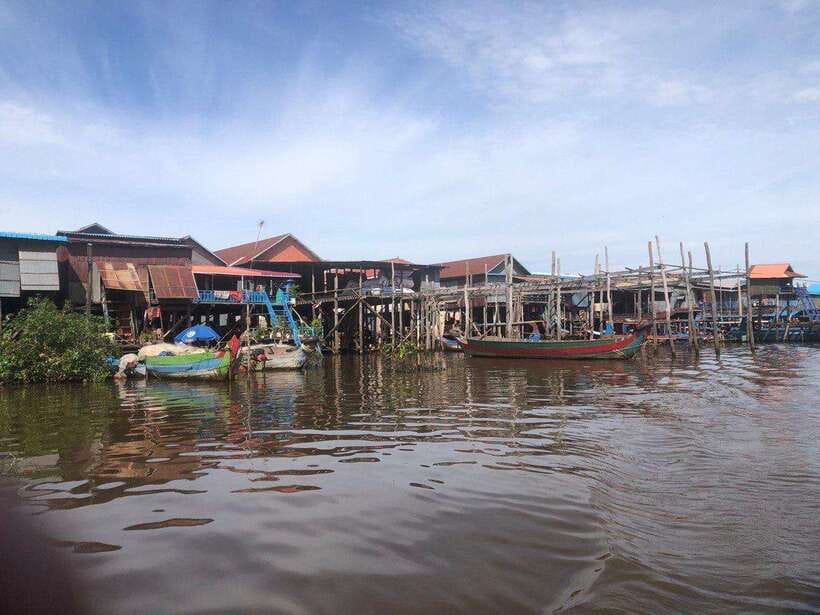
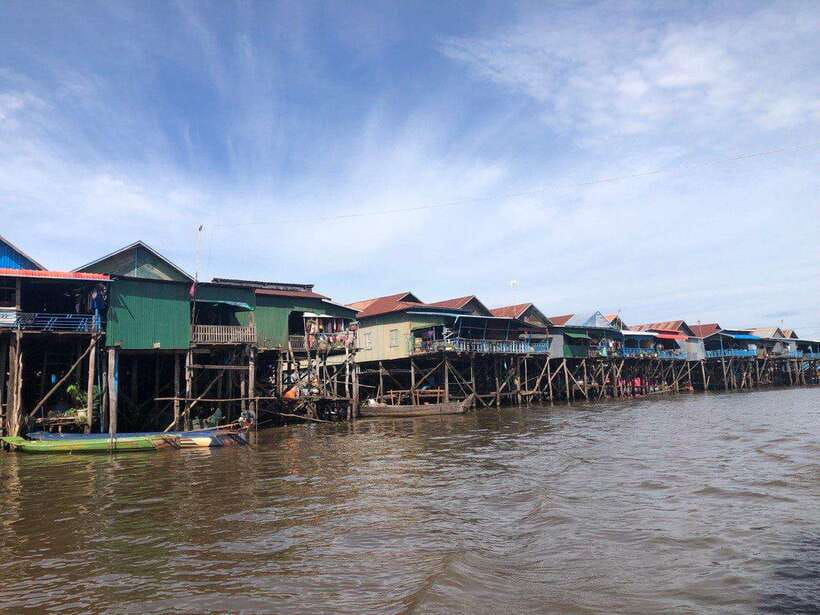
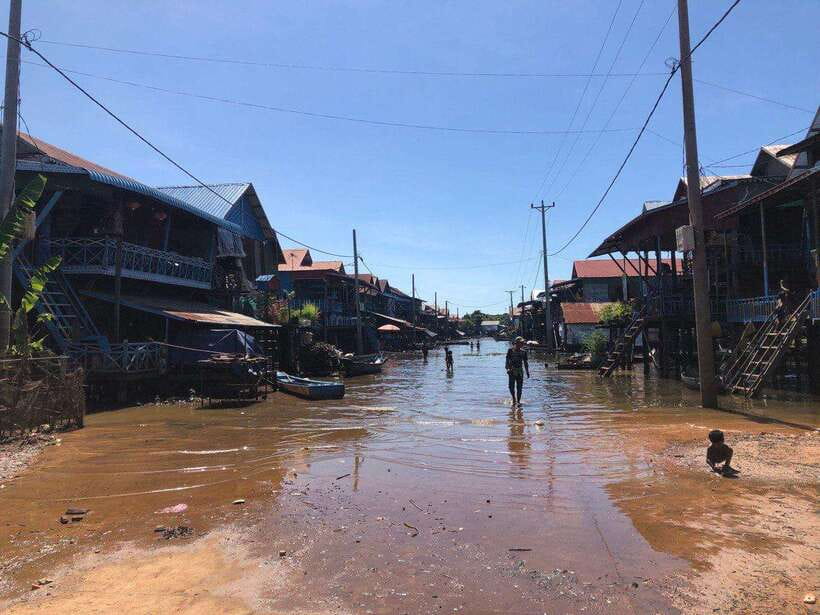
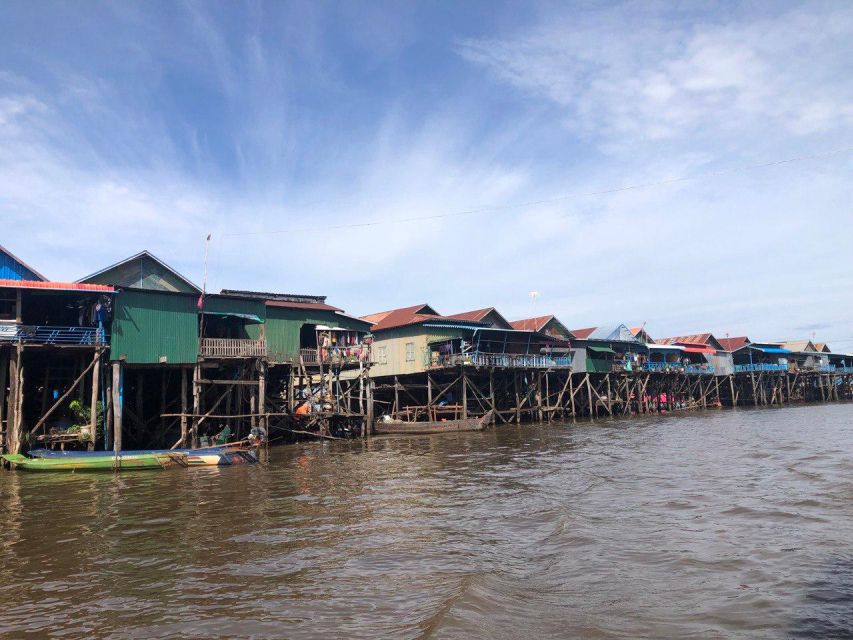
The afternoon is where the day shifts from stone to water. Tonle Sap is the largest freshwater lake in Southeast Asia, and you’ll experience it by boat. The Kompong Phluk floating village area sits about 30km south-east of Siem Reap, and the boat ride helps you see why the area is shaped the way it is.
The cruise through fishing areas is about 1.5 hours. You won’t just sit and look forward. The boat route takes you past working scenes—fisher-boat activity and the wider fishery life that connects people to the lake.
When you reach Kompong Phluk, you’ll see tall stilted houses and the practical side of “floating life.” The details included in the experience matter because they’re not all postcards. You’ll get to see:
- a floating hospital
- fishery-related activity and boats
- an old lifestyle snapshot tied to the water’s rhythm
- an Iceland Buddhist temple area on the route you view by boat
Another big visual piece: the flooded mangroves forest. This is one of those landscape moments that helps you understand the ecosystem behind the village life, even if you’re not reading a single sign. The lake’s seasonal flooding is the engine for everything here.
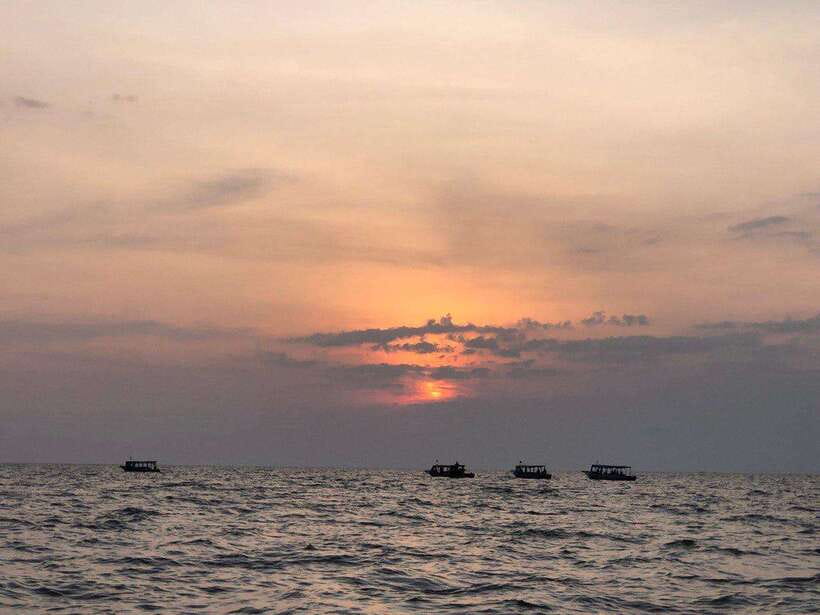
Then you get the payoff: sunset on Tonle Sap. After a temple-focused morning, this feels like a reset. The light changes the colors on the water and makes the stilted structures look calmer, less dramatic, and more human.
One practical thing: even in the afternoon, sun and insects can still catch you. Pack your long sleeves and insect repellent, because a lake breeze doesn’t always mean comfortable skin.
Guide power: why Praim’s explanations and photo help matter
The experience really hinges on the guide. In this case, the guide often highlighted is Praiim (spelled as provided in the bookings). Across the feedback, what stands out isn’t fancy storytelling—it’s responsiveness.
Praiim is described as:
- messaging before the tour to confirm details
- arriving on time
- answering questions with real Cambodia context
- taking good photos for your group
- being patient when showing significant things to notice
- adjusting explanations to keep kids aged 6 and 9 engaged
That last point is underrated. Temple days can get long fast for kids, and for adults too. When your guide can translate the meaning of what you’re seeing into something you can grasp quickly, the temples become more than scenery. It turns the day into a story you can follow.
If you like photos, it’s also helpful that the guide is willing to take them during key moments. Beng Melea’s tree-in-temple visuals and the Kompong Phluk stilt scenes are the kind of places where a moving boat and uneven ground make selfies hit-or-miss.
Also, having an English-speaking guide keeps you from guessing. You’re not relying on your own instincts to connect Suryavarman II, the classical Khmer period, and the way Tonle Sap life works.
What’s included (and what you’ll need to plan for)
You’re covered for the practical parts that reduce stress:
- Hotel pickup and drop-off
- English-speaking tour guide
- Air-conditioned vehicle
- Old drinking water
- Wet and cold towel
A few things are not included, so plan ahead:
- Entrance fees at the sites
- Meals
- Personal expenses
- Anything beyond the listed inclusions
Timing matters because lunch likely becomes a self-managed part of your day. The tour runs 9 hours, includes temple walking, and then a boat cruise plus sunset. So don’t count on being hungry only at the end.
Also, the day begins with a pickup window that asks you to be ready. You’ll want to wait in the hotel lobby about 5 minutes before pickup so the schedule stays smooth.
For what to bring, this is the simple kit that matches what you’ll face:
- Comfortable shoes
- Sun hat
- Sunscreen
- Comfortable clothes
- Long pants
- Insect repellent
- Long-sleeved shirt
If you pack that, the day feels easier.
Who this tour fits best—and when it’s not the right call
This is a great fit if you want a day that mixes unrestored jungle atmosphere, early Khmer temple structure, and real-life water village scenery. It’s also ideal for families who want their kids to stay involved, because the guide experience includes making history understandable and keeping children engaged.
You’ll also appreciate it if you care about photos but don’t want to spend the whole day trying to solve camera angles alone. The stops here naturally create photo opportunities, especially Beng Melea’s broken towers with trees growing through them.
When to skip:
- It’s not suitable for wheelchair users.
- It’s not suitable for people with epilepsy.
Even if you don’t have those limitations, this still isn’t a sit-and-ride tour. Expect walking on temple sites and time outdoors.
Should you book this tour?
If you’re choosing between another busy temple day and something with more variety, this one makes a strong case. Beng Melea delivers the jungle ruin mood without needing lots of explanation. Roluos adds the historical structure and early Khmer context. Then Kompong Phluk gives you a different kind of Cambodia—water-based life—and Tonle Sap sunset makes the whole day feel complete.
Book it if you want:
- a private guide experience
- a small group feel (up to 4 in the group pricing)
- a day that balances temples + lake + sunset
- someone like Praiim who takes questions seriously and can adapt for kids
I’d think twice if you hate uneven walking, rely on step-free access, or need a very relaxed, low-movement schedule. Otherwise, it’s a smart way to get a deep taste of Cambodia beyond Angkor’s main circuit.
FAQ
How much does the tour cost?
The price is $125 per group up to 4 people.
How long is the tour?
The tour duration is 9 hours.
What time is pickup, and where do you meet?
Pickup is at 8:30am from your hotel area in Krong Siem Reap. You should wait in the hotel lobby about 5 minutes before pickup.
What are the main places you visit?
You’ll visit Beng Melea, Roluos Group temples (including Bakong, Preah Ko, and Lo Lei), and then take a boat cruise on Tonle Sap to Kompong Phluk.
Is the Tonle Sap boat ride included, and how long is it?
Yes. You’ll take a boat cruise to Kompong Phluk that takes about 1.5 hours.
Are entrance fees and meals included?
No. Entrance fees and meals are not included.
What’s included in the tour price?
Included are hotel pickup and drop-off, an English-speaking tour guide, air-conditioned transportation, old drinking water, and a wet and cold towel.
What should I bring for the day?
Bring comfortable shoes, a sun hat, sunscreen, comfortable clothes (including long pants), insect repellent, and a long-sleeved shirt.
Is this tour suitable for wheelchair users or people with epilepsy?
No. It is not suitable for wheelchair users and not suitable for people with epilepsy.
Can I cancel for a refund?
Yes. You can cancel up to 24 hours in advance for a full refund.