REVIEW · PHNOM PENH
A Day Trip to Kep Beach and Kampot from Phnom Penh
Book on GetYourGuide →Operated by Cambodia Taxi Driver · Bookable on GetYourGuide
Phnom Penh to Kep in one packed day. This full-day route pairs Kampot pepper and salt-field scenery with calm temple time and a real beach break at Kep. I especially like the way you get hands-on stops, from seeing salt production to touring a pepper plantation, not just driving past sights. I also enjoy the mix of old Kampot town walks and seaside downtime at the end. One heads-up: it’s a long day (about 11.5 hours) with a lot of sun and walking, so plan for heat and bring the right gear.
The trip works well if you want a clear, guided loop without the stress of figuring out timing and transport. If your departure includes an English-speaking driver-guide like Vannak, you’ll get detailed explanations as you move between stops. The biggest consideration for you is pacing: you’ll be out early, then you’ll need to protect your energy for temple steps, salt fields time, and beach relaxation.
In This Review
- Key things to know before you go
- The drive rhythm: from Phnom Penh to Kampot, then to Kep Beach
- Kampot colonial buildings: why that first town walk is more than photos
- Fresh Fish Market and the Seahorse photo stop: quick hits that set the tone
- Salt fields and the science of drying: what you’ll actually see
- Phnom Chhngok Cave Temple: calm views with a sacred feel
- Kampot pepper at La Plantation: cultivation lessons and a tasting session
- Kep Market lunch in Kep: plan on seafood, not a quick snack
- Kep Beach: relaxation time, strolling, and time to swim
- Price and value: is $135 a person worth it?
- What to pack and how to avoid a sunburned travel day
- Who this day trip suits best (and who should skip it)
- Should you book this Kep and Kampot day trip?
- FAQ
- How long is the day trip from Phnom Penh to Kep and Kampot?
- Where can I be picked up in Phnom Penh?
- What’s included in the tour price?
- Is seafood lunch included?
- What should I bring for the day?
- Is the tour cancelable?
Key things to know before you go
- Salt fields timing matters: You’ll have the best chance to see salt production activity from December and May.
- Pepper tasting is part of the day: Plan on learning how Kampot pepper is cultivated during a tour at La Plantation and a tasting session.
- Temple visit is scenic and quiet: Phnom Chhngok Cave Temple is set in a natural setting, with calm views once you’re there.
- You’ll get both markets and viewpoints: A photo stop at the Seahorse statue and time at the Fresh Fish Market help break up the drive.
- Kep Beach is your wind-down: You’ll get time to stroll and possibly swim, with a dedicated beach relaxation window.
- Comfort beats style for footwear: You’ll do enough walking that comfortable shoes make a big difference.
The drive rhythm: from Phnom Penh to Kampot, then to Kep Beach
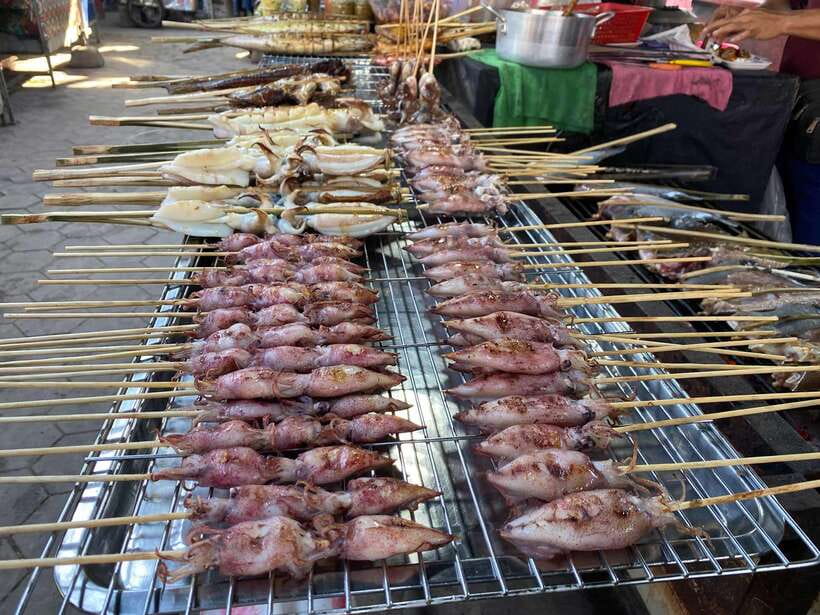
This is a long, road-based day, and that’s part of the value. You leave Phnom Penh and settle into a smooth transfer that takes about 3 to 4 hours to reach the Kampot area. Along the way, you’re not stuck in silence. The plan builds in quick stops and photo moments, so the time doesn’t feel wasted.
Once you arrive in the Kampot zone, your schedule shifts from travel mode to “stay and see.” You’ll spend most of the day around town sights, the market area, and the salt fields. Later, you head onward to Kep, where the day becomes more relaxed with beach time and a seafood-focused meal stop.
If you’re doing this as a private group, you also get a subtle benefit: you can move at a human pace without having to wait for a large crowd. That matters on a day like this, where you’ll want time to look closely at textures and details—salt pans, pepper cultivation, and old building facades.
You can also read our reviews of more tours and experiences in Phnom Penh

Kampot colonial buildings: why that first town walk is more than photos
Kampot’s colonial-era architecture is one of the easiest wins on this itinerary. You’ll get time specifically to visit and walk around the town with its well-preserved buildings. This isn’t just about taking pictures of pretty streets. It’s your chance to get oriented to the place before the day turns into fields, markets, and temples.
Here’s why that order works for you: after a long morning drive, your brain needs a low-stress start. A town stroll does that. You’ll be able to slow down, get your bearings, and enjoy the look and feel of Kampot in a way that’s harder when your day is only farms and walking tracks.
If you like travel that feels authentic—old town textures, local rhythm, and normal daily life—this is the part that tends to stick. Colonial facades give you visual variety, while the rest of the day leans toward agriculture and nature.
Fresh Fish Market and the Seahorse photo stop: quick hits that set the tone
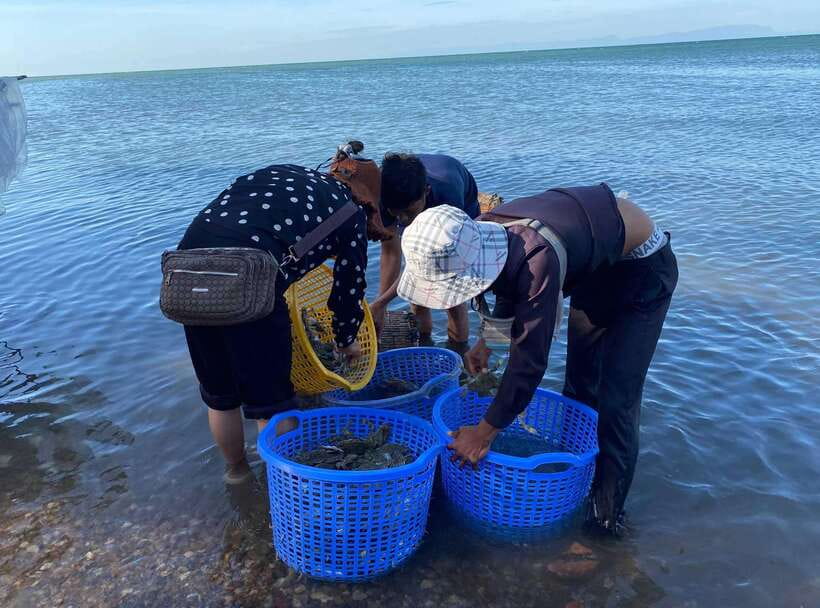
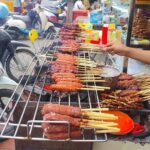
Before you spend deeper time in Kampot’s sights, you’ll have a Fresh Fish Market stop in Krong Kampot with about 35 minutes for photos and walking. This is a practical pause in the schedule. Markets are where you see how a coastal economy actually works, and fish markets are often busy, sensory, and real—unlike staged tourist viewpoints.
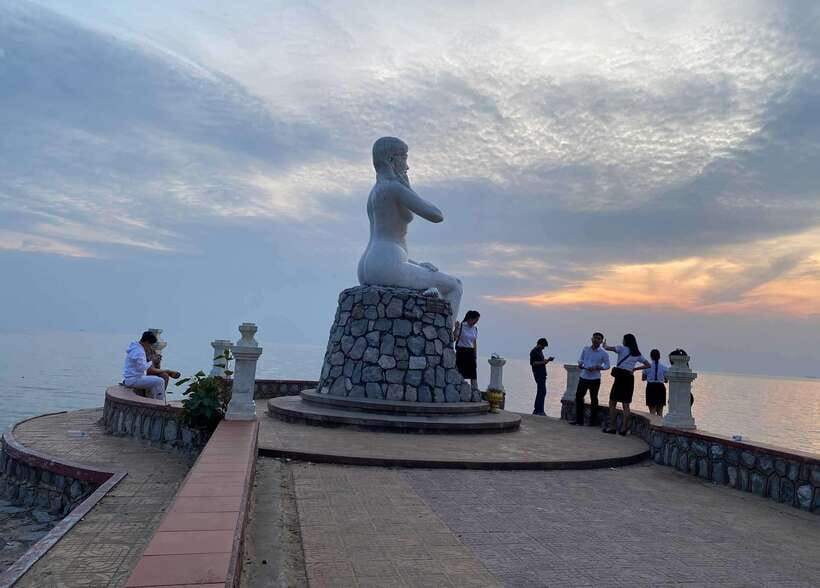
You also get a Seahorse statue photo stop. It’s quick—about 30 minutes—but it helps break up the day and gives you a familiar visual marker as you move between town and field areas. Even if it’s brief, it’s the kind of stop that makes the day feel less like one long drive.
Do this part with one simple goal: don’t rush your photos. Spend a few minutes looking around for movement, colors, and context. It’s the little scene details—how people prepare, how goods are arranged—that bring the market stop to life.
Salt fields and the science of drying: what you’ll actually see
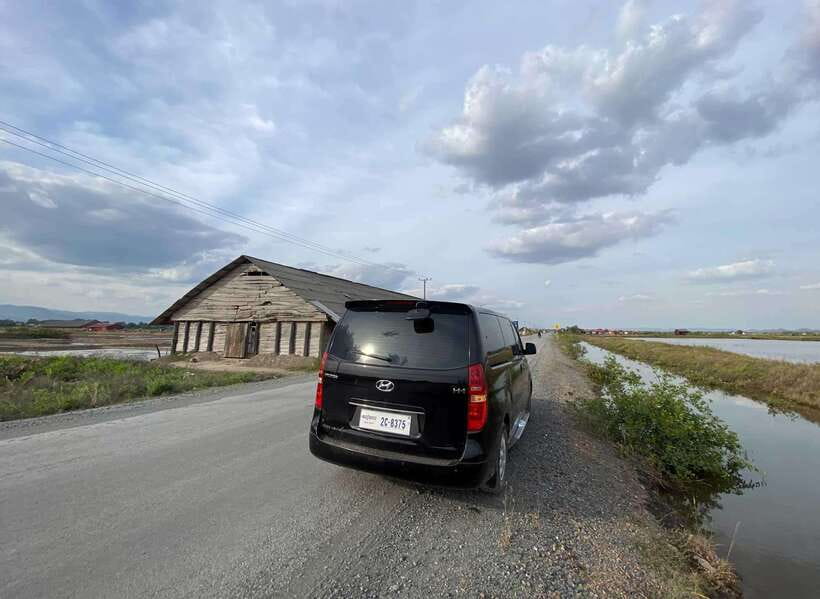
The heart of the Kep-and-Kampot story is the salt production process. You’ll spend time around the fish market and salt fields area, with the plan aimed at giving you real sightlines and time to observe how salt is made.
The important seasonal note is that salt production is most seen-able from December and May. If you travel outside that window, you might still see salt-related areas, but active work could look different. This matters for value: you’re paying for more than a scenery stop, and salt production is inherently time-dependent.
What I like about including salt fields in a day trip is the variety it adds. Many Cambodia day tours focus on temples and a beach at the end. Here, you also get an agricultural process shaped by weather, water, and time. For you as a traveler, it’s a chance to understand a local industry in a visual way, not just a lecture.
And yes, it also photographs well. Those flat, patterned areas can create strong lines and textures—especially when the light is bright. You’ll likely want sunglasses and sunscreen because you’ll be outdoors and exposed.
Phnom Chhngok Cave Temple: calm views with a sacred feel
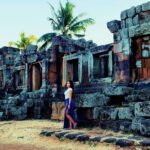
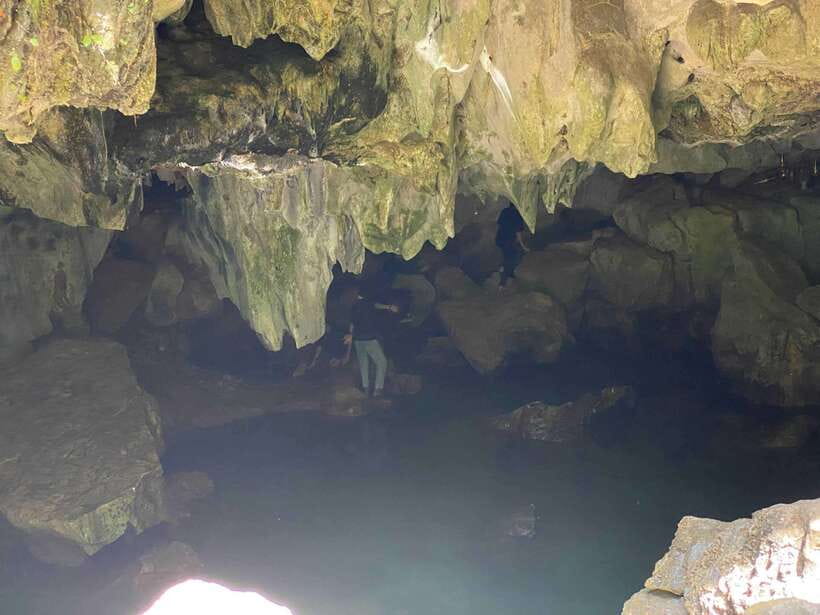
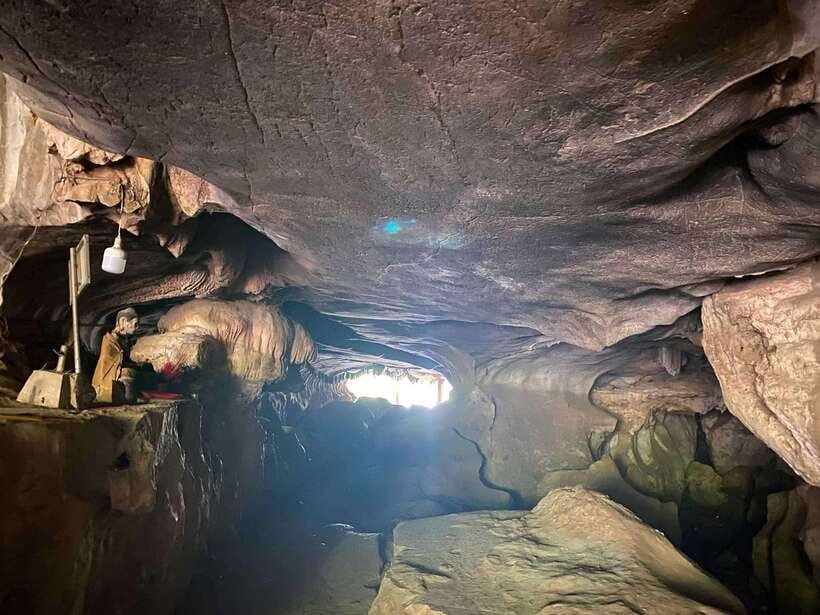
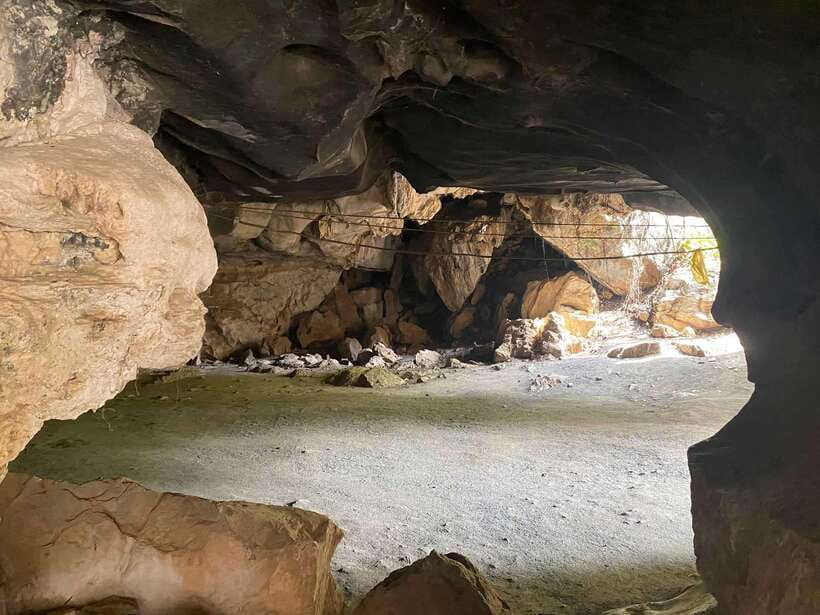
Next comes Phnom Chhngok Cave Temple, a visit that’s described as set in a stunning natural environment. Translation: you’re not just stepping into a man-made structure. You’re entering a place where stone, air, and views around the area contribute to a quieter mood.
A cave temple visit works best when you treat it like a slow moment, not a checkbox. Take a bit of time to look at the surroundings, and keep your pace steady—especially if you’re wearing shoes that aren’t supportive. The plan includes sightseeing time and enough buffer to enjoy the atmosphere.
One practical note: temples and sacred places are where small behavioral choices matter. Keep your voice down, dress respectfully, and remember you’re walking in a space that locals treat with care. If you want that calm, don’t rush through.
If you’re the kind of traveler who enjoys nature-meets-culture stops, this is one of the most satisfying segments. It balances the earlier market and field visuals with a more reflective, scenic pause.


Kampot pepper at La Plantation: cultivation lessons and a tasting session
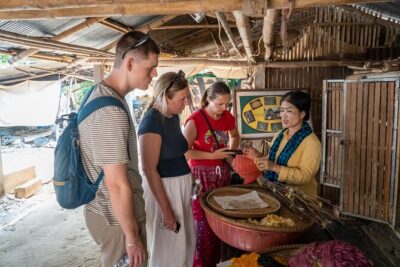
This is the part of the day that often feels most personal. You’ll tour La Plantation, meet local farmers involved in pepper cultivation, and learn how Kampot pepper is grown. The plan also includes a pepper tasting session, so you’re not just hearing about flavor—you get to experience it.
For you, the value here is simple: you can connect what you saw in the earlier agricultural stops (salt processes) to a different kind of agriculture (pepper cultivation). And pepper is especially tied to place, so it’s not like tasting a generic product. You get a better sense of how the local farming practices shape what ends up in the jar.
Here’s how to make the tasting feel meaningful: before you taste, pay attention to what you learn about the cultivation process. Then taste again with that context in mind. You’ll notice more than just heat or aroma—you’ll catch how different pepper qualities might be linked to growing conditions.
If you buy pepper afterward, don’t feel pressured. Your main win is the understanding and the taste memory. But if you do want to bring a souvenir home, this is the moment to do it.
Kep Market lunch in Kep: plan on seafood, not a quick snack
After the pepper plantation portion, you’ll head to Kep Market for lunch. Since the lunch is not listed as included, you’ll be making your own ordering choice in Kep—this matters because you can tailor the meal to what you like, especially if you’re a seafood fan.
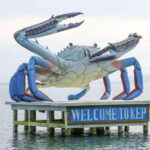
The plan points you toward a local restaurant experience in Kep known for fresh crab dishes. That’s a helpful direction because in a place like Kep, seafood quality is usually the main question. Use the menu time to focus on the catch and freshness, not just convenience.
Timing-wise, lunch is the bridge between your farm-and-temple morning and your beach afternoon. Eat something that won’t weigh you down. If you’re planning to swim later, choose lighter options. If swimming isn’t your goal, you still want enough energy to enjoy walking along the shoreline.
Kep Beach: relaxation time, strolling, and time to swim
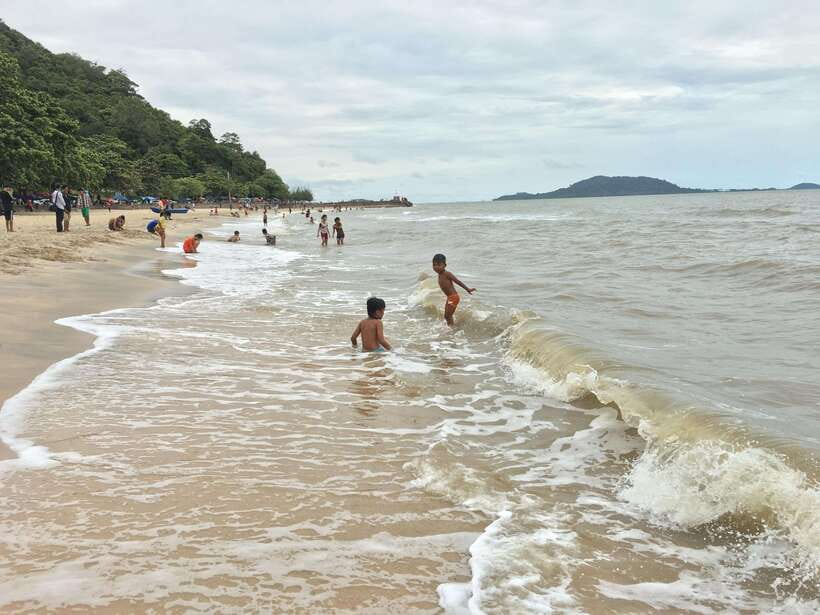
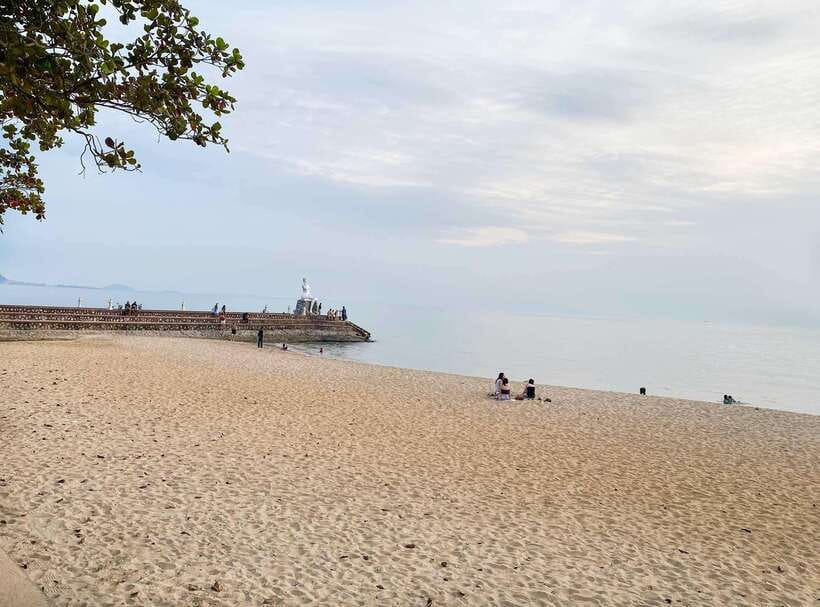
Once lunch is done, you’ll travel to Kep Beach, about 25 minutes from La Plantation. This is your decompression slot. The itinerary gives you relaxation time for strolling, scenery, and—if you bring the right clothes—time to swim.
This is why the earlier day structure works. You’ve had sun exposure at salt fields and pepper plantation time, plus temple walking. By the time you reach the beach, you’re ready to slow down. Even if you don’t swim, walking the shoreline is often the best way to reset after hours on the road.
Pack for water time. The trip specifically notes bringing a swimming dress for the beach. Also bring what you need for sun protection: sunglasses, sunscreen, and a hat. There’s no point saving sunscreen for later in a day like this; you’ll use it across multiple stops.
Price and value: is $135 a person worth it?
At $135 per person for about 11.5 hours, you’re paying for a full-day, guided private experience with transportation, planned stops, and ticketing for the main activities. You’re not just buying a ride—you’re buying a structured route from Phnom Penh with time built in for stops like the Fresh Fish Market, salt fields, a cave temple, pepper plantation learning, and Kep Beach relaxation.
To judge value, look at what this replaces:
- If you tried to DIY the route, you’d spend time coordinating transport and timing between Kampot and Kep.
- You’d also lose the “explanation layer” that the English-speaking guide provides, which is especially useful for understanding pepper cultivation and what you’re seeing at salt production areas.
There is one cost-related caveat to watch. The data says planned ticketing/entrance is included, but it also notes entrance fees to any attractions aren’t included. That usually means the scheduled stops are covered, while any extras you add on your own aren’t. Before you go, it’s worth confirming whether every entrance you’ll use that day is covered, so you aren’t surprised.
Overall, if you want a one-day loop that feels organized and not exhausting in the wrong way, this price can feel reasonable—especially for a private group.
What to pack and how to avoid a sunburned travel day
This tour is outdoors enough that your comfort gear matters. Bring sunglasses, a sun hat, and sunscreen. The trip also calls for biodegradable sunscreen, which is a small detail but worth following when you’re visiting natural settings and beaches.
You’ll also want:
- Comfortable walking shoes (temple and market walking adds up)
- A water bottle to stay hydrated
- A plan for hot-weather pace (start early, take shade breaks when you can)
- A swimming dress for Kep Beach, plus a towel if you prefer
Also note the practical rules: no smoking in the vehicle and no pets. Simple, but you’ll appreciate knowing the boundaries ahead of time.
If you’re sensitive to heat or walking, adjust your expectations. This is not a slow half-day. It’s a full day of sightseeing and outdoors time.
Who this day trip suits best (and who should skip it)
This is a great fit if you want a structured day that combines agriculture, culture, and a beach landing. It suits you if you like:
- Learning how a local product is made, from salt production to Kampot pepper cultivation
- Walking in town areas with architectural interest
- Enjoying scenic calm at a cave temple
- Ending the day with real relaxation at Kep Beach
It’s less ideal if you need minimal walking or very easy pacing. The itinerary is long and outdoors. Also, it’s noted as not suitable for altitude sickness and for people over 95 years. If either applies to you, choose a different style of tour.
Should you book this Kep and Kampot day trip?
Book it if you want one day that actually connects dots: colonial Kampot town energy, working salt production areas, a calm cave temple stop, pepper learning and tasting, and then a Kep Beach wind-down. The private format and English-speaking driver-guides help you get more meaning from each stop, and that’s where the $135 price tends to justify itself.
Skip it (or rethink) if your ideal day is short, quiet, and low-sun. This is a full-day itinerary with multiple outdoors segments, so you’ll need to be ready for heat, sun protection, and a steady pace.
If you’re balancing a first visit to Cambodia with limited time, this is a strong choice. You’ll come away with more than views—you’ll understand what drives Kampot’s flavors and industries, and you’ll end with sand time instead of another long return with no payoff.
FAQ
How long is the day trip from Phnom Penh to Kep and Kampot?
The total duration is about 11.5 hours.
Where can I be picked up in Phnom Penh?
You can choose between pickup in Phnom Penh and pickup at Techo International Airport (KTI). Pickup and drop-off are included.
What’s included in the tour price?
Included items cover an English-speaking driver guided trip, car or minivan transportation, pickup and drop-off, tickets/entrance for the planned stops, visits including Kampot colonial buildings, salt fields, Phnom Chhngok Cave Temple, and a pepper plantation meeting/tour, plus relaxation time at Kep Beach.
Is seafood lunch included?
Lunch in Kep (seafood) is not listed as included. You’ll have time for lunch at Kep Market and then in Kep at a local seafood restaurant.
What should I bring for the day?
Bring sunglasses, a sun hat, sunscreen (biodegradable sunscreen is recommended), and a water bottle. If you plan to swim at Kep Beach, bring a swimming dress.
Is the tour cancelable?
Yes. Free cancellation is available up to 24 hours in advance for a full refund.