REVIEW · PHNOM PENH
Day trip Phnom Penh to Siem Reap & Return back
Book on Viator →Operated by Cambodia Private Car Service · Bookable on Viator
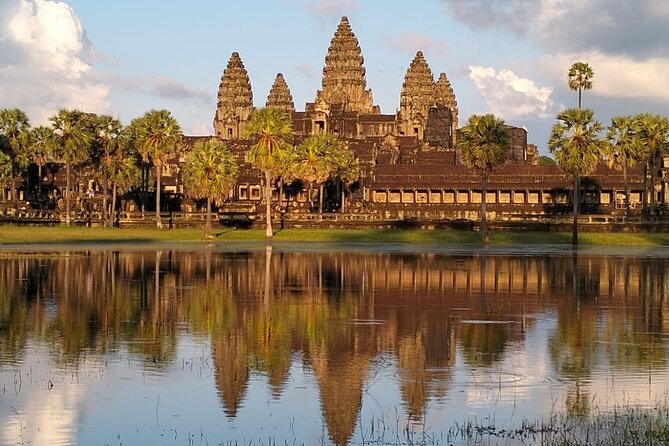
One day, four Angkor highlights. This Phnom Penh to Siem Reap round-trip tour is built for people with limited time, yet still want the big-name sights: Angkor Wat, Bayon, Ta Prohm, and Angkor Thom. It’s a long push—about 16 to 18 hours—but the structure keeps you moving without the usual headache of tickets, directions, and timing.
What I like most is the way the experience is handled start-to-finish. You get an English-speaking tour guide/driver and a plan that hits the major temples in a sensible order, plus comfort extras like cold drinking water and towels. In the best cases, guides such as Sithon (who has written several books on Angkor Wat) or Mr Piza bring the sites to life with clear, practical explanations.
One possible drawback: it’s a very long day. You’ll be on the road early, the temple visits are time-boxed, and meals aren’t included—so you’ll need to plan for energy and food on your own.
In This Review
- Key points to know before you go
- What this Phnom Penh to Siem Reap day trip really delivers
- The long road plan: timing, comfort, and prep that matters
- Angkor Wat: what 2 hours is best for
- Bayon and Angkor Thom: why faces take less time than you think
- Ta Prohm: how to handle the jungle setting in one hour
- Banteay Kdei: the quieter finish that helps your brain
- The guide and driver effect: when names like Sithon actually matter
- Price and value: what $218.50 really covers
- What to pack and how to keep the day from draining you
- Who should book this, and who might want something slower
- Should you book this Phnom Penh to Siem Reap day trip?
- FAQ
- FAQ
- How long is the Phnom Penh to Siem Reap round-trip day trip?
- What temples are included in the visit?
- Is hotel pickup offered in Phnom Penh?
- Does the tour include temple admission tickets?
- Are meals included?
- What language is the guide?
- Is this a private tour?
- How do you travel between Phnom Penh and Siem Reap?
- Is there a mobile ticket?
- What is the cancellation policy?
Key points to know before you go
- Private transport, only your group: no joining strangers for the drive or the temples.
- Four temple admissions included: the 4-temples ticket is included in the package price.
- English-speaking guide/driver: you get real interpretation, not just a driver who points and shrugs.
- A tight temple route: Angkor Wat → Bayon (Angkor Thom) → Ta Prohm → Banteay Kdei.
- Cold water and towels: small comfort that actually helps on a hot day.
- Long day pacing: expect roughly 16–18 hours total, mostly focused on efficiency.
What this Phnom Penh to Siem Reap day trip really delivers
This is an express-style Angkor day trip, meaning the value isn’t in lingering. The value is in getting there, getting in, and seeing the key temples with less friction than you’d face trying to coordinate everything on your own.
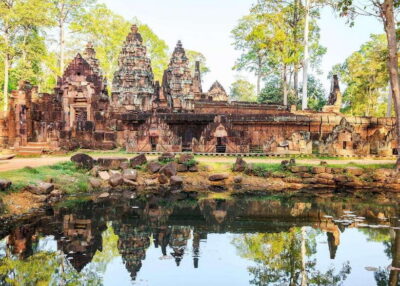
For a first visit, you also get a useful contrast: Angkor Wat’s grand geometry, Bayon’s famous faces, Ta Prohm’s dramatic jungle setting, and then Banteay Kdei, which tends to feel calmer after the big hits. It’s a smart sequence for people who want a highlights reel without totally giving up context.
And because it’s private—just your group—you can ask quick questions as you go instead of waiting for a schedule that doesn’t fit your interests.
You can also read our reviews of more tours and experiences in Phnom Penh

The long road plan: timing, comfort, and prep that matters
You start early in Phnom Penh, with pickup from your hotel area. The schedule is tight: you’ll spend around 6 hours traveling toward Siem Reap by private car, then you’ll visit the temples in set blocks (2 hours for Angkor Wat, 1 hour for Bayon, 1 hour for Ta Prohm, and about 30 minutes for Banteay Kdei), then you’ll return later to Phnom Penh as part of the full 16–18 hour experience.
That timing is the main thing to plan around. You’re not doing this to take deep, slow museum-style reading time. You’re doing it to see the architecture, the layout, and the stories that people travel across Cambodia for.
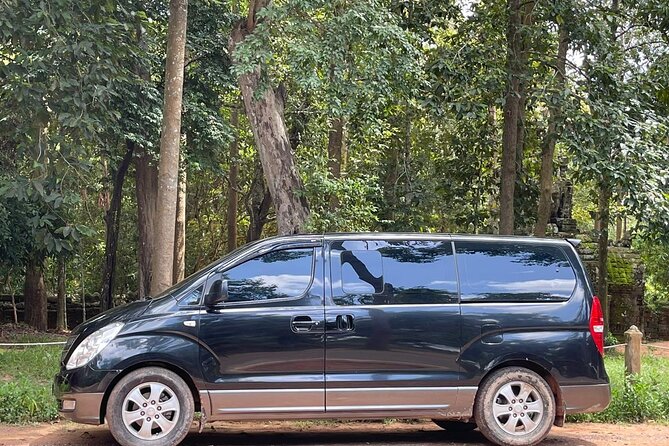
Comfort-wise, the tour includes cold drinking water and towels, which is a big help when you’re moving between temples under strong sun. Still, you should plan for the fact that meals aren’t included. If you’ll need lunch or snacks, bring a small plan with you so you don’t end up hungry at the exact moment you’re also climbing steps and walking corridors.
Angkor Wat: what 2 hours is best for
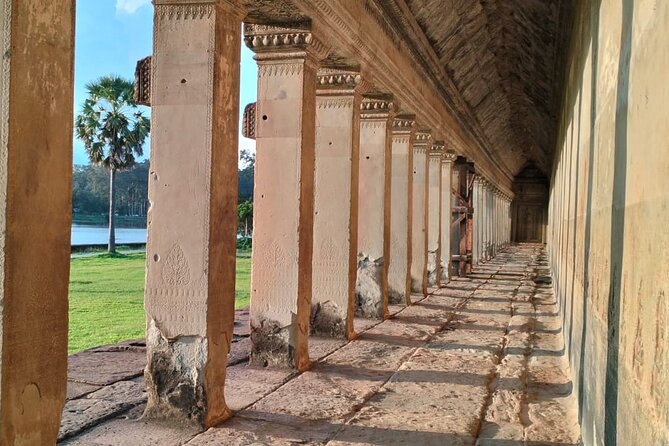
Angkor Wat is the anchor of the whole day. You’ll start there once you arrive in Siem Reap, with about 2 hours on site and the admission ticket included.
In that time, you can do the practical essentials: get your bearings, take in the main temple massing, and see the central spaces that make Angkor Wat so recognizable from photos. Two hours is enough to feel the scale and understand the basic idea of the site without turning it into a full-day marathon.
A key benefit is having an English-speaking guide/driver who can tell you what you’re looking at and why it matters. One reviewer specifically highlighted Sithon for being unusually well prepared—he’s written several books on Angkor Wat—so if your guide is the same, you’ll likely get more clarity than you’d expect from a rushed stop.
If there’s a moment you’ll want to linger, it’s usually around the main visual axes and the carved details you can’t truly “see” from across the courtyard. Use your time wisely: quick overview first, then slow down for the details you care about most.
Bayon and Angkor Thom: why faces take less time than you think
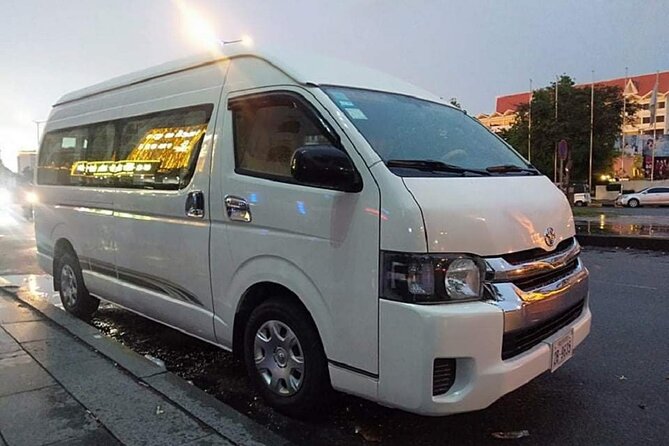
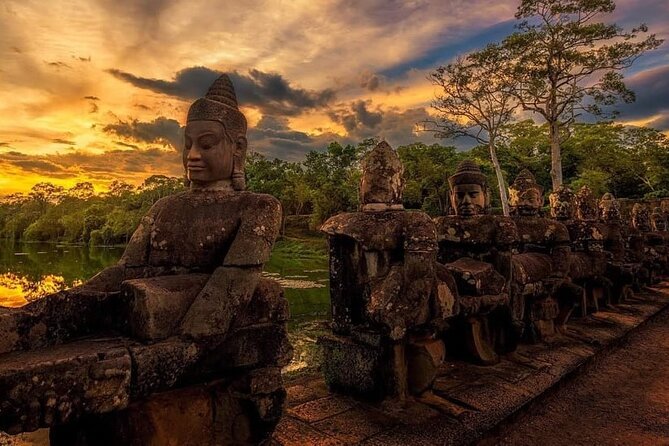
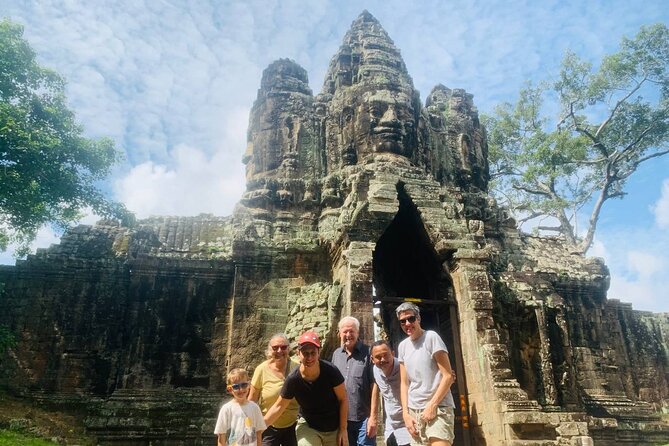
After Angkor Wat, the route moves to the Angkor Thom complex, and specifically Bayon Temple. You’ll have about 1 hour here, again with admission included.
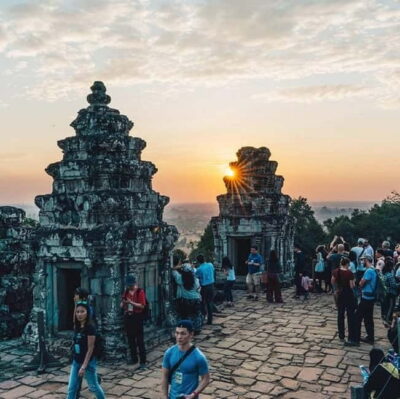
Bayon is famous for the stone faces, but the real payoff in an hour is not just taking photos. It’s understanding how the face towers sit within the layout and how the temple’s design guides your movement. In that kind of time box, a good guide can help you connect the dots fast: what direction you’re facing, what parts are most relevant, and how the site’s story connects to the rest of the day.
One thing that helps: having your guide explain the cultural context without drowning you in every detail. For people doing an express itinerary, interpretive clarity beats a long lecture. And based on the guide feedback you can expect strong English and helpful explanation from guides like Mr Piza.
If you’re someone who likes to photograph, you’ll still manage it here—but keep it practical. Decide what you want first (the faces, the approach, a specific angle), then commit. Bayon can eat time if you drift.
Ta Prohm: how to handle the jungle setting in one hour
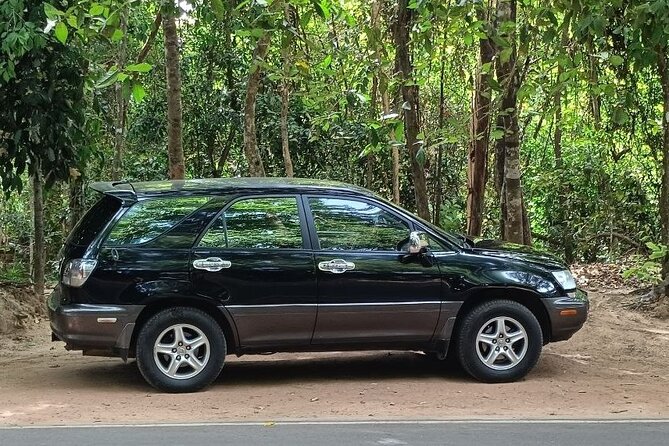
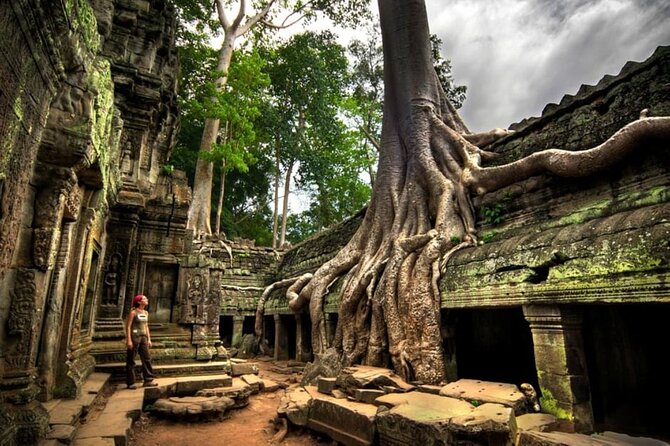
Next comes Ta Prohm Temple, often called the Tomb Raider Temple. You’ll have about 1 hour to explore.
This stop is all about atmosphere. You’re seeing how the temple feels when trees and roots mix with stone, and why people get that “set piece” reaction when they walk in. Ta Prohm doesn’t reward speed, but your time is limited—so the trick is to choose your path and stop points rather than wandering randomly.
Because you’re on a schedule, having a guide helps you focus on the spots that matter and the features that show the temple’s character without you needing to figure everything out yourself. You’ll feel the dramatic contrast between bright open patches and shaded areas under the canopy.
In an express day, I’d recommend you do this: take your wide overview first, then pick one or two tighter photo targets (often where the framing looks most intentional). That way you get both scale and detail before your hour ends.





Banteay Kdei: the quieter finish that helps your brain
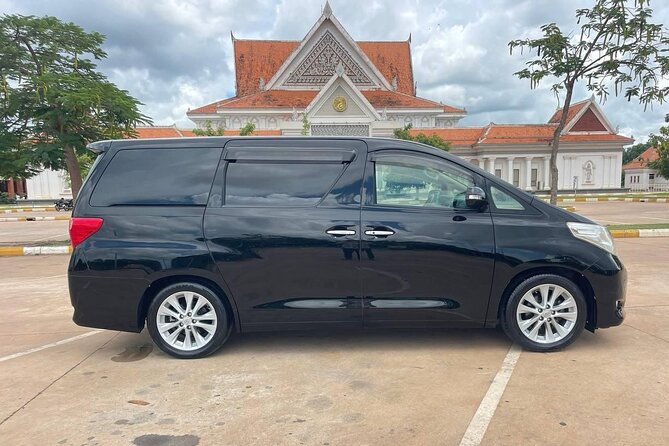
The last temple on the route is Banteay Kdei, with about 30 minutes on site and admission included.
This is a smart finish. After Angkor Wat, Bayon, and Ta Prohm, your senses can feel overloaded. Banteay Kdei is shorter and tends to feel more relaxed, which makes it easier to absorb what you’ve already seen. It’s also a chance to notice different temple vibes—less “everyone stopping for the big moment,” more “walk and look.”
If you’re the type who likes to catch the differences between temples, Banteay Kdei is where you can do that. You’ll likely have less time to plan and pose, but you’ll have more chance to simply look at the structure and feel the shift in atmosphere.
Then, there’s a lunch break at a local restaurant along the way. Meals aren’t included overall, but this scheduled break is where you can refuel before the ride back.
The guide and driver effect: when names like Sithon actually matter
On an express route, the guide isn’t a luxury. They’re how the day becomes more than walking from gate to gate.
The feedback you have here points to two big strengths:
- English is strong and explanations are easy to follow.
- Guides bring Angkor knowledge in a way that feels practical, not just academic.
One reviewer called out Sithon for being incredibly knowledgeable about Angkor Wat and Cambodia’s culture, and noted that he’s written multiple books on the subject. Another praised Mr Piza for being well-informed about Angkor Wat, and Mr Chan for being friendly and personable while also knowing Cambodia’s history.
I’d translate that into a real tip for you: ask your guide one simple question at the start, like where to focus your attention first at Angkor Wat or what to notice at Bayon. If your guide is strong, you’ll feel the difference immediately—your photos will look better, and your understanding will stick.
Price and value: what $218.50 really covers
The price is $218.50 per person, and the schedule runs 16–18 hours total. The big value point is what’s included:
- Private vehicles
- Cold drinking water and towels
- English-speaking tour guide/driver
- Fuel, parking fees, and car insurance
- The 4-temples ticket (listed as $37 per person)
Meals aren’t included, so you’re paying for transportation and guided temple access, not for food. You’re also not paying extra for you to find your own tickets or figure out the route between Phnom Penh and Siem Reap while managing time pressure.
Is it “cheap”? Not really. But it’s often fair for what it replaces: a private driver arrangement, ticket hassle, and the coordination time you’d spend planning. If you value time and comfort, this is the kind of pricing that makes sense—especially for couples or small groups, where a private setup keeps the day smoother.
One more value note: the tour is booked on average 38 days in advance, which suggests it’s popular in peak seasons. If you want your preferred guide style, earlier booking can help.
What to pack and how to keep the day from draining you
Even with water and towels included, this kind of long day needs basic self-management.
Bring:
- Comfortable, grippy shoes for temple steps and uneven ground
- Sun protection (hat or cap, sunscreen)
- A small snack plan since meals aren’t included, aside from the scheduled lunch break opportunity
- Cash for the restaurant meal and personal spending
Keep your expectations realistic. Each temple stop is short by design. So go in with a focus: decide your top “must-not-miss” moments for Angkor Wat and Ta Prohm, and treat Bayon and Banteay Kdei as the supporting acts that still matter.
Also, since pickup is included and the tour is private, you’ll waste less time at the start. Still, be ready for an early start and a lot of sitting during transfers.
Who should book this, and who might want something slower
This tour fits you if:
- You have limited time in Cambodia and want Angkor Wat and the iconic temples in one day
- You prefer a structured route with an English-speaking guide
- You’d rather pay for convenience than spend time coordinating transport and tickets
- You’re traveling as a couple or small group and want only your group in the vehicle
You might want a slower multi-day approach if:
- You hate long travel days
- You want unhurried temple time with lots of museum-style context
- You’re very sensitive to schedule pressure (this is a tight program)
Think of this as a high-efficiency Angkor taste—excellent if you’re strategic, less ideal if you want to roam freely.
Should you book this Phnom Penh to Siem Reap day trip?
If you’re aiming for maximum Angkor impact with minimum planning, I think this is a solid booking choice. The combination of private transport, an English guide/driver, and four temple tickets included makes it feel like a finished product instead of a DIY puzzle.
Book it if you can handle a long day and you’re okay with limited time at each temple. If that sounds like you, you’ll come away with a clear “big picture” of Angkor and a set of photos and memories that actually match what people come to see.
Skip it if you want a leisurely Angkor experience, because the schedule is designed for efficiency, not lingering.
FAQ
FAQ
How long is the Phnom Penh to Siem Reap round-trip day trip?
It runs about 16 to 18 hours total.
What temples are included in the visit?
You’ll visit Angkor Wat, Bayon Temple, Ta Prohm Temple, and Banteay Kdei.
Is hotel pickup offered in Phnom Penh?
Yes, pickup is offered from your hotel in Phnom Penh.
Does the tour include temple admission tickets?
Yes. The package includes the 4-temples ticket (listed as $37 per person), and admission is included for the temple stops.
Are meals included?
No. Meals are not included, though there is a lunch break at a local restaurant.
What language is the guide?
The tour includes an English speaking tour guide/driver.
Is this a private tour?
Yes. It’s a private tour/activity, and only your group will participate.
How do you travel between Phnom Penh and Siem Reap?
The itinerary provided uses a private car. The overview also mentions travel via private car or flight, depending on the setup.
Is there a mobile ticket?
Yes, the tour includes a mobile ticket.
What is the cancellation policy?
Free cancellation is available. You can cancel up to 24 hours in advance for a full refund, and cancellations within 24 hours are not refunded.