REVIEW · SIEM REAP
Siem Reap: Angkor 1-Day Private Tour with Sunset or Sunrise
Book on GetYourGuide →Operated by Vamos Camboja Turismo · Bookable on GetYourGuide
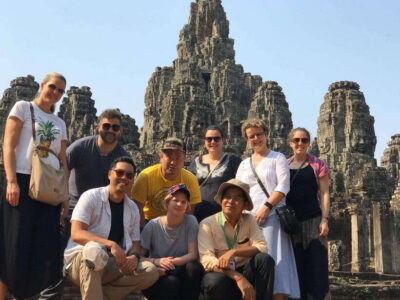
Angkor can feel like a maze—until you have a guide. This private Siem Reap day ties together the must-see temples (Bayon, Ta Prohm, and Angkor Wat) with photo stops and Khmer context, often with guides like Buth and Thom who make the carvings make sense. I love the way the route is flexible for your pace and questions, and I also like the practical touches like cold towels, cold water, and clean timing. One drawback: if skies turn cloudy (especially for sunset), the view payoff at the hilltop can be less dramatic.
What makes this feel worth it is the private setup. You’re not sharing your day with strangers, and you can choose a guide language from English to Spanish, French, German, Portuguese, Italian, or Japanese. I’ve also seen real praise for the guides’ patience and photo-help, including tips that keep you out of the worst crowd jams. Still, lunch isn’t included, and Angkor tickets are extra, so your true day cost depends on how many people are in your group.
If you’re planning a sunrise option, you’ll start early. The 05:00 AM pickup is no joke, and you’ll want to bring a hotel breakfast box or snacks so you’re not walking temple circuits starving. Also, dress code is enforced at most temple sites (scarf for knees/shoulders is allowed; shorts and sleeveless shirts aren’t).
In This Review
- Key things that make this tour special
- Picking sunrise or sunset: which Angkor mood fits you?
- Sunrise option (fast, quiet, and early)
- Sunset option (long day, classic finish)
- My practical advice
- Starting at Angkor Thom’s South Gate: the tone-setter you don’t skip
- Ta Prohm and Ta Keo: temples that look like film sets
- Ta Prohm: the tree-root cathedral effect
- Ta Keo: a geometric, temple-climber contrast
- Victory Gate and the Bayon: smiling towers with real meaning
- Srah Srang break: how the pacing stays human
- Angkor Wat: the centerpiece, handled with care
- Sunset finish (sunset option only)
- When you choose 2 days: the Grand Circuit + Banteay Srei shift
- Day 2 sunrise at Angkor Wat
- Grand Circuit temples: longer routes, fewer “repeat hits”
- Banteay Srei: the fine-carving finale
- Transport and guide language: the comfort side of Angkor
- The real cost: $110 private price plus Angkor tickets
- What to pack (and wear) so temples don’t slow you down
- What to bring
- Dress code reality check
- Who this private Angkor tour is best for
- Should you book this private Angkor tour?
- FAQ
- What’s included in the tour price?
- Is Angkor entrance tickets included?
- How much time do I have on the 1-day tour?
- What temples do I see on the 1-day version?
- What if I choose the sunrise option—do I need breakfast?
- What’s the difference with the 2-day option?
- What kind of transport will I use?
- What should I wear to enter temples?
- Is it suitable for people using wheelchairs?
Key things that make this tour special
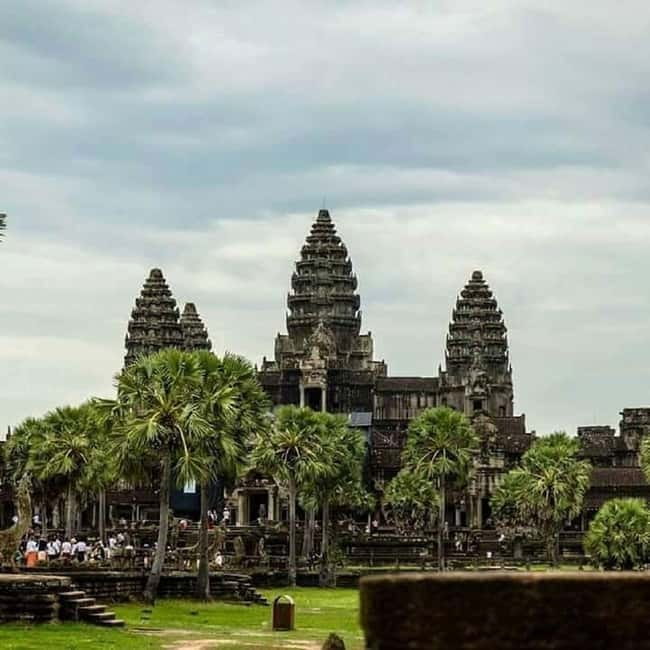
- Licensed local guide with in-depth Khmer explanations (I’ve seen strong notes on guides like Buth, Youk, and Visal)
- Private transport and pickup/drop-off so you spend energy on temples, not logistics
- Sunrise or sunset focus with prime timing at the big viewpoints
- Hidden photo spots plus help with angles and walking order
- Cold water and cold towels at stops to keep you moving comfortably
Picking sunrise or sunset: which Angkor mood fits you?
You’re choosing the day’s rhythm, not just the light.
You can also read our reviews of more private tours in Siem Reap

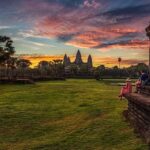
Sunrise option (fast, quiet, and early)
Sunrise runs from about 05:00 AM to around 12:00 PM. The idea is simple: get to Angkor Wat when the heat is still low and the first wave of visitors is smaller. You’ll likely feel the energy of everyone arriving for the same moment, which can be fun if you like that shared excitement. The tradeoff is that you’ll be up extremely early, and sunrise days can feel like a sprint.
Also, this option recommends bringing a breakfast box from your hotel. The tour includes breaks and guided time, but lunch isn’t included, so snacks matter.
Sunset option (long day, classic finish)
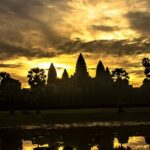
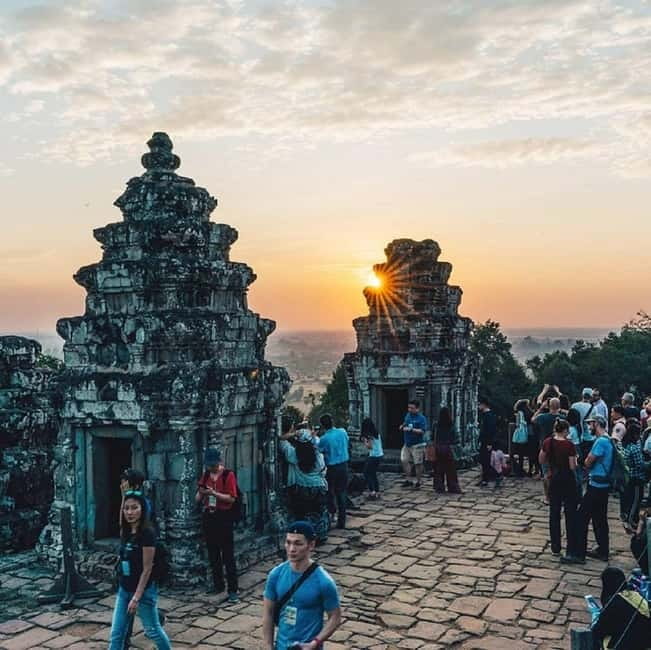
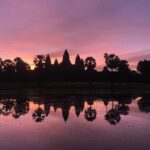
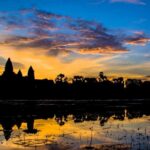
Sunset runs 08:30 AM to about 06:30 PM. You get a more relaxed flow through the main temples in the afternoon and then finish with a viewpoint—typically Phnom Bakheng—to watch the light fall over the jungle and Angkor Wat.
The catch? Weather changes everything here. One traveler’s note about cloudy skies is a good reminder: if the sky cooperates, sunset is magic. If it doesn’t, you may feel like you climbed for less-than-perfect visibility.
My practical advice
If you hate crowds and heat, sunrise is the better bet. If you want a full temple day with a slow buildup and a late finish, sunset fits. If you’re the type who takes photos and cares about getting the right moment, this tour’s guide-led timing is a big help either way.
Starting at Angkor Thom’s South Gate: the tone-setter you don’t skip
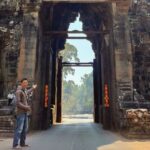
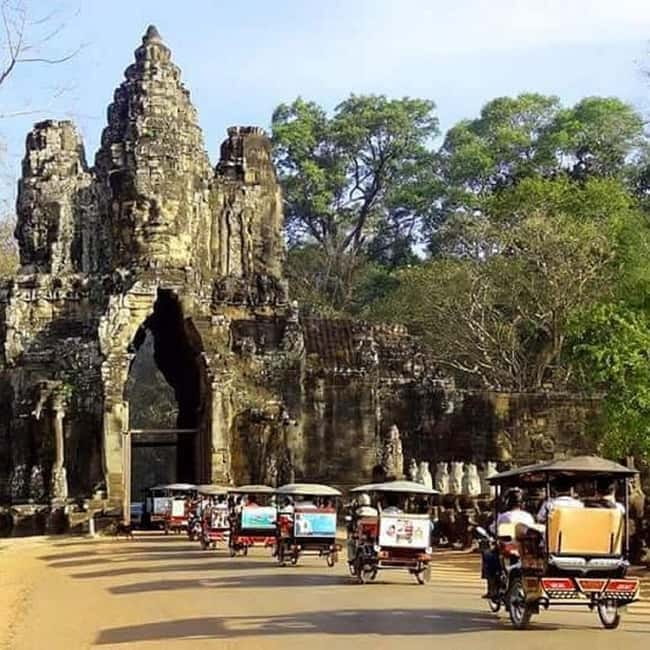
Your day begins around the South Gate of Angkor Thom. This matters because it’s not just a pretty entrance. It instantly tells you you’re walking into an imperial city—big walls, big scale, and those giant stone faces welcoming you in.
From there, the tour leans into the city’s storytelling:
- Angkor Thom’s inner sights (with Bayon as the centerpiece)
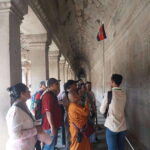
- A guided walk that points out what to look for in the bas-reliefs and temple layout, not just where to stand for a photo
This is one of the strongest parts of the experience, because the guide can connect symbols, religious influences, and restoration realities. When guides are good, they can turn “cool carvings” into “I get why this is here.”
You can also read our reviews of more evening experiences in Siem Reap

Ta Prohm and Ta Keo: temples that look like film sets
In a one-day route, you’ll hit two very different “wow” styles.
Ta Prohm: the tree-root cathedral effect
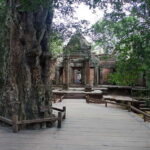
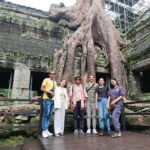
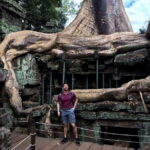
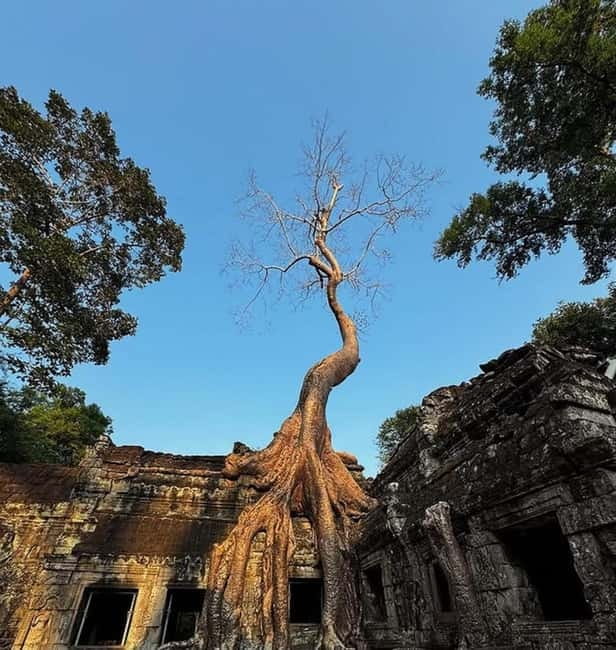
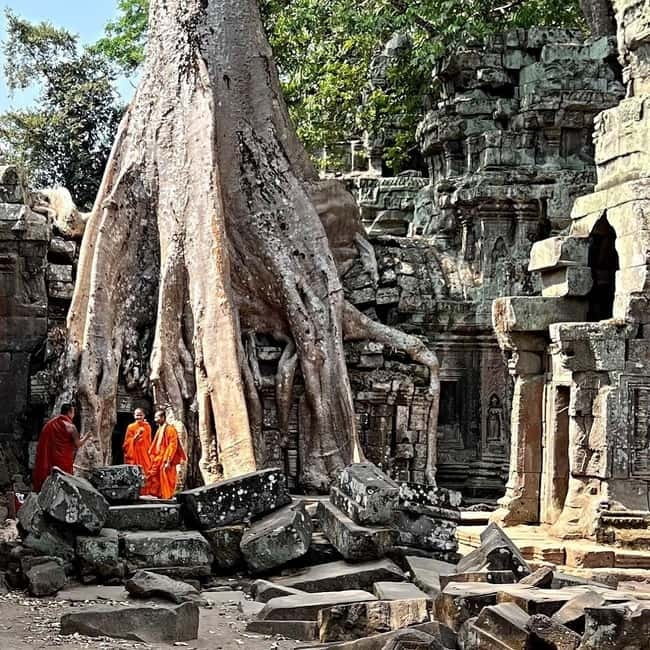
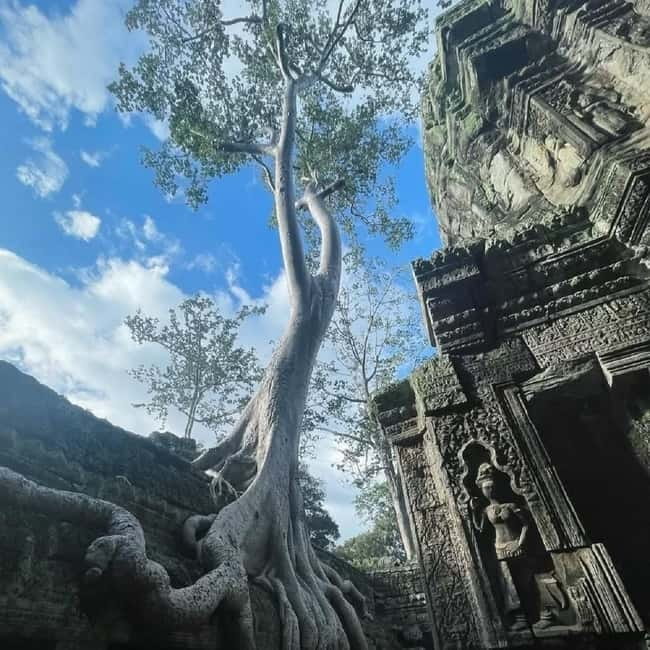
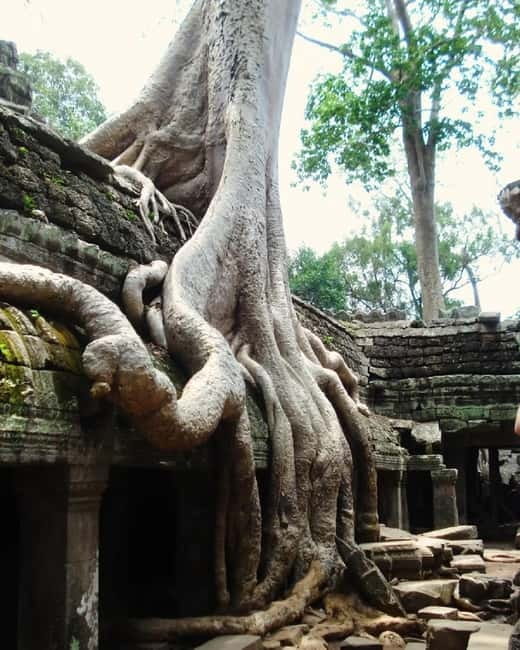
Ta Prohm is the temple most people picture from photos: massive roots wrapping the stone. It’s visually dramatic, but it’s also a great place to slow down. The guide’s job here is to help you notice the structure under the chaos—how the temple’s layout still reads even when nature takes over.
If you’re a photography person, this is where timing and angles matter. Several guides were praised for bringing visitors to good photo spots and taking pictures that actually turn out well.
Ta Keo: a geometric, temple-climber contrast
Then comes Ta Keo, which feels more structured and monumental than Ta Prohm. It gives you a different emotional hit: less “movie jungle” and more “stone mountain.”
One practical point: you’ll be walking and climbing uneven stone surfaces. Comfortable shoes are non-negotiable here, and you’ll want to protect yourself from the sun.
Victory Gate and the Bayon: smiling towers with real meaning
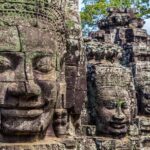
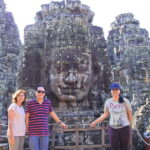
Next you’ll pause at Victory Gate, Angkor, then move into Bayon in Angkor Thom. Bayon is famous for those faces. The reason it stays memorable is that it’s not just a postcard view—you get towers, corridors, and perspective tricks as you move.
Good guiding turns Bayon into a lesson. Instead of rushing, you’ll learn how the temple functioned and what the decorative program communicates.
If you like your history with a human touch, this is a good time to ask questions. Many guides were praised for answering clearly and with detail throughout the day.
Srah Srang break: how the pacing stays human
Between the big temples, you get a break around Srah Srang, with time built in for a lunch window (lunch itself isn’t included). This is important because a full Angkor day can run long in the heat.
Use the downtime well:
- Refill water if needed
- Use sunscreen and insect repellent
- Take a short rest before Angkor Wat, which is one of the largest and most active sites on the list
A quiet benefit of a private tour is that your guide can adjust pace if you’re feeling hot, tired, or photo-obsessed.
Angkor Wat: the centerpiece, handled with care
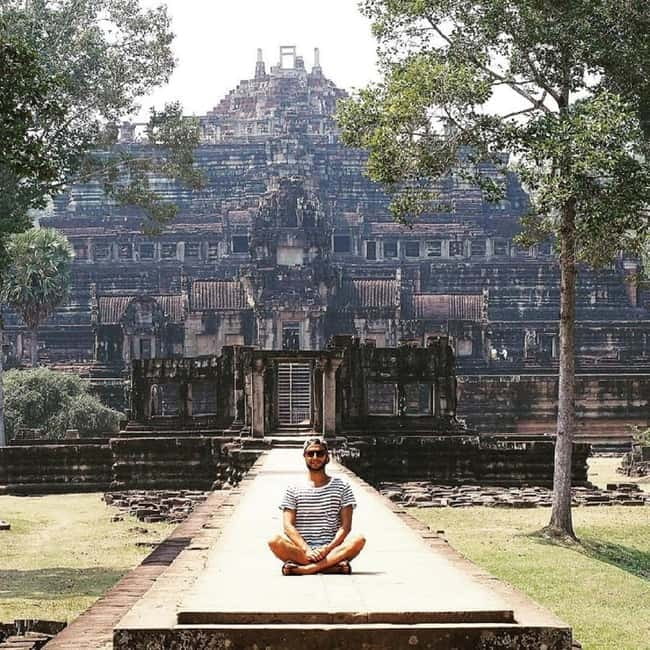
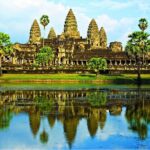
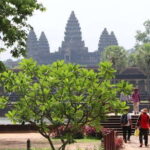
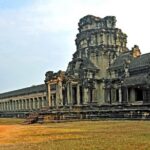
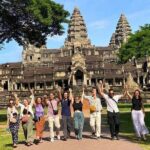
Angkor Wat is the “main event.” Even if you’ve seen images, being there in person changes the scale. You’ll spend about two hours here in the one-day experience, which is just enough to see major features without feeling like you’re sprinting through.
What makes this stop work on a guided private tour is the way the guide can explain the symbols and details—so you’re not just looking at stone, you’re reading stone. Several guides were repeatedly praised for patience, clear communication, and keeping the visit interesting.
Sunset finish (sunset option only)
If you chose sunset, you’ll typically end at Phnom Bakheng for the view over the area and Angkor Wat. Expect a photo stop with some walking and viewpoint time.
If you’re sensitive to crowds, know that sunset moments draw a lot of people. Your guide’s timing choices help.
When you choose 2 days: the Grand Circuit + Banteay Srei shift
If you’re choosing the 2-day option, the whole pace changes in a good way. Day 2 includes more temples, including the Grand Circuit and Banteay Srei, plus sunrise at Angkor Wat again.
Day 2 sunrise at Angkor Wat
It starts early with pickup around 05:00 AM. After sunrise, there’s a breakfast period (bring a breakfast box or snacks). Then you move into the Grand Circuit.
Grand Circuit temples: longer routes, fewer “repeat hits”
You’ll visit a sequence that includes:
- Preah Khan: atmospheric corridors and carving details
- Neak Pean: a smaller temple with pools that feels like a breather
- Ta Som: a classic tree-covered gateway look
- East Mebon: once connected to island/reservoir geography
- Pre Rup: a mountain-temple style stop with sweeping countryside views
This day is often easier than people expect, because the transfers are built in. One traveler noted that the first day’s walking felt more intense, while the second day felt more relaxed due to more driving between sites.
Banteay Srei: the fine-carving finale
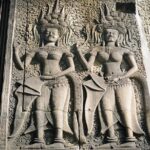
Then comes Banteay Srei, often described as the “Citadel of Women” because of its association in local storytelling. The key draw is intricate pink sandstone carvings. This is the kind of stop where a guide’s interpretation helps a lot—small details become meaningful.
The tour finishes around 01:00 PM, returning you to your hotel afterward.
Transport and guide language: the comfort side of Angkor
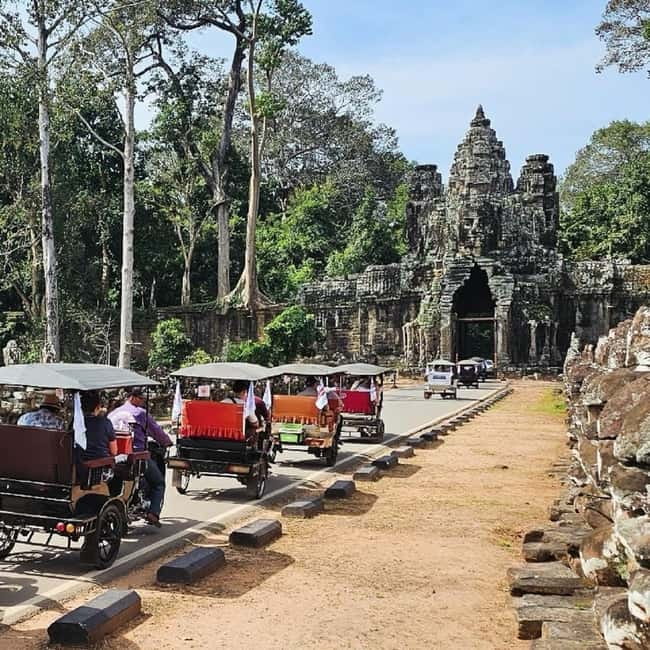
This is one of the practical wins of this tour. You’ll have hotel pickup and drop-off, plus private transport chosen by party size:
- 1–2 people: typically a tuk-tuk (with an option to use a car at checkout)
- 3+ people: an A/C van or bus
- For the 2-day plan: tuk-tuk on day 1 (for smaller parties) and car on day 2
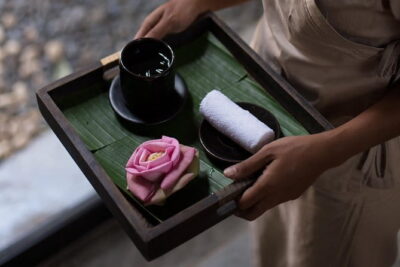
Cold water and cold towels are included during visits, and that sounds like a small thing until you’re walking in sun and humidity. Car/AC gets praise in reviews too, so if you’re sensitive to heat, it’s worth selecting the best transport option available.
Guide language selection is another value point. You can pick English, Spanish, French, Portuguese, Italian, German, or Japanese. That matters because temple art is detail-heavy. If you can understand the explanation fully, your time feels twice as long—in a good way.
The real cost: $110 private price plus Angkor tickets
The tour price starts at $110 per group up to 2 for a 1-day private experience (and you’ll choose sunrise or sunset). That’s strong value for a private setup because you’re not just buying a driver. You’re paying for:
- A licensed local guide
- Private routing and timing
- Hotel pickup/drop-off
- Included cold water and cold towels
But you must budget for the Angkor Archaeological Park entrance ticket, which is not included:
- $37 per person for 1 day
- $62 per person for 2–3 days
If you’re a couple doing a 1-day tour, your ticket cost is predictable and the base price still looks fair for the private attention. If you’re coming with a bigger group, the entrance tickets scale up quickly, and the overall “day cost” becomes more about headcount.
Also note: children under 12 can join free of charge, and a passport is required as proof. Adults pay the standard ticket price.
What to pack (and wear) so temples don’t slow you down
Wear and bring like you’re going to be outside for hours.
What to bring
- Comfortable shoes
- Sunglasses and sunscreen
- Sun hat
- Insect repellent
- Comfortable clothes
Dress code reality check
Temple rules are part of the experience. You may need to cover knees and shoulders:
- A scarf can help cover knees and shoulders
- For most temples, except Angkor Wat, you’ll need pants/skirts that cover knees and shirts that cover shoulders
- No shorts, short skirts, sleeveless shirts, or other revealing clothes
Also, no pets and no alcohol/drugs. Plan clothing to avoid last-minute stress at the gates.
Who this private Angkor tour is best for
This tour style is ideal if you:
- Want privacy and a guide who can answer questions in real time
- Prefer structured temple coverage without guessing logistics
- Care about photography and want help finding better angles and quieter moments
- Value comfort touches like AC options, cold towels, and hotel pickup
It’s less ideal if you’re using a wheelchair, since it’s listed as not suitable for wheelchair users.
Should you book this private Angkor tour?
Yes—if you want maximum temple value per hour with real guidance. The standout reasons to book are the private pacing, the licensed local guide, and the small comfort details that keep you going from Ta Prohm to Angkor Wat to Phnom Bakheng.
I’d especially lean toward the 2-day option if you feel you’ll need more time to absorb what you’re seeing. Angkor isn’t just “see it once.” With more time, you can slow down, re-check details, and spread the walking out.
Choose sunrise if you’re heat-sensitive, love early mornings, and want a calmer start. Choose sunset if you’re more of an afternoon person and you don’t mind that weather can make or break the hilltop viewpoint.
If you want a smooth, guided Angkor day without the guesswork, this is a smart way to do it.
FAQ
What’s included in the tour price?
The tour includes a private tour (1-day or 2-day), a licensed local guide (with multiple language options), hotel pickup and drop-off, transport for the stops, cold water and cold towels during visits, and all transfers/tours listed in the itinerary. Angkor ticket, lunch, and anything not mentioned as included are not included.
Is Angkor entrance tickets included?
No. The Angkor Archaeological Park entrance ticket must be purchased separately. It’s $37 per person for 1 day and $62 per person for 2–3 days. Children under 12 years old are not required to purchase an entrance ticket.
How much time do I have on the 1-day tour?
The sunset option runs about 08:30 AM to around 06:30 PM (roughly 8 hours). The sunrise option runs about 05:00 AM to around 12:00 PM.
What temples do I see on the 1-day version?
A typical 1-day route includes stops such as Ta Prohm, Ta Keo, Victory Gate, Angkor Thom sites, Baphuon, Bayon, Srah Srang (break/lunch window), Angkor Wat, and for the sunset option, Phnom Bakheng for the sunset viewpoint.
What if I choose the sunrise option—do I need breakfast?
You’re advised to bring a breakfast box from your hotel or snacks for the sunrise option. A lunch meal is not included.
What’s the difference with the 2-day option?
The 2-day option adds an extra day with sunrise at Angkor Wat, then the Grand Circuit temples, and also includes Banteay Srei. It’s a longer experience and generally offers more relaxed pacing than trying to fit everything into one day.
What kind of transport will I use?
For 1–2 people, transport is typically by tuk-tuk (with a car option available at checkout). For 3+ people, it’s by A/C van or bus. For the 2-day option, tuk-tuk is used on day 1 for 1–2 people, and a private car is used on day 2.
What should I wear to enter temples?
You may wear a scarf to cover knees and shoulders for many temple entries. Except for Angkor Wat, most temples require pants/skirts covering the knees and shirts covering the shoulders. Shorts, short skirts, and sleeveless shirts are not allowed.
Is it suitable for people using wheelchairs?
No. It’s listed as not suitable for wheelchair users.