REVIEW · PHNOM PENH
Discover the Tastes Temples and Tales of Authentic Cambodia
Book on Viator →Operated by Lost Plate · Bookable on Viator
Food can be a shortcut to Cambodia.
I like that this trip is food-forward, with guided meals that actually explain what you’re eating and where it comes from. I especially love the way it mixes big flavors with real context, from Phnom Penh market bites to Chef Nary’s cooking class and standout dishes like fish amok. I also really like the small group feel (max 10) and the English-speaking guides, including Lost Plate’s trip leader and specialist guides who keep the days running on time.
The only real drawback is the pace: you’ll pack in a lot of ground (plus a short hike to the bat cave and an early morning for Angkor Wat). And there’s an extra line item to budget for: the $35 government fee per person that isn’t included.
In This Review
- Key highlights you’ll care about
- Food-First Cambodia: What This Tour Gets Right
- Phnom Penh by Tuktuk: Markets, Beer, and River Time
- Tuol Sleng (S21) and a Night with Local Food
- Battambang Countryside: Between Rice Paddies and Real Roads
- Bat Caves and Riverside Dinner: When Nature Puts on a Show
- Battambang Art Streets to Market Cooking with Chef Nary
- Phare Circus, Then Siem Reap: A Creative Bridge to Angkor
- Bayon and Ta Prohm: Temples with Personality (and Real Walking)
- Sunrise at Angkor Wat: The Horizon Moment You Schedule Everything Around
- A Family Lunch Inside the Ruins: Soft Moments Between Big Stones
- Price and Logistics: Is $1,700 Good Value Here?
- Practical Tips for the Food and Temple Pace
- Should You Book Tastes Temples and Tales of Authentic Cambodia?
- FAQ
- Is pickup included, and where do I start?
- Are temple and activity tickets included?
- What meals are included?
- What is the maximum group size?
- Is there an extra fee besides the tour price?
- Is the tour a no-shop experience?
- Can I cancel for a refund?
Key highlights you’ll care about
- Food that teaches: tastings start in markets and end with you cooking Khmer classics with Chef Nary.
- Small-group logistics: private VIP van between cities, English-speaking guides for each attraction, max 10 people.
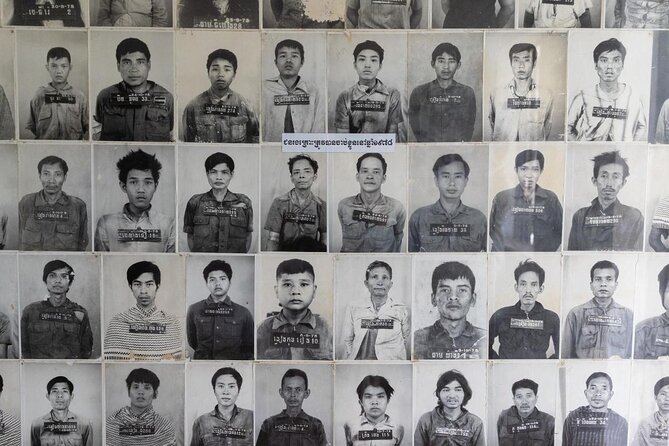
- History with context: Tuol Sleng (S21) is heavy, and the rest of the trip is designed to help you read today’s Cambodia better.
- Battambang nature moments: cycling or tuktuk village roads, plus a bat cave stop where timing is everything.
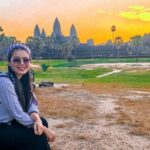
- Angkor Wat at sunrise: the three iconic pagodas in the early light, with tickets already handled.
Food-First Cambodia: What This Tour Gets Right
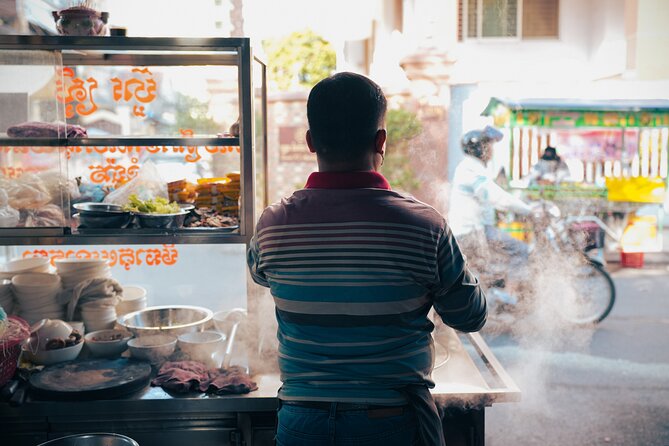
This is not a Cambodia “see it all fast” tour. It’s a food-led route that uses ingredients, markets, and family meals as your compass. That matters because Khmer food tells you how people live: what they grow, what they fish, and how they turn leftovers into something you want seconds of.
The other thing I like is that the trip doesn’t treat food as a side quest. You’re not just eating in random restaurants. You’re guided through places that aim to be safe-to-eat, with stops that connect the day’s sights to meals—like eating local noodle soup and coffee in Phnom Penh, then shifting to countryside rhythms in Battambang.
For your expectations, know this: you’ll have fun, but you’ll also have a serious moment. Tuol Sleng (S21) is part of the plan. If you’re not ready for it, you’ll feel it. If you are ready, it makes the rest of Cambodia’s story land harder—in a good way.
You can also read our reviews of more tours and experiences in Phnom Penh.
Phnom Penh by Tuktuk: Markets, Beer, and River Time
Your Phnom Penh day starts with tuktuks and a local food crawl built around four safe-to-eat restaurants. This is the kind of start that helps you get over jet lag fast: you’re moving, ordering the right things, and you’re never stuck deciphering menus alone. A cold beer shows up along the way, which may sound small, but it sets a friendly tone.
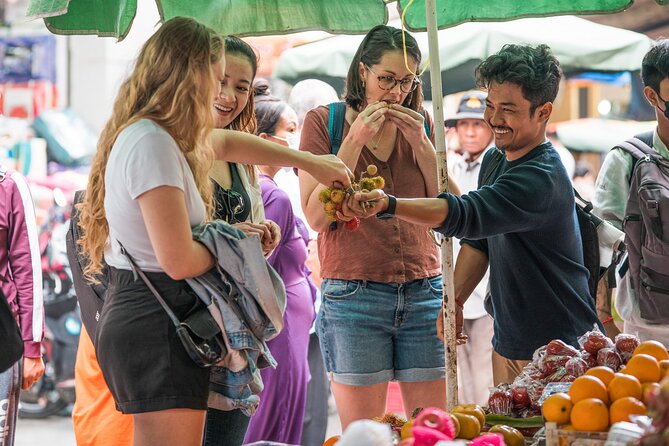
Then the plan shifts toward Tou l Tompong Market (often called the Russian Market). Morning here is about flavor and routine: noodle soup, Khmer coffee, and savory turmeric crepes, plus time walking through a busy market scene. The best part for you is the structure—your guide helps you notice details (ingredients, cooking styles, how locals shop) instead of just chasing photos.
After that, you get a break in style at Sisowath Riverside Park, where a private boat ride turns the day softer. Phnom Penh sits between the Tonlé Sap, Mekong, and Bassac rivers, and freshwater fish is a staple. Even if you don’t think about it consciously while you eat, the setting makes the food logic click.
What I’d watch for: markets can mean uneven sidewalks and lots of people standing around. If you’re the type who hates crowds, focus on pacing—take the bite, step aside, then go again.
Tuol Sleng (S21) and a Night with Local Food
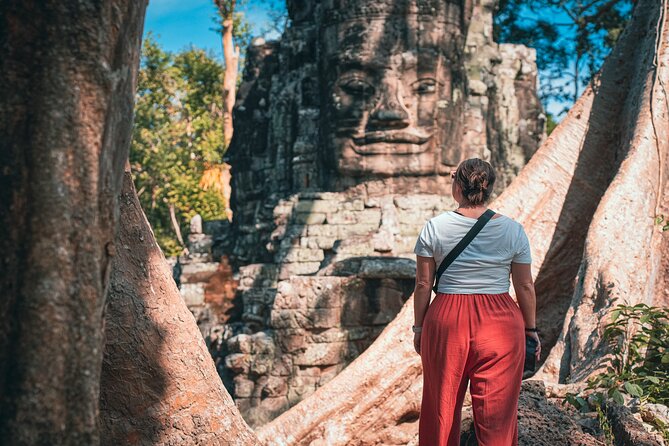
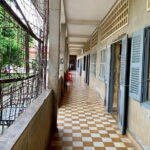
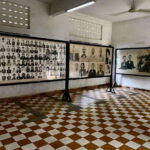
Tuol Sleng Genocide Museum, also known as S21, is the emotional anchor of the Phnom Penh portion. You don’t need extra drama to know it’s serious. It’s a former school site used during Cambodia’s darkest period. Even on a guided visit, it’s the kind of place where your brain slows down and your questions get heavier.
I appreciate that the tour doesn’t bury that moment and then rush you onto something “lighter” immediately. Instead, the day keeps moving toward places that feel tied to everyday life—like the riverside area and then a large dinner spread back in Phnom Penh. That dinner isn’t just a wrap-up meal. It’s part of the rhythm: understand the past, then see what survival and rebuilding look like in daily routines.
Practical tip: wear something comfortable. The museum experience can require standing and walking through multiple rooms. And if you’re sensitive to intense history, give yourself a quiet minute after—your body may need it.
Battambang Countryside: Between Rice Paddies and Real Roads
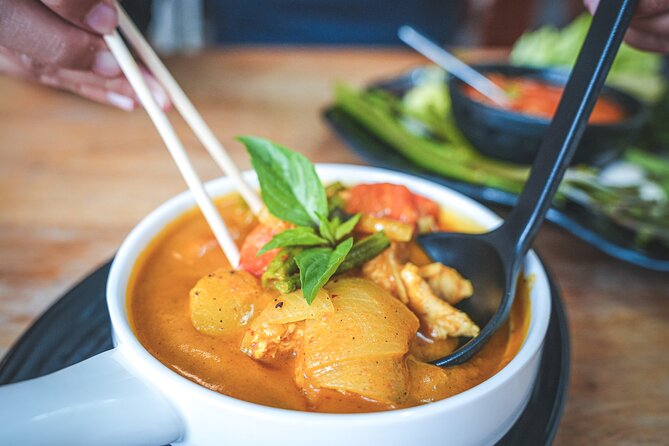
Once you leave Phnom Penh behind, the trip turns rural in a way that feels meaningful, not staged. Battambang sits between Cambodia’s two biggest cities, and the countryside here is all green rice paddies and water buffalo. The tour uses this as a reset day: you’re not just sightseeing; you’re traveling through how Cambodia spreads out beyond the main hubs.
You get a long countryside day, then a second Battambang-focused day that gives you more local movement. This is where you’ll have a choice: bike or tuktuk. If you like being active, bikes are a great way to feel the pace of rural roads. If you’d rather preserve energy for temples later, the tuktuk option keeps it comfortable while still letting you see villages and countryside edges up close.
What you’ll likely enjoy is how the days don’t just dump you at one photo stop. You’re traveling between places, and that travel time is part of the experience—quiet stretches, rural life, and the feeling that the region has its own tempo.
Possible drawback to plan for: rural days can mean sun, dust, and less predictable surfaces. Bring water (the van is stocked with mineral water on inter-city routes, but you may still want your own too) and keep expectations flexible.
Bat Caves and Riverside Dinner: When Nature Puts on a Show
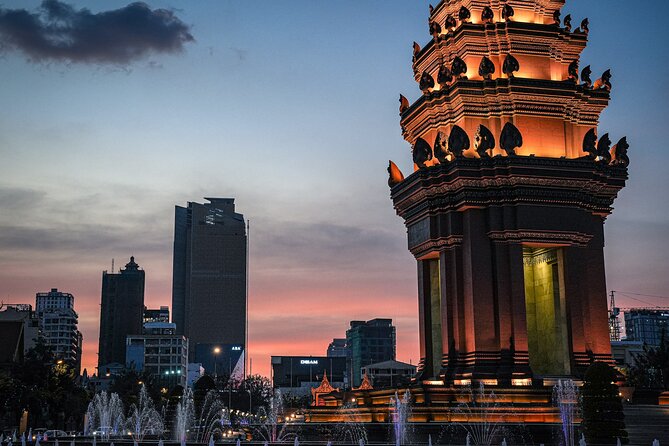
Battambang’s bat cave stop is one of those experiences that feels specific to this area. You take tuktuks out, rest a bit at the hotel, then head to a hillside cave with a short hike up a hidden path to the mouth. The highlight is the moment when millions of bats emerge to go foraging.
Two things matter here for you. First: timing. You’ll want to be ready when the bats start moving, so don’t wander off “just for one more view.” Second: comfort. Cave areas often mean damp air and uneven footing, so shoes matter more than style.
After the bat cave, the tour gives you a dinner setting on the riverside near where the Sangkae River drains into Southeast Asia’s largest freshwater body. You’re looking at a cold beer, fresh-to-order papaya salad, and a spread of local dishes. This is a good end-of-day pairing: wildlife intensity earlier, then a meal that tastes like the local kitchen is just getting warmed up.
If you’re traveling with anyone who dislikes bats, you’ll need to be honest with your expectations. You’re not just hearing about them; you’re watching the main event.


Battambang Art Streets to Market Cooking with Chef Nary
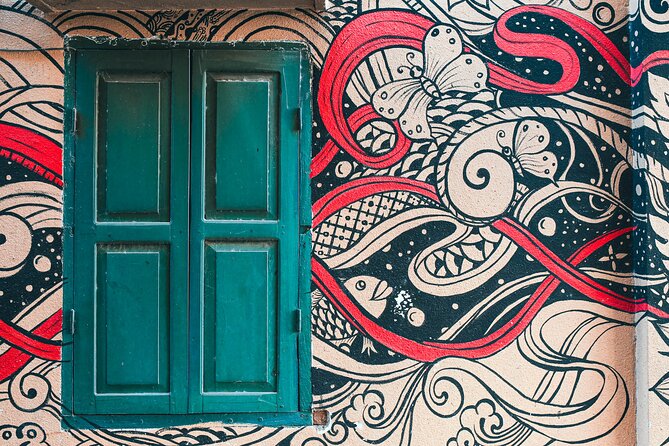
After that countryside immersion, Battambang returns you to people and creativity. For centuries, Battambang has been known for artists, then the Khmer Rouge years disrupted that. The tour connects the dots by taking you to today’s street-art scene, showing how creativity reappears even after political chaos.
Then comes one of the most practical, hands-on segments: a market visit for lunch supplies followed by a cooking class. This isn’t the kind where you sit and watch someone else work. You prepare four popular Cambodian dishes, including fish amok and a coconut milk dessert. The class is led by Chef Nary, and you’ll also get to shop at Battambang’s largest local market to choose ingredients.
For you, this is value in the best sense. You leave with skills that travel home better than photos do. If you cook even once after your trip—using fish, coconut milk, herbs, and spice—the whole journey becomes more than memories.
One caution: cooking classes take energy and patience. If you prefer super fast days, this is hands-on and a little messy in the best way.
Phare Circus, Then Siem Reap: A Creative Bridge to Angkor
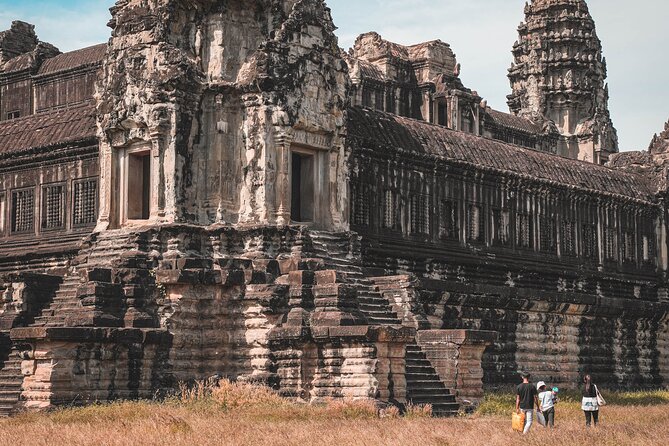
Later in the Battambang portion, you’ll head to Siem Reap—often called Temple Town because Angkor Wat is close. But the tour doesn’t treat it like one big temple queue. It adds the Phare, The Cambodian Circus experience, which is designed as a cultural detour rather than a quick ticket stop.
This works well because it breaks up the temple intensity. When you’re heading toward Angkor, your brain needs variety. Circus-style performances also help you reset your posture and energy level after days of markets, caves, and cooking.
As a pacing strategy, I like this placement. You’re not hitting Angkor Wat straight from a long transfer. You get a night with performances, food, and a change of scenery before the temple mornings.
Bayon and Ta Prohm: Temples with Personality (and Real Walking)
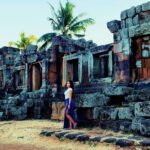
Angkor Wat gets the headlines, but the earlier temple day is where the tour builds your reading skills. You start with Bayon Temple, part of the larger Angkor area. Then you move to Ta Prohm, the temple that many people associate with film fantasy because of the famous tree-entwined scenes.
The best part for you is that the tour includes both time to look and time to move along dirt roads through quieter forest sections. These are the moments that turn Angkor from “big stones” into a place with texture and atmosphere.
Practical note: Angkor temple walking is uneven. There are steps, raised pathways, and surfaces that can be hot and dusty. If you have a moderate fitness level, you can do it, but you’ll want breathable clothes, good shoes, and water.
Also, keep your camera plan simple. When you’re surrounded by big ruins, it’s easy to over-shoot. Take a few key shots, then spend the rest of the time looking with your eyes.
Sunrise at Angkor Wat: The Horizon Moment You Schedule Everything Around
If you’re going to pick one part of your trip to treat like it’s a big deal, this is it: Angkor Wat sunrise. The tour includes the iconic three pagodas and a morning window when the temple feels like it wakes up with the light.
This is where your planning pays off. Sunrise isn’t just a pretty time; it’s also practical for crowd control and for getting the best contrast on the carvings and stone details. When you’re there early, you can actually study the structure instead of just dodging bodies.
What I like about this tour segment is that it’s built around the main moment. You don’t feel rushed by a long list of temples right away. You get the sunrise experience first, then the day continues with the calmer rhythm you’ll appreciate later.
And yes: expect early hours. If you’re not an early riser, treat it like a temporary life upgrade.
A Family Lunch Inside the Ruins: Soft Moments Between Big Stones
One of the more human segments happens after the temple morning days: lunch with a local family in a traditional home within the ruin-laden jungle area. You’ll enjoy homemade lunch and a fresh coconut, plus time learning about life before the ruins became a global draw.
This part matters because it changes the question from What is Angkor? to Who lives with it? You get a small window into how everyday Cambodian life fits next to tourism geography. It also gives you a break from stone and sun, which is honestly a big deal after multiple temple blocks.
Possible drawback: this is a “traditional home” setting, so comfort expectations should match. Dress for heat and respect the slow pace. If you’re expecting a polished restaurant experience, you might find it simpler than that.
Price and Logistics: Is $1,700 Good Value Here?
At $1,700 per person, this isn’t a cheap trip. But it’s also not a “pay for everything separately” deal. Your price includes tickets/entrance fees to activities and attractions, daily meals (breakfast 7 times, lunch 6 times, dinner 7 times), airport pick-up in Phnom Penh and drop-off in Siem Reap, and private inter-city VIP van transport with a driver and mineral water.
You’re also buying time and translation. English-speaking Lost Plate trip leadership, English-speaking local guides/specialists for each attraction, and an online pre-trip briefing and Q&A one week before departure all reduce the mental load. That matters when your days include S21 and Angkor sunrise—places where you want context and clear timing.
There are a couple costs you should still budget. Government fees are listed as $35 per person. Also, this tour is not refundable and can’t be changed if you cancel.
Group size is max 10, which usually means quicker adjustments when plans shift. And the tour is labeled no-shop, so you’re not being routed to places where purchases become the agenda.
My practical take: if you want a food-led Cambodia route with guides and included admissions, the pricing feels more like paying for a plan than paying for random logistics. If you’re on a strict budget and you like self-guided travel, you could spend less doing everything independently—but you’d give up a lot of the structure that makes days run well.
Practical Tips for the Food and Temple Pace
This tour works best if you can handle variety in a single day: markets, museums, boat rides, a cooking class, then temples and sunrise. To make it smoother:
- Wear shoes you can walk in across uneven temple paths and cave areas.
- Bring a light layer for early mornings and for indoor museum temperatures.
- Hydrate smartly, especially around Battambang countryside days and Angkor.
- Respect the tempo at Tuol Sleng. Don’t try to lighten it with jokes. You’ll thank yourself later.
- Don’t over-pack your expectations for “free time.” This route is structured, which is why the meals and admissions feel effortless.
One more thing: the tour includes a mobile ticket, which is handy for entries. Still, keep your phone charged and consider a small backup battery if you’re the type who uses maps a lot.
Should You Book Tastes Temples and Tales of Authentic Cambodia?
Book it if you want Cambodia that tastes like Cambodia. You’ll like the food-to-history-to-temples structure, and you’ll benefit from English-speaking guides who help you read what you’re seeing and eating. The standout moments—Chef Nary’s cooking class, bat cave evening timing, and Angkor Wat sunrise—are exactly the kind of experiences that feel better with a plan than with guesswork.
Skip it (or at least think hard) if you hate early starts, don’t like heavy historical sites, or prefer a slower, more independent schedule. This trip is friendly and well-supported, but it keeps moving.
If your travel style is curious, kind, and hungry for context, this one fits.
FAQ
Is pickup included, and where do I start?
You have airport pick-up in Phnom Penh, and your meeting point is listed as Pochentong Airport (Phnom Penh, Cambodia). Your departure day includes drop-off at Siem Reap airport.
Are temple and activity tickets included?
Yes. Tickets/entrance fees for all activities and attractions in the itinerary are included, and the tour uses a mobile ticket.
What meals are included?
Breakfast is included 7 times, lunch 6 times, and dinner 7 times.
What is the maximum group size?
This experience has a maximum of 10 travelers.
Is there an extra fee besides the tour price?
Yes. Government fees are listed as $35.00 per person and are not included.
Is the tour a no-shop experience?
Yes. It is a no-shop tour, meaning you will not be taken to places where you feel obligated to purchase anything.
Can I cancel for a refund?
This experience is non-refundable and cannot be changed for any reason. If it’s canceled because the minimum number of travelers isn’t met, you’ll be offered a different date/experience or receive a full refund.