REVIEW · SIEM REAP
Siem Reap Temple Tour 2-Day with Sunrise/Sunset
Book on GetYourGuide →Operated by Angkor Dynasty Travel · Bookable on GetYourGuide
Sunrise and sunset at Angkor? Yes, and it’s timed well. This 2-day Siem Reap temple tour strings together the big hitters—Angkor Wat at dawn and Bakong at sunset—plus Ta Prohm, Angkor Thom, Banteay Srei, and the Rolous Group. I also really like that you’re not just riding from sign to sign: you get an English-speaking guide and stops that make photo spots and carvings actually make sense. One thing to consider: you’ll be walking a lot and there’s a strict dress code, so plan for covered shoulders and knees and bring shoes that can take dust and stone.
The value is in the pacing. You start early, get a proper morning breakfast back in Siem Reap, eat lunch at local spots, and keep the day tight without feeling like you’re constantly sprinting. It’s also offered as a private group option, which helps when you want a little more breathing room around the temples and your guide’s explanations.
If you only have time for a well-packed visit, this tour uses your temple pass efficiently. It’s also priced at $52 per person for two days, which can be a bargain if you’d otherwise be piecing together transportation and a guide on your own.
In This Review
- Key highlights at a glance
- Sunrise and sunset sequencing that actually helps your photos
- Day 1: Ta Prohm with Tuk Tuk, then Angkor Wat, then Angkor Thom’s big faces
- Morning ride to Ta Prohm
- Breakfast at 07:30, then Angkor Wat
- Lunch, then Angkor Thom through the west gate
- Day 1 takeaway: why these three temples work together
- Day 2: Banteay Srei’s fine carvings and Preah Khan’s calmer feel
- Banteay Srei built for intricate work
- Preah Khan stop on the way back
- Lunch with a local family near Siem Reap Town
- Afternoon Rolous Group Temples: Lolei, Preah Ko, and Bakong
- Bakong at sunset: the finish you remember
- The role of the English guide (and why it matters more than you think)
- Transportation and walking: how to not waste your day
- Dress code and packing: the rules are real at Angkor
- Value check: what $52 buys you in 2 days
- Who this tour fits best
- Should you book this 2-day sunrise/sunset temple tour?
- FAQ
- FAQ
- What temples are included during this 2-day tour?
- Is there an English-speaking guide?
- Is pickup included?
- How long is the tour?
- Is there a private group option?
- What time are breakfasts provided?
- What about lunch during the tour?
- What do I need to bring?
- What clothing is not allowed?
- Is the tour wheelchair accessible?
- Can I cancel for a full refund?
Key highlights at a glance
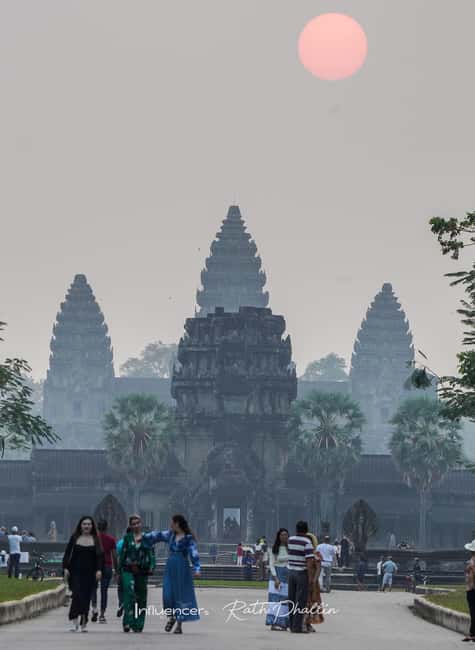
- Angkor Wat sunrise timing for those early, calm angles
- Ta Prohm by Tuk Tuk with a morning jungle vibe
- Angkor Thom with Bayon faces and the Terrace of the Elephants bas-reliefs
- Banteay Srei carvings + Preah Khan contrast (more detail, fewer crowds)
- Rolous Group temples (Lolei, Preah Ko, Bakong) ending with a sunset view from Bakong
Sunrise and sunset sequencing that actually helps your photos
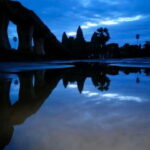
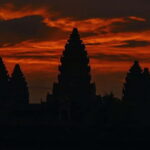
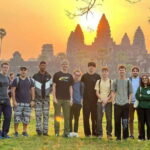
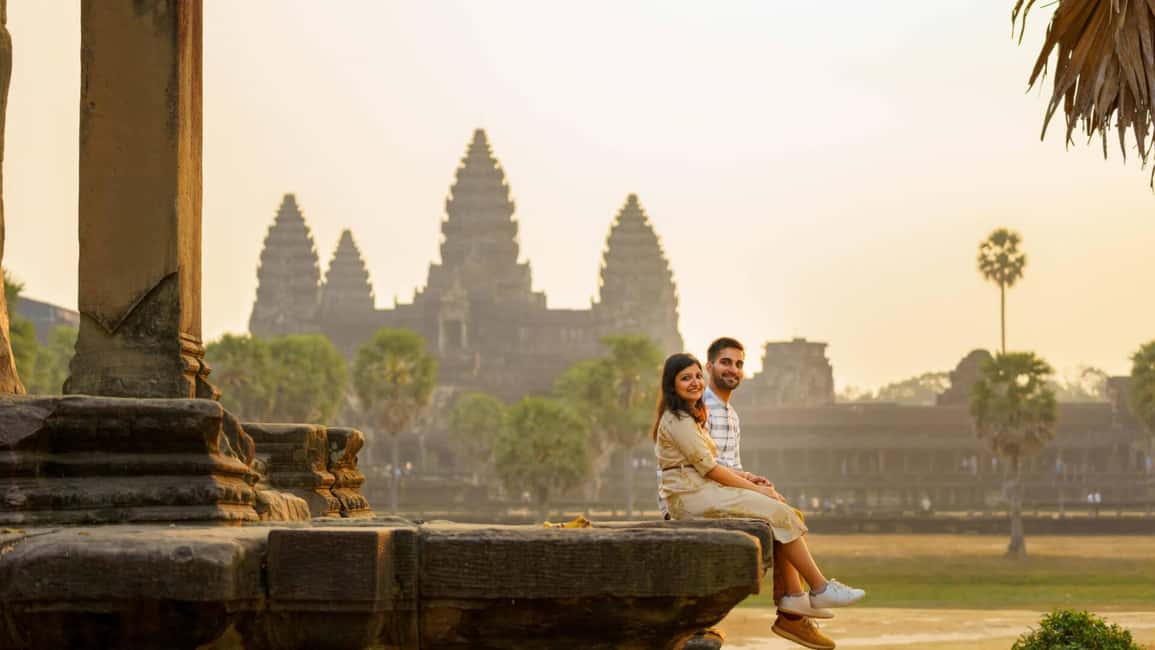
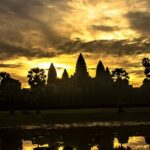
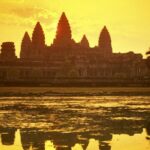
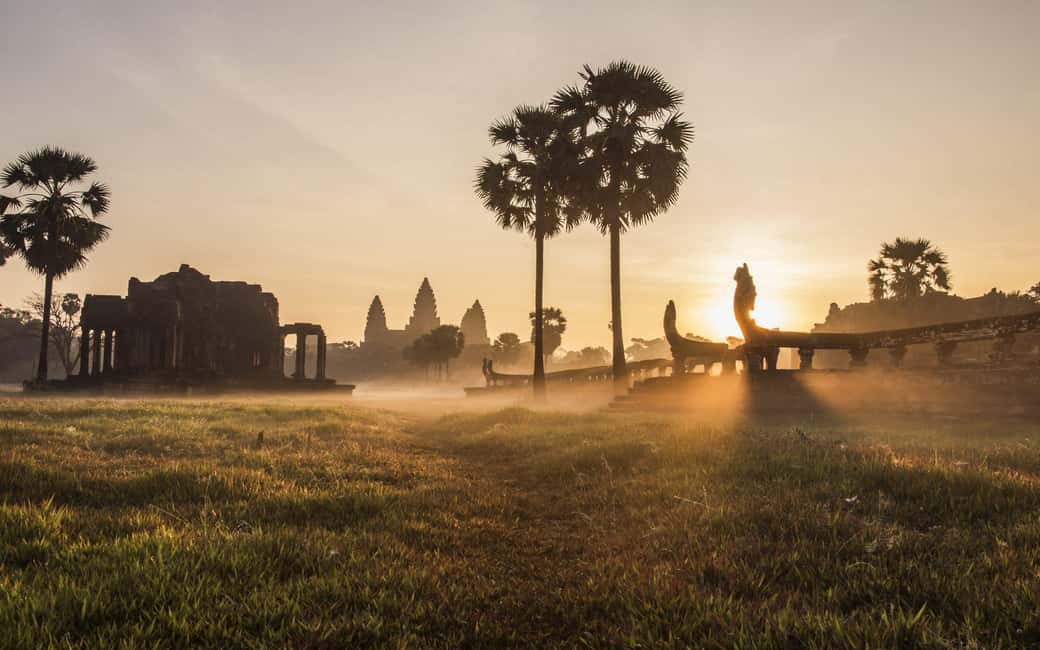
Angkor is famous for sunrise, but what matters is the order. This tour is built around light changes: you catch Angkor Wat at dawn, then later you finish with sunset at Bakong. That combo works for two reasons.
First, the temples look totally different at different times of day. Dawn brings softer light and cleaner shadows on carved stone. Sunset adds warmth to the colors and makes faces, towers, and doorways feel dramatic instead of flat.
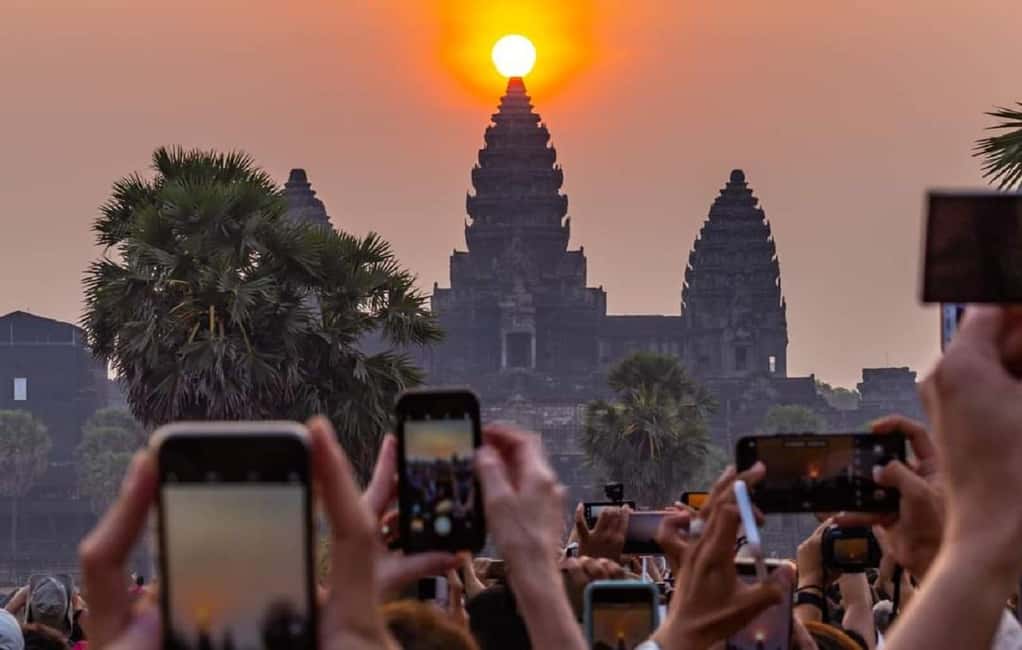
Second, the timing reduces chaos. Even if you’ve been to crowded tourist sites before, Angkor can feel like a photo contest with a backpack problem. Starting early at Angkor Wat and ending late at Bakong gives you a better rhythm: see a lot, but not in the most frantic way possible.
If photography is your thing, bring something small for the early hours (a jacket helps) and keep your phone or camera charged. If you’re not a photo person, the light still changes how you understand the carvings—especially at Banteay Srei, where detail can get lost in harsh midday glare.
You can also read our reviews of more evening experiences in Siem Reap
Day 1: Ta Prohm with Tuk Tuk, then Angkor Wat, then Angkor Thom’s big faces
Day 1 is the classic first-day mix: a forest-feeling temple, the most famous Khmer monument, and the enclosed city scenes that make Angkor feel like a world of its own.
Morning ride to Ta Prohm
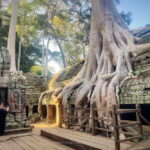
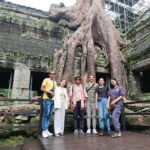
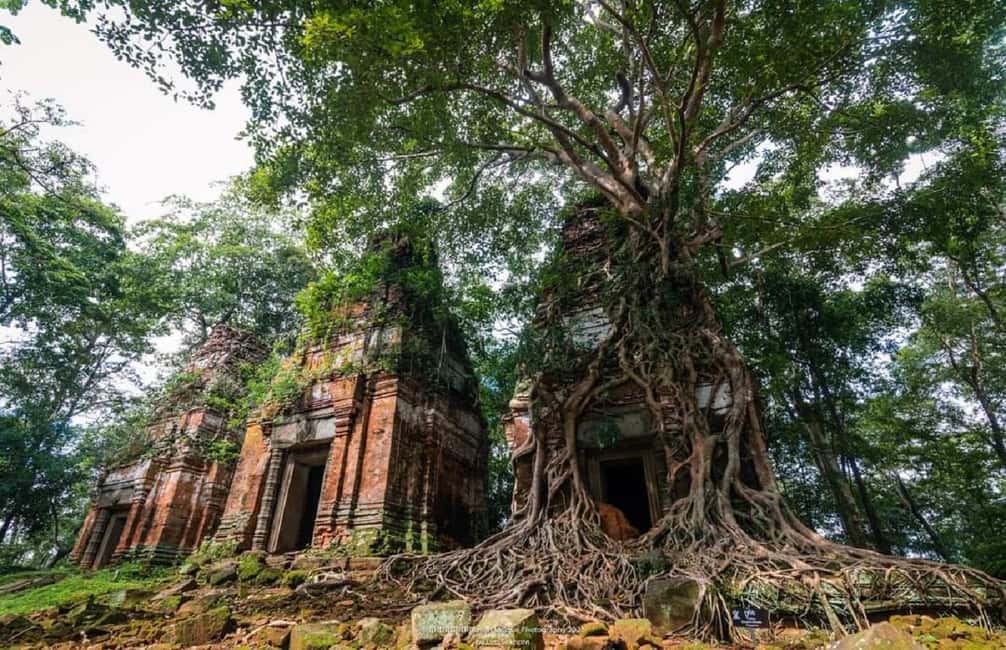
Your day starts at sunrise with a Tuk Tuk ride through the jungle to Ta Prohm. Ta Prohm is one of those temples where the setting is part of the show. The trees and thick roots make it feel less like a museum piece and more like a place still in a living landscape.
This is also the kind of stop where an English-speaking guide helps. If you know what you’re looking at—doorways, towers, and the layout—you spend less time wandering and more time seeing.
Breakfast at 07:30, then Angkor Wat
After Ta Prohm, you head back for breakfast at 07:30. It’s not just a nice break. It matters because Angkor days burn calories fast—walking on uneven stone, standing still for viewpoints, and trying to keep up with a guide’s timing.
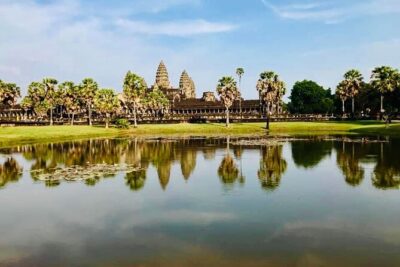
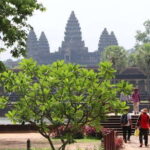
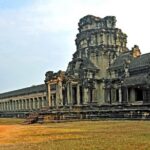
Next comes Angkor Wat, described as the largest religious temple in the world. You’ll visit it as part of your guided route, including context about its creation by Suryavarman II in the early 12th century. That date and name matter because Angkor Wat isn’t just impressive—it’s specific. When you know who built it and roughly when, the symmetry and planning feel less random.
Lunch, then Angkor Thom through the west gate
After a lunch at a local restaurant, you move into Angkor Thom City, entering through the west gate. Angkor Thom is where the scale hits you again, and the west gate is a good way to experience that shift from open temple grounds into a walled city layout.
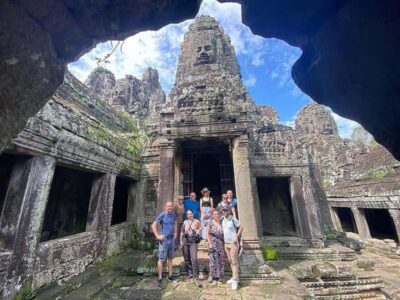
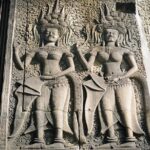
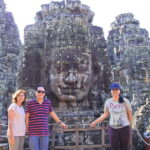
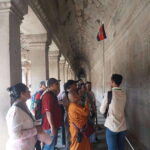
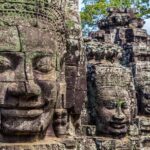
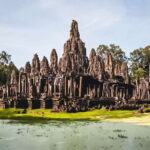
Then you visit Bayon Temple, famous for those enigmatic faces, plus the Terrace of the Elephants with its intricate bas-reliefs. Bayon is one of the best places to learn what Khmer temple art does: it doesn’t only decorate. It communicates power, belief, and storytelling through repeated motifs and carved scenes.
One practical tip for day 1: expect a mix of photo stops and standing time. If you’re prone to getting thirsty, keep water handy during walks. Your guide can tell you the best spots to pause without blocking others.
You can also read our reviews of more tours and experiences in Siem Reap
Day 1 takeaway: why these three temples work together
Ta Prohm, Angkor Wat, and Bayon/Bas-reliefs are a smart set because they show different sides of the Angkor experience.
- Ta Prohm teaches you to look at how the jungle and stone interact.
- Angkor Wat shows planning at grand scale, tied to Suryavarman II’s era.
- Angkor Thom and Bayon bring character—faces, gates, and terraces that make the city feel theatrical.
You also get a smooth day structure: morning temples, breakfast, a big centerpiece, then the enclosed-city finish. That matters when your energy is limited, because by late afternoon you’ll be grateful you had a lunch and a real meal rhythm instead of just snack chasing.
Day 2: Banteay Srei’s fine carvings and Preah Khan’s calmer feel
Day 2 is more detail-focused, with a different vibe than day 1. You start with breakfast at your hotel, then drive to Banteay Srei, which is known for its scenic setting and for being one of the most picture-friendly temples on the circuit.
Banteay Srei built for intricate work
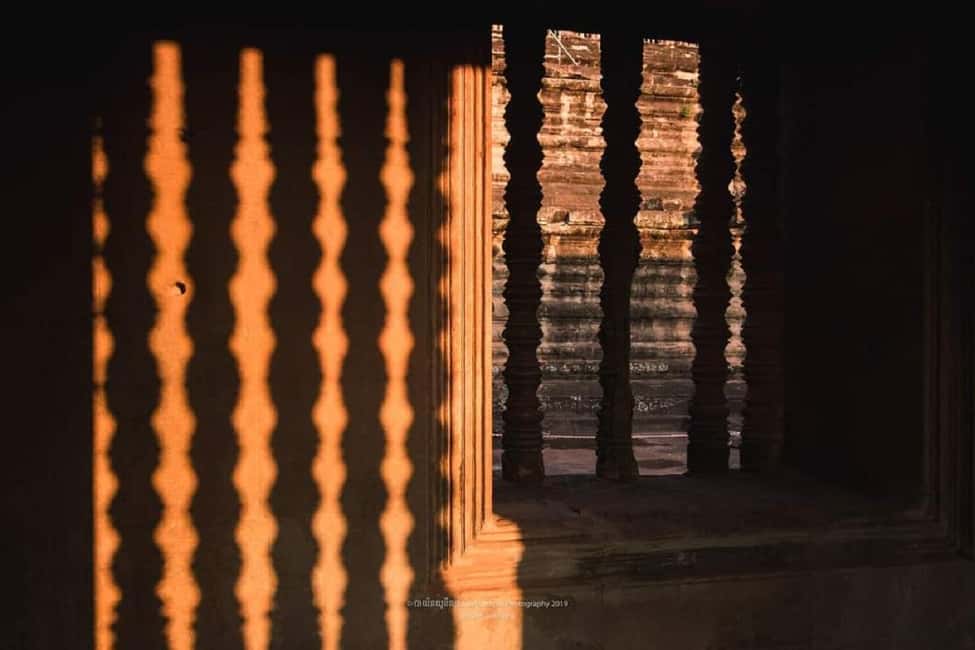
Banteay Srei is said to date to 967 AD, guided by Jayavarman V’s mentor. That specific timeframe helps you understand what makes Banteay Srei different. It’s not just another stop—it’s a carving experience. If you care about texture and craft, this is where you slow down mentally.
At Banteay Srei, the guide’s explanations can be especially useful because tiny carvings can look like decoration until you understand the symbolism and layout.
Preah Khan stop on the way back
On the way back, you’ll stop at Preah Khan. It’s described as reminiscent of Ta Prohm, but larger and with fewer tourists. That’s the sweet spot if day 1 already felt busy. Preah Khan gives you another “stone in greenery” feeling, without the same crowds.
Think of this as your second chance to get that Ta Prohm mood, but with more space to walk and see without feeling squeezed.
Lunch with a local family near Siem Reap Town
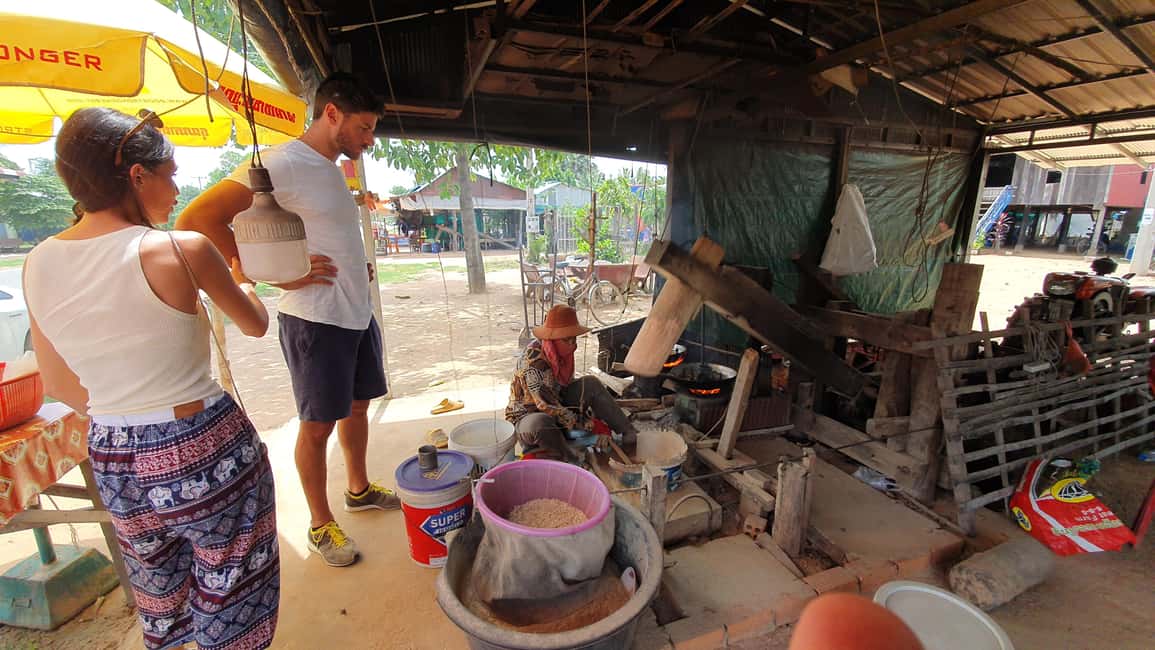
Around 11:00, you’ll have a local lunch with a family near Siem Reap Town. This is the kind of stop that adds more than food. It helps you connect the temples to everyday life nearby—Cambodia isn’t just Angkor, even if Angkor is the reason you’re there.
Because the lunch is at local family level, expect a warm, practical meal rather than a fancy performance. Even if you don’t know what every dish is, the point is to take a break in a real setting and let the day reset.
Afternoon Rolous Group Temples: Lolei, Preah Ko, and Bakong
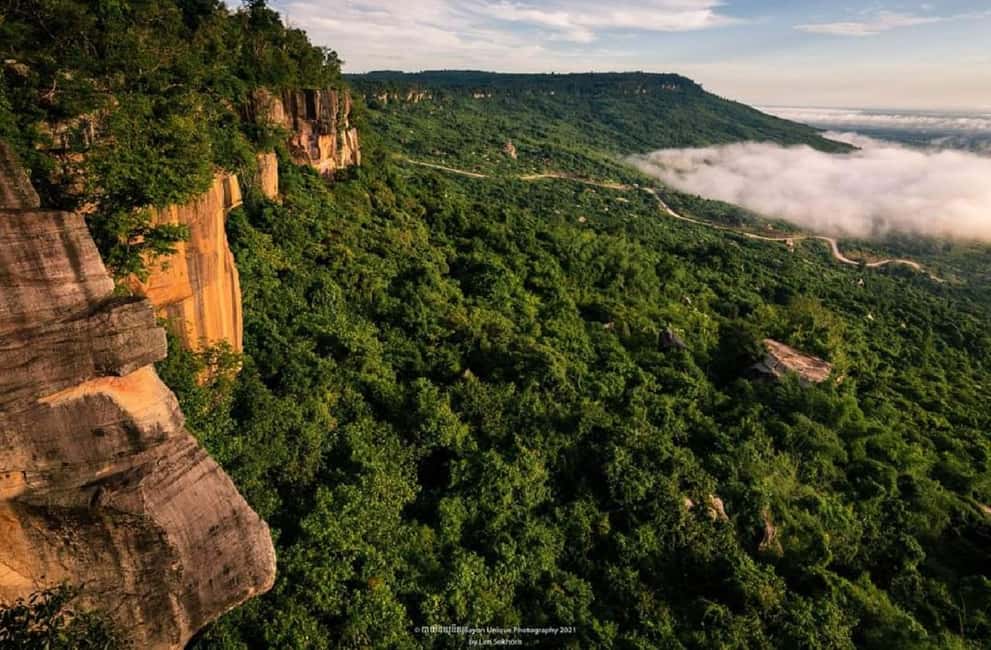
After lunch, day 2 shifts into the Rolous Group temples: Lolei, Preah Ko, and Bakong.
These aren’t the “everything everywhere faces” temples. They’re more about composition—how multiple temple structures relate, how stone work repeats, and how the circuit shapes your sense of Khmer layout. This is a good time to let your guide’s historical context connect the dots.
Bakong at sunset: the finish you remember
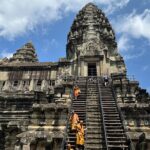
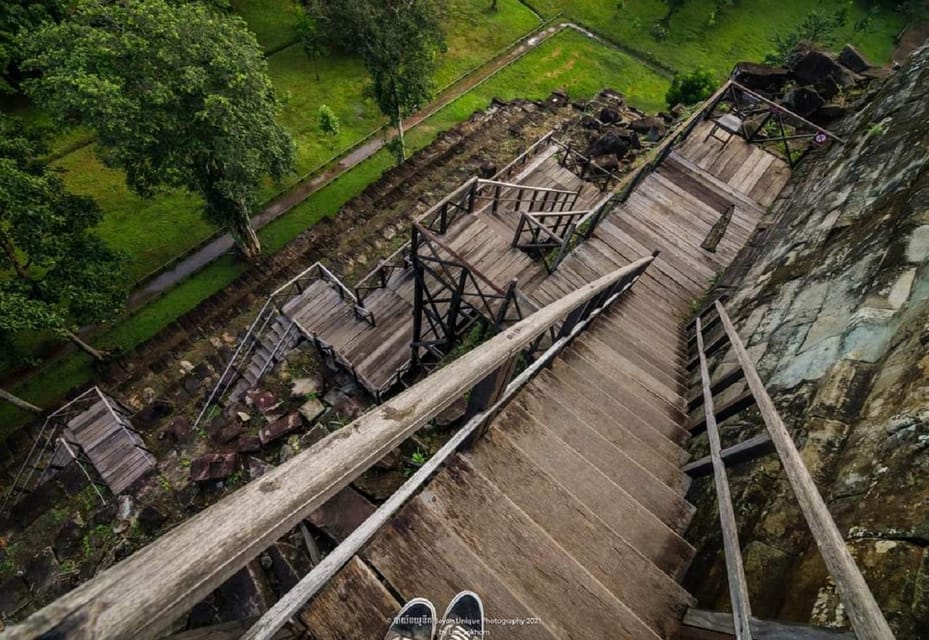
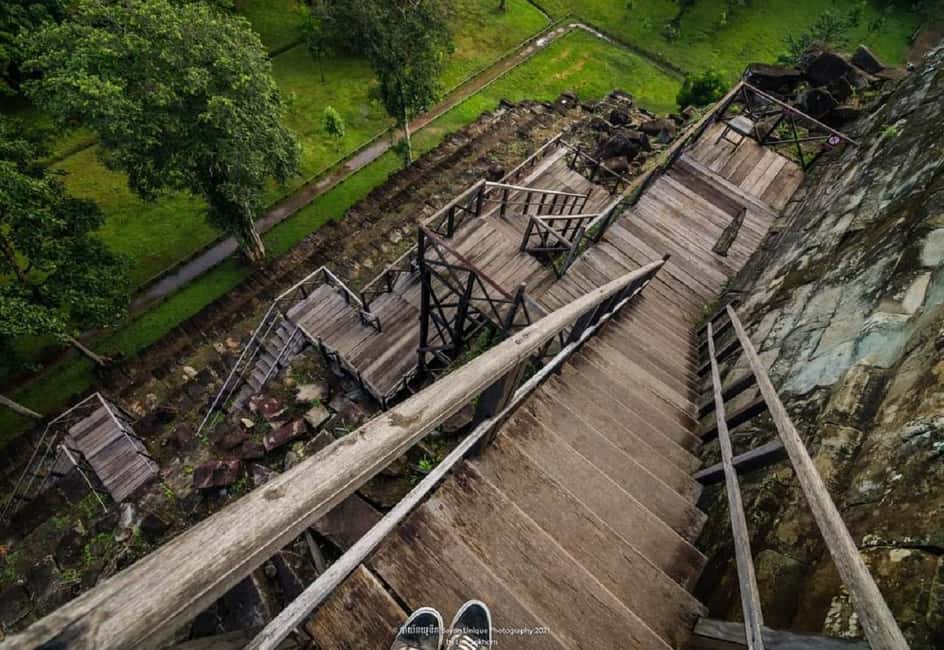
The tour ends by ascending Bakong temple for sunset. This is where you cash in on the light planning from day 1. Sunset at Bakong turns earlier carvings into something warmer and more cinematic.
Even if you’re tired by then, this is the kind of viewpoint where fatigue turns into silence. You’ve already seen the big names and the more famous faces; now you’re seeing a final angle that feels calmer and more personal.
The role of the English guide (and why it matters more than you think)
This is a live tour with an English-speaking guide, and a professional guide is a big deal at Angkor. These temples aren’t random ruins. They’re designed and built with meaning, and without someone explaining what you’re seeing, you can end up collecting great photos but missing the story.
One name that stands out from feedback is Mr John. People describe him as funny and engaging, which matters because long temple days can turn into lectures in uncomfortable shoes. A guide who keeps things light helps you stay focused, especially during the bas-relief and gateway moments.
You don’t need to be a Khmer history expert to benefit. You just need help connecting: who built what, why the layout matters, and what to look for at each major stop.
Transportation and walking: how to not waste your day
This tour includes pickup from your hotel, and you should be ready about 30 minutes before the tour start. You’ll move around by car/drive between sites and use Tuk Tuk for the Ta Prohm segment.
Walking is still a core part of the experience. You’ll be on temple ground, climbing where required (notably the sunset ascent at Bakong), and moving between several stops. That’s why the basics—comfortable shoes and breathable clothes—really affect whether the experience feels like a win or a grind.
Also note: it’s not wheelchair accessible, so if mobility is an issue, you’ll want to plan accordingly.
Dress code and packing: the rules are real at Angkor
This tour has clear clothing guidelines. Shorts, short skirts, and sleeveless shirts are not allowed. You’ll be asked to dress respectfully with covered shoulders and knees.
You’ll also want:
- Comfortable walking shoes
- Insect repellent
- Comfortable clothes that still respect the dress code
If you’re arriving from a beach day or you packed for a quick city trip, double-check your clothes before you get picked up. It’s much easier to solve this the night before than to scramble at a temple gate.
Value check: what $52 buys you in 2 days
At $52 per person for a 2-day structured tour, the value depends on what you’d do without it. If you’re self-navigating, you’d likely spend time sorting transportation, figuring out entry timing, and losing a chunk of your day to logistics. With this tour, you get:
- An English-speaking guide across multiple major sites
- A tight sunrise and sunset plan (Angkor Wat dawn, Bakong sunset)
- A mix of big monuments and more detailed stops (Banteay Srei, Preah Khan, Rolous Group)
- Pickup included, so you’re not stuck figuring out meeting points
It also mentions that the tour helps you make the most of a 3-day temple pass. That’s important if you’ve bought the pass already or plan to. In practice, it means your time gets arranged so you’re not underusing paid access.
If you’re the type who wants the highlights with context, this price can feel fair to good. If you hate early starts or you’re hoping for long, slow temple wandering, then you might feel the schedule pressure.
Who this tour fits best
This is a great fit if:
- You want a full Angkor introduction in only two days
- You care about sunrise/sunset light and photo angles
- You’d rather follow a plan than drive yourself
- You like hearing why temples look the way they do, not just spotting landmarks
It might be less ideal if:
- You want a relaxed day with minimal walking
- You’re not willing to follow the dress code
- You need full accessibility support (the tour is not wheelchair accessible)
Should you book this 2-day sunrise/sunset temple tour?
I’d book it if your goal is a packed-but-organized Angkor overview with the two best “wow” moments—Angkor Wat at dawn and Bakong sunset—plus a solid set of temples that go beyond the single famous stop.
I’d think twice if you’re very sensitive to early mornings, long walks, or you hate strict clothing rules. But if you can handle those, this tour is a smart way to spend two days in Siem Reap and leave with a clear sense of what you saw and why it matters.
FAQ
FAQ
What temples are included during this 2-day tour?
You’ll visit Ta Prohm, Angkor Wat, Angkor Thom (entering through the west gate), Bayon Temple, the Terrace of the Elephants, Banteay Srei, Preah Khan, and the Rolous Group temples including Lolei, Preah Ko, and Bakong.
Is there an English-speaking guide?
Yes. The tour includes a live English guide.
Is pickup included?
Yes. Pickup is included, and you should be ready about 30 minutes before the tour start.
How long is the tour?
The tour duration is 2 days.
Is there a private group option?
The tour is offered as a private group, and the highlights also mention you can choose between private and group options.
What time are breakfasts provided?
The schedule includes breakfast at 07:30 on Day 1, and breakfast at your hotel on Day 2.
What about lunch during the tour?
Day 1 includes lunch at a local restaurant. Day 2 includes lunch with a local family near Siem Reap Town around 11:00.
What do I need to bring?
Bring comfortable shoes, comfortable clothes, and insect repellent.
What clothing is not allowed?
Shorts, short skirts, and sleeveless shirts are not allowed. You’ll need to dress respectfully with covered shoulders and knees.
Is the tour wheelchair accessible?
No, this activity is not wheelchair accessible.
Can I cancel for a full refund?
Yes. Free cancellation is offered if you cancel up to 24 hours in advance for a full refund.