REVIEW · BATTAMBANG
Tuk Tuk Tour (Full-Day)
Book on Viator →Operated by The Adventure Bike · Bookable on Viator
Hard history, great snacks, and a cool ride.
This Battambang tuk tuk day gives you a tight route through the city’s most talked-about sights, plus the food stops that show how locals make everyday staples. I like the mix of culture and hands-on food early in the day, and I especially like the calm, practical way it’s run by the English-speaking guide Sothea (and his experienced tuk tuk driver).
You get real variety in one go: Khmer Rouge history at the killing fields, a stop for bamboo sticky rice and other local food production, then temples and the famous bamboo train, finishing with sunset at the bat cave area. The day feels balanced, not rushed for the sake of ticking boxes.
One thing to plan for: entrance fees aren’t included, and lunch isn’t included either, so you’ll want a little extra cash and patience for ticket lines when you reach each site.
In This Review
- Quick hits
- A Battambang Tuk Tuk Day That Actually Feels Local
- Sothea’s English and the Driver’s Local Experience
- Morning Stops: Khmer Rouge History and Hands-On Food Culture
- Killing Fields: The hardest start of the day
- Bamboo sticky rice, fish paste, and the food you actually recognize
- Ek Phnom: Temples with a story behind them
- The morning’s one possible drawback
- Lunch Break: What You’re On Your Own For
- Afternoon Classics: Bamboo Train, Banan Temple, and Bat Cave at Sunset
- Bamboo Train: The Battambang spectacle that’s also a lesson
- Banan Temple: A pause with atmosphere
- Sunset and Bat Cave: Late-day reward
- Price and Value Check: What You Pay, What You Get
- What’s included
- What’s not included
- Group size keeps the experience practical
- Getting the Most Out of Your Day
- Who Should Book This Tuk Tuk Tour?
- Should You Book This Battambang Tuk Tuk Tour?
- FAQ
- How long is the Tuk Tuk Tour (Full-Day) in Battambang?
- How much does the tour cost?
- Is pickup included?
- What’s included in the tour price?
- Are entrance fees included?
- Is lunch included?
- What’s the maximum group size?
- Can I cancel for free?
Quick hits
- Small group size (max 4) for a more personal pace
- English-speaking guide Sothea who keeps explanations clear and friendly
- Food maker stops like sticky rice, rice paper, rice wine, and fish paste viewing
- Battambang staples including Ek Phnom, Bamboo Train, and Banan Temple
- Sunset + Bat Cave as the late-day payoff
- $35 price with support built in via a donation stop plus water and snacks
A Battambang Tuk Tuk Day That Actually Feels Local
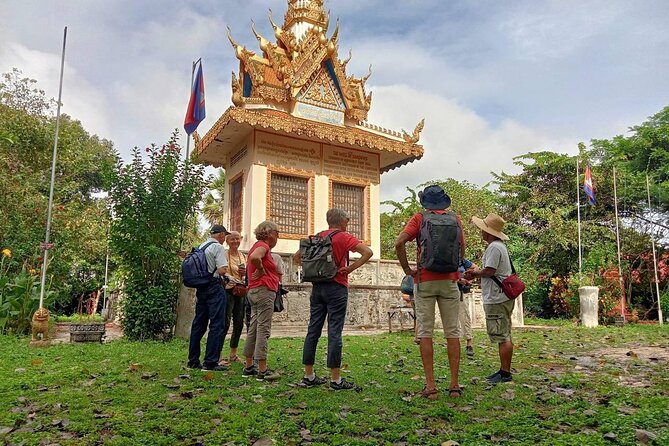
Battambang is one of those Cambodian places where the best experiences aren’t only about temples and views. They’re about the everyday stuff too: how people eat, how they work, and how history shaped this region. This full-day tuk tuk tour is built for that.
You start with meaningful context, then you switch gears into food culture. That rhythm matters. It keeps the day from turning into a long blur of one monument after another.
The tuk tuk itself is part of the charm. It’s flexible, and it makes it easier to bounce between rural-feeling spots and the busier Battambang areas without fighting the logistics of public transport all day. If you’re the type who likes your plan to feel guided but not stuffy, you’ll probably enjoy this format.
You can also read our reviews of more tours and experiences in Battambang

Sothea’s English and the Driver’s Local Experience
The biggest “how was it” factor here is the team. The tour is supported by a local English-speaking guide, and the name that shows up again and again is Sothea. In practice, that means you’re not just sitting through explanations you can barely follow.
Sothea is described as staying close and making sure you understand what you’re seeing, with a good balance of history, food, and culture. That matters most at the more emotionally heavy stop, because you want clear context, not silence and guessing.
And then there’s the other half of the comfort equation: the tuk tuk driver. You’re with someone who knows how to run the day, keep things moving, and adjust as needed. Several reviews highlight how caring and attentive the driver/guide team is, including checking that you’re comfortable throughout.
Morning Stops: Khmer Rouge History and Hands-On Food Culture
The morning route is where the tour earns its keep. You get a strong sequence of history plus food production, and it’s packed in a way that doesn’t feel random.
Killing Fields: The hardest start of the day
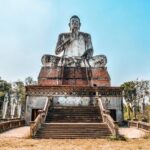
The day begins with the Killing Fields, tied to Khmer Rouge history. This stop is not a quick photo op. It’s the kind of place where the guide’s explanations really matter, because the context changes how you understand everything else you’ll see later.
Practical note: this is the emotionally intense segment of the day. If you’re sensitive to heavy topics, go in prepared to take it slowly. It’s also a good idea to bring water (you’ll have some), and to let the experience land before you jump into the next stop.
Bamboo sticky rice, fish paste, and the food you actually recognize
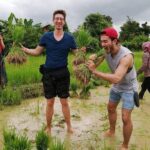
After the history stop, you shift into food. This is one of my favorite parts of the day because it turns “Cambodian food” from a vague idea into real process.
You’ll visit places tied to:
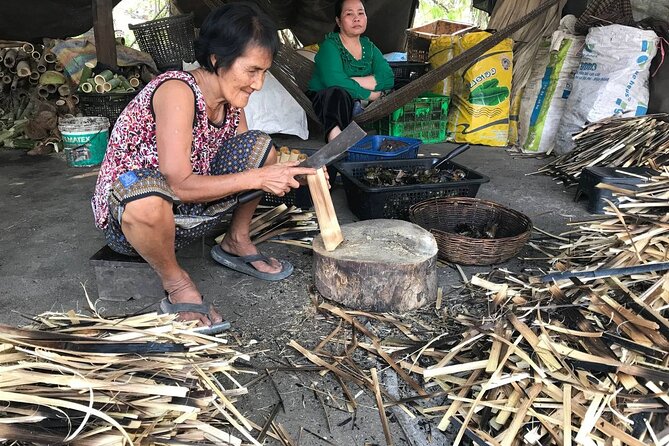
- Bamboo sticky rice and traditional food business practices
- A fish market area where you can see how fish paste is made
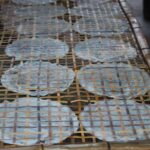
- Rice paper where you see it made by hand
- Rice wine where you can see it made by hand
Even if you’re not buying anything, watching how these products are produced gives you a better mental map of Cambodian cooking. You’ll understand what’s behind the flavors instead of just tasting the final result.



Ek Phnom: Temples with a story behind them
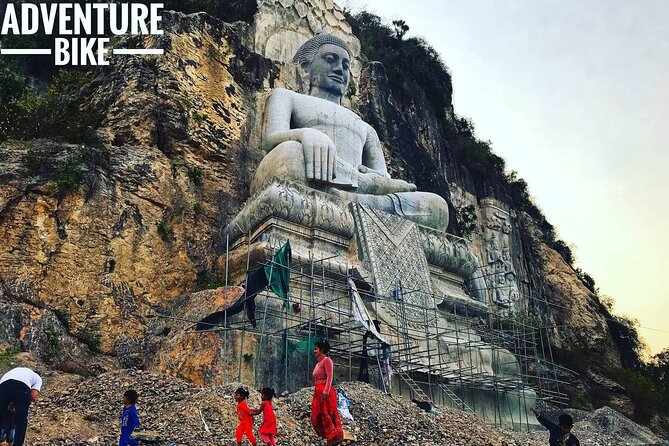
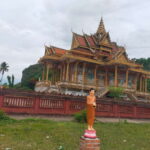
Then you head to Ek Phnom, a temple stop that rounds out the morning’s “context theme.” It’s not only about the structure; it’s about connecting what you’ve learned earlier to how communities live alongside their history and beliefs.
This is also a relief break from the emotional weight of the morning. You’re still learning, but the mood shifts toward scenery, structure, and the everyday spiritual side of Cambodia.
The morning’s one possible drawback
This is a lot of stops before lunch. If you prefer fewer locations and more “hang time,” you might find the pace full. The upside is you’re not wasting the day waiting around; the downside is you’ll need to keep your energy up.
Lunch Break: What You’re On Your Own For
There’s a lunchtime break, but lunch isn’t included. That means you should plan to eat somewhere convenient after the morning stops before you move into the afternoon route.
I recommend you treat lunch as part of your strategy:
- Decide if you want something light or something hearty
- Stay hydrated, since the day runs long
- If you’re sensitive to spicy food, say so early to whoever you’re eating with
If you’re traveling with a small group, you’ll likely have an easier time coordinating lunch than larger tours. The group limit of up to 4 helps here.
Afternoon Classics: Bamboo Train, Banan Temple, and Bat Cave at Sunset
The afternoon is the fun-and-photogenic side, but it doesn’t lose meaning. It’s where Battambang’s identity shows up in motion, views, and local routines.
Bamboo Train: The Battambang spectacle that’s also a lesson
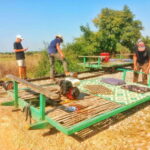
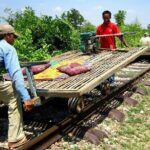
You’ll see the Bamboo Train (described as a newer spot in the route details). This is one of those activities that feels simple until you’re watching it in real life and realizing what it takes to keep it running.
A key detail: admission tickets aren’t included. So bring extra money for entry when you arrive. It’s a small add-on compared to the overall cost, but it matters for budgeting.
Banan Temple: A pause with atmosphere
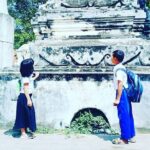
Next comes Banan Temple. Temple time in Cambodia usually means more than just architecture. It becomes a window into how people relate to these places across time.
In a day like this, Banan Temple also acts like a “reset button.” You’re moving from the bamboo train excitement into a slower, more reflective stop. If your feet are starting to complain, this is where you can slow down and take it in.
Sunset and Bat Cave: Late-day reward
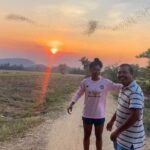
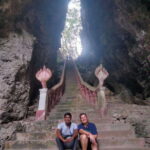
The day finishes with sunset and bat cave area time. This is a smart way to end, because you’re not dragging the most intense travel to the end of your day.
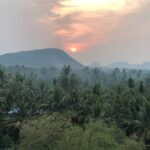
At sunset, small changes—light, shadows, and movement—make everything more interesting. It also gives your brain a break from earlier history and food stops.
One practical consideration: sunsets have timing built into them. If it starts late because of traffic or ticket lines, don’t assume you’ll be able to cut out of the day early. This tour is designed to run as a single flow from morning into sunset.
Price and Value Check: What You Pay, What You Get
The price is $35 per person, and the day runs about 7 to 9 hours. For Battambang, that’s a reasonable range for a full-day, small-group, English-speaking guided route with multiple stops.
Here’s where the value shows up.
What’s included
You get:
- Pickup offered
- A tuk tuk driver with lots of local experience
- A local English-speaking guide
- Water and snacks fruit
- A donation to local business stops to support local livelihoods
That donation detail is more than feel-good wording. It reflects that at least part of your day’s money stays tied to the people you’re visiting during the food production stops.
What’s not included
You’ll need to cover:
- Entrance fees for tourist places
- Lunchtime
- Personal expenses and your own insurance
When entrance fees and lunch are added, your total cost will rise a bit—but you’re still buying a full-day structure with guide support and transportation.
Group size keeps the experience practical
The maximum group size is 4 travelers. That’s not just a comfort perk. It often means less waiting, fewer coordination problems, and more chances to ask questions without feeling like you’re talking over a crowd.
Getting the Most Out of Your Day
This tour works best if you’re open to both sides of Battambang: the hardest history and the everyday food culture.
If you love learning through real places, you’ll likely enjoy the food stops as much as the temples. Seeing production steps—like rice paper and rice wine being made by hand—turns what you eat later into something you can name and understand.
If you’re mainly chasing scenery, the day still delivers. You get temple views, then the bamboo train, then sunset timing at the bat cave area.
Two practical tips from the structure of the day:
- Keep some cash for entrance fees and any lunch you choose
- Don’t plan anything tight after, because this is a long 7–9 hour block
Who Should Book This Tuk Tuk Tour?
I’d put this on your shortlist if:
- You want a full-day plan without doing everything yourself
- You care about getting explanations in English (and like a guide who stays with you)
- You enjoy food culture, not only sightseeing
- You prefer a small group over big-bus tours
It’s also a solid option if you’ll appreciate a guide-led day that mixes serious history with lighter breaks.
Should You Book This Battambang Tuk Tuk Tour?
If you want one day that covers the main highlights while also showing you how Battambang food culture works, this is a smart choice. The Sothea guide setup and the small group limit are the kinds of details that make the experience feel steady, not chaotic.
Only hold off if you strongly dislike heavy history topics or if you prefer a lighter, less structured schedule with fewer stops. Otherwise, for $35 and a full day of transport, guiding, snacks, and local support, it’s solid value.
FAQ
How long is the Tuk Tuk Tour (Full-Day) in Battambang?
It runs about 7 to 9 hours.
How much does the tour cost?
The price is $35.00 per person.
Is pickup included?
Pickup is offered.
What’s included in the tour price?
It includes a donation to local business where you stop, a tuk tuk driver, a local English-speaking guide, and water plus snacks fruit.
Are entrance fees included?
No. Entrance fees for tourist places are not included.
Is lunch included?
No. Lunch is not included.
What’s the maximum group size?
The tour has a maximum of 4 travelers.
Can I cancel for free?
Yes. You can cancel up to 24 hours in advance for a full refund.