REVIEW · PHNOM PENH
From Phnom Penh: Kampot Day Trip to Beautiful place W/ Guide
Book on GetYourGuide →Operated by Angkor Dynasty Travel · Bookable on GetYourGuide
One day, three flavors of coastal Cambodia. This private tour links Kampot pepper learning with a calm cave temple stop, then finishes with salt, seafood, and the coast buzz around Kep. I especially like the way the route mixes countryside agriculture with real Khmer daily life, not just photo stops. The pepper farm portion can feel the most structured and touristy compared with the rest of the day.
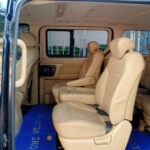
I also like that you get a true private setup: hotel pickup and drop-off in an air-conditioned vehicle, plus a licensed guide who actually talks through what you’re seeing. If you’re lucky enough to get guides like Pizza or Thorn, you’ll get the friendly, conversational kind of explanations that make rural stops easier to appreciate. One thing to consider: it’s a full 9-hour day, with walking and some light hiking, so plan comfy shoes and a relaxed pace.
In This Review
- Key things that make this tour worth it
- Price and logistics: what $49 buys you from Phnom Penh
- The drive that turns into part of the experience
- Pepper country: La Plantation and Brateak Krola
- Phnom Chhngok Cave: temple calm without the crowds
- Salt fields in Kampot: unforgettable when it’s in season
- Kampot Seahorse Statue and street food snacks
- Kep Crab Market: fresh seafood, spices, and a real coastal pulse
- Why the guide quality changes the whole day
- What to bring so the day feels easy
- Who this tour fits best (and who should adjust expectations)
- Should you book this Kampot and Kep private day trip?
- FAQ
- What’s the duration of the Phnom Penh to Kampot and Kep day trip?
- Is this tour private or do I join other guests?
- What language is the live tour guide?
- What’s included in the tour price?
- What’s not included?
- Are salt fields definitely included?
- Can I cancel or book without paying right away?
Key things that make this tour worth it
- Pepper growth explained on the ground at Kampot area farms and plantations
- Phnom Chhngok Cave temple visit (a pre-Angkorian style stop) with a guided walkthrough
- Salt fields experience, but season matters since salt fields are listed as dry-season only
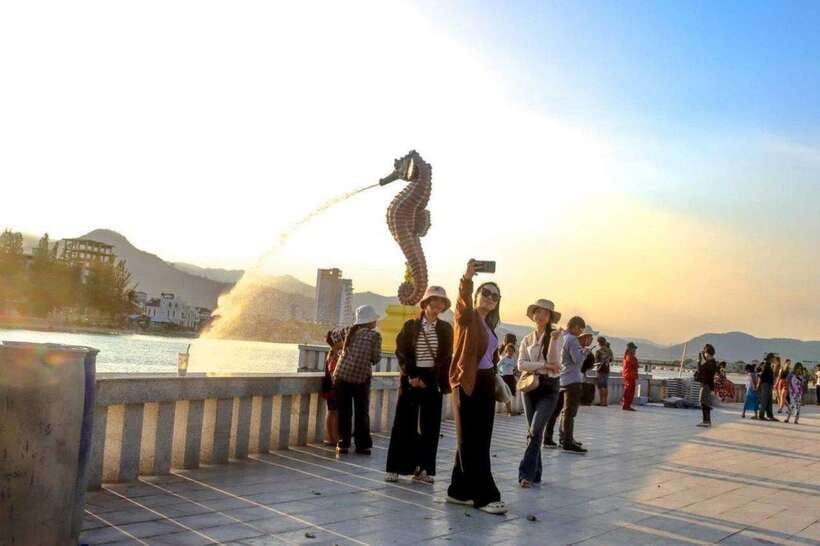
- Kampot Seahorse Statue photo stop near Prek Terk chuu, plus street snacks time
- Kep Crab Market seafood reality where you can buy fresh seafood and have it prepared with spices and sauces
- Private, English-speaking guide with cold water and wipes included to keep the day comfortable
Price and logistics: what $49 buys you from Phnom Penh
This is priced at $49 per person for a private day tour, with hotel pick-up and drop-off in Phnom Penh. The value here is mostly about avoiding the hassle of organizing transport yourself and getting a licensed guide to connect the dots between pepper, salt, temple culture, and coastal food.
You’re also not sharing with random strangers. The tour is explicitly 100% private for the number of people you book, and that matters on a long day like this. You can ask questions, move at your pace, and get more time for photos without feeling rushed.
One practical note: meals aren’t included, and there’s also a temple ticket not included. That means you should carry some cash or card just in case you’re asked to pay onsite for entry.
You can also read our reviews of more guided tours in Phnom Penh
The drive that turns into part of the experience
The tour runs about 9 hours, and it starts right from your hotel lobby in Phnom Penh. You’ll be picked up and then transferred to the Kampot and Kep area locations, with toll roads and parking handled by the driver.
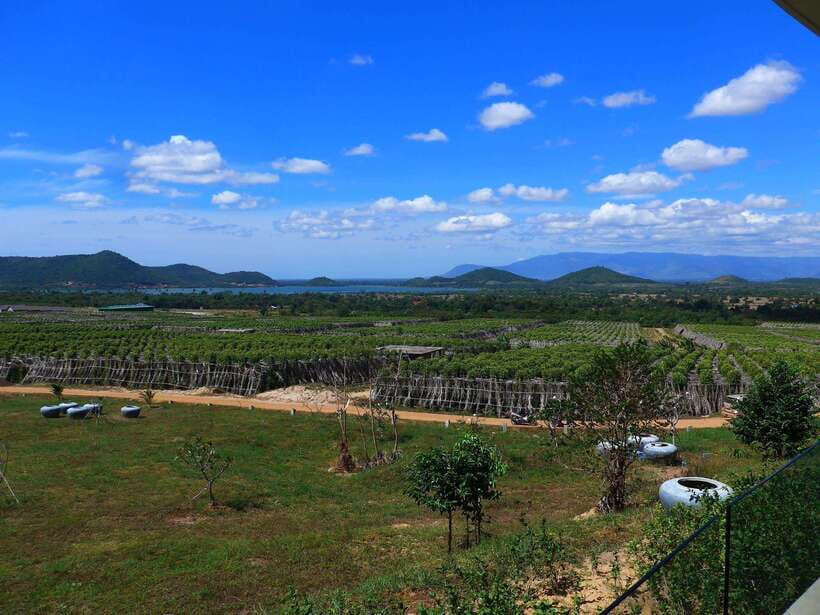
Long drives can sound boring, but the way this day is built makes the journey feel useful. As the scenery shifts from Phnom Penh to the countryside and then toward the coast, you’re going from agriculture to fishing towns in one shot. It’s a simple concept, but it helps you understand why Kampot pepper and salt are tied to the land and weather, not just a product.
I’d still plan for a full day with minimal stops for snacks, since the listed activities take up the time. Bring water if you run through it fast, even though the tour includes cold waters and wipes.
Pepper country: La Plantation and Brateak Krola
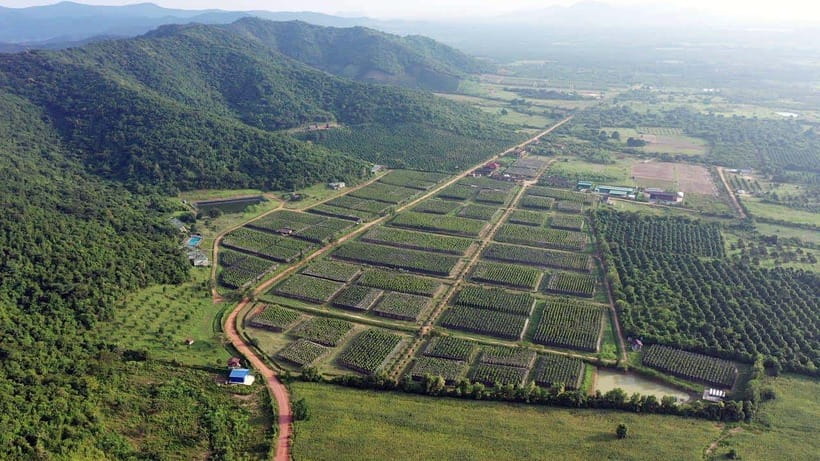
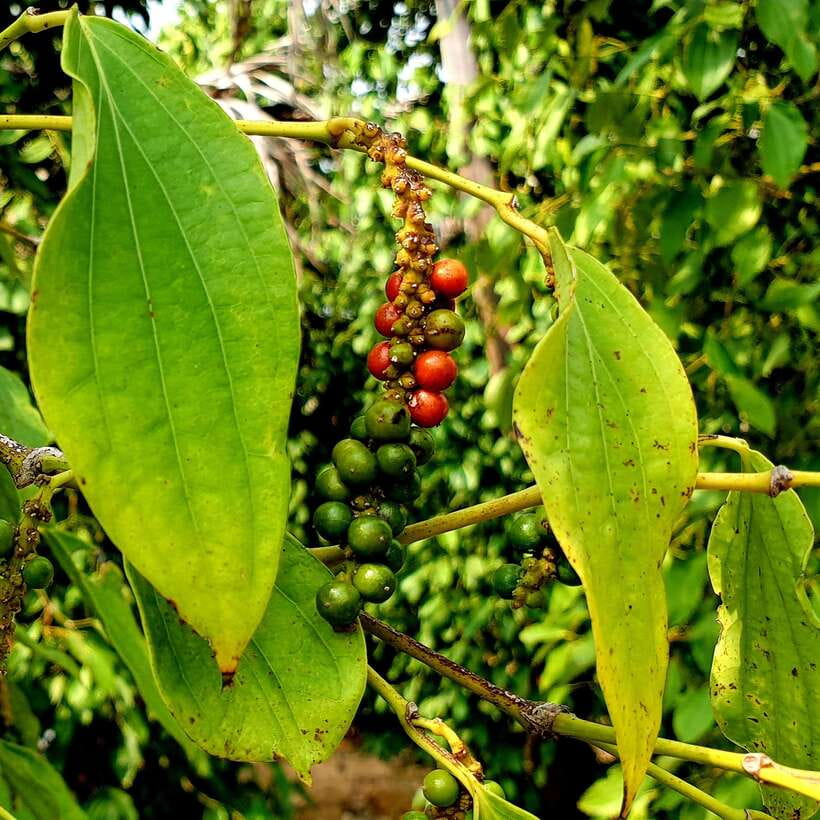
The day gives you two pepper-related stops: Brateak Krola and La Plantation. Brateak Krola includes a guided tour and a class that lasts about 1.5 hours, while La Plantation runs about 1 hour with guided time and walking.
Here’s what I think makes the pepper portion genuinely useful: Kampot pepper is famous, but most people taste it without understanding how it grows. This tour is set up so you learn the basics of pepper growth and how local farming works. It’s not presented as a lecture you endure. The format is built around being there in the environment where the pepper is cultivated.
That said, the pepper stop is also the one that can feel most tourist-friendly. If you’re hoping for a deeply off-the-map farm with zero visitor infrastructure, temper expectations. The pepper segments are still worthwhile, but they can be the most structured part of the itinerary.
Practical tip: if you’re photographing, bring a lens cloth. Dust and sun happen fast once you’re out walking.
Phnom Chhngok Cave: temple calm without the crowds
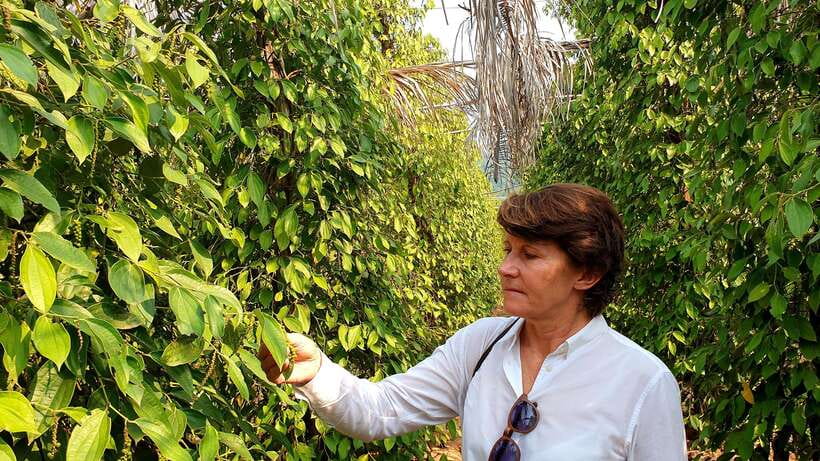
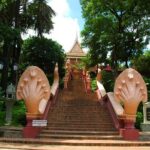
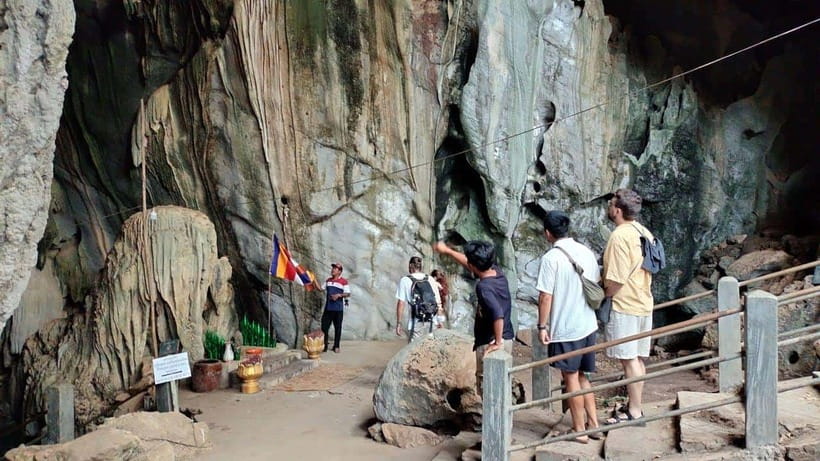
Next up is Phnom Chhngok Cave. Plan around 50 minutes here, including photos, a guided visit, and walking. This stop includes a temple in a cave setting with a style described as pre-Angkorian.
What I like about this is the contrast. After agriculture and preparation talk, you shift into a quieter place where the atmosphere changes. Even when you’re moving through a guided visit, the cave setting naturally slows things down. You tend to pay more attention to details like the structure of the space and how the place feels compared to what you were just walking through outside.
The big heads-up: temple ticket is not included. That’s easy to miss when you’re thinking about a tour price, so I’d keep a few dollars or riel handy for the ticket.
Wear shoes you trust. Cave floors and uneven ground can be a little unpredictable, especially during humid conditions.
Salt fields in Kampot: unforgettable when it’s in season
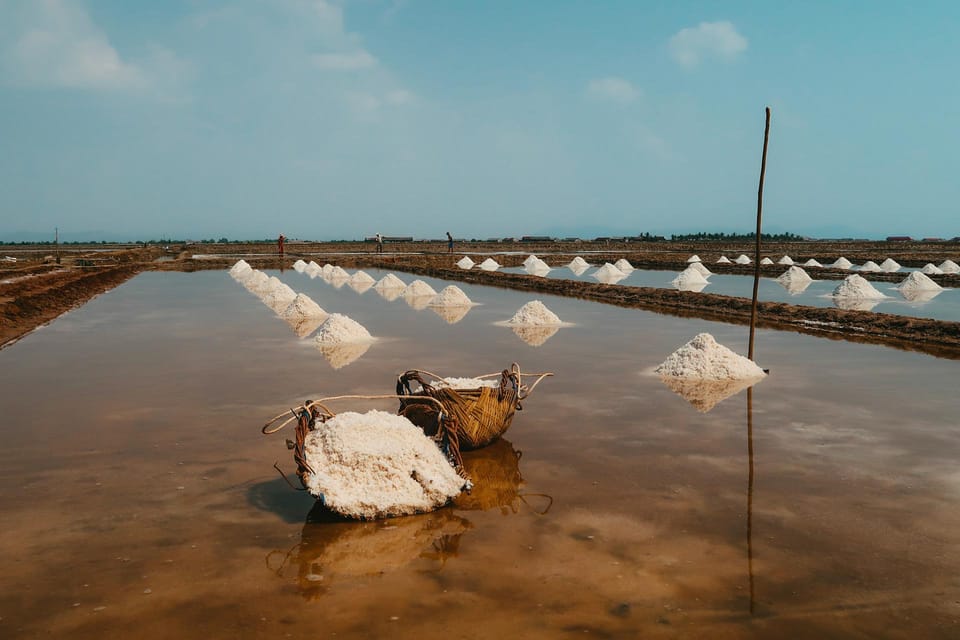
The salt experience is listed as a stop connected to a local salt producer association in the Kampot/Kep area region. The walking time is about 1 hour, and the key detail is this: salt fields are available in the dry season only.
So here’s how to think about it. If you’re traveling in the right season, you’ll see something that feels very hands-on and tied to weather patterns. Salt production is basically visible geography—you can see the process in the land itself. If you’re there outside the dry-season window, you might get a different version of the salt visit, or the tour may proceed in a way that’s less focused on the actual salt pans.
The good news is the tour still includes guided time at the salt-related site, so you’re not just making a photo stop. You’re learning how salt fits into local livelihoods. Just be realistic about seasonality.
You can also read our reviews of more tours and experiences in Phnom Penh


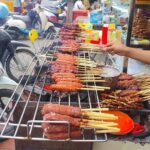
Kampot Seahorse Statue and street food snacks
You’ll then reach the Kampot Seahorse Statue near Prek Terk chuu. This is about 1 hour and includes photos, sightseeing, and time for street food and local snacks.
This part works well for two reasons. First, it gives you an easy break from the more structured sites. Second, it’s a chance to shift from learning mode into taste mode. The tour doesn’t include meals, but it’s set up to include snack time here, which helps if you’re trying to avoid a long stretch without food.
If you’re picky about heat or spicy food, just tell your guide early. Private tours are good for that. Also, if street snacks aren’t your thing, you can use the time mainly for photos and a relaxed walk, since sightseeing is part of the stop.
Kep Crab Market: fresh seafood, spices, and a real coastal pulse
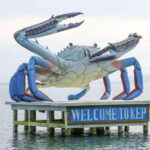
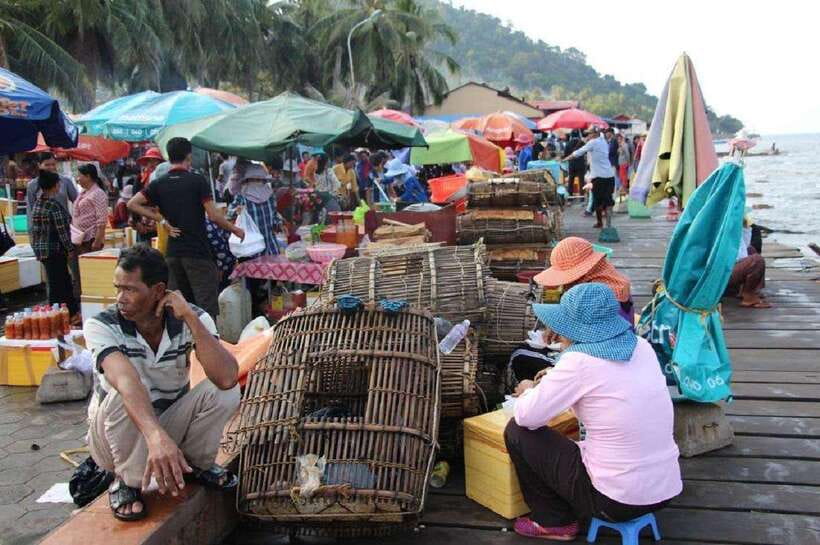
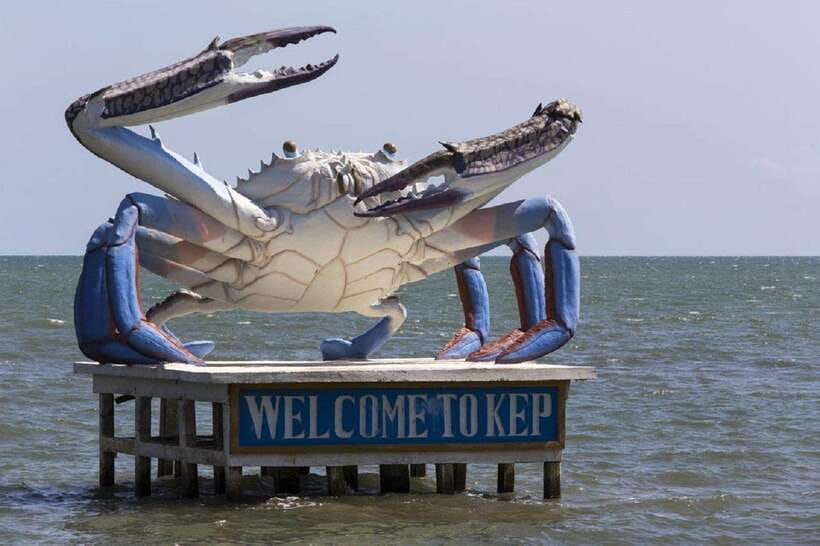
The tour finishes with Kep Crab Market, with about 1 hour on the ground. You’ll get photos, a guided tour, sightseeing, and walking.
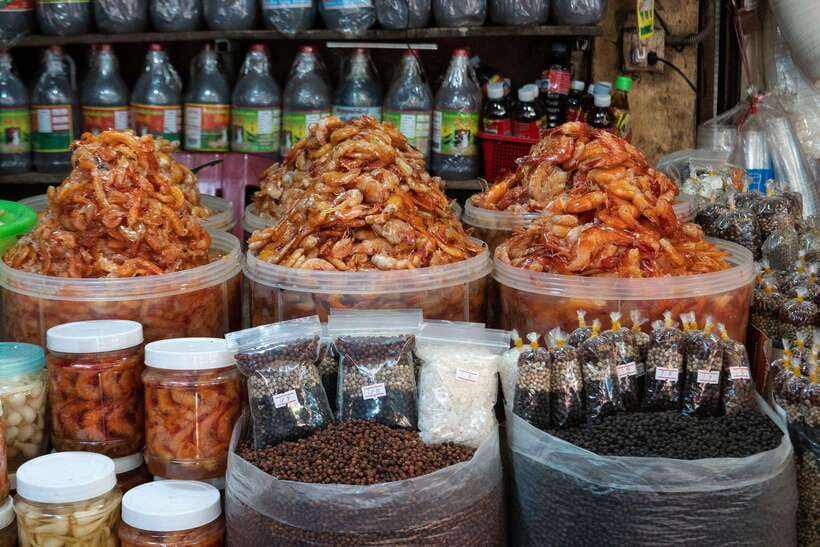
This is the stop I’d call the most sensory. It’s not an abstract story about seafood—it’s a busy market where you can see the range of shellfish and understand why Kep is known for crab and coastal cooking. There’s also a practical angle: the tour description says you can buy fresh seafood, and the sellers bring the baskets out of the ocean, then prepare it for you with amazing spices and sauces. You can enjoy it with an ice cold beer.
Because meals aren’t included, you’ll pay for what you choose here. That’s a good thing if you like control. Want crab only? Go for crab. Want a mix? You can ask what’s available. The market setting also makes it easier to understand the difference between what looks good and what actually tastes good fresh.
Plan for a little sensory overload. The smells, sounds, and fast pace are part of the authenticity.
Why the guide quality changes the whole day
In a tour like this, the guide isn’t a bonus. They’re the glue.
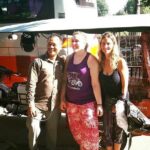
The reason you’re doing a private day from Phnom Penh is so you can understand the sites while you’re standing in front of them. Guides in this style tend to read the room and adjust when they notice you’re more into agriculture versus temple culture versus food. One guide named Pizza was described as very informative and warm, while Thorn stood out for friendliness, kindness, and answering questions at every stop.
I also like that this kind of guide doesn’t feel like they’re rushing you through a checklist. There’s room for small moments, and in at least one case a guide like Thorn added a side stop to another cave where school children came and swam. That sort of flexibility can make the day feel less like a schedule and more like a living place you’re temporarily part of.
What to bring so the day feels easy
Since the itinerary includes multiple walking segments and some light hiking, I’d pack like this:
- Comfortable walking shoes with grip
- Sun protection (hat and sunscreen), especially for pepper and market time
- A small bag for snacks/water even though cold water is provided
- Cash for the temple ticket and your own meal choices
- Light layers if you get air-conditioned cool in the car
Also, because it’s a full day, I’d resist booking an evening plan back in Phnom Penh. The tour is designed as one complete block.
Who this tour fits best (and who should adjust expectations)
This day trip fits best if you want a balanced mix: agriculture (pepper and salt), culture (cave temple), and food (Kep seafood). It’s a good choice for couples, friends, and solo travelers who want structure without sacrificing privacy.
It’s also a solid option if you like asking questions. The pepper portion includes a class, and the cave stop includes guided time, so it’s not just walking past things.
If you want the most remote feeling route, you might find the pepper plantation portion a bit more tour-focused than you’d like. The rest of the day carries more “real-life Cambodia” energy, especially Kep’s seafood market.
Should you book this Kampot and Kep private day trip?
If you’re staying in Phnom Penh and want one day that actually shows you how coastal Cambodia works—pepper farms, cave worship spaces, salt production, and seafood culture—this is an easy yes. The private format, licensed guide, and included cold water/wipes make the long day feel manageable.
I’d think twice only if:
- you’re traveling in a season where salt fields aren’t active and you were specifically hoping to see salt pans
- you don’t enjoy structured agricultural stops (since pepper can feel the most “organized” part of the day)
- you dislike markets and strong smells (Kep crab market is lively and sensory)
FAQ
What’s the duration of the Phnom Penh to Kampot and Kep day trip?
The tour lasts about 9 hours for a one-day experience.
Is this tour private or do I join other guests?
It’s a private group tour. It’s listed as 100% private with only the number of people you book.
What language is the live tour guide?
The live tour guide provides English commentary.
What’s included in the tour price?
Included are private transport in an air-conditioned vehicle, a licensed private driver, a licensed professional guide, toll roads and parking, cold waters and wipes, gasoline, and hotel pick-up and drop-off.
What’s not included?
Meals are not included, and the temple ticket is not included.
Are salt fields definitely included?
The salt fields are listed as available only in the dry season, so the salt-pans experience may depend on timing.
Can I cancel or book without paying right away?
You can cancel up to 24 hours in advance for a full refund, and there’s a reserve now & pay later option.