REVIEW · PHNOM PENH
Phnom Penh: Mekong Islands & Silk Islands Guided Bike Tour
Book on GetYourGuide →Operated by Discova Southeast Asia · Bookable on GetYourGuide
Cycle past Phnom Penh’s quiet Mekong life. This guided bike outing trades traffic for ferries and rural roads, with cultural stops that explain daily life instead of just passing it.
Two things I really like: the relaxed, mostly flat ride through orchards and market gardens, and the silk-focused learning time that makes the whole countryside feel purposeful, not random. One thing to keep in mind is the early 7:45am start, and the meeting spot can be a little confusing if you show up late.
The best part is the pacing with a great guide, often people like Ted running the show, with calm explanations as you pedal. You get to see the Mekong Islands just north of the city from a human scale, including a local pagoda visit and time on the river by ferry.
If you’re expecting a hard-core workout, you might feel under-challenged; it’s designed to be doable for most people, not a race.
In This Review
- Key highlights you’ll actually remember
- Why this Mekong bike tour feels like real Cambodia
- What you get for $65: bikes, ferry, lunch, and a guide
- Meeting at Areiksart Ferry Port: start time and what to watch for
- Ferries and river time: the warm-up that sets the tone
- Cycling the Mekong Islands: easy distance, real countryside, smart pacing
- The pagoda visit: Buddhism you can see in daily life
- Silk farm and shop: how tradition turns into a product
- Silk Island riding: orchards, market gardens, and the people behind them
- Lunch with Khmer flavors and fruit to cool you down
- Bikes, helmets, and comfort: what to expect on your body
- The guide makes or breaks it: look for a calm, safety-minded host
- Should you book this bike tour from Phnom Penh?
- FAQ
- FAQ
- What time does the tour start and end?
- How far will I cycle?
- Is the terrain easy enough for kids?
- What’s included in the price?
- Do I need to bring my own bike?
- Is this tour suitable during pregnancy?
Key highlights you’ll actually remember
- Ferry ride into the Mekong Islands, then cycling through quiet lanes away from Phnom Penh noise
- Pagoda and village stops that connect Buddhism and everyday routines
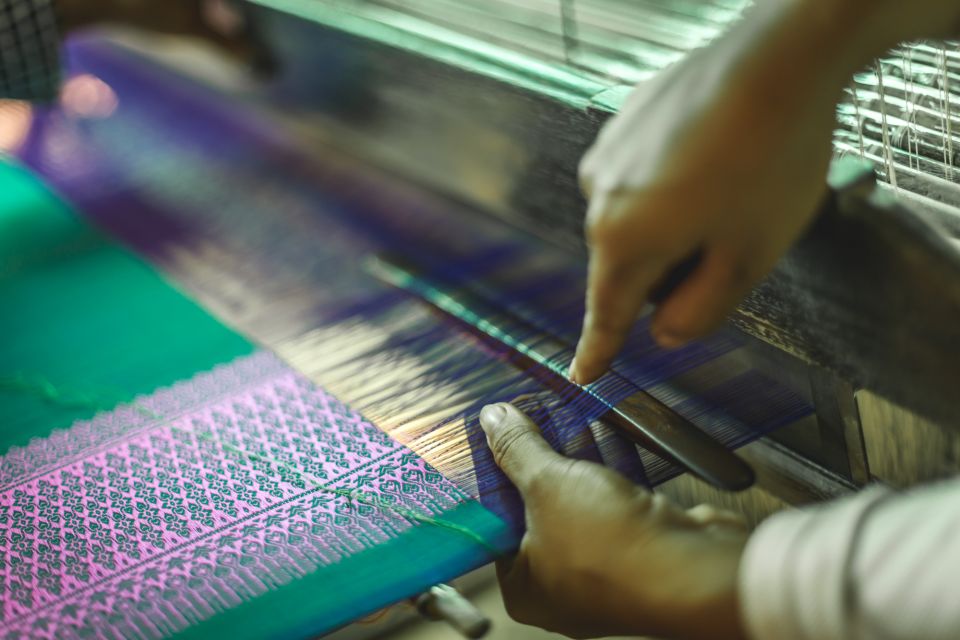
- Lotus silk farm and shop visit, with hands-on-style viewing of traditional skills
- Silk Island orchards and market gardens, plus a slower look at island life
- Khmer lunch with fresh fruit and water, served after an easy morning ride
Why this Mekong bike tour feels like real Cambodia
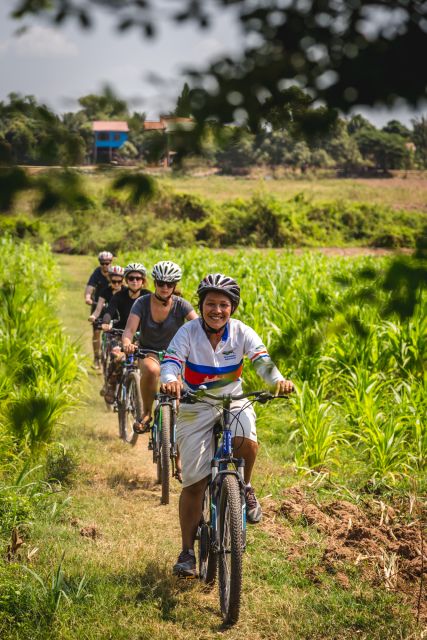
Phnom Penh can be intense. Even when you love the city, it’s a lot of motorbikes, horns, and crowds all stacked together. What I like about this tour is how it changes your viewpoint fast. In a few hours you’re riding in a different rhythm, where the scenery is shaped by farming, ferry crossings, and community life on the Mekong’s edge.
The tour is also structured around meaning, not just photos. You’re not only cycling past fields; you’re stopping to understand them—how people worship, how daily schedules work, and why places like a silk farm are part of the local economy. The result is a morning that feels both active and explanatory.
You can also read our reviews of more cycling tours in Phnom Penh


What you get for $65: bikes, ferry, lunch, and a guide
At $65 per person for about five hours, this isn’t a budget “grab-and-go” activity. It’s priced like a guided experience with transportation, a proper bike, and food included—and that matters.
Here’s what’s in the package:
- An English-speaking guide
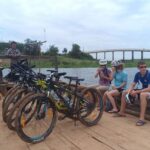
- An imported quality mountain bike with helmet and lights
- Ferry tickets
- Drinking water, snacks, and lunch (Khmer-style)
When you compare it to paying for a bike rental on your own plus separate transport and a guided stop plan, the value starts to make sense. You’re also getting the benefit of route guidance and timing. A morning like this works best when someone knows where to pause, what to ask about, and how to keep the group moving safely.
Meeting at Areiksart Ferry Port: start time and what to watch for
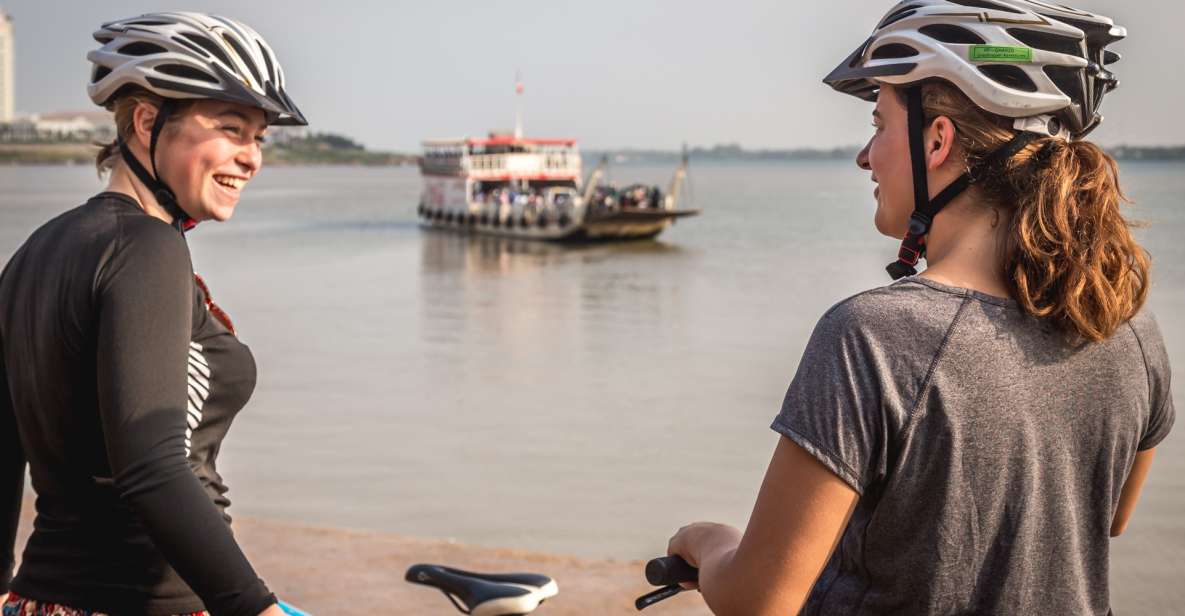
Plan on meeting at Areiksart Ferry Port at 7:45am. The guide from Discova is waiting at the Garden on the left-hand side of the port. Getting there early isn’t about rushing; it’s about making the first minutes smoother.
Bring the usual bike-day basics:
- Sunscreen and a hat (morning can still heat up fast)
- Water is provided, but you’ll feel better with a small personal stash too if you tend to drink a lot
- Sunglasses help; the river can be bright
If you’re traveling with kids, this is also when you’ll want to confirm bike fit. The operator asks for each rider’s height so they can arrange the right-side bike properly, and child seats can be requested (with a 14kg weight limit).
Ferries and river time: the warm-up that sets the tone
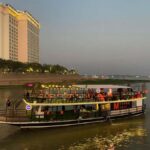
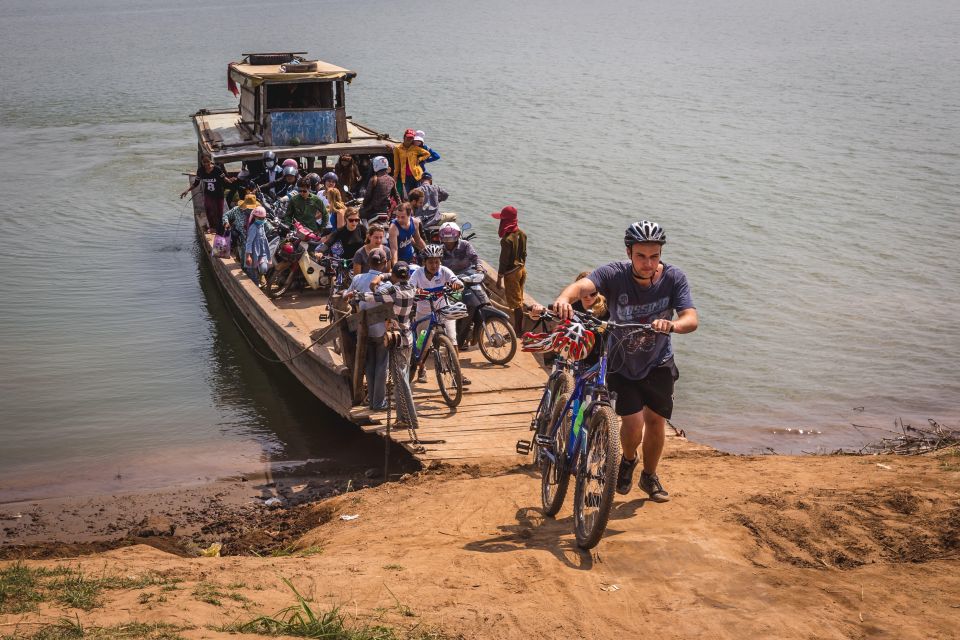
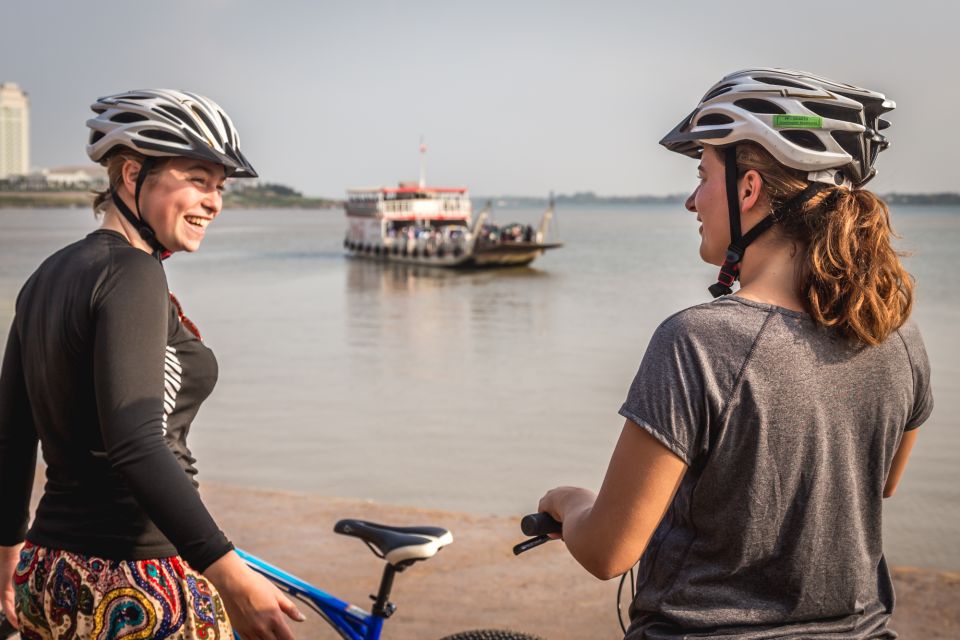
You start with a ferry crossing—about 20 minutes—which is more than a simple transfer. It’s a shift in pace. The Mekong looks different from a boat than it does from the riverbanks, and you begin to understand why so much of life here is tied to water movement.
After that crossing, you get around an hour of guided Mekong river sightseeing. Think of this as the tour’s “orientation stage.” You’ll get context for what you’re about to ride through, and the guide can point out details that you’d miss if you were just looking for the next checkpoint.
Cycling the Mekong Islands: easy distance, real countryside, smart pacing
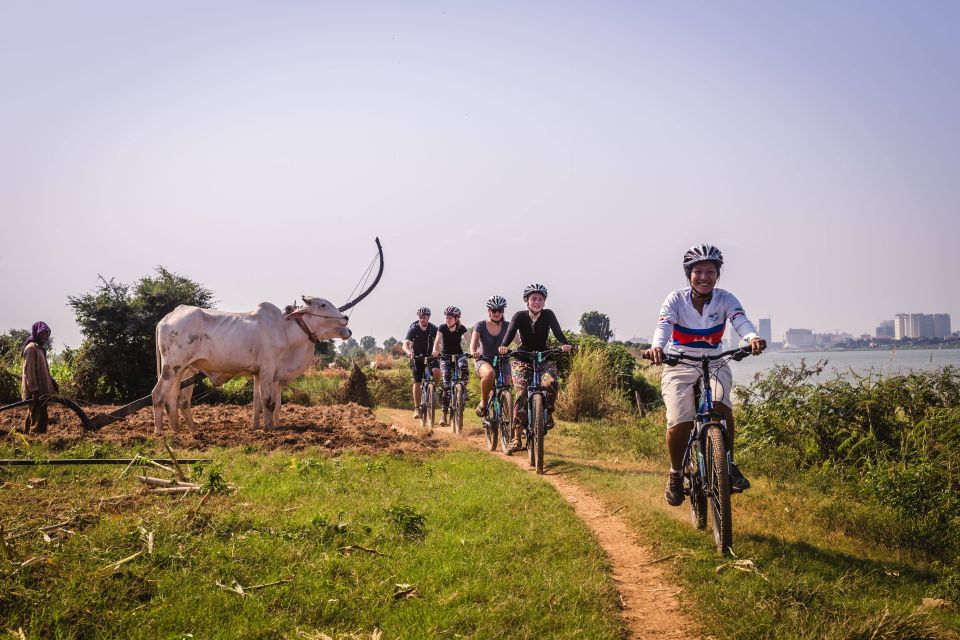
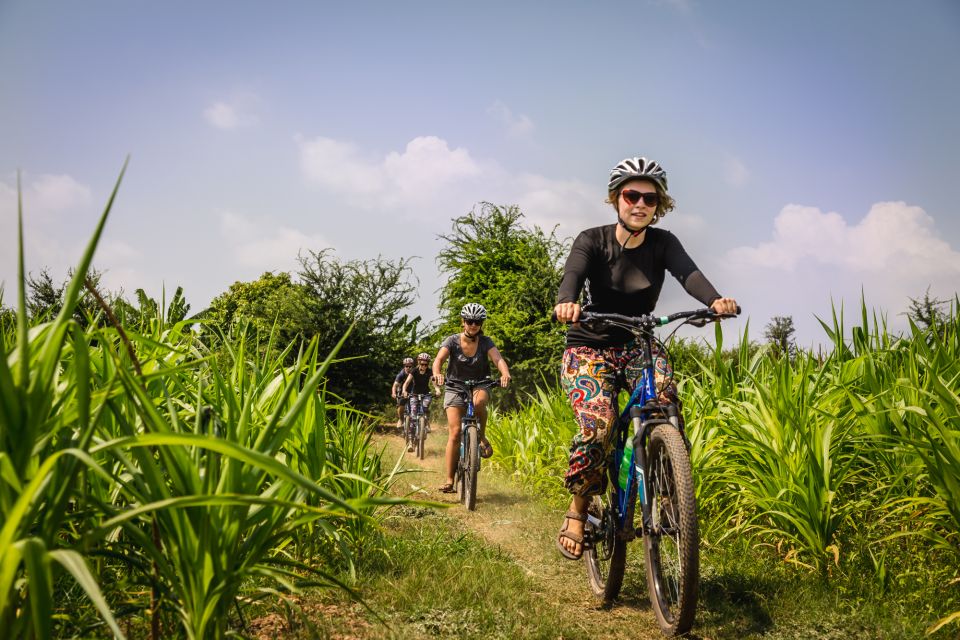
The ride is about 25 km total, on flat tracks and quiet roads. That combination is key. It lets you actually look around without arriving drenched in sweat or spent before lunch.
The group size is small (up to 10 guests), and the guide keeps things moving at a friendly pace. One of the most useful things I like about the guiding style is the attention to road texture. You’ll get warnings if a section is going to be gravelly, and in at least some cases the guide can offer route choices—like staying on more stable asphalt if you’re less confident or want an easier surface.
This isn’t a “freeze and pose” ride, either. You stop often enough to break the motion, but not so often that you lose momentum. It feels like a guided walk that happens to be powered by pedals.
You can also read our reviews of more guided tours in Phnom Penh

The pagoda visit: Buddhism you can see in daily life
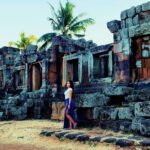
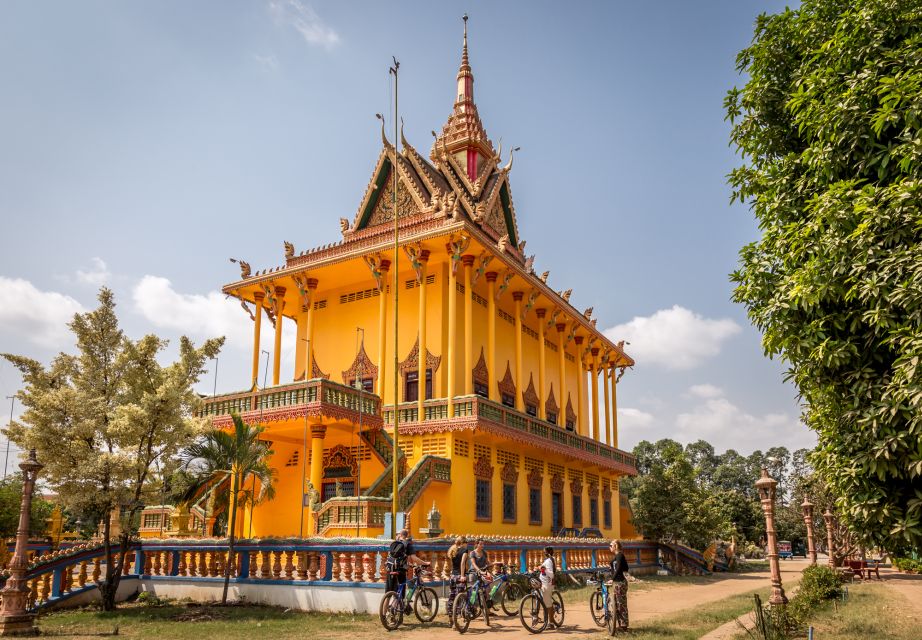
A big part of why this tour works is the cultural stop that’s not stuck in a museum box. You’ll visit a local pagoda, and the guide uses that setting to talk about beliefs in practical terms—how religion shows up in ordinary routines, not just ceremonies.
This is where your morning stops becoming “scenery” and turns into “understanding.” If you’ve spent time in Phnom Penh temples already, you’ll recognize some themes, but it’s different here because the pagoda is woven into a rural community rhythm.
Keep your expectations flexible: pagoda visits are usually calm, short, and respectful. The real value is the explanations your guide gives while you’re there.
Silk farm and shop: how tradition turns into a product
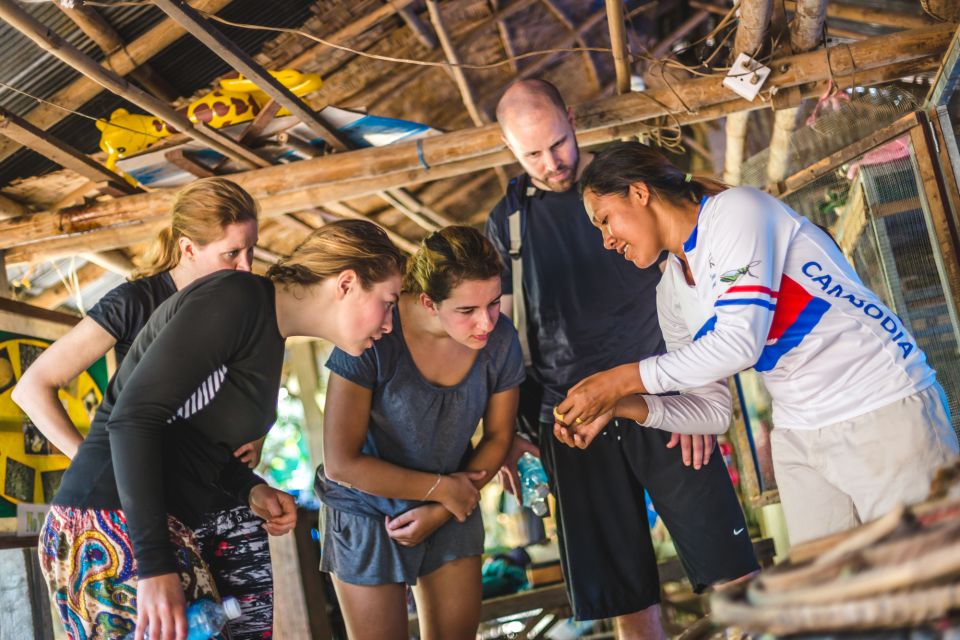
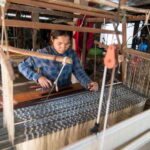
The tour includes a Lotus silk farm and shop stop for about 30 minutes. This is the part that gives you the most direct connection between the countryside and what ends up on fabric.
You’ll see traditional skills linked to silk production. Even if you’ve never thought about where silk comes from, this stop helps you connect the dots: farming, processing, and the work involved in turning materials into something usable.
One reason I think this is so good is that it turns “silk” from a buzzword into a process. You’re not just buying a souvenir—you’re seeing why people make it, and how skills are passed down.
Silk Island riding: orchards, market gardens, and the people behind them
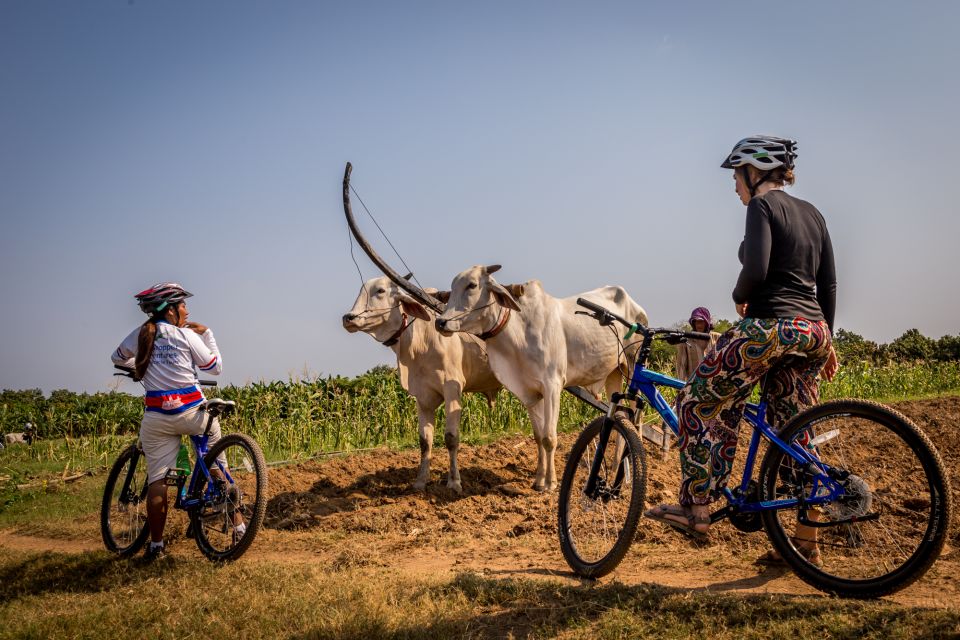
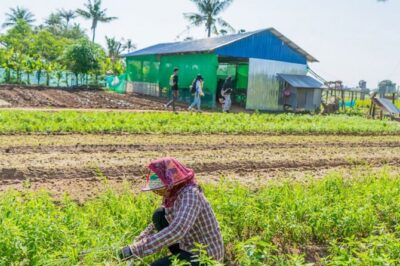
After crossing and getting settled, you’ll cycle toward Phnom Penh’s north and the Silk Islands area. This is the countryside portion most people come for: gardens, orchards, and long stretches where the day feels slower.
During the Silk Island visit (about 1 hour), your guide connects what you’re seeing with how locals live. In practical terms, you’re learning about agriculture and everyday habits that shape the landscape of paths and homes you ride past.
This is also a chance to meet Cambodia on a human scale. You’ll pass local families busy with day-to-day tasks, and you get a better sense of what daily work looks like when you aren’t trapped by city schedules.
Lunch with Khmer flavors and fruit to cool you down
Your tour ends around 12:30pm, with lunch included. Plan for about an hour at the end of the cycling portion.
The food setup is simple and satisfying: a Khmer lunch, served with fresh fruit and drinking water. For a half-day tour, this is exactly what you want. You’re fed without losing the morning, and the timing helps you refuel while the experience is still fresh.
A small but meaningful bonus: lunch is often when the conversation opens up. Guides like Ted tend to be especially willing to chat about Khmer history and daily routines, and it’s a natural moment to ask questions you didn’t think to ask while riding.
Bikes, helmets, and comfort: what to expect on your body
Most of the ride is easy, but you’re still on a bike for about five hours total time (including ferry crossings and stops). You’ll be riding roughly 25 km across quiet roads and flat tracks, with occasional surfaces that may be gravelly—especially depending on weather.
The tour provides:
- Imported quality mountain bikes
- Helmets and bike lights
From a comfort standpoint, this is a smart mix. Helmet use is handled for you. The bike quality matters because it reduces fatigue and frustration, especially on slightly rougher segments.
If you’re bringing kids, the terrain is generally beginner-friendly. I’ve seen families do this with children around 8 and 12 by choosing the right group setup (private tours can make it easier when kids have different confidence levels). Just remember that child seats are available only up to a 14kg limit, and you should share heights so you get the right bike fit.
And one clear “skip it” note: this tour is not suitable for pregnant women.
The guide makes or breaks it: look for a calm, safety-minded host
On this kind of half-day cycling tour, the guide isn’t just a fact generator. They’re the traffic coordinator, the pacing manager, and the translator between what you see and what it means.
The experience stands out because guides often show a calm, encouraging style. People like Ted are known for being patient, speaking strong English, and answering questions in a way that makes the countryside feel understandable. Other guides mentioned with the same role include Nary and Sonvannary, with a similar focus on knowledge plus care for the group.
If you’re the type who likes to talk while walking or riding, this will work well. It isn’t only about following instructions; it’s about learning in a relaxed way.
Should you book this bike tour from Phnom Penh?
If you want a break from tuk-tuks and motorbikes, this is a strong choice. I’d book it if you like:
- Cycling that’s active but not punishing
- Cultural stops that connect to daily life, especially Buddhism and village routines
- A silk farm visit where “silk” is explained as a real local craft
- A practical morning plan ending with lunch and fruit
I’d think twice if you’re expecting a strenuous mountain ride, or if an early start at 7:45am will throw off your day. Also, if you know you won’t handle road surfaces that can be gravelly after rain, plan to tell your guide your comfort level early.
FAQ
FAQ
What time does the tour start and end?
It starts at 7:45am from Areiksart Ferry Port and finishes around 12:30pm back in Phnom Penh.
How far will I cycle?
The ride covers about 25 km, mostly on flat tracks and quiet roads.
Is the terrain easy enough for kids?
The route is generally fairly flat and easy. There are bike options for children, and child seats can be requested (14kg limit). As always, confidence levels vary.
What’s included in the price?
The tour includes an English-speaking guide, a ferry ticket, a quality mountain bike, helmet and lights, drinking water, snacks, and lunch.
Do I need to bring my own bike?
No. The tour provides an imported quality mountain bike plus a helmet and bike lights.
Is this tour suitable during pregnancy?
No. It’s listed as not suitable for pregnant women.