REVIEW · SIEM REAP
Explore Angkor Wat Temple , Bayon Temple and Jungle Temple Ta-Prohm
Book on Viator →Operated by Angkor Wat Travel Tour · Bookable on Viator
A great temple day starts before the crowds. This private loop hits Bayon, Ta Prohm, and Angkor Wat with a guide’s commentary so you don’t just see stones, you understand them.
What I like most is the flexibility of a private set-up and the smooth logistics: hotel pickup and drop-off, plus an air-conditioned vehicle. You also get an early start to Bayon so the South Gate and faces of Angkor Thom feel more manageable.
One thing to plan for: entrance tickets and meals are not included, so your final day budget will be higher than the $43 base price.
In This Review
- Key Temple Day Takeaways
- A Private Temple Day That Fits Limited Time in Siem Reap
- Hotel Pickup, Air-Conditioned Comfort, and Heat-Real Talk
- Timing Bayon Temple: Angkor Thom Before the Crowds
- Bayon Temple’s 54 Towers and 216 Faces of Avalokitesvara
- Ta Prohm in the Fig Trees: Why It Looks Like It Was Left Behind
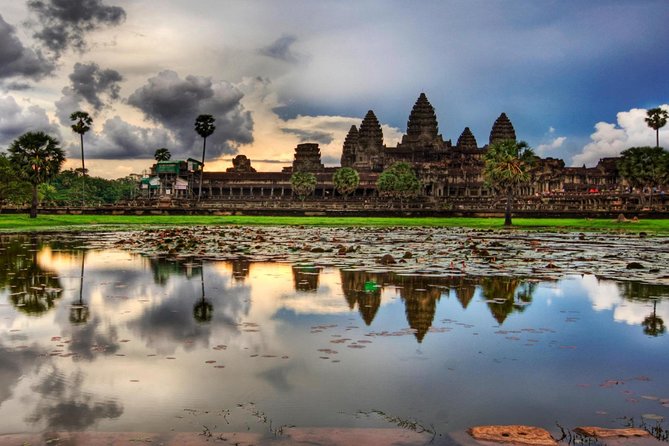
- Angkor Wat in the Afternoon: Vishnu Temple and Big Visual Payoff
- What Your $43 Price Really Means (and What Costs Extra)
- How This Route Feels: Pacing, Crowd Control, and Seeing More
- Who Should Book This Private Bayon–Ta Prohm–Angkor Wat Loop?
- Should You Book? My Take
- FAQ
- What time does the tour start?
- How long is this Angkor temple tour?
- Are entrance tickets included for Bayon, Ta Prohm, and Angkor Wat?
- What’s included in the tour price?
- Is this a private tour?
- Is lunch included?
- How does cancellation work?
- Can children join the tour?
Key Temple Day Takeaways
- Private tour, only your group means you can move at a pace that fits you (and you’re not stuck with other plans).
- Early timing for Angkor Thom and Bayon helps you beat the heaviest visitor rush.
- Ta Prohm’s fig trees are the star, and you’ll see why the ruins stayed looking “found.”
- Angkor Wat gets the longer block in the afternoon, when you can take your time with the main views.
- Hotel pickup and drop-off keeps the day from turning into a transportation puzzle.
- Bottled water is included, which matters in the heat on temple days.
A Private Temple Day That Fits Limited Time in Siem Reap
If your Siem Reap schedule is tight, this kind of single-day plan is a smart choice. In about 7 hours, you’re covering major highlights inside the Angkor Archaeological Park without spending precious time bouncing back and forth to town.
The private format matters. With a standard group tour, you can end up waiting, rushing, or missing the part you care about most. Here, you’re placed in a controlled route built around the day’s big visual payoffs: Bayon Temple, Ta Prohm, and Angkor Wat.
Also, the tour is built around getting you to the right place early. The plan is to head to Bayon/Angkor Thom early to reduce crowd pressure. That changes the whole experience. The faces at Bayon are easier to study. The roots at Ta Prohm feel less like a photo line and more like a real landscape. And at Angkor Wat, you’re not arriving already exhausted.
You can also read our reviews of more tours and experiences in Siem Reap.

Hotel Pickup, Air-Conditioned Comfort, and Heat-Real Talk
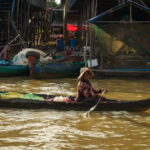
This is the kind of tour that saves energy where it counts. You get hotel pickup and drop-off, and you ride in an air-conditioned vehicle. That matters because temple days in Cambodia can wear you down fast, especially if you’re walking a lot in direct sun.
The tour includes bottled water, and one recurring practical theme from the experience is staying cool. For example, guides have been described as providing cold water and even cool washcloth-style comfort during hot days. Even if you don’t count on extras, build your own heat plan: water-ready hydration, sun protection, and comfortable walking shoes.
Wear shoes you can trust. You’ll be on temple stone and uneven ground, and you’ll want sure footing more than anything stylish. Bring a hat or cap and consider light layers you can deal with quickly when the weather flips between shade and sun.
Timing Bayon Temple: Angkor Thom Before the Crowds
The day starts with a move that’s both strategic and simple: go to Bayon Temple and central Angkor Thom early. The South Gate and the main core of Angkor Thom are exactly where crowds can gather hardest, so the early timing is not a small detail. It’s the difference between looking and really seeing.
At Bayon, you’re focused on the heart of the complex. The South Gate sets the tone, then you move into central Angkor Thom where Bayon dominates the scene.
You’ll spend about 2 hours here, which is just enough time to:
- understand what you’re looking at,
- take photos without constant stop-start pressure,
- and still keep enough energy for Ta Prohm and Angkor Wat afterward.
Bayon Temple’s 54 Towers and 216 Faces of Avalokitesvara
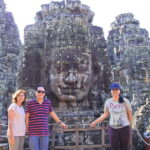
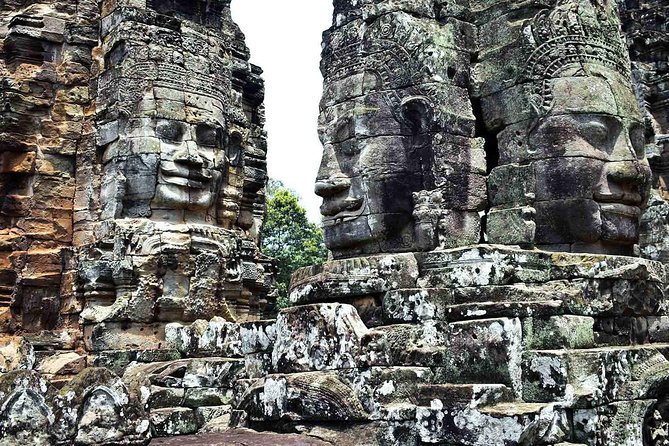
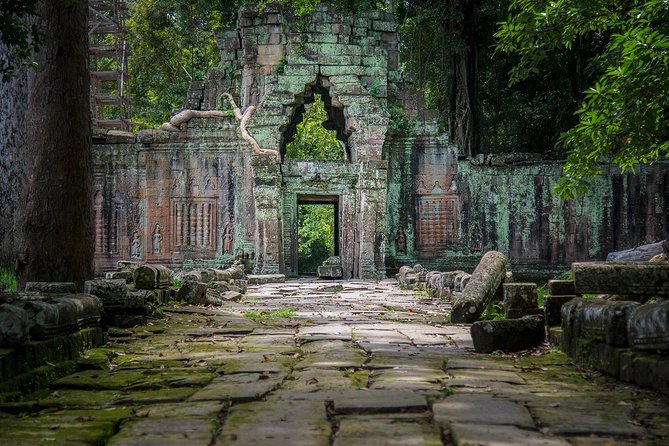
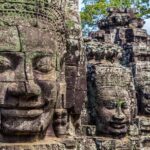
Bayon is famous for its facial towers, and it’s famous for a reason. You’ll see 54 towers and 216 faces of Buddhisatva Avalokesvara across the structures. When you stand back, it’s almost impossible not to feel like the complex is watching you from multiple angles.
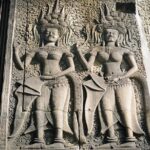
This is where a good guide earns their keep. The value of an English-speaking guide is not just translation, it’s interpretation: what the faces represent, how the site was shaped, and why Bayon became one of Angkor Thom’s anchors. The tour notes that Bayon was built by the Khmer king Jayavaraman, and that gives you a historical anchor so the carvings don’t feel random.
One practical drawback to know: Bayon’s main features are visually intense, so it’s easy to spend too long staring up and forget to look around. I suggest you do a quick two-pass approach: first pass for the overall composition, second pass for the details and faces from different angles. If you only do one pass, you’ll miss how the towers read from various viewpoints.
Ta Prohm in the Fig Trees: Why It Looks Like It Was Left Behind
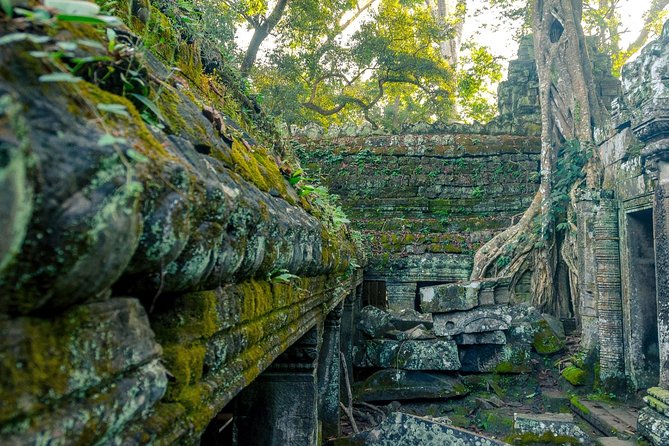
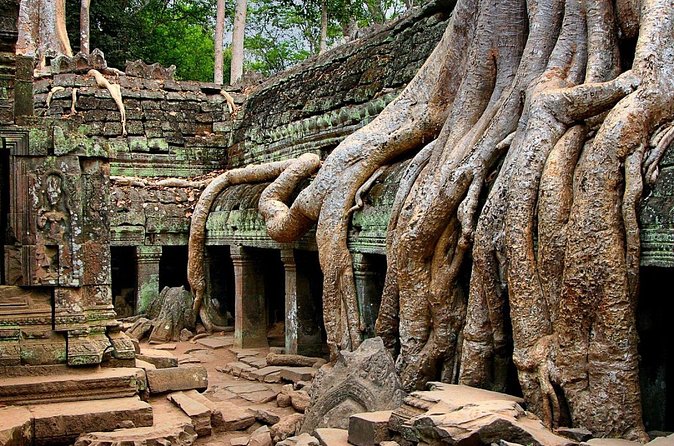
After Bayon, the plan moves to Ta Prohm Temple, with about 2 hours allotted. This is where the atmosphere changes. Ta Prohm feels less like a formal monument and more like a meeting point between architecture and nature.
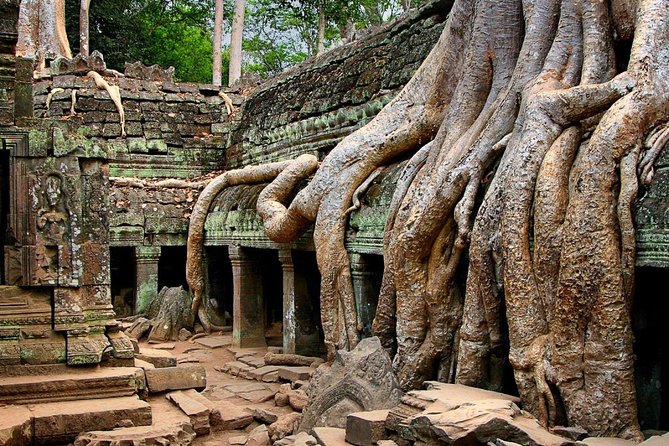
The headline feature is right in the description: Ta Prohm is embraced by enormous fig trees. The tour also emphasizes something important for visitors: it remains in much the same condition it was found. That’s part of the magic. You’re not seeing a fully restored, polished site. You’re seeing ruins that still carry that “how did this happen” feeling.
What’s worth paying attention to:
- the massive roots wrapping around structures,
- how the trees create natural frames for windows and doorways,
- and how the light shifts when you move between shaded and open areas.
Ta Prohm is popular, so even with planned pacing, you’ll likely see plenty of other people. Still, the early start and your private-group setup help. You’re not trapped in someone else’s timing. You can pause longer where you care and move faster through the parts you’ve already “got.”
Angkor Wat in the Afternoon: Vishnu Temple and Big Visual Payoff
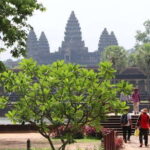
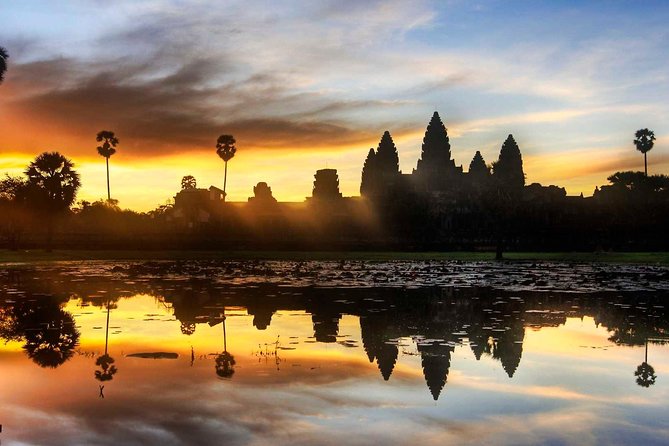
The final main stop is Angkor Wat, with around 3 hours on the site. That extra time matters. Angkor Wat isn’t a “walk through and done” attraction. It rewards slow looking and repeated angles.
You’ll be visiting in the afternoon. That can be great for comfortable walking breaks because you’re not starting at the absolute cold-open hour. It also means you can take more time with the monumental views, especially as the light changes across stone surfaces.
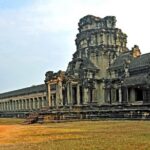
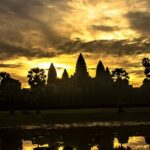
The tour notes Angkor Wat was built by the Khmer king Soriyavaraman II in the early 12th century and it was dedicated to Vishnu. That detail helps you connect the site’s layout and symbolism to its original religious purpose. Even if you don’t know the theory behind every carving, having that basic context keeps the experience from becoming only visual.
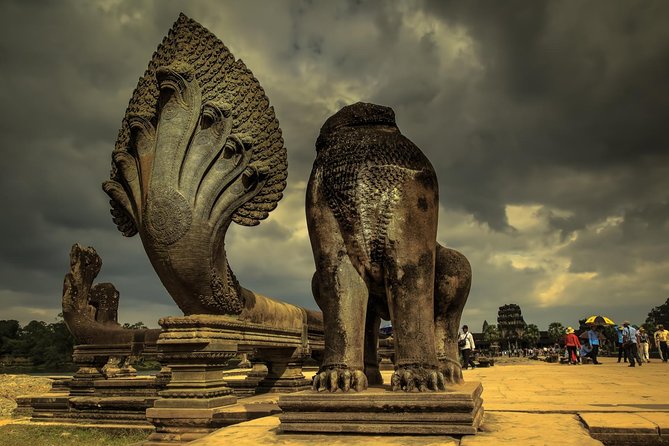
You may also see standout areas on your route, such as the Terrace of the Elephants. The value of seeing it in the flow of the day is that it gives you a sense of how Angkor Wat fits into a broader landscape, not just one isolated temple.
Practical note: Angkor Wat involves real walking distances. The stone steps and long sightlines can tire you out if you go too hard too early. Use your 3 hours wisely: start with the biggest view(s), then switch to closer details once you’ve found your bearings.
What Your $43 Price Really Means (and What Costs Extra)
At $43 per person, this is positioned as a budget-friendly way to cover three of Angkor’s major hits in one day. The included items are what make it feel reasonable, not just the base number:
- Air-conditioned vehicle
- English tour guide
- Bottled water
- Hotel pickup and drop-off
What’s not included is also clear:
- Entrance tickets for the temples
- Meals (including lunch, breakfast, dinner)
So how do you judge value? You compare the cost of doing three major temples solo (transport + guide time + time lost to logistics) versus paying for a streamlined route that keeps you moving and informed. For limited-time visits, the time saved can be worth as much as the money.
Also note: lunch is own expense, but the plan is to have lunch near the temples instead of making you head back into town. That’s a smart way to protect your day. Less driving means more temple time and less “where’s lunch” stress while you’re already hot and walking.
If you want to minimize extra spending, eat something simple near the temples and keep an eye on your energy level. Your guide can often point you toward options that fit the schedule, but the tour itself keeps meals off the included list.
How This Route Feels: Pacing, Crowd Control, and Seeing More
This itinerary is basically built around three realities:
1) Bayon benefits from early crowd timing.
2) Ta Prohm is best when you’re not rushing.
3) Angkor Wat needs time to absorb.
That’s why the stops are separated into different time blocks: 2 hours at Bayon, 2 hours at Ta Prohm, 3 hours at Angkor Wat. The extra time at Angkor Wat suggests the operator expects you to want more than one look at the main temple core.
The best part of the private setup is that the route can work with your pace. If you want more photo time at Ta Prohm’s roots, you can usually slow down there. If you feel the need to rest when the heat spikes, you don’t have to “keep up with the group.”
Still, you should come ready to walk. This isn’t a sit-and-watch experience. It’s a full temple visit day, and the value is in getting you to the right places without wasting time.
Who Should Book This Private Bayon–Ta Prohm–Angkor Wat Loop?
This works best if you:
- have limited time in Siem Reap,
- want a private day plan instead of a fixed group schedule,
- like guided context, especially for Bayon’s face-towers and Angkor Wat’s religious framing,
- and prefer having logistics solved (pickup, drop-off, air-conditioned transport).
It’s also a decent fit for travelers who don’t want to think too much about sequencing and getting around inside the temple park. The tour does that planning for you, which is a comfort when you’re visiting for the first time.
If you’re the type who wants to linger all day at one temple only, you might find a full loop like this a bit packed. But if you’re aiming to see major highlights in one go, it’s a practical solution.
Should You Book? My Take
If your goal is a high-visibility Angkor day without the stress of arranging transport and timing yourself, I’d book this. The combination of private flexibility, an English guide, and a route designed to hit Bayon early is exactly what makes a short trip feel satisfying.
Two cautions: budget for entrance tickets and plan for walking and heat. If you show up with comfortable shoes, water readiness, and a realistic sense of effort, the day can feel smooth and memorable.
FAQ
What time does the tour start?
The tour starts at 8:30 am.
How long is this Angkor temple tour?
It runs for about 7 hours.
Are entrance tickets included for Bayon, Ta Prohm, and Angkor Wat?
No. Admission ticket fees are not included.
What’s included in the tour price?
You get an air-conditioned vehicle, an English tour guide, bottled water, and hotel pickup and drop-off.
Is this a private tour?
Yes. It’s private, and only your group participates.
Is lunch included?
No. Meals are not included, and lunch is at your own expense near the temples.
How does cancellation work?
There is free cancellation. You can cancel up to 24 hours before the experience starts for a full refund.
Can children join the tour?
Children must be accompanied by an adult. The tour notes that most travelers can participate.