REVIEW · BATTAMBANG
Full/Half Day Tuk TuK: Handicrafts Bambootrain Killing&Bat Caves
Book on Viator →Operated by Discover Battambang with Samol Tuk-Tuk & Motorbike Tours · Bookable on Viator
Battambang hits different from a tuk-tuk. This 12-hour ride strings together French-era city sights, working farms, and two major cave experiences. You also get the cultural backstory behind what you’re seeing, from everyday agriculture to religion and local life.
I love how the guide puts agriculture into plain words, with stops where you can chat with farmers and see how food is made. I also like the mix of hands-on moments: bamboo sticky rice at a local cooking stop, rice wine tastings, and a bamboo train ride over scenic countryside.
The one catch is timing: you’ll start around 7:30am and you’re out most of the day, ending with the evening bat flight.
In This Review
- Key things you’ll notice on this Battambang tour
- Why this route works in Battambang
- Morning start: Battambang pickup and French-era city context
- Wat Samrong Knong and bamboo sticky rice cooking
- Ek Phnom: rice wine production since the 1980s
- North countryside drive: farms, farmers, and local conversations
- Battambang comes back into view: resetting before the countryside ride
- Bamboo Train Ou Srauo Laou: tickets, the suspension bridge, and the ride
- Phnom Sampeau: rat barbecue and the Killing Cave history
- Battambang Bat Caves at dusk: a long, loud flight
- Price and value: how $16 stacks up (and what to budget extra)
- What you learn and why it feels authentic
- Who should book this tour, and who should rethink it
- FAQ
- FAQ
- Is pickup included?
- How long is the tour?
- What time does it start?
- Is lunch included?
- What’s extra besides the $16 price?
- Is rat barbecue tasting included?
- Should you book this Battambang tuk-tuk day?
Key things you’ll notice on this Battambang tour

- French-era landmarks with local explanations, not just quick photo stops
- Wat Samrong Knong for bamboo sticky rice made by locals
- Ek Phnom rice wine production, plus tastings and local uses
- Bamboo Train Ou Srauo Laou with a suspension bridge view and a classic ride
- Phnom Sampeau for Khmer Rouge-era history at the Killing Cave
- Battambang Bat Caves when millions of bats pour out for about 50 minutes
Why this route works in Battambang
This is the kind of day that makes Battambang feel like a real place, not a checklist. You move between city and countryside, then up to the mountain, then back down for bats at night. That flow matters because it connects the dots between what people grow, what people eat, and what people remember.
The best part is the way the guide ties together culture, religion, and agriculture while you’re actually watching it happen. You’re not only looking at sights; you’re hearing how life works around them—rice fields, fruit plantations, vegetable raising, and the small food industries that support families.
One practical thing to keep in mind: the tour is long. It’s great if you want a full day out, but if you’re the type who hates sitting on a ride for hours, this may feel like too much. The good news is that the stops keep changing, so you won’t be stuck staring at the same thing the whole time.
You can also read our reviews of more tours and experiences in Battambang.
Morning start: Battambang pickup and French-era city context
The tour leaves early, with departure around 7:30am. Plan to be ready about 10 minutes before pickup at your accommodation or a nearby restaurant, so the day doesn’t slip.
Once you meet your guide, the day starts with orientation: history, culture, religion, agriculture, folk tales, and even some Cambodian language basics. The tour also focuses on the main French structures in Battambang, which is a big part of the city’s look. Instead of treating those buildings like postcards, you’ll get the meaning behind them, plus context for how the city evolved.
This opening hour sets the tone. Even if you’re not a history fanatic, it helps you read the city as you drive through it—where local life happens, where past influences show up, and why certain places matter.
Wat Samrong Knong and bamboo sticky rice cooking
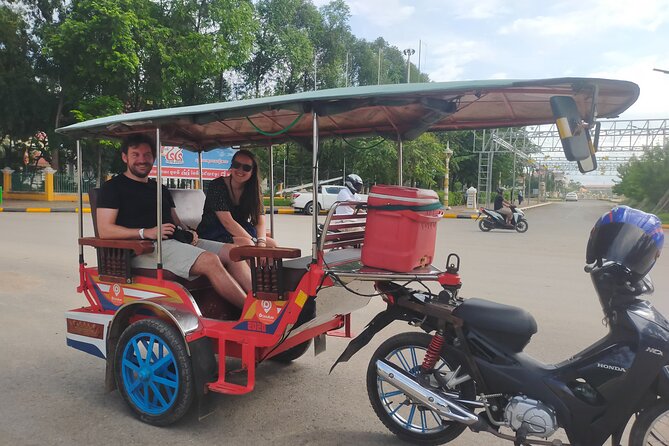
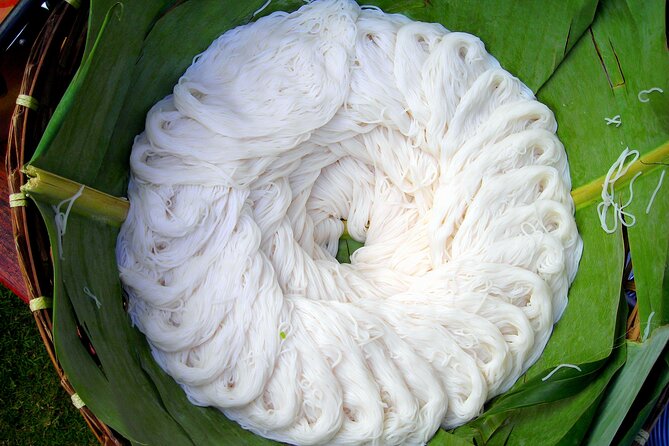
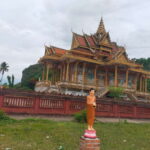
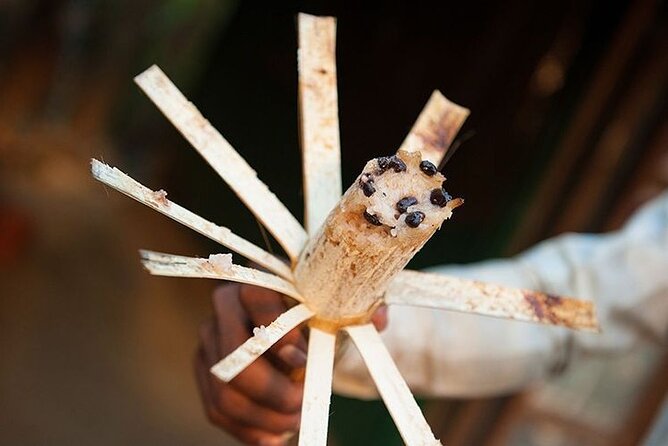
One of the most enjoyable stops is Wat Samrong Knong, where you’ll see locals cook bamboo sticky rice. This isn’t just a photo moment. The whole point here is to watch how the dish is prepared as a sweet snack or dessert.
Bamboo sticky rice has a reputation for quality, and the guide’s explanation helps you understand why locals keep making it. You also get a sense of how food traditions travel through time, showing up at the market, during family moments, and in temple-linked life.
What to consider: food stops can vary in how hands-on they feel. The format here is watching cooking and learning, and you might also get a chance to taste depending on what’s happening that day. If you’re not into sweet snacks, still go—the value is in seeing the everyday food process, not just the taste.
Ek Phnom: rice wine production since the 1980s
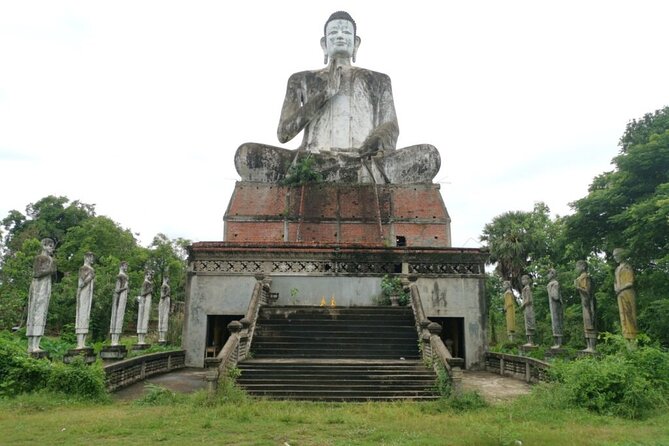
Next comes Ek Phnom, a rice wine production stop that has been operating since the 1980s. You’ll learn how rice wine is processed and you’ll be able to try it. That’s one of the reasons this tour feels more real than many “scenic drive” days.
The guide also talks about how rice wine is used locally, including for medication and for soaking plants, fruits, and even poisonous animals. Even if you don’t buy into the full details, it’s a fascinating glimpse of how traditional medicine and local food practices overlap here.
What I like about this stop is that it gives you a conversation starter for the rest of the day. After learning how something is made, you start noticing how similar industries support village economies—small-scale production, repeated techniques, and knowledge passed along through families.
A small caution: rice wine tastings aren’t for everyone. If alcohol flavors aren’t your thing, you can still enjoy the learning part, but treat the tasting as optional in your head.
North countryside drive: farms, farmers, and local conversations
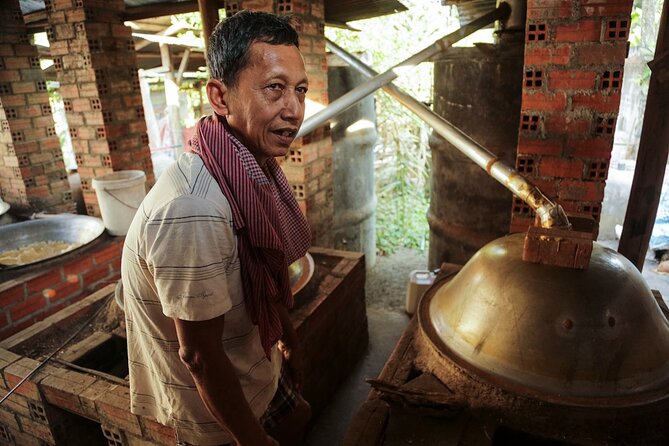
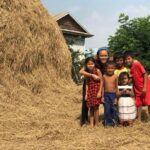
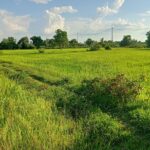
Between major attractions, the tour keeps moving through agricultural areas. You’ll ride past fruit plantations and rice fields, and your guide explains how they’re grown. One of the highlights is the chance to stop and talk—often with farmers and children—about how vegetables are raised.
These conversations can be brief, but they change the day. Instead of only hearing history from a guide, you get a glimpse of how people live right now: what crops matter, what work looks like during the season, and how families fit agriculture into daily life.
If you like authentic interactions, this is where the value really shows up. Just be ready for rural chatting to be a little unstructured. It’s not a staged performance; it’s real life happening while you’re passing through.

Battambang comes back into view: resetting before the countryside ride
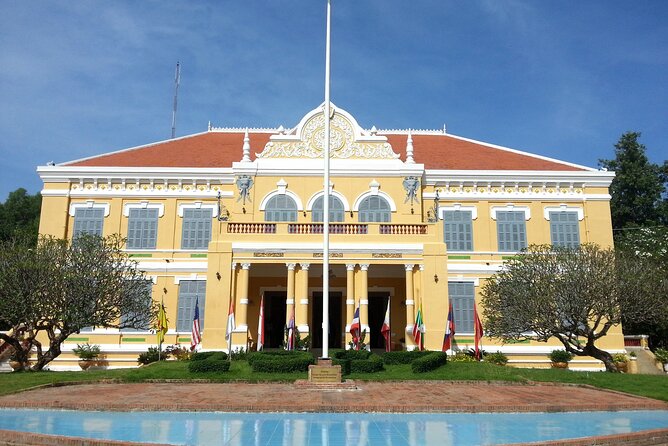
After seeing a cluster of northern-area stops, the tour returns to Battambang for a break in the pacing. This stop is shorter, and it’s basically a reset point: you’re back in town, regrouping before the big countryside moment that follows.
This rhythm matters because it keeps you from getting travel-drained. You’ll still be out most of the day, but the tour breaks long driving segments with concrete experiences—food, crafts, production, and rides.
Think of this as a transition from city stories into countryside scenery.
Bamboo Train Ou Srauo Laou: tickets, the suspension bridge, and the ride
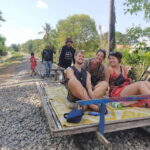
One of the most famous parts of this tour is Bamboo Train Ou Srauo Laou. Before you board, you get countryside views: villages, fruit plantations, and rice fields. There’s also a stop for a suspension bridge view, plus time to talk with local people and farmers.
Then comes the ride itself. You buy your ticket and board the bamboo train. The movement of the ride is sometimes described with humor, because it has that bouncy, swaying feel—so you’ll get the ride experience whether you’re ready for it or not.
Budget note: the bamboo train is not included. It costs $5 per person, so add that if you want the full day’s highlights.
Why this stop is worth it: it’s not only about the novelty. You’re also seeing how communities live around these lines and paths, and you get a full set of countryside visuals in a short window. If you only see one side of Battambang in your trip, this is a good one to choose.
Phnom Sampeau: rat barbecue and the Killing Cave history
The day’s most serious stop is Phnom Sampeau, tied to Killing Cave history from the Khmer Rouge era (1975 to 1979), when over 10,000 victims were killed.
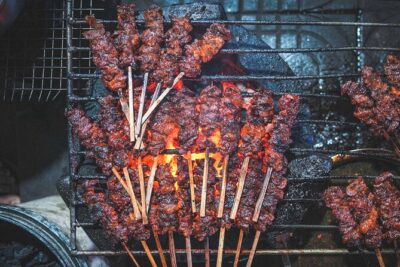
Before you head up, you’ll see and taste K F R, often described as rat barbecue. Tasting is optional, and the tour angle is less about shock and more about showing how local food is prepared and eaten. If you’d rather not try it, you can still watch.
To get to the mountain, you ride by motorbike or pickup truck. The tour includes mountain motor taxi/shuttle service for return, which helps you avoid the hassle of arranging transport on your own.
At the Killing Cave, you’re there for history and reflection. This is not a casual photo stop, and you’ll want to treat the experience with respect. It helps that the tour guide already set the history context earlier in the day, so the story lands more clearly.
If you have strong sensitivities about war history or disturbing sites, take a moment before going in. But if you want to understand Cambodia beyond temples and scenery, this is a key piece.
Battambang Bat Caves at dusk: a long, loud flight
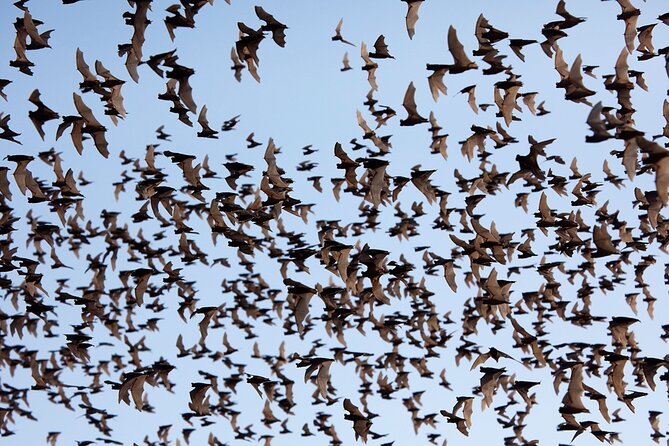
The evening finale is Battambang Bat Caves. You’ll get to viewpoints, then wait for the bats to fly out in the early evening. When the bats leave, it’s dramatic: millions of wrinkle-leaf bats take flight, and the main action lasts over about 50 minutes.
This stop has two big strengths. First, it’s a natural event, so you’re experiencing something that’s happening right now. Second, the timing forces the day to feel complete—morning farming, midday food and history, then nighttime wildlife.
Practical consideration: bring patience. You’ll be waiting. Also, if you’re bothered by loud movement or you don’t like bats, this may be uncomfortable.
But if you can handle it, the bat flight is one of the most memorable “only-in-this-place” experiences around Battambang.
The tour ends with going back to your hotel or to Pomme Bar in town, so you don’t have to figure out your night transport.
Price and value: how $16 stacks up (and what to budget extra)
At $16 for an approximately 12-hour day, the value is strong, especially because you get more than just transport. The tour includes hotel pickup and drop-off, a Tuk Tuk, a live guide, and even small comfort touches like cold towels and cold water. You also get photo opportunities, plus entrance fees for Ek Phnom, Killing Cave, and Bat Caves, along with all donations tied to those visits.
Where the “real cost” comes in is what’s not included. The biggest extra is the bamboo train, at $5 per person. Lunch is also not included, and you’ll cover personal expenses yourself.
Still, even with the bamboo train add-on, this pricing works well if you want a guide-led day that covers multiple categories: city architecture, food production, countryside life, major caves, and the bat flight. It’s the sort of tour that’s easier than doing everything separately, especially in a spread-out area.
Group size is capped at 15 travelers, which usually helps keep the day feeling more personal and less like a factory.
What you learn and why it feels authentic
This tour is built around more than landmarks. It’s about the everyday systems that keep people fed and connected: rice cultivation, fruit and vegetable growing, and local food production like bamboo sticky rice and rice wine.
The guide also brings in religion and folk tales, plus some Cambodian language. That combination matters. When you hear how people explain their world—through stories, food practices, and spiritual life—you remember the place longer than if you only photographed it.
One more thing I really appreciate: the day includes chances to interact with locals along the way, including conversations with farmers and children. It’s not only about watching. Even brief chats can help you see the difference between a destination and a community.
And if you end up with a guide like Sum Ol, expect a friendly, attentive style that keeps the day moving and makes the history feel understandable, not lectured.
Who should book this tour, and who should rethink it
Book this if you want a full day with agriculture + food + history in one package. It’s a good match if you enjoy guides who explain what you’re seeing in plain terms, and if you like the idea of ending with a big evening nature event.
You might reconsider if you’re very sensitive to the topic of Khmer Rouge history, or if rat barbecue isn’t your thing. The rat tasting is optional, but you’ll still see it mentioned as part of the stop.
Also rethink it if you’re not comfortable with long days. Starting around 7:30am and running close to 12 hours means you’ll need energy. The upside is that the day is packed with variety, so it doesn’t feel like one long commute.
FAQ
FAQ
Is pickup included?
Yes. The tour includes hotel pick up and dropped off, plus transportation by Tuk Tuk.
How long is the tour?
It runs about 12 hours (approx.) and follows a full-day schedule.
What time does it start?
Departure is around 7:30am, with you asked to be ready about 10 minutes early at your accommodation or a nearby restaurant.
Is lunch included?
No. Lunch is not included.
What’s extra besides the $16 price?
The bamboo train costs $5 per person and is not included. Entrance fees for Ek Phnom, Killing Cave, and Bat Caves are included.
Is rat barbecue tasting included?
Rat tasting is listed as optional. You can also choose not to taste while still seeing it.
Should you book this Battambang tuk-tuk day?
Yes, if you want a high-value day that mixes French-era city context, hands-on local food stops, countryside agriculture, and two major cave experiences. The guide-led format makes it easier to understand what you’re seeing, and the bat flight at dusk gives the day a memorable ending.
I’d book it with one mindset: plan for a long day and decide in advance how you feel about the Killing Cave history and the optional rat barbecue stop. If that fits you, this is one of the more complete ways to experience Battambang in a single push.