REVIEW · BATTAMBANG
A Day TukTuk Handicrafts Bambootrain Killing&BatCaves,Sunset
Book on GetYourGuide →Operated by Battambag full day city and countryside Tuk Tuk tour · Bookable on GetYourGuide
Battambang really saves its best for last: bats pouring from a cave at dusk. This full-day tour strings together Khmer food-making, countryside life, major temple stops, and two of the most sobering memorial sites in Cambodia, all with an easygoing tuk tuk pace. You’ll ride the bamboo train and end at the bat cave, where the sky does a strange, unforgettable thing.
I love how the morning turns everyday ingredients into a lesson you can taste. The stops for Khmer rice noodles, rice paper, bamboo sticky rice, and rice wine are built around watching real production, then trying small samples on the spot. It’s also one of the few ways to pair that food-and-craft world with serious context, since the day includes the Khmer Rouge sites at Wat Samrong Knong and Phnom Sampou.
One possible drawback: it’s a long, hot day with some walking and climbing, plus the genocide history can feel heavy and sometimes a bit hard to process in a noisy setting. If you’re sensitive to that, go slowly, breathe, and give yourself space.
In This Review
- Key Points You’ll Actually Care About
- A Long Battambang Day by Tuk Tuk: From 7:20 Pickup to Bat-Cave Night
- Battambang Town Stops: Market Energy and a Local-Story Primer
- Rice Noodles, Bamboo Sticky Rice, and Rice Paper: Watching Khmer Carbs Get Made
- Khmer rice noodle workshop
- Bamboo sticky rice production
- Rice paper making
- Wat Samrong Knong and the Khmer Rouge Detention Story
- Rice Wine Production Since the 1980s: Sample the Local Medicinal Story
- Ek Phnom: Giant Buddha Views and an Angkor-Era Temple Echo
- The Bamboo Train Ou Srauo Laou and the Suspension Bridge Walk
- Phnom Sampou: Rat Barbecue Before the Climb
- Killing Cave, Monkeys, and Viewpoints on the Summit
- Bat Cave at Sunset: The Million-Bat Exit Takes About 50 Minutes
- Price and Value: What You’re Getting for Around $24
- Who this suits best
- Should You Book This Full-Day Battambang Tour?
- FAQ
- What time does pickup start?
- How long is the tour?
- How much does it cost?
- What’s included in the price?
- Is the bamboo train ride included?
- Is lunch included?
- Do I have to try the rat barbecue?
- What should I bring and wear?
- How long do the bats take to fly out?
- Can I cancel for a refund?
Key Points You’ll Actually Care About
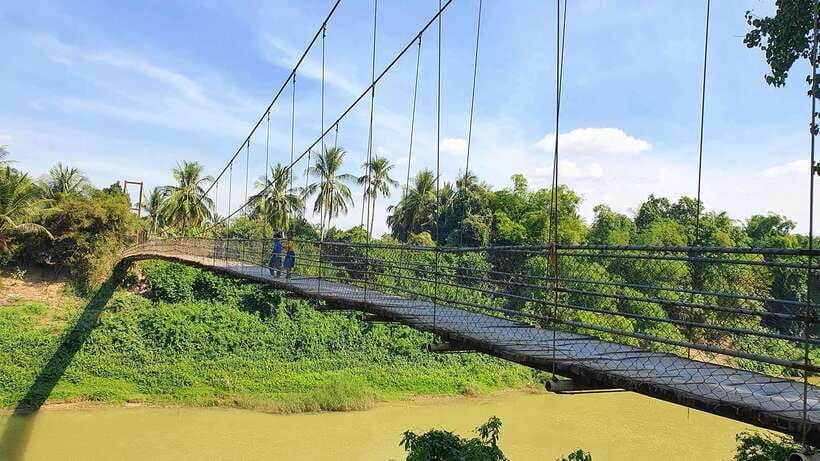
- Bamboo train fun plus countryside views: You get the ride, the suspension-bridge walk, and photo stops along rice fields and fruit plantations.
- Hands-on Khmer food production: Rice noodles, bamboo sticky rice, rice paper, and rice wine, with tastings built into multiple stops.
- Real Cambodian temple variety: From an old Buddhist site to a giant Buddha viewpoint and ruins tied to Suryavarman I.
- Killing Cave and Wat Samrong Knong: Two memorial locations that anchor the day’s history in a very direct way.
- Sunset timing matters for the bats: You’ll wait for the cave exit and the light can get dim while you’re watching.
- Guides like Samol and vehicles like Wendy: A personable guide often makes the route flow smoother and feel more personal.
A Long Battambang Day by Tuk Tuk: From 7:20 Pickup to Bat-Cave Night
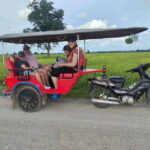
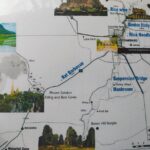
This is an 11 to 12 hour day, starting with pickup at around 7:20 AM from your hotel (or a nearby restaurant). The driver takes you around Battambang Province by tuk tuk, and you’ll typically travel within about 5 km of town for pickup/drop-off.
That timing is part of the value. You beat the worst heat for the morning food stops, then you’re positioned for temples and countryside before the late-day climb and sunset. Bring comfortable shoes because you’ll be on foot often enough to earn blisters if your footwear is too soft. Rain gear also helps—Battambang weather can shift fast.
Heat is real here, so plan for it. The tour includes breaks during the day (and bottled water), but you’ll still want sunscreen and to pace yourself on the climbs.
You can also read our reviews of more evening experiences in Battambang
Battambang Town Stops: Market Energy and a Local-Story Primer
The day starts in town, where the guide sets the scene with stories about Cambodian life—history, religion, farming, and folk tales. You’ll pass by notable buildings and get oriented with places like the central market and provincial hall, plus the Battambang symbol statue known as Ta Dambong Kranhoung.
This early section matters more than it sounds. Battambang’s religious and cultural sites only click when you understand the “why” behind them—how agriculture shapes daily life, how Buddhism shows up in architecture and routines, and how the region’s history still echoes in people’s memories.
If you’re lucky enough to get a guide like Samol (or others you might hear about such as Somal/Somalol) they tend to connect the dots instead of listing facts. That makes the rest of the day feel like one story instead of a pile of stops.
Rice Noodles, Bamboo Sticky Rice, and Rice Paper: Watching Khmer Carbs Get Made
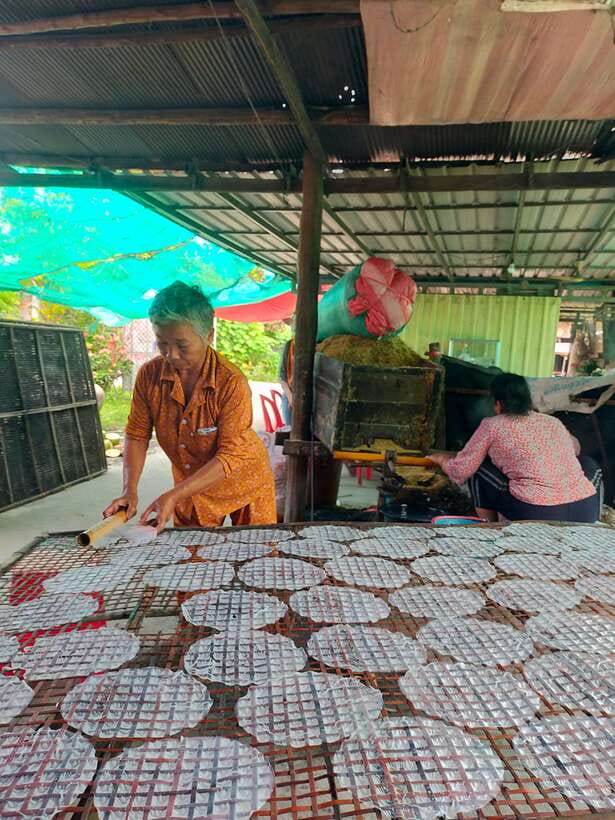
The morning is built around food you’ll recognize fast, because rice is the backbone of the local table. You’ll visit places where locals make Khmer rice noodles, bamboo sticky rice, and rice paper, and you’ll get to taste along the way.
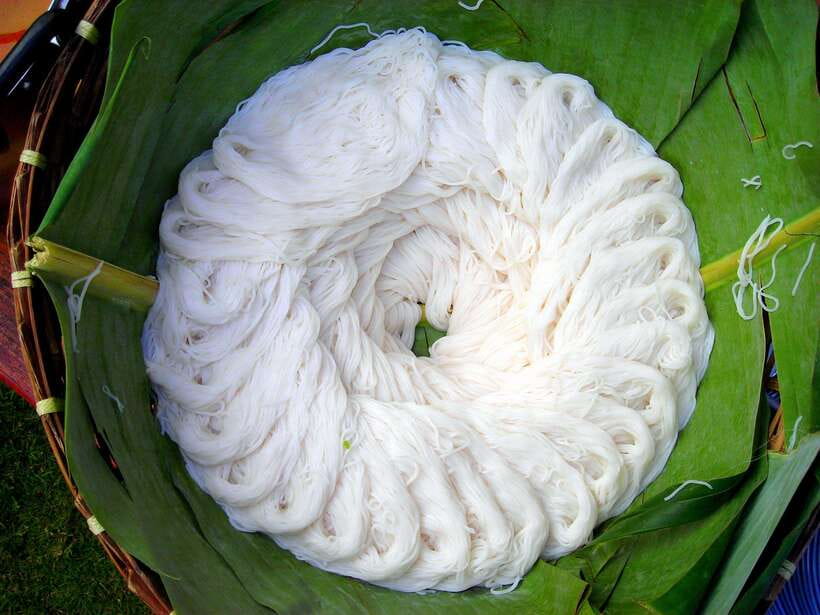
Khmer rice noodle workshop
You’ll learn how rice noodles move from raw ingredients to the final chew. This stop works best if you enjoy small, practical processes—how things are shaped, dried, and prepared for everyday meals. Breakfast and lunch in Cambodia often revolve around rice noodles, so tasting helps you understand why it’s not just popular, it’s dependable.
Bamboo sticky rice production
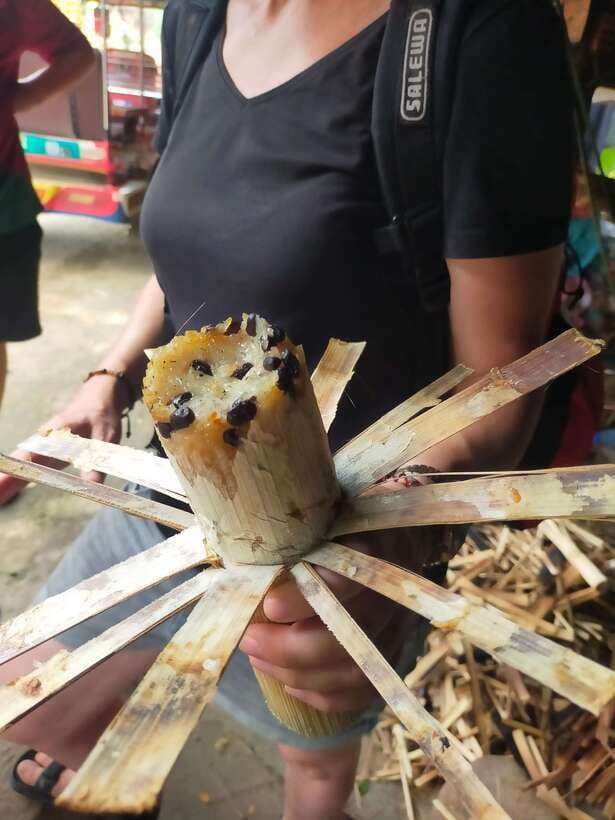
Then comes the sweet snack side: bamboo sticky rice. You’ll watch locals cook it in the bamboo method that gives it a distinct flavor and texture. It’s typically treated as a dessert or snack, so it’s a nice rhythm change from temples and history—something hands-on and comforting.

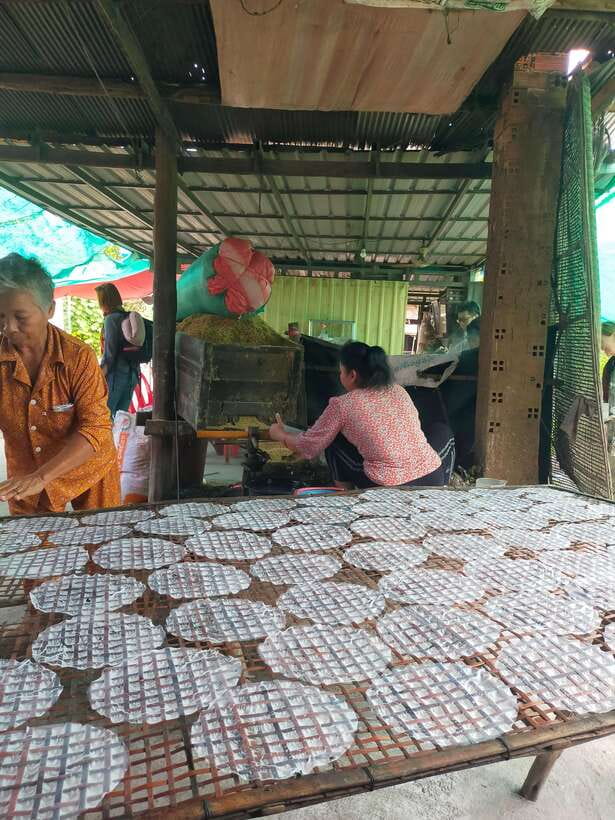
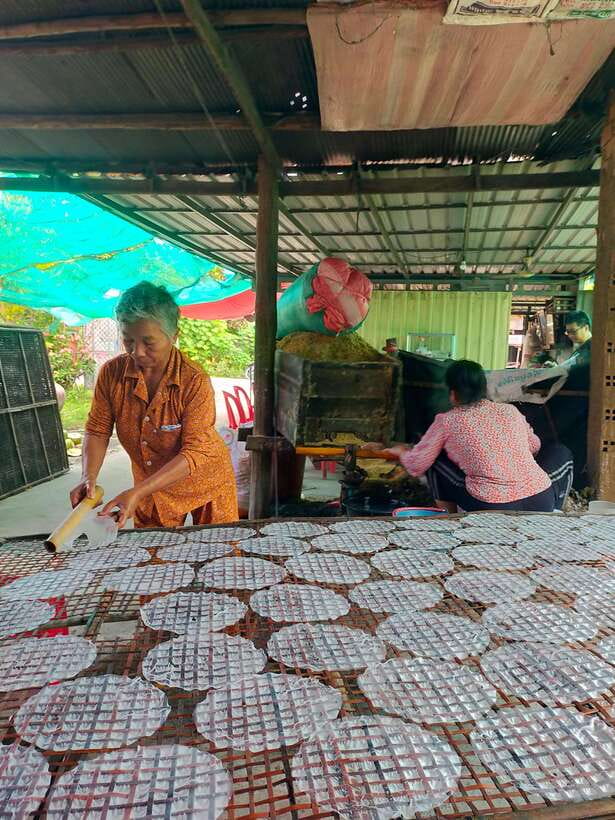
Rice paper making
Finally, you’ll see rice paper production, which is the base for spring rolls. The key thing I like about this stop is that you see how a product you might buy in a grocery store is made by villagers as a living.
A practical tip: eat at a pace you can handle. You’ll be tasting multiple things, plus you’ll be climbing later. Start with small bites so you don’t feel stuffed halfway through the day.
Wat Samrong Knong and the Khmer Rouge Detention Story
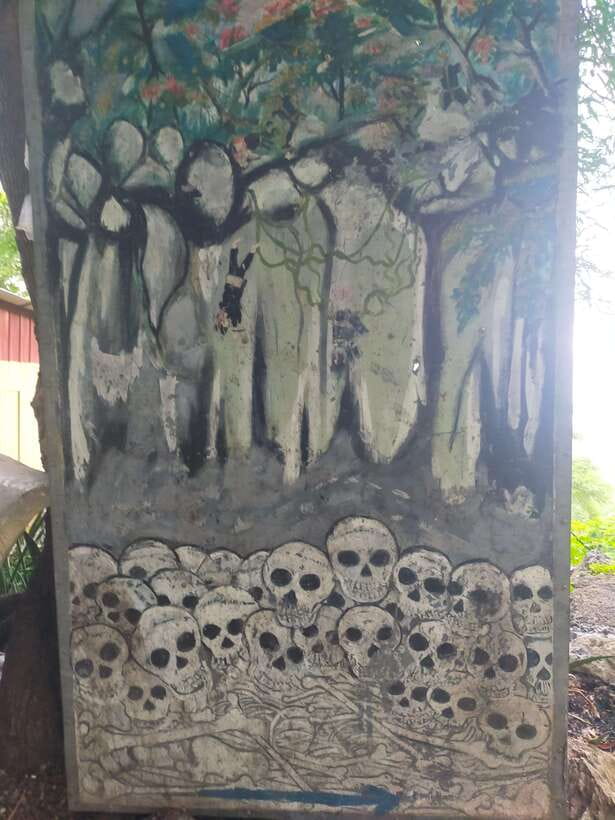
After you’ve built an appetite for local life, the tour pivots into history that demands respect. You’ll visit Wat Samrong Knong, built in 1707, including a brick stupa added in 1887. This is one of the most important early stops on the memorial side of the day.
Here, the tour explains how the pagoda was used during the Khmer Rouge era. It became housing for Khmer Rouge soldiers, and it also served as a detention area for victims. You’ll also see references to a torture house and a killing field where approximately 10,008 victims were killed.
This part is emotionally heavy. It’s also why the full-day format is worth it: you’re not just seeing caves and temples; you’re learning how violence and religion and daily structures collided in real spaces.
If you find it hard to concentrate, don’t force it. Pause when you need to. The goal is understanding, not pushing through discomfort.
Rice Wine Production Since the 1980s: Sample the Local Medicinal Story
Then comes rice wine production, in operation since the 1980s. You’ll learn how rice wine is made, and you’ll be offered a sample.
What stands out is how the guide frames rice wine as more than a drink. You’ll hear it was used for medication and for soaking plants and fruits, plus even for soaking poisonous animals like cobras and tarantulas. That might sound strange, but it’s part of how communities repurpose what they have.
A sensible approach: if you’re sampling early in the day, take a small sip. One review notes the wine can taste strong even around 10 AM, so protect your energy for the rest of the route.
Ek Phnom: Giant Buddha Views and an Angkor-Era Temple Echo
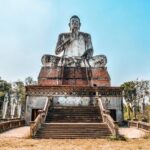
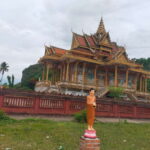
Next you’ll hit Ek Phnom, where the religious architecture spans time periods. The highlight is a 25 m-high giant Buddha, with standing Buddha statues on both sides. It’s an arresting silhouette, and it also gives you a sense of scale for how people build religious space in Battambang.
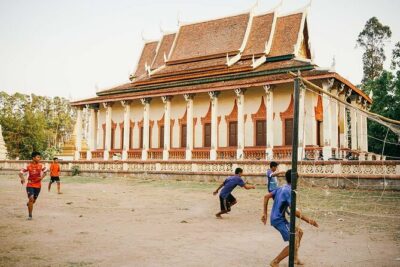
You’ll also walk to a Buddhist temple built in 1991, and you can go inside to see Buddha’s story painted on the wall. If you want a quick “read the room” moment, this is a good stop: you slow down, look, and let the images do the talking.
Finally, you’ll see ruins of an Angkorian Hindu temple built in the 11th century under King Suryavarman I. That mix—Buddhist and Hindu traces in one area—helps explain how Cambodia’s religious landscape shifted over centuries without erasing the past.
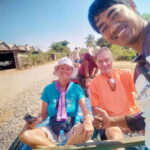
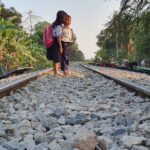
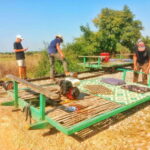
The Bamboo Train Ou Srauo Laou and the Suspension Bridge Walk
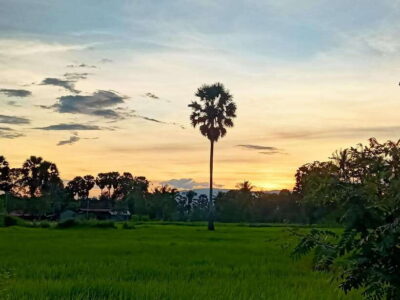
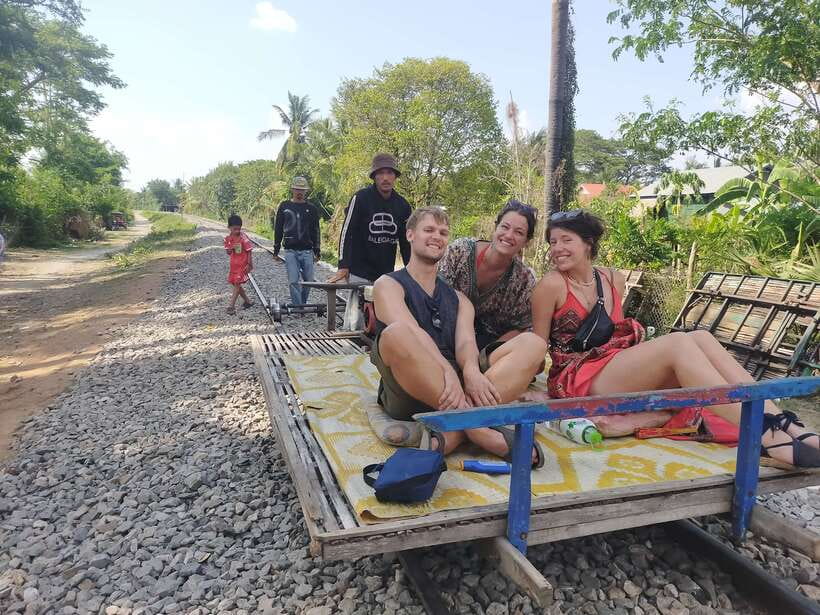
After city and temple time, the day turns playful with the bamboo train: Ou Srauo Laou. Before you ride, you’ll travel through countryside—villages, fruit plantations, and rice fields. There’s also a suspension bridge walk, which is both scenic and a good way to break up the day before you sit down.
You’ll also talk with farmers and see how people live and work. This is one of the reasons a guided day works better than doing it alone: someone can point out what you’re actually seeing instead of you guessing.
The bamboo train ride itself costs extra: $5 per person. It’s not included in the base tour price. You also get a free massage tied to the bamboo train portion, which is a nice touch when you’ve been on your feet all day.
You’ll have late lunch at a local restaurant in the village. Lunch is not included in the price, so bring cash or be ready to pay on-site.
Phnom Sampou: Rat Barbecue Before the Climb
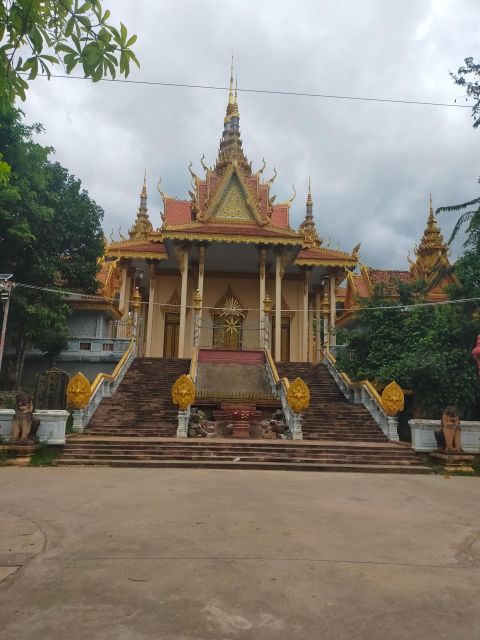
Before arriving at the killing cave area, you’ll stop to test K F R, often described as rat barbecue, with a tasting offered as optional. If you try it, expect a smoky, grilled bite with a strong savory flavor, not some timid snack.
Is it necessary? No. But it fits the tour’s theme: real local food habits, not just tourist copies. If you’re not into it, you can still enjoy the rest of the day without missing the “real Battambang” factor.
Then it’s time to move toward Phnom Sampou, where the climbing and viewpoints start to build toward sunset.
Killing Cave, Monkeys, and Viewpoints on the Summit
Phnom Sampou is one of the tour’s hardest parts, and it’s also one of the most important. You’ll visit Killing Cave, tied to the Khmer Rouge era (1975–1979), where over 10 thousand victims were killed.
Because this is a memorial site, keep your tone and your pace respectful. This is not a sightseeing “photo and go” stop. Give yourself time to understand what you’re seeing.
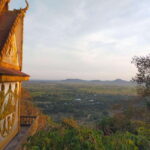
Then the day adds nature on top of the history: viewpoints, monkeys, and a summit perspective that’s especially rewarding around sunset. This contrast can feel intense, but it’s also part of what Cambodia is like—life and tragedy existing in the same physical spaces.
Practical note: the summit waiting time is where comfort matters. Wear breathable clothing, keep water handy, and take breaks before you feel drained.
Bat Cave at Sunset: The Million-Bat Exit Takes About 50 Minutes
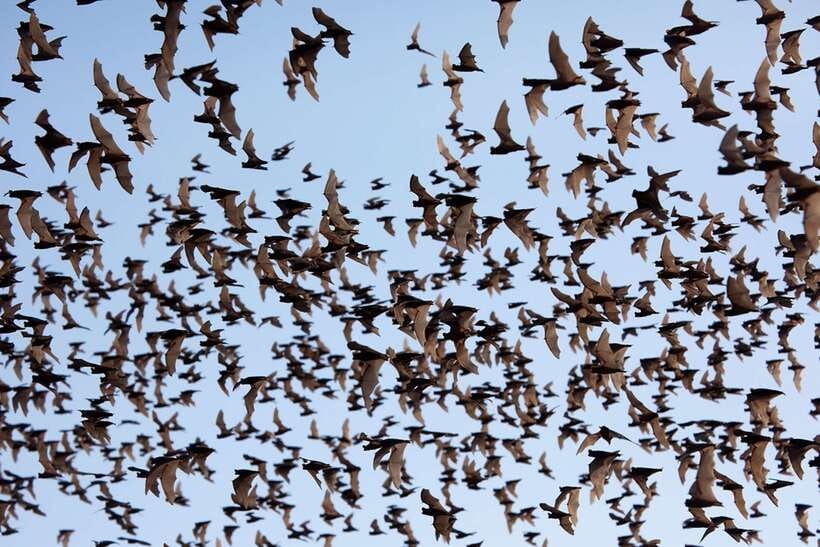
The finale is the bat cave experience, timed for evening. You’ll watch millions of bats fly out from the cave. The exit can take over 50 minutes, so plan to stand and wait rather than expect a quick burst.
This is where pictures get tricky. As the light fades, your best shots might be silhouettes rather than crisp detail. If the exit happens a bit later than expected, it can get very dark, so don’t count on perfect visibility the whole time.
A camera helps, but so does patience. Bring your energy for the long watch, and enjoy the sheer weirdness of it: the cave stops being a rock and starts feeling like a living mechanism.
Price and Value: What You’re Getting for Around $24
At $24 per person, this full-day tour is priced around a very full schedule. What you get for that money includes:
- Hotel pickup and drop-off (within the 5 km zone)
- Tuk tuk transportation
- A live English guide
- Admissions to Ek Phnom, Phnom Sampou, the Killing Cave, and Bat Cave
- Bottled water, wet wipes, and multiple snacks tastings, plus fruit salad
- Donations included
- Rat barbecue tasting as optional
What costs extra:
- Lunch is not included.
- The bamboo train ride is $5 per person extra.
So where’s the value? It’s not just that you see many places. It’s that you get a guided flow that connects those places—food-making in the morning, major temples in the middle, and memorial sites plus the bat finale at the end. That takes time and coordination. For most people, that’s what your money is really buying.
Who this suits best
This is a great match if you want:
- One-day coverage of Battambang’s must-sees
- Food-and-craft stops you can actually understand
- A guide who can explain history in a human way
It’s not a good match if you:
- Are pregnant
- Have mobility impairments
- Are over 70
- Are uncomfortable with memorial sites
Dress code also matters: no sleeveless shirts.
Should You Book This Full-Day Battambang Tour?
Book it if you want a serious day that still feels fun: temples, countryside, rice-food making, bamboo train, and the bat cave finale. The price feels fair when you add up admissions plus guided transport plus tastings, and the day structure keeps you moving without skipping the big pieces.
Skip it (or choose a shorter version) if you’re sensitive to heavy historical content, or if a long, walking-and-climbing day sounds like it will drain you. You’ll be better off with a lighter plan if you want to take Battambang at a slower pace.
If you do book, pack smart: shoes, sunscreen, rain gear, and enough cash for lunch and the bamboo train.
FAQ
What time does pickup start?
Pickup is around 7:20 AM from your accommodation or a nearby restaurant, and you should be ready about 10 minutes before.
How long is the tour?
The tour runs 11 to 12 hours.
How much does it cost?
The price is $24 per person.
What’s included in the price?
Included are hotel pickup/drop-off, tuk tuk transport, a live English guide, bottled water, wet wipes, snacks tastings and fruit salad, donations, and admission to Ek Phnom, Phnom Sampou, Killing Cave, and Bat Cave.
Is the bamboo train ride included?
No. The bamboo train ride costs $5 per person extra.
Is lunch included?
No. Lunch is not included, though you stop for it at a local restaurant during the day.
Do I have to try the rat barbecue?
No. Rat barbecue tasting is optional.
What should I bring and wear?
Bring comfortable shoes, a camera, rain gear, cash, and sunscreen. Avoid sleeveless shirts.
How long do the bats take to fly out?
The bats’ exit can take over 50 minutes in the evening.
Can I cancel for a refund?
Yes. You can cancel up to 24 hours in advance for a full refund.