REVIEW · BATTAMBANG
Explore Battambang full day tour by Tuk Tuk (start from 9am-6:30pm)
Book on Viator →Operated by Battambang tours by bun · Bookable on Viator
Bats and history in one long day. This full-day Battambang ride strings together the bamboo train (ticket extra), 300-year-old temples, and the unforgettable bat cave flight, with a tuk-tuk that keeps the day moving without feeling like a bus tour.
I like that the tour builds in time for local daily life, not just monuments. Stops around markets, farms, and family-run food tastings mean you’re eating and looking with your guide, like Tha or Bun (names you may recognize from excellent past days). One watch-out: the Phnom Sampeau killing cave content is heavy, and the bamboo train ticket adds $5 per person on top.
In This Review
- Key things to know before you go
- A tuk-tuk day that hits the main Battambang beats
- 9:00 AM start: colonial buildings and a real local market stop
- Wat Samrong Knong: a 300-year-old temple with a prison past
- Ek Phnom (11th-century ruins) and the big Buddha near it
- Kampong Pil Pagoda: river-side countryside and village glimpses
- Bamboo Train Battambang: the ticket is extra, but the ride is worth it
- Phnom Sampeau: Killing Cave and the bat cave mountain
- Battambang Bat Caves: millions of bats in a real sky show
- Food, water, and snacks: small tastings that make the day feel local
- Price and value: $20 makes sense if you want a full circuit
- The best kind of traveler for this Battambang loop
- Should you book this full-day Battambang tuk-tuk tour?
- FAQ
- How much is the bamboo train ticket?
- What’s included in the $20 tour price?
- Is lunch included?
- What time does the tour start and end?
- How many people are in the group?
- What if weather is poor or I need to cancel?
Key things to know before you go
- Small-group setup (max 8) keeps the day personal and easier to ask questions.
- French colonial Battambang + old Khmer ruins gives you range in a single loop.
- Bamboo Train ride is extra ($5 per person), but it’s the fun, moving highlight.
- Killing Cave and Bat Cave entrances are included, so you avoid surprise fees.
- Snacks and bottled water are part of the plan, with tastings along the way.
A tuk-tuk day that hits the main Battambang beats
Battambang is one of Cambodia’s calmer stops, which is exactly why a full-day tuk-tuk tour makes sense. You get to see the city and countryside without the rigid feel of a big group vehicle. And because the schedule is packed, you’ll end the day with a clearer sense of how Battambang works today.
This tour also does something smart with pacing. You’re not only driving from one viewpoint to another. You’re set up for market time, temple time, and hands-on breaks where you can snack and talk.
The best part is the mix of moods. You’ll swing from old temple details to a somber Pol Pot-era story, then end with a sky show as bats pour out of the cave. It’s a lot. But it’s also a very “Battambang” kind of day.
You can also read our reviews of more tours and experiences in Battambang


9:00 AM start: colonial buildings and a real local market stop
Your day begins with pickup from your hotel around 9:00am. After a quick briefing, you ride through Battambang to get your bearings: French colonial buildings, city streets, and the kinds of places you’d miss if you only walked the tourist core.
Then you stop at a real local market. This is where the tour’s value becomes obvious. Instead of treating Battambang as a photo set, you get to see commerce—what people buy, sell, and eat—and you get context from your guide as you move.
Why it matters: Battambang’s charm isn’t only in ruins or temples. It’s in the everyday rhythm. A market stop early in the day helps you read the rest of the itinerary with better eyes.
Practical tip: wear comfortable shoes. Even if you’re not in the market forever, you’ll still want a solid walking base.
Wat Samrong Knong: a 300-year-old temple with a prison past
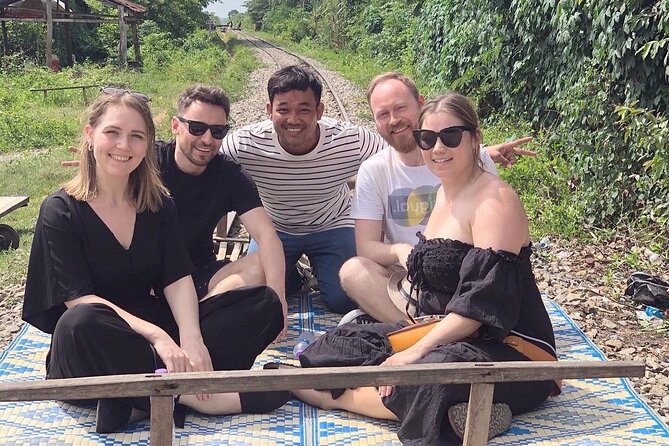
Next comes Wat Samrong Knong, an old Buddhist temple built more than 300 years ago. The tour’s approach here is direct: you see the temple, then you learn how it was used as a prison during the Pol Pot regime.
That “then” is important. This isn’t a quick stop you can scroll past. You’ll have time to look around and let the story land. For many people, this is where the day shifts from sightseeing into something more reflective.
A drawback consideration, in plain terms: if you’re sensitive to genocide-related history, this part will feel heavy. The tour doesn’t shy away from it, and it sounds like guides often explain with care. Still, know what you’re walking into before you book.
Ek Phnom (11th-century ruins) and the big Buddha near it
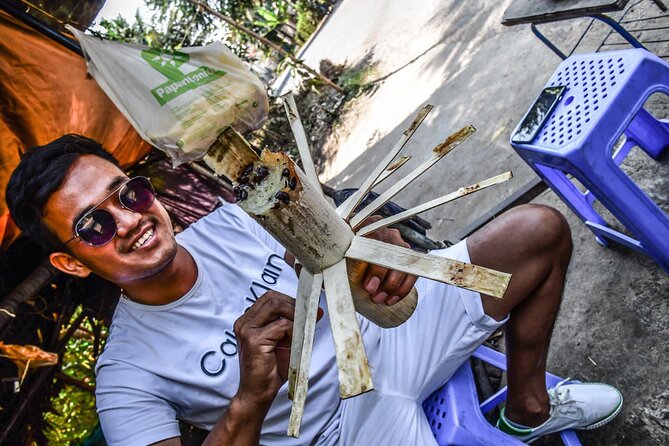
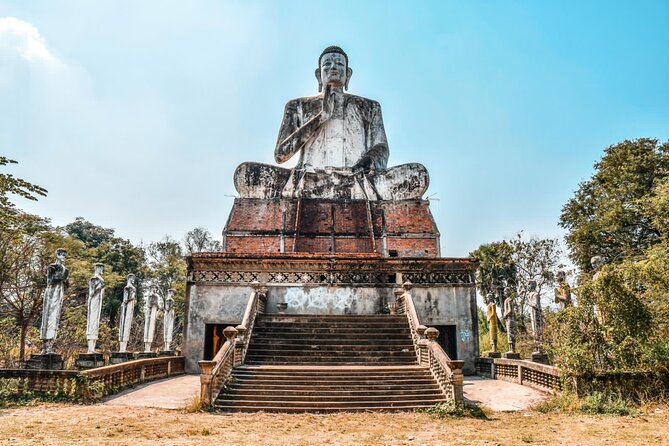
After Wat Samrong Knong, you head to Prasat Ek Phnom, a ruined temple site built at the beginning of the 11th century. You’ll also hear that it’s older than Angkor Wat, which helps place Battambang’s Khmer-era roots in perspective.
Expect temple ruins and a sense of scale rather than a fully restored showpiece. One of the nice details here is that there’s a big Buddha statue nearby, which gives you a clear visual anchor while you’re among the ruins.
This stop is a good counterbalance to the earlier Pol Pot context. You’re still in Cambodia’s difficult history, but you’re also seeing how deep the older layers go.
Kampong Pil Pagoda: river-side countryside and village glimpses

Before you reach the bamboo train, you spend time around Kampong Pil Pagoda and the surrounding villages/countryside. This part is short on paper, but it’s one of the best mood-shifters in the day.
You’ll ride through small rural areas, pass through fruit-farm surroundings, and visit a local pagoda along the river. The tour focuses on the human side too—farmers and children appear in the experience, and the vibe is more about everyday life than big-ticket sights.
Why I like it: it breaks up the day so the later caves and bat flight don’t feel like nonstop “tour mode.” It also helps you understand Battambang beyond its headline attractions.



Bamboo Train Battambang: the ticket is extra, but the ride is worth it
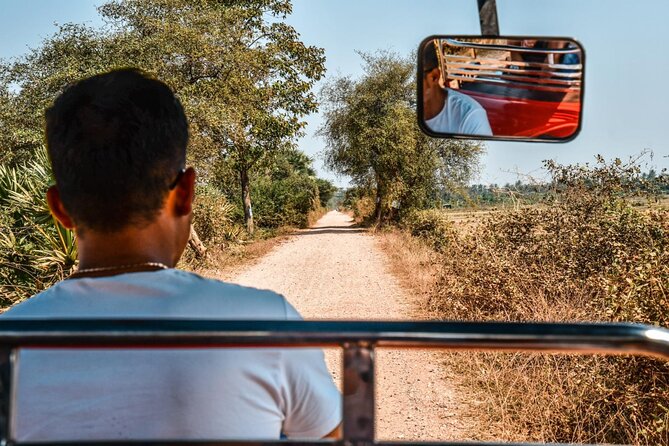
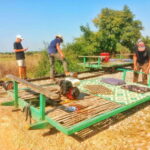
The high-energy segment is the Bamboo Train Battambang ride. You’ll travel to the spot, then you’ll ride the original bamboo train through the countryside. The timing is around an hour in the program, but the actual experience is the ride itself.
Here’s the key detail: the bamboo train ticket is not included. It costs $5 per person. That’s not a deal-breaker, but it should be on your mental budget so you’re not surprised later.
A practical note from prior guests: the ride can feel fast. If you’re wearing a cap or brim hat, hold onto it. Also, keep your hands steady and your posture relaxed—this is part fun, part “don’t drop anything important.”
And yes, you may hear that the original bamboo train could face changes in the future. That’s more reason to go while this style of ride is still available.
Phnom Sampeau: Killing Cave and the bat cave mountain
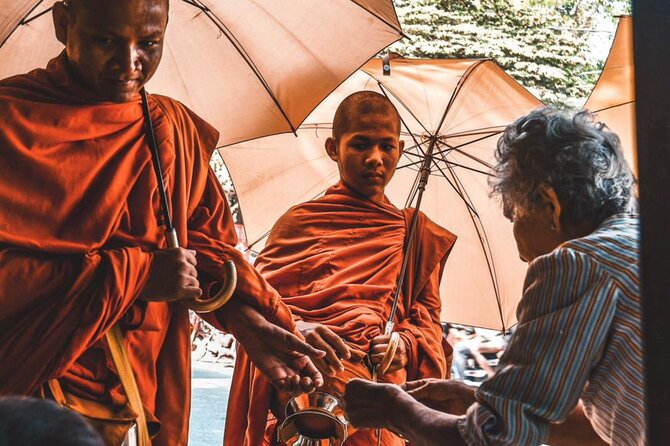
Then you climb into Phnom Sampeau, the mountain tied to two of the most intense stops: the killing cave story and the bat cave area.
At the killing cave, the theme is genocide-era violence. The tour explains that victims were killed and thrown down into the cave from above. This is not light content. Plan to slow down here, even if your schedule is moving.
This is also why the tour works best with a good guide. If the person driving your tuk-tuk is the kind who can explain clearly and respectfully, you’ll come away with context rather than just shock.
After this, you’re already set up for the ending: the bat cave. In many ways, Phnom Sampeau is the spine of the whole day—dark history on one side, then an almost unbelievable natural moment at dusk.
Battambang Bat Caves: millions of bats in a real sky show
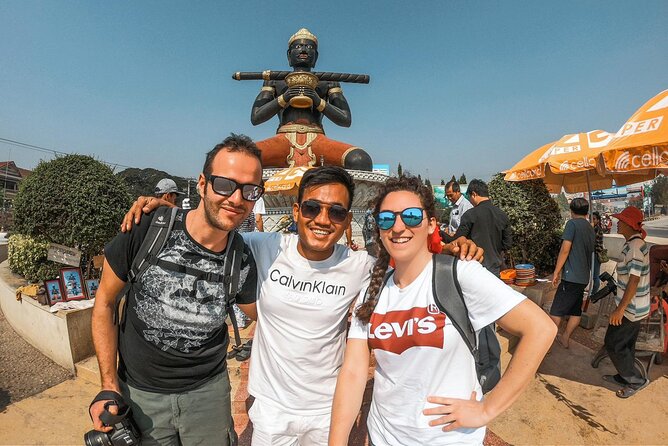
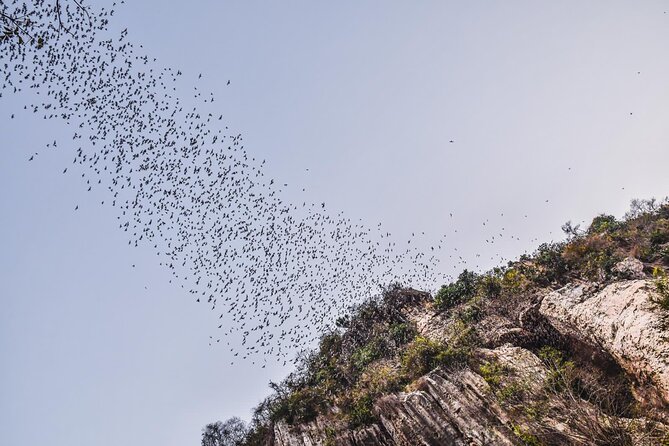
The final big attraction is the Battambang Bat Caves stop. This is where the day becomes unforgettable in a totally different way.
You’ll watch bats fly out, described as millions, with the main wave taking about 30 to 40 minutes. Even if you don’t love caves, this part hits because it’s visual and alive. One moment it looks still. Then the sky turns into movement.
The ride up and the waiting can be long, but it’s worth it. If you can, arrive mentally ready to watch the whole cycle—not just the first burst.
One more reality check: the tour notes that it requires good weather. If conditions are poor, plans may shift or cancel. So don’t treat this like a guaranteed fireworks show. Nature has its schedule.
Food, water, and snacks: small tastings that make the day feel local
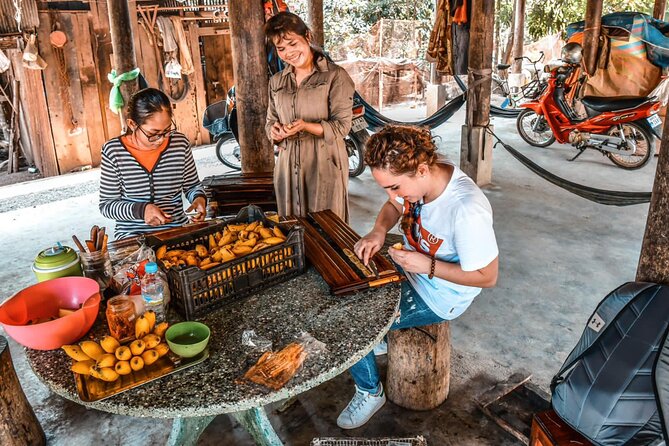
This tour includes bottled water and snacks. It’s not only packaged snacks either. The day includes food tasting stops that can include things like bamboo sticky rice, spring rolls, dried mango, and banana chips, plus other local bite-sized samples.
That matters because food tastings are one of the easiest ways to learn daily life quickly. When a guide helps you try local flavors along the route, you start connecting places to people, not just to buildings.
There’s also mention of donation to a local family as part of the tour. That’s a small line item in the listing, but it often signals that the day isn’t only about extracting photos. It’s trying to support the community you’re visiting.
If you’re picky about food or have allergies, the tour doesn’t spell out ingredient lists. So it’s smart to say what you need early to your guide before tastings happen.
Price and value: $20 makes sense if you want a full circuit
The price is $20 per person, and that’s where value comes from—because this is more than a quick city loop.
For your $20, you’re getting:
- Hotel pickup and tuk-tuk transport
- A guide who shares context about local life and history
- Bottled water and snacks (with tastings on the way)
- Entrance fees for Killing Cave and Bat Cave included
- A donation to a local family
What’s not included:
- Bamboo train ticket ($5 per person)
- Lunch (you’ll have a break for it, but you buy your meal)
So the true full-day budget is closer to $25 + lunch if you ride the bamboo train and eat separately. Even then, it still feels reasonable for a day that includes major attractions plus transportation plus entrance fees.
Where you’ll feel the cost most clearly is that heavy-history stops aren’t “optional add-ons.” If you want a purely light, funny day, this might feel like too much.
The best kind of traveler for this Battambang loop
This is a great fit if you like your tours to have context, not just checkmarks. If you enjoy mixing ruined temples with modern Cambodian life—markets, villages, and local food samples—this tour style matches that perfectly.
It also suits people who want comfort and flexibility. The tuk-tuk format is easier to adjust than a rigid bus, and the maximum group size of 8 travelers helps keep the day conversational.
Where it’s less ideal: if you’re traveling with very young kids, or if you strongly avoid genocide-related content, you may want a different itinerary. The killing cave story is a central part of the route.
Should you book this full-day Battambang tuk-tuk tour?
If you want one day in Battambang that covers the big sights plus the daily-life details, yes, book it. This tour’s strength is the combination: city orientation and markets in the morning, Khmer temple stops, countryside rhythm near Kampong Pil Pagoda, then the bamboo train, and finally the bat cave sky show.
If you’re budgeting, remember the $5 bamboo train ticket and plan for lunch on your own. Also check yourself on emotional readiness for the killing cave content.
Last practical tip: bring something for sun and dust and be ready to sit through the bat-cave waiting window. It’s easy to underestimate how long the “watching” part feels when you’re excited. When the bats finally move, you’ll be glad you stayed.
FAQ
How much is the bamboo train ticket?
The bamboo train ticket is not included. It costs $5 per person.
What’s included in the $20 tour price?
The tour includes bottled water, snacks, entrance fees for the killing cave and bat cave, and a donation to a local family.
Is lunch included?
Lunch is not included. The day includes time for you to eat during the tour break.
What time does the tour start and end?
It starts at 9:00am. The schedule runs for about 9 hours 45 minutes, with a return around 6:30pm.
How many people are in the group?
The tour has a maximum of 8 travelers.
What if weather is poor or I need to cancel?
The tour requires good weather. If it’s canceled due to poor weather, you’ll be offered a different date or a full refund. If you cancel, you can cancel up to 24 hours before the start time for a full refund.