REVIEW · BATTAMBANG
Half day morning bicycle tour to Explore local livelihood and test local snacks
Book on Viator →Operated by Battambang tours by bun · Bookable on Viator
That first pedal out of Battambang feels like leaving the tourist track. This half-day ride pairs village livelihood (blacksmith work and rice snack making) with a stop at Wat Ek Phnom, plus the sobering Khmer Rouge killing field site. I really like the hands-on food tasting and the way the guide explains local life clearly, including the history parts that matter. The main thing to consider is the tour mixes light village fun with a heavy, upsetting stop—so go with the right mindset.
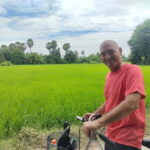
I also like that the morning schedule gives you countryside views while the air is still cool, and that the route is short enough to stay relaxed even if you are not a confident cyclist. In my case, I was even lucky the tour still ran when I was the only participant, with my guide Reed (spelling may vary), who spoke very good English. Still, you are biking on small dirt roads, so expect dust and plan for a comfortable, weather-friendly morning.
Here is what makes this tour a smart choice if you want real Battambang—food, work, and history—in one efficient half day.
In This Review
- Key things I’d plan around on this tour
- Battambang by bike: why this tour feels practical, not performative
- Price and value: what $23.98 buys you in the real world
- Morning logistics that affect comfort: pickup, timing, and the biking roads
- Wat Samrong Khnong pagoda: blacksmith work, khrolan tastings, and Khmer Rouge history
- Stop 1 begins with a blacksmith on the dirt road
- Then it’s khrolan at the sticky rice bamboo cake factory
- The pagoda visit includes the Khmer Rouge killing field
- Snack sampling on the way: what you’ll likely taste and why it’s more than food
- Wat Ek Phnom: old temple vibes, big Buddha, and the ride back to town
- Who should book this bicycle tour (and who should think twice)
- Should you book this tour in Battambang?
- FAQ
- How long is the bicycle tour?
- What time does the tour start, and is hotel pickup included?
- What does the $23.98 price include?
- Which places do you visit during the tour?
- Is lunch included?
- What happens if the weather is bad?
Key things I’d plan around on this tour
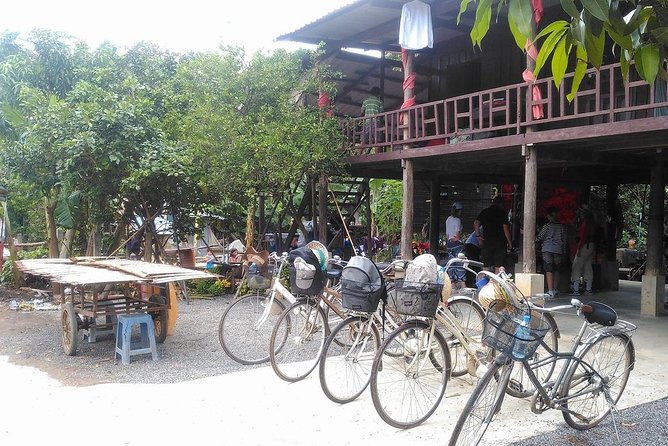
- Blacksmith stop on a small dirt road, seeing how tools like knives and sickles get made
- Khrolan (sticky rice bamboo cake) tasting at a snack-making factory
- Snack sampling on the way like spring rolls and dry banana, with a donation to a local family
- Wat Samrong Khnong pagoda as a history checkpoint, including the Khmer Rouge killing field area
- Wat Ek Phnom visit afterward, including an old temple site and a big Buddha statue
- Small group size (up to 15) plus hotel pickup and a morning start
Battambang by bike: why this tour feels practical, not performative
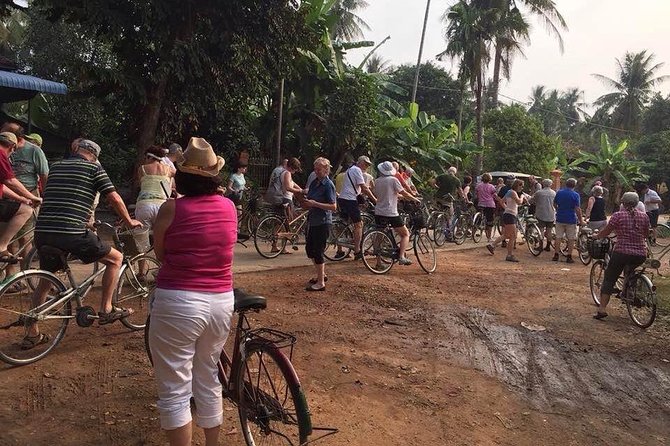
This is one of those Battambang tours that makes sense fast. You meet up early, you get on a bicycle, and you move through the countryside where people actually live and work. You are not just passing by rice paddies for photos—you are stopping to see specific local crafts and food production that keep village life going.
One big win is the pace. The ride is short enough to feel easy for most people, but long enough to create that out-in-the-real-world feeling. You bike along a small dirt road, then continue a few kilometers to the next working stop. That structure keeps the day from feeling like a string of transfers.
The other win is the way the tour blends categories. You get local livelihood first (blacksmith and snack making), then you shift to temples and history. That mix can be emotional, especially because the Khmer Rouge killing field is part of the route. If you come prepared for that emotional shift, the whole half day becomes far more meaningful.
Finally, I like that you get to test snacks as you go, rather than receiving a small token sample and calling it food tourism. You’re actually tasting multiple items connected to the places you visit.
You can also read our reviews of more tours and experiences in Battambang
Price and value: what $23.98 buys you in the real world
At $23.98 per person for about 5 hours, this isn’t trying to be a luxury tour. It’s priced like a focused local experience. What matters is the list of what you do get:
- A bicycle
- Bottled water
- Snack tastings along the way, including multiple items
- A donation to a local family tied to the snack stops
- Entrance included for Ek Phnom
- Entrance included for the Wat Samrong Khnong stop
So you are paying for time with a guide, transport (bicycle), and the costs that often sneak in later—bike use, entrance fees, and the food sampling. Since the tour runs about half a day and skips lunch, it is also easier to plan your day around it. You simply budget for whatever meal you choose afterward.
Where value depends on you is simple: if you enjoy food, hands-on village stops, and history that is honest (not sanitized), you will feel like this was money well spent. If you mainly want temples with minimal emotion, the Khmer Rouge portion could feel like too much in a short window.
Morning logistics that affect comfort: pickup, timing, and the biking roads
You start in the morning, with pickup offered from your hotel. The tour is set to begin around 8:30am, with hotel pickup happening around 8:00am. That early start is a gift in Battambang: it gives you cooler riding and more comfortable walking at the temple stops.
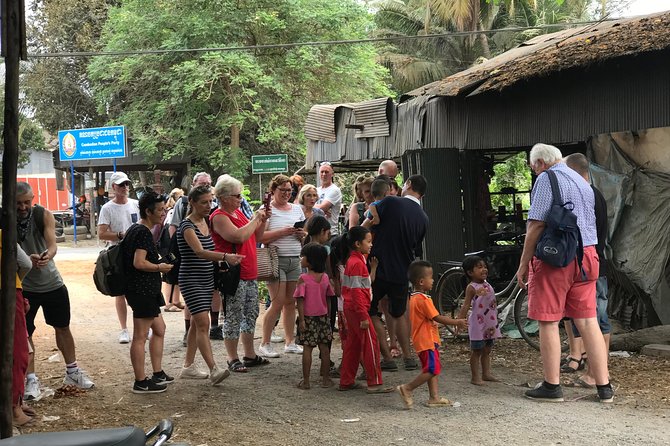
This tour is designed for small groups, up to 15 travelers, which helps the guide keep things moving without rushing. You’ll also use a mobile ticket, so you will want your phone ready.
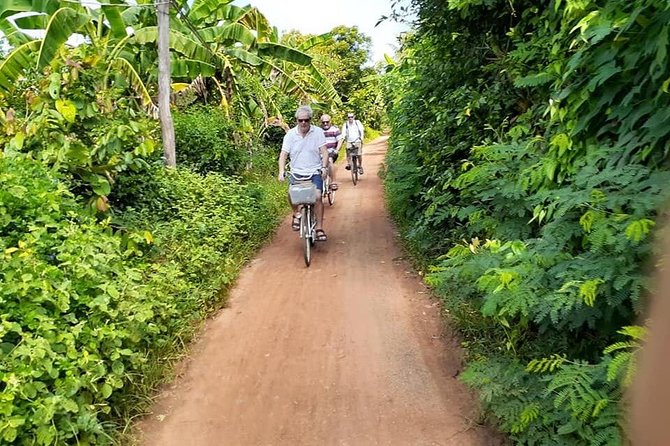
One practical detail: the ride includes a small dirt road. It is not described as extreme mountain biking, but it does mean dust and uneven footing. Wear closed-toe shoes you feel comfortable getting dirty (and expect that you might), and bring some basic sun protection because morning heat can still show up.
Also, the tour requires good weather. If rain or poor conditions show up, it can change the plan (you’d be offered a different date or a full refund, depending on what’s available). So check the forecast the evening before.
Wat Samrong Khnong pagoda: blacksmith work, khrolan tastings, and Khmer Rouge history
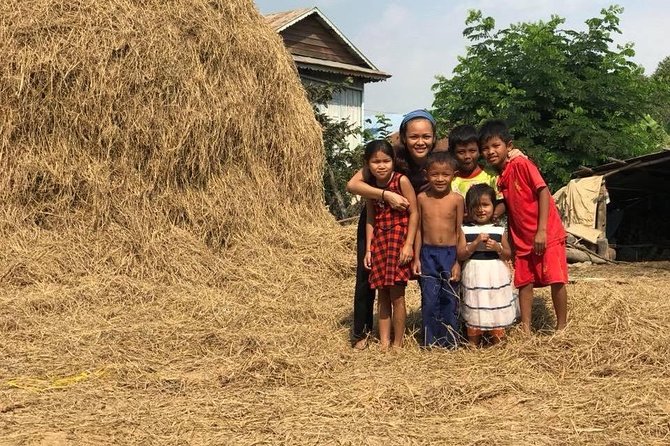
This is the heavy-hitter stretch of the day. It starts with movement, then working demonstrations, then a history stop that you should approach with care.
Stop 1 begins with a blacksmith on the dirt road
You ride along a small road to a blacksmith area, where you can see how tools are made—knives, sickles, axes, hoes, and similar items. This part matters because it shows you livelihood as a system, not just a performance. Metalwork is practical. It supports farm work and daily needs. You’re seeing something that villagers use, not something staged for tourists.

Then it’s khrolan at the sticky rice bamboo cake factory
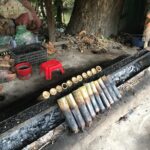
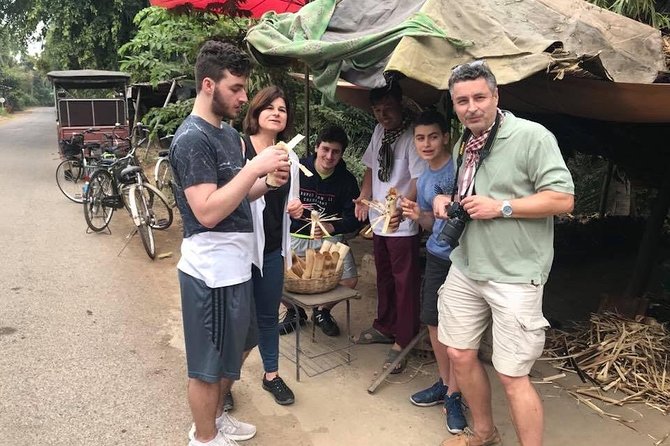
Next, you continue along the same line for a few kilometers to a snack-making factory called sticky rice bamboo cake (khrolan). Here you see fresh ingredients brought together: sticky rice, coconut milk, sugar, salt, and black soy beans, cooked in bamboo. Then you get to taste the snack.
The way this stop is set up is smart for first-time food travelers. Instead of describing a dish and hoping you imagine it, you watch the process and then taste it while it’s still clearly tied to what you just saw.
The pagoda visit includes the Khmer Rouge killing field
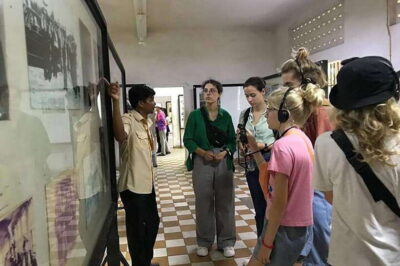
After the snack stop, you turn around and enter Wat Samrong Khnong area. The tour includes the Khmer Rouge Killing Field at Wat Samrong Khnong pagoda.
This is the part I would not rush or soften in your mind. It’s hard history. Even if you are in Cambodia for culture and food (very valid!), this stop is different. Give yourself a little mental space before you get there, and listen to the guide’s explanation carefully. If you start getting emotionally overwhelmed, it’s okay to slow down and take a moment. The impact is the point.
Snack sampling on the way: what you’ll likely taste and why it’s more than food
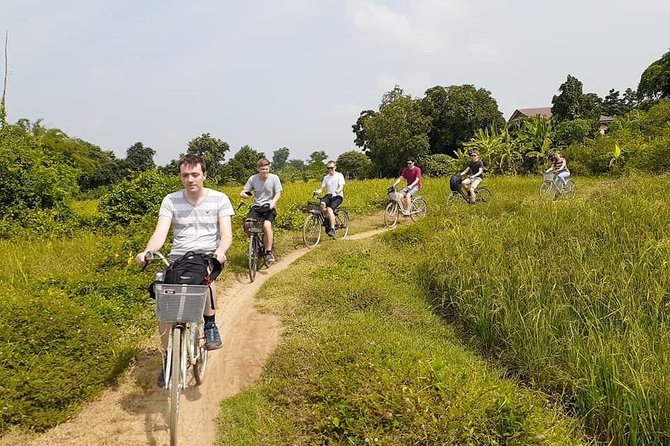
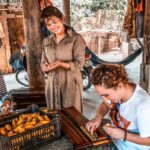
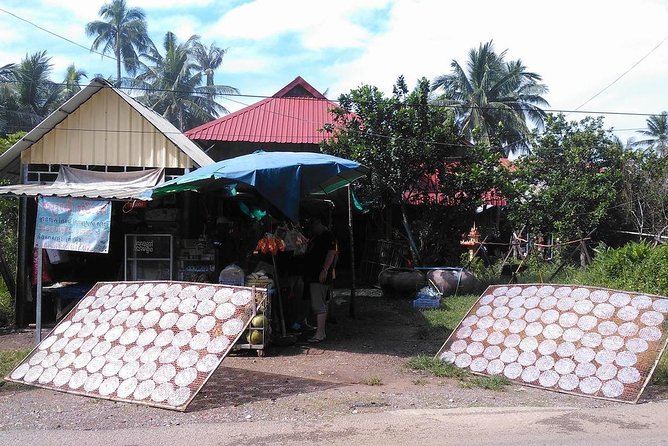
You should come hungry, or at least ready to graze. The tour is built around tasting snack samples along the route. In addition to khrolan, the tastings can include things like spring rolls and dry banana.
What I like about this approach is that food becomes a map. Each snack is linked to an activity you just saw—blacksmith to village craft, snack making to ingredients and cooking methods, and then the route itself to small everyday commerce.
A separate value point: you’re also supporting a local family through a donation tied to the snack stops. That doesn’t magically erase the complexities of tourism, but it does mean your money isn’t only paying for the guide and bicycle.
One small practical consideration: snacks are included, but lunch is not. So plan to eat afterward—either a proper meal or a late lunch depending on your schedule.
Wat Ek Phnom: old temple vibes, big Buddha, and the ride back to town
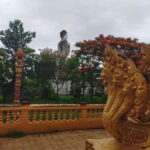
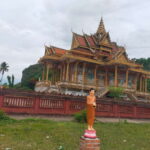
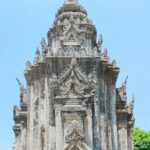
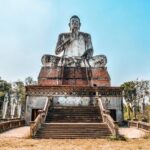
After the longer history and livelihood stop, the tour moves to Wat Ek Phnom for about 1 hour. Here you visit an old temple site described as being built thousands of years ago before Angkor Wat, and you’ll also see a large Buddha statue.
This segment is more straightforward: you bike back toward the city, then spend time at the temple, then you get dropped off at your hotel. Because you’ve already had a lot of stimulation earlier—food tasting, craft work, and heavy history—this stop works as a calmer change of pace.
Still, don’t assume this is just a quick sightseeing add-on. The “before Angkor Wat” framing gives you a different lens. Instead of viewing Cambodian temple history as one neat timeline, you see how places like this fit into a wider story of religious and cultural development.
Who should book this bicycle tour (and who should think twice)
This is a great match if you:
- Want to see how village life works, not only what it looks like
- Like food experiences where you actually taste multiple items
- Are comfortable biking on dirt roads for a morning
- Want a guide who explains both daily life and the harder history honestly
It may be less ideal if you:
- Prefer light and upbeat sightseeing only (because the Khmer Rouge killing field is included)
- Have mobility or stamina limits for cycling on uneven roads
- Are expecting a long, ride-all-over countryside route (this is half day and focused)
For many visitors, this tour hits a sweet spot: it’s long enough to feel like you left town, but structured enough to be manageable and not drain your whole day.
Should you book this tour in Battambang?
I’d book it if you want an early-morning mix of real livelihood, meaningful context, and hands-on tastings—wrapped into a tight 5-hour schedule. The price feels reasonable because you get more than transportation: you get snack samples, entrance fees, bottled water, and time with a guide who can communicate clearly (my guide, Reed, made explanations easy to follow).
Skip it (or consider another option) if the Khmer Rouge portion will be too heavy for your trip style, or if you’d rather keep history visits separate from lighter food-and-village experiences.
If you do book, plan to bring basic comfort items for dusty riding, and mentally expect the emotional shift when you reach the killing field area. Handle that one point well, and the rest of the tour becomes a memorable window into Battambang beyond the usual highlights.
FAQ
How long is the bicycle tour?
It runs for about 5 hours (morning half day).
What time does the tour start, and is hotel pickup included?
Pickup is offered from your hotel, and the start time is listed as 8:30am (with pickup described as around 8:00am).
What does the $23.98 price include?
The tour includes a bicycle, bottled water, snack sample tastings, snack samples for testing on the way (with donation to a local family), and entrance fee for Ek Phnom.
Which places do you visit during the tour?
You visit Wat Samrong Khnong, including the Khmer Rouge Killing Field at Wat Samrong Khnong pagoda, and you also visit Wat Ek Phnom.
Is lunch included?
No. Lunch or personal expenses are not included.
What happens if the weather is bad?
The tour requires good weather. If it’s canceled due to poor weather, you’ll be offered a different date or a full refund.