REVIEW · BATTAMBANG
Local Livelihood Half Day Bike Tour in Battambang
Book on Viator →Operated by Soksabike · Bookable on Viator
Two wheels, quiet villages, and family kitchens. I love the rural Battambang feel and the chance to chat with Khmer families while tasting things like rice paper and dried bananas. I also like the hotel pickup and included snacks that make this half day feel effortless. The one caution: the bike saddle can be painful for some riders.
You’ll start near Psar Nath market at 7:30am, ride about 22km, and come back around noon. The group stays small (max 10), and your guide steers you toward real daily work instead of just photo stops. Do keep your outfit respectful; plan knees and shoulders covered before you meet up.
In This Review
- Key highlights worth planning for
- Why a livelihood bike ride beats a standard sightseeing loop
- Meeting at Soksabike near Psar Nath market at 7:30am
- The 22 km countryside route: rice paper, dried bananas, and bamboo sticky rice
- Family-run workshops: how daily routines become local livelihood
- Tastings that make the countryside feel personal
- Bikes, pace, and the one comfort issue to know
- Price and value: what $30 covers in Battambang
- Where this tour fits best (and where it might not)
- Should you book this half-day bike tour in Battambang?
- FAQ
- What is the duration of the Local Livelihood half-day bike tour?
- How much does the tour cost?
- How far do you ride?
- Where do you meet and start the tour?
- What’s included in the price?
- Do I need to bring my own bike or helmet?
- Is the group small?
- What should I wear?
- Is cancellation free?
Key highlights worth planning for
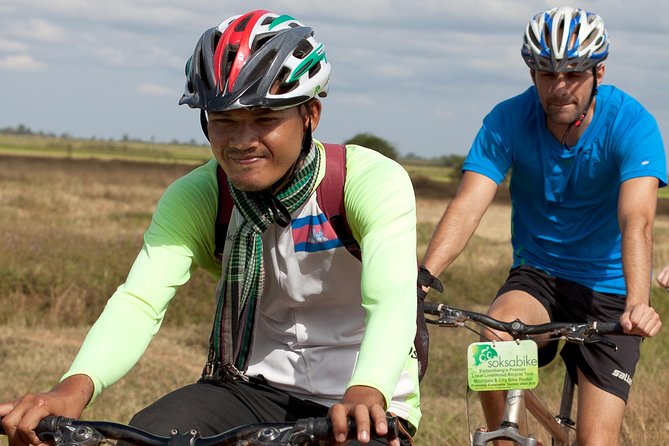
- Local student guides who explain day-to-day life, not just sights.
- A 22 km countryside ride that fits all fitness levels at an easy-going pace.
- Family workshops where you see how rice paper, dried bananas, and bamboo sticky rice are made.
- Tastings you can’t buy in a supermarket like seasonal fruits and coconut water, plus rice wine.
- Community support included, since the tour includes compensation to the families you visit.
- Snacks, water, bike, and helmet all handled for you.
Why a livelihood bike ride beats a standard sightseeing loop
This tour isn’t built around monuments. It’s built around work: farms, food-making, and the home routines that keep Battambang going long after tourists move on.
Cycling helps, too. You move at a human speed through countryside roads, so the sights feel tied to daily life instead of something you sprint past between stops. Add a local guide, and you get context for what you’re seeing: how people make staples, how families run their businesses, and how rural communities shape Cambodia’s economy.
You can also read our reviews of more cycling tours in Battambang
Meeting at Soksabike near Psar Nath market at 7:30am
You meet by Soksabike, near Psar Nath (central market, Street 1.5). The start time is 7:30am, which is great in Battambang because the morning tends to be easier to ride through and you’ll get your “out of town” time before the day heats up.
Most of what makes the logistics painless is already included. You get hotel pickup and drop-off, plus the ride wraps up back at the starting area. If you want a half-day activity that doesn’t require extra planning on your side, this one is designed to feel straightforward.
Dress matters here. You’re asked to cover knees and shoulders as a sign of respect when you meet Khmer families in their work spaces.
The 22 km countryside route: rice paper, dried bananas, and bamboo sticky rice
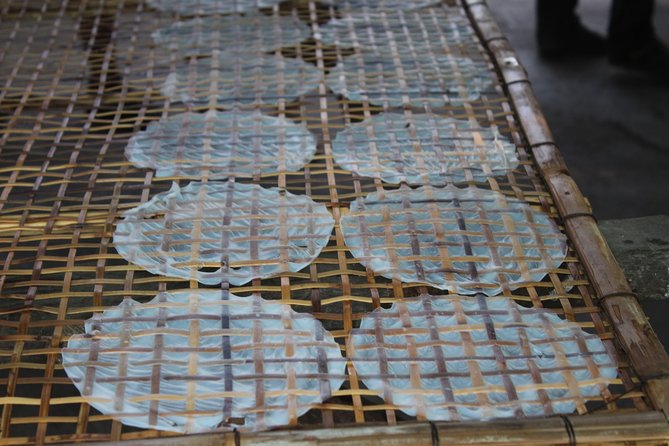
The ride itself is about 22km and typically lands in the 4-hour range. It’s long enough to feel like a real outing, but it’s framed as suitable for all fitness levels, meaning it’s paced for comfort rather than racing.
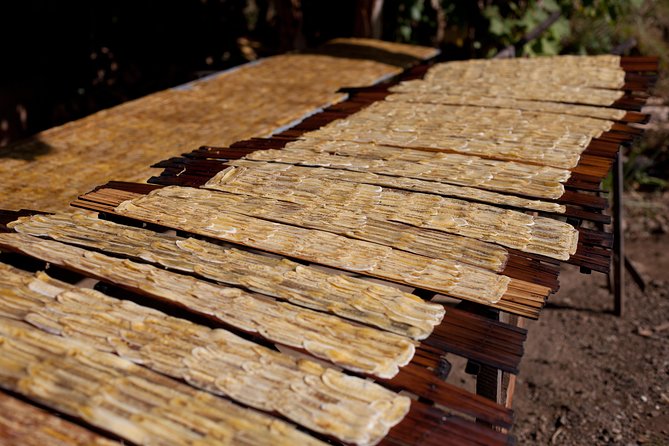
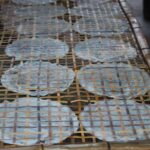
Along the way, you visit families who produce traditional goods. Expect hands-on style explanations tied to foods like:
- rice paper
- dried bananas
- bamboo sticky rice
This is where the tour earns its name. Instead of treating food as a souvenir, you learn the process and the rhythm behind it. You’ll hear how these products have been made the same way for generations, and that turns a simple snack into a story about time, technique, and family roles.
A small practical note: bikes are provided, and you’ll ride a mountain bike with a safety helmet. That’s helpful if you don’t want to deal with renting and fitting a bike on your own.
Family-run workshops: how daily routines become local livelihood
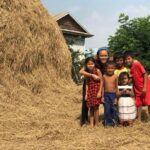
What I like most about this format is the way it turns “rural Battambang” from a vague label into specific households. You’re not just looking at fields; you’re meeting the people who manage production, handle sales, and keep the day moving.
You’ll interact with Khmer families and learn about everyday life in rural communities, which make up over 70% of Cambodia’s population. That statistic matters because it changes the lens. You start to see that what feels “outside town” is actually where the majority of livelihoods run, where families eat, work, and support each other.
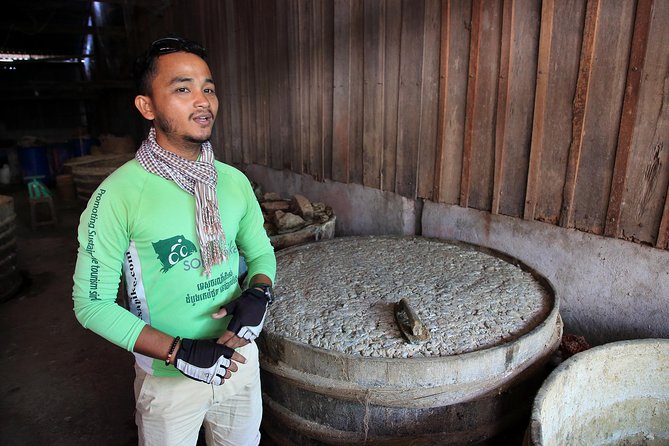
You may also meet a guide like Savith, mentioned in real-life feedback for being sweet and helpful. When the guide takes the time to translate not only the process but the meaning behind it, the whole ride clicks.
Tastings that make the countryside feel personal
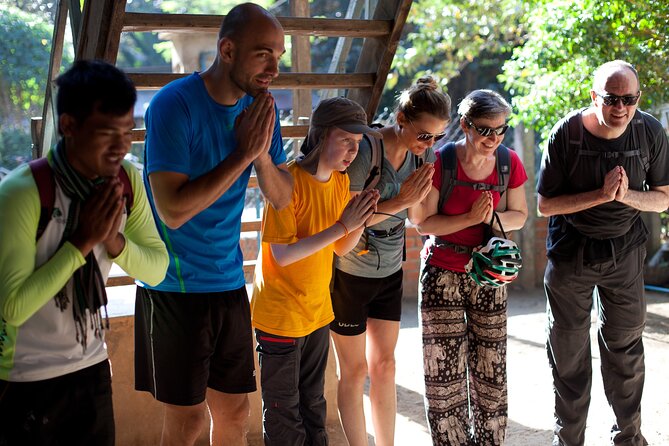
The tour includes snacks and water, so you’re not stuck wondering when you’ll get fed. That matters on a bike day, especially when you’re stopping for short visits that break up the ride.
On top of that, you’ll sample seasonal treats and local drinks as part of the family visits. Based on what’s been shared from past tours, expect foods like banana snacks and tastings tied to the production stops, including coconut water and seasonal fruits.
Some stops include rice wine. If alcohol isn’t your thing, tell your guide early so they can explain without pushing you into anything you don’t want.
These tastings are more than cute extras. They’re part of how local businesses are explained: people show what they make, what it takes to make it, and how customers use it. You get a clearer idea of what rural families earn from and how their products travel beyond their villages.

Bikes, pace, and the one comfort issue to know
This is a morning bike ride that’s meant to be manageable. You’ll ride around 22km and you’re guided, so you don’t need to navigate roads or worry about getting lost.
The catch is comfort. One common real-world issue is that the bike saddle can be painful for some riders. If you’re sensitive to bike seats or you’ve had saddle problems before, plan for that. Even with a well-run tour, your body will decide what’s comfortable.
The upside: you’re given the essential gear—mountain bike and helmet—so you’re not trying to figure out a rental chain, replacement parts, or safety at the last minute.
Price and value: what $30 covers in Battambang
At $30 per person, the real value isn’t just the bike ride. The tour bundles the things that usually nickel-and-dime people on independent days: the local guide, snacks, water, and hotel pickup and drop-off.
You also get access to family visits through which you learn and sample local products, plus the tour includes compensation to the families you visit. That “community support” part is important. It changes the vibe from extraction to relationship-building, even though you’re only out for half a day.
Also, the group cap (max 10) helps this feel more personal than a big bus outing. You’ll likely have enough time to ask questions and actually understand what you’re being shown.
Where this tour fits best (and where it might not)
This is a great fit if you want authentic Battambang without a long day. If you like hands-on food culture, talking with locals, and seeing daily work up close, this ride hits the sweet spot.
It also works well if you don’t want to fight traffic or parking. Cycling handles both problems for you, and the guided approach keeps you from guessing what you’re looking at.
Where it may not be ideal: if you’re extremely sensitive to bike comfort, the saddle issue could be a dealbreaker. Also, if you’re hoping for big-name attractions or dramatic scenery, this is more about livelihood and food-making than postcard landmarks.
Finally, keep expectations aligned with the time window. This tour is designed as half day, not a full-day exploration. You’ll leave with a strong sense of rural life, but you won’t see everything.
Should you book this half-day bike tour in Battambang?
I’d book it if you want a morning outing that’s practical, small-group, and genuinely tied to how people live. The combination of local guide storytelling, family-run food stops, and included pickup, snacks, water, bike, and helmet makes it good value for the time.
I’d think twice only if you’re worried about bike-seat comfort. If that’s a known issue for you, still consider booking, but plan for extra discomfort rather than assuming it will be perfectly cushioned.
If you go, lean into the interactions. Ask how the food is made, who does what at home, and what these products mean for the family business. That’s where the tour turns from a ride into a real window into rural Battambang.
FAQ
What is the duration of the Local Livelihood half-day bike tour?
It runs about 2 to 4 hours. The scheduled ride departs around 7:30am and returns around 12pm.
How much does the tour cost?
The price is $30.00 per person.
How far do you ride?
The ride is about 22km.
Where do you meet and start the tour?
You start near Soksabike, close to Psar Nath market (Street 1.5) in central Battambang.
What’s included in the price?
Included are a local guide, snacks, water, hotel pickup and drop-off, a mountain bike, and a safety helmet, plus compensation to the families you visit.
Do I need to bring my own bike or helmet?
No. A mountain bike and safety helmet are provided.
Is the group small?
Yes. This experience has a maximum of 10 travelers.
What should I wear?
You’re asked to dress with knees and shoulders covered out of respect for local culture.
Is cancellation free?
Yes. You can cancel for a full refund up to 24 hours before the experience’s start time.