REVIEW · BATTAMBANG
Battambang family tuktuk tour BambooTrain/Wat Banan/Bat cave
Book on GetYourGuide →Operated by Battambang First Choi Tours · Bookable on GetYourGuide
A countryside day in Battambang can feel like a patchwork—this one actually clicks. The route ties together farms along the Sanker River, Pao’s storytelling, and Battambang’s viewpoints in one smooth (though busy) day. You’ll get hotel pickup, a real local pace, and stops that make sense together, not random driving.
Two things I especially like: the bamboo train ride, which feels slow and practical rather than touristy, and the late-day Bat Cave moment at dusk. The one consideration is that the tour price does not cover everything—entrance fees and the optional scooter/jeep up the mountain add up, and the walking/hill portion is not for everyone.
In This Review
- Key highlights at a glance
- A Battambang tuktuk route built around real countryside life
- Sanker River farms, fishing areas, and the suspension bridge moments
- The Bamboo Train ride: practical engineering and a surprisingly relaxed pace
- Wa Kor Village (Cultural Village): houses, not souvenir pressure
- Wat Banan Temple and the mountain approach: views without the full climb
- Phnon Sampeau Temple and the Khmer Rouge killing caves
- Bat Cave at dusk: millions of bats and the timing that matters
- Price and logistics: how $8 turns into the real total
- Who this trip suits (and who might struggle)
- Final verdict: should you book the Battambang family tuktuk day?
- FAQ
- What’s the starting time for the tour?
- What’s the total price for the tour?
- Is lunch included?
- Are entrance fees included?
- Do I need to pay extra for the bamboo train?
- Do I have to climb 800 steps?
- Is hotel pickup and drop-off included?
- Is this tour suitable for wheelchair users or people with mobility impairments?
- What should I bring and what should I wear?
- Can I cancel for a refund?
Key highlights at a glance
- Bamboo train that runs on a single track, so timing and loading matter
- Local fruit and vegetable tasting during the countryside stretches
- Wat Banan Temple viewpoint area with a big scene above the rice fields
- Phnom Sampeau Temple and Khmer Rouge killing caves, heavy but important
- Sunset/dusk bat viewing from the mountain-side Bat Cave area
A Battambang tuktuk route built around real countryside life
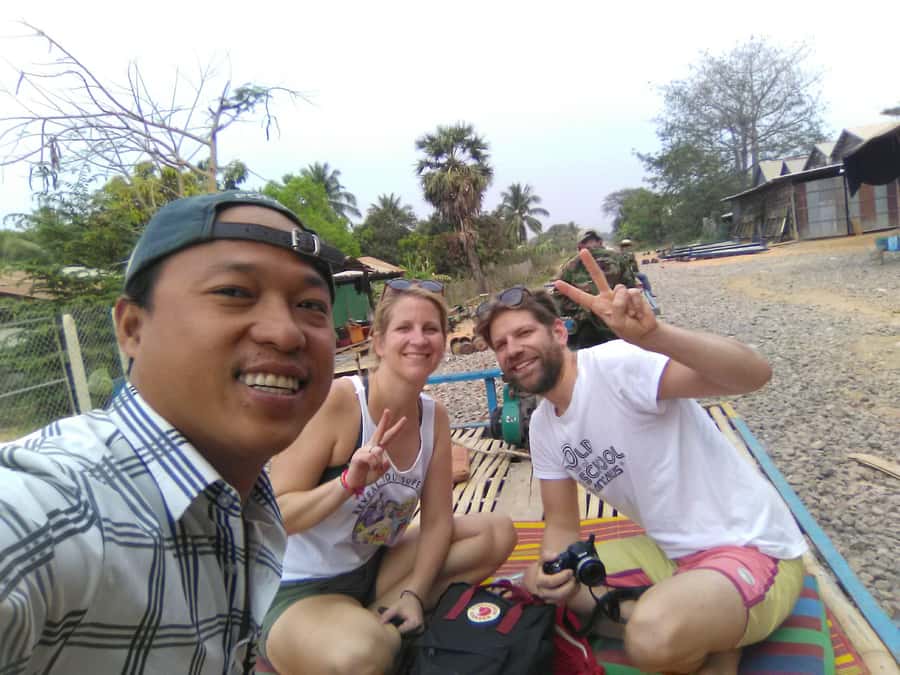
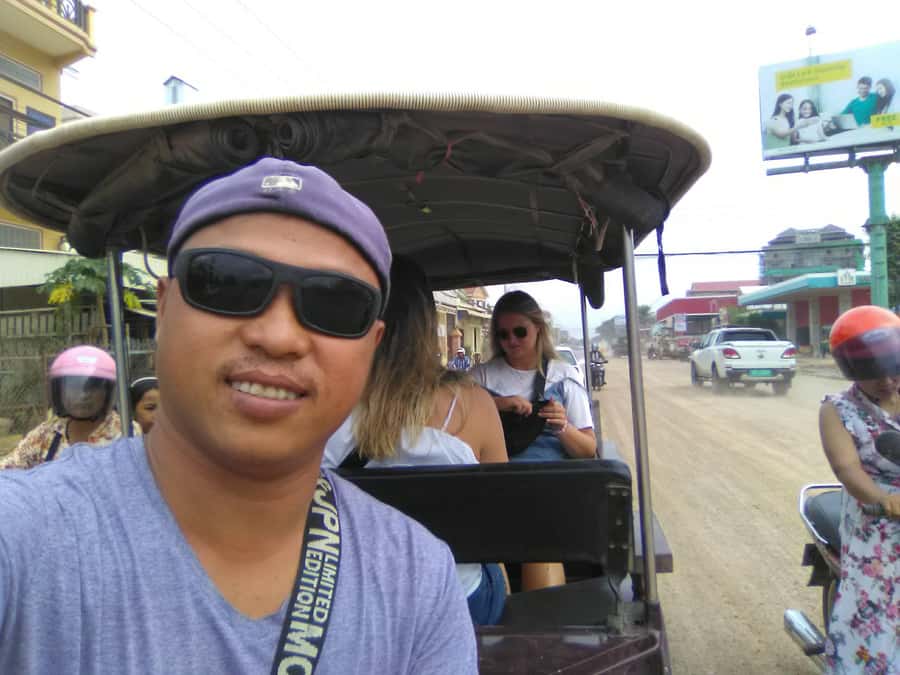
This is a full-day Battambang Province outing that starts with pickup around 9:00 AM and ends back in town around 7:30 PM. The main thing you should know is the rhythm: long scenic stretches by tuktuk, one signature set-piece (the bamboo train), then a sequence of temple viewpoints and caves, finishing with bats at dusk.
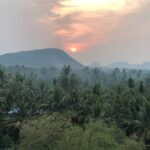
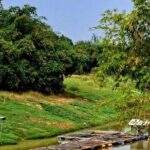
You start by heading out toward the Sanker River—and the countryside view is the opening course. You’ll see farmland patterns (corn, chili, peanuts, long beans) and fish-farm style life, plus a look at fishing areas and suspension bridges. It’s not just pretty. It gives you a mental map for what you’ll keep seeing later: how Battambang’s daily life is shaped by water, fields, and small communities.
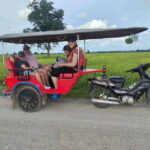
The tuk-tuk pace also helps if you’re not trying to “cram.” This tour is packed with stops, but the travel time between them gives you breathing room for photos and quick questions to your guide. And with English-speaking guide support (Pao is a common name), you can ask about what you’re seeing without it turning into a lecture you can’t follow.
You can also read our reviews of more tours and experiences in Battambang.

Sanker River farms, fishing areas, and the suspension bridge moments
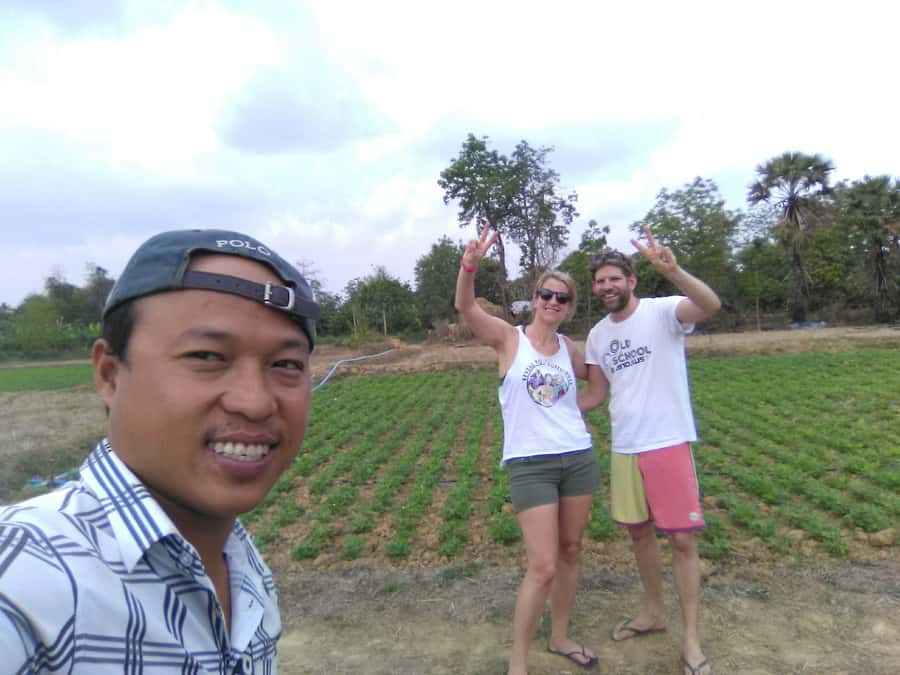
The tour begins with a countryside loop that lasts about 1 hour along the river. This segment is valuable because it’s where the day stops feeling like sightseeing and starts feeling like a day in Battambang’s outskirts.
What to watch for:
- Crop variety beyond the “rice everywhere” stereotype
- Fish farms and work patterns around the water
- Suspension bridges that connect daily routes
This is also where you’ll get a chance to taste local fruit and vegetables. Even if you think you’re not a “food person,” tasting local produce here works well because it’s tied to the landscape you’re actually passing. It’s not a stop that exists only to sell you something.
Possible drawback: because this portion is scenic and slow, it can feel long if you’re the type who hates waiting. If you want quick hits only, you might prefer a shorter route. If you like to look out the window, this part is a big payoff.
The Bamboo Train ride: practical engineering and a surprisingly relaxed pace
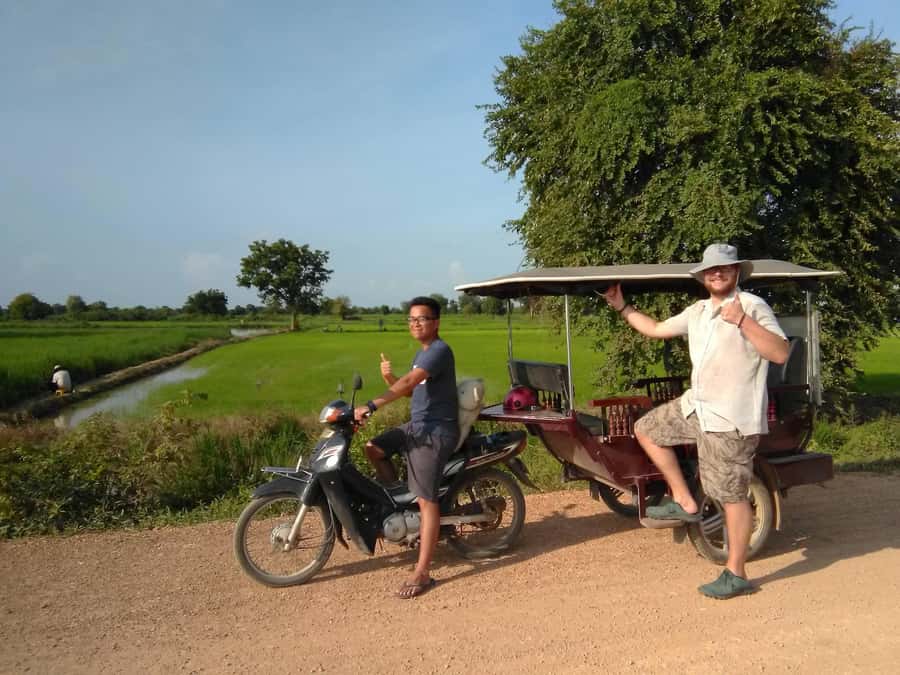
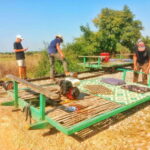
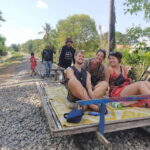
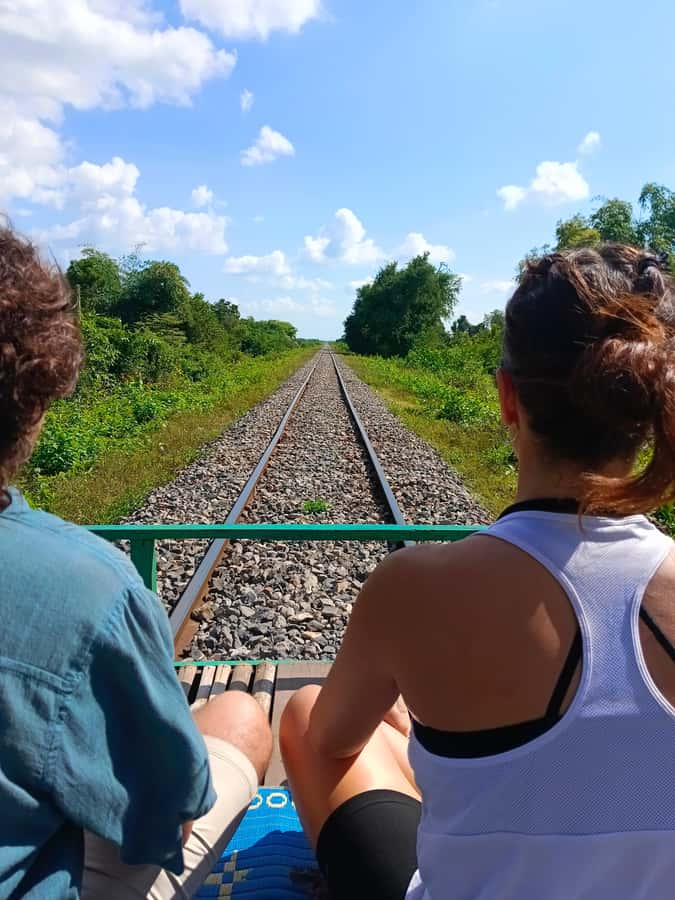
The bamboo train stop is the star attraction for a reason. You’ll spend about 1 hour riding it through the countryside, and the experience isn’t dressed up—it’s built from bamboo and designed for villagers to transport goods.
A few details that make it click:
- The platform is described as 2.5 meters by 4 meters, raft-like in feel.
- It’s made from bamboo, not “theme park” materials.
- There’s only one track for both directions, so when trains meet, drivers decide which load is lighter.
That last point matters because it explains why the ride can feel a touch unpredictable in timing, even when the plan is solid. You’re seeing a working system, not just a staged performance.
Why I think this is worth paying for separately: in many places, “local transport” stops end up being a photo spot. Here, you actually ride the thing—through farmland and paddy fields—so you get motion, views, and the calm rhythm that comes from not rushing.
Cost note: bamboo train tickets are not included in the base price. Expect an additional $5 per adult for the ride.
Wa Kor Village (Cultural Village): houses, not souvenir pressure
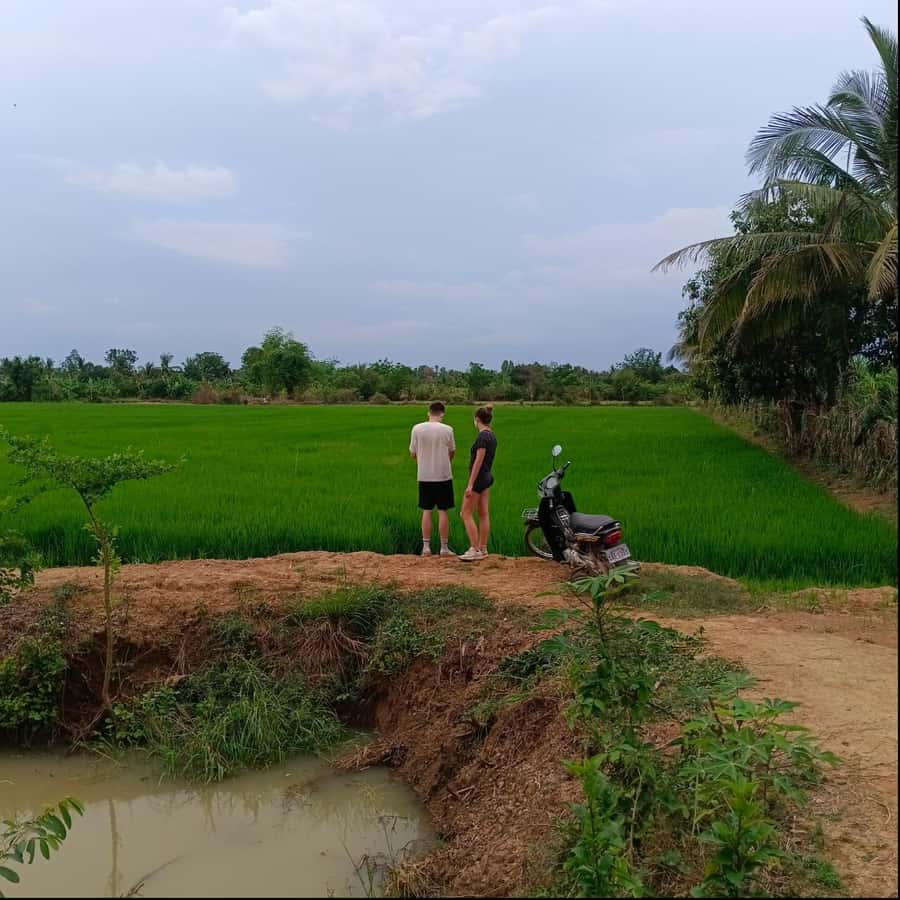
After the bamboo train, the tour heads south of Battambang and includes a stop at Cultural Village (Wa Kor Village), described as a homeland area for Khmer traditional houses. This is a good pacing break after the ride because you shift from moving countryside views to a human-scale look at heritage.
The value here is simple: you’re not just walking through a viewpoint. You’re learning what the area’s cultural identity looks like in daily space—how people built and lived.
One more small detail that helps the flow: you’ll likely pass the Swing Bridge on the way in this section, and those bridge-and-river views keep reinforcing the same theme from the morning. Water and connection—Battambang’s lifeline—keeps showing up all day.
If you prefer tours that don’t feel like a long line of shops, this segment fits better than most. The route is focused on places and movement rather than a forced shopping loop.
Wat Banan Temple and the mountain approach: views without the full climb
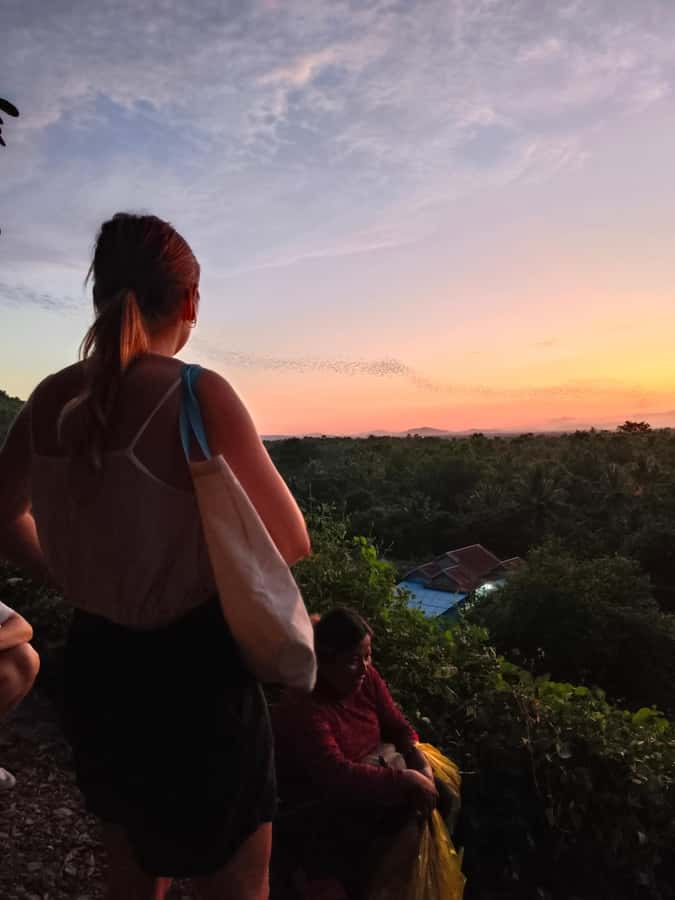
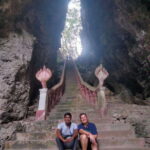
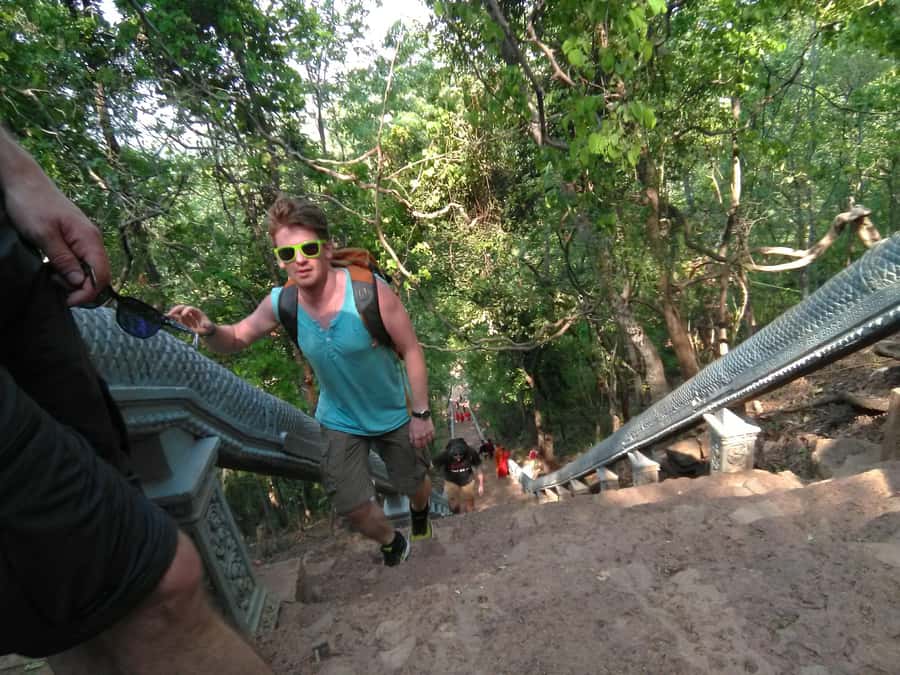
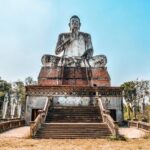
Next comes the temple viewpoint area around Wat Banan Temple. The mountain is about 140 meters high and there are 800 steps to reach the top. But the tour plan is designed to avoid the full stair climb—so you should expect a choice-like feel: you hike some, but you’re not necessarily tackling all 800 steps on foot.
You also encounter a path toward the top and a growing sense that the scenery is expanding. This part matters because it sets up the next stage—Phnom Sampeau Temple and caves—where the perspective becomes the main “wow.”
What you’ll likely notice on the way:
- You pass through small villages and between rice fields.
- You get a gradual shift from farmland flatness to mountain viewpoints.
- You’ll see mention of fruit bats and a bat tree area during the route.
Important practicality: bring comfortable shoes. Even if you avoid the hardest stair segment, you’ll still be walking on uneven paths. Also note the general dress rule: no sleeveless shirts.
Cost note: Wat Banan Temple entrance is not included. Expect $2 for the temple stop.


Phnon Sampeau Temple and the Khmer Rouge killing caves
This is the heavy part of the day, and it’s also the most meaningful if you care about Cambodia’s modern history. You’ll visit Phnom Sampeau Temple, shrines, and the killing caves used during the Khmer Rouge period.
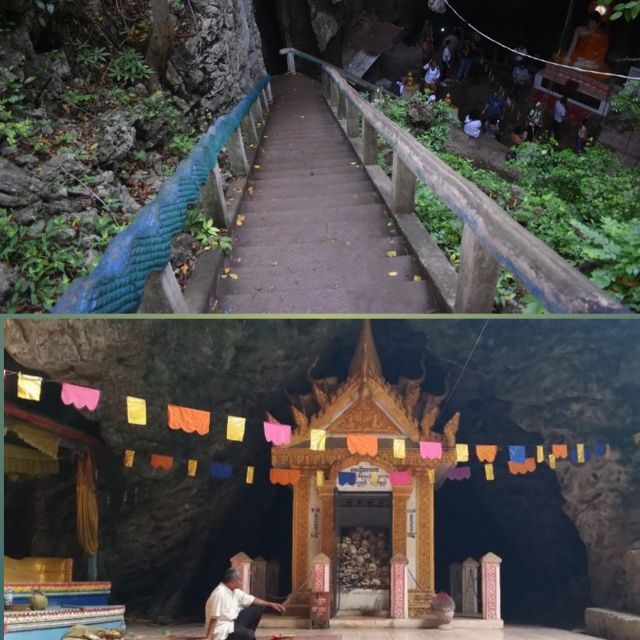
The plan uses a practical shortcut: you may take a motorbike/jeep up the first part to reduce the climb effort. The goal is to reach the cave area and viewpoints without making the entire day hinge on extreme step climbing.
When you’re up there, the view helps. You can look over Battambang and understand why these caves and sites existed where they did: elevated terrain, hidden spaces, and natural protection. Your guide (often Pao) can also help you connect the geography to what happened there, which makes the stop feel less like “dark tourism” and more like real historical context.
This is also where you’ll likely feel the “action-packed” nature of the schedule. You’re moving from countryside to temples to intense cave history, all within one day. If you need a gentler pace, this may be a lot.
Also, remember you’re seeing “difficult” history. If you know you get emotionally overwhelmed easily, consider whether a shorter day is a better choice.
Cost note: Killing cave and Bat Cave access is not included and is listed as $1 per adult.
Bat Cave at dusk: millions of bats and the timing that matters
The day ends with a visit to the Bat Cave at dusk, described as a mountain-side cave where millions of bats fly out. This timing is not random. It’s the reason the tour finishes near sunset and not earlier.
What to expect:
- You’ll walk down the mountain steps as part of the end-of-day plan.
- You’ll arrive at the Bat Cave area before the bats launch.
- You’ll be standing in the evening air while the cave scene begins.
This stop can be memorable because it’s so different from the morning’s farm views. The same countryside area you saw in daylight becomes something dramatic and alive at nightfall.
One practical tip: bring your camera but also keep a little patience. Bat flights don’t happen on your schedule. They happen when conditions line up.
Cost note: Bat Cave access is covered under the same $1 per adult line as killing cave access (based on the provided pricing).
Price and logistics: how $8 turns into the real total
On the surface, the tour is $8 per person, which is a strong price for a day with hotel pickup, a live guide, a tuk-tuk, and a mix of countryside, temples, and caves. The value comes from transportation + time + guidance, not from one single attraction.
Here’s where you need to think like a budget planner:
- Not included entrance fees
- Bamboo train: $5 per adult
- Wat Banan Temple: $2
- Killing caves & Bat Cave: $1 per adult
- Not included optional mountain ride
- Jeep or scooter up the mountain: $5 per adult
- Lunch is not included
So depending on what you choose for the mountain ride and which entrance charges you pay that day, your real spend will likely be noticeably higher than $8. Still, even with those adds, you’re paying for a structured route that covers a lot of ground in one day.
Logistics you’ll feel on the ground:
- Pickup is flexible within the Battambang area, and you should wait in the lobby about 15 minutes before start.
- The tour is English-language.
- The pace is busy, so wear a day-pack style bag and keep cash ready for the add-on payments.
If you hate surprises, ask your guide what you’ll need to pay for each entrance segment before you begin.
Who this trip suits (and who might struggle)
This tour fits best if you want:
- A single-day overview of Battambang’s countryside and signature attractions
- Guided context that ties scenery to Cambodian history
- Real local life moments like farm viewing and fruit tasting
- The bamboo train experience, followed by caves and bats without changing hotels
It’s less ideal if:
- You have mobility issues, need wheelchair access, or prefer fully flat walking
- You’re over 80 years (the tour is listed as not suitable)
- You’re strongly photo-focused but not comfortable with walking and stairs at all
Also, the day includes serious sites (killing caves). If you’d rather keep your day lighter, you might choose a different Battambang option.
Final verdict: should you book the Battambang family tuktuk day?
I’d book this if you want a route that feels like it was planned around Battambang’s rhythm—river farms in the morning, bamboo train as a true local transport moment, then temples and caves, and finally bats at dusk. The best part is that the day doesn’t feel like a stop-and-shop circuit. It leans toward real places and practical experiences.
Skip it if you can’t handle uneven ground, you hate emotional historical stops, or you’re budgeting tightly and dislike add-on fees. Also, if you’re counting every minute, you should know the schedule is packed and the experience depends on timing for dusk bat viewing.
If you’re the type who likes asking questions, bring them. A good guide turns this from a checklist into a story you can actually remember.
FAQ
What’s the starting time for the tour?
Pickup is listed at around 9:00 AM from your hotel or restaurant in Battambang, and the tour ends around 7:30 PM back in town.
What’s the total price for the tour?
The base price is listed as $8 per person. Several items are not included, including the bamboo train ticket, temple and cave entrance fees, and a possible jeep/scooter ride up the mountain.
Is lunch included?
No. Lunch is not included.
Are entrance fees included?
No. Entrance fees are listed as not included for the bamboo train, Wat Banan Temple, and the killing cave & Bat Cave.
Do I need to pay extra for the bamboo train?
Yes. The bamboo train is listed as $5 per adult and is not included.
Do I have to climb 800 steps?
The mountain is described as having 800 steps, but the tour plan indicates you will avoid climbing up the steps fully and instead take a motorbike to drive up the first part. You will still walk as part of the hiking and end-of-day descent.
Is hotel pickup and drop-off included?
Yes. Hotel pickup and drop-off are included, and you can usually be picked up from any hotel or restaurant in the Battambang area.
Is this tour suitable for wheelchair users or people with mobility impairments?
No. It is listed as not suitable for mobility impairments and wheelchair users.
What should I bring and what should I wear?
Bring a camera and cash, and wear comfortable shoes. Sleeveless shirts are not allowed.
Can I cancel for a refund?
The information provided says you can cancel up to 24 hours in advance for a full refund.