REVIEW · KAMPOT
Kampot: Sunset Walking Tour
Book on GetYourGuide →Operated by Jason's Tour · Bookable on GetYourGuide
Kampot gets better when someone hands you the story. This 90-minute sunset walking tour turns ordinary streets into a timeline, from pirate legends to the French colonial era, with clear local context as you go. You also end with a river sunset that makes the whole walk feel worth it, even if you only have one evening to spare.
My favorite part is how Jason, the guide, keeps the pace calm and the explanations structured, so you actually understand what you’re seeing. The second big win is the stop choices: lotus pond quiet, then a seahorse landmark, then the small corners where war marks, shrines, and older architecture show up if you know how to look.
One thing to consider: it is a walking tour at dusk, so if you dislike being on your feet for about 90 minutes, you’ll want to plan comfy shoes and accept that you’ll move through Kampot at a steady pace.
In This Review
- Key things I’d watch for on this tour
- Start at Monkey Republic Cafe, and get your timing right
- Lotus Pond: a calm opening that sets up the whole story
- The Seahorse Statue: pirates, identity, and the way legends stick
- The short in-between stops: war marks, shrines, and architecture in real corners
- Bokor Hill, Kampot Pepper, and the myths that color everyday life
- The river sunset payoff: your best photo timing in 90 minutes
- Why this $5 tour feels like smart value
- Is this the right tour for you?
- Should you book the Kampot Sunset Walking Tour?
- FAQ
- How long is the Kampot Sunset Walking Tour?
- Where does the tour start?
- What time does the tour meet?
- Is the tour offered in English?
- How much does it cost?
- Is there free cancellation?
Key things I’d watch for on this tour
- Lotus Pond start sets a reflective tone and gives you a history lens before you hit the streets
- Seahorse Statue segment helps connect Kampot’s identity to pirate stories and later colonial change
- Faded war marks and quiet shrines show how conflict and local spirit life sit side by side in town
- Bokor Hill and Kampot Pepper context adds meaning to what you’ll see and hear around Kampot
- Sunset along the river is the payoff moment, turning the walk into a timed experience
- Post-tour drink with Jason means you can ask questions and get practical next steps for the rest of your stay
Start at Monkey Republic Cafe, and get your timing right
You meet at Monkey Republic Kampot Cafe, Bar & Kitchen, inside Monkey Republic Hostel. The tour starts at 5pm, so you’re not racing the clock all day—you’re walking into the part of Kampot where light, stories, and cooler air tend to make everything feel easier.
When you arrive, check in with reception so you get introduced to Jason and the group gets organized. I like this setup because it keeps the start simple: you’re not hunting for a random street corner, and you can take a minute to settle before you begin.
The tour is 90 minutes, and that matters for how you plan your evening. You’ll be back at the same meeting spot after the sunset portion, so you can treat it as your anchor activity and build dinner plans afterward.
You can also read our reviews of more tours and experiences in Kampot.
Lotus Pond: a calm opening that sets up the whole story
The first timed stop is Lotus Pond (about 20 minutes). This is a smart way to begin because it slows you down early, before the tour switches into historical and cultural detail.
A pond stop also works as a reset for your brain. You’re better able to follow legends, colonial-era changes, and wartime traces once you’ve had a quiet minute to focus, instead of bouncing straight into busy streets.
Jason uses this opening to help you understand how Kampot’s past still shows up in everyday life. Even if you’ve only just arrived in town, you’ll leave this first segment with a frame for what you see next.
The Seahorse Statue: pirates, identity, and the way legends stick
Next comes the Seahorse Statue in Kampot (another 20 minutes). Landmarks like this are more than photo stops—they’re reminders that local identity in Kampot has always been shaped by story, not just dates and maps.
From here, Jason connects Kampot’s history in a way that makes the rest of the walk click. You’ll hear about Kampot as a haven for pirates, then how later periods—especially the French colonial era—helped reshape the town and what still remains.
What I like about this approach is that it doesn’t treat history like a lecture. Instead, Jason ties the story to what you can point to while you’re walking—so you start spotting patterns rather than collecting random facts.
The short in-between stops: war marks, shrines, and architecture in real corners
After the two bigger landmarks, the tour moves into several shorter segments (three stops at about 15 minutes each). These are the parts that make walking with a guide so useful, because they’re focused on details you might otherwise skip.
This is where Jason points out faded marks left by war, plus local spirits and shrines tucked into quieter corners. You’ll also look at architecture that carries history in its form and materials, not just in a plaque.
Here’s the practical takeaway: when you walk Kampot on your own, you’ll see plenty of walls, doors, and street edges. The guide helps you notice the signals that explain why those things matter—so the town feels less like scenery and more like a living record.
Potential drawback in these segments: because they’re shorter, you’ll want to stay attentive. If you drift into your phone camera too long, you can miss the specific cues Jason is drawing your attention to.
Bokor Hill, Kampot Pepper, and the myths that color everyday life
One of the key topics Jason covers is the infamous history of Bokor Hill. Another is the legacy of Kampot Pepper, plus local myths and legends that have shaped how Kampot tells its own story.
This is valuable because it gives you context for the conversations and sights you’ll run into after the tour. Even if you’re not planning a deep-history trip, you’ll likely notice you’re hearing the same themes repeated—piracy, colonial change, spirit beliefs, and the way the landscape and trade tie into identity.
I also like that Jason’s explanations connect emotion with facts. Legends can sound like folklore until you understand what they’re doing—explaining fear, explaining luck, explaining why a place feels the way it does.
If you’re the type who likes asking questions, this is a good moment to do it. Jason tends to keep room for follow-ups, and the tone stays friendly rather than rigid.


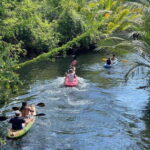

The river sunset payoff: your best photo timing in 90 minutes
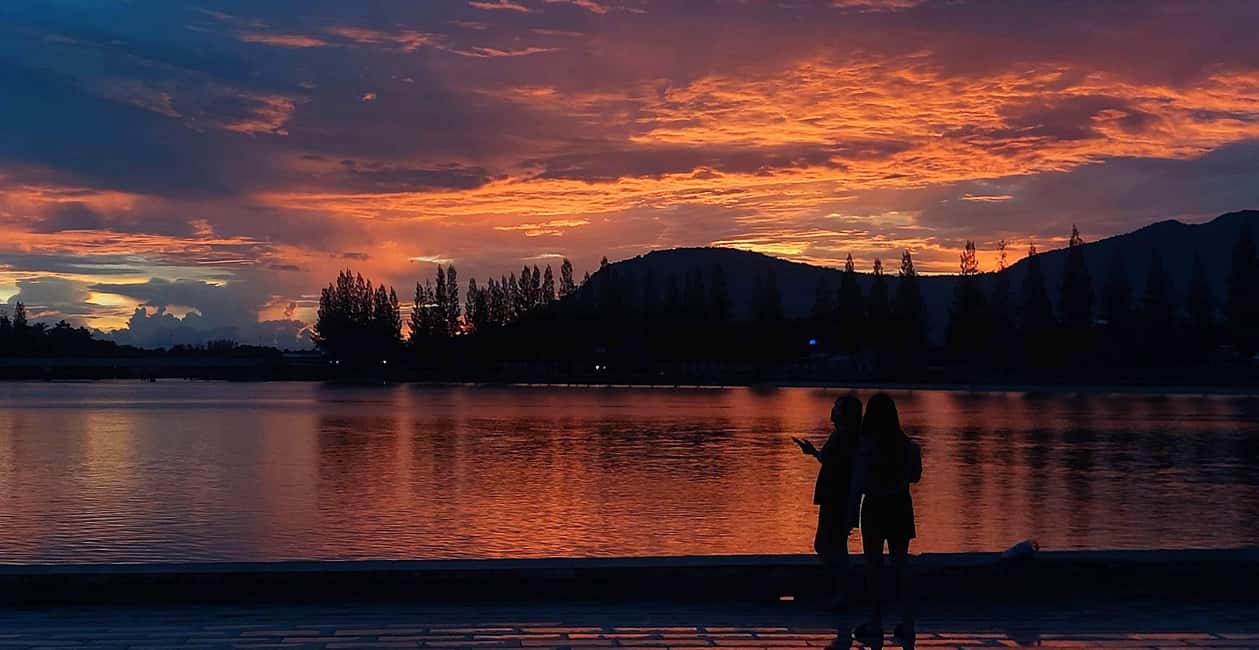
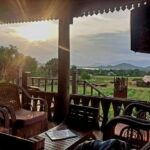
The highlight you’re really booking for is the sunset portion along the river as you walk. Kampot’s river light has a way of making even a simple evening feel special, and the timing here is set so you’re not chasing the sun at the last second.
To make this part work for you, keep your pace relaxed as the group approaches the sunset stretch. You’ll want a couple minutes to settle in, not just snap-and-run, because the value is in the view and the atmosphere—not only the picture.
If you’re traveling with a camera or you’re particular about photos, I’d treat the final stretch as your main window. The earlier stops are important, but the river segment is where the tour’s story energy turns into a visual reward.
Why this $5 tour feels like smart value
At $5 per person, this is one of those tours that can fund itself. For that price, you get a 90-minute live guide in English, a structured walk through multiple Kampot landmarks, and a history-and-culture lens that helps you appreciate the rest of your stay.
The best value is what you can do afterward. After the tour, you’re invited to join your guide for a drink, and Jason continues sharing his passion for local history and travel tips about what to see and do around Kampot and Cambodia. That means the tour doesn’t end when the last stop ends—it turns into a conversation.
From the way people describe the tour, the pacing and clarity are a big part of why it works. Jason keeps explanations structured and speaks in a way that doesn’t rush you through the material, which matters because Kampot history is easy to overcomplicate if a guide doesn’t choose priorities.
One more value note: the tour is in English and designed for real travelers, not just students. You’ll come away with enough context to walk Kampot again later with better eyes.
Is this the right tour for you?
This experience is a strong fit if you want to get your bearings fast and understand the layers of Kampot before you wander on your own. It’s also ideal if you like history, myths, and cultural detail, but you don’t want a long, exhausting day.
It’s less ideal if you hate walking in the evening or you’re hoping for a deep dive into one specific topic. This tour covers a lot of themes in a short time, so the payoff is broad understanding, not academic depth.
If you’re solo, it can still feel social because you’re walking as a group with time built in for questions. And if you’re on a budget, the price-to-time ratio is excellent.
Should you book the Kampot Sunset Walking Tour?
Yes, if you’re in Kampot and you want an easy win: a low-cost, timed walk that turns familiar streets into meaningful stops. The combination of pirate-and-colonial context, visible history cues like war marks and shrines, and the river sunset makes this a good first-evening activity.
I’d book it especially if you like guides who connect story to what you can actually see. And if you have even a little curiosity about Bokor Hill or the Kampot Pepper story, this tour gives you the background so those topics don’t float by as trivia.
If you’re tight on time, don’t stress—you only need 90 minutes. Just plan comfy shoes and be ready for a calm, story-led walk that ends with the kind of sunset you’ll remember longer than the street names.
FAQ
How long is the Kampot Sunset Walking Tour?
It lasts 90 minutes.
Where does the tour start?
You meet at the reception of Monkey Republic Kampot Cafe, Bar & Kitchen. Check in with reception when you arrive so you’re introduced to the guide.
What time does the tour meet?
The meeting time is 5pm.
Is the tour offered in English?
Yes, it’s English.
How much does it cost?
The price is $5 per person.
Is there free cancellation?
Yes. You can cancel up to 24 hours in advance for a full refund, and you can reserve now & pay later (pay nothing today).