REVIEW · KAMPOT
Kampot: Full-day Countryside Tour with Pepper Farm and Kep
Book on GetYourGuide →Operated by Peppercorn Tuktuk Kampot · Bookable on GetYourGuide
That 8-hour tuk-tuk loop mixes spice, temples, and seaside crab. You’ll get guided stops at a salt-production facility, the 203-step Phnom Chhngok cave temple, and a pepper plantation with pepper tastings. One catch: if the salt fields aren’t in harvesting season, you may not see everything at its most dramatic.
If you’re sensitive to heavy history, plan for a sobering moment at Brateak Krola Lake, created during Khmer Rouge-era slave labor.
In This Review
- Key highlights worth your time
- Kampot to Kep by tuk-tuk: why this day tour works
- Salt fields near Kampot: more than a photo stop
- Phnom Chhngok cave temple: 203 steps and a Shiva shrine
- Brateak Krola Lake: quiet views with a heavy backstory
- La Plantation pepper tour: tasting that actually teaches you
- Kep crab market and the seaside reset
- Timing, comfort, and what to bring for an 8-hour day
- Price and value: what you get for $26
- Should you book this Kampot countryside and Kep tour?
- FAQ
- How long is the tour?
- What does the $26 price include?
- Is lunch included?
- Where is the usual pickup point in Kampot?
- Can the tour pick me up from my hotel or restaurant?
- What language is the guide?
- Do I need to bring anything?
- What should I expect for activities like cooking or fires?
- Can I cancel and get a refund?
- Is there an extra charge if I’m farther from the meeting point?
Key highlights worth your time
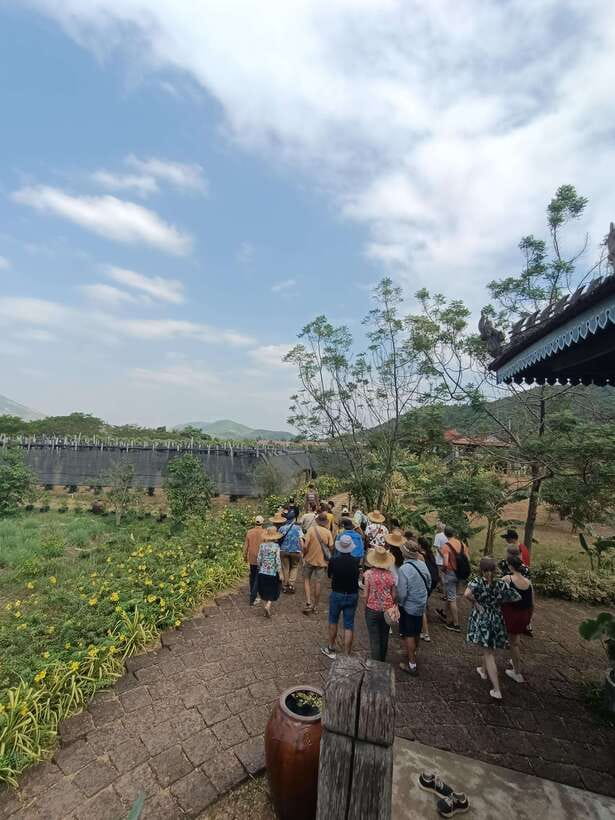
- Salt fields with a guided factory-style visit that explains why Kampot’s salt matters
- Phnom Chhngok cave temple and its 7th-century brick Shiva shrine
- Brateak Krola Lake photo stop with a difficult past that shapes how you see it
- La Plantation pepper tour and tastings that turn shopping into something you understand
- Kep crab market + beach time to end the day on the coast
Kampot to Kep by tuk-tuk: why this day tour works
This is a classic “see more in less time” route, but it doesn’t feel rushed if you like your sightseeing practical. The big idea is that you travel by tuk-tuk, which keeps the day scenic and flexible between stops. You’re not stuck staring out a bus window. You get to arrive, look around, and move on when it makes sense.
The pacing also suits people who want variety without the stress of planning. You’ll cover countryside production (salt and pepper), a real temple visit with steps and shade (when you need it), and then finish in Kep, where the crab market and beach add a totally different mood.
Price-wise, the $26 ticket looks like a steal when you remember what’s included: guided visits, entrance fees, bottled water plus fresh coconut, and the pepper tour with tasting. What’s not included is food, but you’re given a natural place to eat in Kep.
You can also read our reviews of more tours and experiences in Kampot
Salt fields near Kampot: more than a photo stop
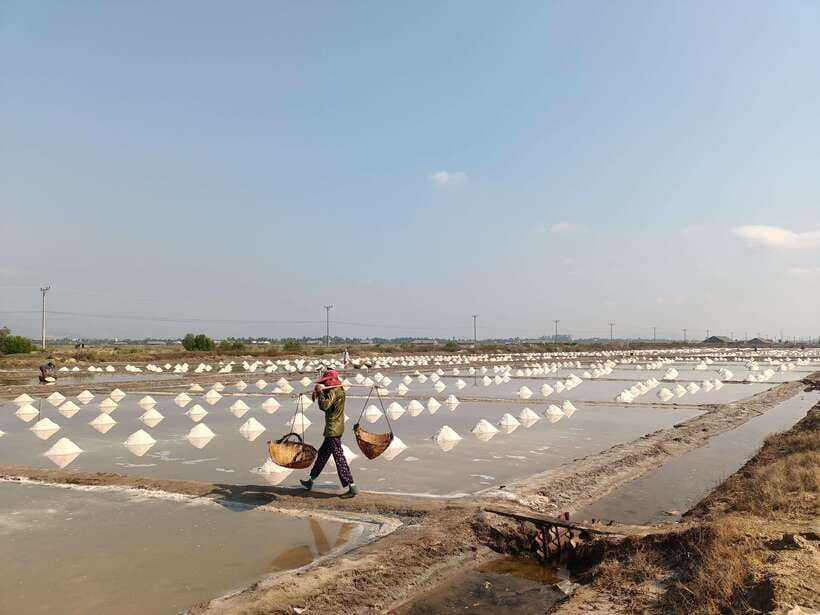
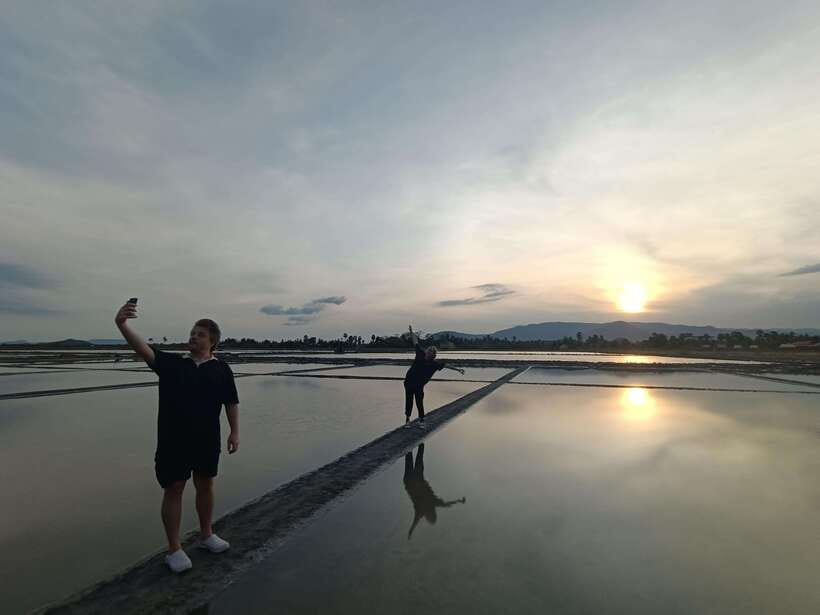
You start your countryside circuit with a visit on the outskirts of Kampot to a salt-production site. You get a photo stop and a short guided look, about 20 minutes, where the focus is the process and why the area’s salt economy matters.
What I like about this stop is that it’s not just scenery. Salt production is one of those industries you can spot from the outside, but you only understand it when someone explains how it works step by step. The guided format helps you connect what you’re seeing to what goes on behind the scenes.
One practical note: salt changes with the calendar. If it’s not harvesting time, you might notice less salt activity or less visual payoff than you were hoping for. It’s not a deal-breaker, but it is a reason to keep expectations realistic.
Phnom Chhngok cave temple: 203 steps and a Shiva shrine
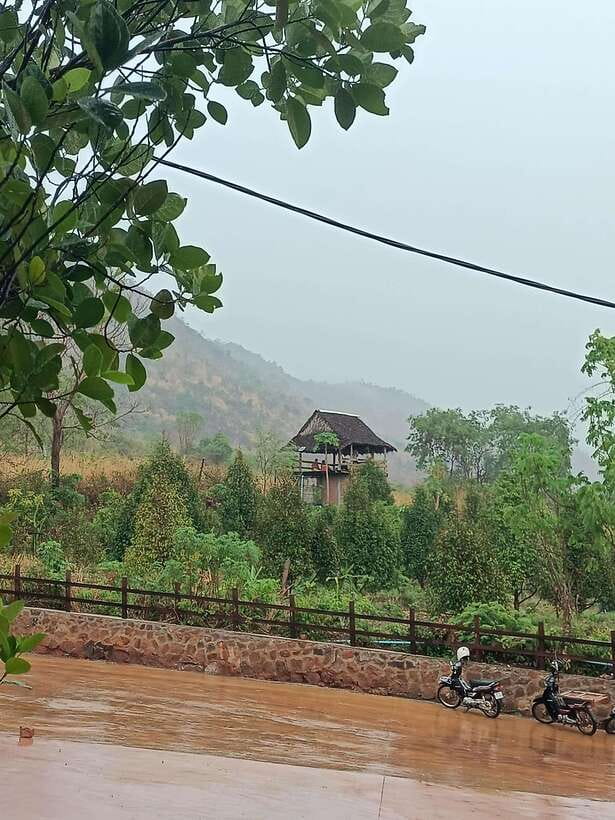
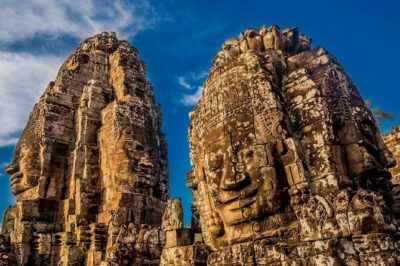
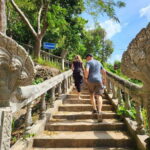
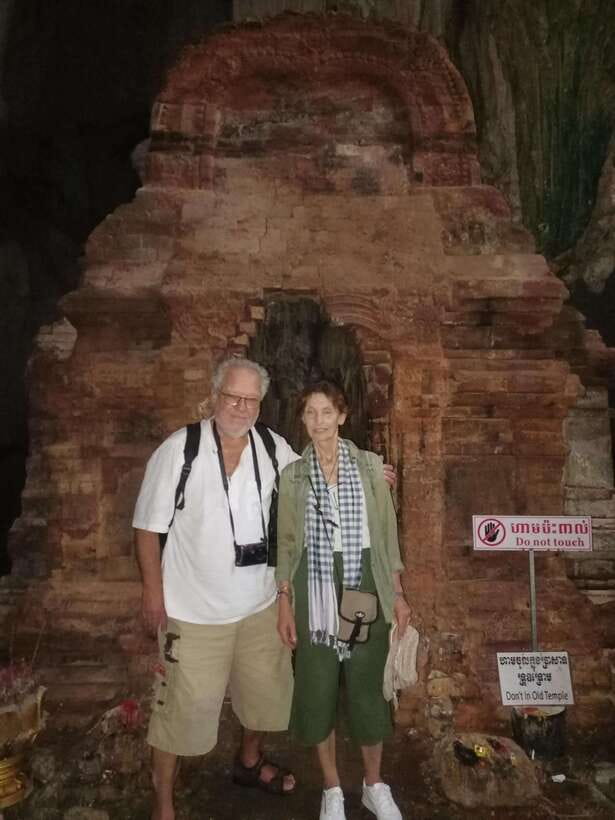
Next comes the headliner for many people: Phnom Chhngok cave temple. You’ll climb a path with 203 steps to reach the entrance. It’s a straightforward climb, but it’s long enough that it feels like part of the experience, not just a warm-up.
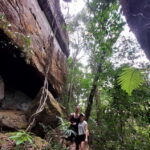
At the entrance you get great views, and then you’re guided inside. The key interior detail is the main chamber, where a remarkable brick temple from the Funan-era stands. It’s dedicated to Shiva. That’s the kind of information you’ll actually want while you’re standing there, because it turns “interesting cave temple” into “I know what I’m looking at.”
A couple of real-world tips based on what you’ll likely run into:
- Wear comfortable footwear for uneven ground around cave entrances.
- If you’re sensitive to heat, treat the break time as real recovery, not extra waiting.
The cave part tends to be the most memorable because it feels like you’re entering a place people have visited for centuries, not touring a modern exhibit.
Brateak Krola Lake: quiet views with a heavy backstory
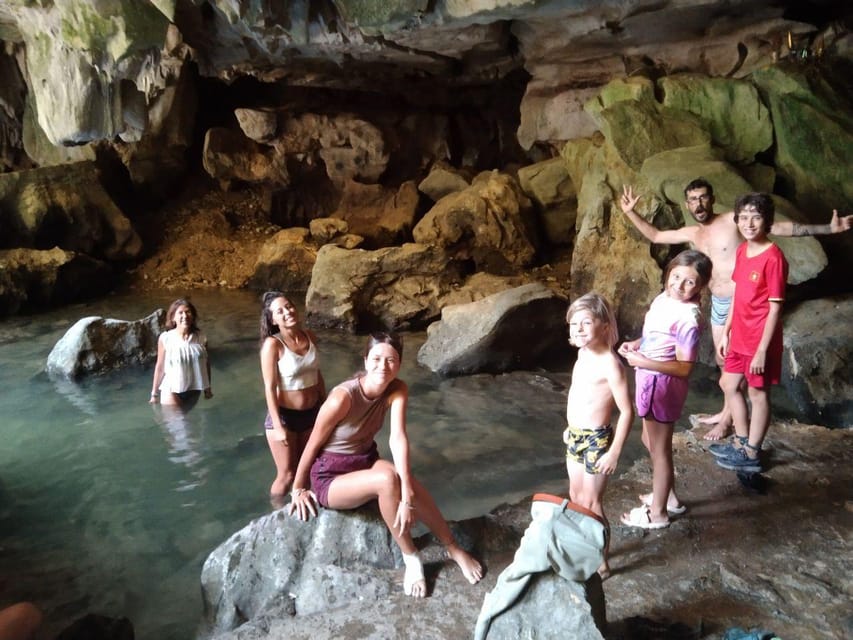
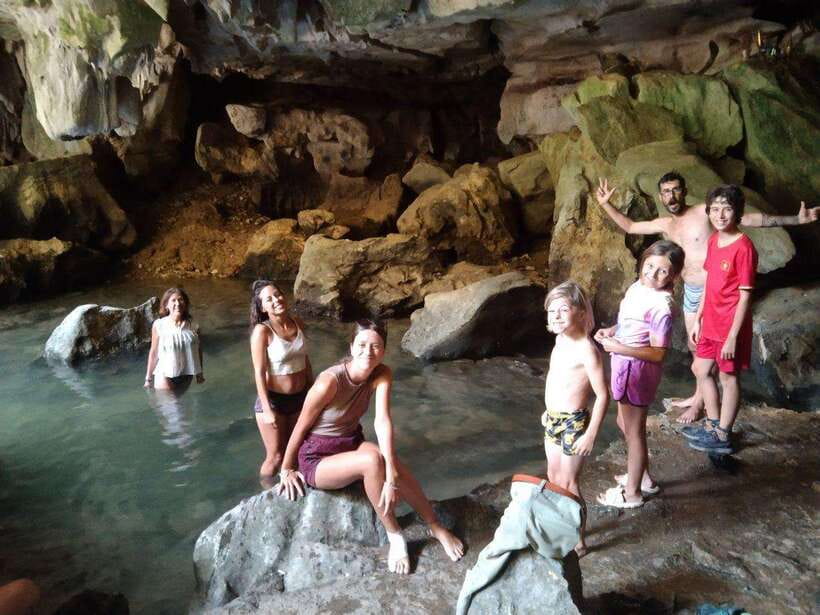
Brateak Krola Lake is an artificial lake, and you’ll visit from a raised platform with a photo stop and a short guided visit (around 15 minutes). The reason this stop hits harder than it looks is the context: it was created during the Khmer Rouge period using slave labor.
This isn’t one of those places where you treat it like a casual viewpoint. You’ll likely find it changes how you read the scene. You’re looking at calm water, but you’re holding difficult history in your mind at the same time.
If you like your tours balanced, this is the balance point. The morning is cultural and agricultural. The afternoon starts with a place that asks for respect and attention, and it does it without dramatics.
La Plantation pepper tour: tasting that actually teaches you
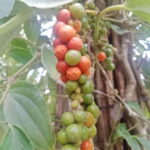
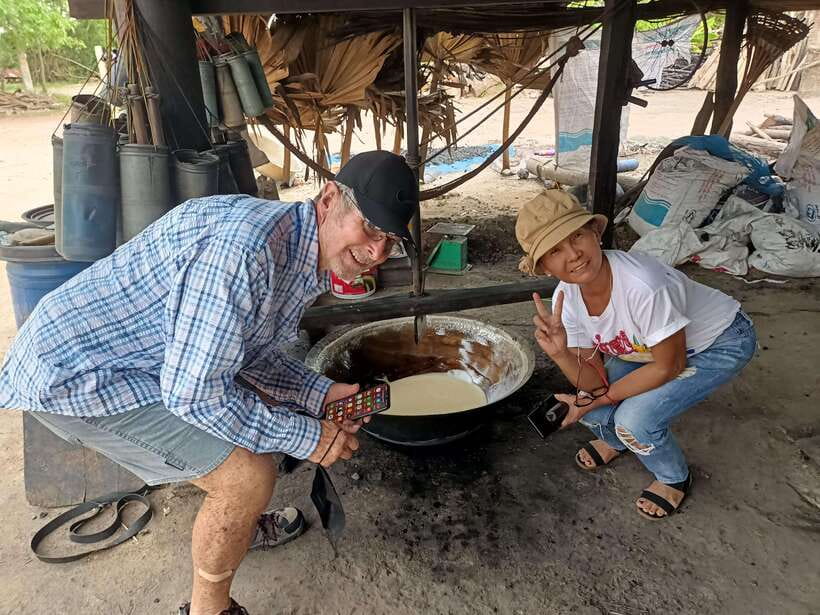
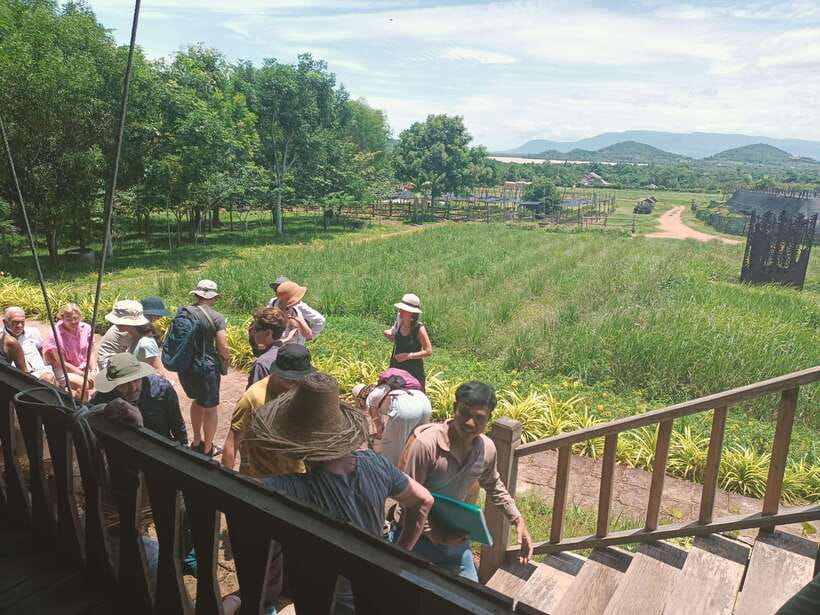
If you enjoy food with a story, this is where the day gets fun. You’ll visit the pepper plantation area (La Plantation) and get time to walk around, see growing practices, and get a guide-led explanation of how peppercorn is produced.
What makes this stop valuable is the tasting. Pepper tasting sounds like a gimmick until you do it alongside the explanations. Then you start noticing differences in aroma, heat, and flavor, and you understand what you’re buying.
You’ll also have time for shopping and sightseeing around the plantation area. Many people leave with pepper-based products, spices, and pepper-forward souvenirs, but the tastings help you pick more confidently instead of guessing.
There’s also a “spice curiosity” bonus here. In past groups, people have noted pepper-flavored treats like pepper coffee or pepper ice cream as part of the fun of the day. Even if you skip those, you’ll still come away with a clearer sense of what makes Kampot pepper special.
You can also read our reviews of more tours and experiences in Kampot
Kep crab market and the seaside reset
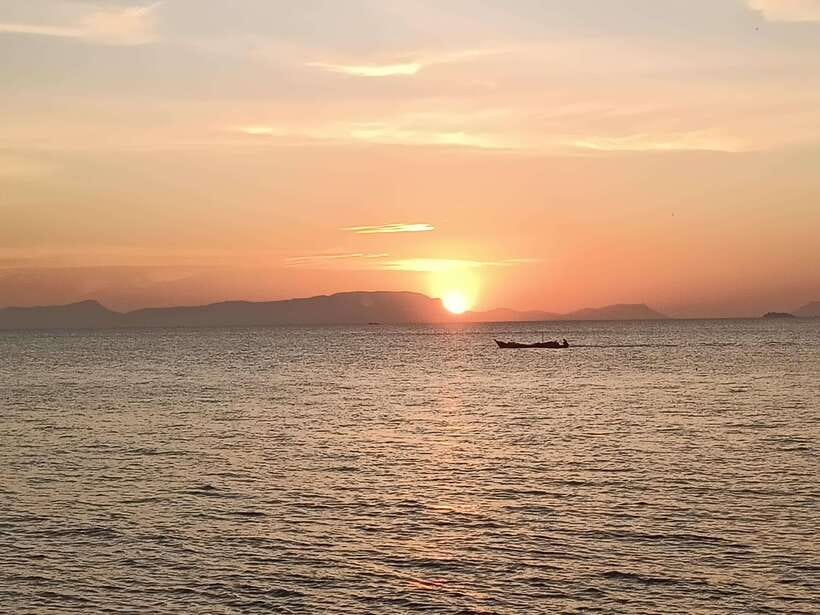
Once you reach Kep, the tone changes fast. This is the coastal finish: a break for exploring, a visit that includes the crab market, and time to stroll, shop, and relax near the beach.
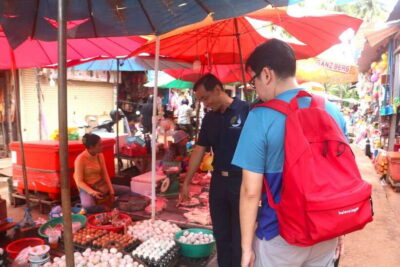
Kep’s crab market is the obvious draw. You’ll be in the right place to see how the town’s seafood culture works up close, and it sets you up for lunch if you choose to eat there. Food itself isn’t included in the tour price, but your guide typically points you toward a restaurant in Kep for fresh crab or seafood.
One tip: don’t treat lunch as an afterthought. The day ends with the coast for a reason. If you want the best value, plan to eat in Kep rather than heading back to Kampot hungry. In earlier experiences with this tour, people have been happy with restaurant choices suggested by their English guide, including spots like The Magic Crab.
You’ll also see an abandoned French-dependent building in Kep, plus some downtime for beach air. That mix makes Kep feel more like a real town stop than a rushed “look and go.”
Timing, comfort, and what to bring for an 8-hour day
This is an 8-hour full-day circuit, built around short guided visits plus drive time between them. Expect breaks at key points, including at the cave and in Kep. You’ll spend meaningful stretches traveling by tuk-tuk, so it’s worth settling into the flow and letting the day be a day, not a checklist.
For comfort, here’s what you can plan around based on what’s included:
- You’ll get fresh coconut and bottled water, which helps a lot in heat.
- Still, bring extra cash because you’ll likely want to buy pepper and other small items.
- Bring cash since it’s listed as important.
- You can take photos, but respect cave rules and guide instructions.
- Making fire isn’t allowed.
Also, there’s a clear age note: the tour isn’t suitable for people over 95 years. The cave climb alone makes that understandable.
Price and value: what you get for $26
At $26 per person for about 8 hours, the value is strong because the ticket isn’t just “transport.” You’re paying for:
- entrance fees
- guided tours at multiple stops
- pepper plantation tour and tasting
- fresh coconut and bottle of water
Food is the one big extra cost you’ll probably want to handle in Kep. But you’re given a built-in opportunity to eat where it makes sense, instead of scrambling later.
If you compare this to piecing together separate private visits, the pepper tasting plus salt and cave guidance in one day is where the savings add up.
Should you book this Kampot countryside and Kep tour?
Book it if you want a single-day mix that’s practical: salt and pepper production, a real temple visit with a climb, and an actual seaside finish in Kep. It’s also a great choice if you like touring with a guide who explains more than just the basics. In multiple past groups, guides named Phalla, Phealy, Voleak, Vandy, Pili, and Mr. Chav were specifically praised for English and for keeping the pacing comfortable.
Skip it or reconsider if you strongly want only “bright and active” salt visuals. If it’s not the salt harvesting season, that part may look quieter than you hoped. Also, go in aware that Brateak Krola Lake includes a painful historical context.
Bottom line: this is a good-value day that earns its keep. You’ll come away understanding Kampot beyond the riverside views, and you’ll end with Kep crab energy instead of another long return ride.
FAQ
How long is the tour?
It runs for about 8 hours.
What does the $26 price include?
Entrance fees, fresh coconut, bottle of water, guided tours, and the pepper tour and pepper tasting are included.
Is lunch included?
No. Food isn’t included. You’ll have a chance to eat in Kep, for example at the crab market area.
Where is the usual pickup point in Kampot?
The tour normally starts at the meeting point opposite Epic Art Cafe.
Can the tour pick me up from my hotel or restaurant?
Yes, pickup and drop-off can be arranged directly from your hotel or restaurant location in Kampot town.
What language is the guide?
The live tour guide speaks English.
Do I need to bring anything?
Bring cash. That’s specifically listed as what to bring.
What should I expect for activities like cooking or fires?
Making fire is not allowed.
Can I cancel and get a refund?
Yes. You can cancel up to 24 hours in advance for a full refund.
Is there an extra charge if I’m farther from the meeting point?
Yes. There may be an extra charge for pickup farther than 3 kilometers from the meeting point.