REVIEW · KAMPOT
Kep town: Local tuk tuk to Countryside & Pepper farm
Book on GetYourGuide →Operated by Kampot tours--pepper farm. Cave. Secret lake and Salt field · Bookable on GetYourGuide
Pepper, caves, and salt fields in one smooth ride. I like this tour most for TangGo’s energetic explanations and for the hands-on Kampot pepper tasting at the plantation stop. One thing to keep in mind: depending on when you go, the cave/lake areas and especially the salt fields can look quieter or less active than at peak season.
This is a local tuk tuk day that moves at a calm, village-to-farm pace, not a rushed checklist. You get pickup (from your place or the Magic Crab area), cool water, and entry, but lunch is on you—bring snacks if you get hungry.
In This Review
- Key things to know before your Kep tuk tuk day
- Why a Kep countryside tuk tuk fits perfectly into 5 hours
- TangGo and the village-to-farm rhythm you can actually enjoy
- La Plantation: Kampot pepper tasting and what the farm tour really teaches
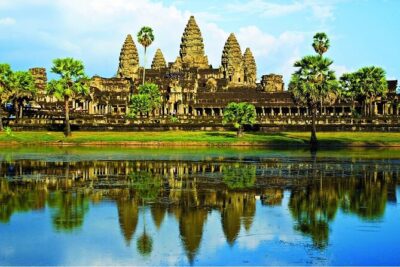
- Phnom Chhngok Temple Cave: an older site than Angkor Wat
- The Secret Lake built during Khmer Rouge years (1970–1975)
- Salt fields in Kep: harvesting salt from the sea
- Brateak Krola Spirits and the value of short stops
- The extra plantation/stop time: photos, breaks, and a slow pace
- Price and logistics: is $29 good value for this Kep day?
- Who should book this tour—and who should reconsider
- Should you book this Kep countryside & pepper farm tour?
- FAQ
- How long is the Kep town local tuk tuk to countryside & pepper farm tour?
- How much does the tour cost?
- Where can I get picked up?
- What main attractions are included?
- Is lunch included?
- Is entry included in the price?
- Is cool water included?
- Is there an extra fee depending on where I stay?
- What languages does the guide/driver speak?
- What booking flexibility is offered?
- Can you tell me about the walking involved?
Key things to know before your Kep tuk tuk day
- TangGo as your guide: You’ll get story-heavy context about what you’re seeing, plus practical farming and harvesting explanations.
- Kampot pepper tasting + farm tour: It’s not just a quick look—there’s time to learn how pepper is grown and how different pepper products are made.
- Phnom Chhngok Temple Cave: A standout cultural stop dated to well before Angkor Wat (often linked to the 6th or 7th century).
- Secret Lake (1970–1975): You’ll hear how the lake was created during the Khmer Rouge years.
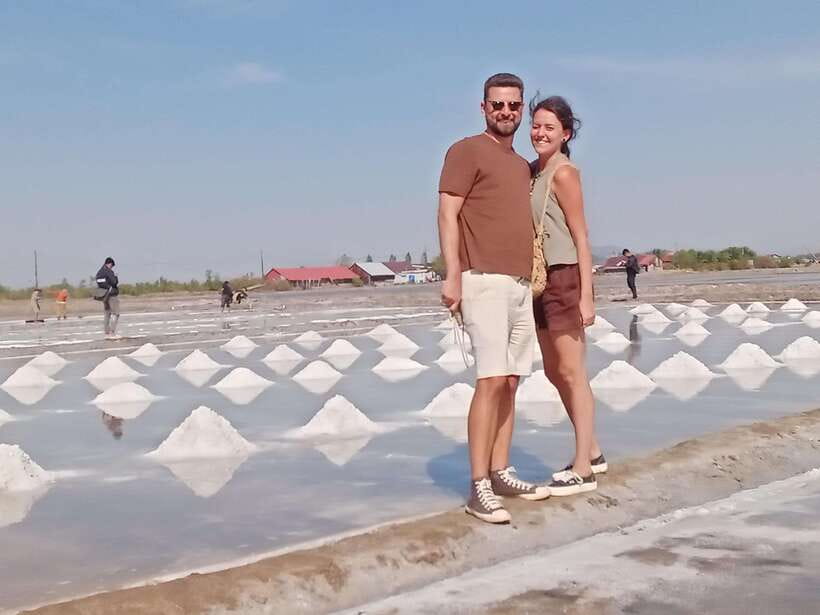
- Salt fields visit: You’ll learn about salt harvesting from the sea—though the fields can look empty if it’s not the right time.
- Short walks, frequent photo breaks: You’ll get legs-on time at multiple stops without feeling like you’re hiking all day.
Why a Kep countryside tuk tuk fits perfectly into 5 hours
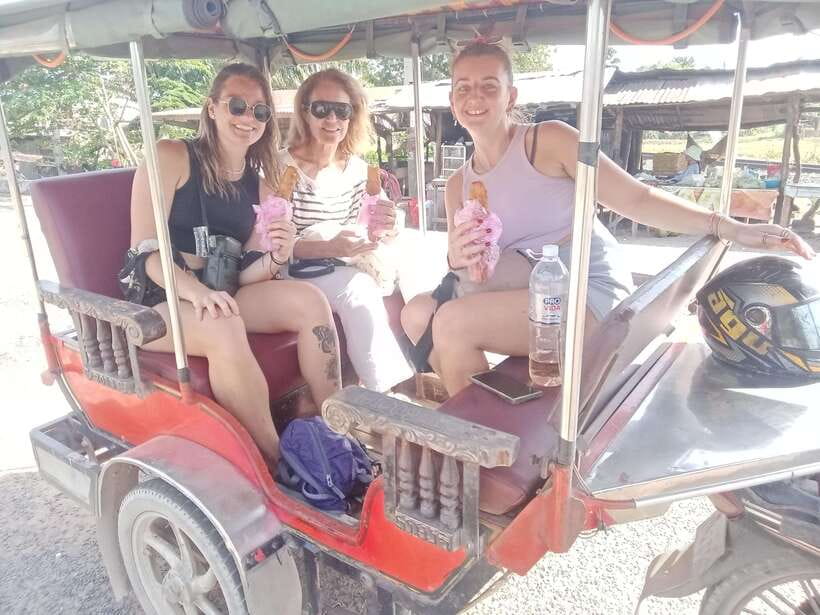
Kep is small enough that you can cover a lot without feeling trapped in a car. This tour’s time plan makes sense: a local tuk tuk ride between rural stops, with guided time where it matters.
What I like is the mix of active and calm. You’ll have guided walks at a few key places, then return to the slow rhythm of countryside roads.
Also, the built-in pauses matter. You’re not just staring out a window—you’re stopping for photos, a guided tour, and a chance to actually ask questions.
You can also read our reviews of more tours and experiences in Kampot
TangGo and the village-to-farm rhythm you can actually enjoy
This tour runs with a Cambodian driver/guide who works in English and Cambodian, and TangGo (the host you’ll meet) sets the tone early. The best part is how he connects the countryside you pass with what you see when you stop.
I like that the day doesn’t feel like you’re being marched from one object to another. You get enough time to look around, then he explains what you’re seeing and why it exists.
If you want an authentic-feeling day, pay attention to the small moments: village life along the road, the feel of rural Cambodia outside the tourist strip, and the sense that you’re visiting working places, not staged sights.
La Plantation: Kampot pepper tasting and what the farm tour really teaches
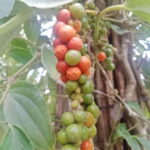
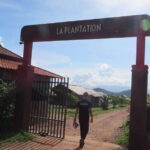
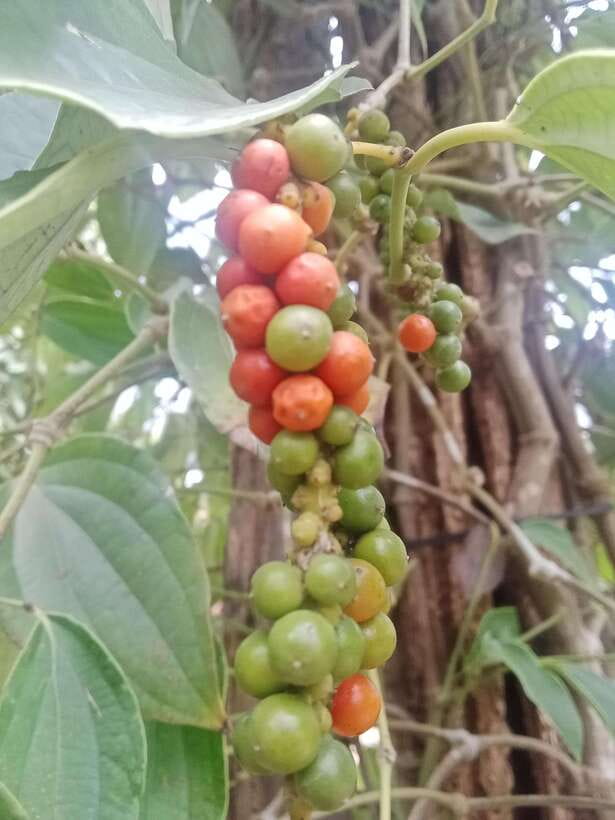
One of the strongest reasons to book this tour is the pepper farm time. The stop at La Plantation includes a break and photo time, plus a guided farm tour and shopping window, so you’re not rushed through the important part.
During the tour, you’ll learn how pepper is grown and how different pepper products are produced. The tasting is the payoff: you can connect what you heard about farming to the flavors you’re trying, and you’ll understand why Kampot pepper is treated like something special.
Here’s a practical tip: pepper farms can be busy or quiet depending on season. If the day you go has less activity, you might still get a good explanation—your guide may use examples and photos of what operations look like during busier periods. That doesn’t fully replace peak-season action, but it helps you leave with real understanding instead of just a view of empty rows.
If you’re the type who likes food you can trace back to a place, this portion is worth the whole ticket.
Phnom Chhngok Temple Cave: an older site than Angkor Wat
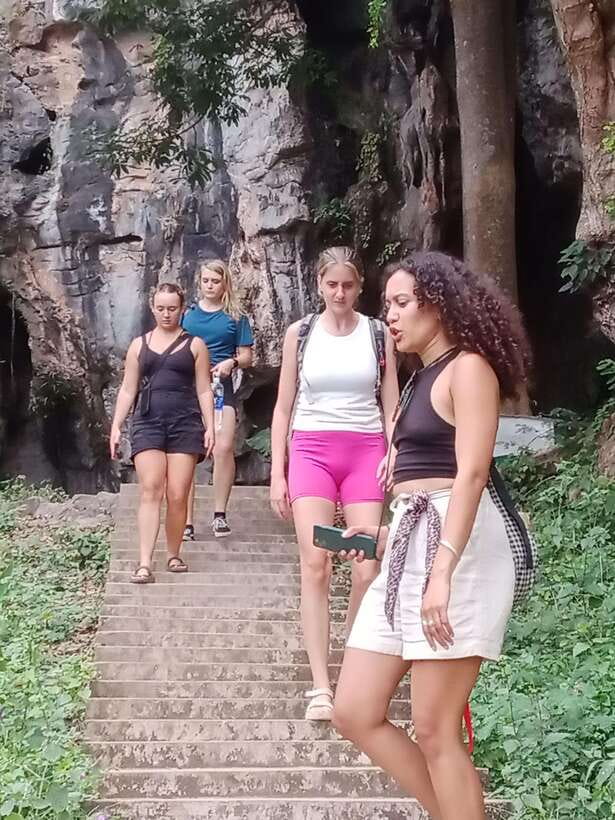
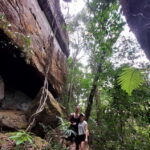
The Temple Cave stop is where the day gains a serious cultural spine. You’ll visit Phnom Chhngok Temple Cave, described as being built before Angkor Wat and linked to the 6th or 7th century.
Caves can be hit-or-miss on a day trip, and I won’t pretend every traveler will feel the same pull here. What makes it interesting is the age and the fact that it’s part of a local landscape of faith and storytelling, not a modern attraction.
What you can do to make this stop work for you: go in expecting a mix of nature, temple space, and guided explanation. Even if the cave visuals aren’t what you pictured, the context usually turns it into a meaningful break in a day mostly about countryside and farming.
The Secret Lake built during Khmer Rouge years (1970–1975)
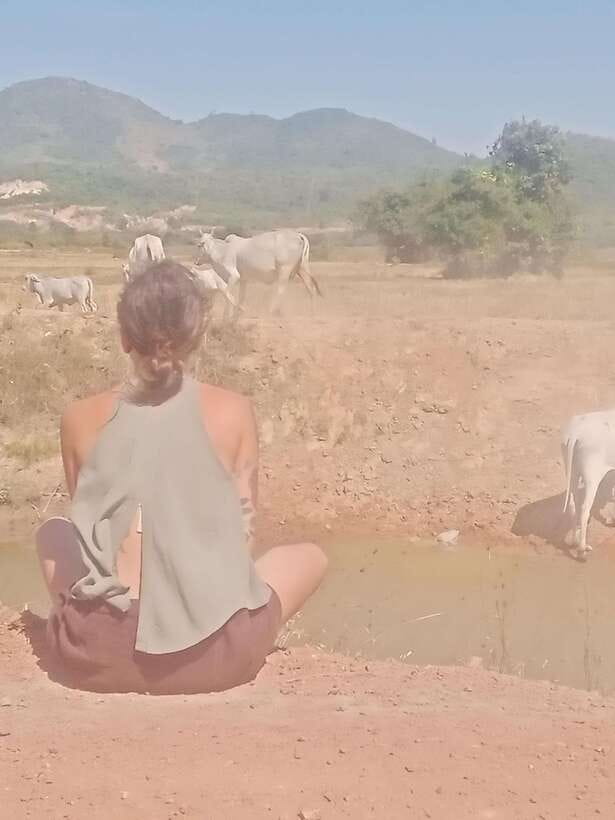
Next up is the Secret Lake, a site with an intense backstory. The tour explains that this lake was made during the Khmer Rouge years, specifically between 1970 and 1975.
This is the kind of stop that gives you more than scenic value. You start to understand how people shaped their environment under pressure, and how “hidden” places weren’t always hidden for comfort—they were hidden for survival, work, and movement.
Just be prepared for the day’s conditions. If you’re going at a time when the area looks quieter or less dramatic, don’t read it as a “bad stop.” Instead, treat it as a history lesson you can stand beside, not a theme-park effect.
Salt fields in Kep: harvesting salt from the sea
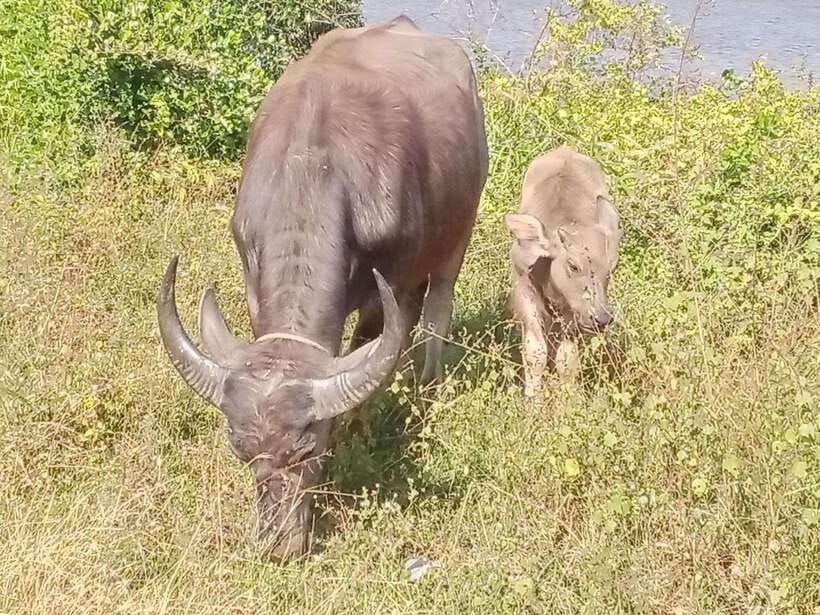
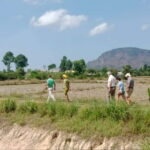
The salt field visit is a strong learning stop, even when the fields don’t look like you expected. You’ll get a guided explanation of how salt harvesting works from the sea, and you’ll walk through the salt-field area.
Now for the reality check: salt fields don’t look impressive every day of the year. If it’s not the right time for active harvesting, you can arrive to fields that look empty or quiet. That’s not your fault, and it doesn’t mean the explanation is pointless—it just means you’re seeing the off-season version.
I suggest you go with two attitudes: (1) watch what’s physical in front of you, and (2) ask the guide how the process looks during peak harvesting. When the guide can explain the cycle clearly, you’ll leave understanding salt production even if the day’s visuals are slow.
If you love learning how everyday work becomes a local product, this is one of the more memorable pieces of the day.
Brateak Krola Spirits and the value of short stops
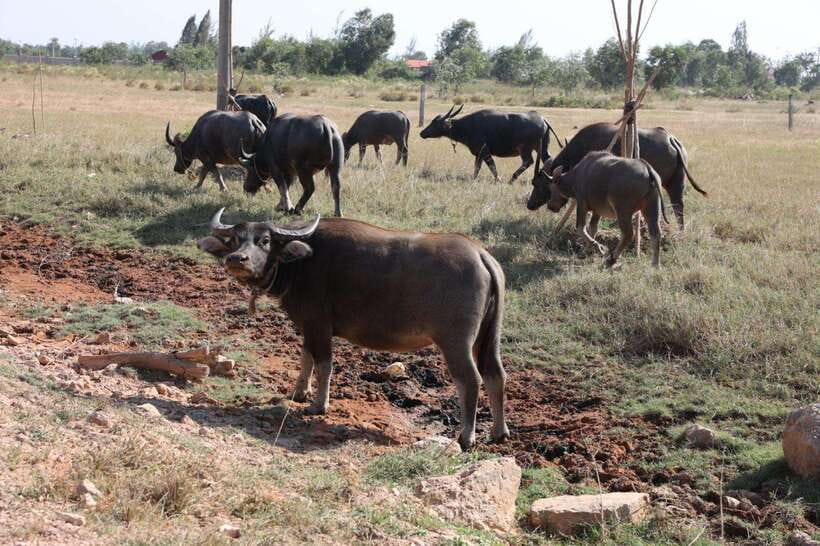
Between the bigger “anchor” attractions, the tour adds smaller cultural stops. One of them is Brateak Krola Spirits, with guided sightseeing and a short walk.
These are the moments that often make a countryside tour feel real. They’re not always the main reason you booked, but they help you understand how locals relate to place—through spirits, small sites, and everyday meaning.
Treat these short stops like seasoning. Give yourself permission to enjoy them without needing them to compete with the cave or pepper farm.
The extra plantation/stop time: photos, breaks, and a slow pace
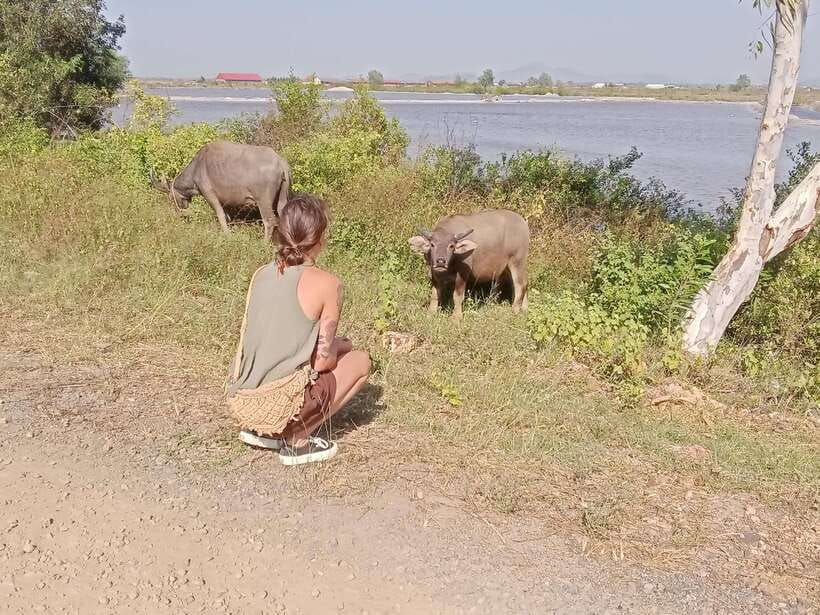
The itinerary also includes a stop tied to 841 Santa Fe Dr, with break time, photo stops, a guided visit, and about a half-hour of walking. In practice, this kind of stop gives you room to breathe, take photos, and reset before the more focused sights.
One of the joys of the pepper-cave-lake-salt pattern is that you don’t spend your whole day in one type of environment. You switch between fields, natural areas, and temple/cultural spaces. That variety is what keeps the 5-hour format feeling manageable.
If you’re traveling with limited energy, the walking portions are short enough to keep things comfortable as long as you wear decent shoes.
Price and logistics: is $29 good value for this Kep day?
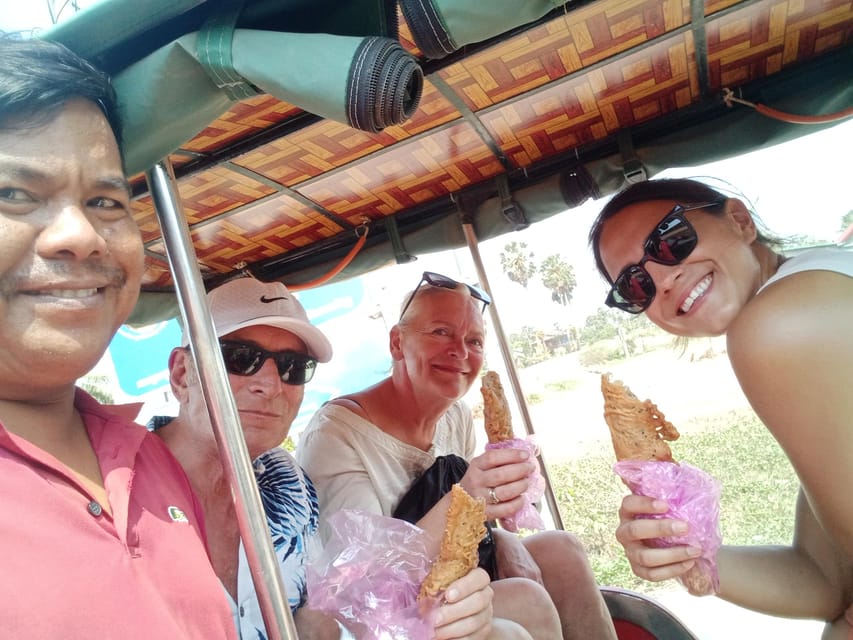
At $29 per person for about 5 hours, this tour can be a strong deal—mainly because several items are bundled. Pickup is included, you get cool water, and entry fees are covered, so you’re not constantly adding costs in your head.
The two things that can change the “all-in” feel are food and pickup distance. Lunch is not included, and there may be an extra $5 charge if you’re staying outside Kampot town, more than 5 km from the Durian roundabout.
Here’s how I think about the value: if you want pepper tasting, a guided cave and lake visit, plus salt-field learning, then $29 is less about the rides and more about the guided access. If you already planned to visit only one or two of these places on your own, the bundle becomes harder to beat.
Also, you’re in a local tuk tuk. That’s part transport, part experience. It keeps the day from feeling like a bus tour, and it helps you see rural roads that you’d skip if you were only doing temples and markets.
Who should book this tour—and who should reconsider
This is a good match if you want a practical, guided day that mixes food learning with cultural sites and rural production. You’ll especially like it if you care about understanding how Kampot pepper and salt are made, not just taking photos.
It’s also a decent option for couples or solo travelers who like asking questions and moving on before the day gets too hot. The day is structured enough that you’re not stuck planning routes across the region.
Should you reconsider if your priority is maximum visual drama every single minute. With caves, a secret-history lake, and salt fields, the visuals can shift with season. On a quiet day, the explanations become even more important than the scenery.
Should you book this Kep countryside & pepper farm tour?
Yes—with the right expectations. Book it if you want a guided route that connects working farmland (pepper), historic places (Phnom Chhngok), and local production (salt). TangGo’s storytelling is a big reason this tour lands well, because you’re not just touring objects—you’re learning how and why they matter.
I’d also book it if you like days that feel lived-in. The tuk tuk pace, the short walks, and the mix of countryside stops make it easy to enjoy without burning the whole day.
The one “maybe” is seasonality. If pepper activity or salt harvesting looks slow on the day you choose, that’s normal. Go anyway, ask good questions, and you’ll still get the learning part that makes the tour worth it.
FAQ
How long is the Kep town local tuk tuk to countryside & pepper farm tour?
The duration is 5 hours.
How much does the tour cost?
The price is $29 per person.
Where can I get picked up?
Pickup is included. You can be picked up from your hotel or guest house, and there are also pickup locations listed around Kep Province, including Magic Crab.
What main attractions are included?
You visit a pepper farm with Kampot pepper tasting and a farm tour, Temple Cave (Phnom Chhngok), the Secret Lake, and the Salt field.
Is lunch included?
No. Lunch is not included.
Is entry included in the price?
Yes. Entry is included.
Is cool water included?
Yes. Cool water is included.
Is there an extra fee depending on where I stay?
There is an extra charge of $5 if you are staying outside Kampot town (more than 5 km from Durian round about).
What languages does the guide/driver speak?
The languages listed are Cambodian and English.
What booking flexibility is offered?
You have free cancellation up to 24 hours in advance for a full refund, and you can reserve now and pay later.
Can you tell me about the walking involved?
The itinerary includes short walks at multiple stops, such as around the plantation and at the salt fields, but the tour is still set up for a 5-hour day trip.