REVIEW · KAMPOT
Kampot: Pepper Farm Tours, Salt, Lake & Phnom Chhngok Temple
Book on GetYourGuide →Operated by Kampotians · Bookable on GetYourGuide
Seven centuries underground in Kampot. This tour strings together organic pepper tasting and a limestone cave temple at Phnom Chhngok, plus salt farms and the Secret Lake. I love the hands-on farm stops, where you actually walk, smell, and taste, not just look. I also like that the day adds a real climbing moment with the 200-step concrete stair to a 7th-century Hindu temple. One drawback: the bat cave portion isn’t allowed in the wet season, and the stair climb is not a good fit if you’re over 70.
The tour runs with an English live guide (French is also offered for some portions), and the route gets better when your guide’s storytelling is clear and relaxed. Guides like Nak, Ali, and Mickey come up often in the experience feedback, with people appreciating their tone, humor, and how they explain what you’re seeing as you go. If you prefer learning in short bursts between photo stops, this works well.
For practical comfort, I’d plan for heat and uneven paths: bring closed-toe shoes and sunscreen. You’ll get drinking water and soft drinks, but meals are not included, so you’ll want to eat before or after. Pickup is included only if you’re within 3 km of Kampot city center, so check your location if you’re staying farther out.
In This Review
- Key Highlights You’ll Care About
- A Smart 5.5-Hour Loop Through Kampot’s Farms and Caves
- Salt Farms and Salt Farm Coffee: Photo Stop with Real Agriculture Context
- Phnom Chhngok Cave Temple: The 200-Step Climb to a 7th-Century Site
- Brateak Krola Secret Lake: A Calm Break from Climbing
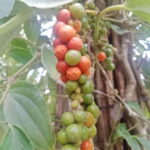
- Organic Pepper Plantation and Tasting at La Plantation
- Transportation, Timing, and What You Should Bring
- Price and Value: Is $23 a Good Deal?
- Who This Tour Fits Best (and Who Should Skip It)
- Should You Book the Kampot Pepper Farm, Salt, Lake, and Phnom Chhngok Tour?
Key Highlights You’ll Care About
- Phnom Chhngok cave temple via a 200-step stair: a physical but manageable route to a 7th-century Hindu site.
- Organic pepper plantation tour + tasting: a guided walk with tasting, plus time to self-explore and shop.
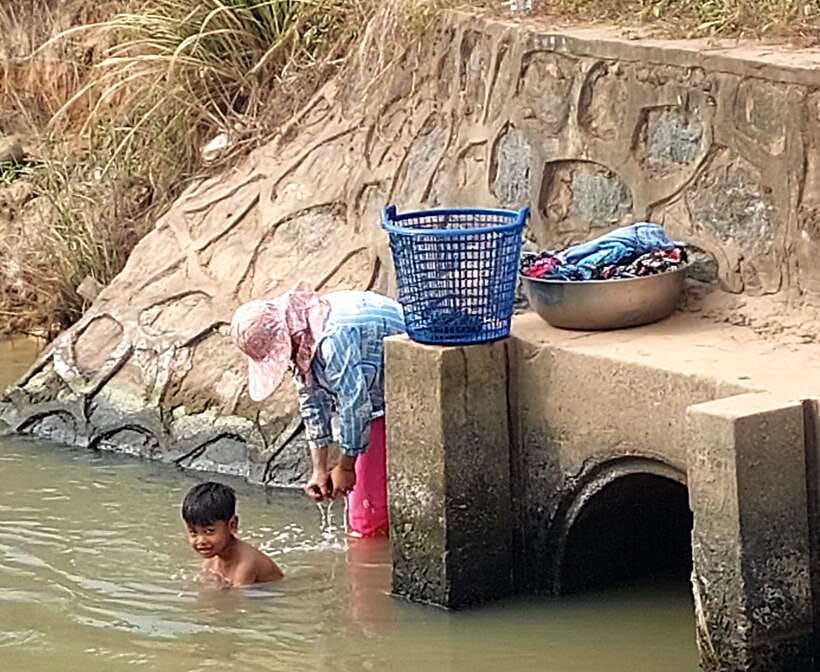
- Salt fields stop at the right time of year: salt may be unavailable in the wet season, but the process story still matters.
- Brateak Krola Secret Lake break: peaceful dam-and-lake scenery with a soft drink included.
- Tuk-tuk touring across rural Kampot: quick transfers between farm, cave, and lake so you don’t fight logistics.
- English-speaking driver-guide support: guides like Nak, Ali, Mickey, and Ly are commonly mentioned for clear explanations and friendly pacing.
A Smart 5.5-Hour Loop Through Kampot’s Farms and Caves
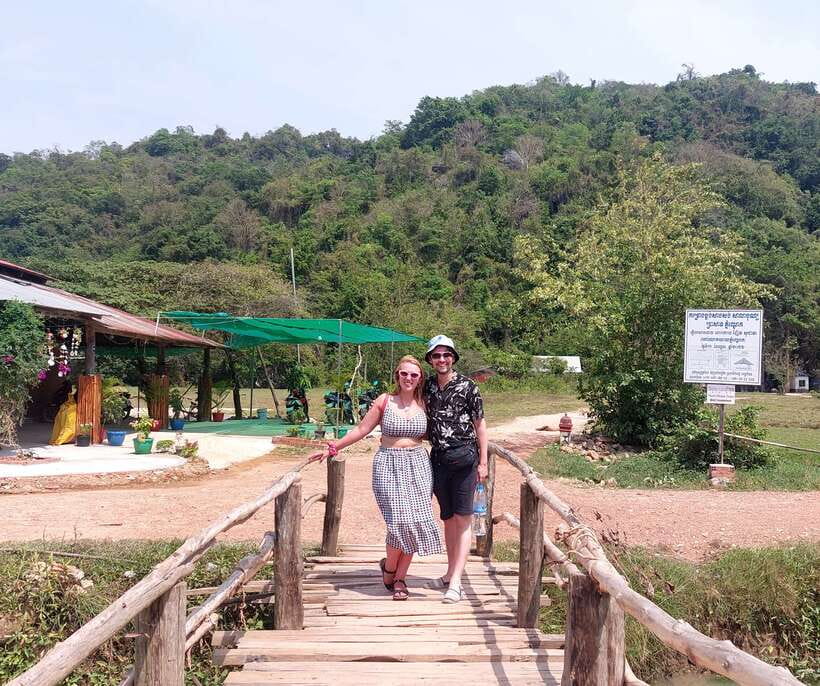
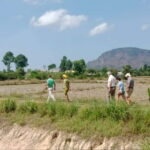
This is the kind of Kampot tour that makes sense for a half-day slot. At 5.5 hours, you get a packed set of highlights without feeling like you’re trapped in a full-day schedule. The route is built around countryside agriculture—rice fields, vegetable farms, and working plantations—so you’re not just sightseeing the town.
What you’ll like most is the balance: you’ll move from open rural fields into the cool interior of a limestone cave, then back out to a scenic lake-dam area, and finally end on something sensory at the pepper plantation. If you care about how Kampot food products are made—salt and pepper—this format is efficient.
One reason it tends to work so well is that the stops are designed for short attention spans: you’ll have photo stops, guided parts, and breaks, all within a smooth circuit. It’s also helpful that transport is rated highly, with many people scoring the transport experience at the top mark.
You can also read our reviews of more tours and experiences in Kampot
Salt Farms and Salt Farm Coffee: Photo Stop with Real Agriculture Context
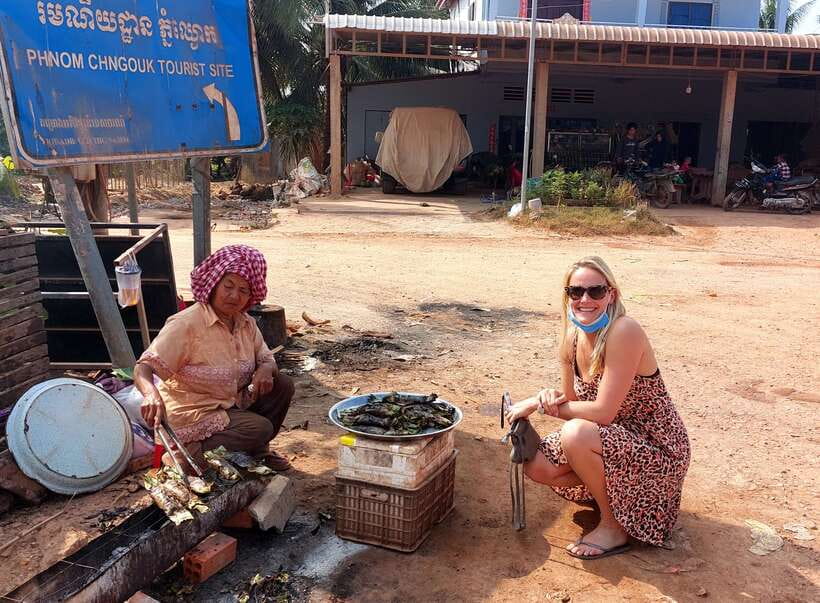
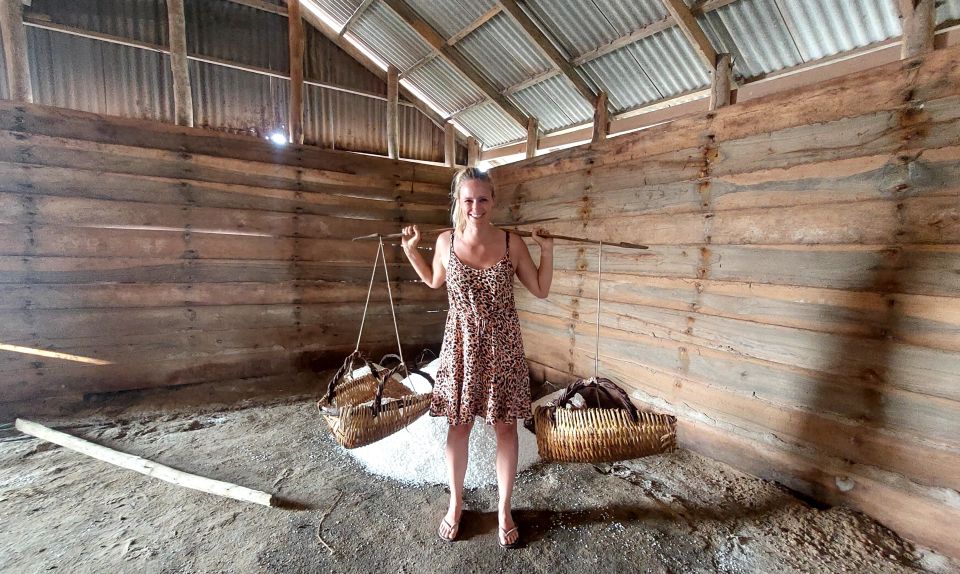
The day starts with pickup in Kampot, then a quick tuk-tuk ride to the first stop: Salt Farm Coffee (ស្រែអំបិល កាហ្វេ). Expect a break time that includes photos and a visit, plus a guided angle on what salt farming looks like in this region.
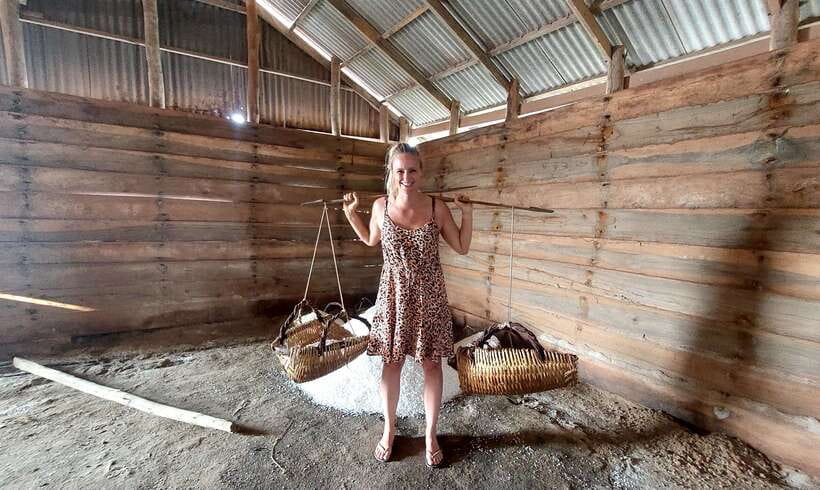
This stop matters because salt production is seasonal. The tour info is clear that there is no salt in the wet season, so if you’re traveling during rain-heavy months you won’t see the bright, salt-covered look you might have seen in older photos online. Still, you can learn how the system works and how timing affects the harvest, and that context makes the rest of the countryside feel more connected.
You’ll likely also appreciate that this stop is more than a single viewpoint. It’s paired with the salt-farming theme, so you’re learning while you’re standing there—rather than just taking pictures and leaving.
Practical tip: bring sunscreen here. Early countryside light can be strong, and you won’t have much shelter at every angle you’ll want to photograph.
Phnom Chhngok Cave Temple: The 200-Step Climb to a 7th-Century Site
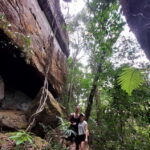
The most dramatic stop is Phnom Chhngok Cave, reached after a transfer by tuk-tuk. The tour time at the cave is about 45 minutes, and it includes a “break/photo/visit” flow plus guided time.
Here’s the big detail you should plan around: you hike up a 200-step concrete stair to reach the temple area. The stair is the real commitment of the tour. It’s concrete, so it’s not slippery in the same way as loose stone, but it’s still a lot of vertical movement for a short half-day.
Once inside, you’ll see a temple connected to the 7th-century Hindu tradition. That’s one of the reasons this stop pulls serious attention: you’re not just walking through a cave. You’re moving toward an ancient religious site that’s integrated into the limestone setting.
There’s also a bat cave element, but with a clear seasonal rule. The bat cave is not allowed in the wet season, so depending on when you go, your cave time may feel more temple-focused than wildlife-focused. If you’re visiting during wet months, don’t build your expectations around seeing bats—build them around the climb and the temple inside the cave.
Practical tip: closed-toe shoes matter even more here. The floor can be uneven, and you’ll want grip and ankle support. Also, if you’re traveling with someone who’s over 70, the tour isn’t considered suitable.
Brateak Krola Secret Lake: A Calm Break from Climbing
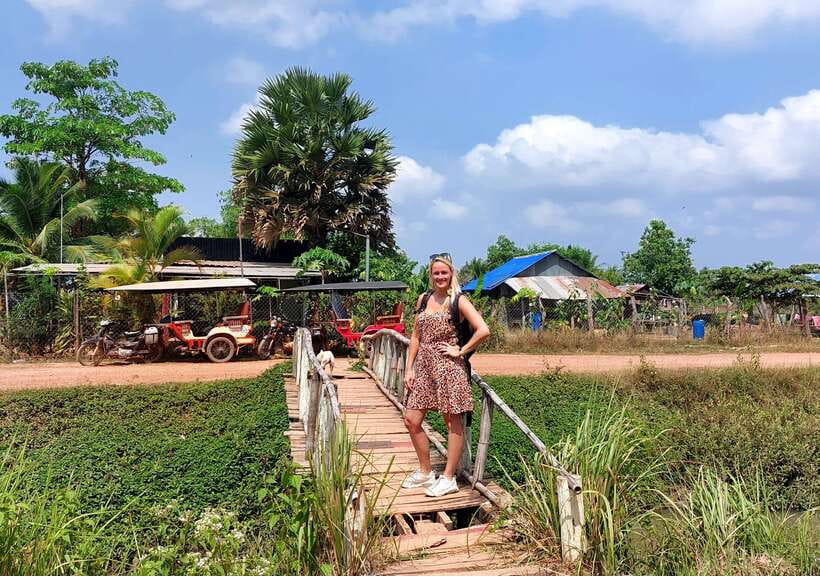
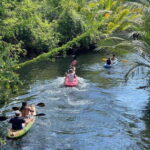
After the cave, you’ll take another short tuk-tuk ride to Brateak Krola, also known as the Secret Lake. This is a story stop as much as a scenery stop. The area is described as a water dam with a local tale behind it, and the greenery around the water makes it feel like a breather.
Your time here is about 45 minutes, including photo stops, guided explanation, and a relaxed walk. The tour also includes a soft drink, which sounds small until you realize how much you’ll appreciate it after the stairs.
This stop is valuable because it changes the pace. You go from enclosed cave air and uphill effort into open views and gentle wandering. If you’re the kind of traveler who needs a mental reset mid-tour, this is where you get it.
Practical tip: wear breathable clothes. Even on cooler days, this part often feels warmer because you’re outside longer and stopping for photos in the open.
Organic Pepper Plantation and Tasting at La Plantation
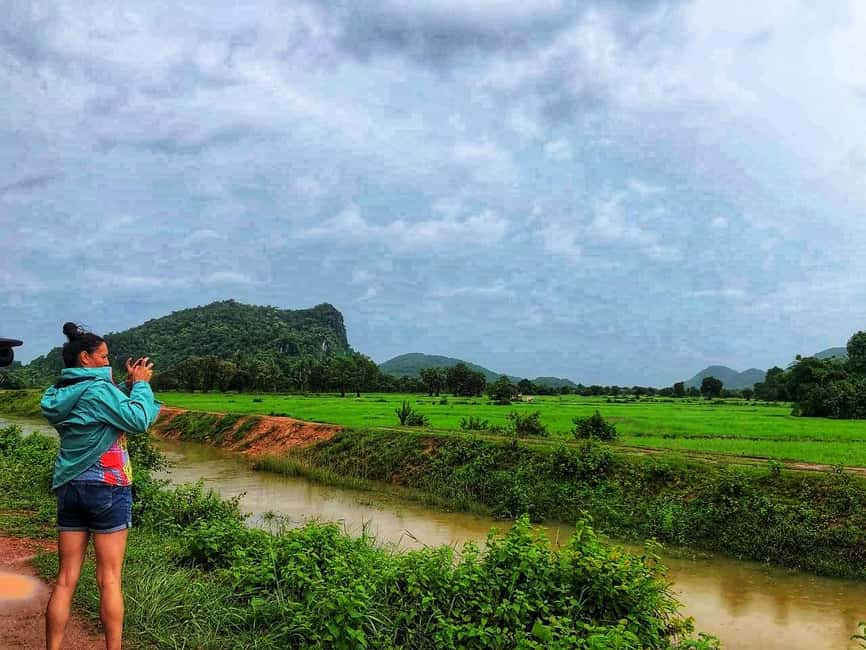
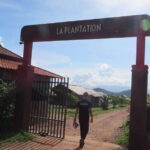
The final major stop is La Plantation, where you’ll visit an organic pepper farm. This is where you get the most sensory payoff, because pepper isn’t just a crop—it’s the product that turns into the flavor people come to Kampot for.
Your time here is around 105 minutes, which is long enough to do it properly: you’ll get a guided walking tour, tasting, and time for self-explore. The tour info also says the plantation provides guided support for English or French, which can help if you’re traveling with someone who prefers a different language.
Pepper tasting is the headline activity. You should expect to sample pepper and learn the basics of how it’s grown and processed. One experience detail that shows up repeatedly is that the tasting can be more fun than you expect—people mention trying treats like ice cream with pepper, which turns a “serious farm lesson” into something you actually look forward to.
There’s also shopping time. Since it’s part of the farm visit, shopping feels less like a tourist trap and more like buying from the source after you’ve seen the real plant and process. If you like bringing home edible souvenirs that taste connected to where they came from, this is a good place to do it.
Practical tip: this stop can involve walking around the plantation, so keep your shoes comfortable. You’ll probably be glad you didn’t choose sandals.
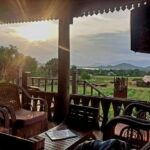
Transportation, Timing, and What You Should Bring
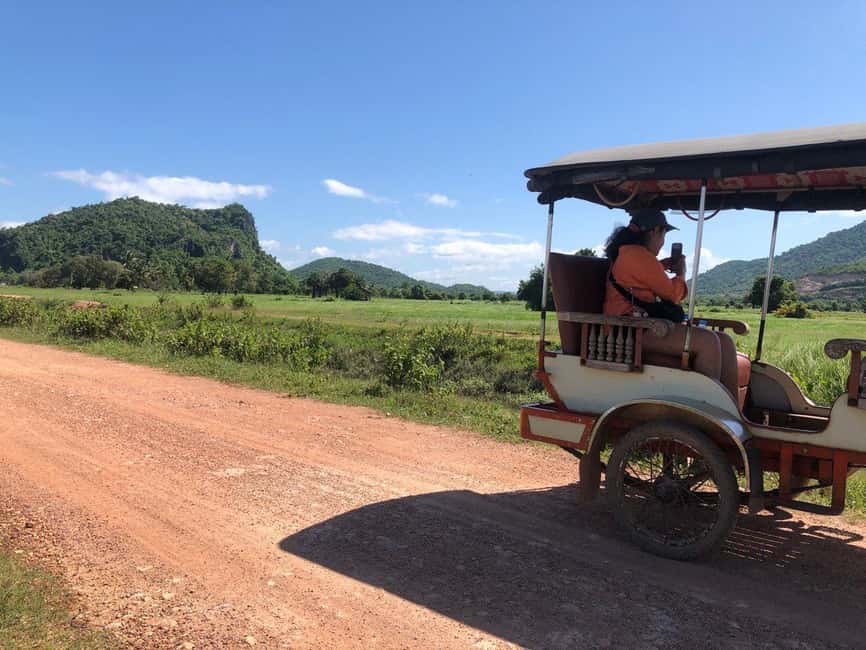
The day runs as a tuk-tuk circuit with short rides between stops. That matters more than it sounds. In rural areas, transfers can eat up time if you’re doing it solo. Here, the transport is part of the experience, and the route planning helps you fit cave + lake + farms into one afternoon.
Your tour includes:
- Hotel pickup and drop-off only if you’re within 3 km of Kampot city center
- A driver-guide
- Entrance fees
- Drinking water and soft drinks
Your tour does not include meals, so plan for eating before pickup or after you return.
What to bring is straightforward:
- Sunscreen
- Closed-toe shoes
What’s not allowed:
- Baby strollers / baby carriages
- Alcohol and drugs
One more practical point: guides don’t wait long for late arrivals. You should plan to be ready at the hotel lobby about 10 minutes early. If your hotel is outside the pickup radius, you may need to use a meeting point like the Kampot Tourist information center or pay an extra pickup charge.
Good to know for planning: the experience is live-guided in English, and some farm components are available in English or French. If you care about language, check what’s offered when you book.
Price and Value: Is $23 a Good Deal?
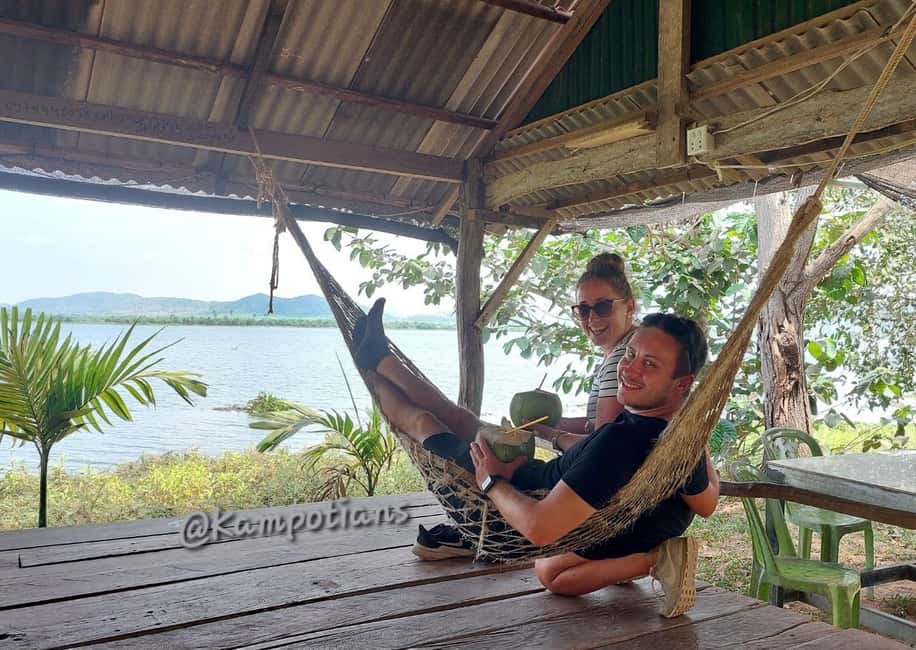
At $23 per person for about 5.5 hours, the value is strong because you’re paying for more than just “transport to attractions.”
Here’s what you get in the base price:
- Transport via tuk-tuk across multiple rural stops
- A driver-guide
- Entrance fees
- Drinking water and soft drinks
- Pickup/drop-off for hotels within a limited radius
The biggest thing that keeps the cost down is that it’s one organized route. You’re not paying separate entry fees, hiring separate drivers, or figuring out seasonal access by yourself. The cave and pepper plantation alone usually cost more when arranged independently, and this tour bundles everything into a single afternoon.
The main trade-off is that meals aren’t included. If you’re hungry during the middle of the day, you’ll need to budget for food on your own. If you’re planning a Cambodia adventure, that’s easy—you just eat before the tour and grab something afterward.
Overall: if you want countryside agriculture plus a cave temple stop without spending hours coordinating, this price feels fair and practical.
Who This Tour Fits Best (and Who Should Skip It)
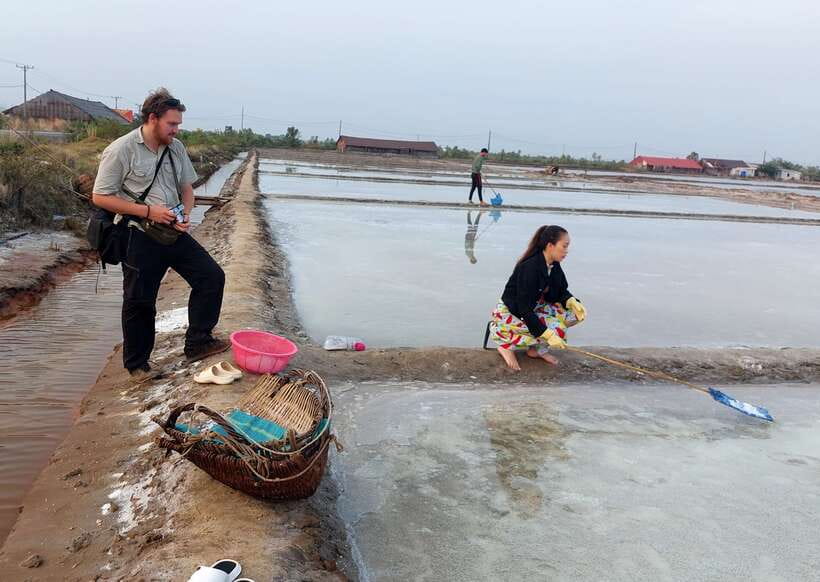
This tour is ideal if you:
- Want a countryside-focused Kampot experience with pepper and salt production
- Like photos, but also want guidance so you know what you’re looking at
- Prefer a route that mixes active movement (the cave stair climb) with calmer breaks (Secret Lake)
- Like small-course learning: brief explanations at multiple stops rather than one long lecture
It’s not ideal if you:
- Are older than about 70, since the tour notes it isn’t suitable
- Have trouble climbing lots of steps quickly (the 200-step stair is the key challenge)
- Need a stroller-friendly setup, since strollers/baby carriages aren’t allowed
If you’re traveling solo or prefer a more personal day, keep an open mind: the experience can run as a small group. When group size is small, the day often feels less rushed and more conversational with your guide.
Should You Book the Kampot Pepper Farm, Salt, Lake, and Phnom Chhngok Tour?
I’d book this tour if you want an easy win: a single half-day that covers salt farms, Phnom Chhngok cave temple, the Secret Lake, and an organic pepper plantation with tasting. The $23 price works because entrance fees and guide time are included, and because the route is built to keep you moving without logistical stress.
I’d think twice if you’re not comfortable with the cave climb or you’re traveling in a wet season and were hoping for bat-cave access. In wet months, your cave experience may be more temple-centered than wildlife-centered, which is still meaningful, just different.
Final call: if you’re the type who likes learning while walking—especially around Kampot’s pepper and salt—this is one of the most efficient ways to spend your time outside the city.