REVIEW · KAMPOT
Kampot Pepper Farm, Salt Fields, Crab Market from Phnom Penh
Book on GetYourGuide →Operated by Simon Cambodia Trip · Bookable on GetYourGuide
Salt and pepper day, not just a drive and back. This trip strings together Kampot’s salt fields and Phnom Chhngok Cave, then adds food stops built around Kampot pepper and fresh seafood. You get a full taste of south Cambodia in one long day, with hotel pickup and air-conditioned transport.
What I like most is the way the day mixes hands-on scenery with real lessons—especially the salt harvesting setup and how Kampot pepper is grown at La Plantation. One drawback to consider: there’s a moderate amount of walking, and it’s not suitable for wheelchair users or people with back problems.
In This Review
- Key highlights you’ll actually care about
- Phnom Penh to Kampot and Kep: the “why this loop works” part
- Kampot town time: colonial streets and river views without stress
- The salt fields and Phnom Chhngok Cave: a science-and-trade combo
- Kampot salt fields: how the shallow ponds work
- Phnom Chhngok Cave: limestone formations with context
- La Plantation organic pepper farm: learning what Kampot pepper actually means
- Kep Beach Crab Market lunch: seafood, pay attention, then relax
- The guides and comfort factor that show up in real reviews
- What to bring, what to watch, and who should choose this
- Price and value: what $87 covers (and what it doesn’t)
- Should you book this Kampot pepper, salt fields, and Kep crab market day trip?
- FAQ
- Where does the tour start and end?
- How long is the tour?
- How far is Phnom Penh from Kampot, and how long does the drive take?
- What’s included in the price?
- Are meals included?
- Will there be an English-speaking guide?
- Is free cancellation available?
- Can I reserve now and pay later?
- What should I bring with me?
- Is this tour wheelchair-friendly?
Key highlights you’ll actually care about
- Salt fields that show traditional harvesting in action, with shallow-pond methods using seawater you can see up close
- Phnom Chhngok Cave nearby, known for limestone formations and historical importance
- La Plantation organic pepper farm visit, with an English or French guide at the farm
- Lunch at Kep Beach Crab Market, with fresh seafood as the main event
- English-speaking driver + skip-the-ticket-line convenience, so you spend less time waiting
Phnom Penh to Kampot and Kep: the “why this loop works” part
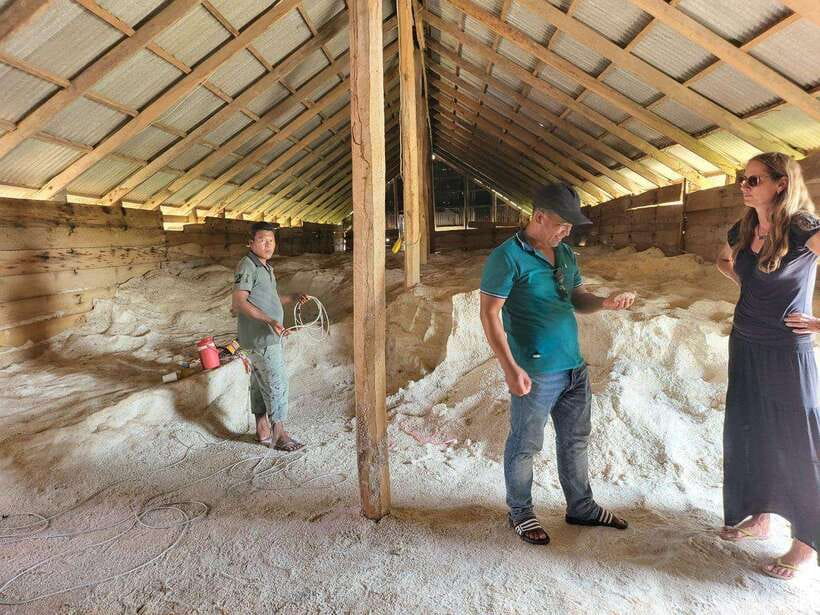
This is one of those day trips where the route makes sense. You’re in Phnom Penh, but you’re spending the day out in the calmer south, where Kampot gives you river town strolling and Kep gives you seafood lunch energy. The value is in the mix: geology (Phnom Chhngok Cave), farm knowledge (Kampot pepper), and the salt-field system that built an entire local economy.
Logistics are straightforward. You’re picked up from your Phnom Penh hotel, and you’ll be back there at the end of the day. The distance between Phnom Penh and Kampot is about 150 km, usually around 2.5 to 4 hours depending on traffic and the transport mode. Air-conditioning helps a lot on Cambodian road days, and water is included.
Price-wise, the $87 per person tag feels fair because you’re not just buying a seat. You’re also getting hotel pickup/drop-off, air-conditioned transport, entrance fees, and water. Meals are not included, so you’ll want to budget for lunch when you hit the crab market, but everything else is handled.
Two small rules matter because they shape the day: no smoking, and no eating or drinking during the bus ride. That keeps things clean and keeps the ride more manageable if you’re trying to stay comfortable.
You can also read our reviews of more shopping tours in Kampot
Kampot town time: colonial streets and river views without stress
Most people come to Kampot for the countryside. I get that. But taking a little town time is smart, because it frames everything you’ll see later. Kampot is known for its preserved colonial architecture, with French-era buildings and older wooden houses that give the town a distinct look. Even if you’re not a photo person, walking a few blocks helps you understand the place.
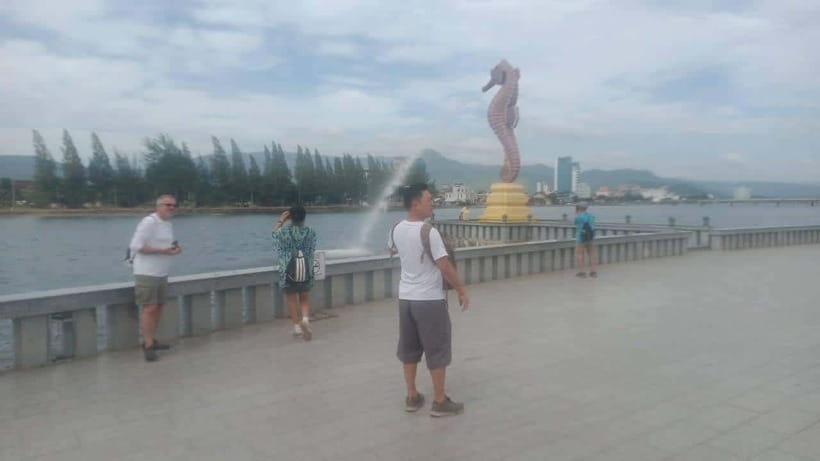
You’ll also get a riverside promenade moment—ideal for grabbing views of the Kampot River and the surrounding mountains. It’s the kind of pause that makes the salt fields and cave feel like a natural next step, not just another stop on a list.
Practical tip: wear comfortable shoes. Even if it’s not a long walk, you’ll be on foot enough that uncomfortable footwear turns a pleasant stroll into a chore. The day runs hot more often than cool, so a hat and sunscreen are genuinely worth it.
The salt fields and Phnom Chhngok Cave: a science-and-trade combo
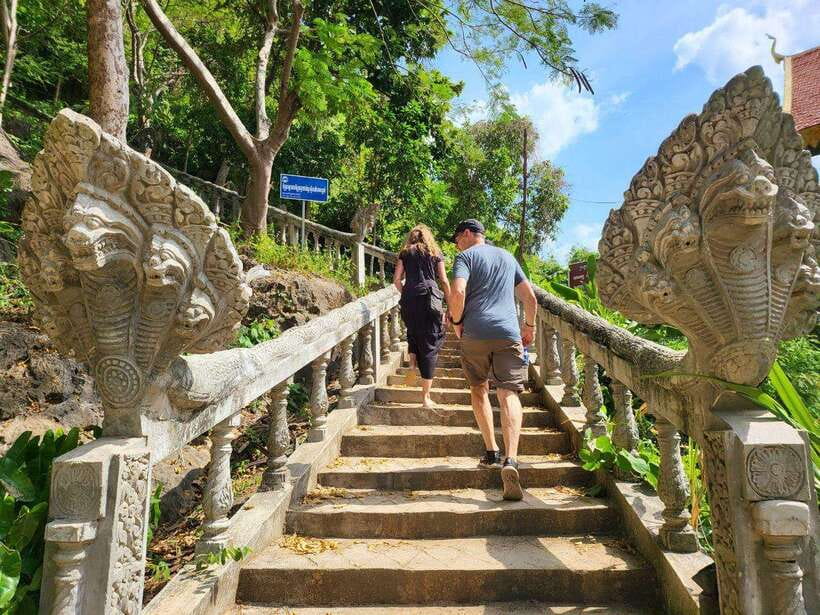
This is the heart of the trip for me. You’re not just looking at scenery—you’re seeing how local work shapes the landscape.
Kampot salt fields: how the shallow ponds work
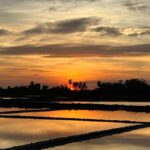
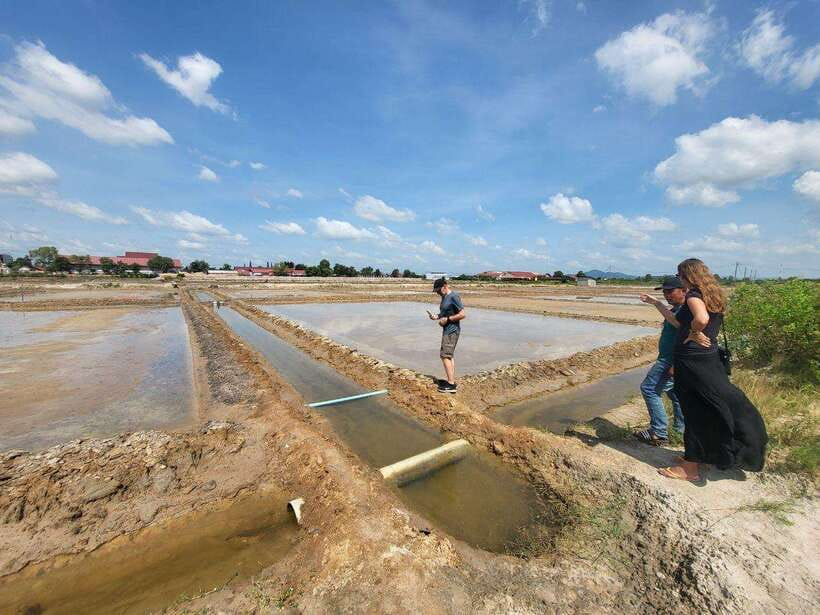
The Kampot salt fields are famous for their traditional salt harvesting methods, practiced for generations. The core idea is seawater, carefully handled in shallow ponds. You can see how water management matters: it’s not a single step; it’s a process that depends on conditions and timing.
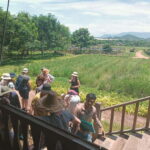
This part of the day feels grounded because it’s visual. You can stand where the ponds are and understand why salt farming needs flat, controlled ground. You’ll come away with a clearer mental picture of why the coast, the river, and local labor all connect here.
Phnom Chhngok Cave: limestone formations with context
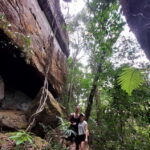
Phnom Chhngok Cave sits close to the salt fields area, so it fits nicely into the same half-day stretch. It’s known for limestone formations—natural shapes that make caves feel like a different planet when the light hits them. The cave also has historical importance, which gives the stop more meaning than just photos.
What to watch for: caves mean uneven ground and a bit of walking over surfaces that can be less predictable than a sidewalk. Your best protection is simple—good shoes, steady steps, and taking your time. If you have any mobility limits, this is one of the reasons the tour notes moderate walking and doesn’t recommend it for back problems.

La Plantation organic pepper farm: learning what Kampot pepper actually means
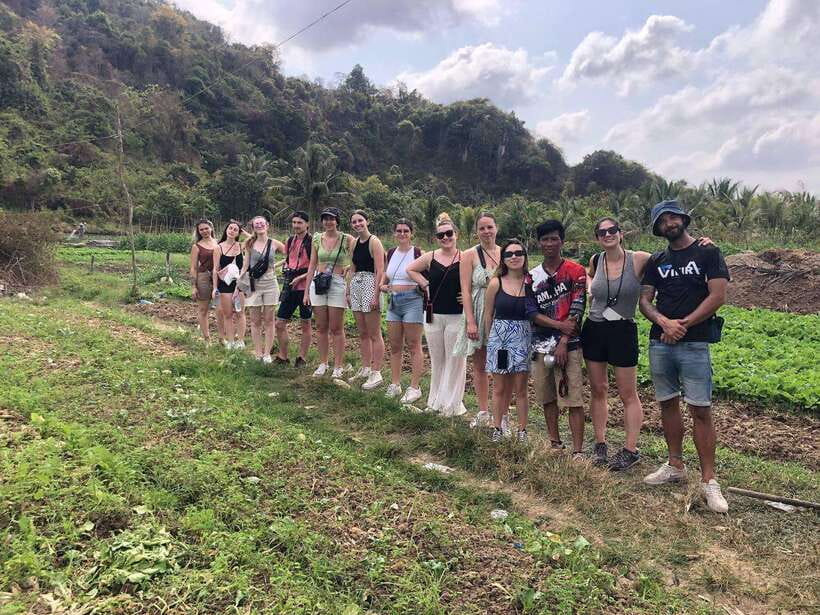
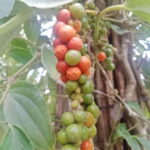
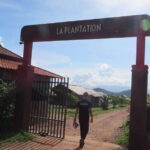
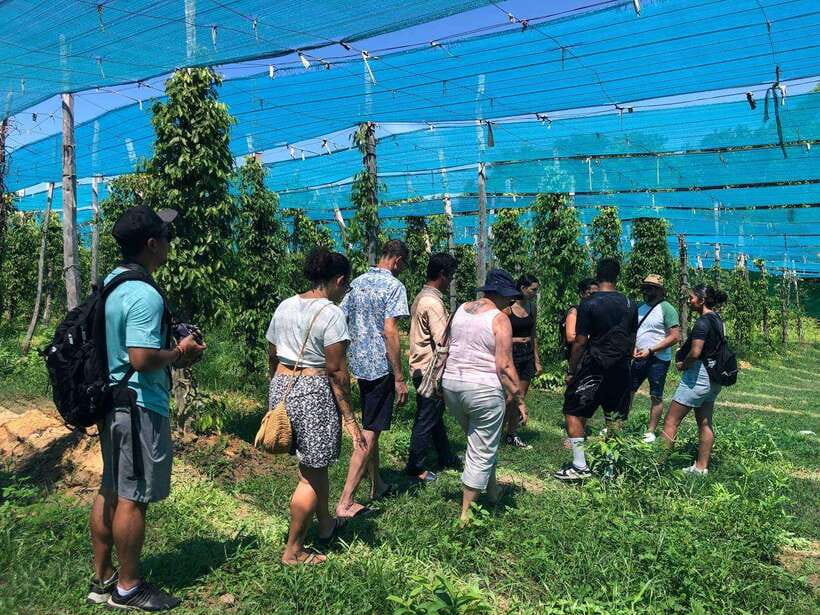
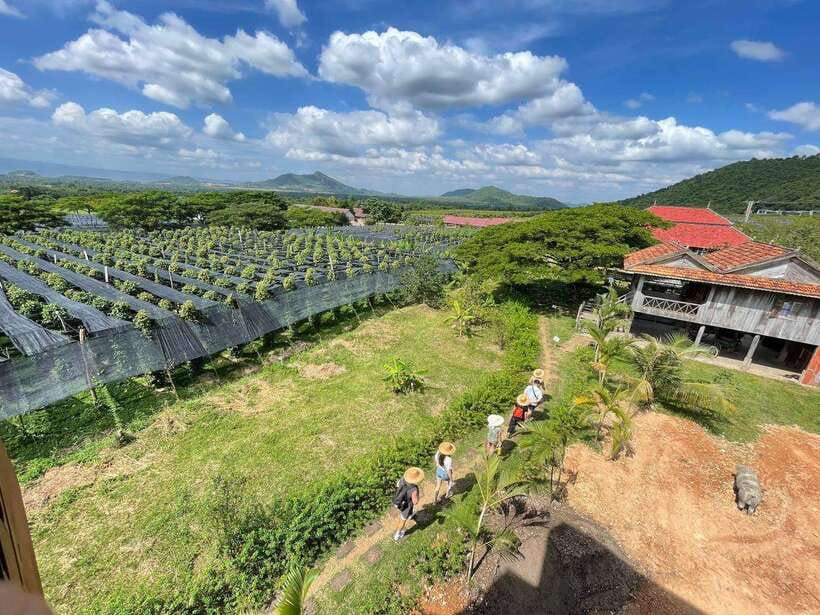
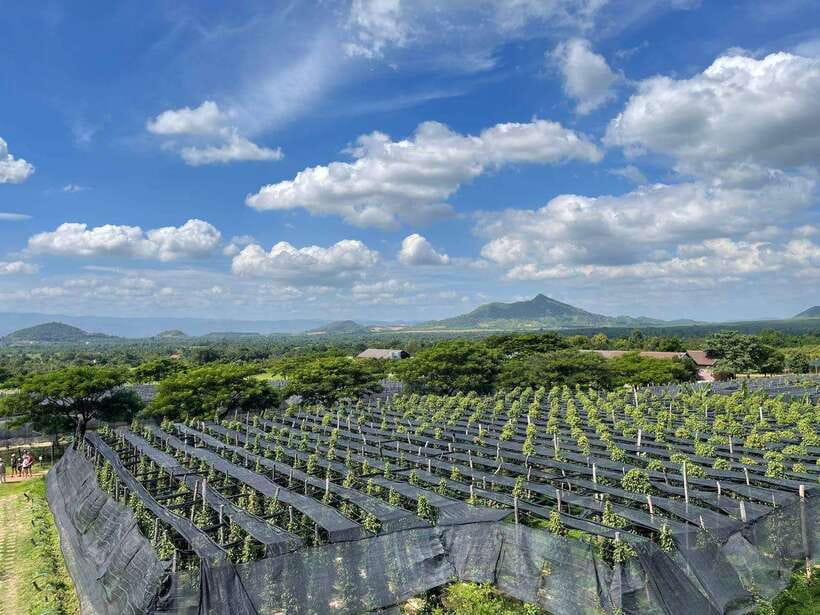
If you’re a pepper person, this stop is the payoff. Kampot pepper is famous, but farm time is where the reputation becomes real. At La Plantation, you’ll visit an organic pepper farm and learn how Kampot pepper is produced.
You’ll also have a formal English or French guide at La Plantation (this is the one spot where the guide is specifically called out in the tour setup). That matters because pepper farming isn’t just “see plants.” It involves growing choices, maintenance, and harvest handling, and a guide helps you connect the dots fast.
And yes, pepper has a smell. Even if you don’t taste-test (not every farm day is a full tasting), you’ll still get that immediate, earthy, peppery atmosphere that makes the whole subject feel more tangible than a product label.
This is also where I think the tour offers good value for people who like food but hate tourist fluff. You’re not only buying lunch. You’re learning the ingredient behind the region’s story.
Kep Beach Crab Market lunch: seafood, pay attention, then relax
After the salt-and-cave part of the day, lunch is more than a break. It’s where the south coast’s food culture takes over.
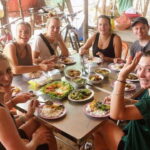
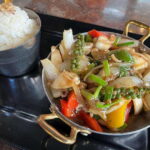
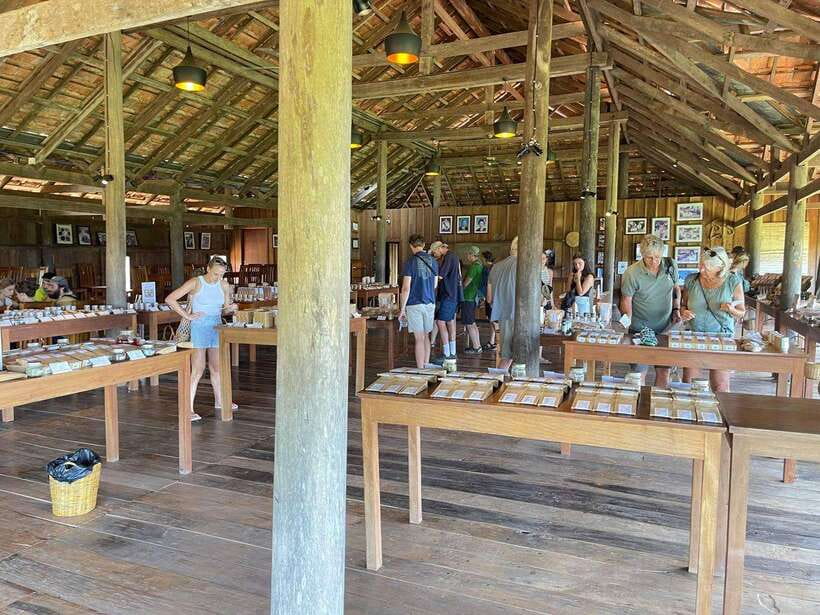
You’ll enjoy lunch at Kep Beach Crab Market, and seafood is the focus. Fresh, local-style meals are the point, and the market setting makes it feel like a real local stop rather than a restaurant with a menu that could be anywhere.
Meals aren’t included, so you’ll handle the cost of your lunch directly. That’s not a flaw—it’s actually helpful, because it gives you control. You can keep it simple or go more seafood-focused depending on what you want to spend.
Quick strategy: if you’re with others, decide your general crab/seafood direction early. Markets can move quickly, and waiting until you’re hungry often makes you order in a hurry. Also, plan to enjoy the meal rather than rushing through it. The day is long, and lunch is your reset button.
The guides and comfort factor that show up in real reviews
The transport quality is rated highly, with a strong score from most people who reviewed the trip. You’ll be traveling in an air-conditioned vehicle and relying on an English-speaking driver, which smooths out the day. When things run behind schedule (it happens), a good driver helps keep you calm and informed.
On the guide side, the pepper farm experience is supported by a guide in English or French at La Plantation. One guide name that comes up is Mr. Vann, described as excellent and friendly. Another name you might see is Simon, who reportedly used the time well and didn’t just recite facts—he shared more about life and history in Cambodia while organizing the schedule. If you like guides who talk like humans (not like a script), that’s a good sign.
Also: the tour includes the entrance fee(s) and skips waiting at ticket lines. That small time-saver matters on a day trip. It gives you more daylight for the places that need it—salt fields, cave walking, and farm time.
What to bring, what to watch, and who should choose this
This tour is best if you want variety in one day: river-town stroll, salt farming landscape, a cave visit, pepper farm learning, and seafood lunch.
Bring:
- Comfortable shoes (you’ll be walking at least moderately)
- Hat + sunscreen (sun hits hard out there)
- Camera (salt fields, cave formations, and river views are photo-friendly)
- Water (water is included, but having your own bottle for sipping is smart)
Watch-outs:
- The tour is not suitable for wheelchair users.
- It’s not recommended for people with back problems due to walking.
Also note the bus rules: no smoking, and no eating or drinking during the ride. That’s normal for longer day trips, but it’s useful to know ahead of time so you don’t feel annoyed later.
If you’re the kind of traveler who loves food learning and wants to skip the headache of arranging separate transport to Kampot, salt fields, Kep, and the pepper farm yourself, this is a strong match. If you want a slow, lazy day with minimal walking, you might feel rushed—this is a full loop.
Price and value: what $87 covers (and what it doesn’t)
Let’s talk value plainly. You pay $87 per person for:
- air-conditioned transportation
- an English-speaking driver
- entrance fees
- water
- hotel pickup and drop-off in Phnom Penh
- a pepper-farm guide at La Plantation (English or French)
What you pay separately:
- meals (including breakfast, lunch, and dinner)
- personal expenses
If you tried to DIY this day, you’d likely spend money on transport and entrance fees, and you’d lose the time advantage of skip-the-ticket-line convenience. You’d also still have the logistics headache: how to sequence Kampot town, the salt fields and cave, La Plantation, and the Kep crab market in one day without ending up stuck in traffic or missing a stop.
So the cost makes sense when you compare it to the time you save and the structure you get.
Should you book this Kampot pepper, salt fields, and Kep crab market day trip?
Book it if:
- you want an efficient day trip from Phnom Penh that covers Kampot salt fields, Phnom Chhngok Cave, La Plantation pepper farm, and Kep Beach Crab Market
- you like guided learning where it counts (especially at the pepper farm)
- you’re comfortable with moderate walking and the heat
Skip it (or choose a lighter alternative) if:
- you have back issues or mobility limits that make uneven ground or cave walking tough
- you want a short, low-effort day with minimal walking
If you’re torn, use this simple test: do you want one day that teaches you how Kampot’s salt and pepper work, then rewards you with seafood lunch? If yes, this tour fits that exact craving—and you’ll come away with a lot more than just photos.
FAQ
Where does the tour start and end?
You’ll be picked up at your hotel in Phnom Penh and the tour also returns you back to Phnom Penh.
How long is the tour?
The total duration is 11 hours.
How far is Phnom Penh from Kampot, and how long does the drive take?
The distance is about 150 km, and the drive typically takes around 2.5 to 4 hours depending on the mode of transportation and traffic.
What’s included in the price?
The price includes air-conditioned transportation, an English speaking driver, entrance fee(s), water, and hotel pickup and drop-off in Phnom Penh.
Are meals included?
No. Breakfast, lunch, and dinner are not included. Lunch at the Kep Beach Crab Market is part of the experience, but you’ll still need to pay for meals separately.
Will there be an English-speaking guide?
You’ll have an English speaking driver for the day, and the tour guide at La Plantation (pepper farm) is available in English or French.
Is free cancellation available?
Yes. You can cancel up to 24 hours in advance for a full refund.
Can I reserve now and pay later?
Yes. There’s a reserve now & pay later option, with payment not required right away.
What should I bring with me?
Bring comfortable shoes, a hat, a camera, sunscreen, and water.
Is this tour wheelchair-friendly?
No. It’s not suitable for wheelchair users, and it’s also not recommended for people with back problems.