REVIEW · KAMPOT
Kampot Countryside include Pepper farm, Salt field & Lake
Book on GetYourGuide →Operated by Peppercorn Tuktuk Kampot · Bookable on GetYourGuide
A salt sunset and pepper tasting in one trip. This guided Kampot countryside loop mixes working fields, local food flavors, and a sobering stop at Brateak Krola, with English help from guides like Phalla and Lee.
I especially love the way the salt fields and lake history get explained in plain, human terms, and how the pepper plantation visit turns into a hands-on tasting session with testing. The only real catch: depending on the time of year, the salt fields can look more like mud flats than photogenic salt pans.
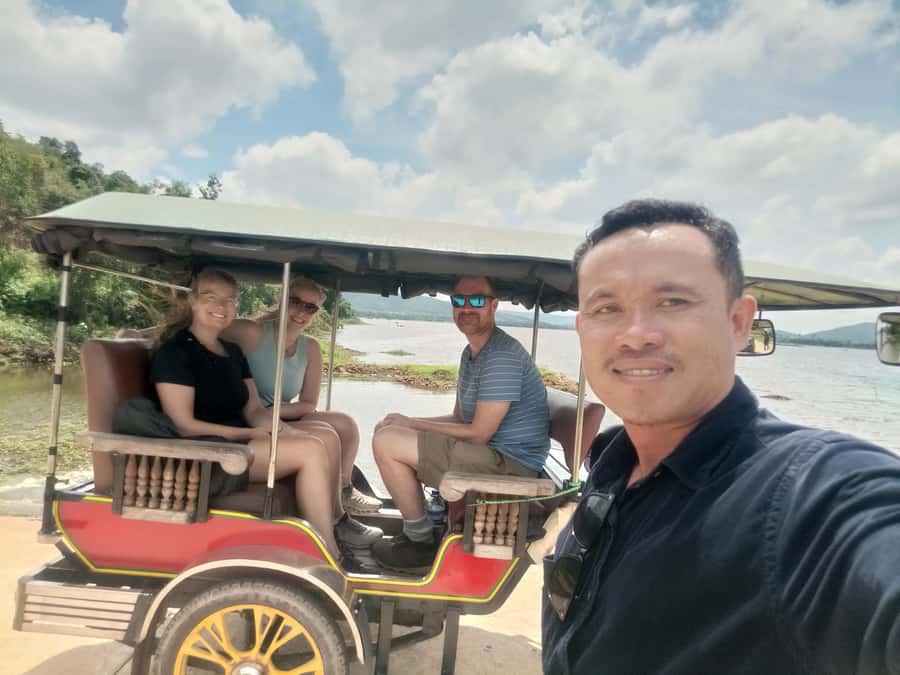
You’ll ride out of town in a tuk-tuk, hop between stops, and get back in time for your evening plans. The small group size (up to 8) helps you ask questions without feeling rushed, and many guides keep the pace relaxed while still hitting the good light—especially on the 2:30pm option. Just be ready for bumpy roads and dust on some stretches.
In This Review
- Key things I’d underline before you go
- Your half-day Kampot countryside route: what you’ll actually see
- Getting to the salt fields: photos, factory-style learning, and the real work
- Brateak Krola: a man-made lake with heavy history
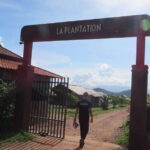
- La Plantation pepper farm: the free tasting part you’ll actually remember
- Tuk-tuk pace and timing: how the 9:30am vs 2:30pm choices feel
- Price and value: why $16 for 4 hours can actually make sense
- Who this tour fits best (and who should skip it)
- Small group perks: why up to 8 people matters
- What to do before and after the tour
- Should you book Kampot Countryside (Pepper farm, Salt field & Lake)?
- FAQ
- What does the tour cost?
- How long is the Kampot countryside tour?
- What times does the tour run?
- What’s included in the price?
- Is food included?
- Do I get picked up from my hotel?
- Is there an extra charge for pickup?
- Is the tour guide in English?
- Is there a refund if I cancel?
Key things I’d underline before you go
- Two departures (9:30am and 2:30pm) so you can match the trip to your schedule and get sunset light at the salt fields
- Brateak Krola history: a man-made lake built by Khmer Rouge slave labor, explained with care
- Salt production visit with a guided factory-style stop and photo breaks around the fields
- Pepper tour + tasting is included, and it’s a fun way to learn what makes Kampot pepper different
- Small group, English guide with an emphasis on conversation and practical info
- Water included, but food isn’t, so you may want to plan a snack or a post-tour meal
Your half-day Kampot countryside route: what you’ll actually see
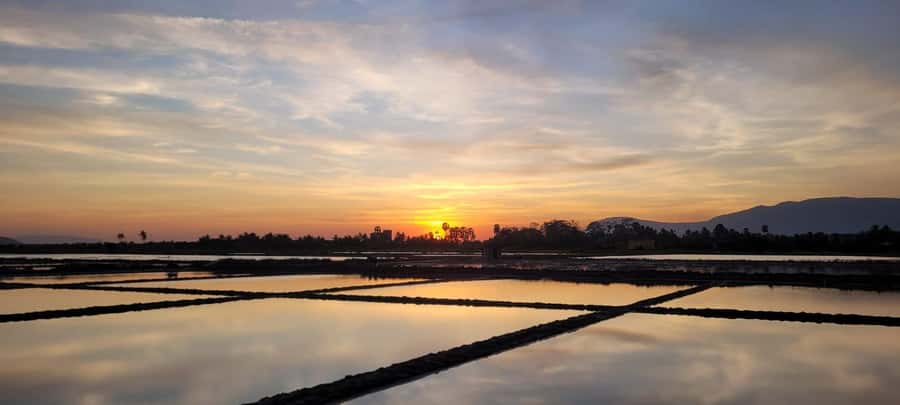
This is a 4-hour, small-group tuk-tuk tour from Kampot Province that’s built for people who want more than temples and rivers in town. You’ll start with pick-up options around Kampot (often from Opposite Epic Art Cafe, and sometimes direct from your hotel/restaurant in town). Then you’ll head out to three main stops: salt production areas, Brateak Krola, and a Kampot pepper plantation called La Plantation.
The vibe is easygoing. You’re not doing a hard hike. You’re driving local roads, getting photo pauses, and hearing explanations from a live English guide. If you like farms, agriculture, and the everyday Cambodia that doesn’t show up on postcards, this fits well.
One more practical point: this tour doesn’t include food. Water is included, but you’ll still want to think about timing so you’re not hungry at the end.
You can also read our reviews of more tours and experiences in Kampot
Getting to the salt fields: photos, factory-style learning, and the real work
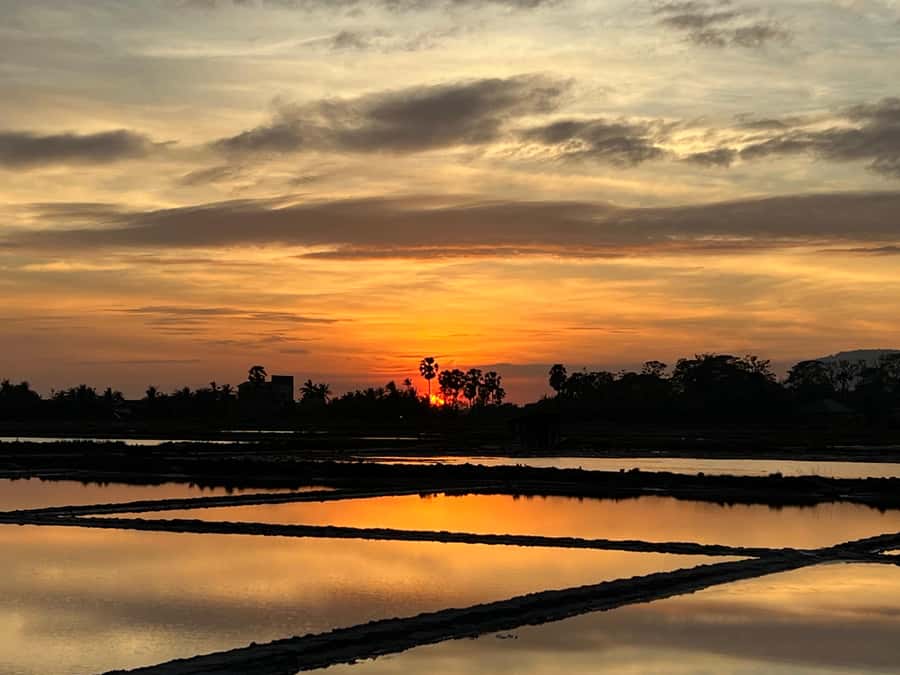
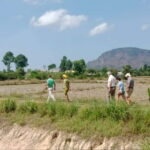
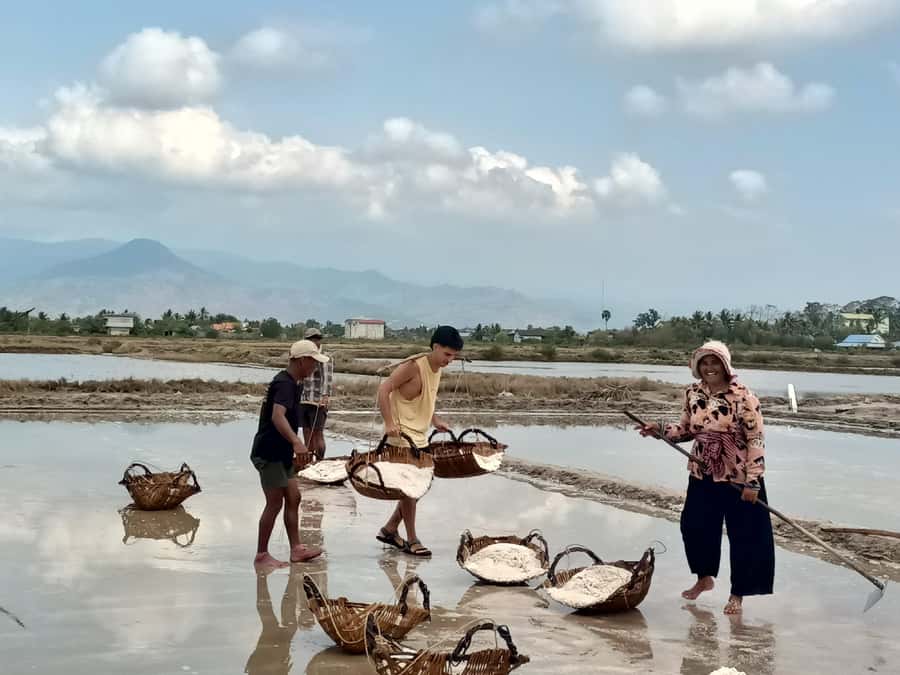
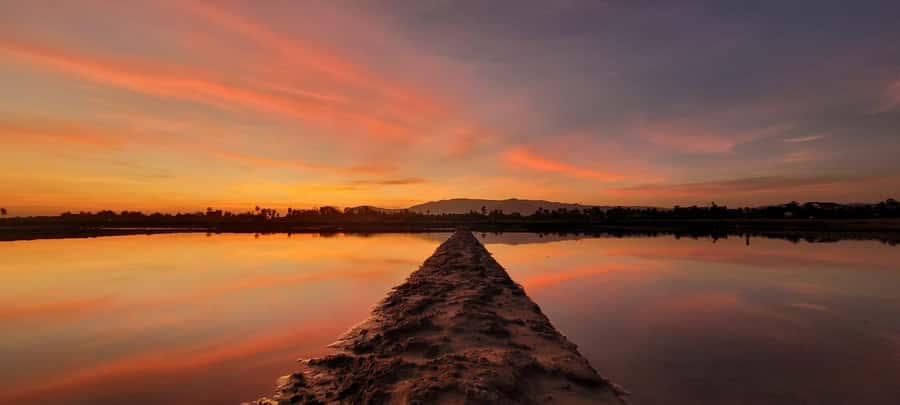
Your day begins with a short tuk-tuk ride (about 15 minutes) from Kampot to the salt fields area. The schedule includes a break with photos and a guided visit—about 15 minutes—so you can see how the process works without turning it into a long classroom session.
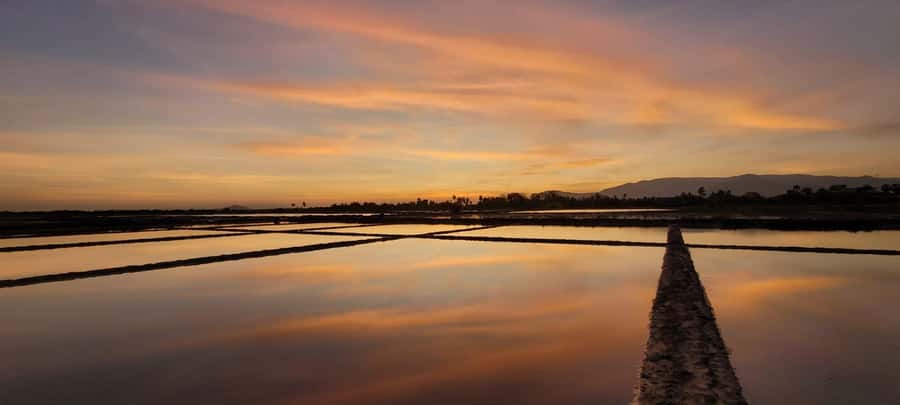
A lot of the value here is context. Salt production in Cambodia isn’t just about a pretty expanse of white pans. It’s tied to the climate and the cycle of wet and dry phases. That’s why you might hear a few different descriptions depending on when you go. On some days, you’ll be able to see the pans used for production. On other days—especially outside peak times—you may find the salt flats look more like mud flats than dramatic salt surfaces. If you’re chasing a very specific photo, this is the one thing I’d keep in mind.
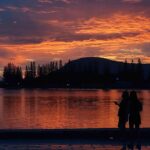
The afternoon departure (2:30pm) is designed with mood in mind. You’ll get natural light later, and the tour specifically plans for sunset at the salt fields. In past experiences with this kind of schedule, the best advice is simple: don’t lose time on waiting around before the actual viewing window. Try to time your photos so you’re standing where you want to be when the light changes.
Brateak Krola: a man-made lake with heavy history
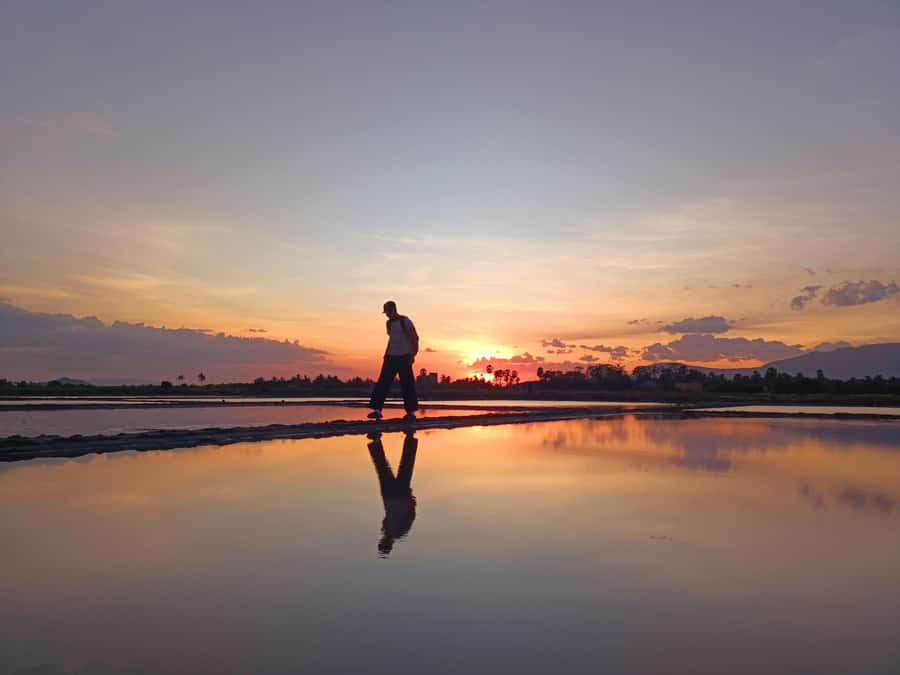
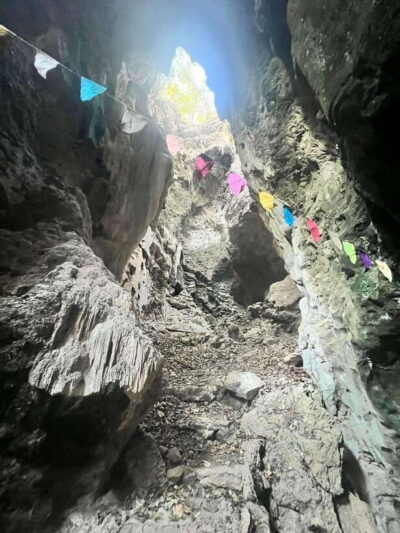
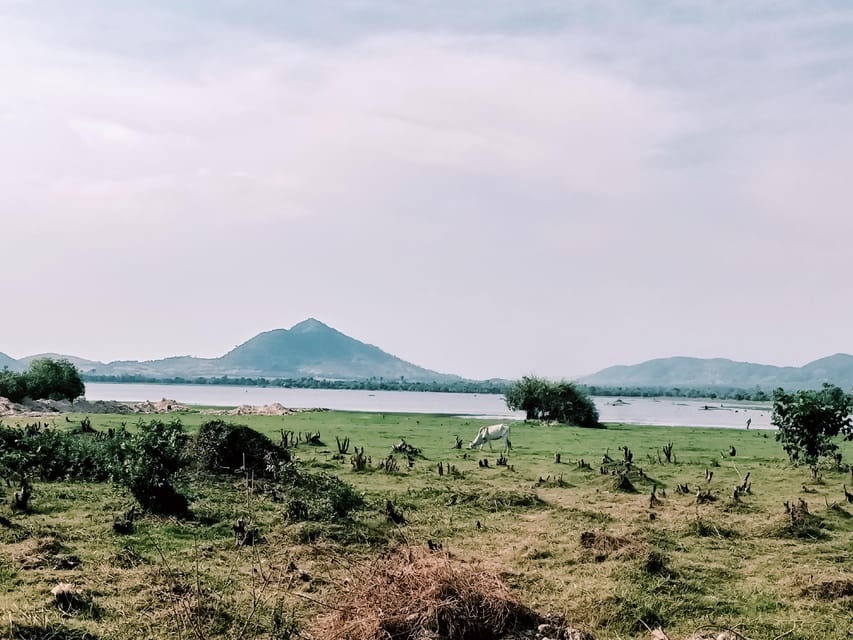
Next comes a tuk-tuk segment (about 20 minutes) to Brateak Krola. This stop is a break plus photos and a short guided visit—again around 15 minutes.
What makes Brateak Krola important is the story. It’s a man-made lake, built by slave labor from the Khmer Rouge era. That means this isn’t just a scenic pause. Your guide’s job here is to explain what happened in a respectful way and connect the landscape you’re seeing to the human reality behind it.
Even if you’re not a history deep-dive person, I think this stop matters because it changes the tone of the tour. You go from working fields into a place where land use and human suffering are directly linked. The best guides keep it clear and grounded, with enough time for you to take a moment, look around, and ask questions if you want.
If you’re doing the 2:30pm tour, you’ll often feel this stop as part of the build-up to reflection—like the tour is teaching you how to read the place, not just pass through it.
La Plantation pepper farm: the free tasting part you’ll actually remember
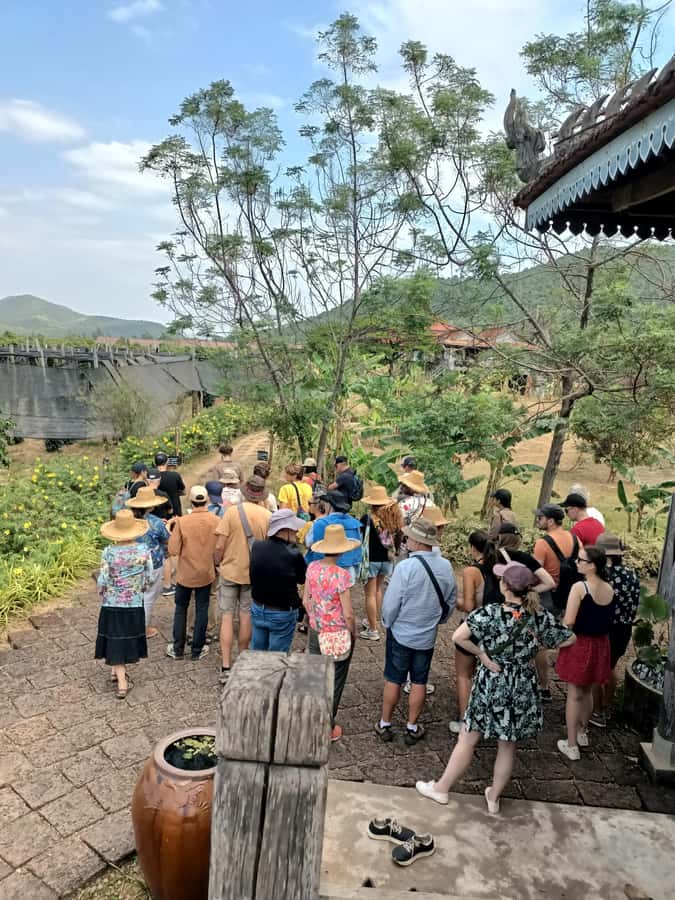
After the lake, you’ll hop back on the tuk-tuk for about 15 minutes to La Plantation. This is the longest stop on the route: roughly 2 hours total, with time for the guided pepper visit, a tasting/testing session, and shopping.
This is where the tour turns from sightseeing to a hands-on food lesson. You’ll learn how pepper grows, how it’s processed, and—most importantly—how Kampot pepper tastes different depending on variety and treatment. The pepper session also includes testing, which makes the whole thing more than just a walk-through.
A bunch of people leave this part specifically happy about the tasting. Expect samples and time to try flavors side-by-side. Some pepper tours run around 45 minutes to an hour for the guided portion, with extra time for shopping afterward. The staff are set up for visitors who want to buy pepper too, so you’re not rushed out the door the second the lesson ends.
A practical tip: if you’re buying pepper, check what form you want—whole pepper, ground, or packaged sets. It’s also worth asking how it’s meant to be used so you get value from what you take home. Many people use the tour to pick up gifts because it feels tied to a real place, not a souvenir stand.
Tuk-tuk pace and timing: how the 9:30am vs 2:30pm choices feel
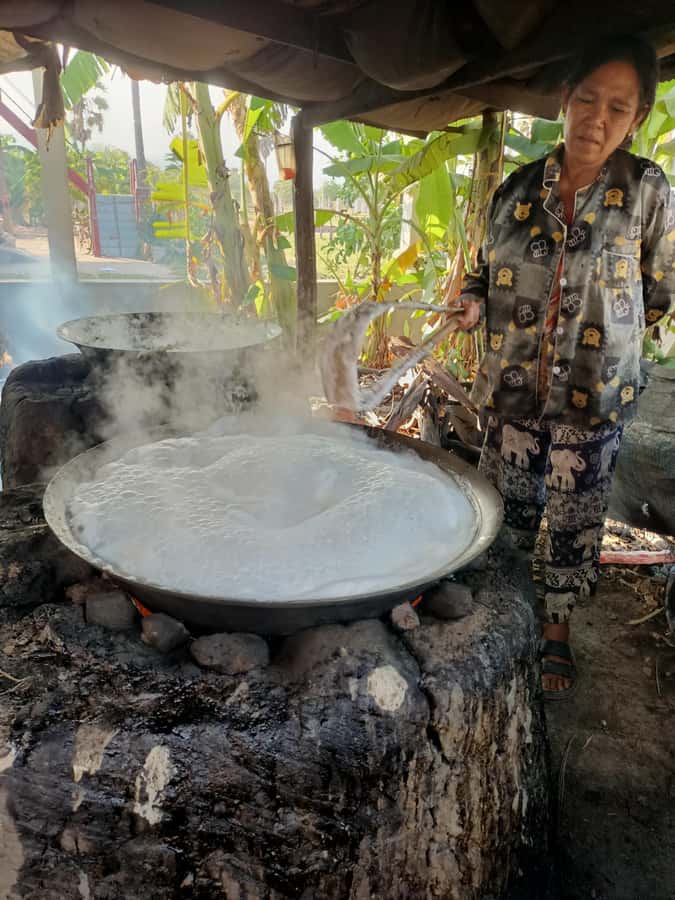
The tour runs twice daily: 9:30am and 2:30pm. Both are 4 hours, but the experience mood shifts.
Morning (9:30am):
- You get a fresher countryside feel.
- The light is softer, which can make photos easier if you’re not chasing sunset.
- You’ll likely have a calmer tone before the day gets warmer.
Afternoon (2:30pm):
- This is the one that adds salt field sunset and reflection energy.
- The lighting can make the countryside look more dramatic.
- You’ll want to be ready at the salt fields at the planned time so the sunset moment isn’t lost to waiting.
If you’re trying to decide, I’d pick based on your goal. If you want photos and atmosphere, choose the afternoon. If you want a smooth, quieter farm-and-fact day, choose the morning.
Price and value: why $16 for 4 hours can actually make sense
At $16 per person for a 4-hour guided loop, the value comes from three things: planning, access, and the pepper tasting payoff.
First, you’re not just driving around. You get a guide for the salt stop, the Brateak Krola explanation, and the pepper farm visit. That guidance turns what could be a simple ride into something you can understand and remember.
Second, transportation is part of the package. Tuk-tuk time is built in (and included), so you’re not spending your own cash on a private driver to stitch together three sites.
Third, the pepper experience includes tasting/testing and often feels like the main highlight. If you’re the type who likes learning a product by trying it, this is where the ticket feels worth it fast.
The main value trade-offs are the usual half-day realities: you don’t get food included, and road conditions can be dusty or bumpy. If you go in with the right expectations, it’s a strong deal.
Who this tour fits best (and who should skip it)
This tour works best for:
- People who like local farms and agriculture
- Visitors who want easy countryside without long walking
- Anyone interested in Kampot pepper and tasting different flavors
- Travelers who want a short but meaningful historical stop at Brateak Krola
It may not be a fit for:
- Children under 5
- Pregnant women
- Wheelchair users
- People over 220 lbs (100 kg)
- People over 80 years
And because you’re on a tuk-tuk over local roads, if you’re sensitive to dust, wear something that covers your skin a bit. I’ve seen guides handle dust issues by offering protective help like a mask, but you shouldn’t count on it every time—bring your own just in case.
Small group perks: why up to 8 people matters
The tour caps at 8 participants, and that changes the feel. It’s easier for the guide to keep your questions rolling, and it’s easier to manage timing around photo stops. You also get more room for conversation during the pepper tasting and the salt/lake explanations.
Most guides do a good job managing time so you don’t end up rushing through the important bits. People often mention that the tour feels relaxed, not forced. That’s exactly how it should feel at this price point: structured enough to be meaningful, paced enough to enjoy it.
What to do before and after the tour
Before:
- Bring a light layer for the ride and sun.
- Plan for dust. Sunglasses help; a small towel can too.
- Eat beforehand if you’re sensitive to hunger. Food isn’t included, and the pepper tasting can be delicious but not always a full meal.
After:
- You’ll be back in Kampot after about 4 hours. Pair it with a casual lunch or a calm afternoon plan.
- If you bought pepper, keep it protected. Heat and mess happen easily in bags.
Should you book Kampot Countryside (Pepper farm, Salt field & Lake)?
I think you should book this tour if you want a short, low-stress way to understand Kampot beyond town streets. The combination of salt production learning, Brateak Krola’s history, and a free pepper tasting/testing session is a great match for travelers who like real places and real products.
Skip it if your main goal is a very specific salt-field look no matter the season. Outside peak salt production periods, the fields can look less visually dramatic. Also skip if you need food included or you’re worried about bumpy roads.
If you’re planning a Kampot trip and you have half a day free, this is one of the better ways to spend it: you get countryside views, a memorable agricultural story, and a tasting you can bring home.
FAQ
What does the tour cost?
The price is $16 per person.
How long is the Kampot countryside tour?
The duration is 4 hours.
What times does the tour run?
It runs twice daily at 9:30 AM and 2:30 PM.
What’s included in the price?
Included are the guide tour, entrance fees, pepper tour and testing, and water.
Is food included?
No, food is not included.
Do I get picked up from my hotel?
Pickup is included, and the meeting point is usually Opposite Epic Art Cafe. Pickup and drop-off can also be arranged from your hotel or restaurant locations in Kampot town.
Is there an extra charge for pickup?
There can be an extra charge if your pickup/drop-off location is farther than 3 km from the provider’s options point.
Is the tour guide in English?
Yes, the live tour guide speaks English.
Is there a refund if I cancel?
Yes. You can cancel up to 24 hours in advance for a full refund.