REVIEW · PHNOM PENH
One Day Trip to Phnom Da, Ta Prohm Bati, Neang Khmao & Chiso
Book on GetYourGuide →Operated by Tour Guide Team in Siem Reap · Bookable on GetYourGuide
One hilltop start, five Khmer stops. I like the licensed English guide who makes the temples make sense fast, and I like the true private feel with pickup, driver, and your group only. One catch: meals and temple tickets aren’t included, so you’ll need to plan for that.
The best part is the variety in one day: Phnom Da starts you with centuries-old caves and hilltop views, and Ta Prohm Bati delivers that classic tree-over-temple look. You’ll get short photo stops plus guided time inside each site, with safety briefings so the day stays easy to handle.
If you get a guide like Silong, you’ll likely appreciate how friendly and accommodating the explanations can be, and the driving is typically punctual and smooth. For comfort, you also get cold waters and wipes, and you skip the line with a separate entrance at the temples.
In This Review
- Key highlights worth planning around
- Phnom Penh’s temple circuit, compressed into one day
- Phnom Da: 100 steps, cave clues, and Chenla’s shifting capitals
- Ta Prohm Bati: tree growth, lingams, and a sanctuary designed for ritual
- Yeay Peau (Yeay Pow): legend attached to a royal mother
- Neang Khmao: the Black Virgin pagoda stop
- Phnom Chisor: hillside temple, long staircase, and still-active monastery life
- Price and logistics: what you’re paying for at $143 per person
- Group size and comfort: private, but still small
- Who should book this one-day Khmer temple day trip
- Should you book this tour?
- FAQ
- How long is the trip?
- Do I get hotel pickup and drop-off?
- Is this a private tour or a shared group tour?
- How many people are in the group?
- Is there an English-speaking guide?
- Is transport air-conditioned?
- Does the tour include meals?
- Are temple tickets included?
- Do you skip the line?
- What’s included besides the guide and transport?
- What’s the cancellation policy?
Key highlights worth planning around
- A small-group cap (up to 6) while still staying fully private to your booking size
- Skip-the-line access through a separate entrance at temple sites
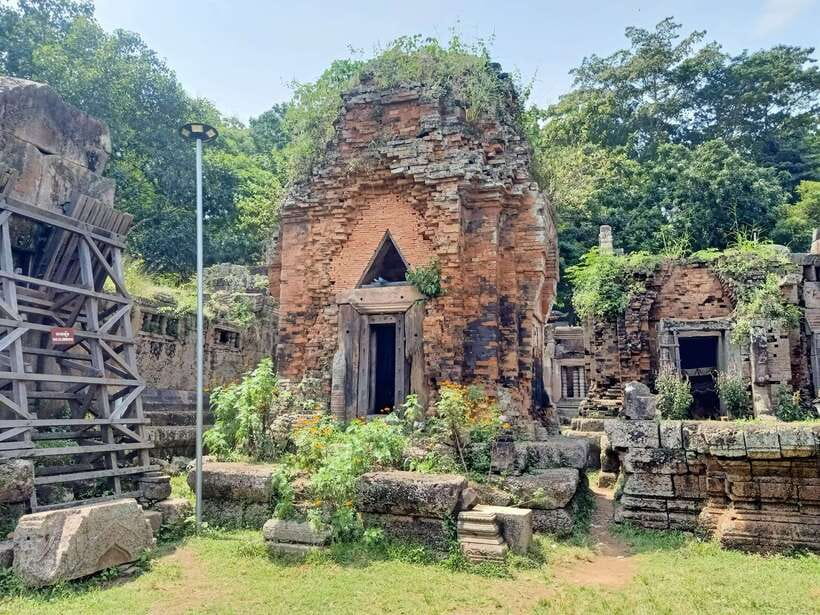
- Phnom Da’s layered story: 5th–6th century roots, 11th-century temple standing today, and cave features
- Ta Prohm Bati details: five sanctuary chambers and lingams, plus the tree growing through the structure
- A full circuit in one day: Phnom Da → Ta Prohm Bati → Yeay Peau → Neang Khmao → Phnom Chisor
- No lunch stop, so snacks help you keep the pace
Phnom Penh’s temple circuit, compressed into one day
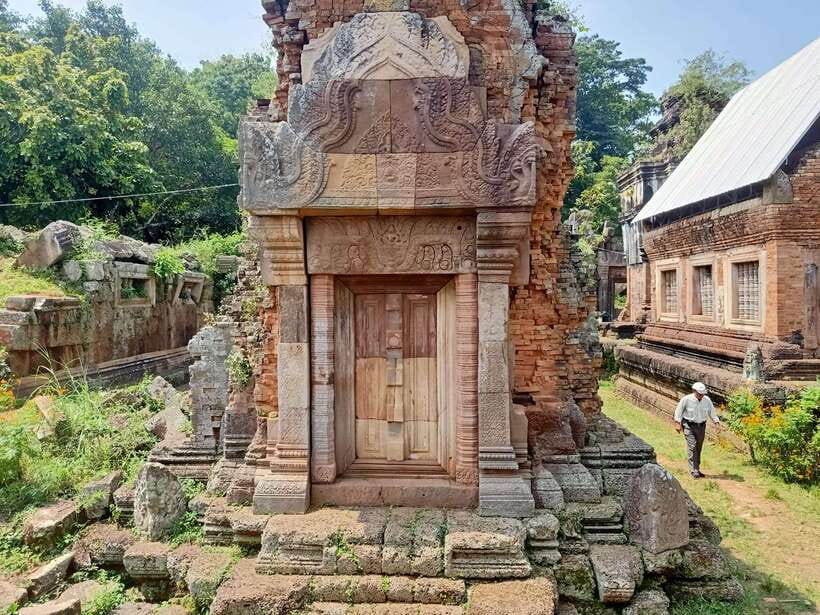
This is the kind of trip that fits real life. You start with hotel pickup in Phnom Penh and ride out to the southern temple zone with an air-conditioned vehicle and a licensed driver. Then you spend the day doing focused site visits, not just passing by from a car window.
What makes this work is the way the stops connect. Each temple isn’t only a pretty exterior. Your English guide ties together what you’re seeing—materials, layout, and legends—so the day feels like a guided storyline rather than a checklist.
You should know the pacing is active. Expect walking on uneven ground and steps at more than one site. If you’re fine with that, this day trip is an efficient and meaningful way to add Khmer temple culture without sacrificing a whole week.
You can also read our reviews of more tours and experiences in Phnom Penh

Phnom Da: 100 steps, cave clues, and Chenla’s shifting capitals
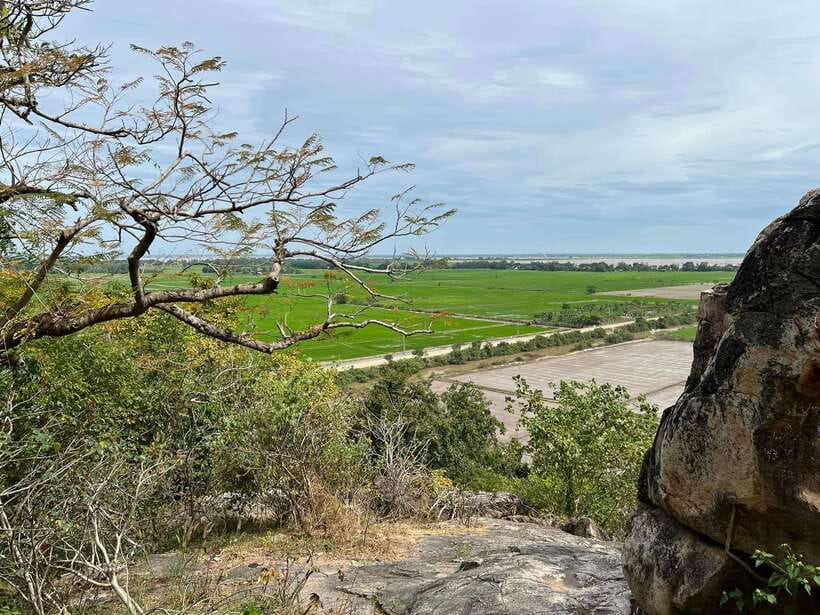
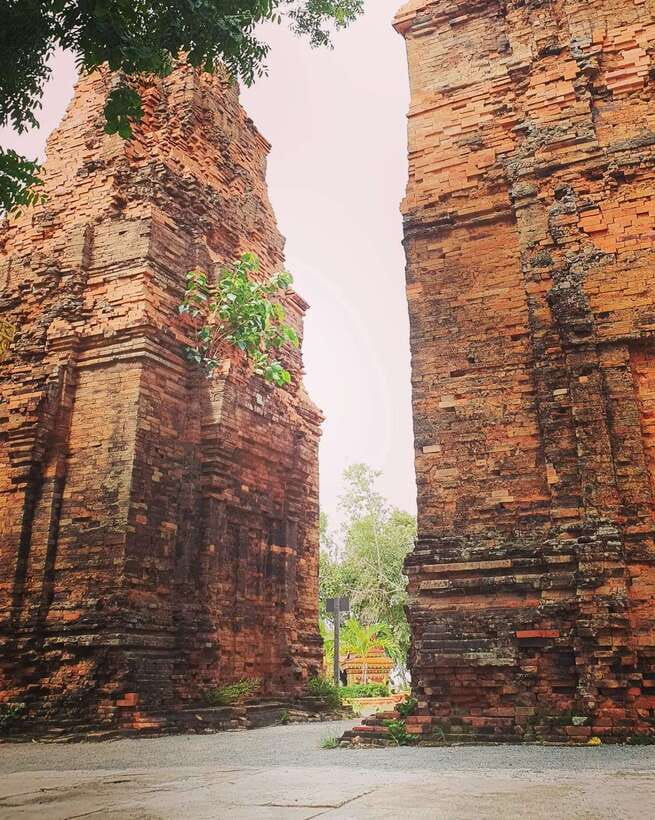
Phnom Da is built on top of a small hill, with about 100 steps to reach the temple area. The site is tied to the 5th–6th century era of King Rutravarman, during the Norkor Phnom period. It’s also connected to the earlier Chenla Teuk Lich phase (Lower Chenla), when the capital location changed over time.
Here’s the detail I love: the temple you see is not the first one on that footprint. Evidence points to human habitation going back to at least 400 BCE, and the present structure dates to the 11th century but sits where earlier temple elements existed from the 5th–6th century. Your guide helps you understand why that layering matters, because it changes how you interpret the shapes and sacred features around you.
On the hill, you’ll also hear about caves, including one with a yoni pedestal for a missing shivalingam. That kind of “what used to be here” clue is what turns a photo stop into a history stop. There’s also the Asram Maharishi on the other side of the hill—its original deity is gone, but it remains venerated as a shrine linked to a great sage.
Practical note: hilltop sites reward comfortable shoes. You’ll want to take it slow on the stairs, especially if the ground is slick. This is also a good moment to take advantage of the day’s bottled water and wipes before you move on to the next temple zone.
Ta Prohm Bati: tree growth, lingams, and a sanctuary designed for ritual
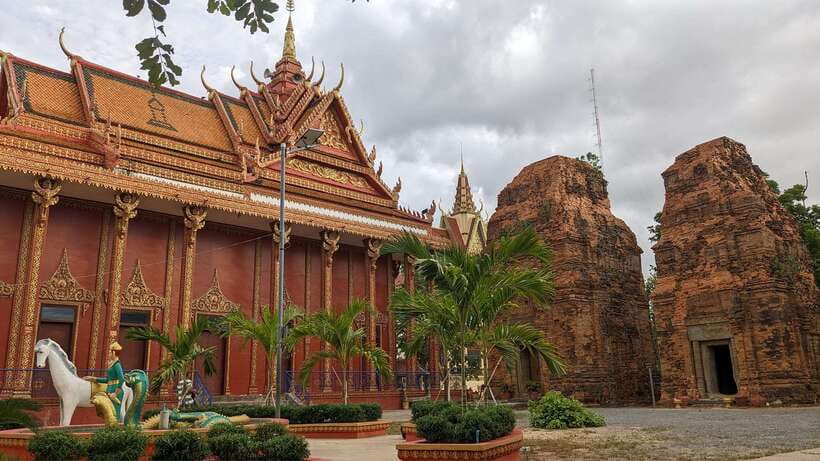
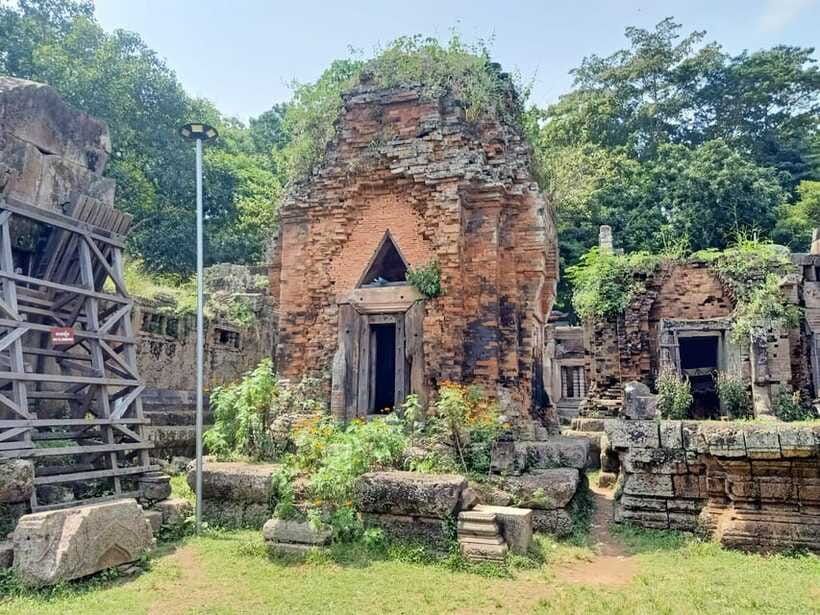
After Phnom Da, you head to Ta Prohm Bati (often linked with Tonle Bati). This temple was built by King Jayavarman VII on the site of an earlier 6th-century Khmer shrine. If you like temples with clear layout, this is one of the more satisfying stops.
The main sanctuary is described as having five chambers, and each chamber includes a lingam. That’s the kind of structural detail that makes a guided tour worth it. Without context, you might only notice stone carvings and the famous roots. With context, you notice the function of the space: how it was meant for ritual focus.
Then comes the visual hit. You’ll see the tree that grows on and around the temple structure—an iconic look that feels both ancient and alive. It’s dramatic, but it’s also practical for photos: the mix of stone geometry and organic growth gives you a natural “frame” for your shots.
One consideration: Ta Prohm Bati can have a noticeable presence of beggars. If you’d rather minimize that sort of interaction, keep some distance for comfort and focus your attention on the sights and your guide’s timing. It’s also smart to decide ahead of time how you want to handle it—so you don’t feel rushed in the moment.
Yeay Peau (Yeay Pow): legend attached to a royal mother
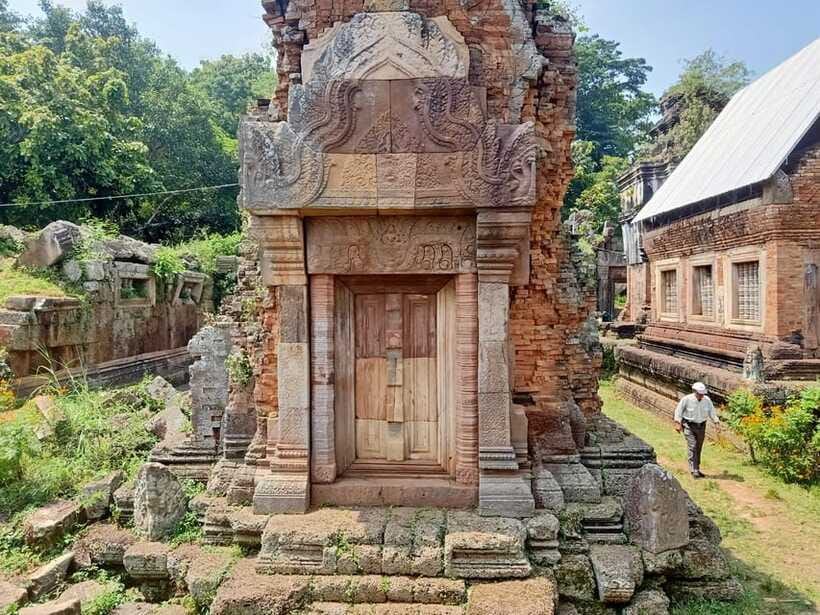
Next up is the Yeay Peau temple, associated with legend and named after Ta Prohm’s mother. Even without a huge amount of time on your feet, this stop gives your day a different flavor: it shifts from architecture and ritual layout toward story and dynastic meaning.
What to watch for here is how your guide connects the name to the temple identity. The Khmer temple world often works like that—names, lineages, and legends overlap with sacred spaces. So instead of just asking what you’re looking at, you start asking why it was remembered.
This is also a good pause point in your walking rhythm. The time spent here is shorter than the larger sites, so if you’re keeping an eye on energy levels, this stop helps balance the day.
Neang Khmao: the Black Virgin pagoda stop
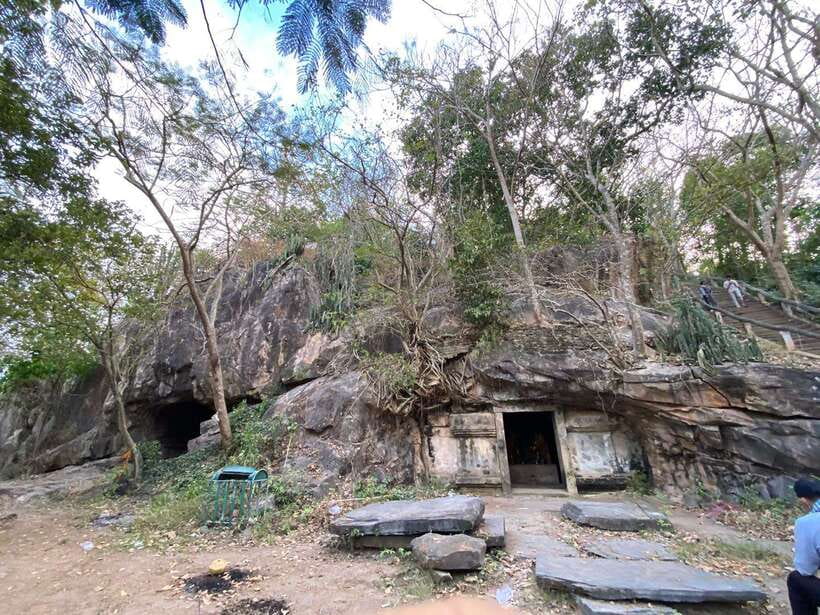
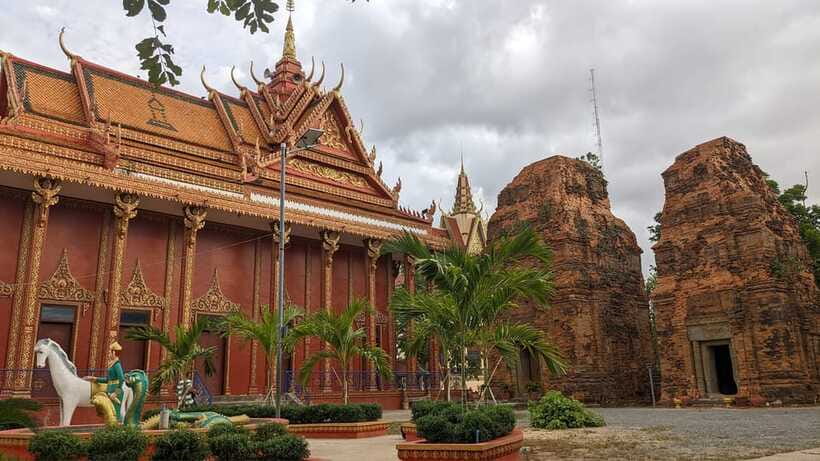
Neang Khmao is the temple of the Black Virgin. This is one of the stops that benefits from the licensed guide format, because even when you understand the basics of Khmer religious sites, the labels and traditions can make more sense with a real explanation attached.
The practical value here is that it breaks up the longer, heavier temple experiences. You’ll have a photo stop, guided visit time, and then you’re moving on again. It keeps the day structured without feeling like you’re stuck inside the same kind of space for hours.
If you’re the type of traveler who likes variety in a route—one site with hilltop stairs, another with a dramatic tree, and then a different kind of sacred focal point—Neang Khmao fits the rhythm.


Phnom Chisor: hillside temple, long staircase, and still-active monastery life
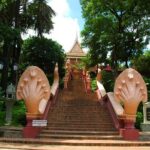
Phnom Chisor is one of Cambodia’s more popular older temple-monastery sites, about 50 km south of Phnom. The temple complex is large, and it sits on the hillside with a major staircase leading down toward plains below.
The staircase effect is real. Your route isn’t only about reaching one point. It’s about experiencing the temple’s relationship to the lower area: the design funnels you through entrances and pavilions so you feel how the site controls movement.
At the bottom, you’ll see two entrance pavilions down on the plains: an inner and an outer pavilion. The outer pavilion is about 700 m to the east, and there’s an ancient basin that comes before it. This is the stop where I’d tell you to slow down and look up and then look out—because the scale makes more sense when you switch perspectives.
One more thing: Phnom Chisor is also a contemporary monastery site. That means the place can feel more lived-in than some purely historical ruins. Even if you’re mostly there for the ancient temple part, you’ll get a sense of continuity, not only leftovers.
Price and logistics: what you’re paying for at $143 per person
At $143 per person for a one-day private circuit, you’re not only paying for transportation. You’re paying for a private, licensed guide, hotel pickup and drop-off, toll roads, parking, and the small comfort extras like cold waters and wipes.
You also get skip-the-line entry through a separate entrance. That matters more than it sounds. In a one-day trip, a small delay at each temple can snowball. The separate entrance keeps you on track so you actually get guided time at each stop instead of losing it to queues.
Two items aren’t included: meals and temple ticket(s). This is important for budgeting. Also, because there’s no included lunch stop, you’ll want to bring snacks if you tend to get hungry between sites. One practical tip: plan to eat after the tour rather than expecting a sit-down meal during it.
Value-wise, this tour is strongest if you want organization. If you’re the type who enjoys planning your own routes and ticket lines, you could do it independently. But if you’d rather spend your energy on understanding what you’re seeing—especially at Phnom Da and Ta Prohm Bati—this private guide format earns its place.
Group size and comfort: private, but still small
This is a private tour where you’re with your group only. At the same time, it’s limited to a small group size (up to 6 participants). That combination tends to create a better feel than a large group van: you get more room to ask questions, and the guide can adjust pacing for the group.
The vehicle setup also helps. The day includes hotel pickup, then around an hour of van transfer before your first major stop. You’ll have structured visits afterward with photo time, guided walkthroughs, and safety briefings at each site.
Bring practical items:
- Comfortable walking shoes for steps and uneven temple surfaces
- Sun protection, since you’ll be outdoors for long stretches
- Snacks, because there’s no meal stop built in
- Cash for temple tickets, since they’re not included
If you’re traveling with kids or someone who needs slower pacing, this format can be a good fit as long as you’re realistic about stairs. Phnom Da and Phnom Chisor both involve stair-heavy approaches.
Who should book this one-day Khmer temple day trip
This tour is a great fit for:
- You want a guided history explanation, not just photos
- You’re short on time in Phnom Penh but still want major Khmer temple sites
- You prefer a private experience with a small group size
- You like routes that mix hilltop views, jungle-root temple visuals, and large staircase complexes
It might be less ideal if:
- You hate stair walking or long outdoor stretches
- You strongly prefer that meals are included in the price
- Temple tickets are a hassle for you to manage on arrival
If you love archaeology-style context and you want names, dates, and functional descriptions tied to what you’re seeing, this day trip plays to that strength.
Should you book this tour?
I’d book it if you want a guided, structured day that covers multiple important southern temple sites from Phnom Penh without wasting time. The guide experience, the private format, the skip-the-line entrance, and the mix of Phnom Da, Ta Prohm Bati, Yeay Peau, Neang Khmao, and Phnom Chisor make it a smart use of one day.
I’d pause and reconsider only if meals included is a hard requirement or if you know stairs will slow you down too much. Otherwise, this is one of those Cambodian temple days where the time feels purposeful—and the temples start to connect in your mind as you move from one stop to the next.
FAQ
How long is the trip?
It runs for one day.
Do I get hotel pickup and drop-off?
Yes, hotel pickup and drop-off are included.
Is this a private tour or a shared group tour?
It’s private. You’ll go with only the number of people you book, not with other guests.
How many people are in the group?
It’s limited to a small group size, capped at 6 participants.
Is there an English-speaking guide?
Yes, there’s a live tour guide in English.
Is transport air-conditioned?
Yes, private transport by an air-conditioned vehicle is included.
Does the tour include meals?
No. Meals aren’t included.
Are temple tickets included?
No. Temple tickets aren’t included.
Do you skip the line?
Yes, you use a separate entrance to skip the line.
What’s included besides the guide and transport?
The tour includes a private licensed driver, toll roads, car parking, travel insurance, cold waters and wipes, and gasoline.
What’s the cancellation policy?
Free cancellation is available up to 24 hours in advance for a full refund.