REVIEW · SIEM REAP
Half Day Trip: Silk Farm, Satcha, and Senteur d’Angkor Tour
Book on GetYourGuide →Operated by Tour Guide Team Cambodia · Bookable on GetYourGuide
Silk begins with a leaf. This half-day tour is interesting because you see the Silk Farm process from mulberry trees and silkworms right through to weaving, then you move on to bamboo-built workshops where craft meets Khmer-inspired design. The best part for me is how the guide links what you’re seeing to what you’ll want to buy. The one drawback is that it’s also a craft-shopping route, so if you want zero market time, this may feel a bit sales-forward.
You start with hotel pickup in Krong Siem Reap and ride between stops by tuk-tuk, with an English-speaking driver keeping things smooth. You’ll also get a skip-the-line style experience with a separate entrance. Wear comfortable walking shoes, bring a camera, and expect a solid amount of strolling inside the workshops.
In This Review
- Key things I’d circle on your plan
- Getting There from Krong Siem Reap: Tuk-Tuk Time That Actually Helps
- Angkor Silk Farm: From Mulberry to Woven Fabric
- Satcha Handicraft Center: Six Workshops Made of Khmer Bamboo
- Senteurs d’Angkor: Sustainable Cambodian Treasures, Not Just Random Souvenirs
- Artisan d’Angkor: Where Local Handicrafts Are Made
- Time, Price, and Value for This 4-Hour Craft Route
- Who This Trip Suits Best (and Who Might Skip It)
- Practical Tips Before You Go
- Should You Book This Silk Farm and Craft Centers Half-Day Tour?
- FAQ
- FAQ
- How long is the Half Day Trip: Silk Farm, Satcha, and Senteur d’Angkor?
- How much does it cost?
- Do you get hotel pickup and drop-off?
- What stops are included in the tour?
- Is the tour private?
- What language is used by the driver and for the tour?
- Are meals included?
- Is there time to shop?
- Is there anything you’re not allowed to do?
- What should I bring?
- Is skip-the-line access included?
Key things I’d circle on your plan
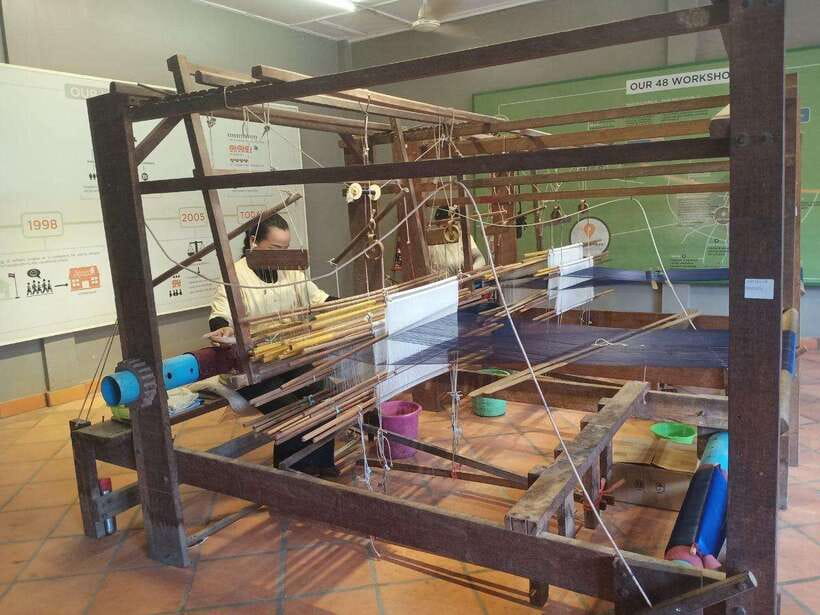
- Silk Farm workflow on display: You’ll see mulberry trees, the silkworm lifecycle, and the weaving process in one guided visit
- Satcha’s 6 bamboo workshops: Cambodian bamboo from Kampong Cham, plus contemporary design inspired by Khmer ornaments
- Craft centers with real buying value: Each stop includes time to browse, shop, and compare styles
- Senteurs d’Angkor for sustainable items: A focus on artisanal products and sustainable Cambodian treasures
- Artisan d’Angkor as the final craft stop: Where local handicrafts are made, so you end with the “how it’s produced” view
- Short transfers, not a marathon: Tuk-tuk hops keep your 4-hour window focused on production and people
Getting There from Krong Siem Reap: Tuk-Tuk Time That Actually Helps
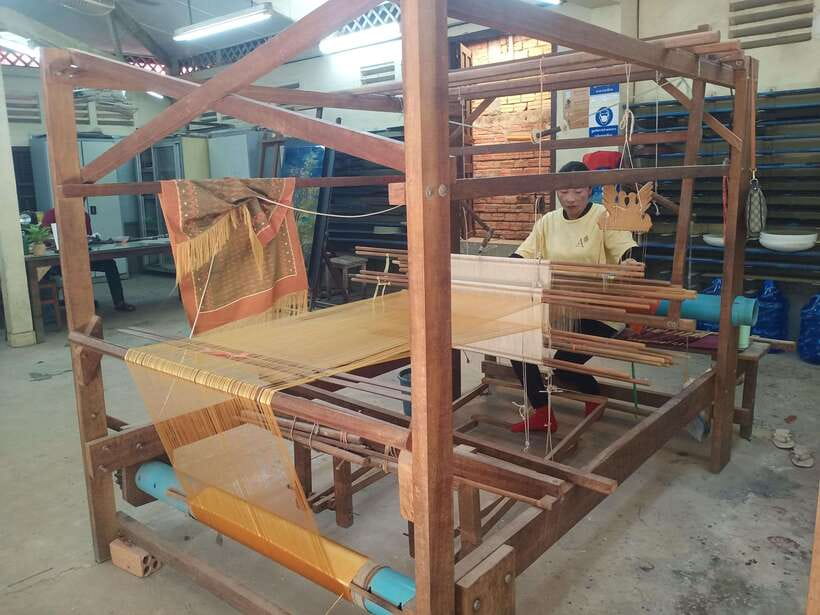
The biggest practical win here is the pace. From Krong Siem Reap, you’re picked up and put into a tuk-tuk for quick hops between the centers. The drive segments are short, including two around 15 minutes and one closer to 5 minutes, which matters in a half-day plan. You’re not stuck commuting; you’re moving from one craft step to the next.
This is also set up as a private group. That can make a difference when you have questions while you’re standing in front of looms, tools, and finished items. You can ask what something is made of, how long a process takes, or what the materials mean for the final product. In other words, you don’t feel like you’re on a conveyor belt of strangers.
Your guide will be working in English, and you’ll have guided time at each stop. Even with that, keep your expectations realistic: you’ll be doing some walking, and there’s a lot of “look, learn, and compare” built into the schedule.
You can also read our reviews of more tours and experiences in Siem Reap

Angkor Silk Farm: From Mulberry to Woven Fabric
The tour’s heart is the Angkor Silk Farm visit, which includes a guided tour plus time to walk around and browse. The magic is that this isn’t just seeing finished fabric. You’re shown the process step-by-step, starting with the mulberry trees that feed the silkworms. Then you move through the silkworm lifecycle and finally reach the weaving process that turns what you’ve learned into something you can hold.
Why this is valuable: it changes how you shop. When you understand that silk starts with plants and living creatures (and then gets processed into thread and woven fabric), you stop thinking of the item as just a souvenir. You start asking better questions: What kind of silk is it? How is it woven? How is it finished?
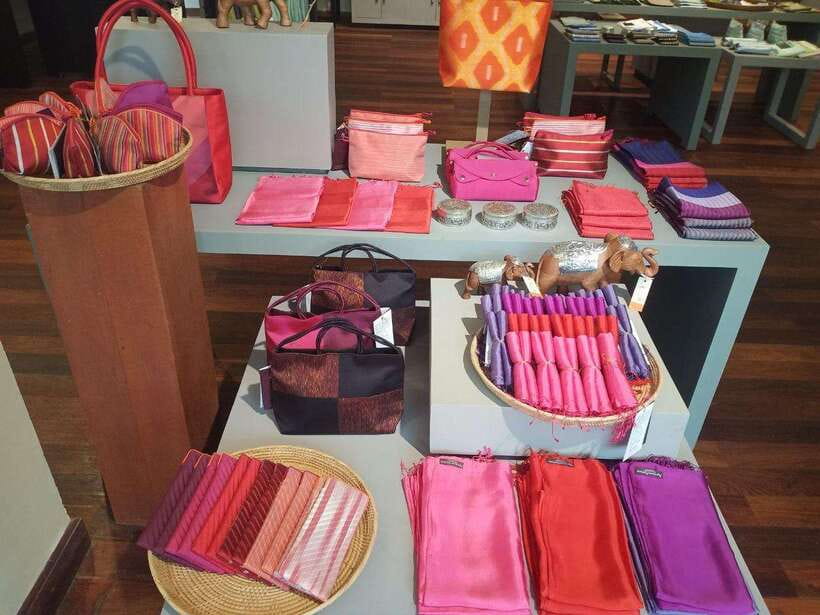
The time on-site is about 50 minutes, which is enough to absorb the steps without feeling rushed through the key moments. You’ll also have some shopping and market browsing time. That’s not a bad thing if you treat it like a comparison session: look at colors, textures, and how items are presented, then decide what fits your budget.
One consideration: silk farms and craft shops can be emotionally intense in the best way, because you’re literally seeing production. If you’re squeamish around the lifecycle stage, you might prefer to mentally focus on the weaving and finished goods, and use the guide time to steer your attention.
Satcha Handicraft Center: Six Workshops Made of Khmer Bamboo
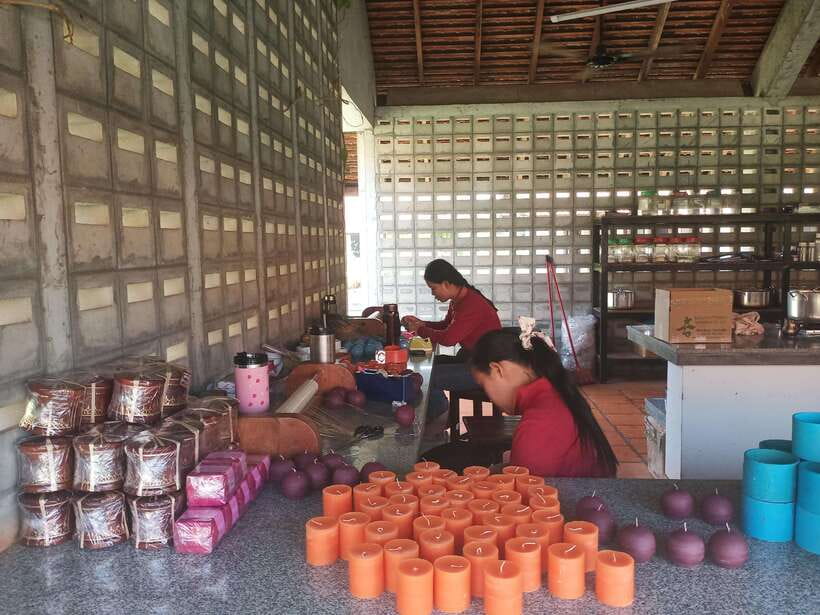
Next comes the Satcha Handicraft Center, and this is where the tour broadens from one craft to a cluster of related skills. You don’t just see one room. You’re taken through 6 different workshops, and the setting matters: the workshops are built exclusively with Cambodian bamboo from Kampong Cham.
What I like about this stop is how it’s both traditional and contemporary. The materials and methods reflect traditional know-how, while the design takes cues from Khmer ornaments through a more modern lens. That means you can spot a bridge between heritage and current style, which is useful if you don’t want everything you buy to look like it was designed 100 years ago.
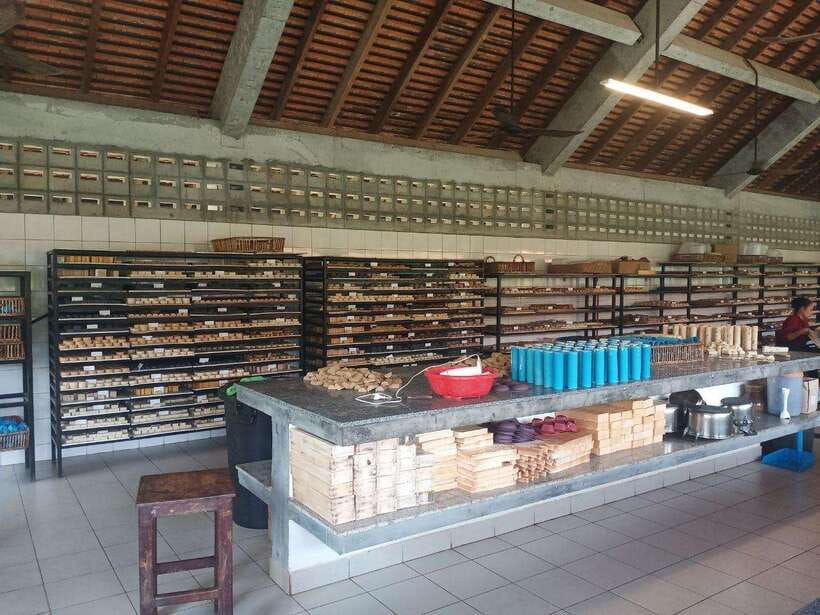
This stop also includes time for shopping and a guided walkthrough, roughly 50 minutes in total. You’ll likely see different workshop areas where different crafts or components are handled. Even if you don’t know all the technical terms, you’ll understand the logic fast: different artisans, different stages, one shared final look.
Practical tip for you: at a place like this, it helps to decide ahead of time what you want to come home with. If you’re interested in gifts, focus on small items you can compare easily across workshops. If you’re shopping for something wearable, take a moment to check how items are made and finished before you decide. The workshops give you context for what you’re seeing, so use that advantage.
Senteurs d’Angkor: Sustainable Cambodian Treasures, Not Just Random Souvenirs
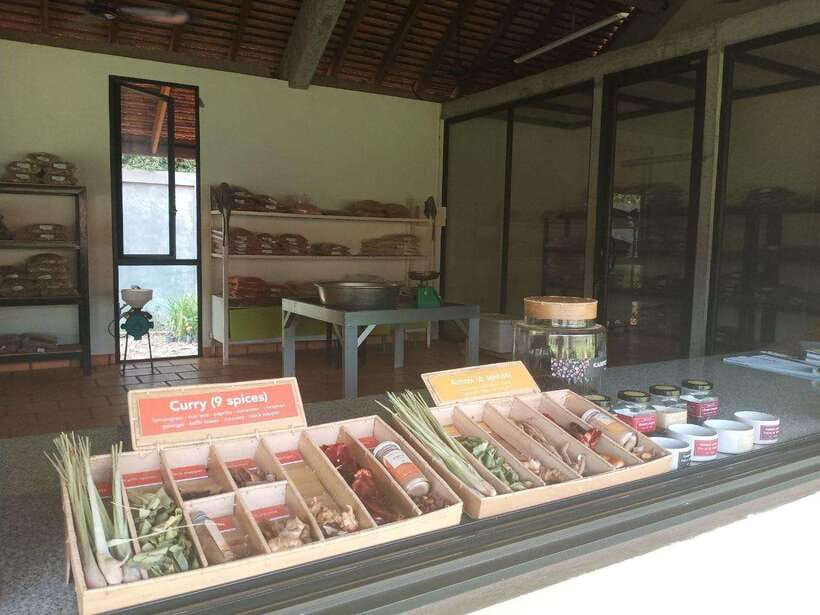
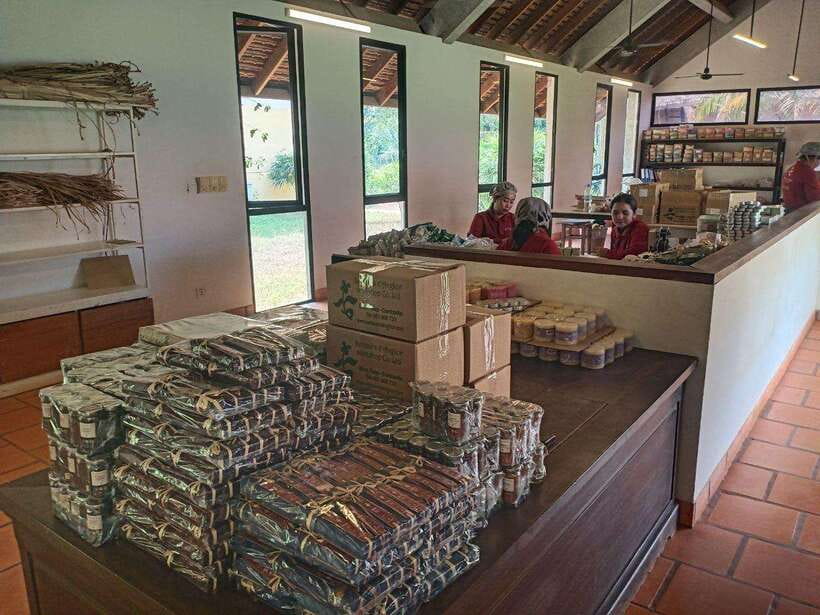
After Satcha, the tour continues to Senteurs d’Angkor. This part of the day is about “what it becomes” once raw skill gets turned into consumer-ready products. Here, you’re looking at artisanal products with a sustainable focus, so it’s less about quantity and more about intention.
The route includes short transfer time by tuk-tuk, plus a photo stop listed in the schedule. Think of this as a breather: you get a quick reset, then you’re back in guided mode with time to walk, shop, and take in what’s on display.
Why this stop is worth including: craft centers can sometimes blur together if you only care about technique. Senteurs d’Angkor adds a different angle by pointing you toward items framed as sustainable Cambodian treasures. Even if you don’t know the exact sustainability criteria (the tour description doesn’t spell those out in detail), you’ll still have a better sense of the brand logic: better materials, thoughtful production, and a curated selection.
One thing to watch: because this stop includes time to browse and shop, it can feel like a shopping checkpoint if you’ve already planned to buy something at earlier centers. If you’re budget-minded, treat it like quality checking. If you still have room for one more purchase, look for items that feel distinct from the silk and bamboo workshop style you saw before.
Artisan d’Angkor: Where Local Handicrafts Are Made
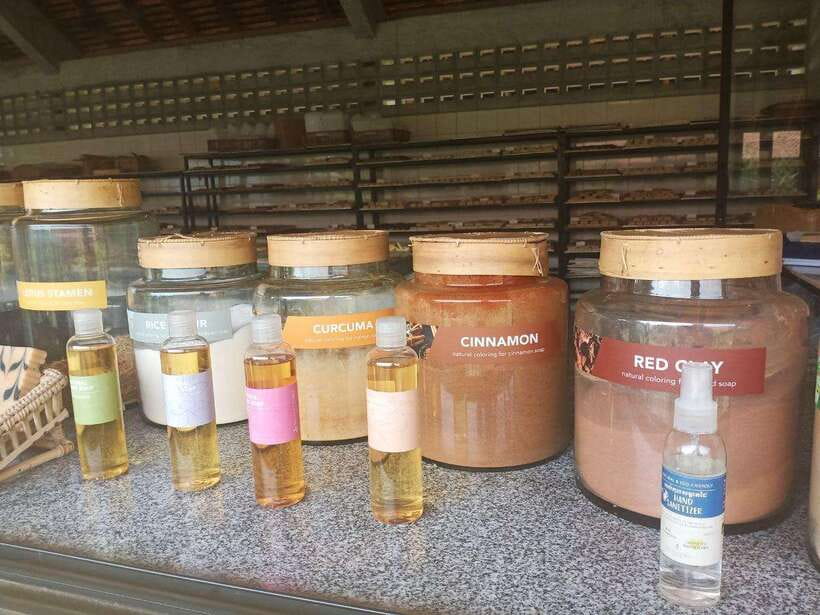
The final major craft stop is Artisan d’Angkor, described as the place where all local handicrafts are made. That phrasing matters. It’s not only a showroom. It’s framed as the production ground for the items you’ll see.
In the schedule, this final section again includes guided time, shopping and sightseeing style walking, plus another photo stop. You’ll likely notice the biggest difference here in how the day ends: after seeing silk production and bamboo workshop process, you’re finishing with the broader handicraft ecosystem. It’s a good “closing loop” because your brain is already trained to think in terms of stages and skills.
From a practical point of view, this last stop is where you can make the purchase decision with the most confidence. You’ve already seen how things are produced, and you’ve seen enough styles to know what you actually like.
A balanced caution: the more you see in one half-day, the easier it is to get “comparison fatigue.” If your feet start feeling it, pick one lane. Decide whether you want silk-related items, bamboo workshop designs, or broader handicrafts. Then stick to that lane so you don’t end up buying something just to relieve decision stress.
You can also read our reviews of more tours and experiences in Siem Reap






Time, Price, and Value for This 4-Hour Craft Route
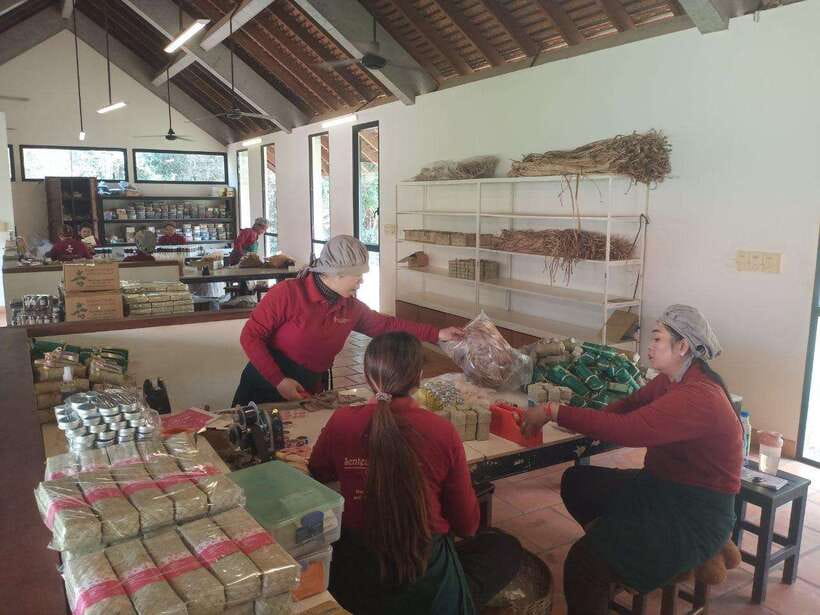
This is a 4-hour half-day plan with hotel pickup and drop-off included. The stated price is $25 per group up to 2. That’s group pricing, so the value improves when you travel as a pair and split the cost.
What makes it good value isn’t just the number of stops. It’s the way the day is structured around production and technique:
- You start at a silk farm where you learn the lifecycle and weaving process.
- You move into workshops where you can see how design themes show up in real making.
- You finish at craft hubs where you can buy with context.
You’re also not cooking up your own transport logistics. Transfers are handled by a tuk-tuk, and the driver is English-speaking. For Siem Reap, that’s a practical convenience when you’re trying to fit a quality experience into a short window.
One caution about value: this trip includes time at multiple places with shopping built in. If your goal is only to look at a few things and leave, you might still feel pressure to browse. If your goal is to learn, then shop a little, this is a strong setup.
Also, meals are not included, so if you’re planning to eat afterward, I’d schedule the trip earlier in your day or keep a snack in mind.
Who This Trip Suits Best (and Who Might Skip It)
This tour is a good match if you:
- Want a hands-on explanation of how products are made, not just a photo stop
- Like artisan design and want a chance to compare items across multiple centers
- Travel with someone who enjoys crafts, shopping with purpose, or learning production processes
It’s also a solid option if you’re fitting everything around Angkor-area time and don’t want a full-day commitment.
You might think twice if you:
- Hate shopping stops and prefer purely museum-style sightseeing
- Only want one craft topic and don’t care about moving from silk to bamboo workshops to broader handicrafts
- Are looking for a nightlife-style experience, because this is clearly a daytime production-and-craft route
Practical Tips Before You Go
- Bring comfortable walking shoes. You’ll be moving around workshop spaces.
- Bring a camera. There are photo moments included in the route.
- Plan your budget. Because each stop includes a shop/browse window, it’s easy to spend if you don’t decide in advance.
- If you buy silk or crafted items, use the guide time to ask what you’re looking at. The point of visiting production is to learn what makes an item what it is.
- Smoking isn’t allowed, so stick to the rules on-site and follow the staff.
Should You Book This Silk Farm and Craft Centers Half-Day Tour?
I’d book it if you want to understand what you’re buying. The Silk Farm portion gives you real process context, and the Satcha stop adds that “made with specific materials and design ideas” layer through its 6 bamboo workshops. Then Senteurs d’Angkor and Artisan d’Angkor round out the day with sustainable-focused products and broader handicraft making, so your purchases feel informed rather than random.
If you hate shopping or you have very limited interest in crafts beyond silk, you could skip and spend that time on a different kind of Siem Reap outing. But if crafts are your thing, or you’re curious about Cambodian making traditions, this half-day is an efficient and satisfying way to see how skills turn into objects you can take home.
FAQ
FAQ
How long is the Half Day Trip: Silk Farm, Satcha, and Senteur d’Angkor?
The tour lasts about 4 hours.
How much does it cost?
It’s $25 per group up to 2.
Do you get hotel pickup and drop-off?
Yes. Hotel pickup and drop-off are included.
What stops are included in the tour?
You visit Silk Farm, Senteur d’Angkor, Satcha Handicraft Center, and Artisan d’Angkor.
Is the tour private?
Yes. It’s a private group.
What language is used by the driver and for the tour?
The driver is English speaking, and the tour language is listed as English.
Are meals included?
No. Meals are not included.
Is there time to shop?
Yes. The schedule and stop descriptions include shopping/browsing time at the craft centers.
Is there anything you’re not allowed to do?
Smoking is not allowed.
What should I bring?
Comfortable walking shoes and a camera are recommended.
Is skip-the-line access included?
Yes. There’s a separate entrance for skipping the line.