REVIEW · PHNOM PENH
Phnom Penh Kampot Kep Tour “Pepper Farm, Salt Field, Crab Market”
Book on Viator →Operated by Cambodia Tourist Car · Bookable on Viator
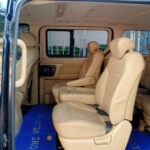
A pepper-to-crab day across Cambodia sounds fun. This Phnom Penh to Kampot and Kep outing strings together Kampot pepper at La Plantation and Kep crab market seafood culture, plus French-era landmarks along the way. I like the mix of food/agriculture and coastline, and I really appreciate that Simon, the English-speaking driver, keeps the day easy with helpful guidance and bottled water. The only real drawback is time: you’re in a car for a long stretch, and some sections involve winding roads that can be tiring.
You’ll start at 7:30 am and ride in an air-conditioned vehicle with an English-speaking driver, for a total of about 8 to 10 hours. The group size is capped at 12 travelers, so it’s not a huge, chaotic bus day. One detail to plan around: salt fields are only available during the dry season, so if your dates are off-season, you may get pepper, lake, and market without that salt stop.
In This Review
- Key highlights to look forward to
- Leaving Phnom Penh at 7:30 am (and why that’s smart)
- First taste of Kampot: Iron Bridge and old buildings
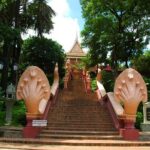
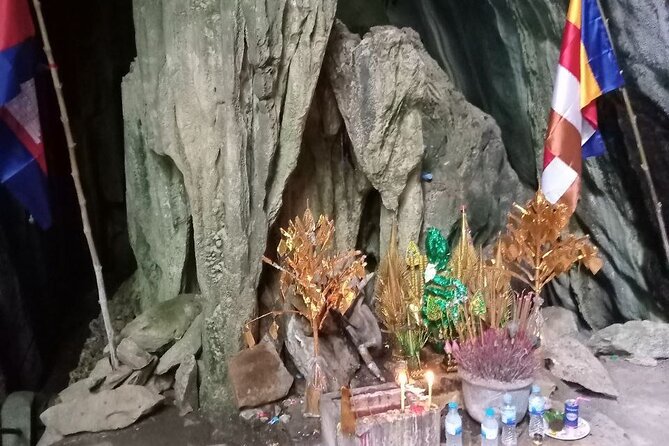
- Phnom Chhngok Cave Temple: worth the winding road
- Brateak Krola Secret Lake: it’s a dam, with real history
- La Plantation pepper farm: where Kampot pepper gets real
- Salt fields (seasonal): planning around dry-season timing
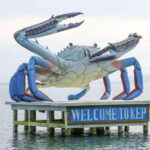
- Kep Crab Market: seafood culture you can actually watch
- Price and value: is $89 fair for an all-day route?
- What to pack for comfort on an 8–10 hour day
- Who this tour fits best (and who should think twice)
- Should you book the Phnom Penh to Kampot and Kep tour?
- FAQ
- What time does the tour start?
- How long is the day trip?
- Where does the tour begin and end?
- Is pickup offered?
- Is there an English guide during the whole tour?
- Are entrance fees included?
- Are meals included?
- Are salt fields included year-round?
- How large is the group?
Key highlights to look forward to
- A tight mix of places, not just shopping: cave temple, a dam-style lake stop, pepper farm, then crab market
- La Plantation’s pepper focus: black, red, and white Kampot pepper from a social and sustainable family project
- French-colonial flavor in Kampot: the old iron bridge and historic buildings near the river
- Secret Lake (Brateak Krola) context: it’s a dam, tied to Khmer Rouge-era history
- A practical seafood stop: Kep crab market lets you watch fishermen’s catch come in and bargain for pricing
- Small group feel: max 12 people, plus bottled water provided
Leaving Phnom Penh at 7:30 am (and why that’s smart)
This tour starts early, around 7:30 am, with pickup from Phnom Penh. The drive to Kampot is about 160 km and roughly 3 hours, which is exactly why the start time matters. You get daylight time for photos and you’re less rushed at the pepper farm and market later in the day.
You’re not stuck on long waits either. The tour runs with a clear sequence: river/old-town sights in Kampot, then countryside stops, then back toward the coast for Kep. If you’re the kind of traveler who likes structured days (not chaos, not guesswork), this format works well.
Also, since meals aren’t included, I recommend treating this like a “snacks and seafood” day. Bottled water is included, but you’ll still want a plan for lunch timing once you see where the day naturally lands.
You can also read our reviews of more shopping tours in Phnom Penh

First taste of Kampot: Iron Bridge and old buildings
Once you arrive in Kampot, you start with the iron bridge crossing the Kampot River. This bridge has that French colonial-era feel, and it’s a good first stop because it gives you a sense of the town’s layout right away. You’re not jumping straight into a climb or long walk; you’re getting orientation.
Right after that, you’ll also see older buildings in the area. Think of this as the “get your bearings” part of the day. It’s short and free of admission costs, so it’s also a low-stress way to begin before the more time-heavy stops.
What I like about starting here: it breaks up the driving time. You step out, stretch your legs, and get a few solid photo angles before the day shifts into temple and countryside.
Phnom Chhngok Cave Temple: worth the winding road
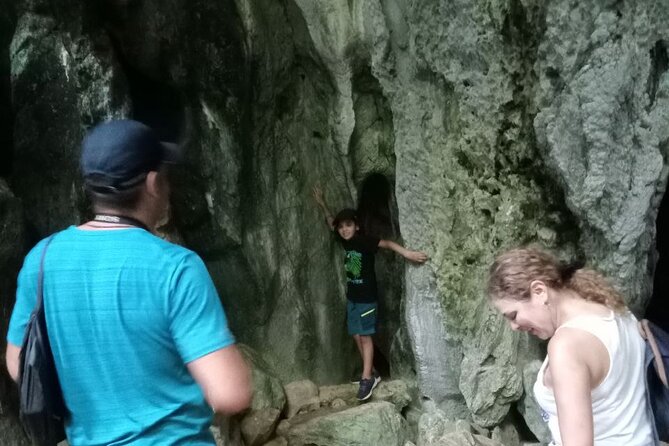
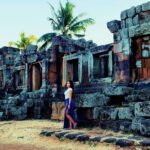
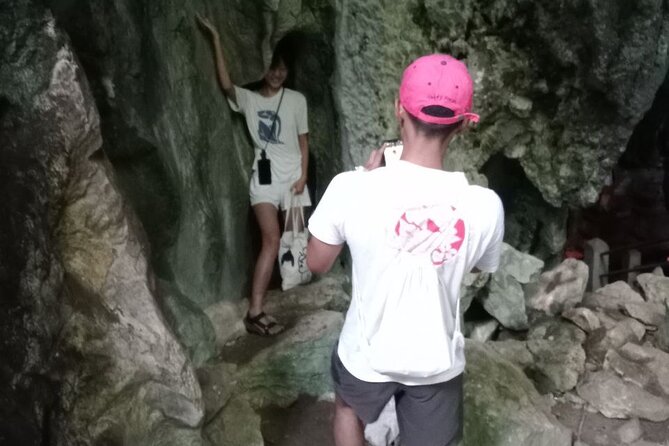
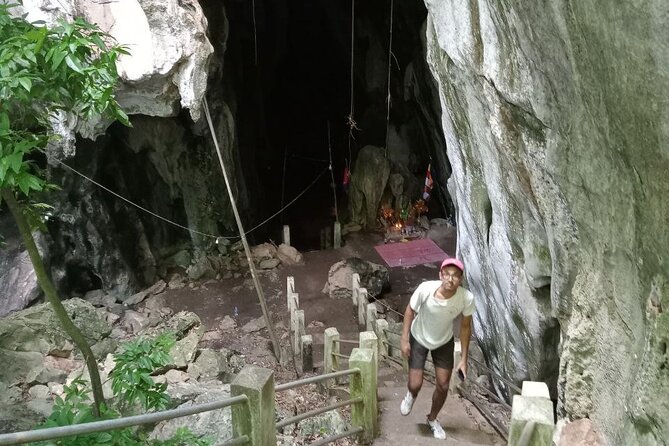
Next comes Phnom Chhngok Cave Temple, which is reached via a route that’s described as off the main road. Translation: this can mean extra effort if you’re sensitive to winding dirt roads, and it can feel physically tiring compared with the city stops.
The good news is that the temple stop itself is time enough to slow down. You’ll have about 1 hour at Phnom Chhngok Cave Temple, with admission included. This site is described as Pre-Angkorian, which is a strong reason to go even if you’re not chasing temple stamps. It’s one of those stops where the setting and history feel connected to Cambodia’s deeper layers, not just modern tourist circuits.
Practical tip: wear shoes you’re comfortable walking in, and keep your expectations realistic. The road part can tire you out, so save your energy for the temple visit rather than sprinting for photos at the start.
Brateak Krola Secret Lake: it’s a dam, with real history
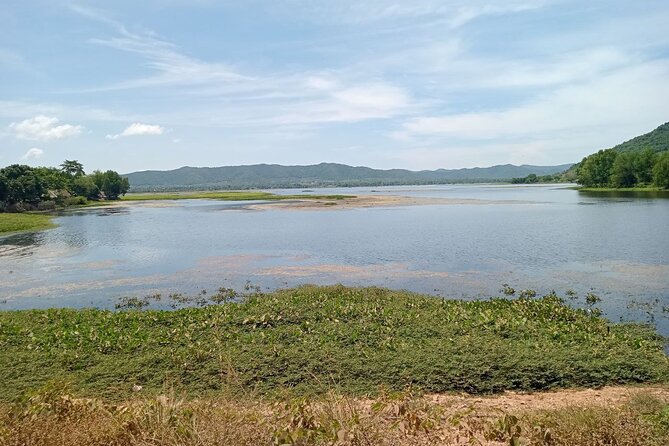
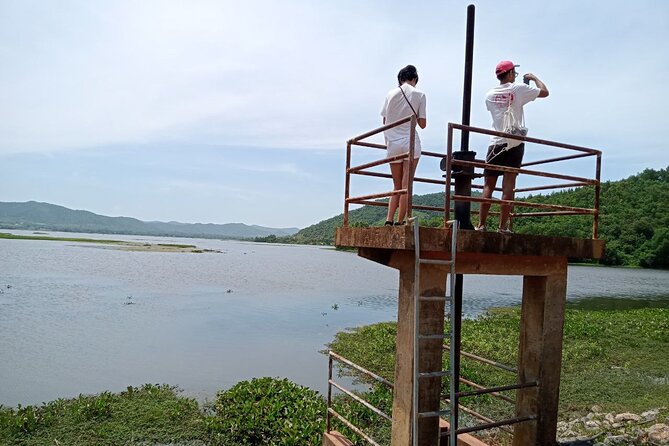
The day then shifts to Brateak Krola Lake, also called Secret Lake. Here’s the key detail: it’s not really a natural lake. It’s a dam, described as being built with slave labor during the Khmer Rouge era.
The stop is short—about 15 minutes—and it’s admission-free. So you’re not doing a long hike or an all-afternoon nature tour. Instead, it’s a quick, meaningful pause to understand how Cambodia’s landscape and infrastructure were shaped by difficult history.
Because the subject matter is heavy, keep the tone respectful. Even if you’re just snapping a picture, treat this stop like a brief moment of context, not an Instagram background.
If you like learning in small doses, this works. If you prefer only light, cheerful stops, you might find it emotionally heavy compared with pepper farms and markets.
La Plantation pepper farm: where Kampot pepper gets real
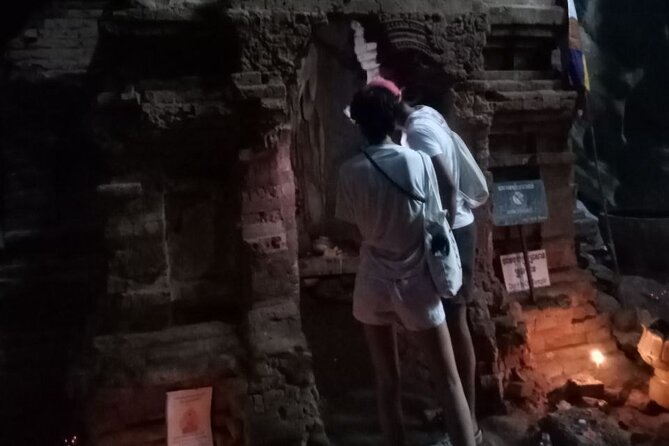
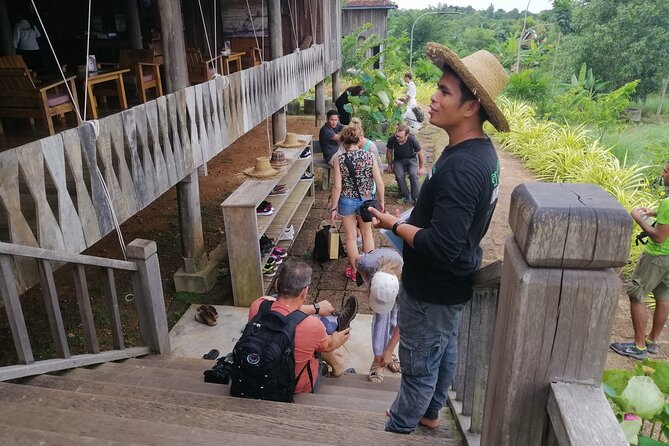
This is the stop I’d anchor the day around: La Plantation (often associated with Pepper Farm). You’ll spend about 2 hours there, with admission included.
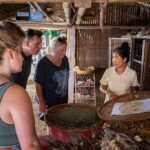
La Plantation is described as a social and sustainable family project that combines traditional farming with modern processing. That matters because you’re not just touring a display. You’re seeing how Kampot pepper moves from field to product.
The tour information specifically highlights the production of Black, Red, and White Kampot pepper. That’s your cue that the farm isn’t one-size-fits-all. Pepper varieties here are linked to how the pepper is handled and processed, which is why Kampot pepper has a reputation beyond being an expensive souvenir.
You’ll have an on-site guide at the pepper farm who speaks English or French. That’s important for making the stop feel useful rather than “walk around and look.”
One more practical thing I appreciated from the experience vibe: it’s paced so you’re not just rushed through. Two hours gives you time to ask questions, watch the processing side, and connect the flavor to something tangible.
You can also read our reviews of more tours and experiences in Phnom Penh


Salt fields (seasonal): planning around dry-season timing
Salt fields are included as part of the overall experience, but with one major condition: salt fields are available only during the dry season.
So if you’re traveling during the dry months, you may get that extra agriculture stop that complements the pepper farm. If you’re traveling outside that window, you still keep the rest of the day, but you shouldn’t assume the salt fields will be operating.
My advice: when you book, double-check the date fit. If salt fields are a big reason you want this tour, your calendar matters as much as your curiosity.
Kep Crab Market: seafood culture you can actually watch
After the countryside and farming stops, you head to Kep Beach for photos, then to the Kep Crab Market for about 1 hour.
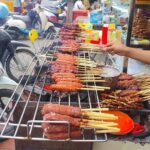
The market stop is where the day turns lively. You’ll learn about Cambodian seafood culture by watching fishermen bring in their catch. This isn’t a museum-style food lesson—it’s a working market moment, and that means the pace can feel more active than temples or farms.
There’s also a shopping component. The market description specifically notes that you can bargain with vendors to get the best price. If that’s your style, you’ll enjoy it. If bargaining makes you uncomfortable, you can still treat it as a look-and-learn stop and decide later what you want to buy.
Another practical advantage: the crab market timing fits nicely after your earlier stops. You’re not arriving at the end of the day and then realizing you still need dinner planning. You can build your evening around what you see there.
Price and value: is $89 fair for an all-day route?
At $89 per person, this isn’t a bargain-basement tour. But it also isn’t a luxury price tag for what you get.
Here’s where the value comes from:
- Round-trip long-distance transport between Phnom Penh, Kampot, and Kep in an air-conditioned vehicle
- Entrance fees included for the listed paid stops (temple and pepper farm)
- Bottled water included, plus an English-speaking driver handling navigation and timing
- Small group cap (12 travelers), which often keeps the experience calmer than big-bus tours
- A guide at the pepper farm (English or French), which turns a farm visit into an actual explanation-driven stop
The main cost not covered is also clear: meals aren’t included, and you should also budget for a driver tip if that’s part of your travel style. If you need a full lunch included to feel satisfied, you’ll want to plan for food on your own.
Given the overall rating of 4.7 from 9 reviews, and the standout praise for Simon’s helpful, safe driving and the pepper farm being a highlight, the price feels tied to quality rather than hype.
What to pack for comfort on an 8–10 hour day
Because this is a long one-day loop, comfort beats fashion. I’d plan for:
- Light rain protection if you’re in a wet period (road dust and sudden weather can both happen)
- Comfortable walking shoes for the temple area
- A layer if the car A/C feels strong
- Cash for the market, since crab market bargaining is part of the experience
- Snacks for the gaps, since meals aren’t included
Also, if you’re sensitive to travel sickness, remember there’s mention of winding dirt roads on the way to Phnom Chhngok Cave Temple. That doesn’t mean the day is rough, but it does mean it’s smart to be prepared.
Who this tour fits best (and who should think twice)
This tour is a strong match if you want:
- One day that covers Kampot and Kep without needing a private driver for yourself
- A focus on local food/agriculture (especially Kampot pepper)
- Short stops that give context instead of endless roaming
It’s also a good fit for travelers who appreciate a driver like Simon who keeps things safe and practical, and helps the day feel organized even when roads are long.
You might think twice if:
- You really don’t like long car days
- You’re looking for only beach time (this includes photos at Kep Beach, but the main seafood experience is the crab market)
- You’re specifically chasing salt fields, and your travel dates are outside the dry season
Should you book the Phnom Penh to Kampot and Kep tour?
I’d book it if you want a well-paced Cambodia day that connects agriculture, history, and seafood in one route. The pepper farm stop is the kind of experience that makes the whole trip feel earned, not just scenic. Add a safe, helpful driver, and you get a day that feels easier than DIY.
I’d hesitate only if your top priority is a relaxed, slow schedule with minimal driving. This one is built for movement. You’re trading spare time for variety.
If you’re okay with an early start and a full day on the road, this tour gives you a solid slice of Kampot and Kep without requiring you to piece together transport yourself.
FAQ
What time does the tour start?
The tour starts at 7:30 am.
How long is the day trip?
The duration is about 8 to 10 hours.
Where does the tour begin and end?
It begins with pickup in Phnom Penh, then the driver transfers you back to your hotel in Phnom Penh City or drops you off in Kampot or Kep if you’re staying there.
Is pickup offered?
Yes, pickup is offered (pickup from your Phnom Penh hotel is mentioned).
Is there an English guide during the whole tour?
The tour includes an English or French speaking guide at Pepper Farm only. You also have an English-speaking driver.
Are entrance fees included?
Yes, entrance fees are included.
Are meals included?
No, meals are not included.
Are salt fields included year-round?
No. Salt fields are only available during the dry season.
How large is the group?
This tour has a maximum of 12 travelers.