REVIEW · PHNOM PENH
Phnom Penh: Royal Palace, S21, Killing Fields & More Tour
Book on GetYourGuide →Operated by Sina's TukTuk or Van Driver & Guide Service · Bookable on GetYourGuide
This day tour turns Phnom Penh into a story you can actually follow. You start with landmark pagodas named for Grandma Penh, then move into the Royal Palace gardens, and finish with the heavier sites at S21 and Choeung Ek.
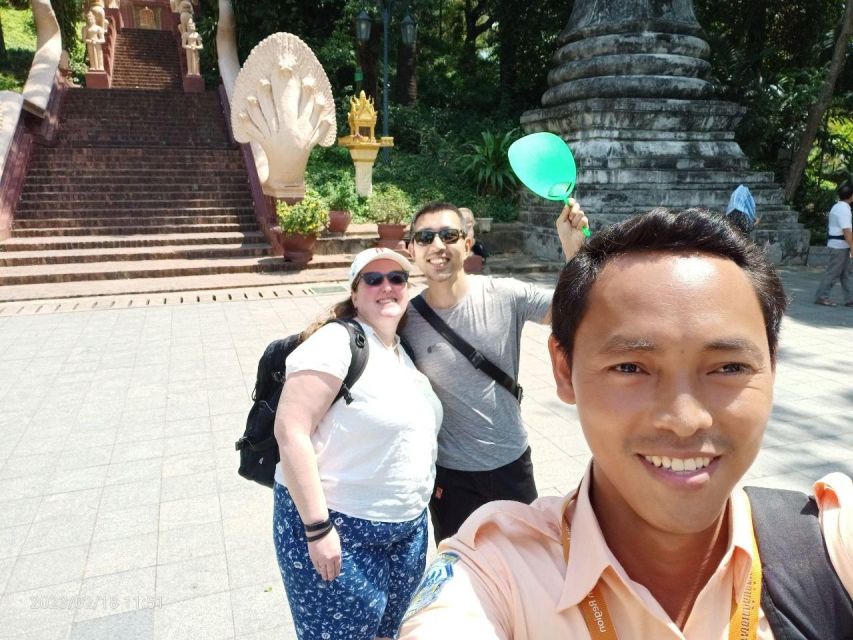
I especially love how the guide, Sina, shares explanations at nearly every stop, so you’re not just taking photos—you’re understanding what you’re seeing. I also like the small-group pace (limited to 7) with an air-conditioned grand Starex van and frequent breaks for cold drinks.
One consideration: this tour covers genocide history, so it can be emotionally intense, even with a respectful, structured approach at S21 and the Killing Fields.
In This Review
- Key highlights worth aiming for
- Entering Phnom Penh in the morning: Grandma Penh, Wat Phnom, and easy orientation
- The temple-to-palace shift: Wat Ounalom and National Museum photo stops
- Royal Palace Compound: Khmer architecture, gardens, and the big symbols
- Parks and monuments: Wat Botum Park, Independence, and the 2024 constitutional marker
- Lunch break and the local restaurant stop
- Tuol Sleng (S21): why the audio is worth it
- Choeung Ek Killing Fields: the hardest follow-up after S21
- The return to lighter Phnom Penh: Diamond Island, markets, and souvenir time
- Transport, group size, and the “how” that makes the day work
- Fees, timing, and what you should mentally budget for
- Who this tour suits best (and who should skip it)
- Should you book this Phnom Penh Royal Palace, S21 and Killing Fields tour?
- FAQ
- FAQ
- How long is the Phnom Penh Royal Palace, S21, Killing Fields & More tour?
- What is the tour price?
- Is hotel pickup and drop-off included?
- Are the entrance fees included in the $35 price?
- Do I need an audio guide for S21 and Killing Fields?
- Is lunch included?
- What language is the tour guide?
- What about dress code and what I can bring?
- What’s the best way to handle payment for sites and souvenirs?
Key highlights worth aiming for
- Grandma Penh to Wat Phnom: the origin story behind Phnom Penh, then a guided climb up to the highest pagoda.
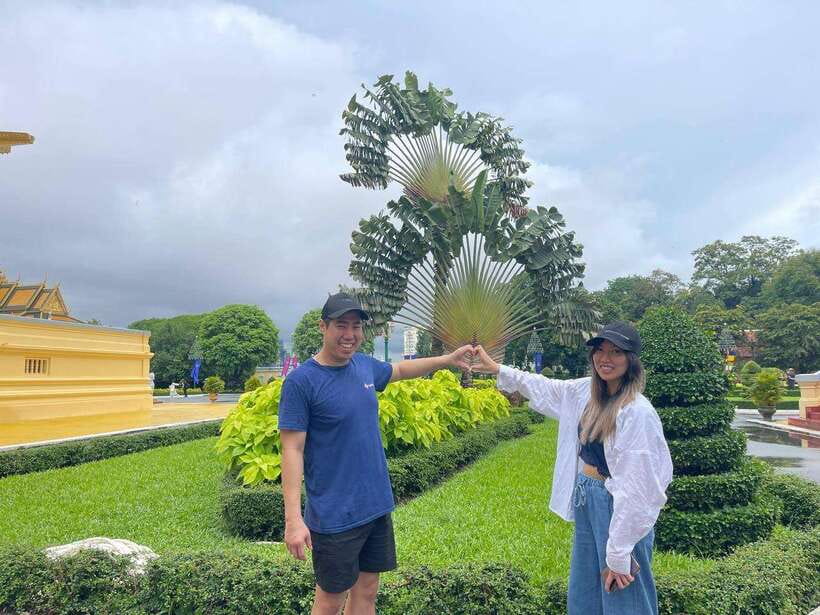
- Royal Palace Compound photos: vivid Khmer architecture and gardens, plus Royal Throne and Silver Pagoda viewpoints.
- Monuments with context: Cambodia–Vietnam monument, Independence Monument, and newer constitutional symbolism (2024).
- The two essential sites: Tuol Sleng (S21) and Choeung Ek are the day’s hardest stops, best tackled with audio support.
- Final stop at Central Market: time to shop for Khmer products and souvenirs before hotel drop-off.
Entering Phnom Penh in the morning: Grandma Penh, Wat Phnom, and easy orientation
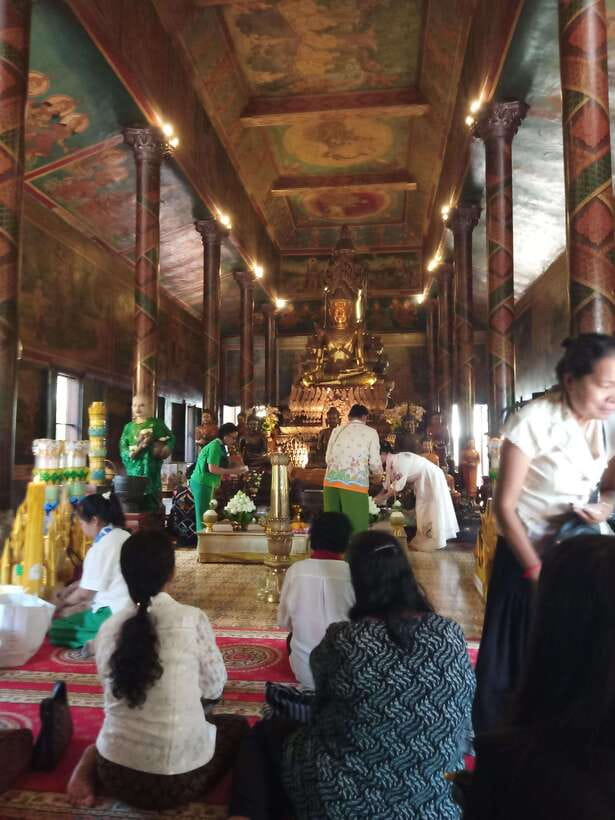
The day starts with a smart, low-stress way to orient you. First up is the Grandma Penh shrine, named for the legendary figure after whom the city is called. It’s not a huge site, but it sets the tone: Phnom Penh isn’t just buildings and streets. It has a story people still reference.
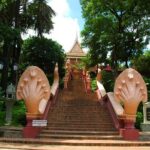
From there, you head to the mountainous pagoda (the tour frames it as Mountainous Pagoda), learning how Grandma Penh’s legend connects to the city’s identity. Then you move on to Wat Phnom, the highest Buddhist pagoda in the area. Expect a mix of photo time and guided context, which helps you understand why locals treat the spot as both spiritual ground and city landmark.
This is the best early order, because it gives you something hopeful to hold onto before the day gets heavy. Also, you’re in Phnom Penh’s calmer morning rhythm, when temples are easier to enjoy without rushing.
Practical tip: you’ll want to wear clothes that fit temple rules. Shorts aren’t allowed on the tour, and you’ll be asked to dress appropriately for these religious stops.
You can also read our reviews of more tours and experiences in Phnom Penh.
The temple-to-palace shift: Wat Ounalom and National Museum photo stops
After Wat Phnom, the route swings into more visible, “walk-and-look” sightseeing. You’ll have a short stop at Wat Ounalom Monastery, with time for photos and a quick guided look. Even when the stop is brief, it matters because it shows how Phnom Penh’s religious life is interwoven across different areas of the city.
Next comes the National Museum of Cambodia. One key detail: for this and the Royal Palace, you learn and take photos from the outside only. That can sound limiting on paper, but it keeps the day moving smoothly and helps you focus on the best exterior architecture moments.
This is also where your guide’s approach makes a difference. Sina doesn’t just point. He explains what to look for, so the temple roofs, courtyards, and museum facades feel less like random photo backgrounds.
Royal Palace Compound: Khmer architecture, gardens, and the big symbols
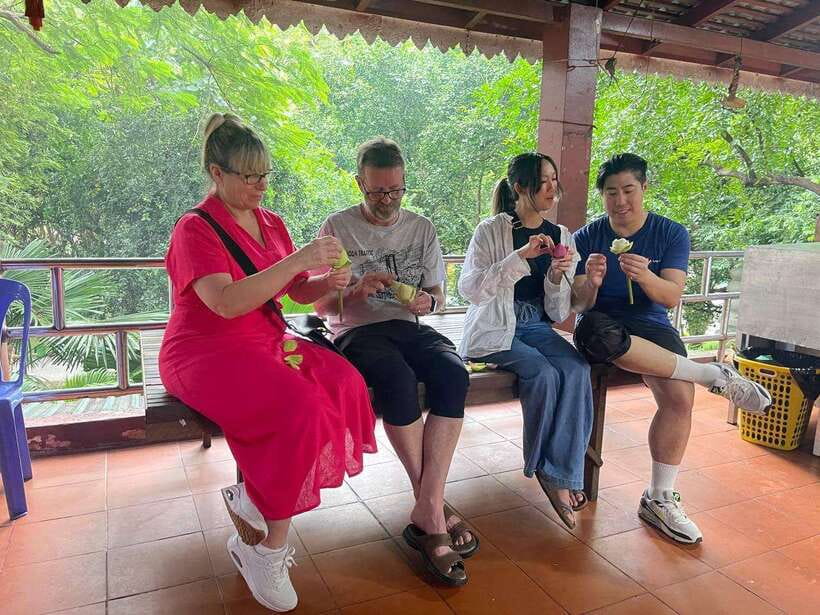
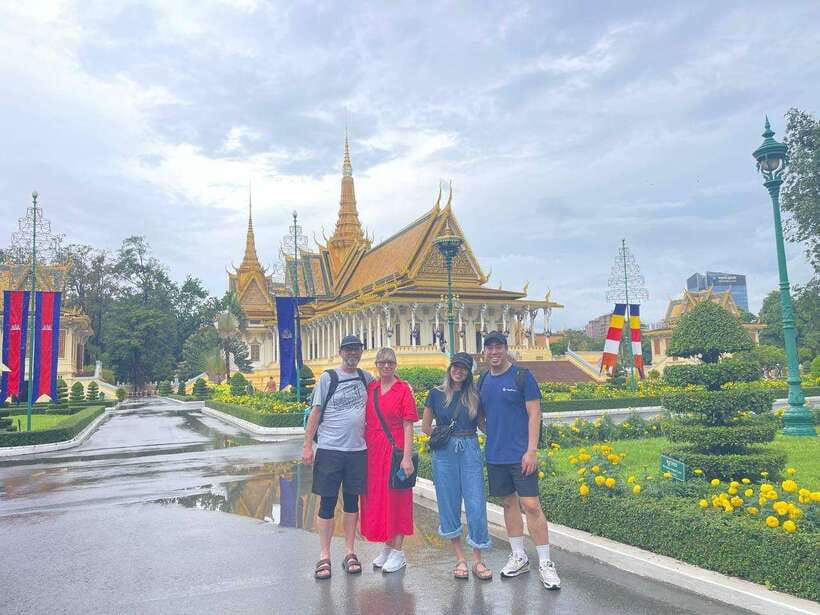
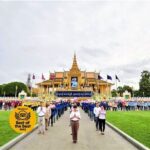
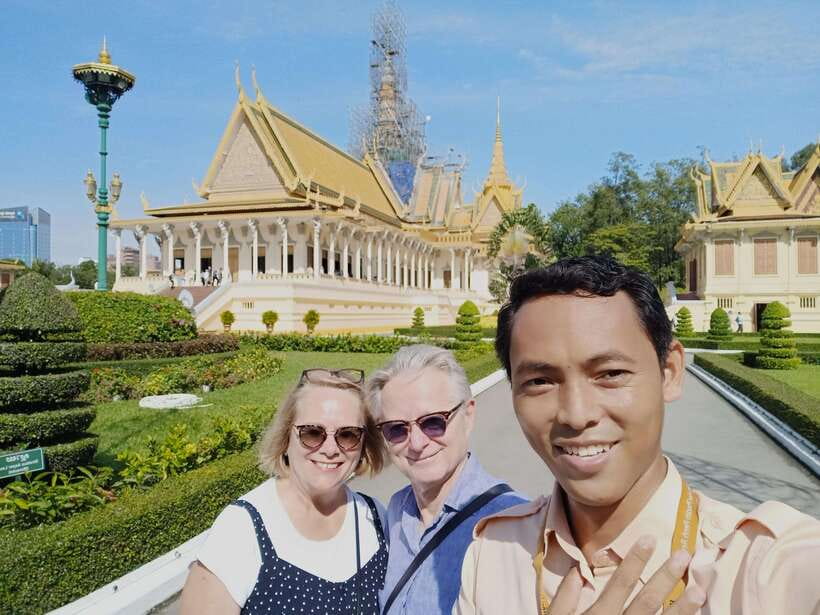
Then you arrive at the Royal Palace Compound—the part of Phnom Penh that instantly looks “official,” even to first-time visitors. You’ll get time to photograph Khmer architecture and the gardens, with guided context.
Two sights are called out as must-sees: the Royal Throne (treated as a national symbol) and the Silver Pagoda. Even if you’re only seeing certain areas from outside, the symbolism comes through because the guide ties it to how Cambodia presents its identity through monarchy, spirituality, and state spaces.
This stop is a nice mid-day reset. Temples earlier felt devotional and historical. The palace area feels ceremonial and political. Together, they give you a fuller picture of how Phnom Penh holds authority and belief in the same city.
Practical note: you’ll need to budget for the Royal Palace fee. The tour lists an additional $10 Royal Palace fee.
Parks and monuments: Wat Botum Park, Independence, and the 2024 constitutional marker
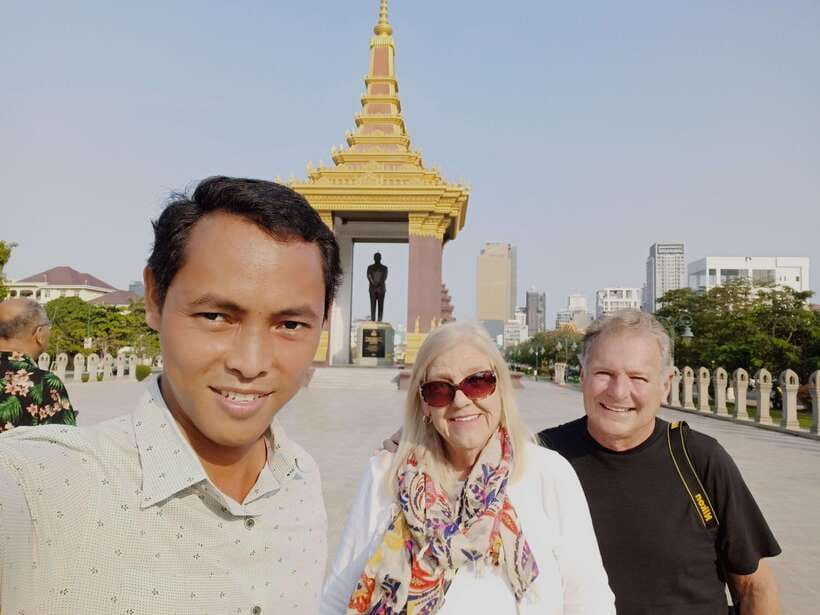
After the palace, the tour shifts to parks where the city’s “public memory” shows up in monuments. This is one of the best parts of the day if you like history that’s written in stone.
First, you visit Wat Botum Park, home to the Cambodia–Vietnam monument, which commemorates the alliance of Cambodia’s liberation. It’s the kind of structure that’s easy to ignore if you’re just rushing, but it lands differently when you know what it represents.
In the same area, you also see a large bronze statue of former Khmer king Norodom Sihanouk placed in his garden. Then there’s a roundabout where you learn about the Independence Monument, dedicated to Khmer people gaining independence from French colonization.
The tour continues to a nearby constitutional monument built in 2024, tied to the constitution last enacted in 1993. It’s a useful reminder that Phnom Penh is not only about the distant past. The city is still updating how it tells its own story.
Time reality check: some stops here are short (around 10 minutes in several cases). That’s not a flaw—it’s exactly why this route works as a one-day overview. You get to see a lot without feeling trapped on your heels.
Lunch break and the local restaurant stop
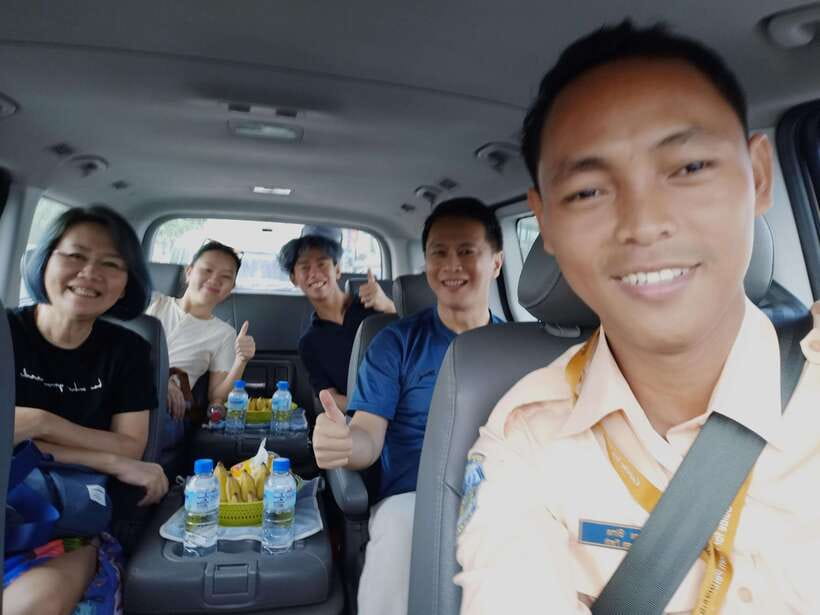
You’ll get a lunch stop at a local restaurant. The key detail is that the tour schedule includes the break, but lunch itself is listed as not included. So plan to pay for what you order.
If you’re sensitive to heat, use lunch to slow down your pace. This is also a good moment to recharge before the day’s two major memory sites.
What I’d do: if you’re carrying cash, confirm you have enough for both meals and entrance fees. Tour sites in this plan may not accept cards.
Tuol Sleng (S21): why the audio is worth it
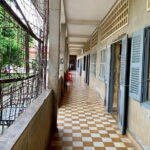
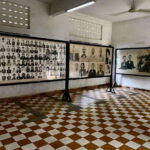
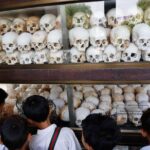
Now the day turns serious: Tuol Sleng Genocide Museum, also known as S21. This isn’t “tourist history.” It’s a museum built around atrocity, and the tour treats it that way.
The route includes guided touring time here (listed at 1.5 hours) and recommends audio guides for a deeper, self-paced layer. The tour info says audio player is recommended, and audio guides are available. Since the tour is already guided, audio isn’t redundant—it can help you pause, re-hear, and absorb at your own speed while the emotional weight settles.
You’ll want to keep expectations simple: you’re going to learn and reflect. Your pace matters more than your photo strategy. If you’re the kind of person who takes breaks when something hurts emotionally, this is the place to do it.
Entrance fee to plan for: $5.
Choeung Ek Killing Fields: the hardest follow-up after S21
After S21, you head to Choeung Ek Genocidal Centre, the Killing Fields site. The tour schedules another 1.5 hours with guided touring.
Like S21, audio is recommended. The value of audio here is practical: it helps you keep track of what you’re seeing when emotions and scale make everything blur together.
This stop can feel long even when the clock says otherwise. If you want to take it in properly, don’t rush the last sections just to “finish.” Give yourself permission to go slower than you think you can.
Entrance fee to plan for: $3.
Important note: you’ll want to wear respectful, appropriate clothing for both S21 and Choeung Ek as well. Shorts aren’t part of the plan, and the general guidance is to dress appropriately.
The return to lighter Phnom Penh: Diamond Island, markets, and souvenir time
Once you’ve faced the difficult parts of Cambodia’s recent history, the tour gives you a chance to come back into everyday city life.
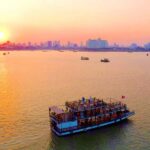
One of the more visually rewarding photo stops is Diamond Island. The tour frames it as a spot located on the bank where the Mekong River intersects with multiple directions, which helps you understand why it’s such a well-known city landmark. It’s scenic without being loud, and it’s a good place for a breather before your final shopping stop.
Finally, you end at the Central Market, famous for Khmer products and souvenirs. This is a practical finish: you’re dropped off after you’ve had time to look and buy, rather than heading to the airport or hotel empty-handed.
Shopping tip: the tour information says credit cards aren’t accepted at tour sites, and while markets can be different depending on vendor, I’d still bring cash for the safest experience.
Transport, group size, and the “how” that makes the day work
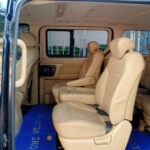
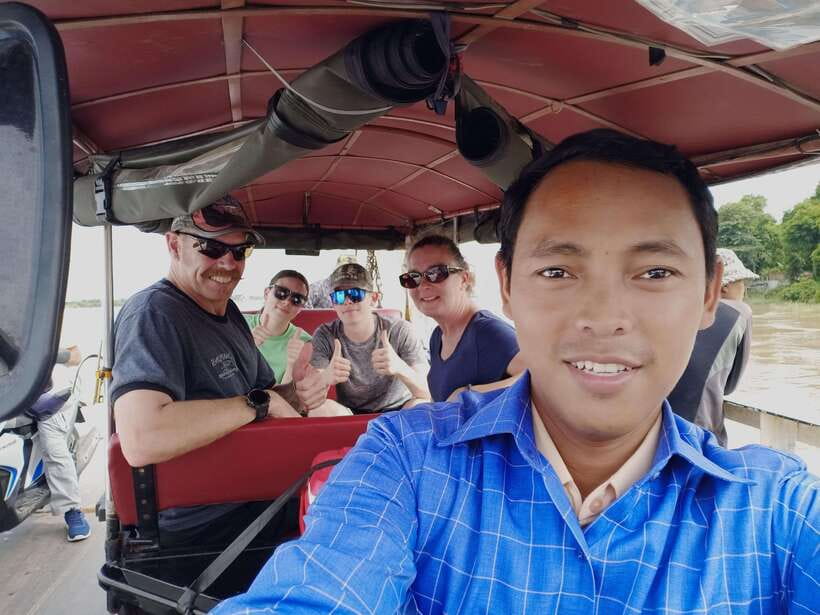
This tour is built for comfort and focus. You travel in an air-conditioned van (grand Starex), and the vehicle is described as a standout in feedback. You’re also in a small group capped at 7, which matters because group size affects pacing and your chance to ask questions.
Sina’s style stands out in the details: at each stop, explanations are provided in English, and questions are welcomed. In practice, that means you can steer the day a bit toward what you personally care about—Buddhism, monuments, Khmer architecture, or how the modern city developed after the tragedies.
Another practical win: bottled water and coke are included, and there’s local beer after 12:00 PM. Even if you skip the beer, the cold drinks help a lot when you’re covering multiple outdoor photo stops.
You also have a clear boundary on what you bring. You’re not allowed shorts, large bags, or alcohol/drugs. If you’re packing for Cambodia, keep the day light.
Fees, timing, and what you should mentally budget for
The tour price is $35 per person for an 8-hour day covering a lot of major sights. That’s the headline value. The more useful way to judge it is to look at what’s included vs. extra.
Included:
- Hotel pickup and drop-off
- English explanations by Sina at stops
- Air-conditioned transport
- Bottled water and coke
- Local beer after 12:00 PM
Not included entrance fees (you’ll pay on-site):
- Wat Phnom fee: $1
- Royal Palace fee: $10
- S21 (Tuol Sleng) fee: $5
- Killing Fields (Choeung Ek) fee: $3
- Audio guide player (and audio is recommended; availability is mentioned)
So the “all-in” cost is more than $35, but it still tends to feel reasonable because you’re not paying separately for transportation plus a guide plus a structured day with multiple key locations. For Phnom Penh, that kind of one-day routing saves you time and friction.
Also remember: National Museum and Palace visits are outside only, which affects what you can expect to see. You’re paying for the day’s overview and guided context more than for an indoor ticket-heavy route.
Who this tour suits best (and who should skip it)
This is a strong fit if you want:
- A one-day overview of Phnom Penh’s major highlights
- A guide who can connect architecture and monuments to meaning
- A respectful, structured approach to Cambodia’s hardest history
It’s less suitable if:
- You have altitude sickness concerns (the tour notes it as not suitable)
- You’re over 95 years old (also stated as not suitable)
- You can’t handle emotionally heavy sites in one day
If you’re traveling with limited time and you want both the beautiful and the devastating sides of the city in a single day, this tour format is efficient.
Should you book this Phnom Penh Royal Palace, S21 and Killing Fields tour?
If your goal is to learn and see Phnom Penh’s top sites in one day, I’d book it. The guide-led explanations in English, the small-group size, and the fact you cover both the palace-and-temples side and the S21/Killing Fields side make it a solid value for the money.
My advice for making the day work for you:
- Bring a camera, but don’t let photos drive the schedule at S21 and Choeung Ek
- Plan for audio guide support there if you want more structured reflection
- Wear temple-appropriate clothes and keep your bag small
- Carry cash for entrance fees and possible purchases
This is not a “light sightseeing” day. It’s a meaningful one. And when it’s done well, that’s exactly what you want from Phnom Penh.
FAQ
FAQ
How long is the Phnom Penh Royal Palace, S21, Killing Fields & More tour?
It’s listed as an 8-hour experience.
What is the tour price?
The price is $35 per person.
Is hotel pickup and drop-off included?
Yes, hotel pickup and drop-off are included. You’ll need to provide your hotel name and address.
Are the entrance fees included in the $35 price?
No. Entrance fees are not included and are listed for Wat Phnom ($1), S21 ($5), Killing Fields ($3), and the Royal Palace ($10).
Do I need an audio guide for S21 and Killing Fields?
Audio guides are available and recommended for the S21 and Killing Fields stops. The audio player is listed as not included, but you can use the available audio options.
Is lunch included?
A lunch stop at a local restaurant is part of the schedule, but lunch itself is listed as not included.
What language is the tour guide?
The tour guide provides English explanations.
What about dress code and what I can bring?
Shorts are not allowed, and luggage or large bags are not allowed. Alcohol and drugs are also not allowed.
What’s the best way to handle payment for sites and souvenirs?
The tour info notes that credit cards are not accepted at tour sites, so bring enough cash for entrance fees and purchases.