REVIEW · SIEM REAP
Siem Reap: Tonle Sap Lake – Fishing Village & Flooded Forest
Book on GetYourGuide →Operated by Journey Cambodia · Bookable on GetYourGuide
Tonle Sap moves with the seasons. What makes this half-day trip special is how it shows the flooded forest as a living system, not a postcard, and it does it with a calm, real-world boat pace. I love the mix of Kampong Phluk fishing villages and the behind-the-scenes look at how people actually eat and earn from the lake. I also like the chance to connect those water-level changes to food—especially local dishes and lake-market finds. One possible drawback: in the lowest-water months, you may see less of the flooded-forest feel and some places may be more limited than at other times.
If you want a break from temple crowds, this is a smart substitute: you’re out with nature, work life, and village rhythm. The route is short enough that you stay fresh, and the guide helps translate what you’re looking at. Still, it’s not a push-button photo safari—expect some walking, uneven ground around village edges, and a schedule that’s shaped by the water.
In This Review
- Key Points You’ll Remember
- Tonle Sap’s Flooded Forest: The Main Character Here
- Starting From Siem Reap: How the Morning/Afternoon Van Sets the Tone
- Kampong Phluk by Boat: Stilt Homes, Canal Life, and Slow Pace
- The “Real Life” Part: Local Agriculture and Aquaculture Back on Land
- River-Boat Segment: A Small Stretch That Helps Everything Click
- Markets and Snacks: Taste the Lake Without Overcomplicating It
- The Buddhist Monastery Stop: A Quiet Pause (With Seasonal Timing)
- Price and Value: Is $45 for Four Hours Worth It?
- Who This Tour Suits Best (And Who Should Skip It)
- Quick Tips to Get More Out of It
- Should You Book This Tonle Sap Fishing Village Tour?
- FAQ
- How long is the Tonle Sap Lake fishing village and flooded forest tour?
- Where is the pickup location?
- Does the tour run in the morning or afternoon?
- What’s included in the price?
- What is not included?
- Is the tour wheelchair accessible?
- What language is the guide?
- What do you visit during the tour?
- Can I cancel for a full refund?
- Is there an option to reserve without paying right away?
Key Points You’ll Remember
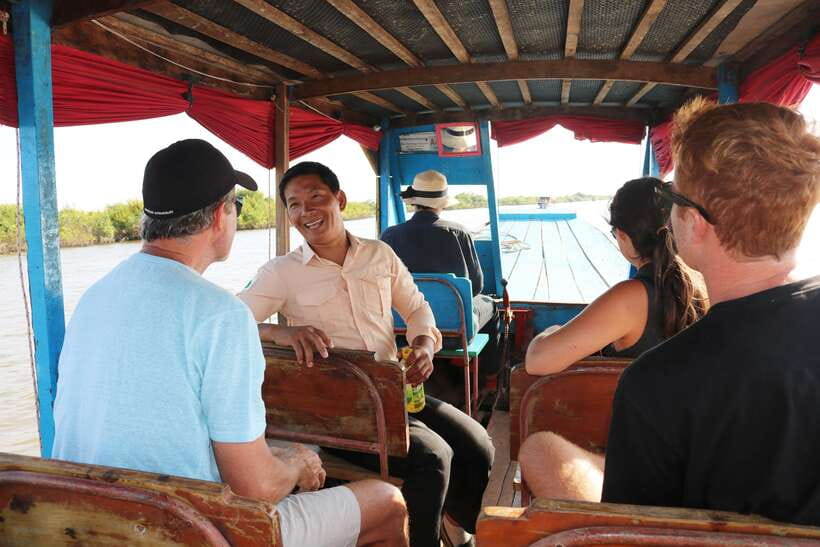
- Boat time on Tonle Sap Lake: slow cruising through canals and village edges where daily life happens close to the waterline.
- Kampong Phluk fishing villages: stilt houses and work routines in a seasonally flooded landscape.
- Season-driven farming and aquaculture: rice work, duck farming, smoking fish, and fish-paste production depending on timing.
- Food-side discovery: rural markets and snack stops that show what local families actually buy and eat.
- A guide who brings meaning to details: you’ll get practical context, not just names and directions.
- Comfort basics included: hotel pickup, A/C van, cool towel, and mineral water for the 4-hour flow.
Tonle Sap’s Flooded Forest: The Main Character Here
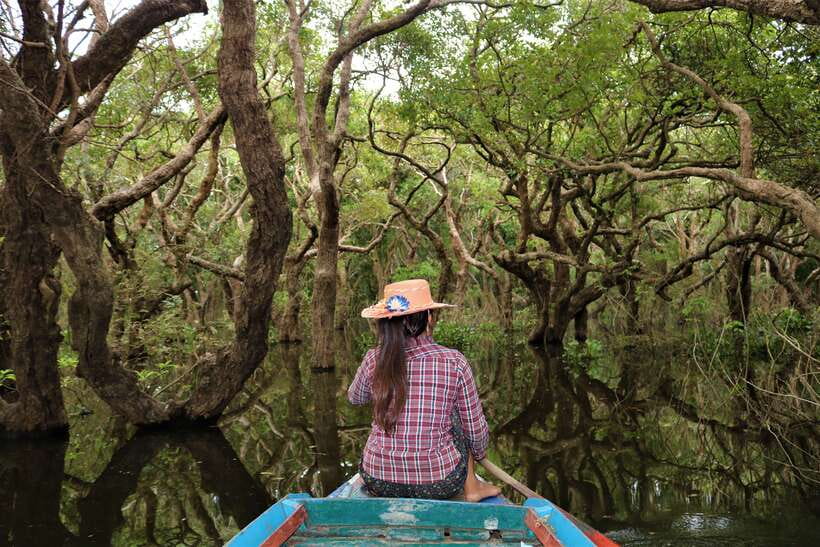
Tonle Sap is famous because it changes size dramatically. In the wet season the lake can swell to about 12,000 km², then shrinks in the dry season to roughly 2,500 km². That shift isn’t just scenery—it controls where fish spawn, where birds feed, and where communities can live and work.
The key idea is the seasonally flooded forest around the lake. Each year, millions of fish move in to spawn, and that attracts people as well as wildlife. UNESCO classed the ecosystem as a biosphere reserve in 1997, which matters because you’re seeing a protected, high-production system rather than a “random” landscape.
When you understand that water level is the boss, the trip makes more sense. A boat glides through a network of channels one time of year, while another time of year may feel more grounded and less “floating.” The tour’s success depends on that seasonal reality, and it’s worth matching your expectations to when you go.
You can also read our reviews of more tours and experiences in Siem Reap
Starting From Siem Reap: How the Morning/Afternoon Van Sets the Tone
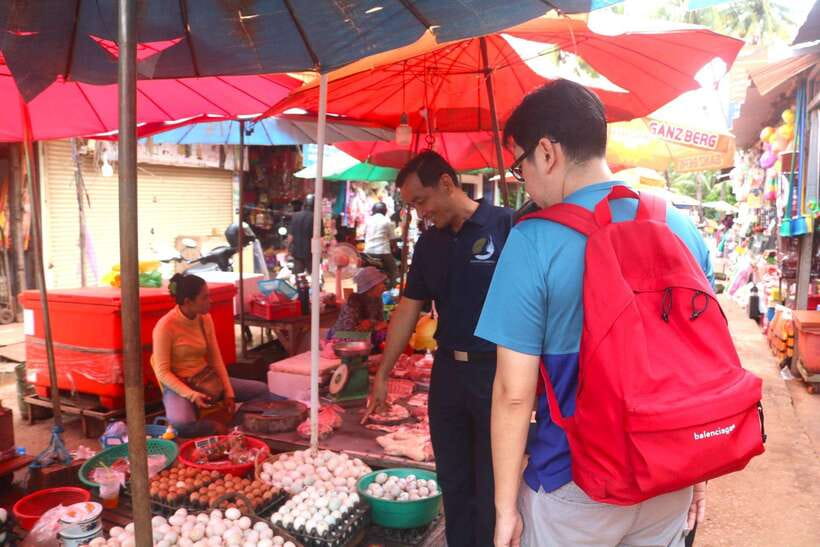
Your day begins with pickup in Krong Siem Reap and a drive through the countryside. The total tour length is about 4 hours, so you’re not stuck in a full-day travel squeeze. You’ll typically have around 40 minutes of van time, which is enough to get out of the city noise and orient yourself to rural Cambodia.
During this stretch, your guide can often frame what you’ll see next: how lake living differs from inland farming, why stilt structures exist, and what “aquaculture” means when the main resource is water. I like this part because it turns the rest of the trip from sightseeing into understanding.
Also, the comfort basics help. The vehicle has A/C, and the tour includes mineral water and a cool towel, which is a small thing that makes a difference on warm days. If you’re sensitive to heat, this is a good half-day choice.
One note to keep in mind: this tour isn’t designed to be accessible for wheelchair users, so plan on some walking and balance around village edges.
Kampong Phluk by Boat: Stilt Homes, Canal Life, and Slow Pace
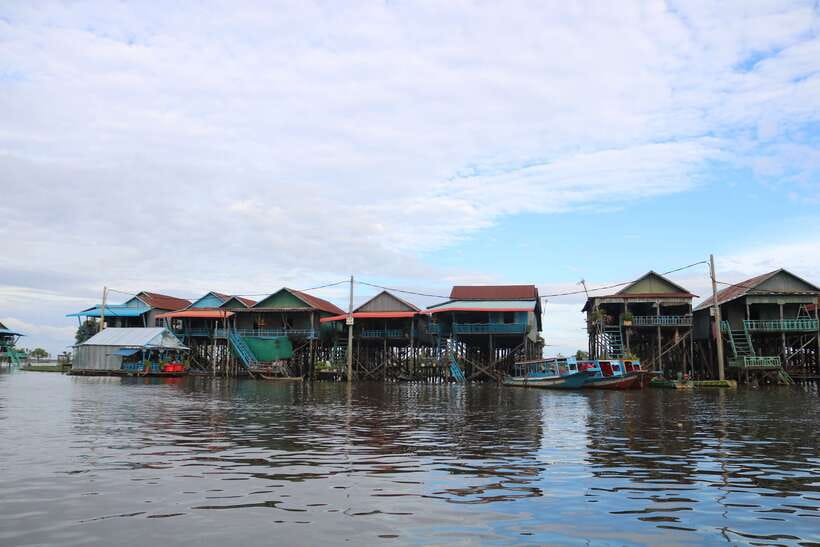
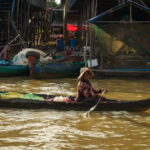
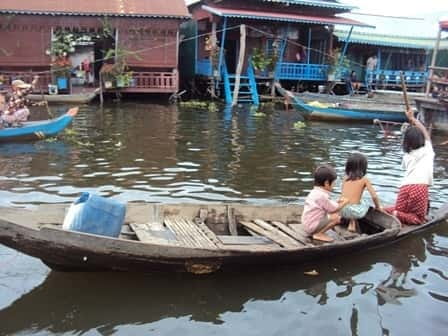
The heart of the experience is your time at Kampong Phluk, a cluster of small fishing villages set in the flooded forest. You’ll spend roughly 2.5 hours in the area, with a mix of guided exploring and boat cruising. This is where the lake stops being an idea and becomes your route.
From the water, you get a better sense of how people live with the seasonal rhythm. Stilt houses aren’t just a style choice here—they’re practical infrastructure. They keep living space above rising water and make daily tasks possible as the lake expands and contracts.
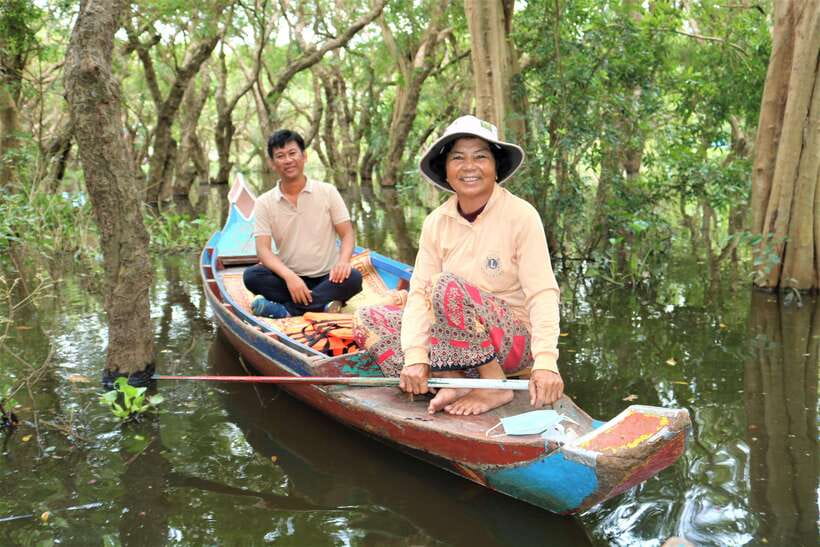
Your boat cruise moves through forest canals at a calm pace. That matters because rushing would turn the experience into a blur of surfaces. Instead, you can actually notice details: the way work areas sit near the waterline, how boats are used as tools, and how the flooded environment changes what’s reachable.
This is also the moment when your guide’s role becomes real. If you end up with someone like Sargon Pal, you can expect explanations that connect daily scenes to the broader lake ecosystem. If you’re with a guide like Chhay, the emphasis may be more on daily life, survival strategies, and community support—especially the harder-to-reach parts of how families manage their livelihoods.
The “Real Life” Part: Local Agriculture and Aquaculture Back on Land
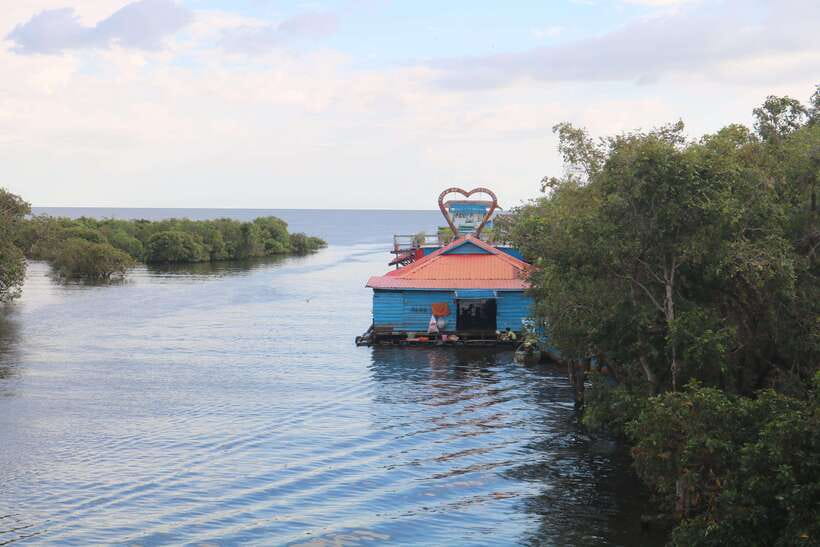
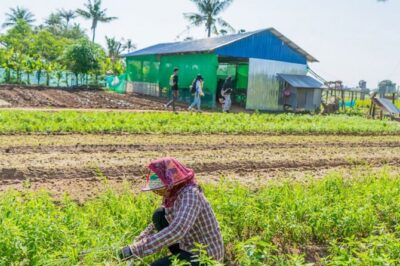
After the village boat time, the tour shifts gears. You’ll head back on country roads and see seasonal agriculture and lake-linked work. This is where the trip becomes more than scenery and more like a living economy.
You might catch examples such as cricket catching, rice planting and harvesting, smoking fish, fish paste (prohok) making, and duck farming. The exact mix depends on the time of year, so don’t treat it as a guaranteed checklist. But the range is the point: this is a system where land and water constantly trade roles.
Even if you’re not an agriculture nerd, this section helps you interpret what you saw on the boat. Fishing villages aren’t isolated from the inland world—they rely on seasonal timing and on food processing. When you see smoking fish or prohok-related work, you understand how preservation is part of survival, especially when water conditions change.
If you like practical, hands-on cultural observation, this portion is usually where the tour earns its value. You’re not just watching; you’re learning why certain tasks exist.
River-Boat Segment: A Small Stretch That Helps Everything Click
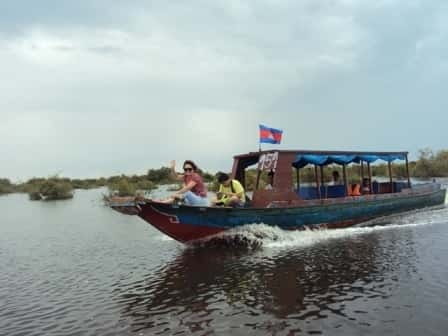
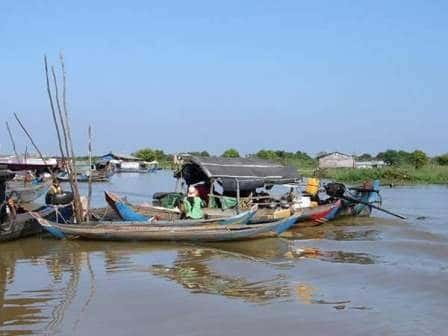
In the flow of the day, there’s also a shorter river-boat ride segment (about 30 minutes). It’s not the main event like Kampong Phluk, but it does something useful: it changes your perspective again.
You’ll be able to see the watery connections between communities and work areas. Often, people think of lake life as one big image—until you experience movement like this. That short boat ride helps you connect channels, shorelines, and village layout into one coherent picture.
It also serves as a gentle reset between stops. With a tight 4-hour schedule, having these built-in pacing shifts keeps the experience from feeling like a nonstop march.

Markets and Snacks: Taste the Lake Without Overcomplicating It
One of the highlights is the chance to explore local foods and vegetables in more rural market settings. The tour includes a stop where you can pick up Khmer snacks. This isn’t about turning you into a food critic—it’s about seeing what’s normal for local families and street markets.
You’ll often notice ingredients that match the season and the lake’s influence. For example, when fish processing is part of the day, you might see related flavors and preparations in snack form. The overall effect is that you leave with taste memories tied to what you saw—fishing, processing, and daily life.
I also like that the market stop tends to be practical. You get a quick window into how people shop and snack without needing a long detour. If you’re already planning to eat in Siem Reap later, this is a nice complement: it adds variety and local context.
The Buddhist Monastery Stop: A Quiet Pause (With Seasonal Timing)
Before heading back, the tour may include a visit to a Buddhist monastery. The suggested visit period is between the end of July and early March, which means access and timing can vary depending on when you travel.
This stop works as a change of pace. After boats and work scenes, a monastery visit gives you space to slow down and absorb the spiritual side of village life. You’ll likely find it especially meaningful if you enjoy cultural stops that are more about stillness than performance.
If your travel dates fall outside that suggested window, don’t assume the monastery stop will line up exactly as described. The good news is that the lake-and-village portion remains the core of the experience.
Price and Value: Is $45 for Four Hours Worth It?
At $45 per person for about 4 hours, this isn’t a luxury experience, but it can be very good value. Here’s what you’re really paying for:
- Boat cruise access to Kampong Phluk and canal views that you can’t easily replicate on your own if you’re short on time.
- Hotel pickup and drop-off in Siem Reap, which matters because this region is not a quick walk or quick taxi hop.
- An English-speaking guide, which turns what could be confusing scenery into understandable context.
- Included comfort items like mineral water and a cool towel, plus A/C transport.
You also get a broader picture than a simple boat tour. The mix of fishing villages, flooded-forest setting, land-based farming and aquaculture work, and rural market food stops makes the price feel more justified than a single-activity excursion.
The main “value risk” is timing. During lower water periods, some flooded-forest features can feel less dramatic, and access may be more limited. That doesn’t mean the tour is bad—it means you should check your expectations based on your month in Cambodia.
Who This Tour Suits Best (And Who Should Skip It)
This tour is a strong match if you want authentic, practical life on Tonle Sap rather than just a viewpoint. You’ll enjoy it if you like nature with human context—water ecology plus how people respond with fishing, farming, and food processing.
It’s also a good fit for couples, solo travelers, and small groups who want a half-day plan that doesn’t require intense planning. The pacing is relaxing enough that you can still enjoy Siem Reap after.
You might want to skip or choose a different format if:
- You need wheelchair accessibility (this one isn’t suitable).
- You’re looking for a guaranteed flooded-forest spectacle regardless of the season.
- You hate any walking on uneven ground near village edges.
Quick Tips to Get More Out of It
Based on how the experience works, these small choices can improve your day:
- Bring sun protection. You’ll be outdoors on boats and around villages.
- Wear comfortable shoes for walking and possible uneven surfaces.
- If you’re picky about photos, remember the best moments can be slow and quiet, not constant action.
- Ask your guide about what’s different in the water level right now. That one question often unlocks the whole trip.
Should You Book This Tonle Sap Fishing Village Tour?
I’d book it if you want a half-day that feels genuinely connected to place. The combination of Kampong Phluk boat cruising, an explanation-driven guide, and the land-based look at fishing-linked agriculture makes this more than a scenic detour.
Book it especially if you’re in Siem Reap and want something that helps you understand how Cambodians live with water. If you’re visiting during the lowest-water stretch, keep expectations flexible and focus on the human side of lake life—the part that still lands even when the forest looks different.
FAQ
How long is the Tonle Sap Lake fishing village and flooded forest tour?
The tour duration is about 4 hours.
Where is the pickup location?
Pickup is included from hotels in Siem Reap city, with pickup listed for Krong Siem Reap.
Does the tour run in the morning or afternoon?
Yes. There is a choice of morning or afternoon departure, depending on availability.
What’s included in the price?
The tour includes an English-speaking local guide, air-con vehicle, hotel pickup and drop-off, boat cruise, entrance fees, mineral water, and a cool towel.
What is not included?
The rowboat at the mangrove forest is not included.
Is the tour wheelchair accessible?
No, the activity is not suitable for wheelchair users.
What language is the guide?
The guide provides English narration.
What do you visit during the tour?
You visit villages around Tonle Sap Lake, including Kampong Phluk, experience a boat cruise, observe local agriculture and aquaculture activities, and stop at local markets for snacks/food.
Can I cancel for a full refund?
Yes. The tour offers free cancellation up to 24 hours in advance for a full refund.
Is there an option to reserve without paying right away?
Yes. There is a reserve now & pay later option, so you can reserve and pay later.