REVIEW · PHNOM PENH
Phnom Penh Silk Island Haft Day Tour – Top Rating Experience
Book on GetYourGuide →Operated by Vespa Backstreet · Bookable on GetYourGuide
Silk and tofu skin, from one ferry ride. This is a half-day outing that treats Silk Island like a living place, not a tourist set. I love the hands-on feel of learning silk weaving from locals, and I also love getting a front-row look at dried tofu skin production, then eating local snacks along the way. One caution: pickup and drop-off can be picky about exact locations, so you’ll want to confirm the meeting point so your driver doesn’t decide to stop short.
You’ll start in Phnom Penh with temple and market time, then head out with an English-speaking guide (many bookings highlight guide Lee for clear English and a funny, friendly style). Most days run about 4 to 6 hours, and the tour returns around 2:00 PM, which makes it a smart choice if you want culture without burning your whole afternoon.
In This Review
- Key things that make this tour worth it
- Leaving Phnom Penh for Silk Island: how the day actually flows
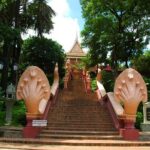
- Mongkol Serey Temple: Cambodian Buddhism you can understand quickly
- Koh Oknha Tei Market: the daily-life lesson hidden in plain sight
- Silk weaving lessons: why this craft feels personal (and not staged)
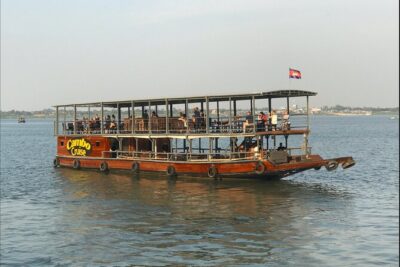
- Ferry to the island: where the experience gets real
- Silk Island: tofu skin production, snacks, and a Buddhist moment
- Price and time: value for $26, if you like hands-on travel
- The guide and driver: why the tone matters on a short day
- Logistics to get right: pickup, clothing, and what to expect physically
- Who should book this Silk Island half-day tour?
- Should you book this tour?
- FAQ
- How long is the Phnom Penh Silk Island half-day tour?
- Does the tour include hotel pickup and drop-off?
- What language is the tour guide?
- How do you get to Silk Island?
- What are the main stops during the tour?
- Is water and food included?
- What should I bring?
- Is the tour suitable for pregnant women?
Key things that make this tour worth it
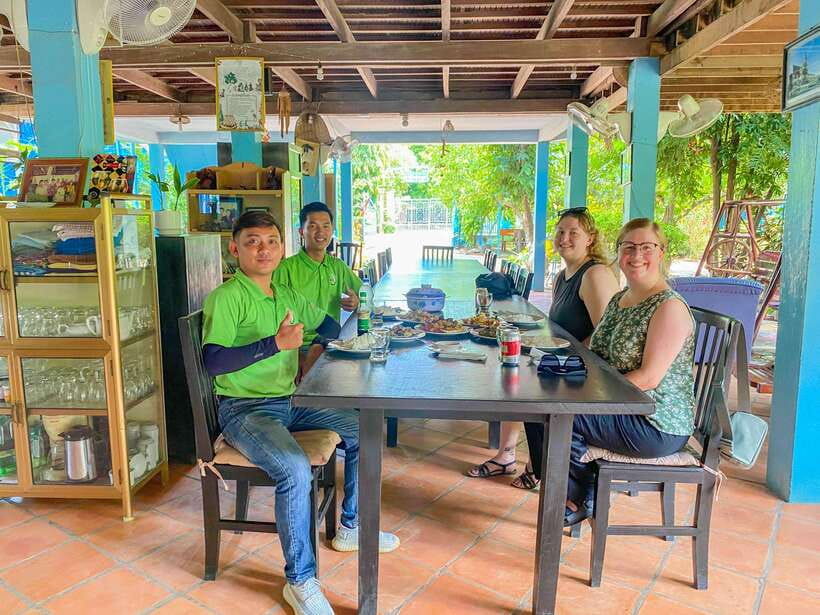
- Silk weaving taught by local artisans: you learn the craft in context, with an explanation of origins passed through generations
- Dried tofu skin production on the island: you see how this everyday food product becomes something you can store and sell
- Mongkol Serey Temple first: a guided look at Cambodian Buddhism before you head into island life
- Koh Oknha Tei Market stop: you get a sense of daily routines through what people buy and sell
- Ferry ride plus countryside village time: expect farming villages, local markets, and wide open views
- Water and snacks included: small comfort that helps when you’re out in the sun
Leaving Phnom Penh for Silk Island: how the day actually flows
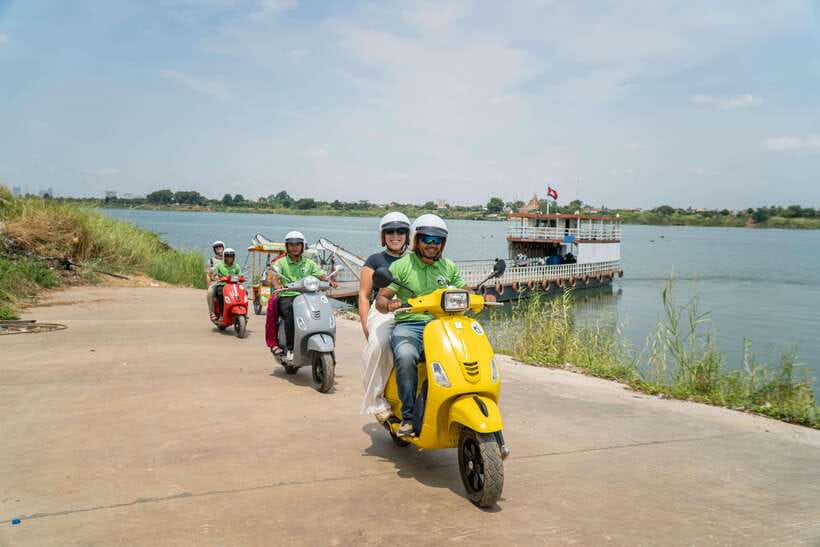
This tour is built around a simple idea: get out of the city and see how people live around Phnom Penh’s water and islands. You begin with hotel pickup in Phnom Penh, then you head outward with a local guide. The day is paced so you mix three worlds: faith and culture in town, real craft work, and then island routines.
You’ll spend time on land before the ferry, including market and temple, and then you move to the island for a longer stretch. The whole thing usually lands you back at your accommodation around 2:00 PM, so you’re not forced into a late-evening plan.
Practical tip: bring the basics they request—sunglasses, sunscreen, and a long-sleeved shirt. The tour includes time outside, and even if the breeze helps, you’ll still feel the sun.
You can also read our reviews of more tours and experiences in Phnom Penh.
Mongkol Serey Temple: Cambodian Buddhism you can understand quickly
The day starts at Mongkol Serey Temple, with a guided visit that runs about an hour. This is your “set your brain to Cambodia” moment. You’ll learn what Buddhist practice looks like in everyday life, not just as a vague religious concept.
What makes this stop useful is the guidance. A temple visit can either be beautiful but confusing, or meaningful because someone explains what you’re seeing. In this tour, the guide’s role is to connect the visuals to the beliefs and daily habits around them.
A good thing to know: the tour is not a silent walk. You’re there to listen and ask questions, and the tone seems designed to keep things comfortable and easy to follow.
Koh Oknha Tei Market: the daily-life lesson hidden in plain sight
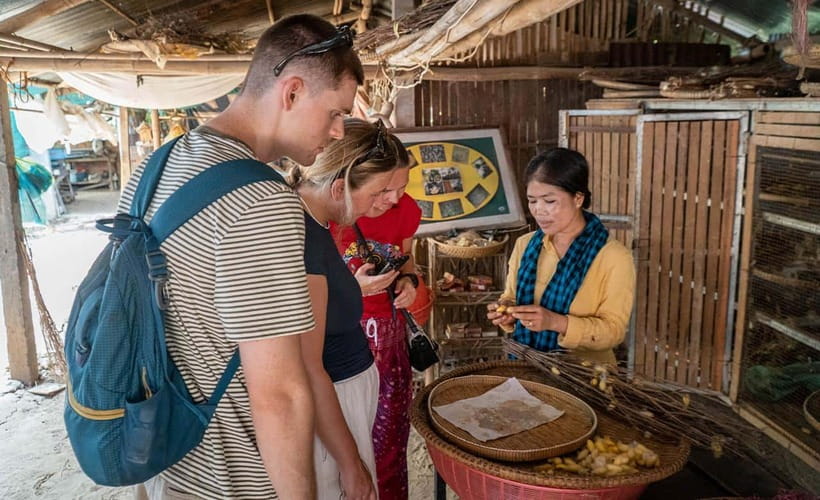
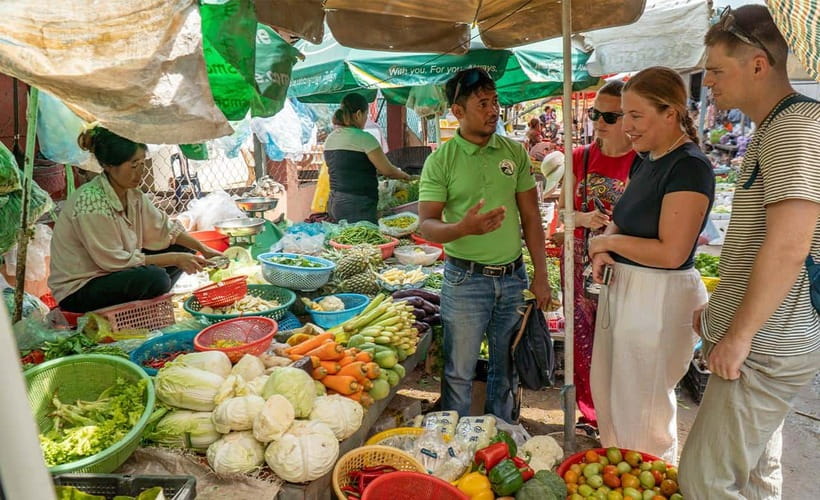
Next you head to Koh Oknha Tei Market for about an hour. Market time is one of my favorite ways to understand a place fast, because it shows what’s practical. People buy what they need, then they go on with their day.
During this visit, you’re not just strolling. The guide helps you connect the products and routines to island life and to the kinds of crafts and food production you’ll see later. Even if you don’t plan to shop, it’s worth paying attention to how people interact, what’s seasonal, and what goods are moving through the stalls.
If you’re the kind of traveler who likes photos, this stop is also a gift. You’ll get real street angles and everyday scenes without having to chase them.
Silk weaving lessons: why this craft feels personal (and not staged)
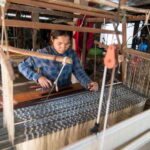
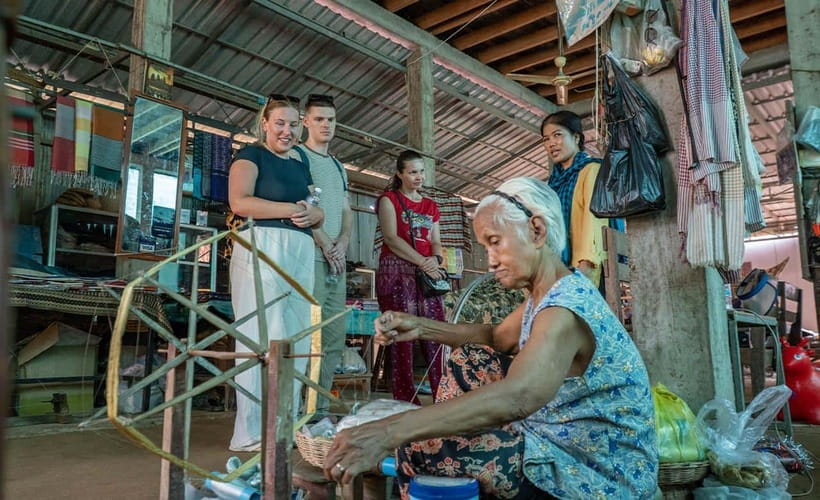
This is a craft tour, but it’s not the kind where you’re rushed through a showroom. You’ll visit the weaving tradition and learn from local artisans who pass knowledge along through families. The emphasis here is on how the craft works and where it comes from, rather than just selling finished scarves.
You’ll likely notice how the process ties to patience and repeated steps. That matters because silk in Cambodia isn’t presented as something magical from a distance—it’s a skill set. Once you understand that, buying becomes less about “souvenir” and more about owning a piece of someone’s work.
One review detail that stood out: people loved being able to buy a scarf made after learning the process. That’s the kind of purchase that feels fair, because you know what you’re supporting.
Ferry to the island: where the experience gets real
The ferry is the transition moment. Once you board, the day changes pace. You’re leaving Phnom Penh’s urban flow behind and heading into countryside and village rhythm.
On the island side of the day, you’ll see farming villages and local markets, and you’ll connect those scenes to what you learned earlier in the craft and market stops. It’s not a random “look around” day. The route is meant to create a chain: city → craft learning → island routines → production → temple.
If you get motion-sick easily, it’s worth keeping that in mind with any ferry ride, even when the schedule is short. The tour includes water and snacks, which helps you feel steady once you’re off the boat.



Silk Island: tofu skin production, snacks, and a Buddhist moment
The highlight on the island is watching the production tied to dried tofu skin. You’ll visit a family-run business specializing in producing tofu skin, and you’ll see how it’s made. This is one of those food stories that makes you look at a menu ingredient differently.
Why this matters: dried tofu skin isn’t just a product. It represents food preservation, daily labor, and the practical side of rural economics. Seeing the process turns it from a packaged item into something human-sized—worked by people, not just manufactured.
In addition, you’ll have break time and a guided segment on the island (the island portion runs about two hours). That’s enough time to slow down, observe, and try local snacks and fruit.
Buddhist culture also shows up here. Some bookings mention a Buddhist blessing during the day. If your schedule matches certain school days, you might even get a chance connected to a local school visit. One important note from a Sunday experience: a school visit can be affected by the day of the week, so don’t plan on it like it’s guaranteed.
If you’re wondering whether this will feel too “food and production” heavy: it’s balanced with the temple and market pieces. The craft and the beliefs sit next to each other, so the day reads like one coherent story.
Price and time: value for $26, if you like hands-on travel
At $26 per person for a 4–6 hour outing, this is strong value, mainly because you’re getting real components included. You’re not paying extra for the ferry, you’re not paying extra for the temple and market guided time, and you also get hotel pickup and drop-off, plus water and snacks.
For the money, the tour is doing a lot:
- ferry trips to the island
- local guiding in English
- visits to a temple, a market, a weaving craft area, and tofu skin production
- village donation
The one thing I’d watch is whether you’re the type who loves unstructured wandering. This tour is structured, and you’ll follow the plan. If you like that, you’ll likely feel satisfied by the pacing.
Why the timing works: returning around 2:00 PM means you still have your afternoon for your own pace—another temple, a café, or just a slow rest.
The guide and driver: why the tone matters on a short day
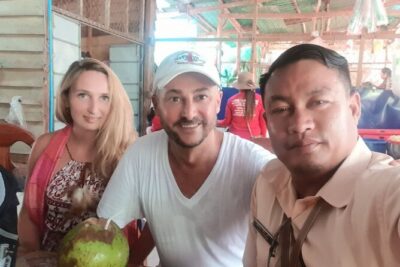
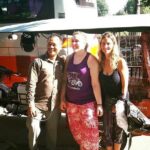
In short tours, the guide can make the difference between seeing places and understanding them. Many bookings specifically praise Lee for strong English, humor, and engagement. That style helps when you’re juggling multiple stops and you want the day to feel like a conversation, not a checklist.
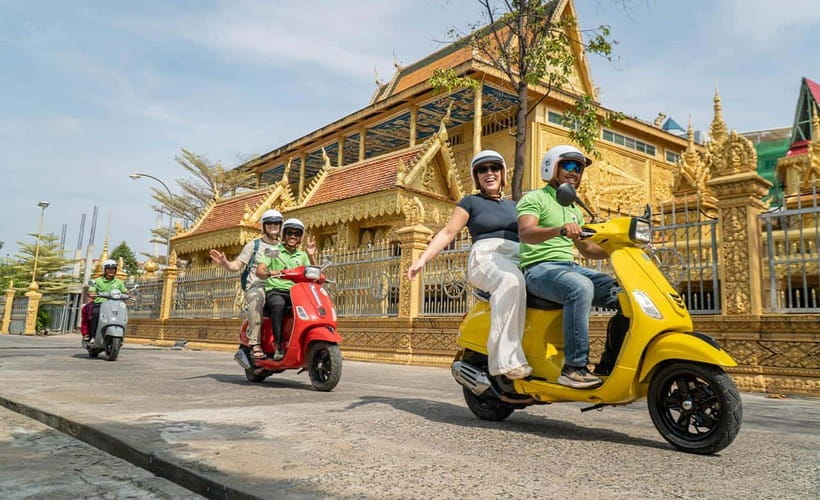
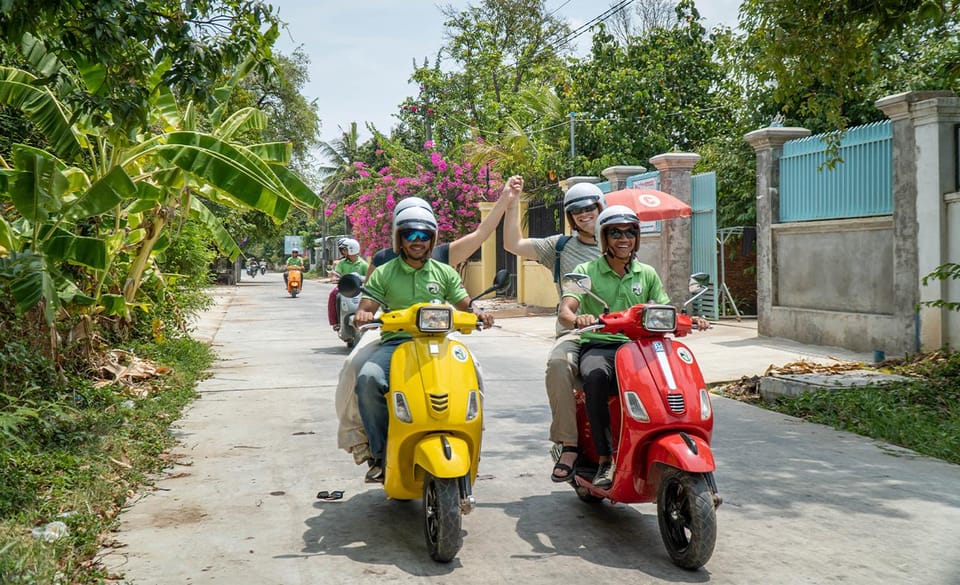
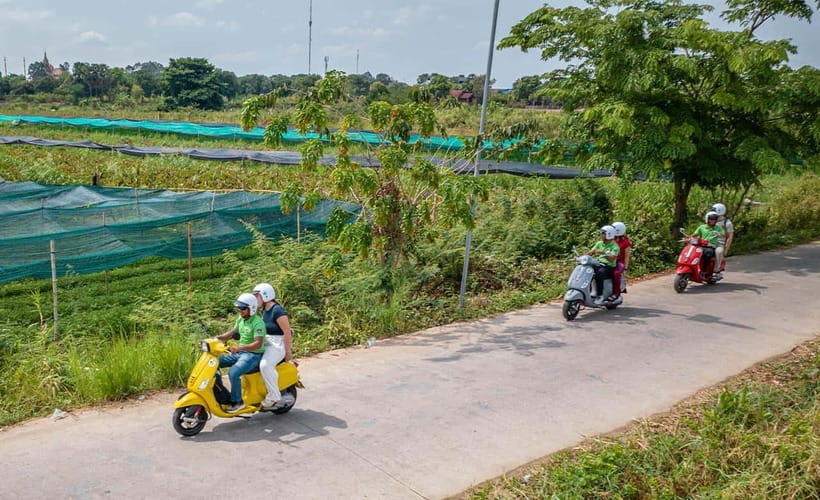
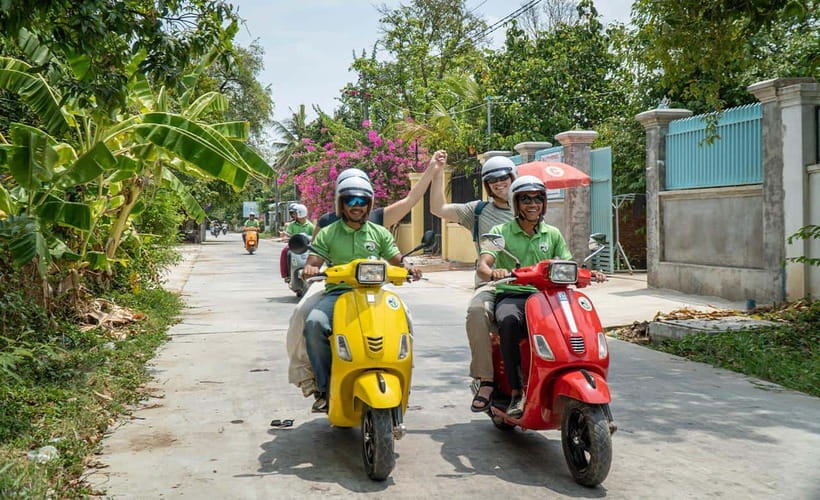
Your transport matters too. The tour includes a vespa or tuk tuk experience driver, and the vibe from reviews is that the drivers are smooth and professional. That matters because the ride segments are part of the day’s rhythm. You want to feel safe and relaxed so you can enjoy the stops.
Logistics to get right: pickup, clothing, and what to expect physically
This is a half-day tour, but it’s still a day out in the sun with some movement. The tour is not listed as suitable for pregnant women, so if that applies to you, choose a different option.
For everyone else, think like this:
- Wear long sleeves as requested. It’s a practical sun shield.
- Pack sunglasses because you’ll be exposed on outdoor segments.
- Use sunscreen even if it’s not scorching. The sun can sneak up on you quickly.
Also, keep your meeting point simple. One review flagged an issue where pickup or drop-off can be denied even when it seems like you’re in the allowed zone. In plain terms: stand at the exact hotel lobby area they name, and don’t assume the driver will hunt you down. That one habit can save time and stress.
Finally, plan for personal spending. The tour includes water, snacks, and the major experiences, but you may still want to buy a scarf or small items.
Who should book this Silk Island half-day tour?
I’d book this if you want a compact day that covers more than sightseeing. This tour is best for you if you like:
- culture you can explain after you’re back (temple + market + guided craft)
- hands-on production stories, especially tofu skin
- learning from locals rather than being rushed through
- a short, efficient plan that returns you early enough to do your own thing
You might skip it if you:
- hate structured itineraries
- need a very slow, low-movement day
- prefer purely self-guided time
Should you book this tour?
Yes—if your idea of a great day is learning something real and then walking away with a new view of everyday Cambodian life. For the price, you’re getting island ferry time, guided stops, craft learning, and tofu skin production without having to stitch together multiple tickets yourself.
The only reason to hesitate is logistics: make sure your pickup and drop-off are clearly understood at the start. If you get that right, this is a strong value half-day that feels more authentic than the typical “see a couple spots” tours.
FAQ
How long is the Phnom Penh Silk Island half-day tour?
The duration is listed as 4 to 6 hours.
Does the tour include hotel pickup and drop-off?
Yes. Hotel pickup and drop-off are included.
What language is the tour guide?
The tour guide is available in English.
How do you get to Silk Island?
You take a ferry to the island, and the tour also includes a vespa or tuk tuk experience driver.
What are the main stops during the tour?
You visit Mongkol Serey Temple, Koh Oknha Tei Market, and Silk Island, including time for craft and island activities.
Is water and food included?
Water and snack are included, and there is also local snack time on the island.
What should I bring?
Bring sunglasses, sunscreen, and a long-sleeved shirt.
Is the tour suitable for pregnant women?
No, it is listed as not suitable for pregnant women.