REVIEW · PHNOM PENH
Full Day Phnom Penh City Tour with Private vehicle and guide
Book on GetYourGuide →Operated by Amazing Cambodia Tours · Bookable on GetYourGuide
Phnom Penh hits fast, and this private day tour strings together palaces with the city’s darkest chapters. I love how Sam Ang blends clear explanations with his own lived perspective, so the day feels meaningful, not just scenic.
I also love the range: Silver Pagoda and the Emerald Buddha on one side, then S21 and the Killing Fields (including the 129 mass graves) on the other. You get a guided moment at each place, so your eyes have context, not just sights.
The one watch-out is pace. Some stops feel a bit quick if you want to linger, and the genocide sites are emotionally intense—plus it’s not suitable for people with heart problems or wheelchair users, and it runs rain or shine.
In This Review
- Key things I’d bet on
- Why this private Phnom Penh day feels worth 7 hours
- Price and logistics: what you’re actually paying for
- Your guide (Sam Ang) is the real anchor
- The Royal Palace, Silver Pagoda, and Emerald Buddha: where the day brightens
- National Museum and Wat Phnom: making sense of belief and place
- S21 Genocide Museum: a guided look at horror
- Killing Fields and the 129 mass graves: the part you’ll remember
- Russian Market time: a practical reset
- What to pack for a hot, walkable, rain-capable day
- Pace, comfort, and the limits of a one-day plan
- Who should book this tour (and who should not)
- Should you book this Phnom Penh City Tour?
- FAQ
- How long is the Phnom Penh city tour?
- Does the tour include hotel pickup and drop-off?
- Are entrance fees included in the price?
- Is lunch included?
- Is this tour private, and is the guide English-speaking?
- Is the tour suitable for wheelchair users or people with heart problems?
Key things I’d bet on
- Sam Ang’s personal, human storytelling makes the history hit harder than facts on a page.
- A true “full circle” itinerary: royal Cambodia, then the Khmer Rouge period, then markets for a breather.
- Private transport + hotel pickup means you lose less time navigating the city.
- You see big-name sites in one day without playing itinerary Tetris yourself.
- Bring cash for entrance fees and plan on dress-for-the-weather.
Why this private Phnom Penh day feels worth 7 hours
A Phnom Penh city tour can go two ways: either it’s a long list of stops with no real understanding, or it’s thoughtful but so slow you start to fade. This one aims for the sweet spot—one English-speaking guide, one private vehicle, and a structured route that still gives you enough guidance to connect the dots.
At $65 per person for a 7-hour private day, you’re not just paying for transportation. You’re paying for the timing and the explanations—especially at the places that many people rush past. If you want your day to feel organized (and your brain to feel informed), the setup makes sense.
You can also read our reviews of more guided tours in Phnom Penh

Price and logistics: what you’re actually paying for
Let’s talk value, because Phnom Penh days can get expensive fast once entrance fees pile on. The tour price covers hotel pickup/drop-off, an air-conditioned private vehicle, a licensed English guide, vehicle insurance, and mineral water. It also includes an English audio guide, which is handy if you want to review a point while you wait between stops.
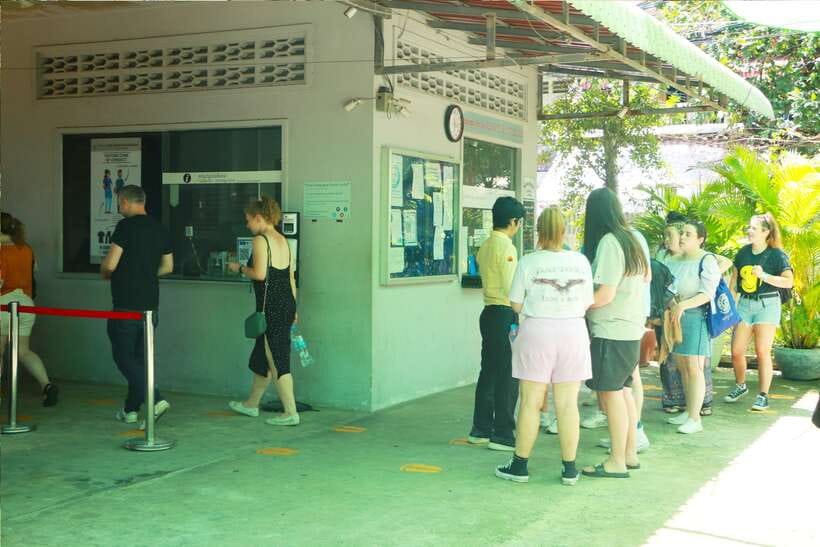
What’s not included is the stuff that often surprises first-timers: entrance fees, lunch, personal expenses, and tipping. In one account I saw, entrance fees for major sites like the palace and museums ran about $10 USD per person—so I’d treat cash as part of the budget, not an afterthought. Since the tour asks you to bring cash anyway, plan on carrying enough US dollars to cover entry and any small purchases.
The other practical thing: you’re on a schedule. The guide gives time at each site, but the day is built to cover a lot. That can be a win if you only have one day in Phnom Penh; it can feel fast if you’re the kind of person who wants to sit and absorb for an hour.
Your guide (Sam Ang) is the real anchor
The biggest pattern in the feedback is simple: the guide matters. Sam Ang is described as funny, friendly, and very strong on culture, religion, and history. Even more important, he shares personal insight from living through the Pol Pot era, which changes the emotional weight of the day.
That lived perspective doesn’t just add drama—it improves comprehension. When you reach places like S21 Genocide Museum and the Killing Fields, the tour stops being sightseeing and becomes context: what happened, why it mattered, and what you’re looking at when you’re standing in the room or path.
There’s also flexibility built in. In at least one described experience, the itinerary shifted based on what the group wanted to emphasize. So while the day has a clear route, it’s not the kind of rigid production where you get zero say at any stop. That’s a big deal for families too. One example included a teen son, and the day worked well because the guide could explain and keep things moving.
The Royal Palace, Silver Pagoda, and Emerald Buddha: where the day brightens
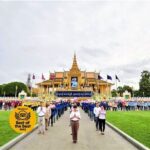
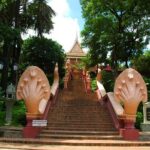
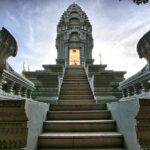
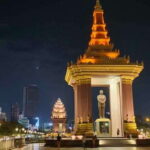
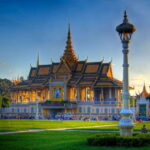
The morning (or first major stretch) focuses on Phnom Penh’s royal and spiritual center. You’ll go to the Royal Palace and then the Silver Pagoda, where you can also see the Emerald Buddha.
This part of the tour is valuable for one reason: it gives you a visual starting point. Even if you’re coming for the heavy history later, seeing the religious and ceremonial side first helps your brain understand what Cambodia’s culture looks like when it’s not under threat. It’s a contrast that makes the later stops hit with more clarity.
Practical tip: plan your clothing and comfort here too. You’ll be moving around in a warm climate, and you’ll want your sun protection ready. The tour prompts you to bring sunglasses and sunscreen, and I agree—heat and glare can turn a “quick stop” into a miserable one.
Also, expect short guided moments. The guide gives you a sense of what you’re seeing, but you shouldn’t assume you’ll have unlimited time to wander. If you want extra minutes at one site, this is where you can politely ask for it—because the day is private, so you’re not locked into a crowd pace.
National Museum and Wat Phnom: making sense of belief and place
After the palace complex, the route continues to the National Museum and then Wat Phnom. This is where the tour adds layers. You’re not only seeing religious spaces; you’re also learning how Cambodia’s culture connects through objects, architecture, and local tradition.
The National Museum stop is especially useful if you want more than a photo-op. With an English-speaking guide and an English audio guide, you can follow along even if you’re not an expert in Cambodian art or religious symbolism. The goal here is understanding: what the guide is pointing out and why those items matter.
Wat Phnom tends to be a good follow-up because it feels more personal and local than the grand palace grounds. It’s the kind of place where a short explanation can change your whole view of what looks “simple” at first glance. And it also works as a breathing point in the day’s emotional arc.
One note from the practical side: keep your shoes situation in mind. One tip you might hear from real-world experiences is to bring socks, in case you need to remove your shoes in certain areas. I’d pack them because they’re light, and you’ll be glad you did if the day requires it.
You can also read our reviews of more city tours in Phnom Penh
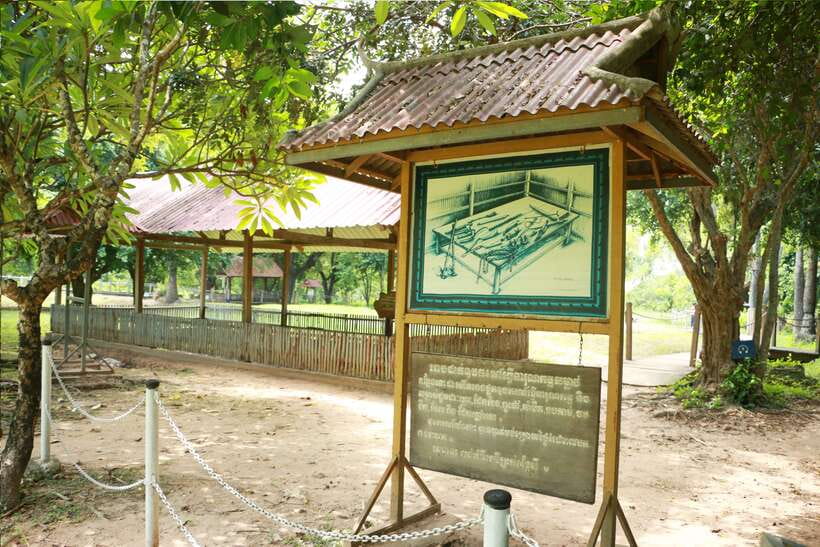
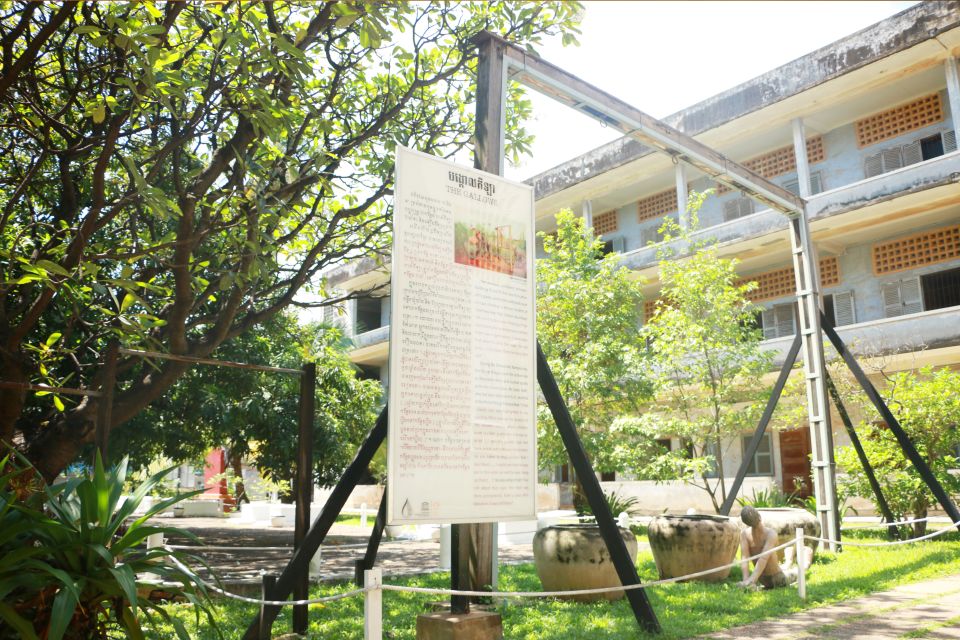
S21 Genocide Museum: a guided look at horror
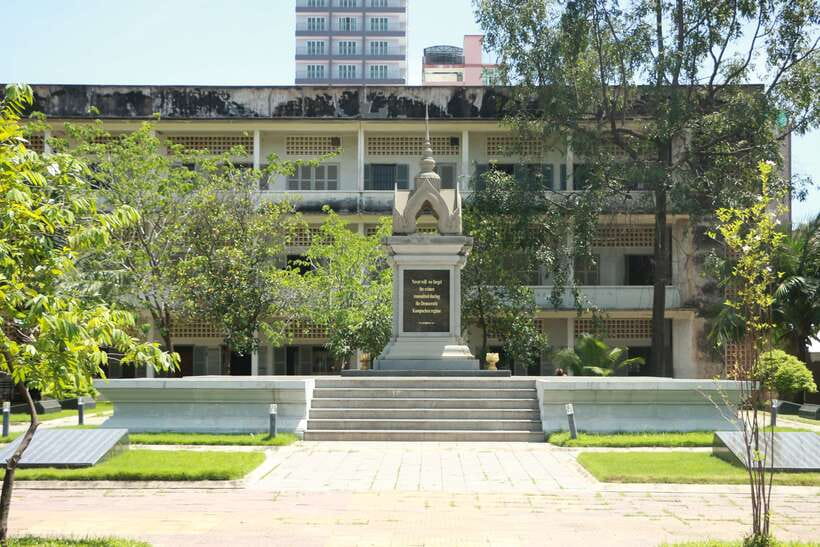
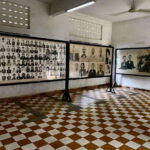
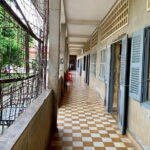
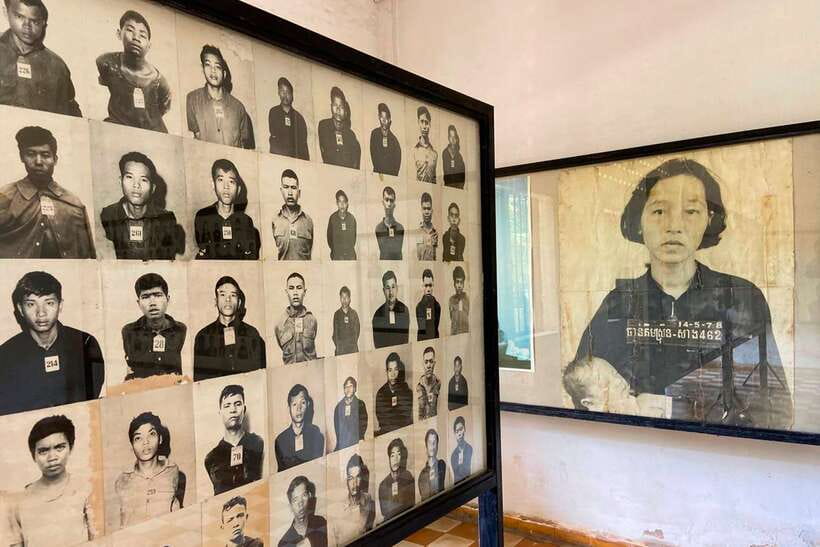
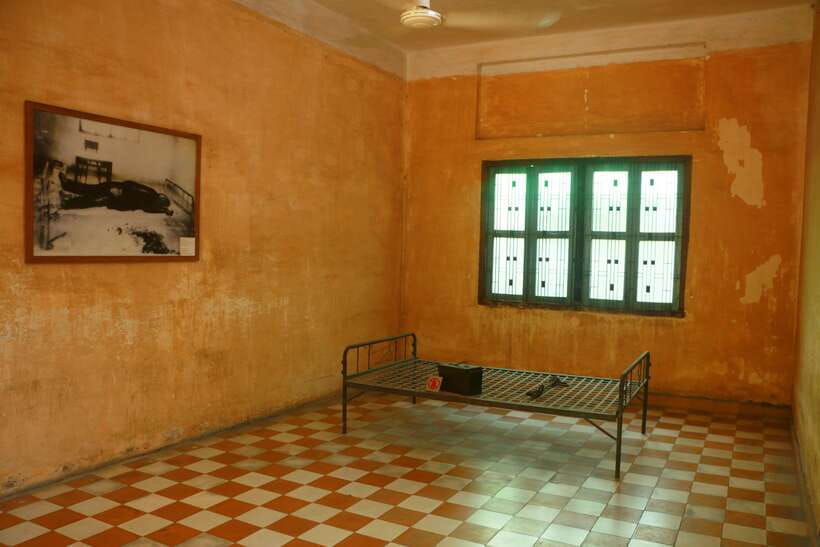
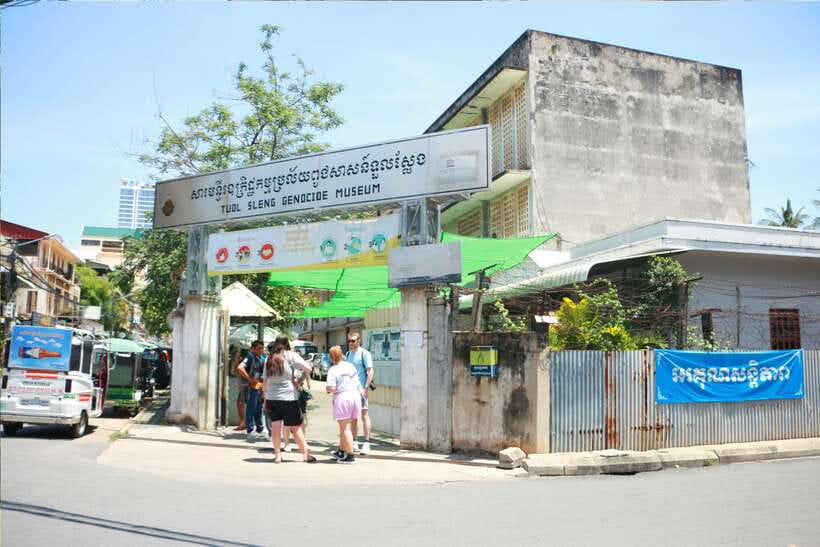
Then comes the hardest part of Phnom Penh. You’ll visit S21 Genocide Museum, a site focused on genocide history tied to the Khmer Rouge period. The tour explicitly includes this, and the guide’s personal context is a big part of how the experience lands.
This is not a “quick in, quick out” stop emotionally. The museum’s purpose is heavy, and the tour format—guided moments at each place—can make it feel intense but still manageable because you’re not alone with the material. Sam Ang’s background sharing is specifically noted as part of what makes the experience educational and human rather than cold.
If you’re deciding whether you can handle this portion, take the tour’s own constraints seriously. It’s not suitable for people with heart problems, and if you’re sensitive to distressing content, be honest with yourself about your limits. The day continues afterward, so pacing matters.
Killing Fields and the 129 mass graves: the part you’ll remember
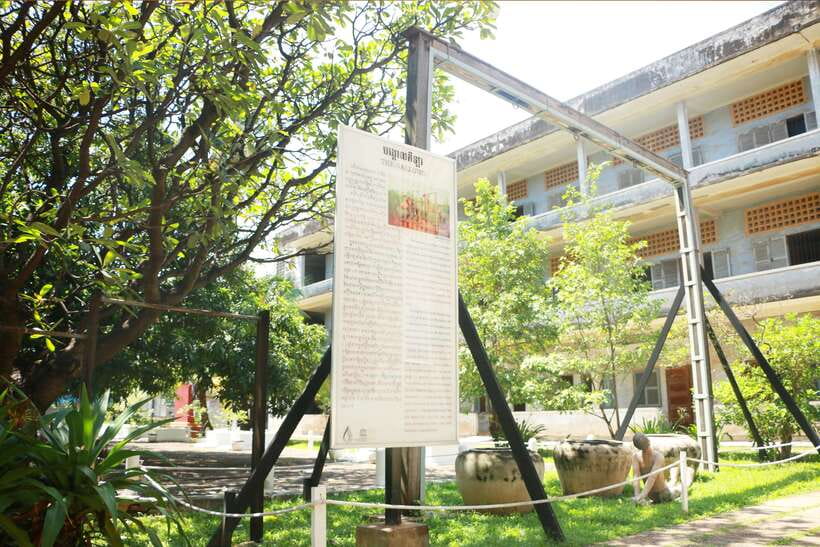
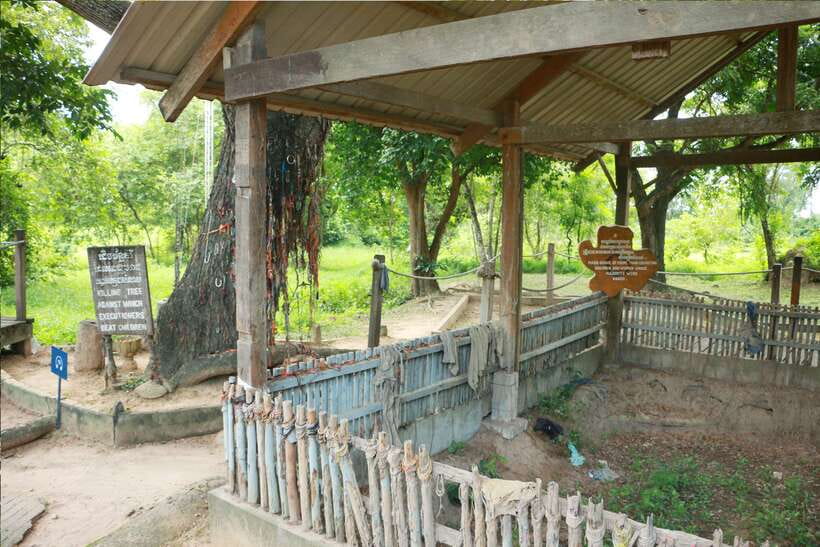
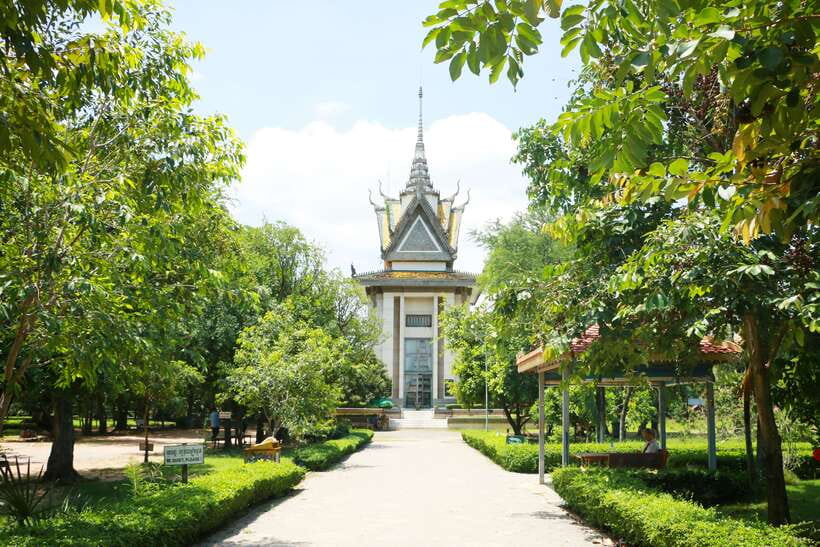
After S21, the tour continues to the Killing Fields, including the 129 mass graves. These stops are emotionally heavy by design. The value of the guide here is that you’re not just observing structures—you’re understanding what you’re looking at and why remembrance is the point.
One of the most important things I look for in tours like this is whether the guide respects the subject. Here, the combination of structured time, a licensed English guide, and personal perspective helps keep the focus on meaning rather than shock. It also helps you avoid the common problem of seeing without understanding.
If you’re traveling with a teen, it can still work. In one described experience, a father and teen son enjoyed the outing because the guide could explain and maintain clarity. The key is whether you all feel emotionally up to the content. Don’t force it. If you need a break, use the private format to ask for a pause.
Russian Market time: a practical reset
After the history-heavy stops, you’ll visit the Russian Market. This is a smart closing move. Markets aren’t just for shopping—they’re for resetting your brain after the hardest information.
Expect to browse and pick up small items, snacks, or souvenirs if you want. The tour also gives you a chance to see everyday Phnom Penh life beyond the museum walls and palace courtyards. That matters because it helps the day feel rounded, not like an emotional one-way trip.
Shopping tip: have cash ready. Since entrance fees aren’t included and market spending is on you, bringing enough cash (the tour even calls it out) keeps you from making awkward ATM runs or cutting your browsing short.
What to pack for a hot, walkable, rain-capable day
This tour runs rain or shine, so pack for weather changes. Phnom Penh can shift quickly, and a “mostly indoors” plan can still include outdoor walking between sites.
I’d bring:
- Sunglasses and sunscreen
- A face mask or protective covering
- Cash for entrance fees and any purchases
- Something comfortable for walking
Also consider:
- Socks, especially if you end up removing shoes in certain spaces
- Light layers you can handle if the air feels cooler indoors but humid outside
And don’t bring what’s not allowed. The tour notes no pets and no drones. If you’re traveling with a child, plan extra time for restroom and water breaks too, since the day packs in a lot.
Pace, comfort, and the limits of a one-day plan
The day is structured for maximum coverage: palace, museum, temple, then genocide history sites, then a market. That’s great if you only have limited time. It’s less great if you prefer slow travel and deep lingering at each location.
One feedback point was that the tour can feel a bit fast at moments. I take that seriously, because “fast” can mean either efficient and helpful—or it can mean you didn’t get enough time to process.
Here’s how to make it work:
- Pick one or two “must-feel” stops for you—often S21 and the Killing Fields if history is the priority.
- Let the guide know what you care about most early. With a private setup, you may be able to shift time.
- Build a mental buffer for the emotional sites. If you’re expecting museum calm, this day will surprise you.
Comfort matters too. The tour isn’t suitable for wheelchair users and isn’t meant for people with heart problems. Even without knowing every step detail, you can infer that the sites involve walking and time on your feet, plus emotional stress. Listen to that.
Who should book this tour (and who should not)
I’d recommend this tour if:
- You want a one-day overview of Phnom Penh that includes both the famous sights and the crucial 20th-century history.
- You want an English guide who explains more than the obvious and brings personal context to the genocide sites.
- You value a private day with a driver and AC, rather than squeezing through a group itinerary.
I’d be cautious if:
- You’re sensitive to distressing content and need a gentler schedule.
- You can’t handle long days and emotional intensity.
- You have mobility limitations and need wheelchair access, since it’s not suitable for wheelchair users.
One more plus: the private format can feel safe and controlled. In an example shared, a solo traveler with two young children felt comfortable, helped by the setup of private pickup, a driver, and guided structure.
Should you book this Phnom Penh City Tour?
If your goal is to see the major landmarks of Phnom Penh—Royal Palace, Silver Pagoda, National Museum, Wat Phnom, and then the essential history at S21 Genocide Museum and the Killing Fields—this private 7-hour tour is a strong choice. The guide-led explanation, plus Sam Ang’s personal perspective, is exactly what turns these stops into a coherent story instead of a checklist.
Book it if you can handle heavy history and you like an organized, time-efficient day. Skip it (or choose a lighter option) if you’re not up for the emotional weight, or if mobility/health limits apply.
With a 4.9 rating across 20 experiences, the demand isn’t random. People consistently highlight the guide, the emotional clarity, and the fact that you can actually cover a lot without getting lost or left guessing.
FAQ
How long is the Phnom Penh city tour?
The tour lasts 7 hours.
Does the tour include hotel pickup and drop-off?
Yes. You’ll be picked up from your hotel and returned there at the end. You should wait in the hotel lobby about 10 minutes before the scheduled pickup time.
Are entrance fees included in the price?
No. Entrance fees are not included.
Is lunch included?
No. Lunch is not included.
Is this tour private, and is the guide English-speaking?
Yes. It’s a private group tour with an English-speaking guide and an English audio guide.
Is the tour suitable for wheelchair users or people with heart problems?
No. It’s not suitable for people with heart problems and wheelchair users.