REVIEW · BATTAMBANG
Grand Tour-Ek Phnom. Baset. Bamboo Train. Wat Banan. Phnom Sampov
Book on Viator →Operated by Battambang Tour: Mr Lychee · Bookable on Viator
Bikes, snacks, and temples around Battambang. This is a full, low-impact day where you pedal through countryside lanes with a guide, then slow down for food making, temple stops, and major sunset views. You’ll be riding a high-quality Giant mountain bike with a helmet, so the day feels safe and comfortable even when the roads get a little bumpy.
I especially like the hands-on Khmer food tasting built into the route, plus the chance to chat with locals along the way. The one thing to plan around is effort and extra cost: you climb 358 steps at Wat Banan, and the bamboo train ride costs $5 per person.
In This Review
- Key Things You’ll Enjoy
- Cycling Battambang’s Back Roads: Low-Impact, Local Pace
- Your Food Day in Khmer Style: Noodles, Rice Flour Cakes, Dumplings, and More
- First Stops Near Battambang: Ta Dumbong Kro Aung and Prasat Baset
- Wat Samrong Knong Memorial and Ek Phnom’s Big Buddha
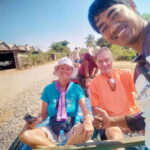
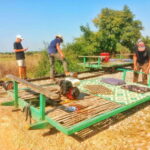
- Bamboo Train at Ou Srolao: The Fun Ride, Plus the Extra $5
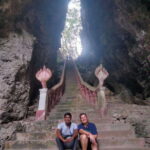
- Wat Banan: 358 Steps and Five Towers Above Battambang
- Phnom Sampov in the Evening: Killing Caves and Sunset Views
- Battambang Bat Caves, Dusk, and the Bat Army
- Price and Value: Is $45 Worth It?
- How Hard Is It? Bike Ride, Steps, and What to Bring
- A Note on Guides: Friendly, English-Speaking, and Human
- Should You Book This Battambang Tour?
- FAQ
- What is the duration of the Battambang cycling experience?
- Is hotel pickup and drop-off included?
- Is the tour price $45 all-inclusive?
- How much does the bamboo train cost?
- How many people are in the group?
- Do I get a helmet and bike?
- Which stops include admission fees versus free admission?
- How many steps do you climb at Wat Banan?
- When is Phnom Sampov best visited?
Key Things You’ll Enjoy
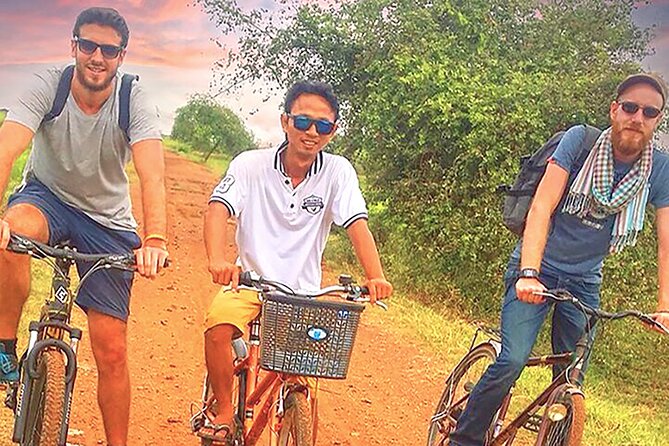
- Helmet + Giant bike: you get set up for a safer, steadier ride.
- Local snacks and village stops: you taste plenty while you move, not just sit through sights.
- Khmer food practice: you learn and sample dishes like spring rolls and sweet rice treats.
- Temple variety in one day: Hindu-Buddhist sites, memorials, and a temple on a mountain.
- Sunset timing for Phnom Sampov and bats: you’re built to end with dusk views.
- Small group size (capped at 10): easier conversation with your guide and less waiting.
Cycling Battambang’s Back Roads: Low-Impact, Local Pace
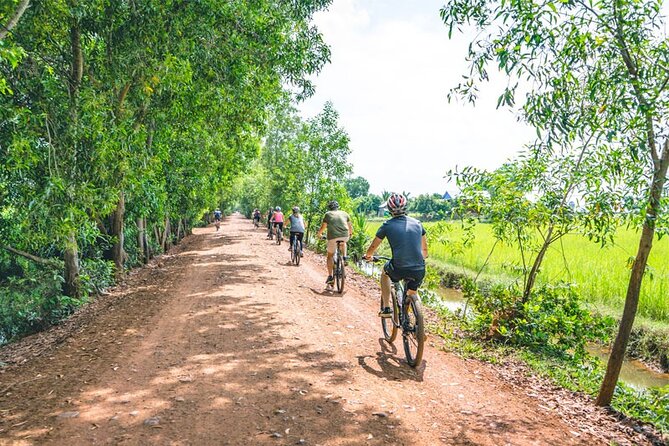
This day has that rare mix: you get real movement through the countryside, but the pace still feels human. The tour is designed as a lower-impact bicycle experience—so instead of bouncing between spots in a car all day, you’ll actually ride past farms, communities, and rice fields around Battambang.
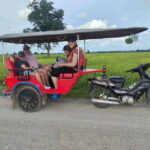
You also get a practical setup. Pickup and drop-off are included, and you travel in a private tuk-tuk between key areas when needed. Once you’re on the bike, you’re not guessing what to do: a friendly English-speaking guide keeps the route flowing, and the helmet plus bike choice (Giant mountain bike) removes a big part of the uncertainty that can come with rural riding.
If you enjoy tours where you talk to people, this one makes it easy. You’ll meet locals more than once, and the schedule is built around stops that feel connected to daily life—not only sightseeing checkpoints.
One more detail I value: water is handled. You get unlimited cold bottled water, which matters on a long day that includes steps and warm air.
You can also read our reviews of more tours and experiences in Battambang.
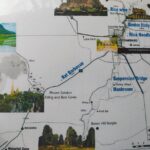

Your Food Day in Khmer Style: Noodles, Rice Flour Cakes, Dumplings, and More
Food isn’t a side quest here. It’s a major reason the day works.
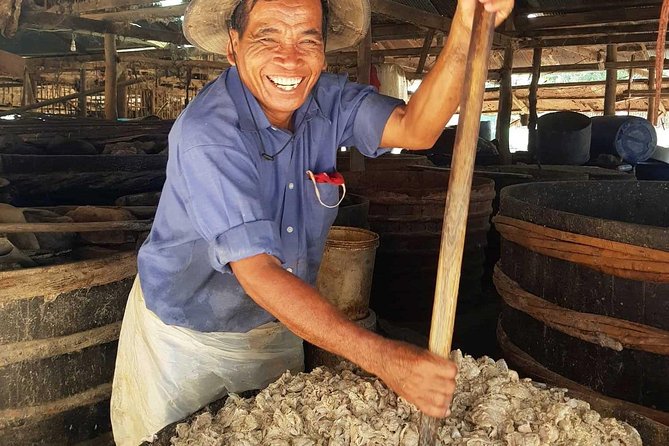
You start with visits connected to food production—there’s a noodle factory stop—then you move into learning how to make Khmer foods. Expect a hands-on session plus tastings of items like:
- sweet rice flour cakes
- sticky rice dumplings
- spring rolls
- dried bananas
- rice wine
- rice paper
Even if you don’t cook, the tasting is the point. You get to understand what goes into each item, why local recipes matter, and what ingredients are common in Cambodian daily eating. This also tends to be where your guide becomes extra helpful, because food questions are easy to ask and fun to answer.
A small practical note: if you’re sensitive to spicy flavors or alcohol-based tastings, you’ll want to pace yourself during the rice wine part. The tour doesn’t mention strict limitations, so the smart move is to let your guide know what you prefer and take small tastes.
If you care about authentic experiences, this is one of the best values on the list. Lots of tours show you a market. This one helps you understand the process and then eat the results.
First Stops Near Battambang: Ta Dumbong Kro Aung and Prasat Baset

The morning begins near town with quick, meaningful stops that set the context.
At Ta Dumbong Kro Aung Statue, you’ll visit a statue site and learn its background. The good part here is how light the stop feels—admission is free and it doesn’t eat up your energy before the ride.
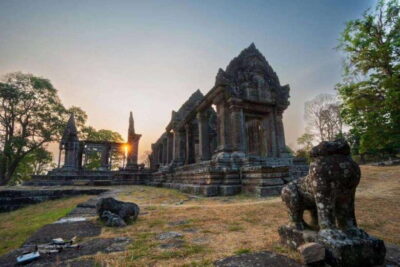
Then you move along countryside roads to Prasat Baset, also a temple stop with admission included. What makes this section feel better than a rushed temple drop-off is the drive between places. You pass small communities, farms, and rice fields—so you’re already seeing everyday life before you even reach the next sight.
This part is ideal for you if you like “in-between” moments. The scenery may be simple, but it’s real, and you don’t have to pretend it’s a postcard. It’s also a helpful warm-up for the cycling later.
Wat Samrong Knong Memorial and Ek Phnom’s Big Buddha
After Baset, the route shifts from active countryside to memory and reflection at Wat Samrong Knong. This stop focuses on memorials connected to victims of the Khmer Rouge. It’s listed as free admission, and the length is long enough that you don’t feel herded in and out.
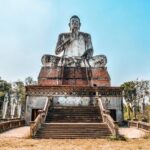
Next comes Wat Ek Phnom, on the north side of the city. This is the kind of temple stop people talk about because the setting and main Buddha presence are striking, and you get time to rest before moving on. Admission is included, and the stop runs 1 hour 30 minutes, which gives you breathing room.
From a travel-value standpoint, this pairing works. You see:
- a memorial site (important, sobering)
- a visually impressive temple (calming and scenic)
So your day doesn’t collapse into one mood. It actually has emotional range.
Bamboo Train at Ou Srolao: The Fun Ride, Plus the Extra $5
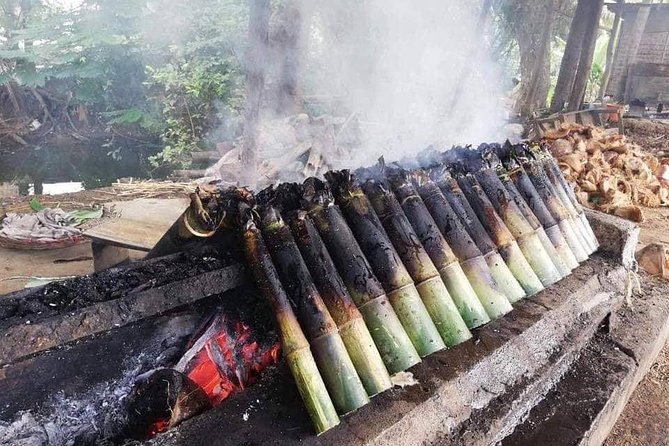
Now for one of Battambang’s most famous activities: the bamboo train. You’re taken to the west side of the city for the ride.
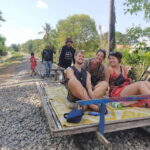
Here’s what to know up front: the bamboo train ride is not included in the $45 price. Admission/ride is listed separately at $5 per person. The upside is that the ride itself is a full hour, which is long enough to feel like an experience, not a quick photo op.
You’ll be driven to Ou Srolao village, and the tour is structured so you can enjoy the bamboo train ride over a longer segment, then continue with the rest of the day.
If you’re budgeting, pencil in that $5. If you’re active and open-minded, the bamboo train is one of those “only-here” moments that makes Battambang feel distinctive.

Wat Banan: 358 Steps and Five Towers Above Battambang
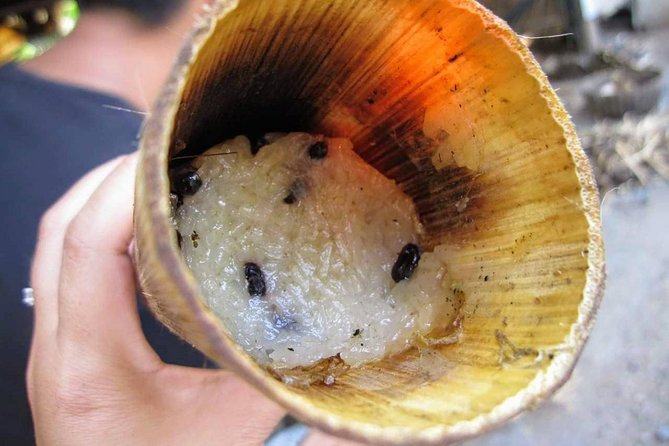
Wat Banan is where the tour quietly reminds you you’re still doing real travel, not just hopping from seat to seat.
You visit Wat Banan, a temple on a mountain, and the main challenge is simple: 358 steps to reach the five towers. Admission is included, and the stop is listed at 1 hour 30 minutes—so you’re not expected to sprint. Still, you’ll want to plan your effort.
Practical tip: start steady. If you go too fast at the bottom, the middle gets annoying. Also bring water into your climb mindset—even though the tour provides water, you’ll want a comfortable pace.
The reward is the view and the temple towers up top. This is also a nice spot if you like “vertical” landmarks, because it changes the perspective compared with the flat countryside riding.
Phnom Sampov in the Evening: Killing Caves and Sunset Views
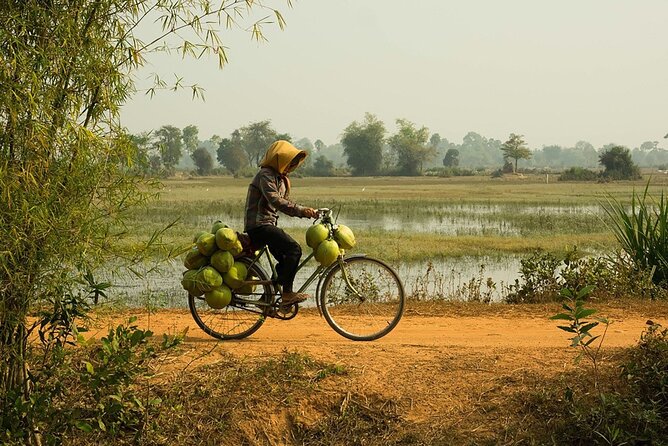
From the cycling and the temple climbs, the route heads toward Phnom Sampov. This section is explicitly built for evening.
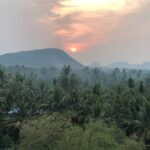
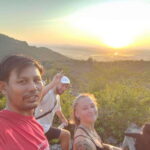
Phnom Sampov is best visited when the light is turning—sunset is where the views get most dramatic, and the tour is timed to let you catch that. Admission is included, and the stop runs 2 hours, which helps because mountain visits take longer than people think.
You’ll also visit the Killing Caves Of Phnom Sampeau. This is a heavy historical site, and it’s not the kind of place you want to race through. The tour’s longer time window is actually a plus here: you can look carefully and take in what you’re seeing.
If you want to do this part well, plan to slow down your photography. Let your eyes do the work first.
Battambang Bat Caves, Dusk, and the Bat Army
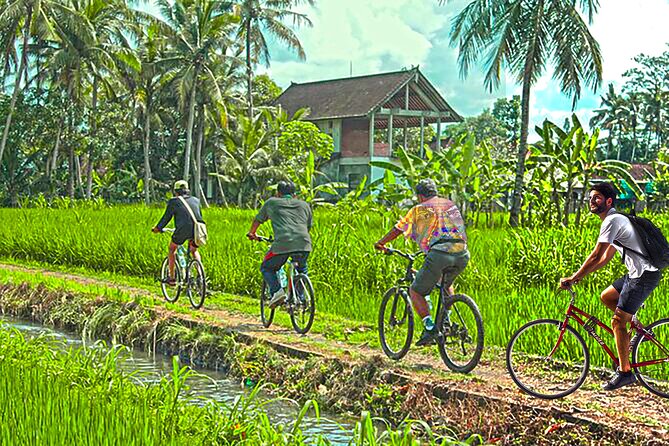
The day’s finale is one of Cambodia’s most unforgettable nature spectacles: bats.
The route ends with a visit to the Battambang Bat Caves, also known locally as the Bat Army. Admission is included, and the key timing is dusk. At that hour, thousands of bats fly out of the caves in the mountainside.
This is one of those events where the exact timing matters more than the exact distance. You’re being taken there so you finish near sunset, which is exactly when this show starts.
If you’re sensitive to noise or the smell near animal colonies, that’s something to be aware of. But even then, the visual impact tends to override comfort issues—this is a real, living spectacle, not a staged attraction.
Price and Value: Is $45 Worth It?
At $45 for about 11.5 hours, this tour feels like strong value if you compare what’s actually covered.
What you get included:
- friendly English-speaking local guide
- pickup and drop-off hotel
- private tuk-tuk transportation
- unlimited cold bottled water
- helmet and a high-quality Giant mountain bike
- local snacks on the village stop (option)
- admissions listed as included for several major sights
What costs extra:
- bamboo train ride: $5 per person
So the math is pretty simple. Your biggest unavoidable extra is that bamboo train. Everything else is either free admission, included admission, or part of the guided experience.
You’re also paying for a full day structure that works around sunset. Tours that only hit temples or only do food rarely feel as complete. This one gives you:
- active cycling
- food education and tastings
- temples and memorials
- a signature ride (bamboo train)
- a dusk wildlife event
If you’re the type who likes “a whole day of variety,” this price makes sense.
How Hard Is It? Bike Ride, Steps, and What to Bring
Most travelers can participate, but you’re still doing two kinds of physical work:
1) a bike day through countryside roads
2) a mountain climb with 358 steps at Wat Banan
The bike part is supported by helmet and bike quality, which makes it easier. Also, the tour includes enough time for stops that you don’t feel like you’re constantly sprinting between sights.
For you, the main challenge is the steps and the hot evening walking. Wear shoes with grip, and try not to rely on sandals for the climb. Bring sun protection if you use it (it’s Cambodia; you’ll feel it).
Also think about snack timing. The day includes multiple eating moments, plus a food-making session, so you probably won’t need a full meal plan. Still, water and a light energy snack idea for your own pocket can help if you’re easily hungry.
A Note on Guides: Friendly, English-Speaking, and Human
One of the reasons this tour earns such strong approval is the human layer. You’re capped at 10 people, which makes conversation possible, not forced. Your guide also connects stops in a way that helps you understand what you’re seeing instead of only collecting photos.
The tour provider is listed as Battambang Tour: Mr Lychee. In feedback tied to the experience, the guide M. Reed is also mentioned, with praise for how much there is to learn about artisan work and food making. That matches the overall vibe of the day: learn something real, then eat it, then ride on.
If you want a guide who talks with you and not at you, this format fits.
Should You Book This Battambang Tour?
If your idea of a great day is countryside riding plus hands-on food plus sunset moments, I’d book it. It’s good value for $45 because most entrances are included and the main extra cost is clearly the bamboo train.
I’d especially recommend it if you:
- like cycling and want more than a quick ride
- want to eat and learn, not just watch
- care about getting dusk right for Phnom Sampov and bat flight
- prefer small groups (capped at 10)
Skip or reconsider if:
- the idea of 358 steps sounds too demanding for your current fitness
- you dislike historical memorial sites connected to the Khmer Rouge
- you want only easy walking and no extra paid activities
If your schedule is flexible, it also comes with free cancellation up to 24 hours in advance, which gives you a little breathing room when you’re planning a day around weather and sunset timing.
FAQ
What is the duration of the Battambang cycling experience?
It runs about 11 hours 30 minutes.
Is hotel pickup and drop-off included?
Yes. Pickup and drop-off hotel service is included.
Is the tour price $45 all-inclusive?
Most key admissions are listed as included, but the bamboo train ride costs $5 per person.
How much does the bamboo train cost?
The bamboo train ride is $5 per person and is not included in the base price.
How many people are in the group?
Numbers are capped at 10.
Do I get a helmet and bike?
Yes. You’ll have a helmet and a high-quality Giant mountain bike.
Which stops include admission fees versus free admission?
Ta Dumbong Kro Aung Statue and Wat Samrong Knong are listed as free. Baset Temple is included, Ek Phnom is included, Wat Banan is included, Killing Caves of Phnom Sampov is included, and Battambang Bat Caves are included. The bamboo train is not included.
How many steps do you climb at Wat Banan?
You climb 358 steps to reach the temple towers.
When is Phnom Sampov best visited?
Phnom Sampov is best visited in the evening when the sun is setting.