REVIEW · PHNOM PENH
Phnom Penh Small Group City Tour
Book on GetYourGuide →Operated by GREEN ERA TRAVEL · Bookable on GetYourGuide
Courageous history has a route in Phnom Penh. This 5-hour small-group tour strings together the city’s biggest cultural sights and the hardest chapters of Cambodia’s modern past, from the Royal Palace to Tuol Sleng and the Killing Fields. I especially like how the guide turns monuments into meaning, so you’re not just looking at buildings—you’re understanding why they matter.
One thing to plan for: the subject matter is emotionally heavy, and the heat + a bit of walking can make the day feel long even when the schedule is well run.
In This Review
- Key Things I’d Zoom In On
- Phnom Penh in One Thoughtful 5 Hours
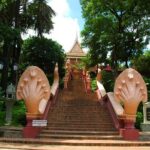
- Royal Palace and Silver Pagoda: Khmer Craft in a French-Created Setting
- Silver Pagoda: the detail you’ll remember
- What to watch for
- Tuol Sleng (S-21) Genocide Museum: A Former School Turned Prison
- Why a guide matters at S-21
- Take a moment for yourself
- Choeung Ek Killing Fields: The Memorial That Demands Quiet
- Practical emotional reality
- How the Small Group, Tuk-Tuk, and Pickup Actually Feel
- Price and Value: What $49 Really Covers
- Dress Code, Walking, and What to Bring
- Who Should Book This Tour, and Who Should Think Twice
- Should You Book This Phnom Penh Small-Group City Tour?
- FAQ
- How long is the Phnom Penh Small Group City Tour?
- What is the price per person?
- Is hotel pickup and drop-off included?
- How big is the group?
- What transportation do I use during the tour?
- Is an English-speaking guide included?
- Are entrance fees included in the $49 price?
- What should I bring for the day?
- Is there a dress code?
- Is the tour suitable for children?
Key Things I’d Zoom In On
- Royal Palace details: Khmer architecture on the riverbanks, plus the French-built palace story starting in 1866
- Silver Pagoda’s silver tile count: the floor is made of 5,329 silver tiles
- Tuol Sleng (S-21) at real scale: a former high school used as Security Prison 21, explained clearly
- Choeung Ek’s Killing Fields: the memorial at the former killing fields, just south of Phnom Penh
- Small-group comfort: max 12 people, often split into tuk-tuks (1–3) or an air-conditioned vehicle (4+)
- Human-guided empathy: multiple guides praised for compassion and keeping the tone respectful
Phnom Penh in One Thoughtful 5 Hours
This is the kind of tour that helps you make sense of Phnom Penh fast. You start with the royal and religious center of the city, then move into Cambodia’s tragedy. It’s not a light sightseeing loop. The point is context: how places of power, worship, and everyday life changed under Khmer Rouge rule.
You’ll cover the main “must-see” landmarks without feeling like you’re stuck on a bus all day. Because it’s limited to a small group (no more than 12), you get more room for questions, and your guide can keep the pace realistic—especially when you’re dealing with sites that deserve quiet attention.
You can also read our reviews of more city tours in Phnom Penh
Royal Palace and Silver Pagoda: Khmer Craft in a French-Created Setting
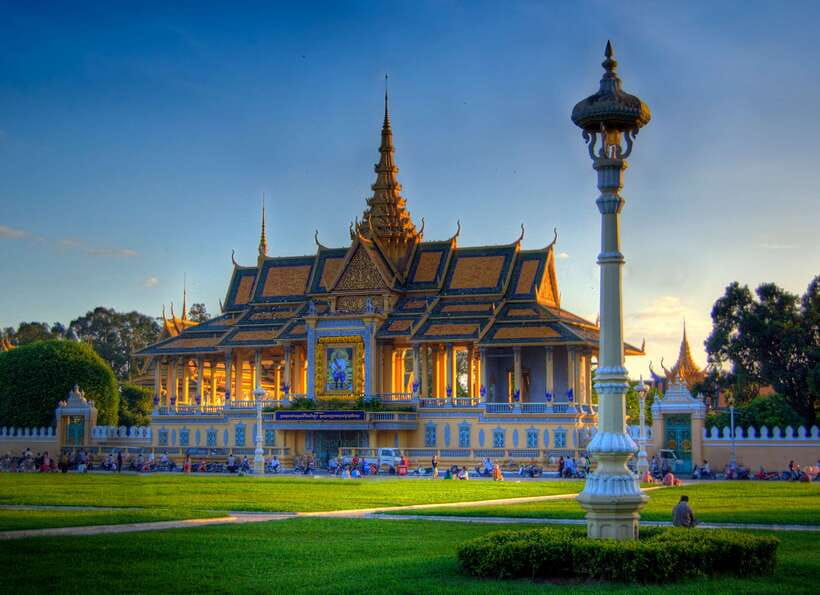
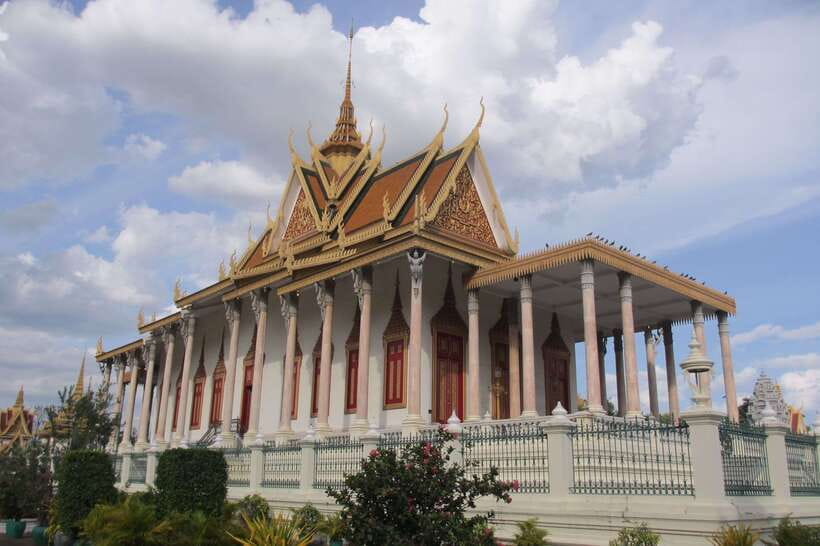
Most tours hit the Royal Palace and move on. This one gives you time to actually look. You’ll begin with the story of why the palace complex is here at all: the royal capital moved from Oudong, and in 1866 the French built the palace. That historical pivot is useful, because it shows you Cambodia wasn’t sealed off from outside influence—it absorbed it, then expressed itself in Khmer style.
Inside the palace grounds, you’ll admire Khmer architecture on the banks of the Tonle Sap and Mekong River. That river setting matters. Phnom Penh is a city shaped by water and history, and seeing the palace in that context helps everything else later in the day feel more connected.
Silver Pagoda: the detail you’ll remember
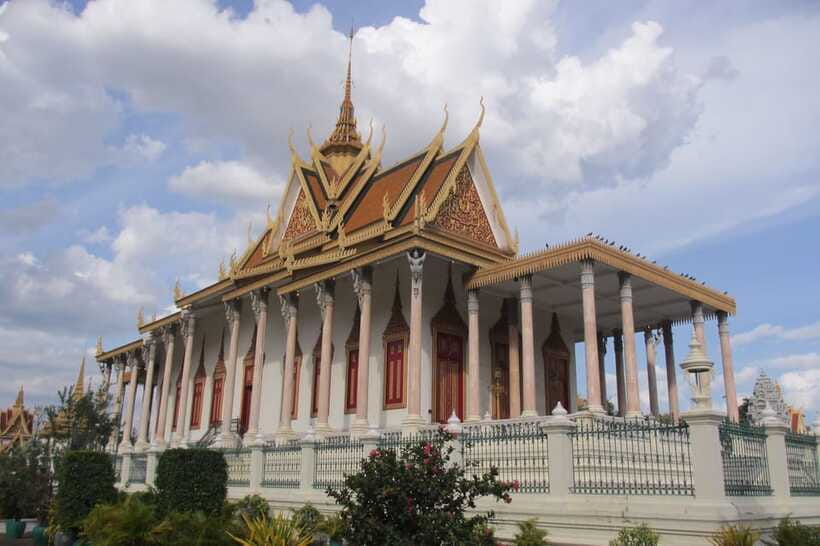
Then comes the Silver Pagoda, famous for being literally made of silver tiles. You’re told the floor is set with 5,329 silver tiles. Even if you don’t count them (please don’t), the wow factor is real because the space is built to reflect light and emphasize the sacred objects.
You’ll also hear how Khmer kings were meant to reside there continuously, except during the Khmer Rouge period. That detail changes how you look at the statues and temple spaces. They aren’t “just pretty.” They’re part of a system of beliefs tied to leadership and legitimacy.
You’ll see jeweled Buddha statues and the Angkor Wat-style bell tower. The guide helps connect these elements so you’re not only admiring craftsmanship—you’re building a mental map of how Khmer art often communicates power, devotion, and continuity.
What to watch for
This part of the day is also where the dress code becomes very real. You’ll need knees and shoulders covered for places of worship and selected museums. That means no shorts, no short skirts, and no sleeveless tops. If you don’t comply, you risk being refused entry. I’d rather plan ahead here than lose time later.
Tuol Sleng (S-21) Genocide Museum: A Former School Turned Prison
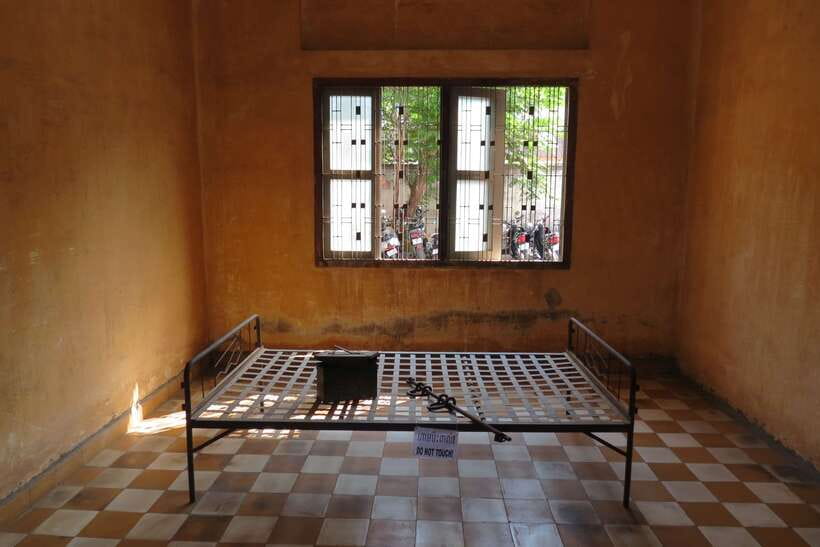
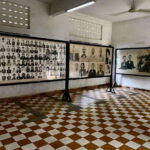
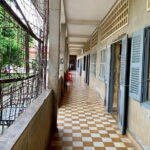
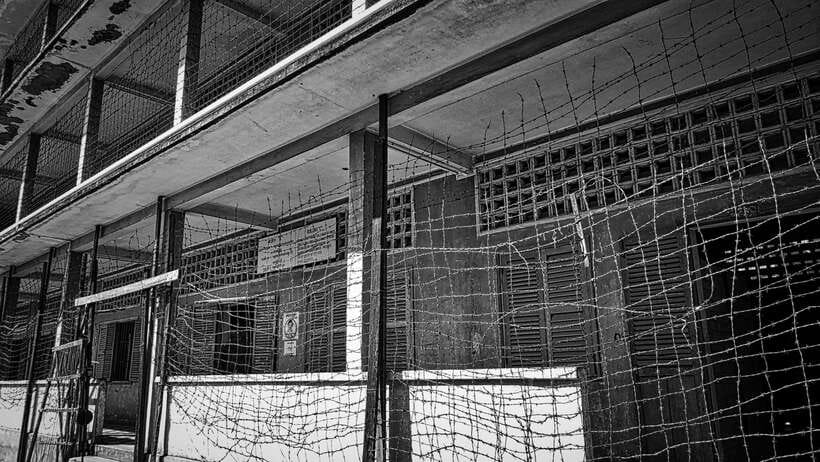
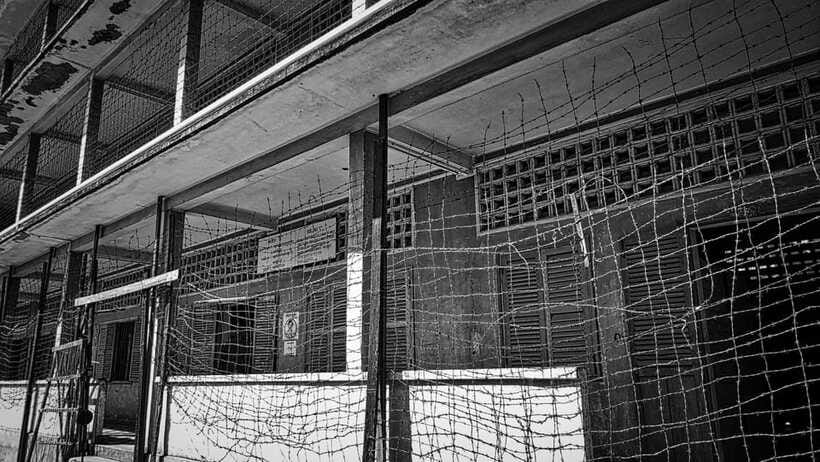
Then the tour turns. Tuol Sleng is located in a former high school that became Security Prison 21 (S-21). That fact alone is chilling: education, daily life, and normal routines were overwritten by detention and torture.
Here, what you’re really paying for is the guide’s ability to explain what you’re seeing. The displays and exhibits tell the stories of an estimated 20,000 prisoners who were murdered and dumped at the Killing Fields. Even if you’ve read about the Khmer Rouge before, this museum often hits harder because it’s grounded in the physical space and the documents.


Why a guide matters at S-21
Signs can explain things. A good guide explains the human scale. Several guides connected to this tour have been praised for being compassionate and respectful while still being direct. People also specifically mentioned first-hand or lived perspective—such as guides like Sing, Oung Syphat, and Phe Try—so you may get more than dates and timelines. You may get explanations that answer the question: how did ordinary life get turned into systematic cruelty?
This is where I’d recommend you go slow on photos. You’ll want to read panels, not just take snapshots. If you rush, you’ll miss what the museum is trying to teach: remembrance with accuracy.
Take a moment for yourself
S-21 is not designed for kids, and it’s not designed for people looking for a quick stop. The tour notes that it’s not recommended for children visiting Tuol Sleng and the Killing Fields. If you’re bringing teens, think carefully about how they handle graphic, emotionally intense content—this tour isn’t trying to soften it.
Choeung Ek Killing Fields: The Memorial That Demands Quiet
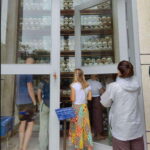
After Tuol Sleng, you head to Choeung Ek, just south of Phnom Penh—the Killing Fields site. This is the outdoor portion of the day, and it changes the atmosphere. Inside S-21, you’re surrounded by records and rooms. Here, you’re dealing with a landscape transformed into a memorial space.
The tour includes your visit to the Killing Fields, and you’ll learn about what happened to prisoners brought from S-21. This pairing—S-21 first, then Choeung Ek—makes the story more complete. You can trace the path from detention to execution, and the memorial’s presence helps you hold onto the difference between “what you read” and “what you stand in.”
Practical emotional reality
The Killing Fields are hard to process. I’d treat this stop like a quiet visit, not a photo challenge. Take breaks if you need them. It’s also common to feel a bit disoriented after this section; your next step in the day should be paced with that in mind.
How the Small Group, Tuk-Tuk, and Pickup Actually Feel
The tour runs with a small group size (up to 12), and transportation changes with the group. If you’re in the smaller range, you’ll ride in shared tuk-tuks (1 to 3 people). With larger groups, you use an air-conditioned vehicle.
That mix is more than a comfort perk. It affects how you experience Phnom Penh. Tuk-tuks help you feel like you’re moving through real city streets instead of just passing points from a window. Air-conditioning helps you conserve energy for the walking and museum time when the weather is hot.
Pickup and drop-off are included, with pickup available from your hotel on request. That’s a real value in Phnom Penh, where you don’t want to spend half your morning figuring out how to get from one site to the next.
Also, cold bottled water is included. It sounds minor until you’re sitting through a memorial visit and the sun is doing its job. You’ll appreciate having it without having to negotiate for it.
Price and Value: What $49 Really Covers
The base price is $49 per person for a 5-hour tour. That’s only the start of the total cost, though, because entrance fees are not included.
Here’s the practical breakdown of the entrance fees listed for key stops:
- Genocide Museum (Tuol Sleng): $5 per person
- Royal Palace and Silver Pagoda: $10 per person
- Killing Fields: $3 per person
Add those to the $49 base and you’re looking at about $67 per person in entrance costs on top of the tour price. (Exact totals can vary if the operator updates fees, but these are the amounts provided.)
So what are you really paying for? Not just tickets. You’re paying for:
- A local English-speaking guide who ties together the palace story, religious spaces, S-21, and Choeung Ek
- Small-group pacing that helps you ask questions
- Transportation + hotel pickup/drop-off
- On-site time management, so you don’t lose hours navigating heat and logistics
If you try to DIY, you can save money on the guide. But the main value here is interpretation—especially at S-21. Knowing what to look for makes the exhibits more understandable without turning the experience into entertainment.
Dress Code, Walking, and What to Bring
This tour isn’t physically intense, but it does include a small amount of walking. In Phnom Penh’s heat, “small amount” can still feel like more if you’re dressed for sightseeing rather than temples.
Bring:
- Sunglasses
- Sun hat
- Sunscreen
And plan outfits around the rules:
- No shorts or short skirts
- No sleeveless shirts
- Keep knees and shoulders covered for worship sites and selected museums
- If you don’t comply, you risk being refused entry
A small note for comfort: you’ll want breathable clothing that still follows the coverage rules. Light layers usually work better than heavy fabrics.
Who Should Book This Tour, and Who Should Think Twice
This is a strong fit if you want a focused overview of Phnom Penh that doesn’t skip the big historical realities. You’ll especially enjoy it if you like guided context—turning monuments into stories and places into meaning.
It’s also a good choice if you care about pacing. The small-group format (max 12) tends to reduce waiting and makes it easier to keep questions moving. In several real-world runs, guides were praised for being warm, respectful, and helpful during difficult moments.
Think twice if:
- You’re traveling with kids under 14, since the tour specifically notes it’s not recommended for children to visit Tuol Sleng and the Killing Fields
- You’re looking for a casual, purely scenic day. This is cultural sightseeing, yes, but it’s also a solemn historical visit
Should You Book This Phnom Penh Small-Group City Tour?
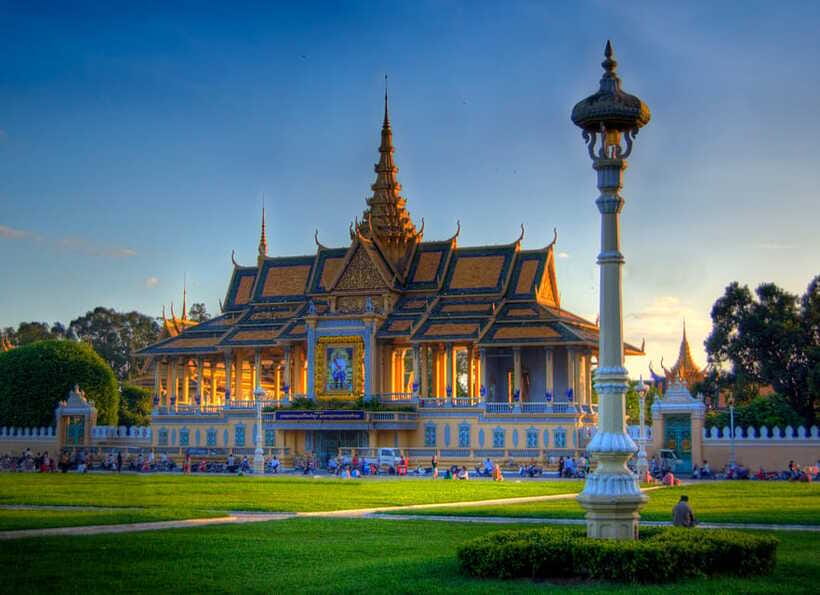
I’d book it if you want the essentials of Phnom Penh in one well-guided 5-hour sweep, and you’re ready for the emotional weight of Cambodia’s recent history. The Royal Palace and Silver Pagoda give you the cultural backbone, and Tuol Sleng + Choeung Ek complete the story in a way that’s hard to replicate on your own without getting lost in details.
If your top priority is entertainment or quick photos, you might find the day heavy. But if your priority is understanding the city—how beauty, power, and tragedy intersect—this tour is a practical, efficient, and deeply meaningful way to do it.
FAQ
How long is the Phnom Penh Small Group City Tour?
It runs for 5 hours.
What is the price per person?
The price is $49 per person.
Is hotel pickup and drop-off included?
Yes. Pickup is possible from your hotel on request, and drop-off is included.
How big is the group?
The tour is a small group of no more than 12 people.
What transportation do I use during the tour?
You use shared tuk-tuks (1 to 3 people) or an air-conditioned vehicle (4 or more people).
Is an English-speaking guide included?
Yes. The guide is English-speaking.
Are entrance fees included in the $49 price?
No. Entrance fees are not included: Genocide Museum $5, Royal Palace and Silver Pagoda $10, and Killing Fields $3 per person.
What should I bring for the day?
Bring sunglasses, a sun hat, and sunscreen.
Is there a dress code?
Yes. For places of worship and selected museums, you must cover knees and shoulders. Shorts, short skirts, and sleeveless shirts are not allowed, and you risk refused entry if you don’t comply.
Is the tour suitable for children?
It is not recommended for children under 14 years, and it specifically notes children are not recommended to visit the Killing Fields and S-21 (Tuol Sleng Genocide Museum).